
Use it for sustained execution
Complex engineering, autonomous optimization, production grade builds, and repeated test and fix loops.
Z.AI · Hermesモデルガイド
GLM-5.1 is designed for work that takes more than a few turns. Hermes can give it a goal, a project, tools, and a way to verify progress while it plans, builds, tests, and improves the result.
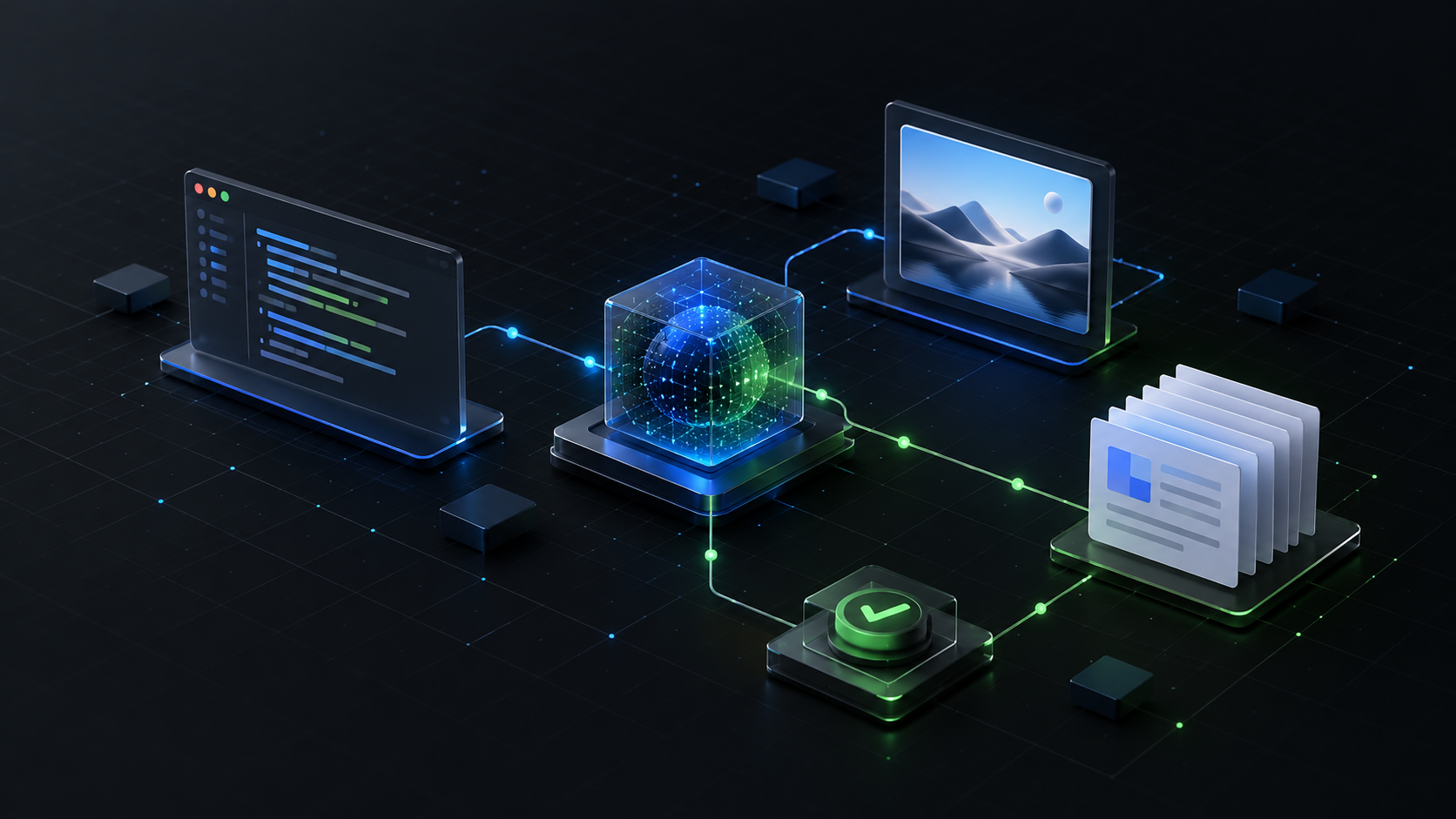
Hermesで確認する技術情報
These facts show where GLM-5.1 fits inside Hermes and which details change the cost and review path.
注意する点
Agentを動かす前の確認
モデル名ではなく、仕事に合わせて選びます。
Complex engineering, autonomous optimization, production grade builds, and repeated test and fix loops.
Short copy, simple questions, and small edits do not need a model built for long execution.
Use GLM-5.1 when the task has a clear goal but needs many rounds of execution and improvement. Use GLM-5.2 for broader project context or GLM-5.3 for the hardest decisions.
Hermesに向く仕事
GLMシリーズでも役割は同じではありません。タスクを見てからルートを決めます。
Move from requirements to implementation, tests, fixes, and a delivery report.
Run a benchmark, inspect the result, change the code, and measure the next run.
Plan a migration, update dependent files, run checks, and list remaining risks.
Turn a paper or data source into a runnable project with repeatable verification.
It keeps the goal visible while the work continues.
Project-wide context is the main bottleneck.
A deeper review is safer than another open-ended run.
Hermesワークフロー
Hermes should save the goal, current progress, tests, and stop conditions. GLM-5.1 can continue the work, but it still needs clear boundaries and human approval for important releases.
Define the outcome, tools, limits, tests, and what counts as done.
Plan, implement, test, inspect, and adjust the next step.
Hermes records completed work, failed attempts, and open risks.
The model prepares the result and a human approves production release.

Practical case
A team asks Hermes to improve a slow data pipeline without changing its public API. GLM-5.1 maps the pipeline, creates a baseline benchmark, identifies a bottleneck, implements a change, and runs the benchmark again. Hermes keeps the results of every round. If a change improves speed but breaks a test, the model must fix the regression before continuing. The final delivery includes the code, benchmark results, and unresolved risks.
Hermes records the current test and performance result.
GLM-5.1 edits one bounded part of the pipeline.
Hermes reruns the benchmark and compares the result.
The next round is allowed only when tests still pass.
The final delivery includes code, measurements, passed checks, and the risks that remain open.
人による確認A person approves changes to production systems, data migrations, security rules, and release decisions.
コストの考え方
Long tasks can use many tokens. The benefit is fewer manual restarts and better continuity across planning, tests, and fixes. For small tasks, choose a cheaper model and keep the workflow short.
A long task may use many tokens, but it can still be cheaper than restarting a complex engineering job by hand after every failed attempt.
Use GLM-5.1 in Hermes
Select glm-5.1, define the goal and stop conditions, and require a progress report after each meaningful execution phase.
curl https://api.hermes-ai.net/api/v1/chat/completions \
  -H "Authorization: Bearer $HERMES_API_KEY" \
  -H "Content-Type: application/json" \
  -d '{
    "model": "glm-5.1",
    "messages": [{"role":"user","content":"Run the approved task and return a short verification report."}]
  }'
FAQ
It is designed for sustained work: planning, implementation, testing, fixing, and delivery across many steps.
Hermes can let it continue, but production changes, sensitive actions, and final release still need human approval.
Set a budget, a time limit, a test goal, and explicit stop conditions in the Hermes task brief.
Yes. A benchmark and a repeatable test loop make its optimization workflow easier to measure.
Use GLM-5.2 when the task depends on understanding a large project context or many cross file decisions.
HERMES API · GLM-5.1
Select glm-5.1, define the goal and stop conditions, and require a progress report after each meaningful execution phase.