
Let Hermes plan, then give routine steps to 1017.
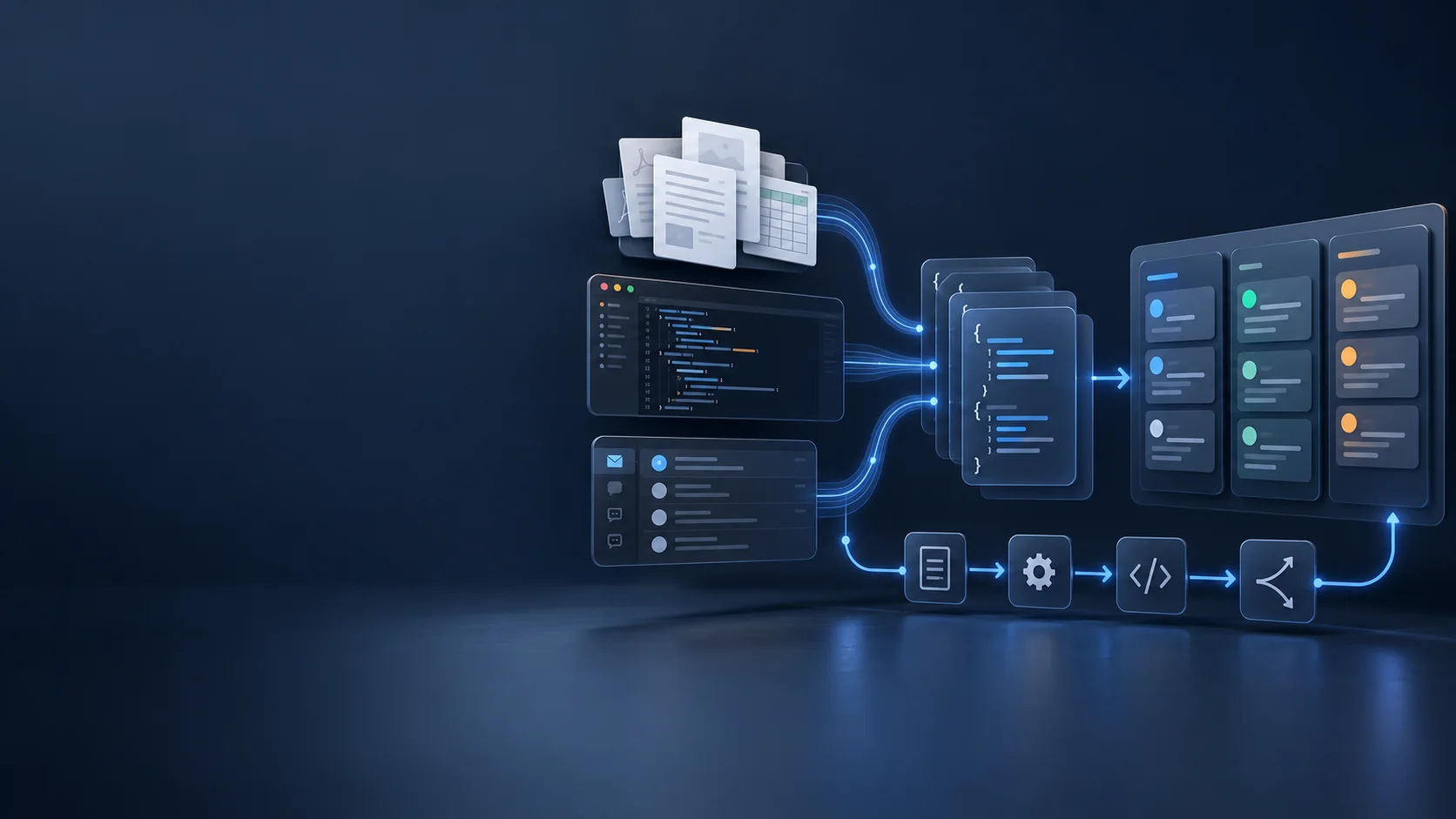
Hermes can keep the goal and approval rules. 1017 can read the source pack, call an approved tool, and return a structured result.
HERMES API MODEL GUIDE
Give it repeatable Agent work: read sources, pull fields, sort items, and prepare tasks. Save the harder and more costly judgment calls for a stronger model.
1017 update · Hermes Agent
DeepSeek V4.1 Flash 1017 is the current build behind the Hermes model ID deepseek/deepseek-v4.1-flash. You do not need a second Hermes connection. Keep one API setup, then use 1017 for long-context coding, tool calls, screenshot checks, and repeatable research.
Hermes can keep the goal and approval rules. 1017 can read the source pack, call an approved tool, and return a structured result.
Use it for extraction, classification, tests, and first-pass code review. Send only unclear or high-risk decisions to a stronger model.
It can inspect a UI screenshot or chart. A person should still check claims, permissions, prices, and anything that will be published.
At a glance
You do not need the strongest model for every job. A weekly research brief, a product list cleanup, or a queue of support messages all include steps that are much the same each time. Flash is useful for those steps.
A fixed answer format tells the model exactly what to return, such as a name, price, category, and source URL. That makes errors easier to spot and later steps easier to automate.
01 / Task fit
Start with the job, then choose the model. Flash fits work with a clear scope, a fixed answer format, and results a person can check.
03 / Real work scenarios

Hermes sends a batch of approved product pages to a DeepSeek sub-agent. It extracts price, material, shipping promise, country, and source URL into one JSON row per product. The main Agent groups the rows and marks missing evidence. A person checks the source links before anything becomes a customer-facing claim.
The main Agent turns a bug report into a small checklist. DeepSeek reads the named files, writes a focused test, runs the approved test command, and returns the changed files plus the result. A stronger model or engineer reviews architecture and security; Flash handles the repeatable scan, test, and summary.
Hermes gives each ticket to a DeepSeek sub-agent with a fixed schema: language, order status, issue type, urgency, and suggested route. It can label hundreds of similar tickets quickly. It should not issue refunds or promise a resolution by itself. A person reviews urgent, unusual, or policy-sensitive cases.
Task routing
Ask one question before choosing a model: if the answer is wrong, can I spot and fix it quickly? If yes, Flash is often a good first choice. If no, use a stronger model or ask a person to check.
04 / Cost estimate
≈ $0.01
For a task that turns a set of sources into a task list, allow 20,000 input tokens and 3,000 output tokens. At the current Hermes rate, plan for about $0.01. This covers model tokens only. Search, crawling, storage, and other tools are separate.
Input $0.265 / 1M tokens · Output $1.059 / 1M tokens · Cache read $0.005 / 1M tokens
05 / First run
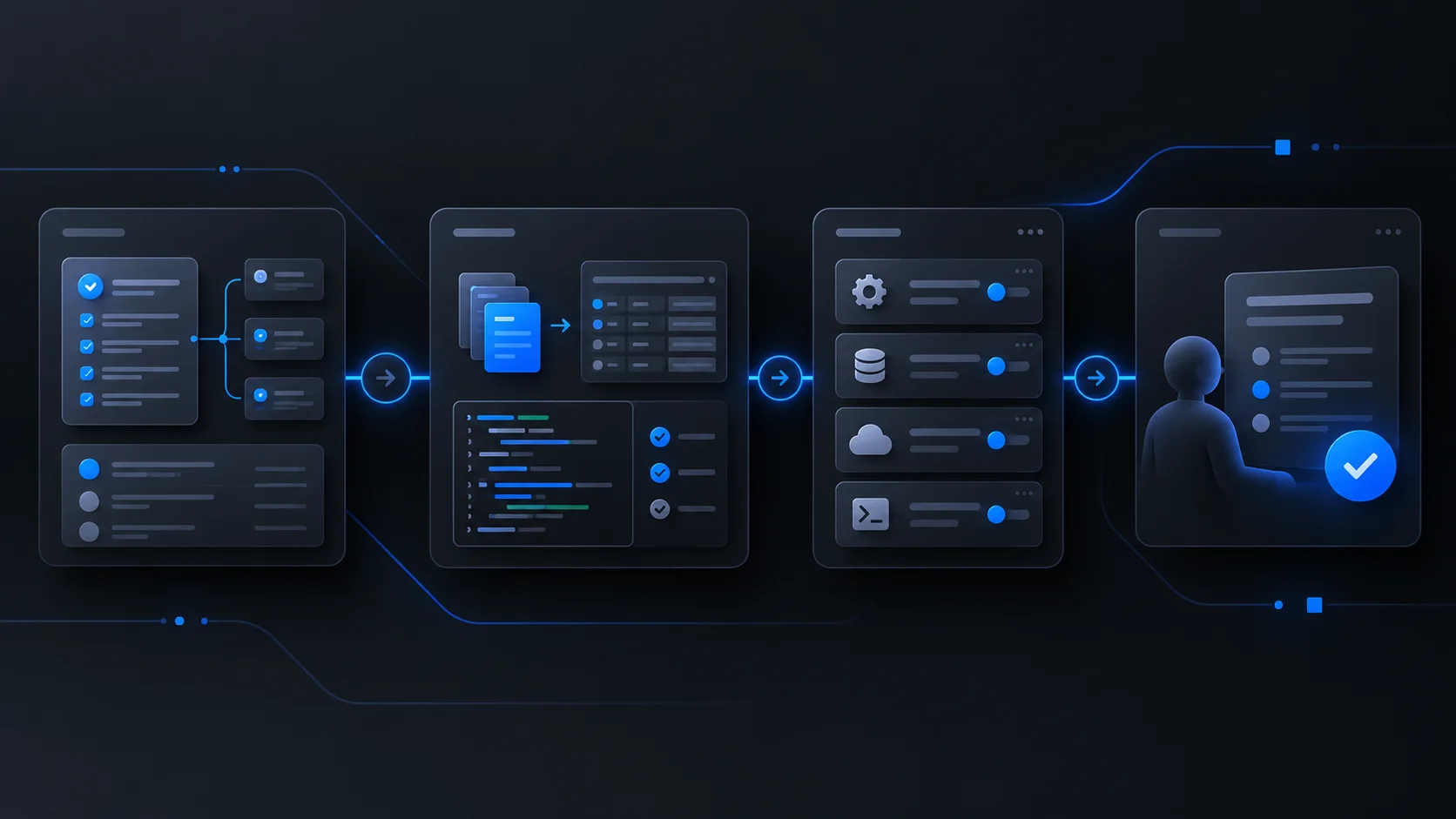
Do not give an Agent a whole project first. Give it a small task with a fixed answer format, then check the result.
A person should check: no important fields are missing; prices and dates are correct; the next step makes sense.
{
  "items": [
    {
      "name": "…",
      "price": "…",
      "next_step": "…"
    }
  ]
}
Three starter tasks
01 · Extract
02 · Classify
03 · Summarize
API setup
Get an API key, use the Hermes endpoint, and set the model ID. Start with a narrow prompt and a structured response. This gives you a way to measure usage before you scale a workflow.
Create an API key →curl https://api.hermes-ai.net/api/v1/chat/completions \
-H "Authorization: Bearer $HERMES_API_KEY" \
-H "Content-Type: application/json" \
-d '{
"model": "deepseek/deepseek-v4.1-flash",
"messages": [{"role":"user","content":"Extract name, price, and category. Return JSON only."}],
"response_format": {"type":"json_object"}
}'06 / Escalation
Use a stronger main Agent when the job needs long reasoning, a complex code change, planning from an unclear goal, or an answer that is hard to check. Flash can prepare the material, sort tasks, and organize results first.
Read the official DeepSeek release note ↗FAQ
Use a stronger main Agent when the job needs long reasoning, a complex code change, planning from an unclear goal, or an answer that is hard to check. Flash can prepare the material, sort tasks, and organize results first.
A person should check: no important fields are missing; prices and dates are correct; the next step makes sense.
HERMES API
Create a Hermes API key, select DeepSeek V4.1 Flash 1017, and begin with a small task you can check.