
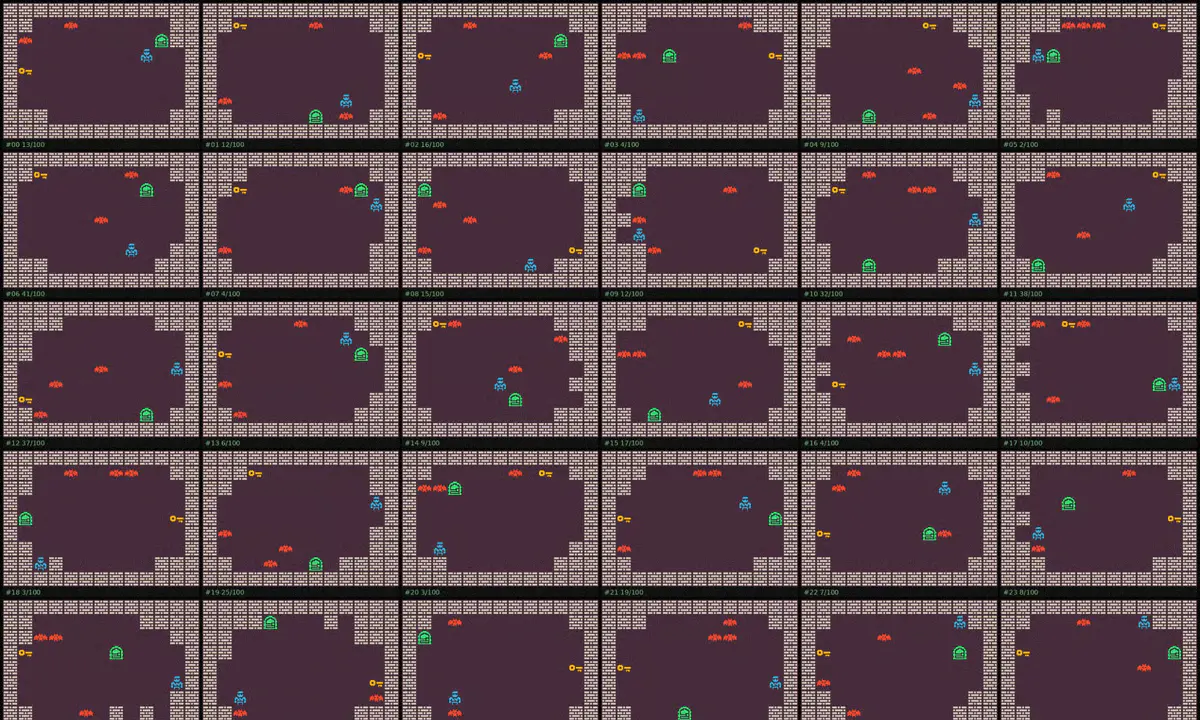
NYU Researchers Evolve Readable Python Rules That Build Playable Game Levels
A new research paper reframes cellular automata as evolvable Python modules, letting genetic programming discover readable rules for level generation.
A focused feed of models, agents, research and open-source releases for people building with AI.
A new research paper reframes cellular automata as evolvable Python modules, letting genetic programming discover readable rules for level generation.
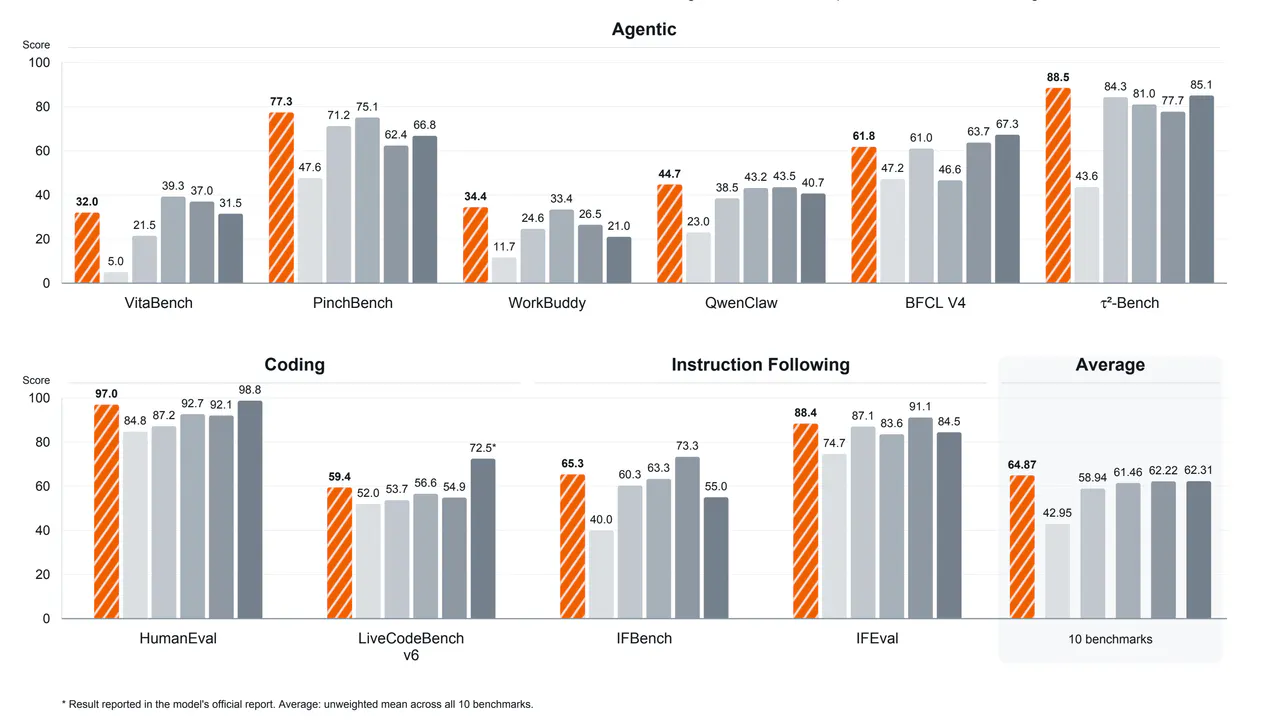
TokenRhythm fine-tunes Qwen3.5-4B with a routing harness that turns agent traces into training data, gaining 5.93 points across ten benchmarks.
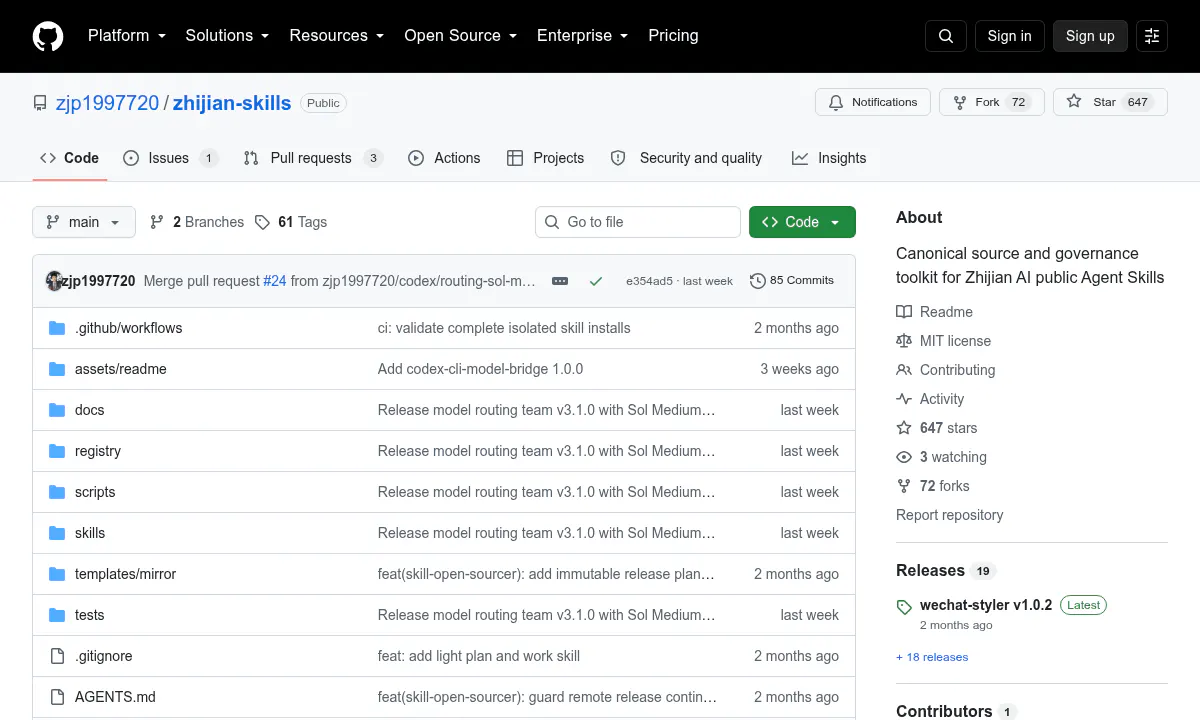
A Chinese developer's open-source Agent Skills portfolio bundles sixteen focused tools, including a layered Web Clipper that chains five extractors to reliably scrape anything.
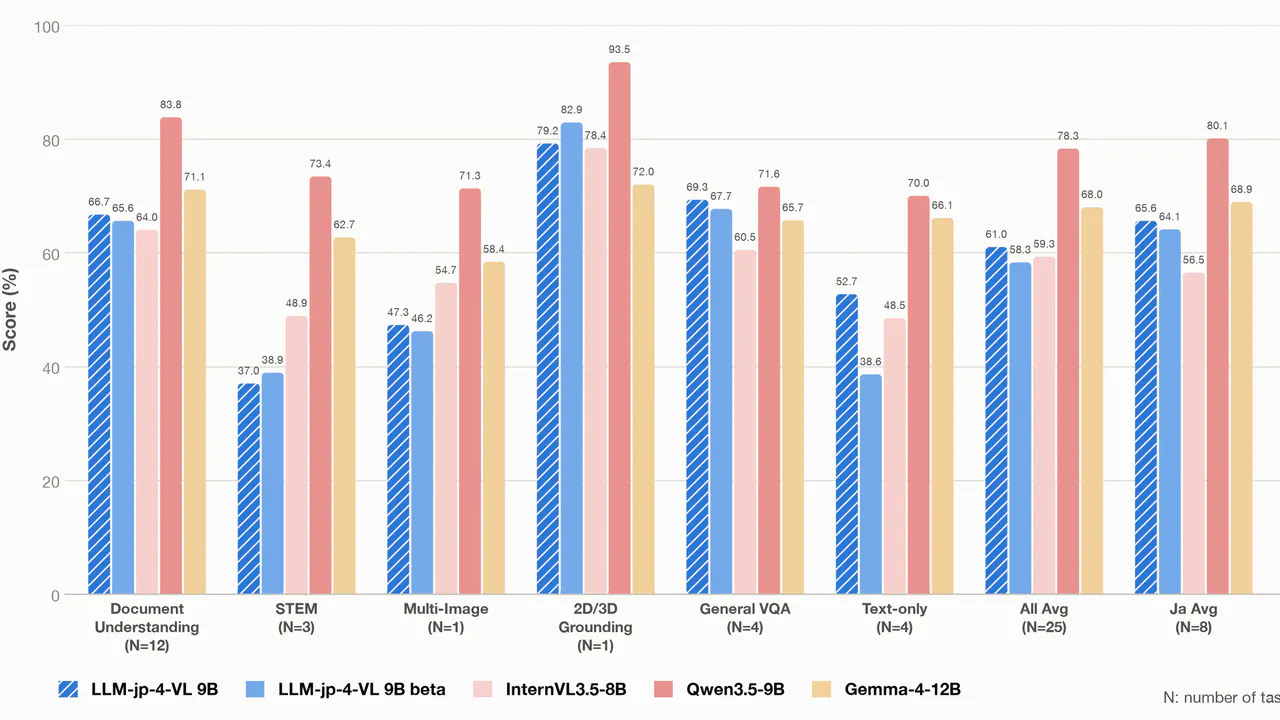
Japan's national LLM project releases an Apache-2.0 vision-language model with reasoning traces, trained on a scrubbed 29M-sample dataset.
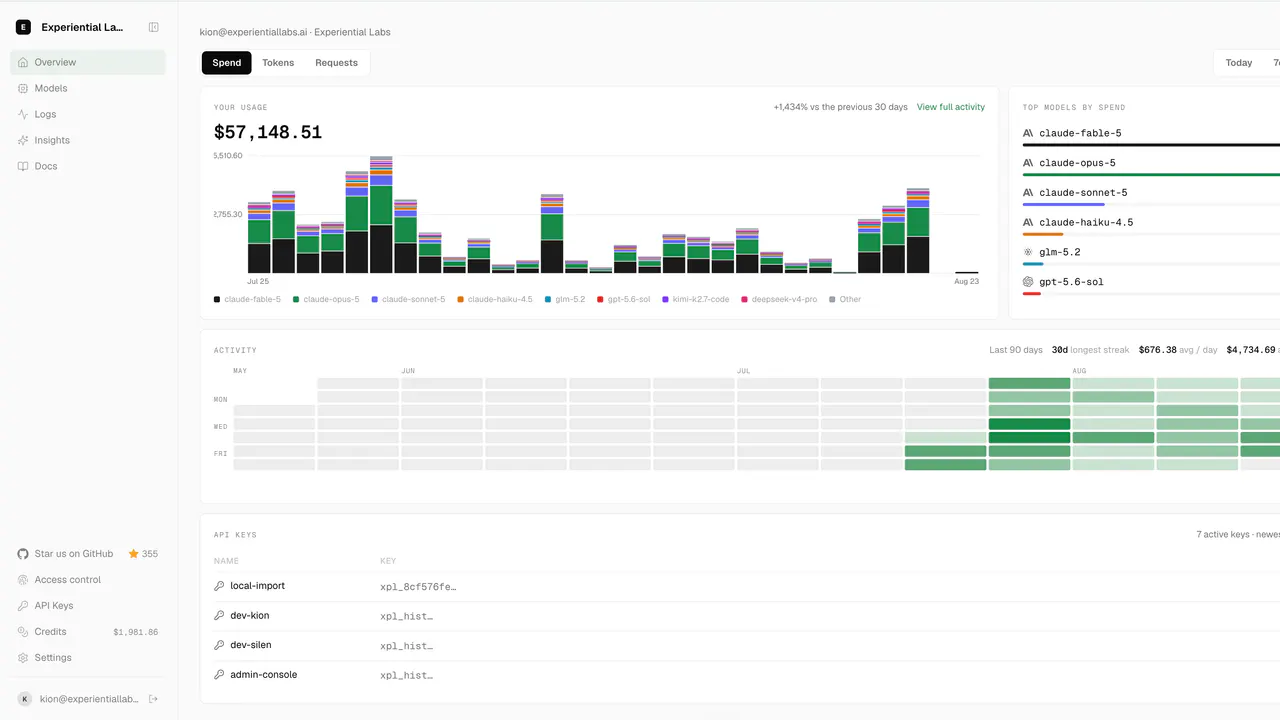
Experiential is an open source, OpenAI-compatible gateway that routes across hosted, BYOK, and local models with zero markup and spend controls.

OpenBMB's compact 2B model hits open-source SOTA in its class, beating several 4B rivals on code, math, and agent benchmarks while running locally.

NVIDIA's fine-tuned Nemotron system scored 535.4 out of 600 at IOI 2026, topping the best human contestant under identical contest conditions.
GitHub added a REST endpoint that returns weekly star counts with timestamps, restoring star-history tracking that broke when stargazer listings were locked down.

Artificial Analysis pushes Intelligence Index v4.2 with private test sets, a 4,592-page PDF reasoning benchmark, and a new agentic knowledge-work suite.
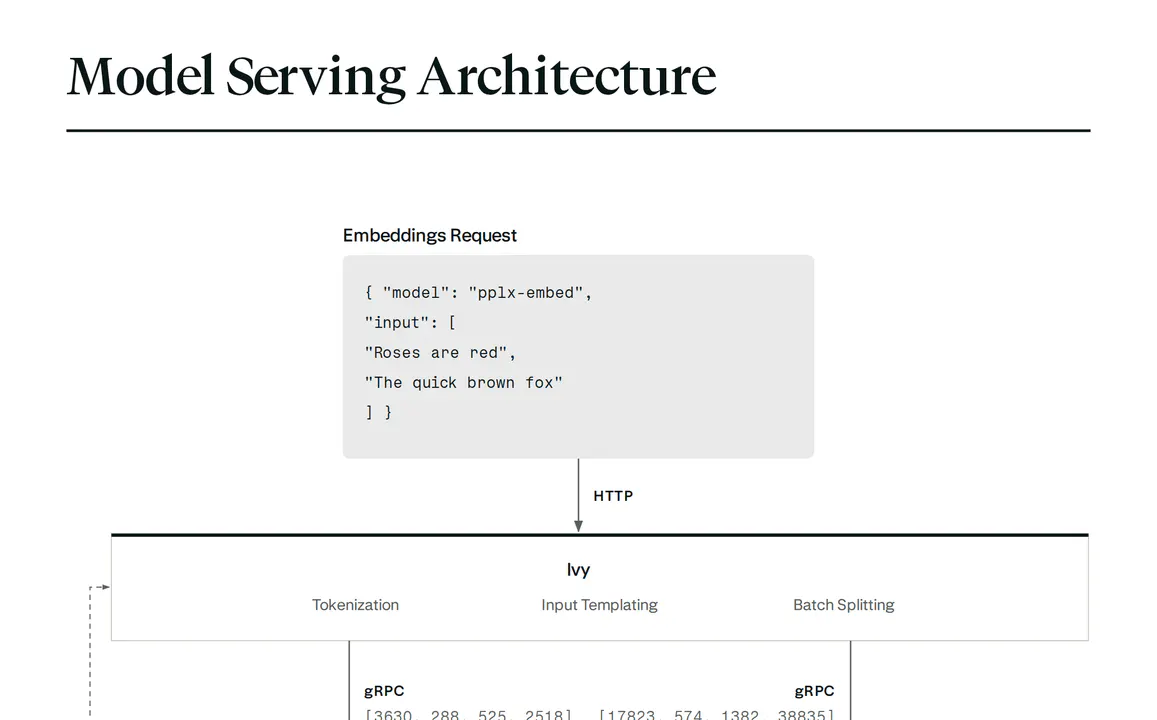
Perplexity open-sources details of Ivy, Tulip, and ROSE, its Rust plus Python embedding stack that beats vLLM on latency and throughput.
IFM released six fully open models from 0.9B to 375B parameters, complete with weights, code, training data, and recipes under Apache 2.0.
LlamaIndex and Kaggle launch a schema-guided document extraction benchmark that grades models on missing fields, source grounding, and repeated records across 370 enterprise files.

Claude autonomously wrote a 13 million line Lean proof of Fermat's Last Theorem in 11 days, verifying 29,500 supporting theorems along the way.
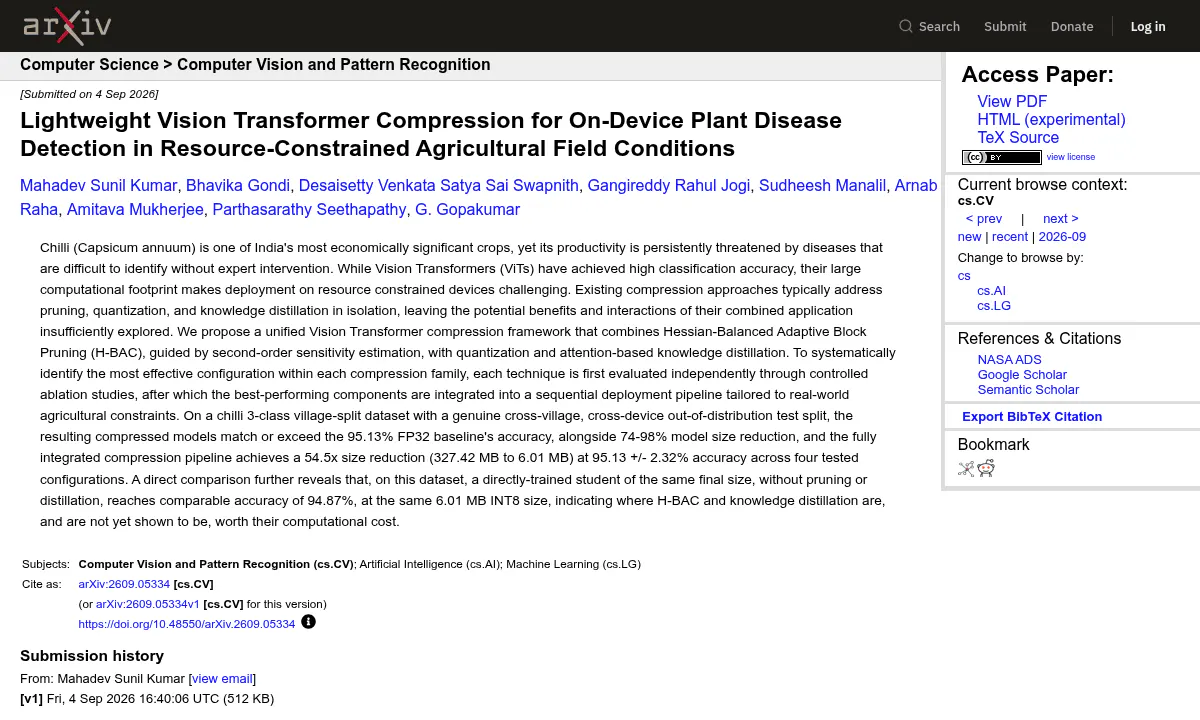
A unified pruning, quantization and distillation pipeline shrinks a Vision Transformer 54.5x while holding 95.13% accuracy on out-of-distribution chilli disease images.
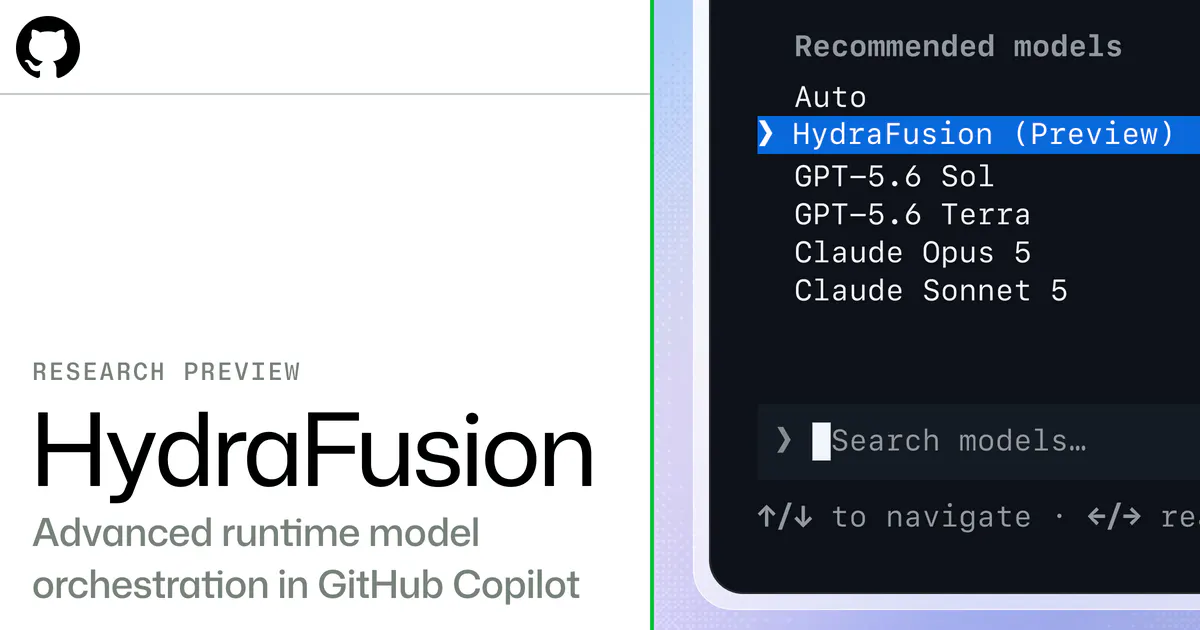
GitHub's new research preview routes each coding task through single, cascade, or critique workflows across multiple models, beating Opus 5 at a fraction of the cost.
Google's newest music generation model expands from Flow Music into the Gemini API, AI Studio, and the Gemini app with 44.1 kHz stereo output.
Cohere Labs scraped 696K agent tools from 123K MCP servers and found only 2.6% can actually finish a real job task alone.

InclusionAI open-sources a 124B-parameter mixture-of-experts vision-language model with 5.5B active parameters, 256K context, and MIT license.
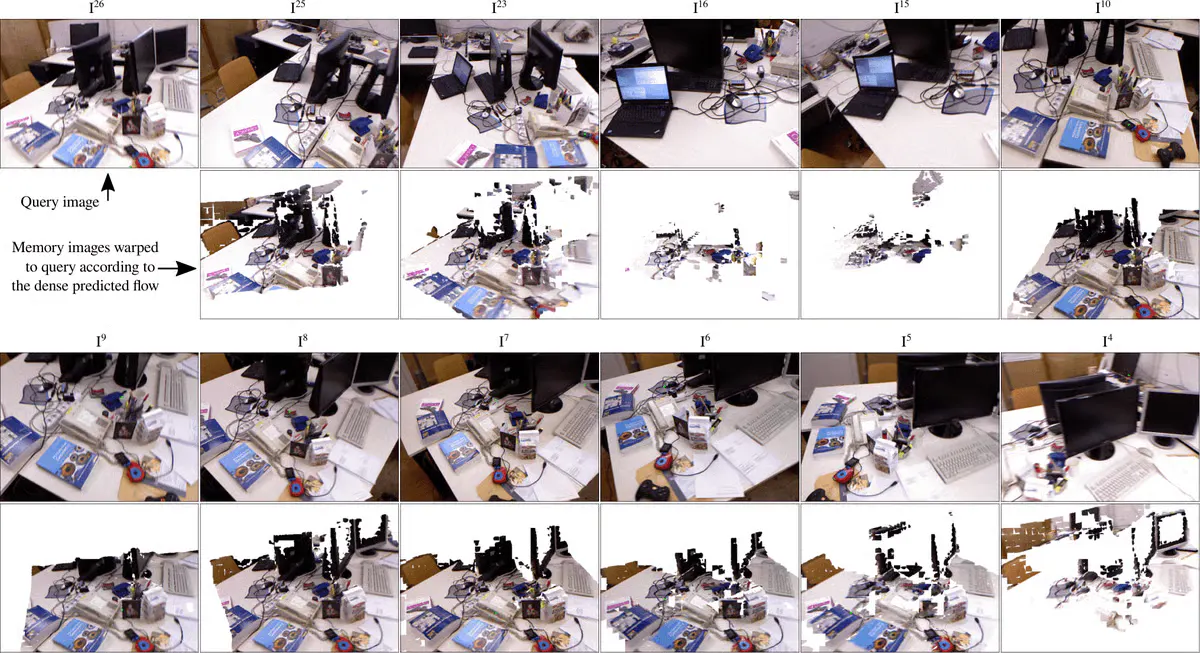
A new hybrid Structure-from-Motion framework from NAVER Labs unifies real-time SLAM and offline reconstruction, beating even calibrated systems while running uncalibrated.

A new CLI treats AGENTS.md as a set of weights, mining your agent transcripts to propose evidence-backed edits under a strict token budget.
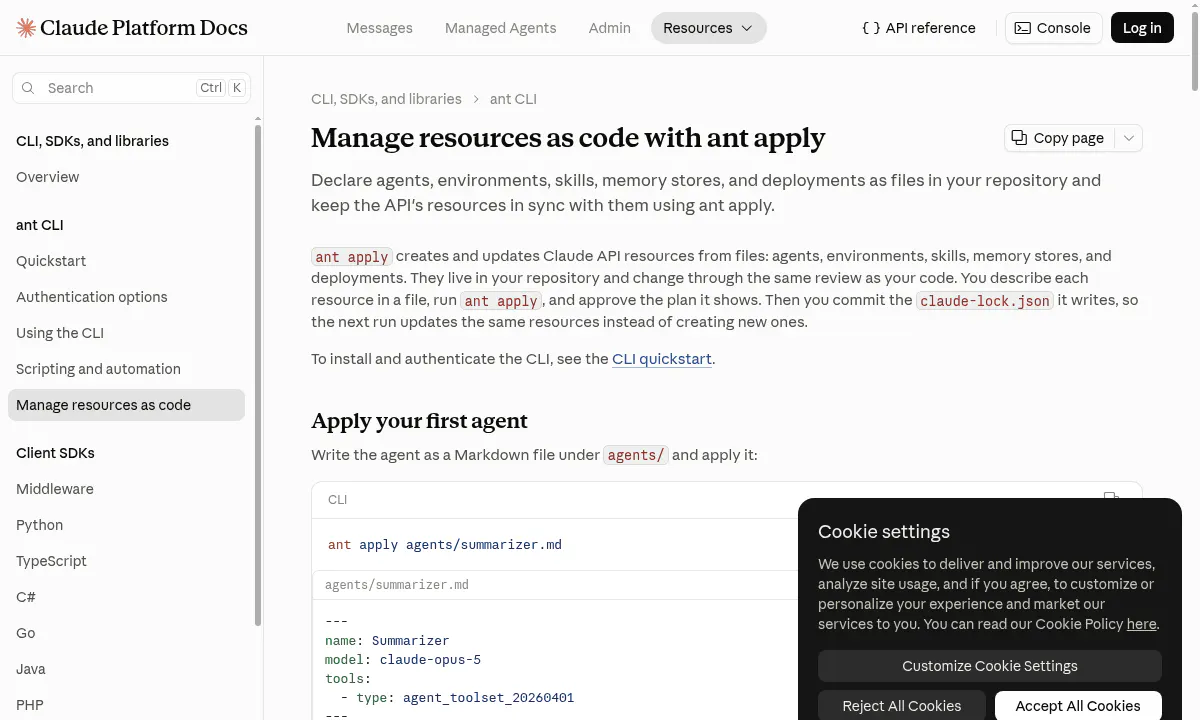
Anthropic's ant CLI now lets you declare agents, skills, environments, memory stores, and deployments as files and reconcile them like Terraform.
SpaceXAI opens its always-on agent platform to companies with access, network, and audit controls, plus two weeks of free usage for existing customers.
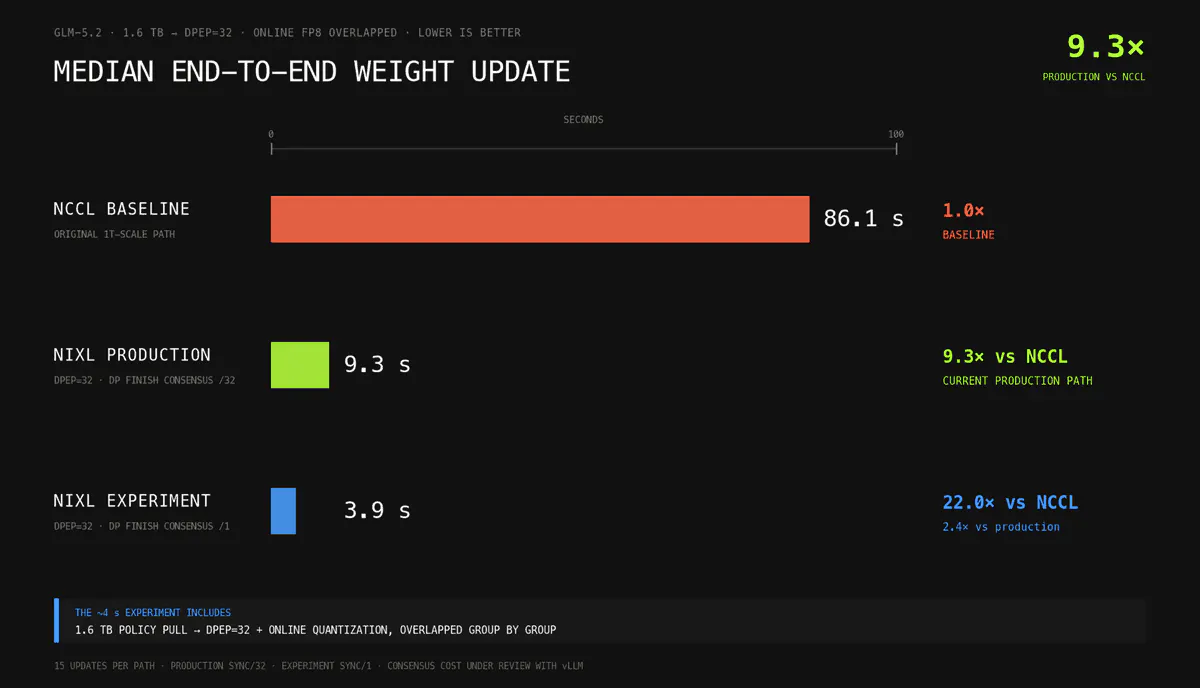
Prime Intellect rebuilt weight sync on RDMA and vLLM tracing, dropping GLM-5.2's 1.6TB policy transfer from 86 seconds to under 4.

Hermes Desktop now auto-detects your hardware, picks a fitting local model, downloads it, and configures the runtime without any manual setup.
No stories match these filters.