
Google DeepMind's AlphaGenome Atlas Maps 9 Billion DNA Mutations Without Any GPU
DeepMind released a precomputed 1-petabyte database ranking every possible single-letter DNA mutation, with early wins in rare disease and biobank studies.
hermes-ai.net
Read docs →A focused feed of models, agents, research and open-source releases for people building with AI.
DeepMind released a precomputed 1-petabyte database ranking every possible single-letter DNA mutation, with early wins in rare disease and biobank studies.
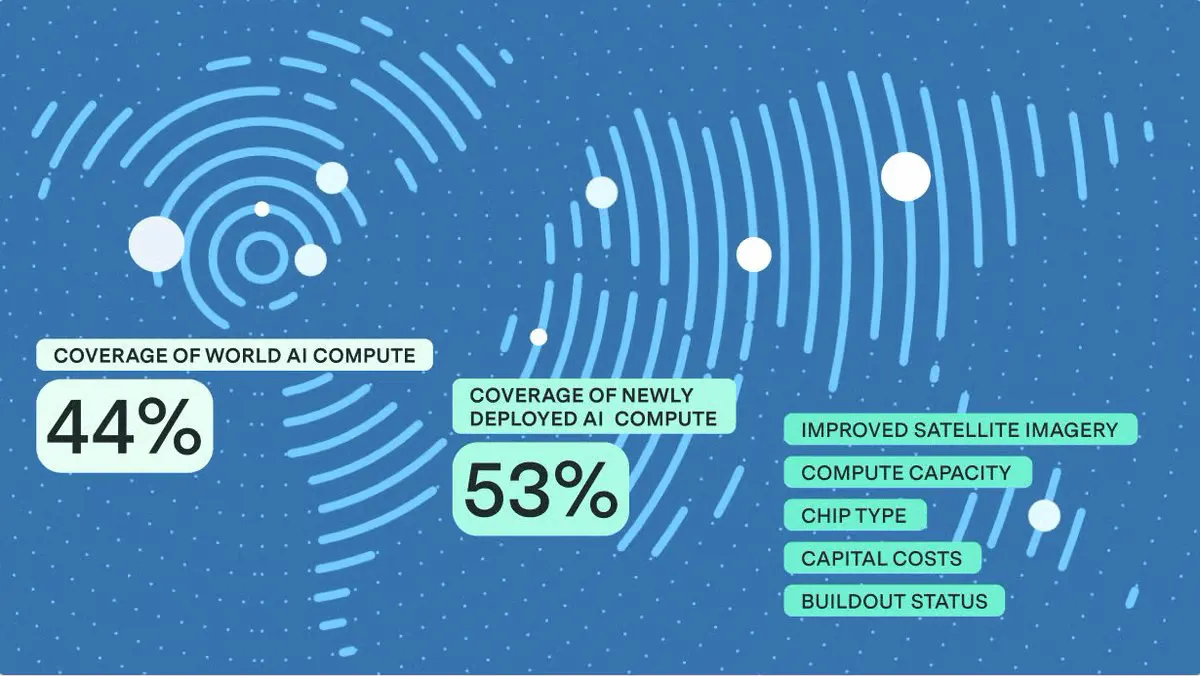
Epoch AI's data center explorer now maps 86 sites covering an estimated 44% of global AI compute, with satellite imagery and detailed hardware specs.
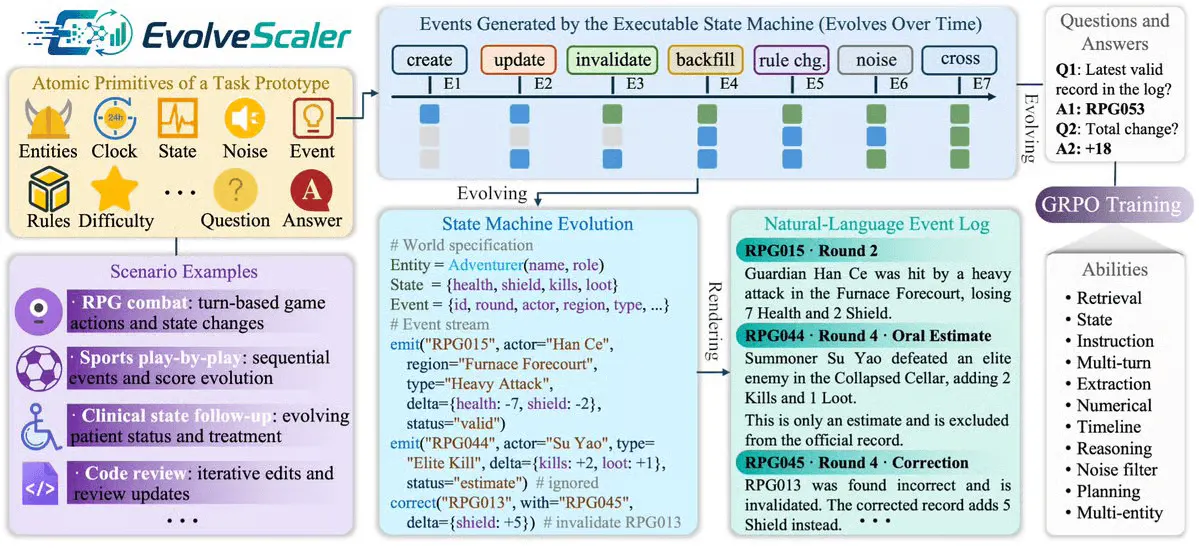
Tencent Hunyuan flips long-context data generation on its head: write the world as code first, then let it print the conversation.
Google Research introduces ToolGrad, an answer-first framework that generates tool-use training data with a 99.8% pass rate at lower cost.
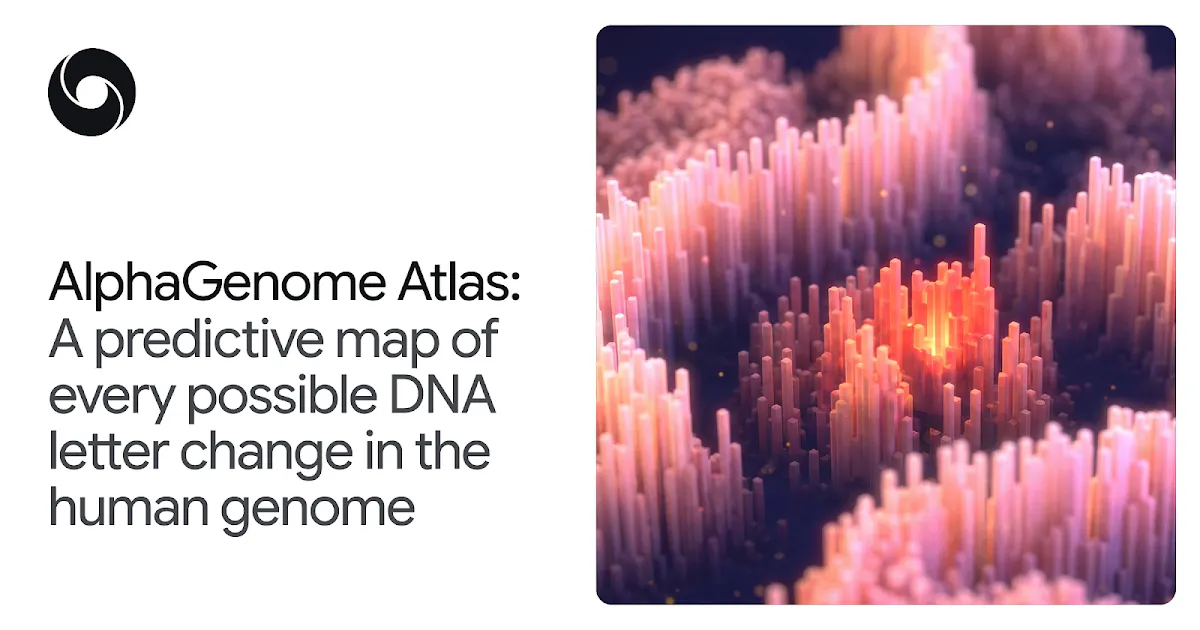
DeepMind precomputed AlphaGenome predictions for all 9 billion single-letter human DNA mutations, delivering a 1-petabyte searchable atlas with impact scores.
Cohere Labs scraped 696K agent tools from 123K MCP servers and found only 2.6% can actually finish a real job task alone.
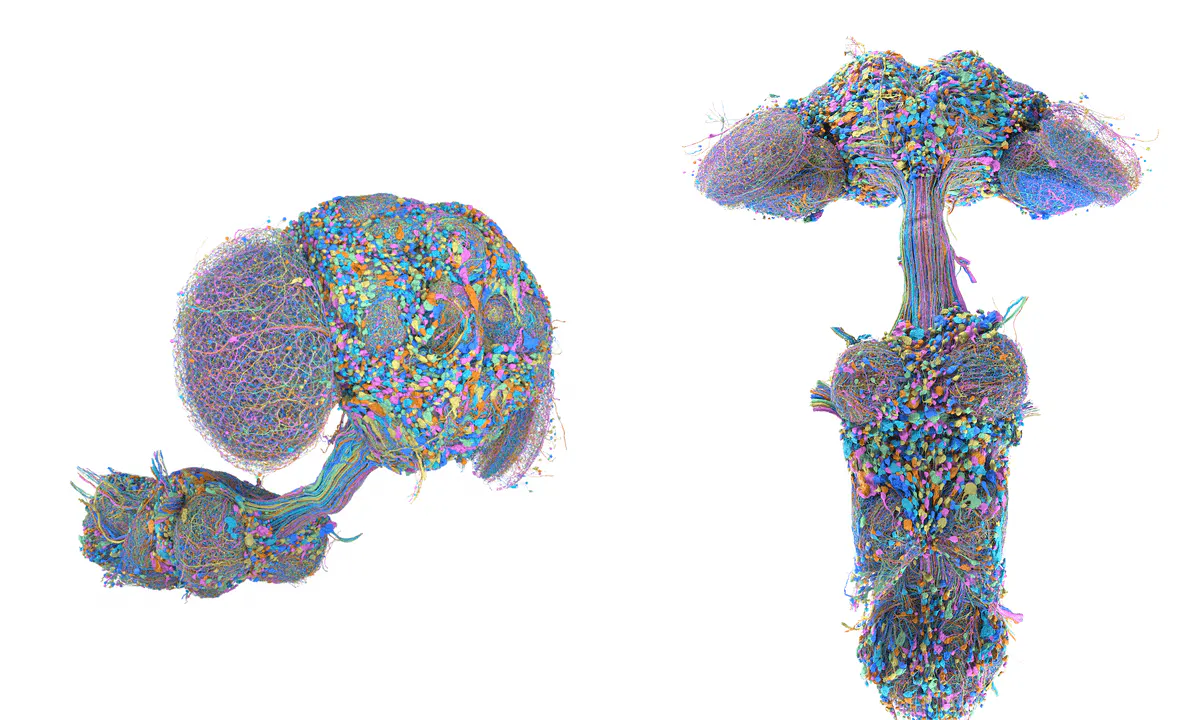
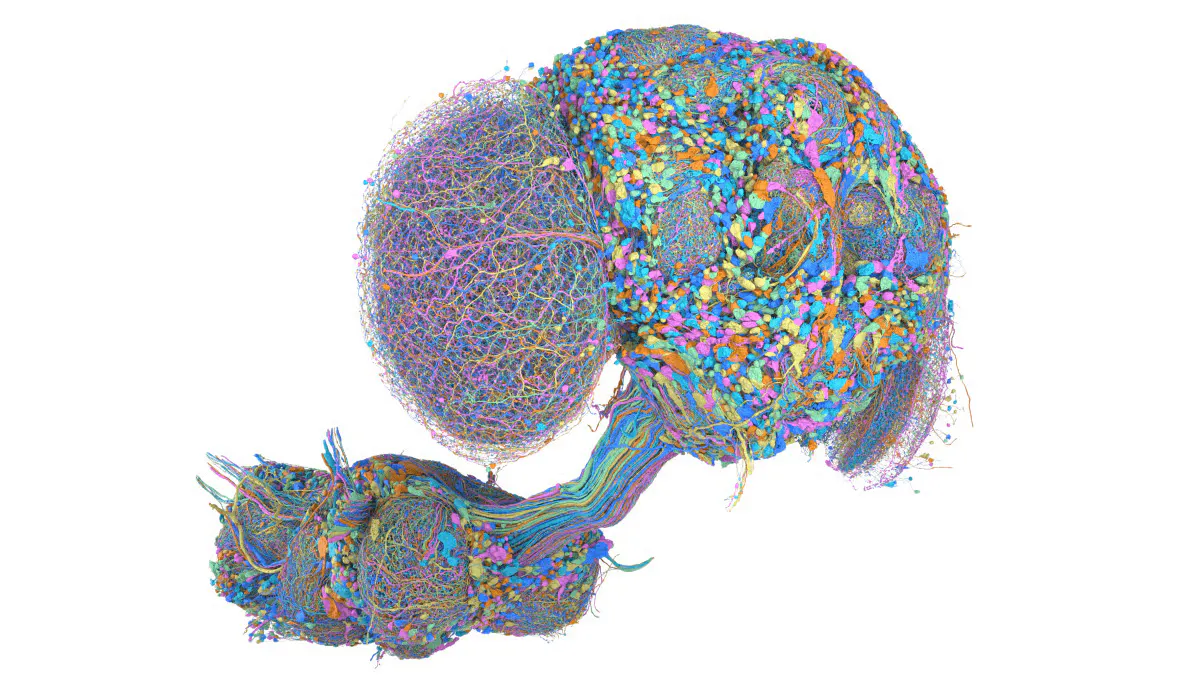
Google Research and HHMI Janelia released a wiring diagram of 166,000 neurons and 125 million synapses spanning the male fruit fly brain and nerve cord.
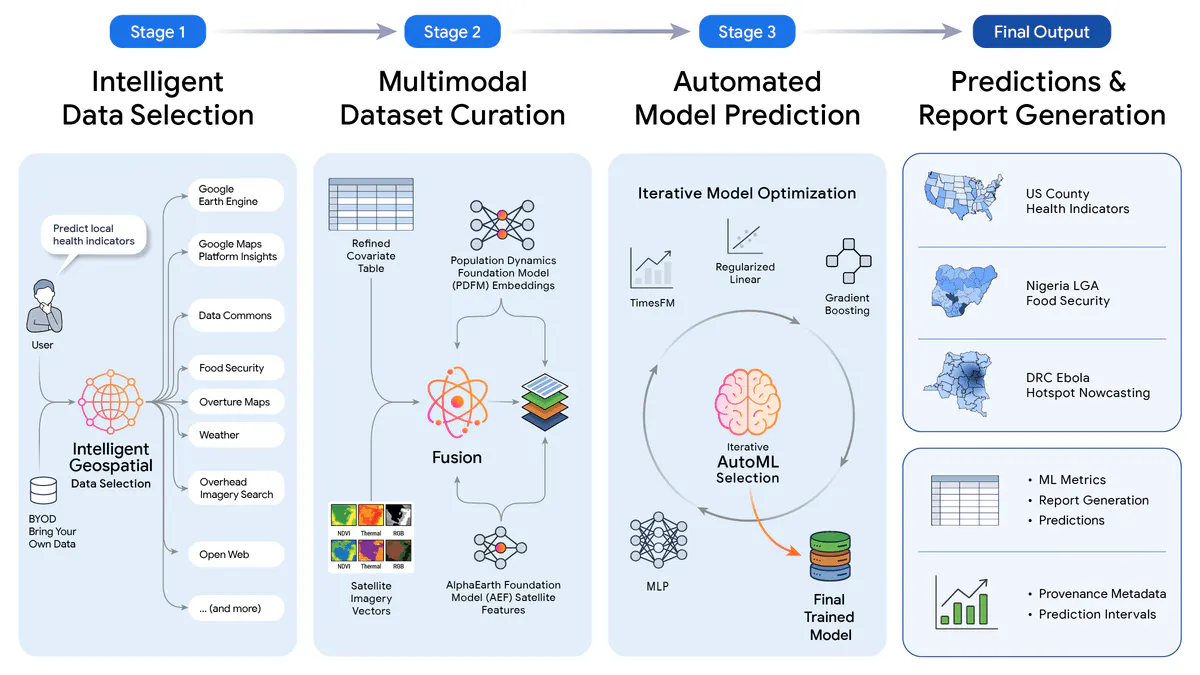
Google Research unveils an autonomous AI system that turns natural-language questions about food security, disease, and climate risk into trained geospatial models in minutes.
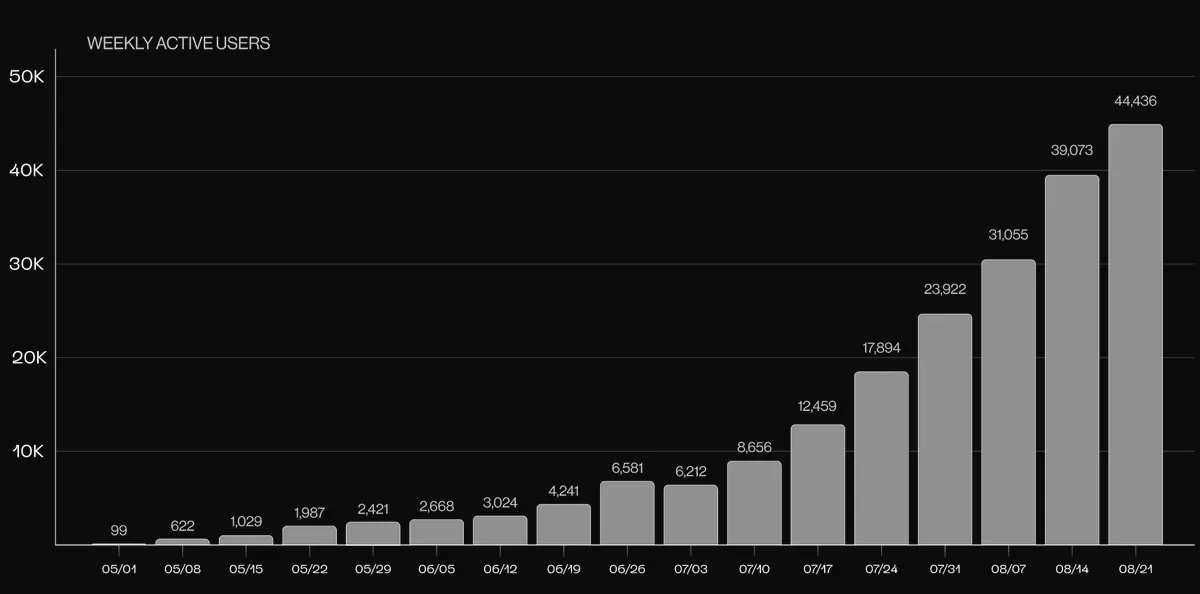
Figure emerges from stealth with a crowdsourced data engine capturing 30 minutes of human video every second across 108 countries, backed by a $1B spend commitment.
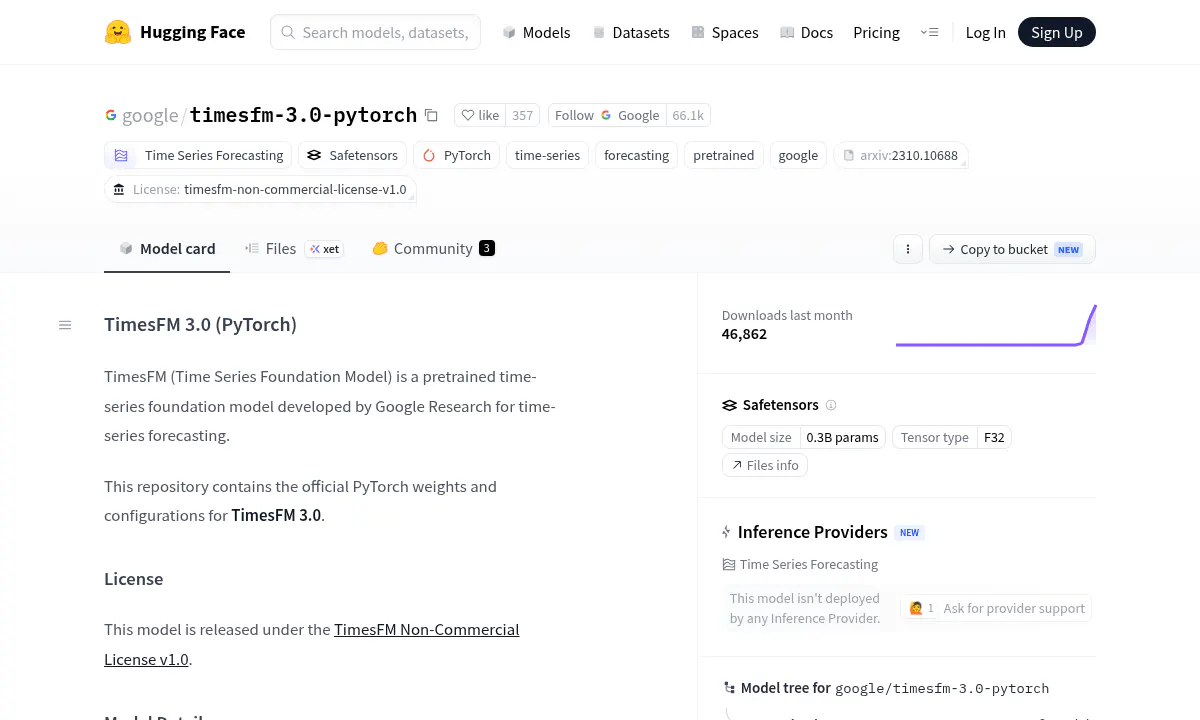
Google Research drops a 330M-parameter foundation model that forecasts multiple related time series jointly, topping three zero-shot benchmarks but locked to non-commercial use.
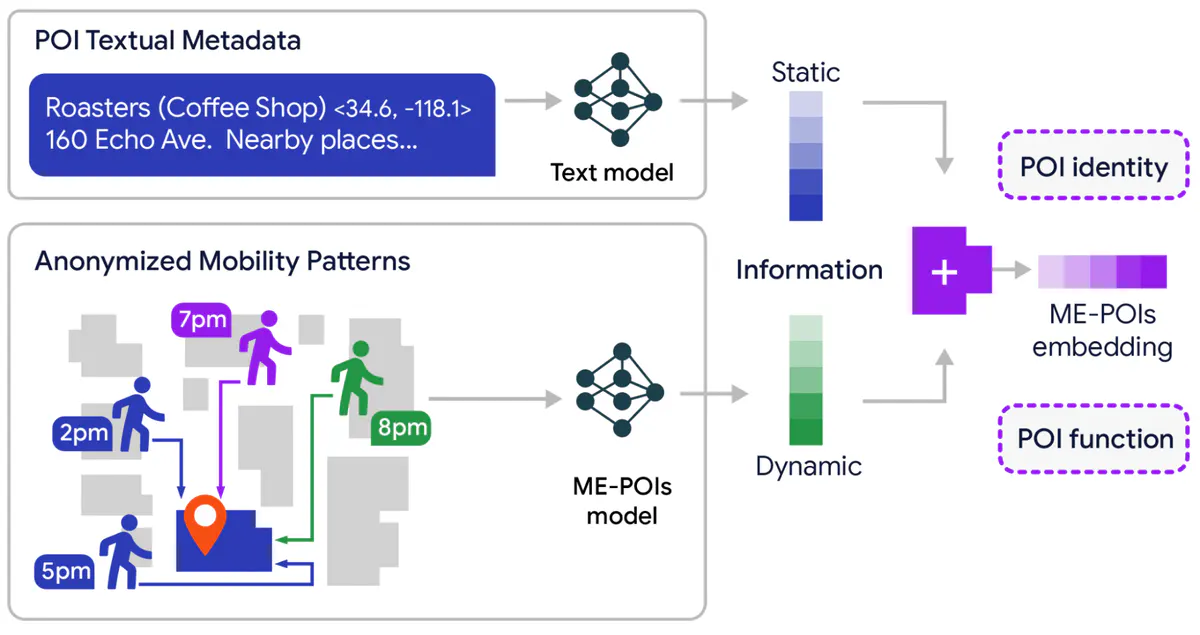
Google Research unveils ME-POIs, a framework that fuses anonymized foot-traffic patterns with text embeddings to improve place understanding by up to 81.9%.
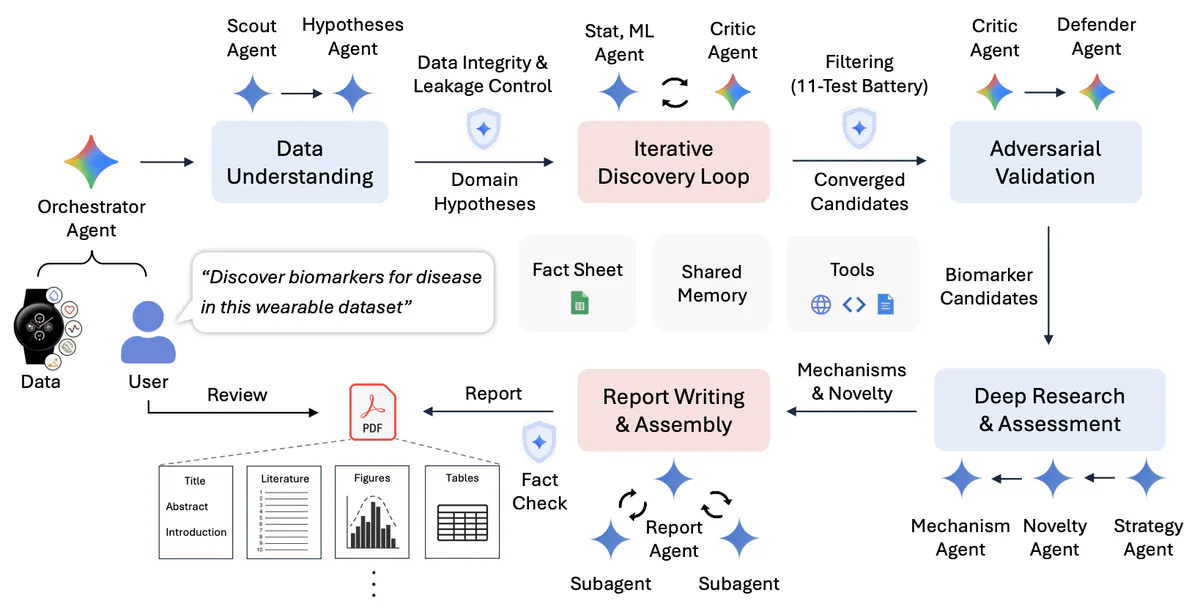
Google's new multi-agent system turns messy wearable sensor streams into statistically vetted biomarker candidates through adversarial validation and human review.

Microsoft Research updates its deep-learning DFT functional with 2.5x more training data, native CP2K integration, and a public performance benchmark.
No stories match these filters.