

MiniMax Reveals M3.1 Flash Was Secret 'Space Bunny' That Processed 200 Trillion Tokens
MiniMax rolls out M3.1 Flash, a 1M-context agentic coding model priced at $0.15/$0.60 per million tokens, with weights promised soon.
A focused feed of models, agents, research and open-source releases for people building with AI.
MiniMax rolls out M3.1 Flash, a 1M-context agentic coding model priced at $0.15/$0.60 per million tokens, with weights promised soon.
Nebius published an open cookbook of notebooks and reference apps for its Token Factory inference service, covering agents, RAG, fine-tuning, and distillation.

Sarvam is paying Indian creators to dub their videos into 10 regional languages, bundling free API credits with weekly content briefs and view-based payouts.

A community quantization shrinks DeepSeek's 748B mixture-of-experts to 178GB, letting Project Maya run it on a single consumer GPU by streaming experts from SSD.

RoboParty's RP1 ships every layer of a bipedal humanoid, from CAD and PCBs to Linux BSP, URDF, locomotion training and behavior foundation models.
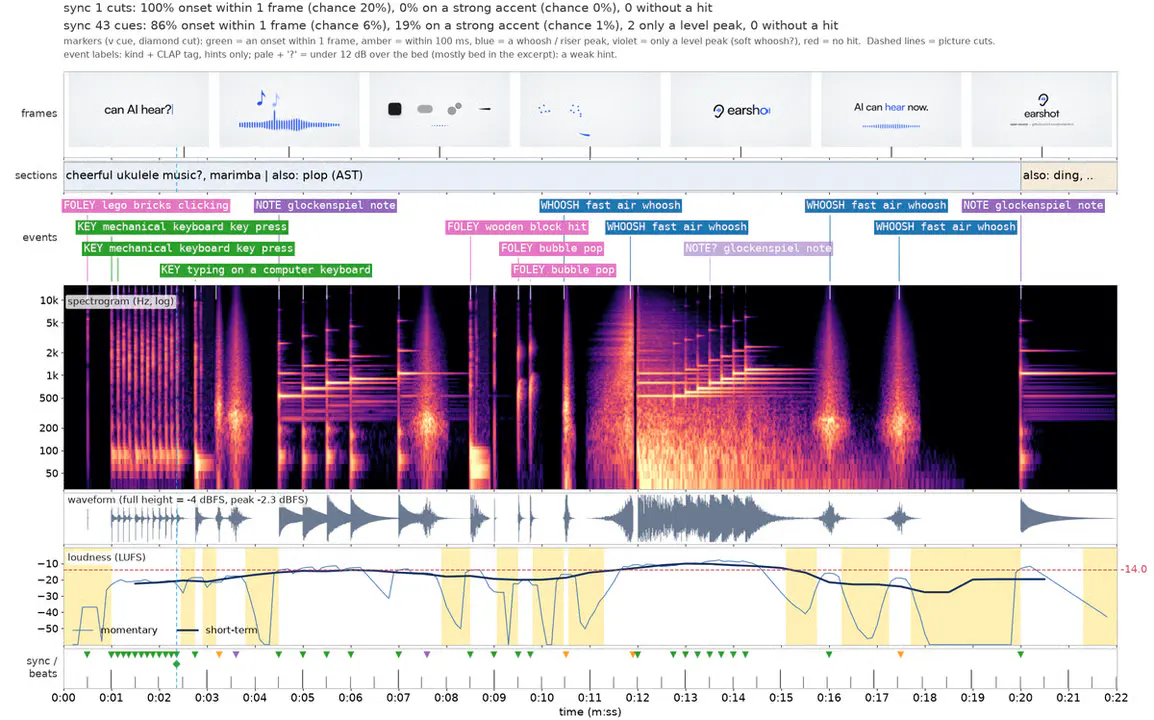
Earshot gives coding agents calibrated hearing and a code-based sound forge, running fully on CPU with a CLI, Python API, and MCP server.

A new analysis settles whether momentum-based optimizers can get stuck at saddle points, and designs a variant that escapes faster without hurting convergence.

A looped transformer that reasons on a unit sphere halts earlier, uses less compute, and lifts Sudoku-Extreme accuracy to 96.6%.
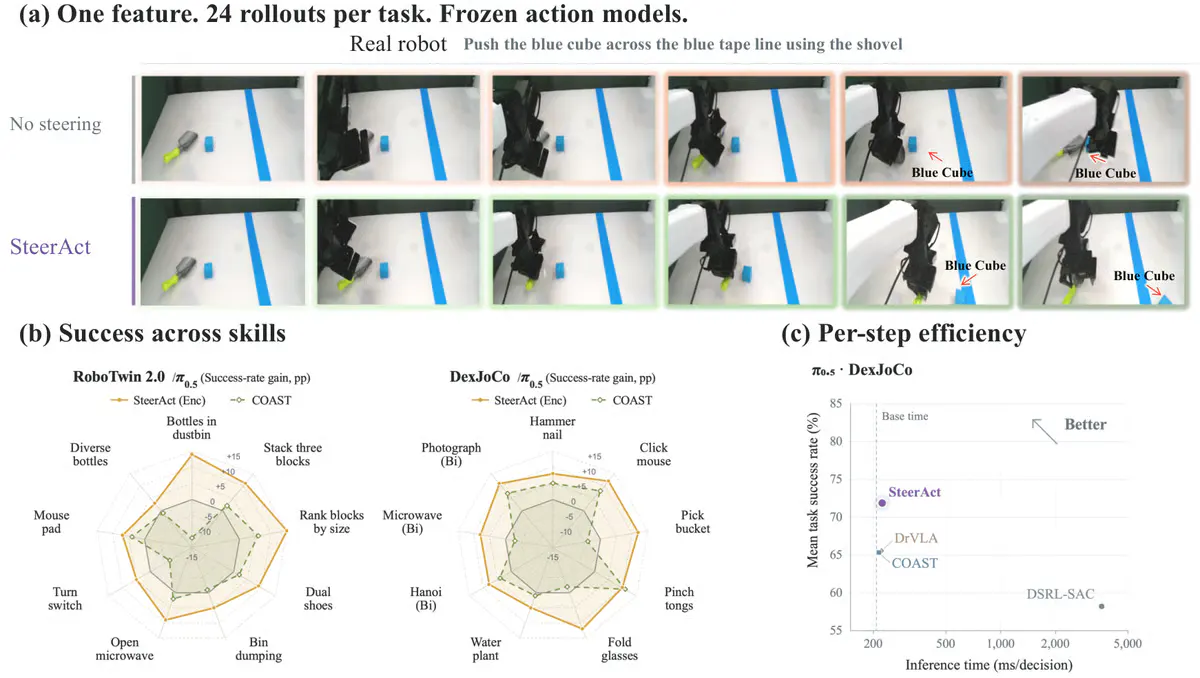
A Stanford, MIT, and Harvard team steers one feature inside frozen robot policies and lifts real-world success rates from 31% to 52%.
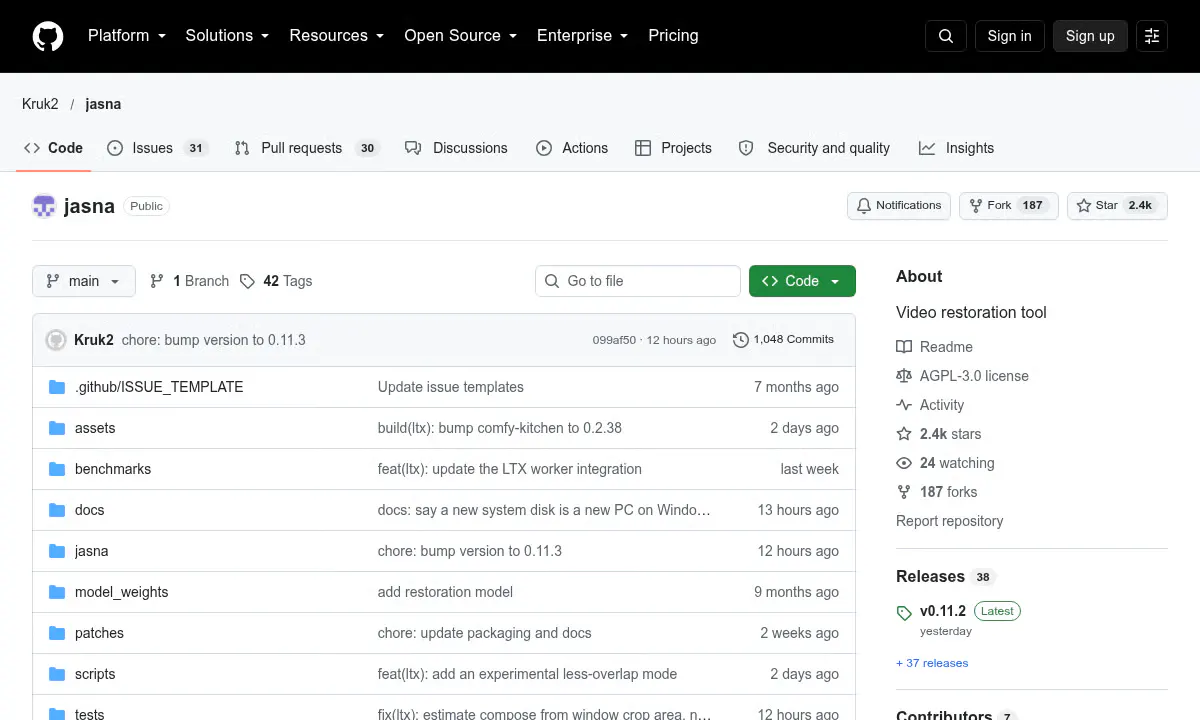
A trending open-source pipeline uses TensorRT and transformer-based detectors to reconstruct mosaic-censored regions in video at up to 5x the speed of prior tools.

QTrack turns multi-object tracking into a language-conditioned reasoning task, hitting state-of-the-art on a new RMOT26 benchmark with just 3B parameters.

A 4-billion-parameter decision model reads patient records in a single forward pass, outperforming models up to 27B while running 6.4x faster.

A new open benchmark reveals that tabular foundation models rank very differently when judged on full probability distributions instead of RMSE.

Liquid AI's new 24B mixture-of-experts activates only 2B parameters per token, delivers 184 tokens/sec on an M5 Max, and ships in GGUF for llama.cpp.
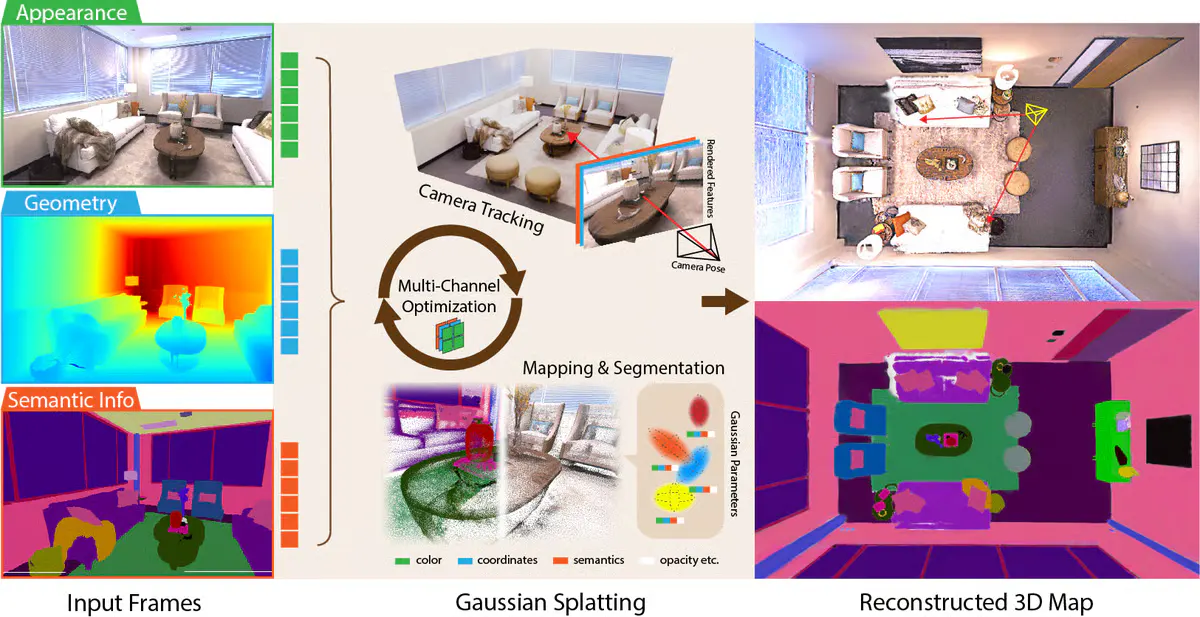
A trending open-source SLAM system fuses 3D Gaussian Splatting with semantic segmentation to deliver object-aware dense reconstruction in real time.
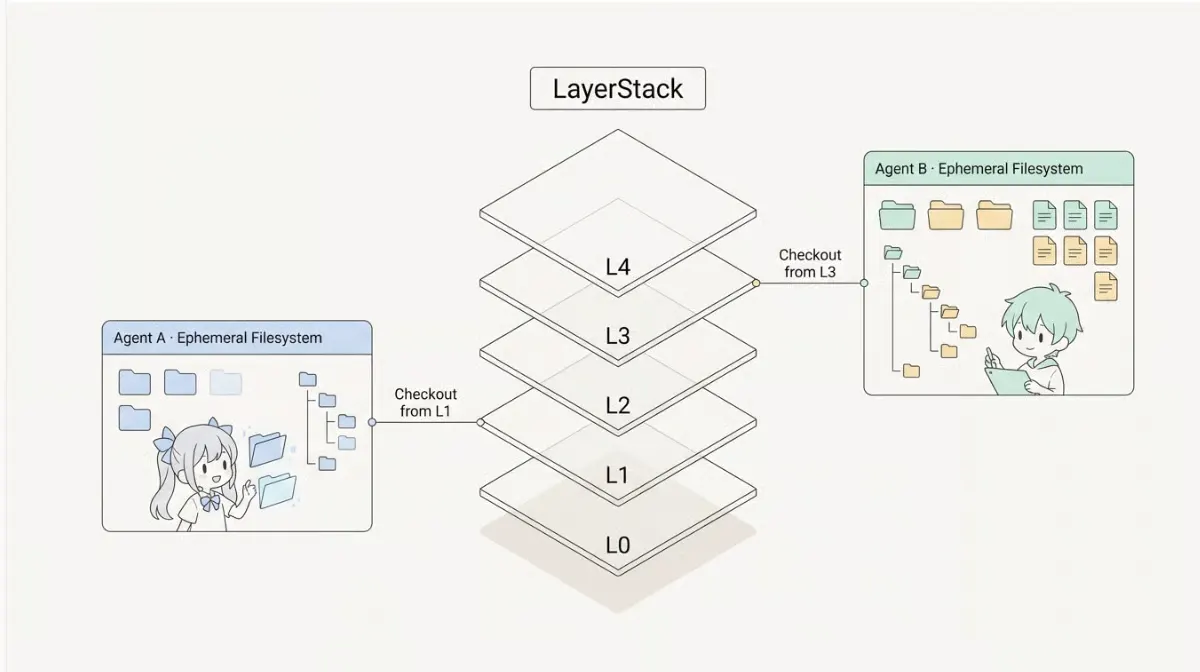
A Rust-based filesystem gives each AI agent a disposable, zero-copy fork of a shared base, enabling cheap branching, rollback, and parallel rollouts.
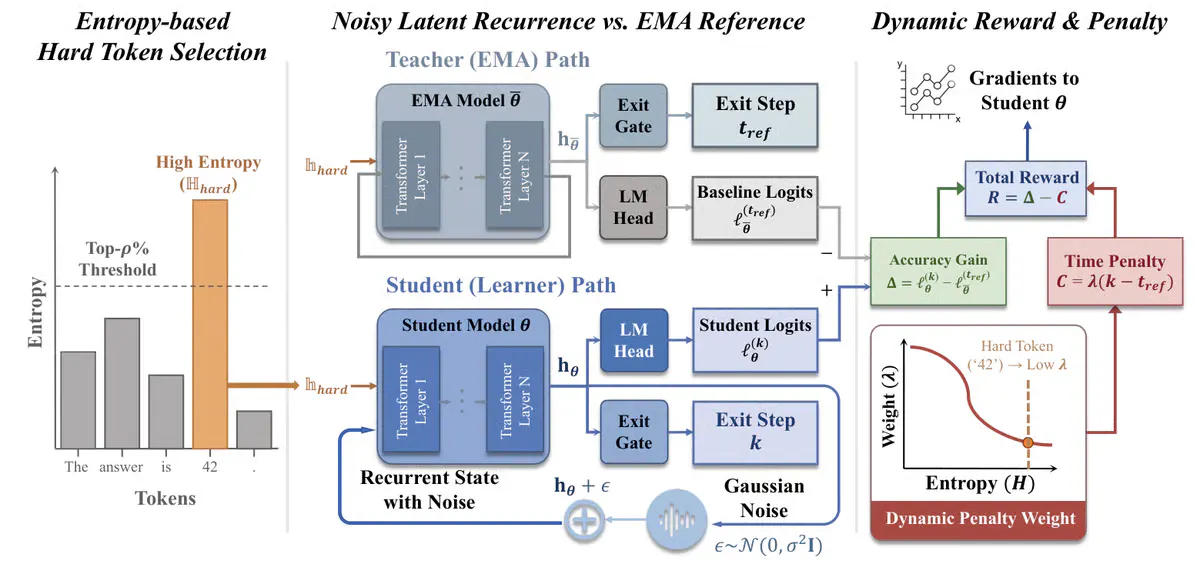
A new reinforcement pre-training recipe pushes rewards into the hidden iterations of looped transformers, improving accuracy and cutting compute per token.
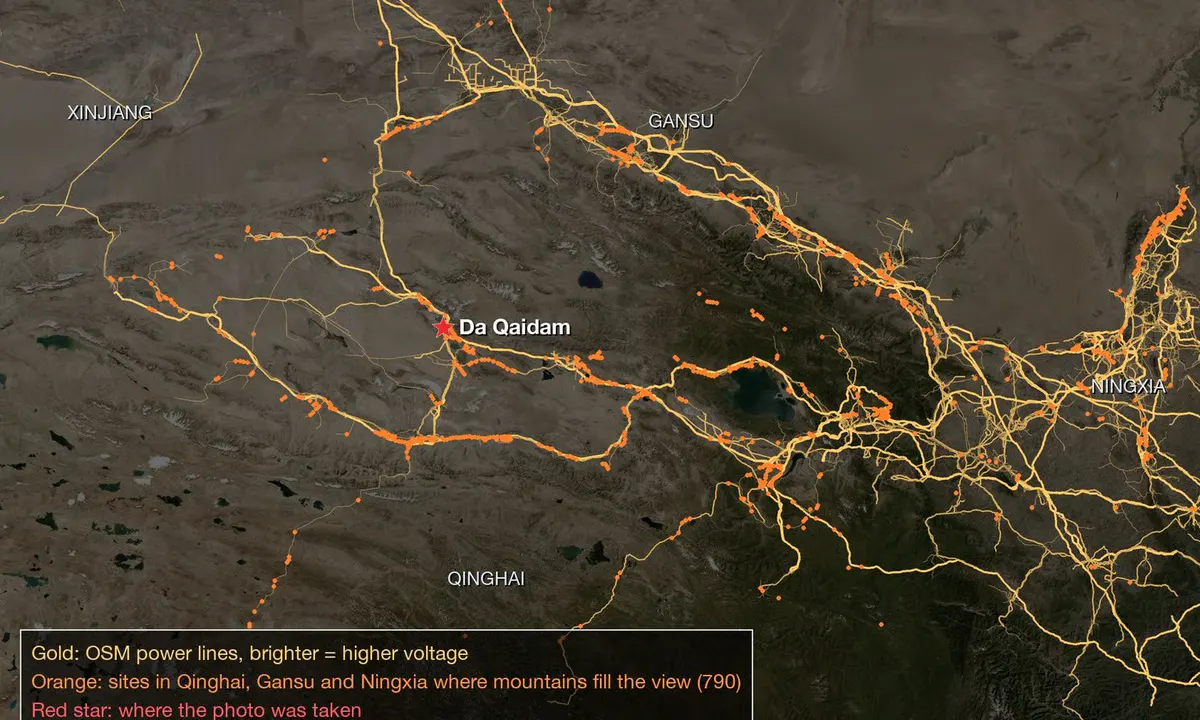
Geo-sleuth is an open-source agent skill that locates photos to within meters using OpenStreetMap, elevation skylines, satellite tiles and street view, with no landmarks required.

Alibaba's Qwen team shipped GGUF weights for Qwen3-VL-8B-Instruct, letting the multimodal model run locally through llama.cpp, Ollama, and LM Studio.

A weight-level edit strips refusals from DeepSeek V4.1 Flash while keeping FP8 precision, 1M context, vision, and tools intact.

A unified CuTe DSL decode path on GB300 pushes Kimi K3 to 842 tokens/s at batch 1, up to 2x faster than stock vLLM.
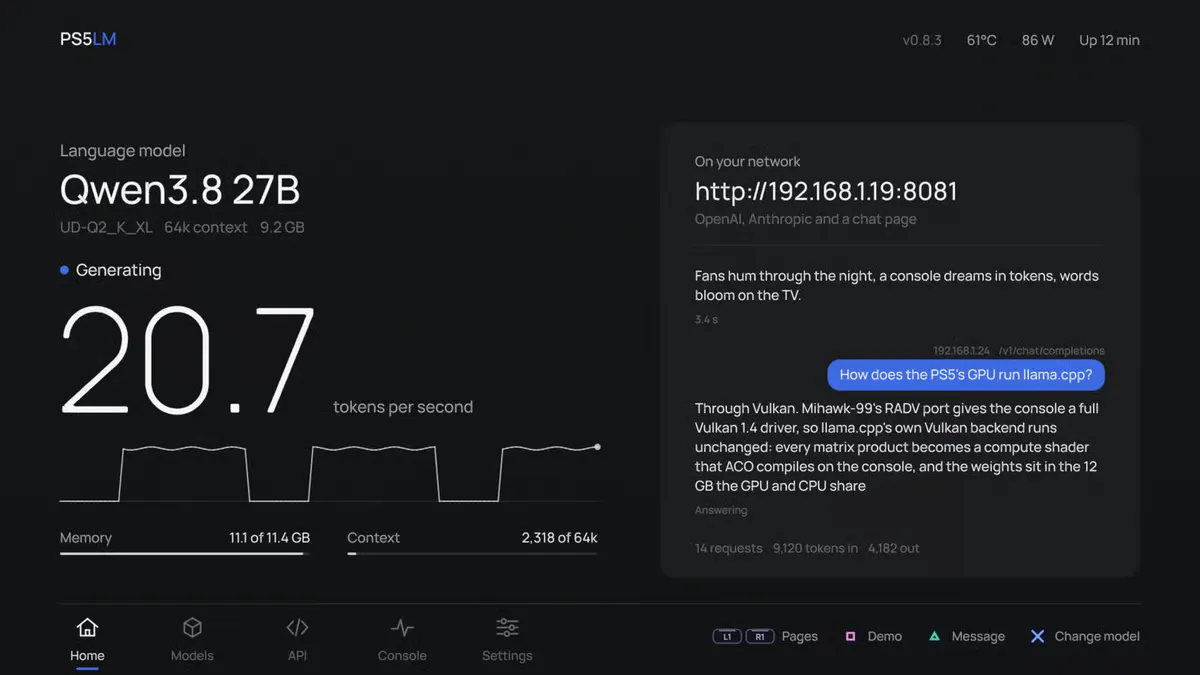
A new homebrew project ports llama.cpp to jailbroken PlayStation 5 consoles, aiming to run Qwen 3.8 27B natively on Sony hardware.

A training-free token compression method keeps Video LLMs accurate even when 99% of visual tokens are thrown away, with a 12.5x prefill speedup.

A new open dataset of 8,800 synthetic doctor-patient conversations with 1,329 hours of audio tests whether audio language models can summarize long clinical visits.
No stories match these filters.