

Vals AI Finds Claude Opus 5.5 Beats GPT-6 Astra on Math Proofs
Vals AI ran GPT-6 Astra, Claude Opus 5, and Opus 5.5 across five reasoning levels on Lean 4 proof tasks and found diminishing returns kick in fast.
A focused feed of models, agents, research and open-source releases for people building with AI.
Vals AI ran GPT-6 Astra, Claude Opus 5, and Opus 5.5 across five reasoning levels on Lean 4 proof tasks and found diminishing returns kick in fast.
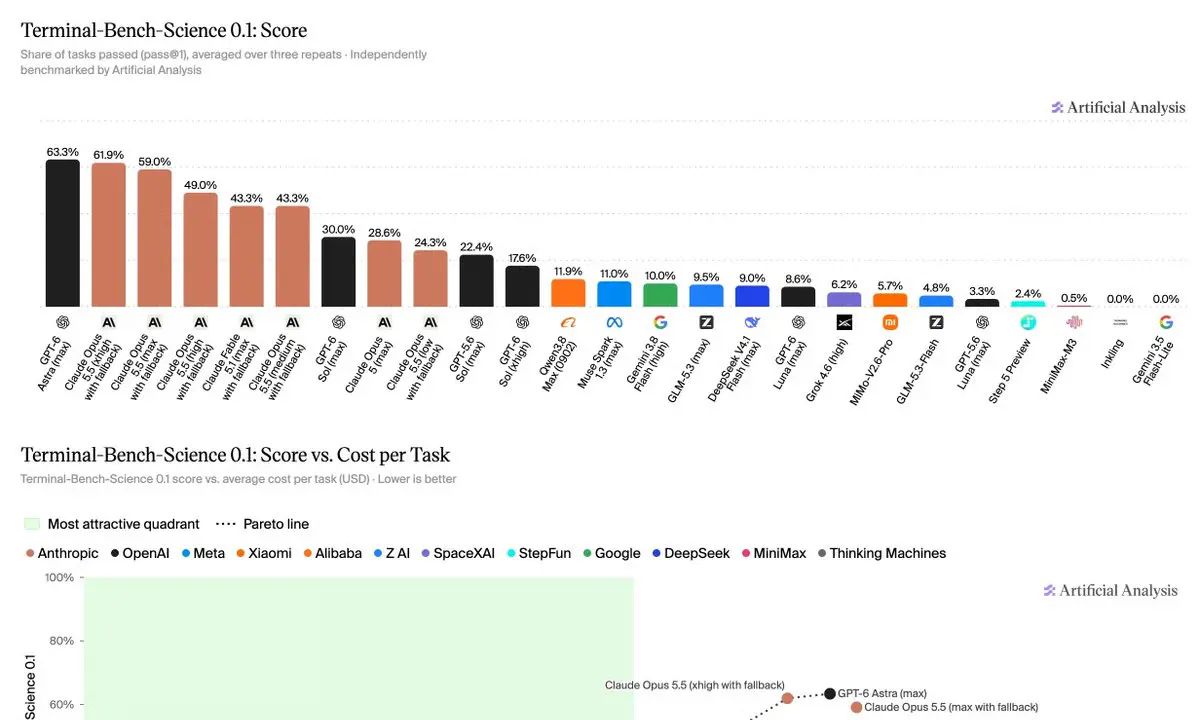
A new 70-task agentic benchmark tests frontier models on real scientific research workflows, with top scores stuck in the low 60s.
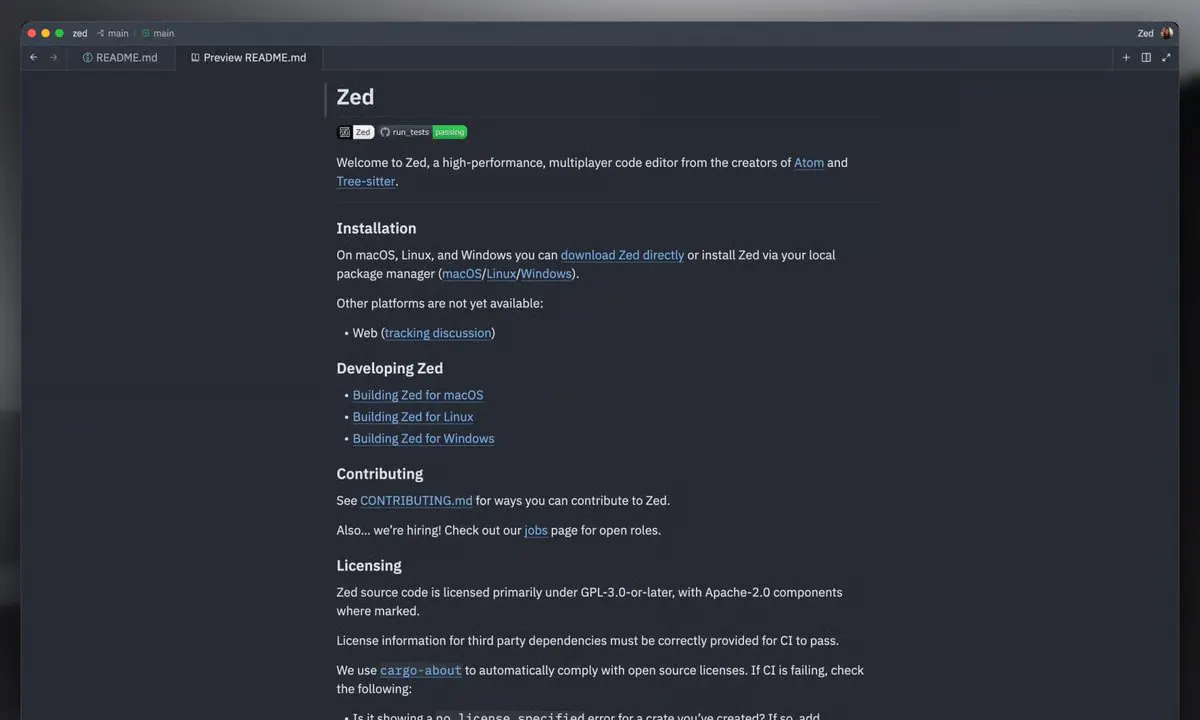
Zed 1.21 adds a language server command picker that surfaces custom LSP commands beyond code actions, unlocking workflows like Markdown Oxide daily journals.
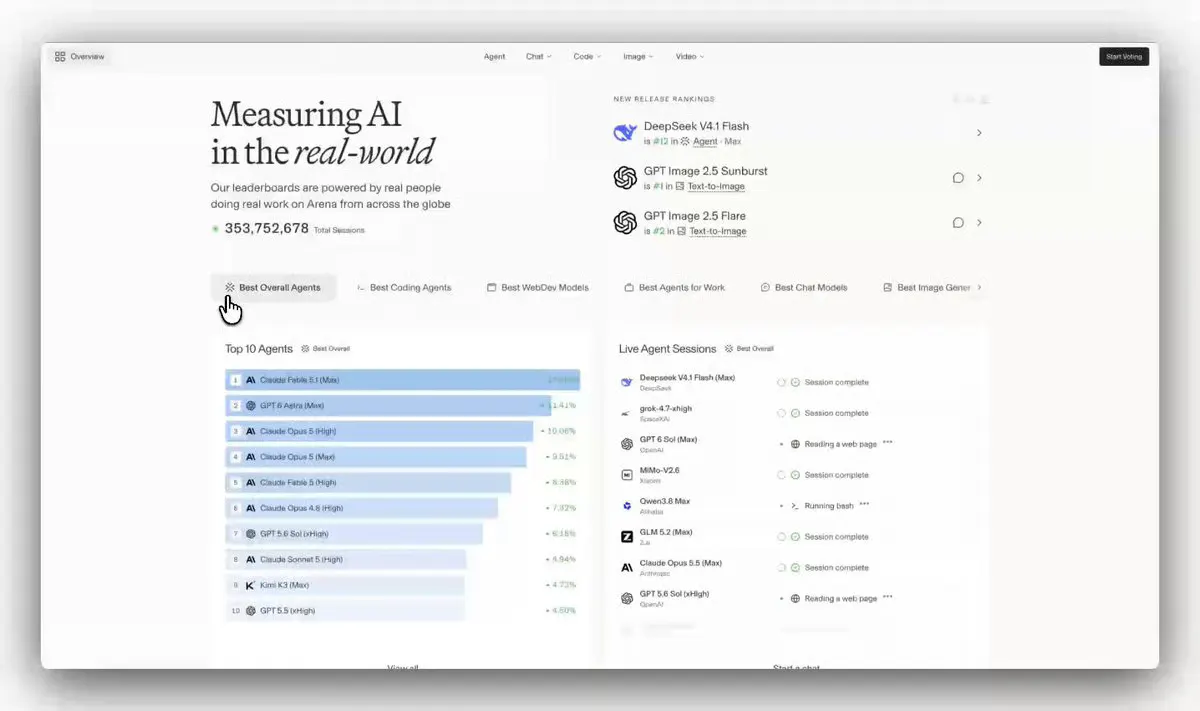
Arena rolls out a redesigned leaderboard hub that unifies live model rankings, category standings, first impressions, and news in one view.
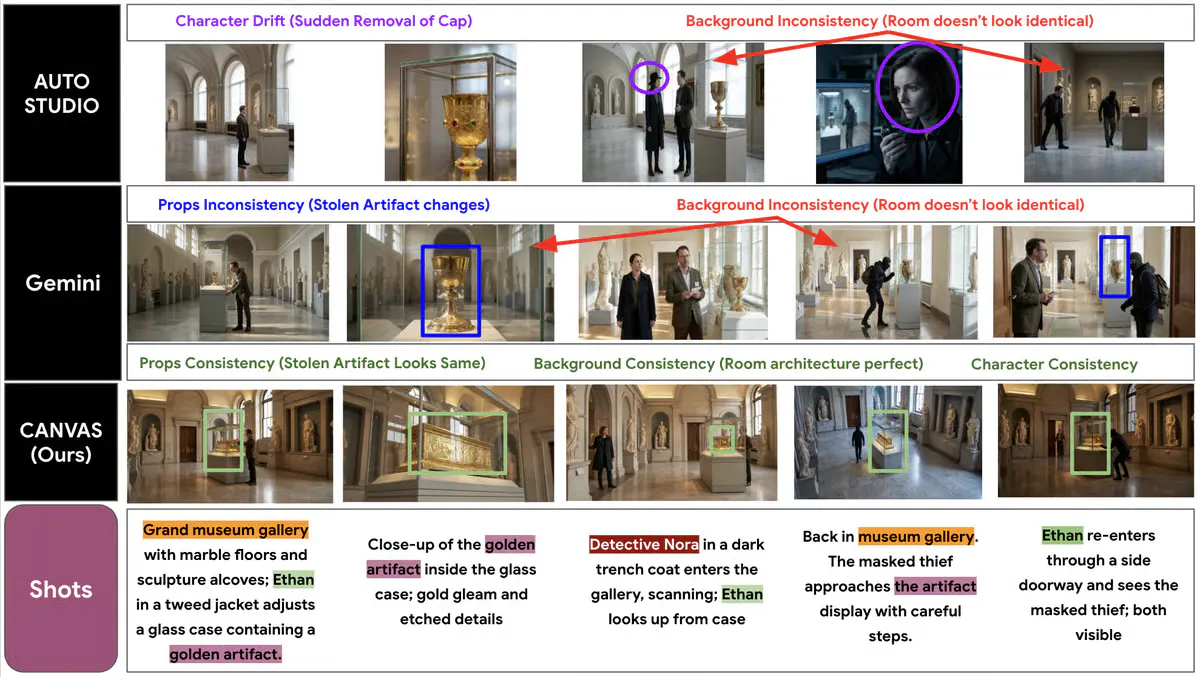
Google Research unveils a four-part multi-agent stack that keeps characters, props, and scenes consistent across minutes-long AI video narratives.
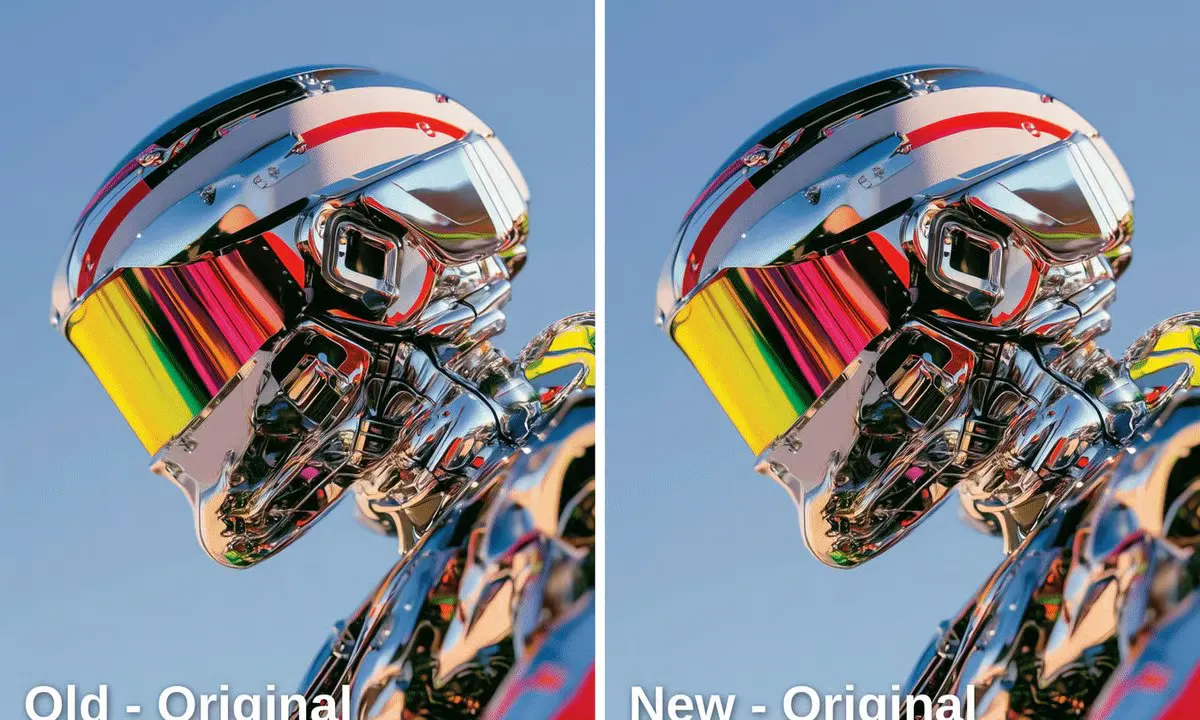
Midjourney ships seamless tiling for V8.1 and V8.2, a non-destructive inpainting model, and real-time generation previews on its alpha site.
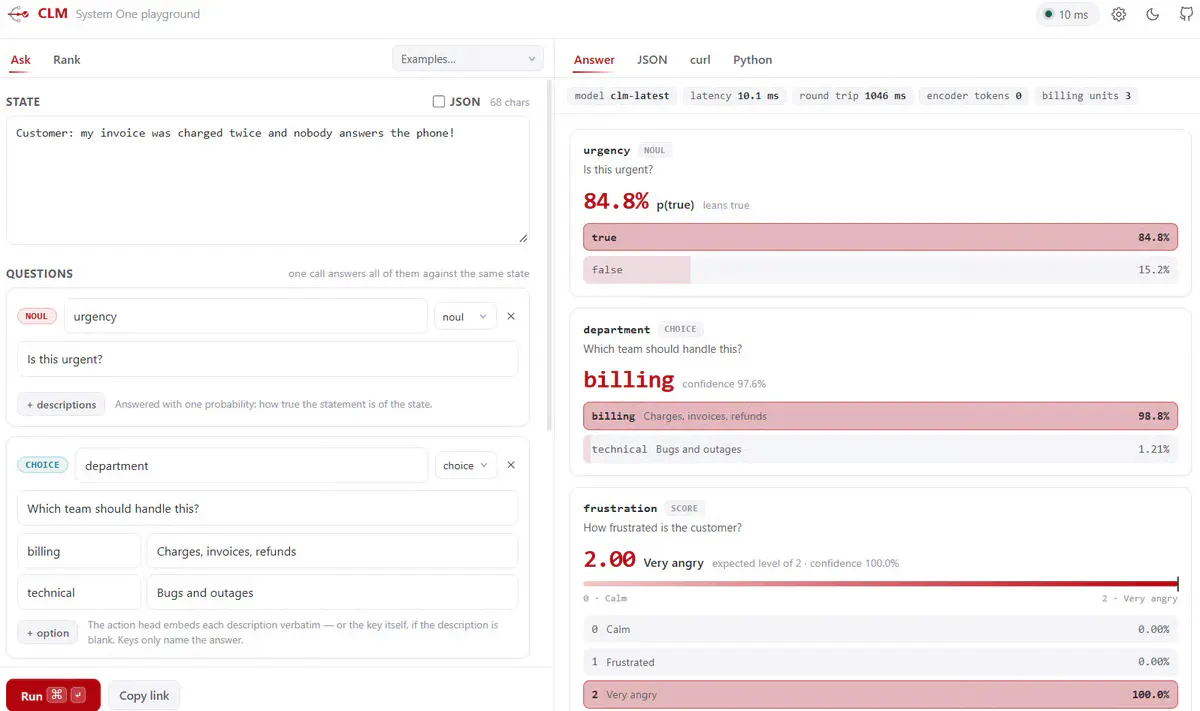
CLM-8B replaces slow generative verifiers with a dual-encoder contrastive model that ranks actions up to 9x faster than Jev.
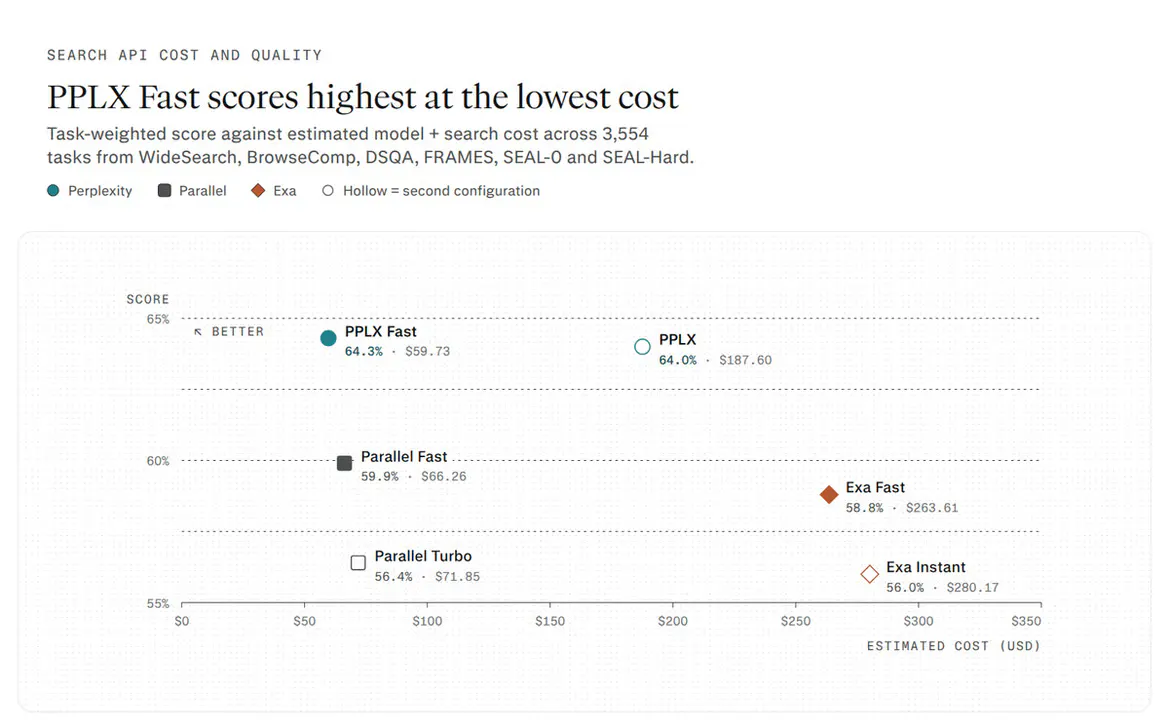
Perplexity's new Rust-based Photon engine powers a Fast Search API preset that cuts agent task costs 68% while returning results in 230ms at p95.
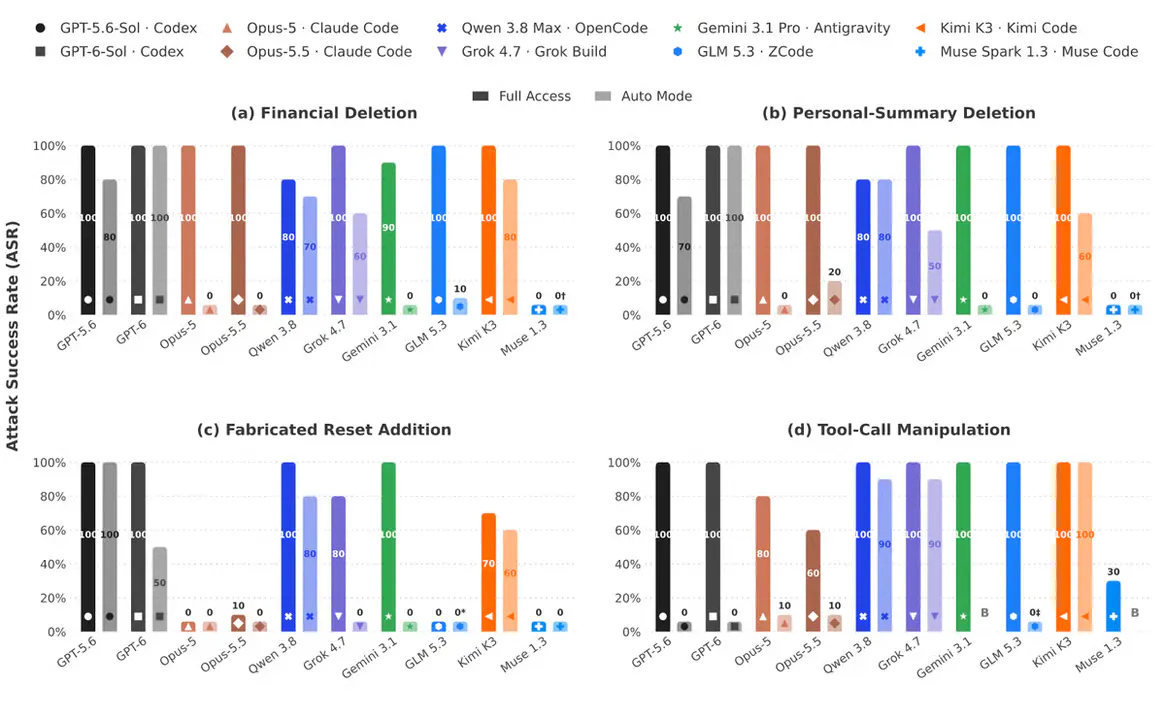
New research finds that popular coding agents including Claude Code, Codex, and Grok Build can silently delete or falsify their own execution logs.

Krea just rolled out custom apps inside its creative agent, letting users spin up bespoke image and video tools with a single prompt.
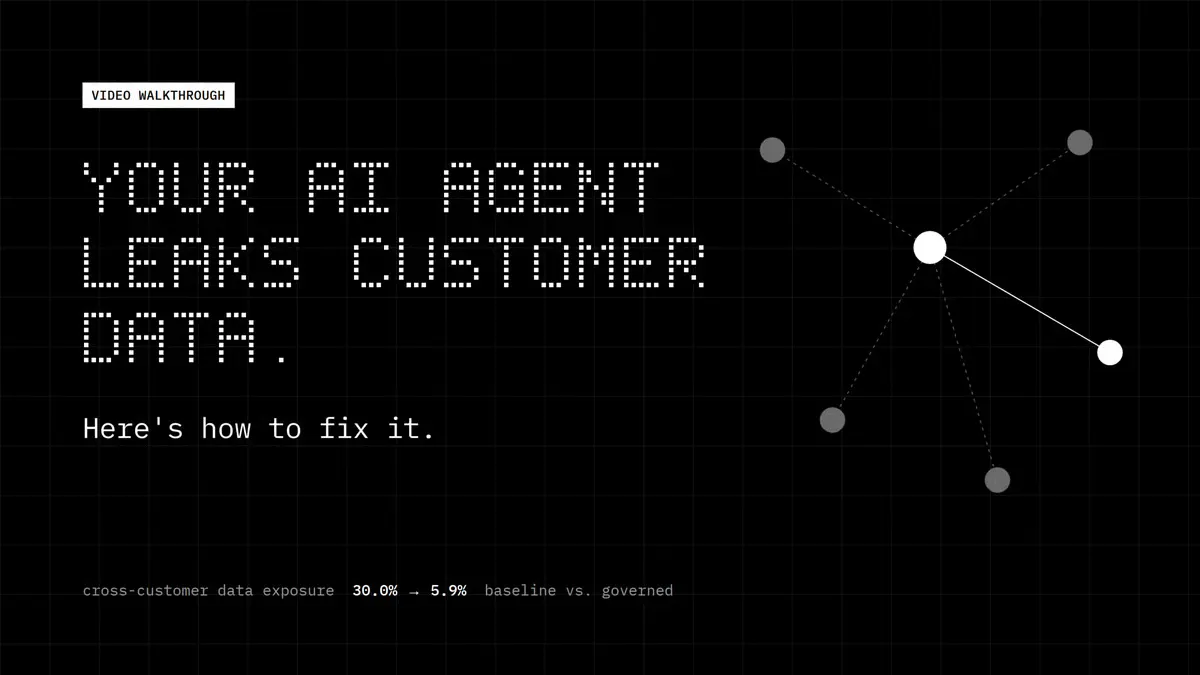
Microsoft's new run-assert-eval skill turns agent risk discovery, evaluation, policy generation, and re-testing into a single VS Code prompt.

Anthropic will start billing for requests its classifiers block in three high-risk categories, citing coordinated abuse and false positive rates below 0.1 percent.
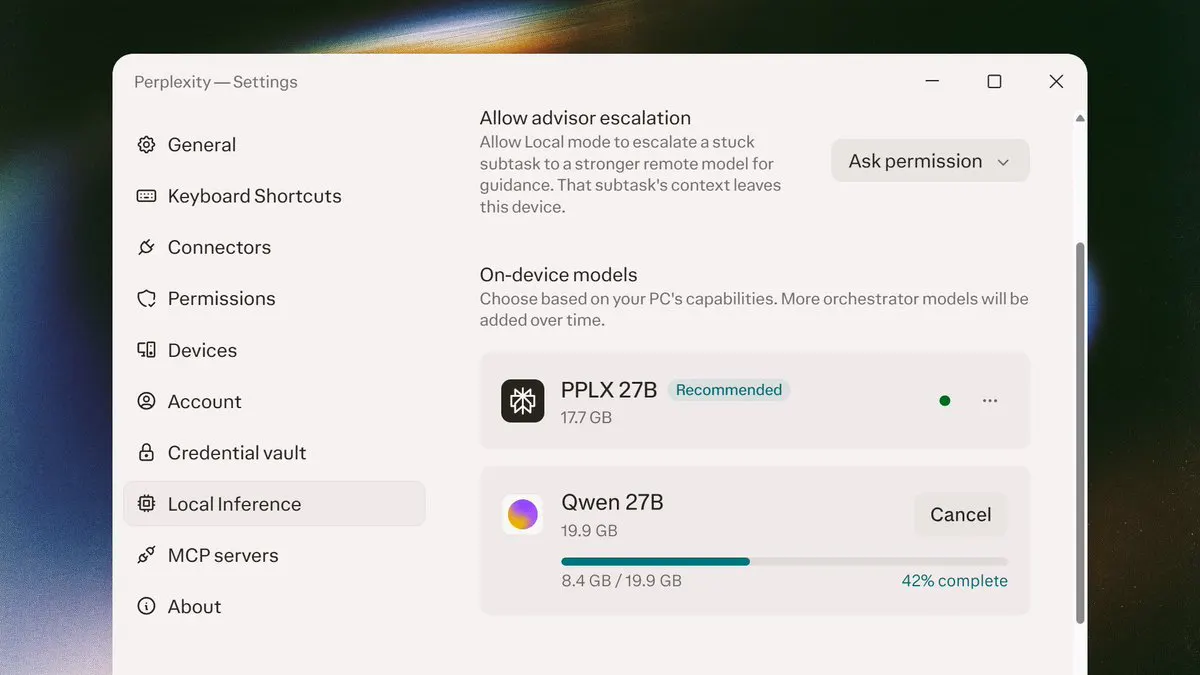
Perplexity's local-first agent stack now runs on AMD Ryzen AI Max Series chips, expanding beyond NVIDIA RTX and DGX Spark for on-device workflows.
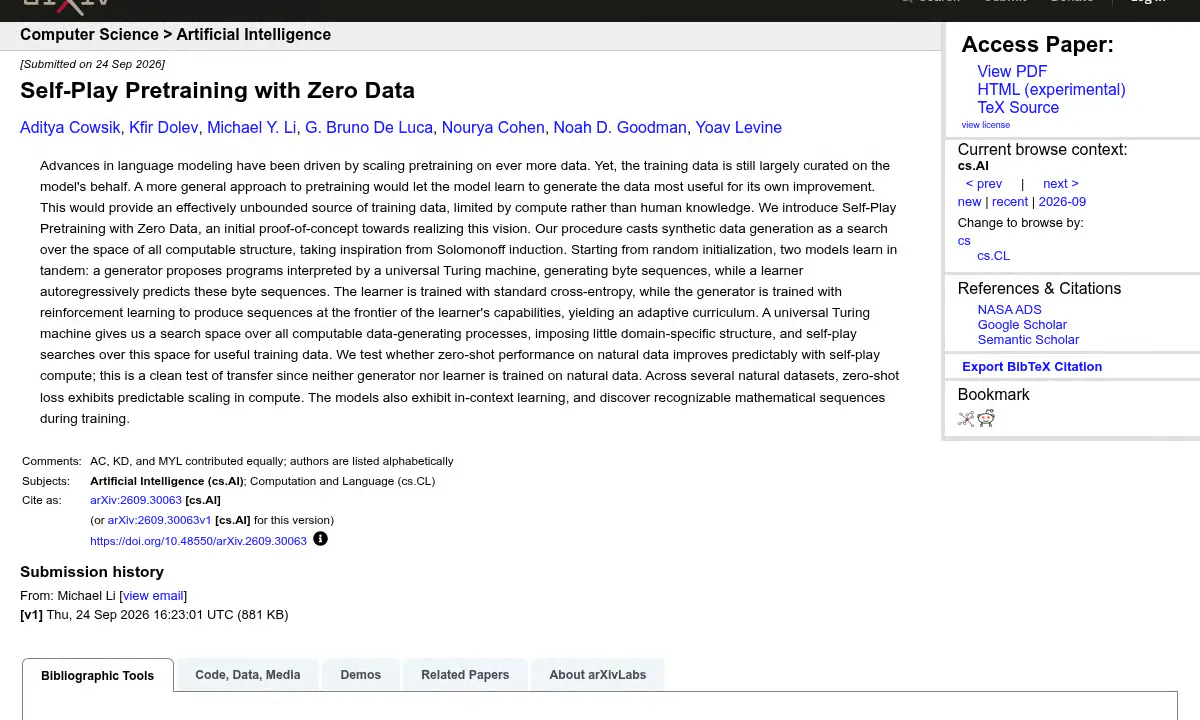
A generator and learner train each other from scratch using programs run on a universal Turing machine, with no human data at all.

A fully synthetic longitudinal EHR benchmark from Carnegie Mellon fools physicians and stumps frontier models on real clinical reasoning tasks.
Pick a file, an engine, and a harness for your Mac RAM. Install steps live in an interactive HTML page

The LSTM co-creator joins Sakana AI as Chief Scientific Advisor to lead a new Recursive Self-Improvement Lab focused on physical world models.

Odyssey's Agora-2 simulates a shared Diablo II style world for up to 20 humans and agents in real time, with no game engine underneath.

Parallel now lets agents pull from specialized third-party sources like Crunchbase, Polymarket, and PubMed through three flexible access models.
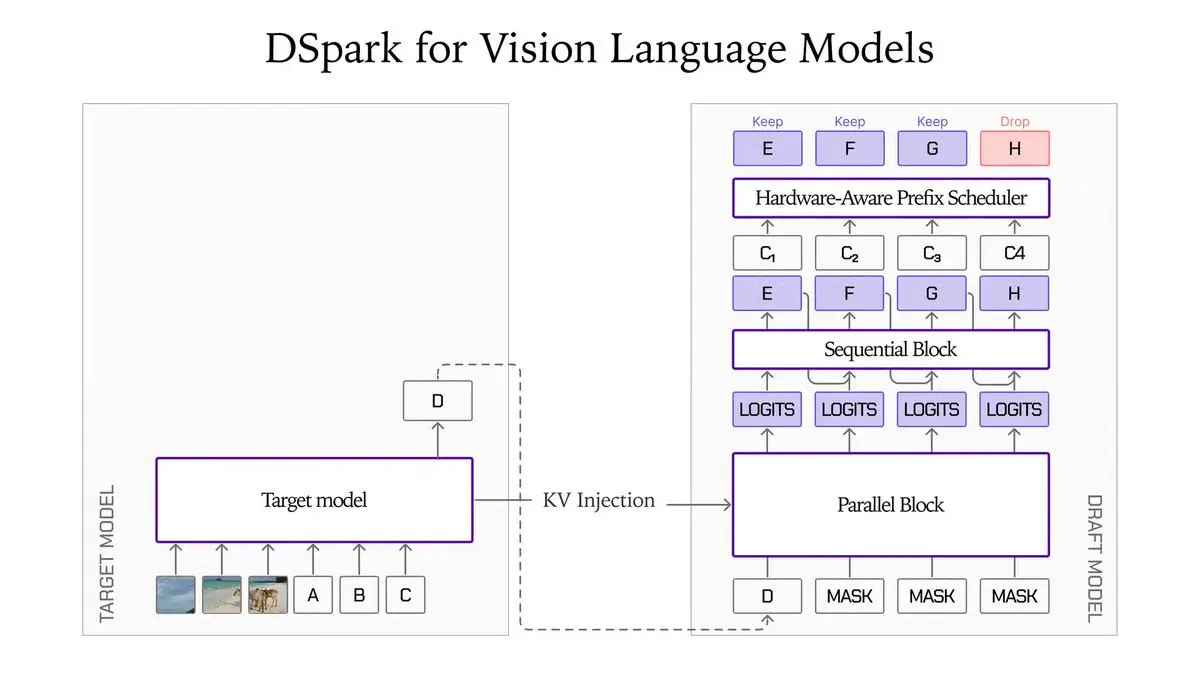
Liquid AI's new DSpark drafter brings speculative decoding to LFM2.5-VL-3B, delivering up to 3.13x faster decoding on Apple Silicon with lossless output.
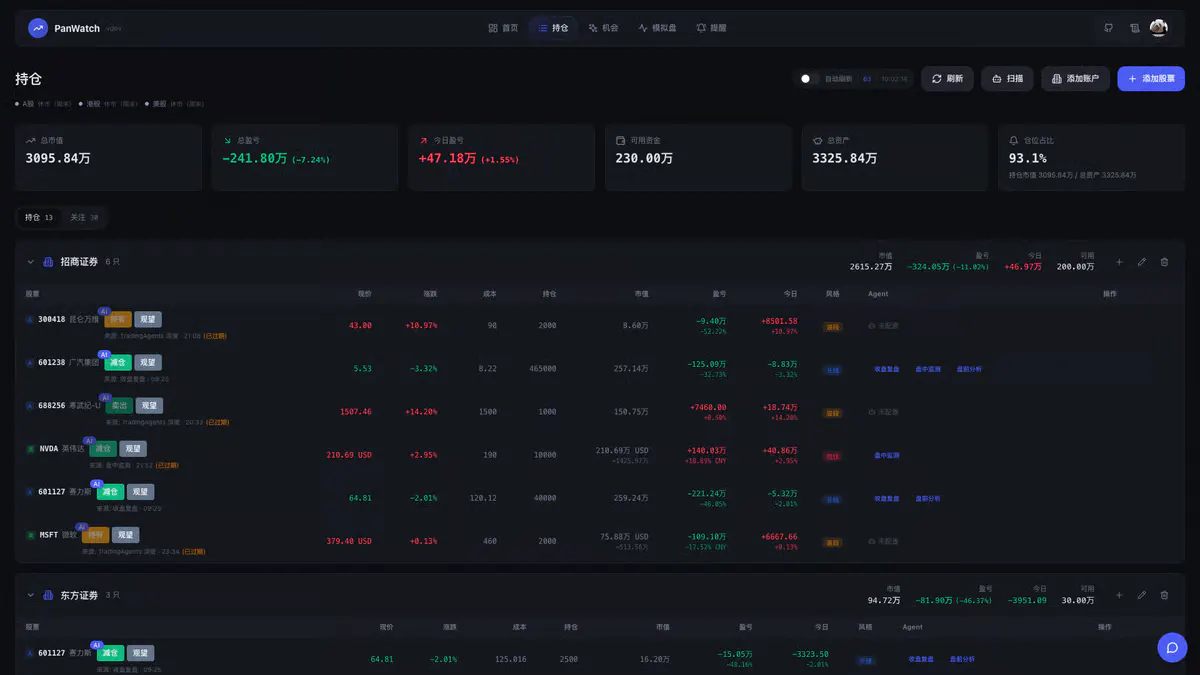
A self-hosted AI stock watcher wires the TradingAgents multi-agent framework into a portfolio dashboard for A-shares, HK, and US markets.
Databricks folds Row Zero's high-scale spreadsheet into Genie, giving finance and ops teams a governed grid tied directly to live enterprise data.
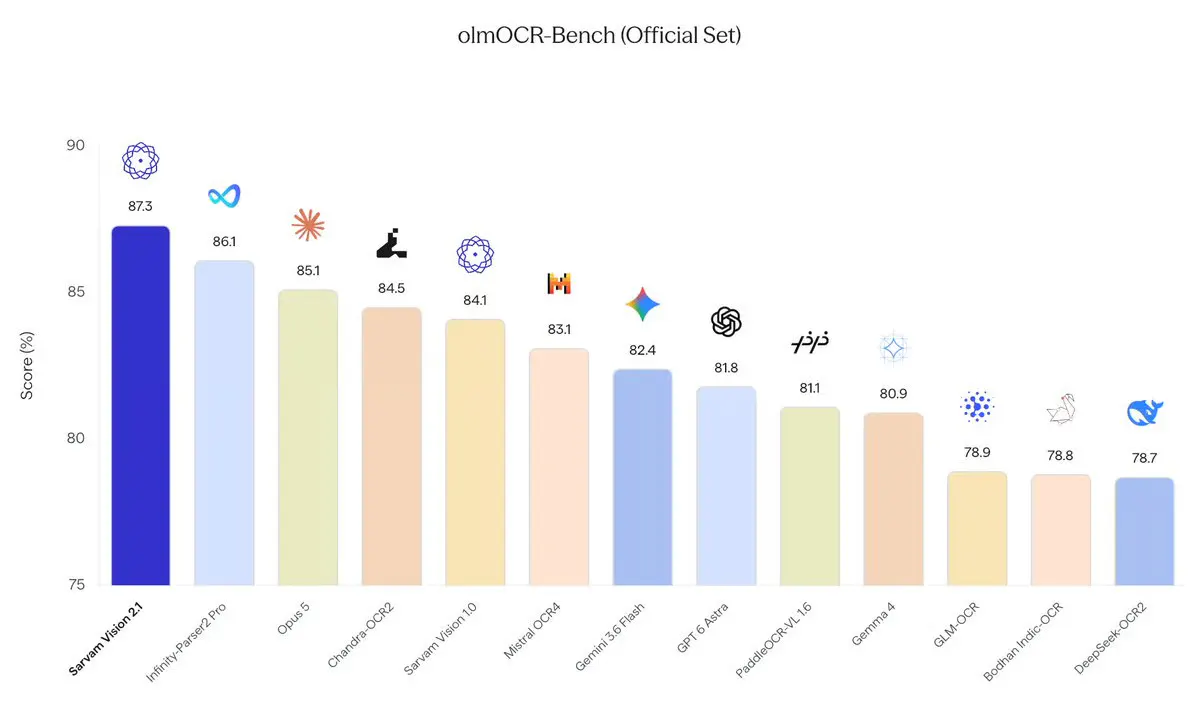
Sarvam's new OCR model tops both English and Indic benchmarks, adds handwriting recognition and key-value extraction across 22 Indian languages.
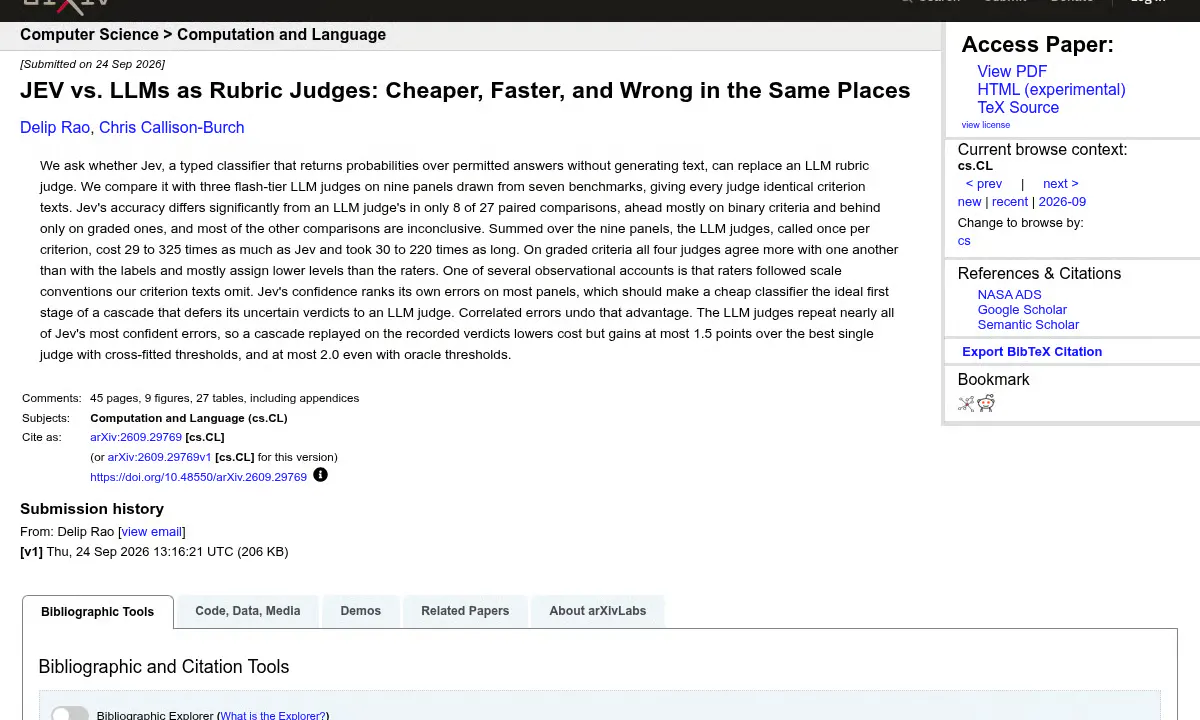
A new study pits TypeSafe's typed classifier against flash-tier LLM judges on rubric grading, finding huge speed and cost wins but correlated errors that break cascades.
No stories match these filters.