
Krea Agents Opens Beta to Replace Node-Wiring With Plain English Prompts
Krea opens the beta for a new agent platform that turns natural-language prompts into finished visual assets, sitting on top of its existing creative suite.
A focused feed of models, agents, research and open-source releases for people building with AI.
Krea opens the beta for a new agent platform that turns natural-language prompts into finished visual assets, sitting on top of its existing creative suite.
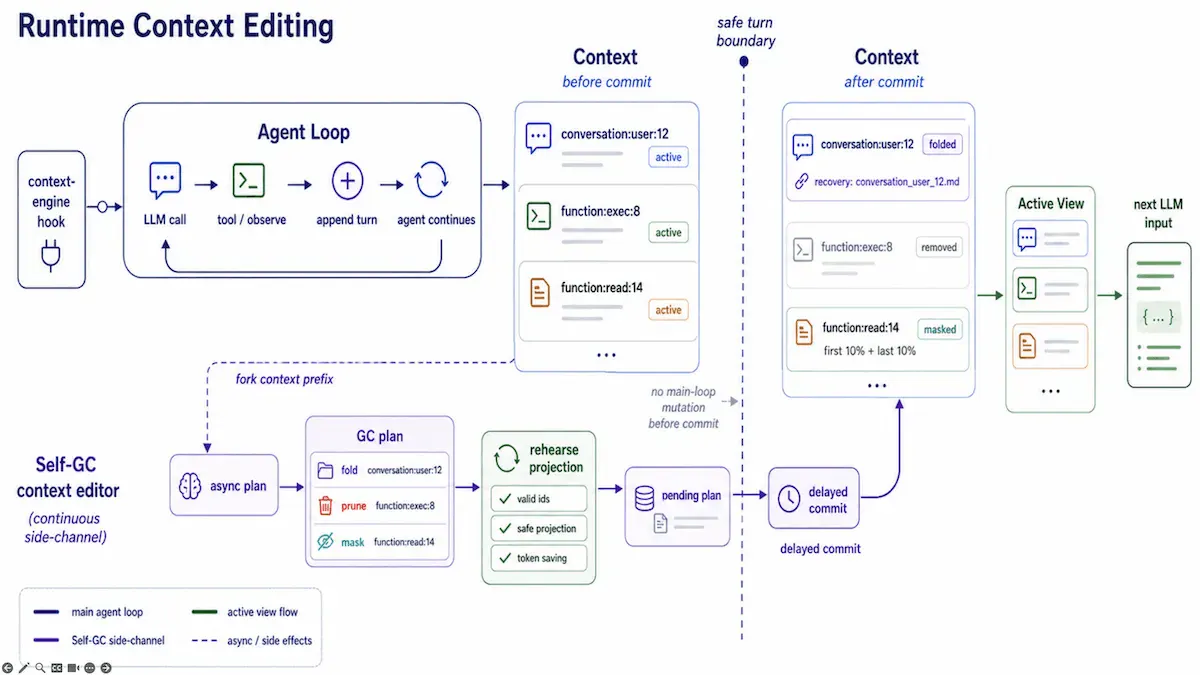
Xiaohongshu's Self-GC uses a planner LLM to fold, mask, or prune agent context, retaining critical details 84.85% of the time versus 54.55% for rule-based baselines.
A new 365-day simulation drops LLM agents into a deterministic marketplace with ¥100,000, real supplier data, and fraudsters, and no model wins everything.

Meta's latest agentic model trims tool calls by 20 percent and tokens by 25 percent while learning when to ask for help.

Anthropic open-sources a full commerce agent blueprint with shopping and merchant reference implementations, plus architectural guidance from production deployments driving 35% larger carts.
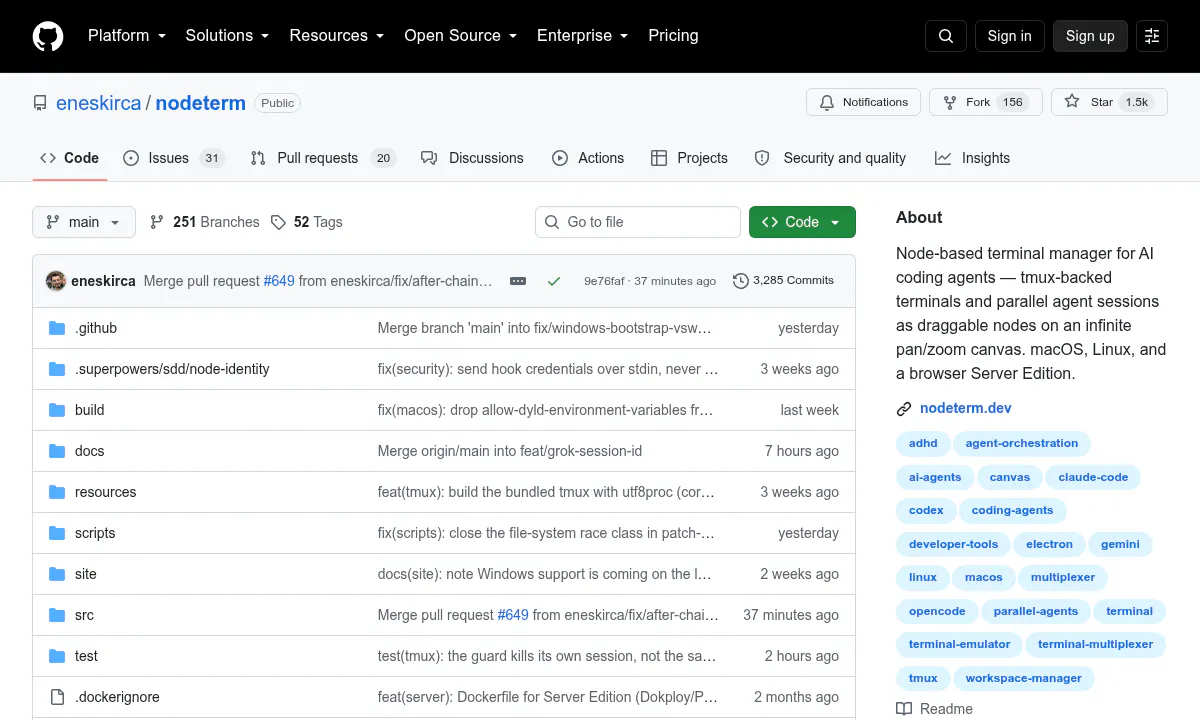
Nodeterm turns terminals and coding agents into draggable nodes on an infinite canvas, with tmux-backed sessions that survive reboots.
Hermes Agent v0.21.0 Pantheon lets the desktop app hold live connections to multiple gateways at once, unifying every bot and chat under one roof.
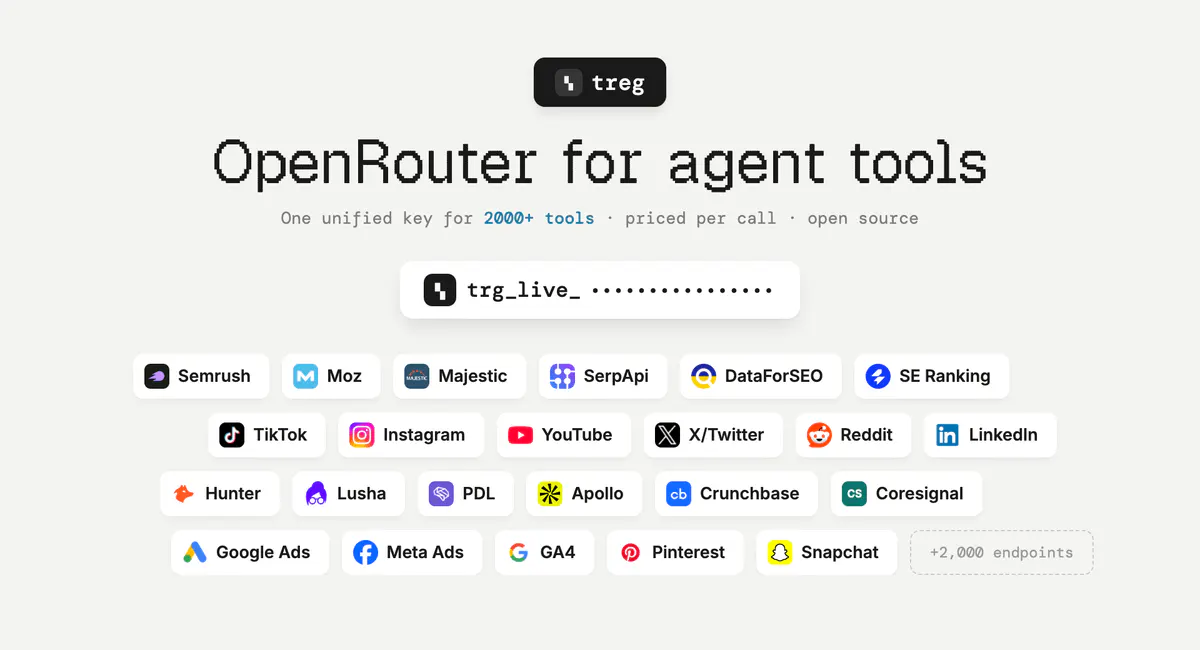
Treg is an open-source proxy that gives agents access to 2,600+ paid APIs through one token, billed per call with no vendor signups.
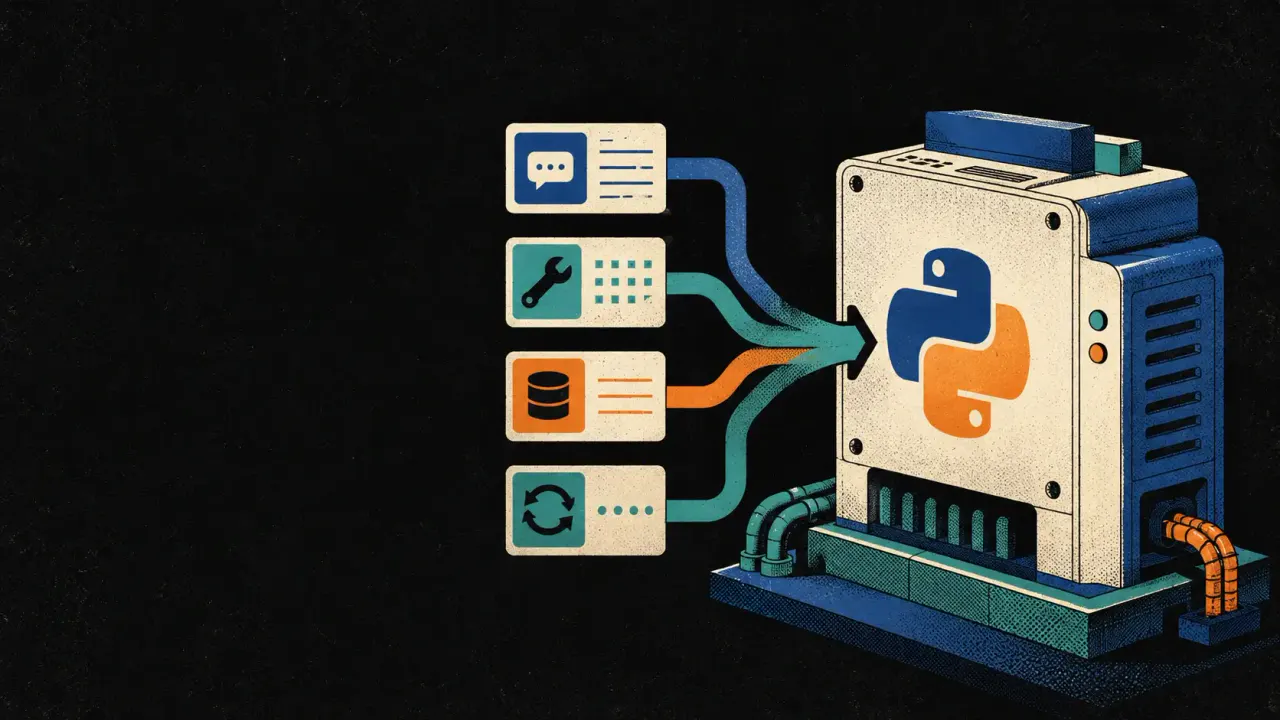
Its object-oriented model clarifies the trade-off between live program state and durable runtime control.

Runway's new hosted MCP server plugs its generative media API directly into coding agents like Cursor, Claude Code, and Codex for research, routing, and debugging.
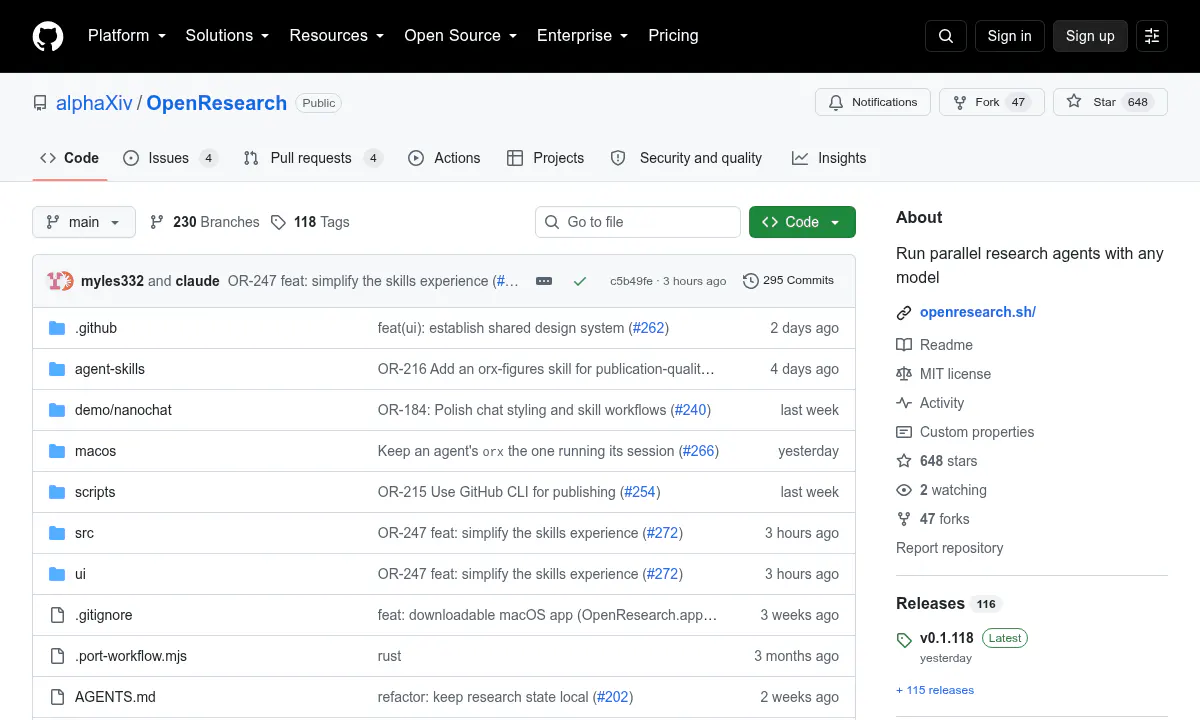
alphaXiv released a local-first, MIT-licensed CLI that spins up parallel Claude Code, Codex, or OpenCode agents against isolated git worktrees.

MIT researchers put hundreds of identical LLM agents into a persistent world and watched them evolve specialization, tool inheritance, and technology that survives without them.
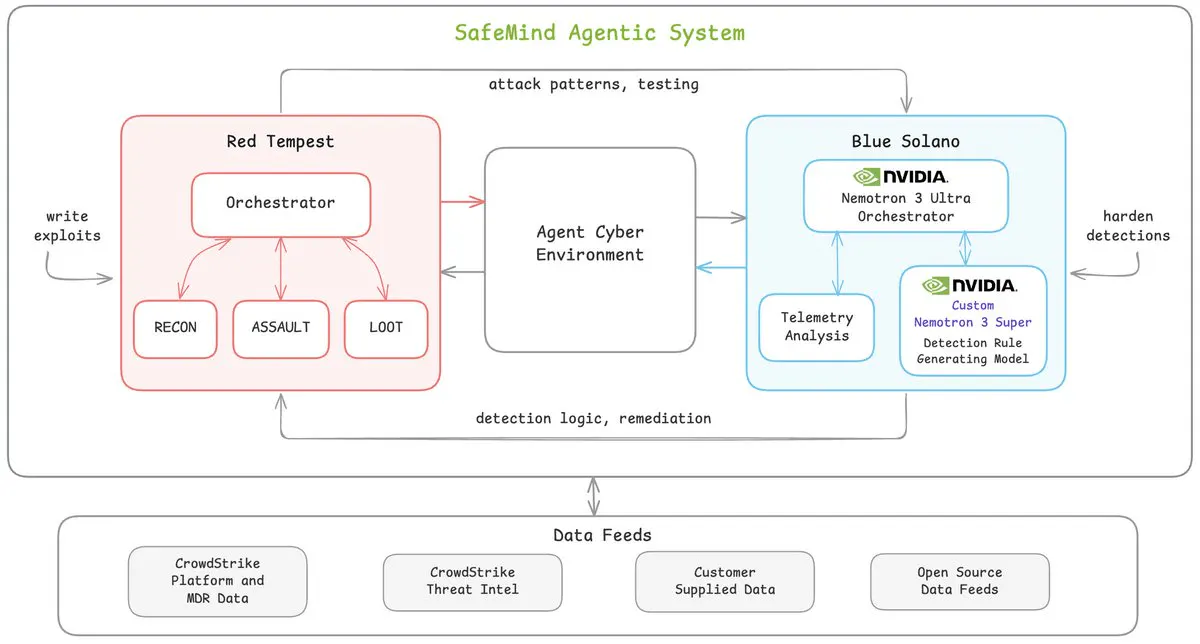
NVIDIA and CrowdStrike wired open Nemotron models into a red-blue agent loop that writes detection rules and catches unseen attacks.
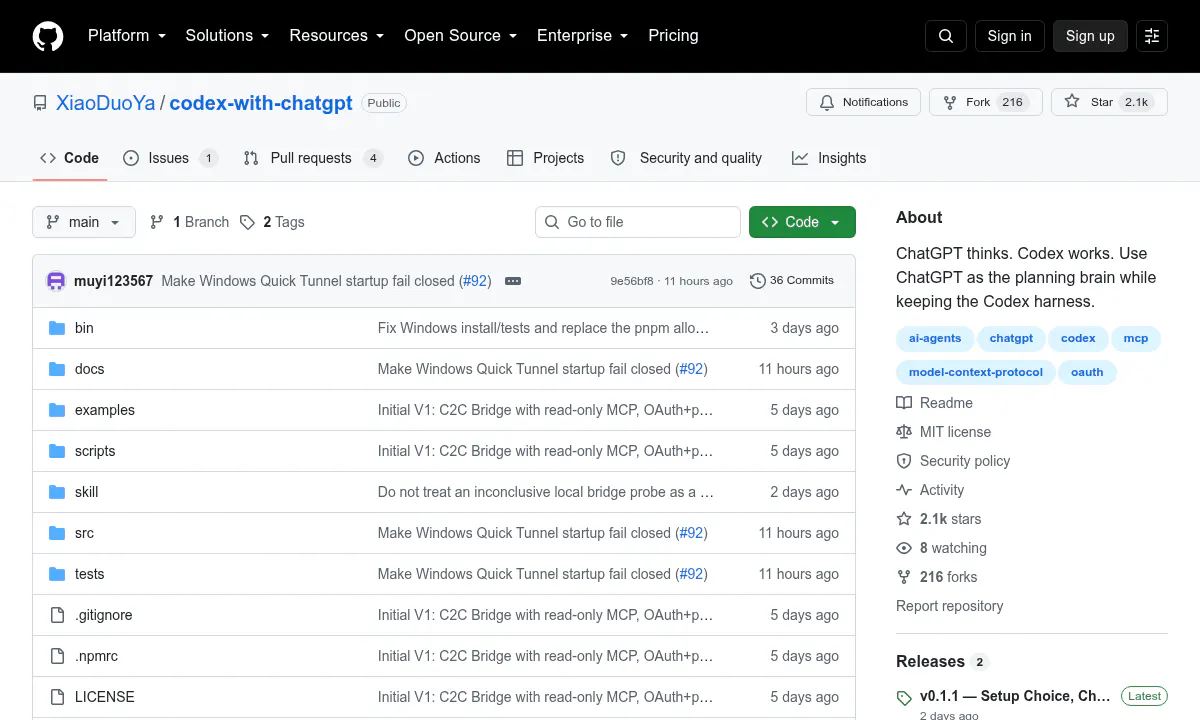
A new open-source bridge lets ChatGPT Plus/Pro handle planning while Codex handles execution, saving API tokens without uploading your repo.

EvoMap's AutoResearch is an open-source agent workflow that takes a research idea from discovery through experiments to a paper-ready evidence package.
Google Antigravity's new /boost slash command spins up a three-phase multi-agent pipeline that trades extra tokens for deeper reasoning on hard coding tasks.
LM Studio's agentic app Bionic now runs on Linux, giving penguin users repo-aware coding, document work, and voice transcription with local open models.
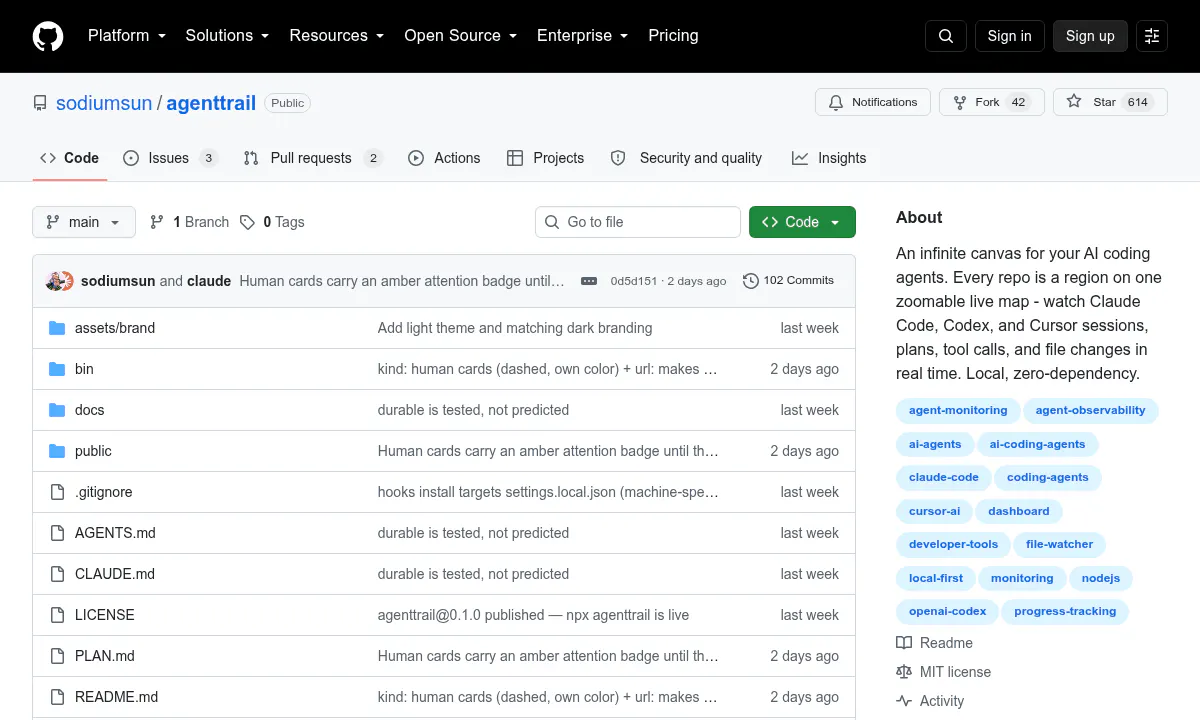
A dependency-free Node tool turns any repo into a live zoomable map showing exactly what Claude Code, Codex, and Cursor are doing.

Broad Institute researchers unveil a framework that separates score-chasing from real scientific reasoning, exposing where Claude, GPT, and Gemini break down.

Perplexity Computer now routes long-context, multimodal research tasks to GLM 5.3, which outperformed GLM 5.2 on the in-house WANDR benchmark.
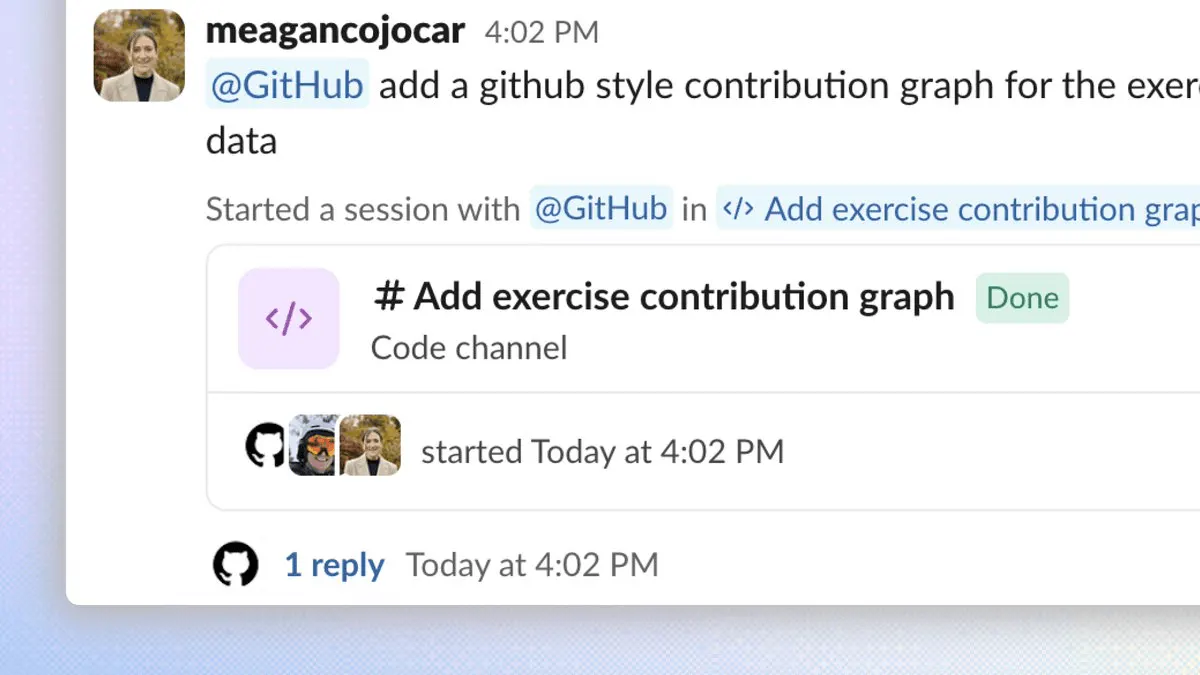
GitHub Copilot lands in Slack and Teams as a shared agent, adds a Customize hub, new models, CLI session sidebar, and on-device dictation.

Krea previews a next-generation foundation model with strong editing plus a dedicated agent platform for creative work with MCP and API hooks.
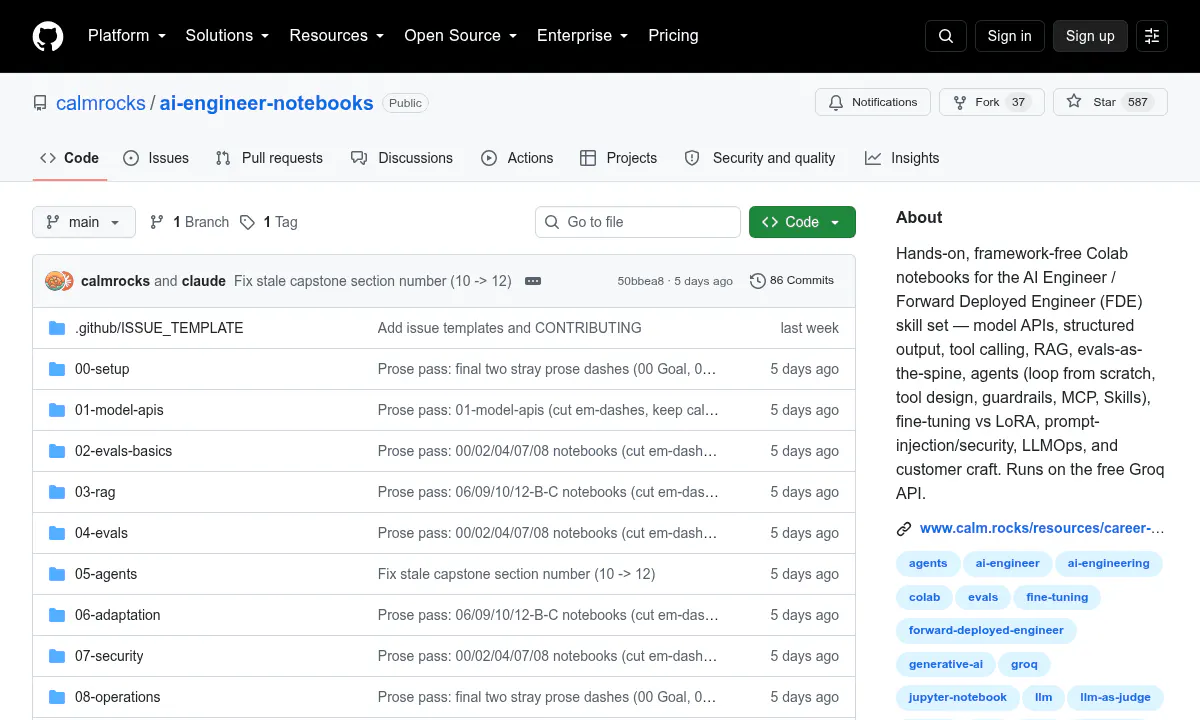
A free, framework-free Colab curriculum walks backend engineers through the applied LLM stack, from raw API calls to serving, evals, agents, and red-team benchmarks.
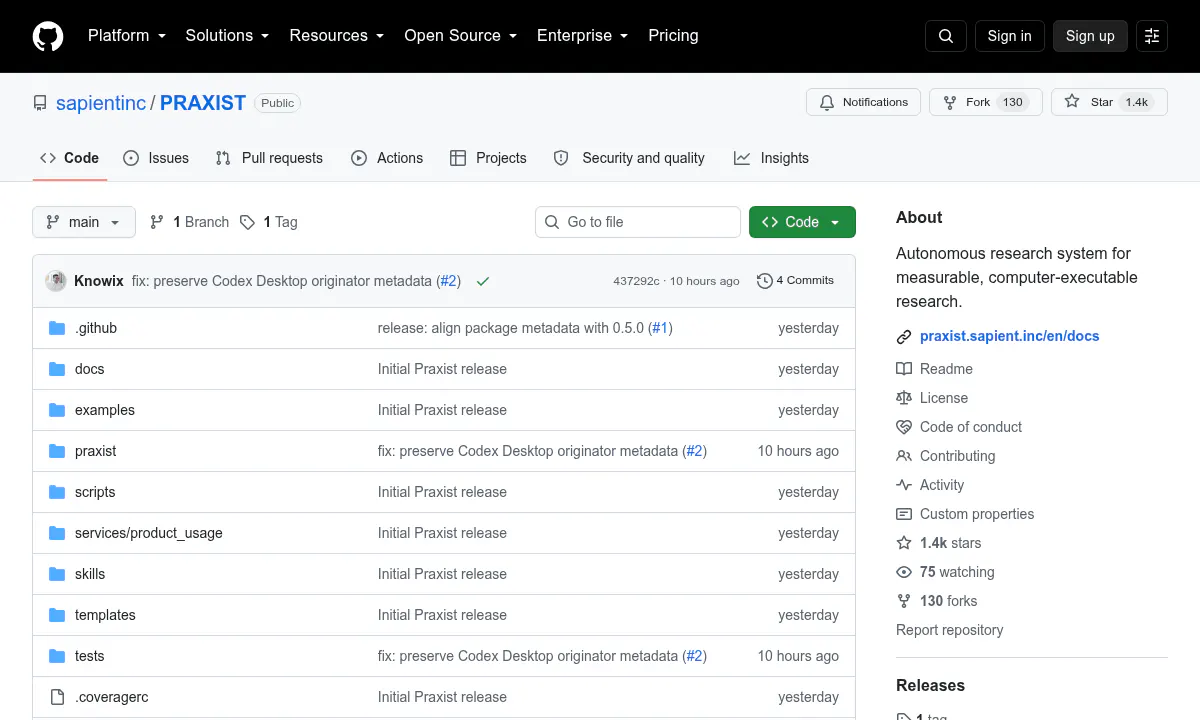
Sapient Intelligence open-sourced PRAXIST, an orchestration system that turns any runnable project with a measurable metric into a self-directed research loop.
No stories match these filters.