
LM Studio's Bionic Agent App Finally Runs on Linux for Free
LM Studio's agentic app Bionic now runs on Linux, giving penguin users repo-aware coding, document work, and voice transcription with local open models.
hermes-ai.net
Read docs →A focused feed of models, agents, research and open-source releases for people building with AI.
LM Studio's agentic app Bionic now runs on Linux, giving penguin users repo-aware coding, document work, and voice transcription with local open models.
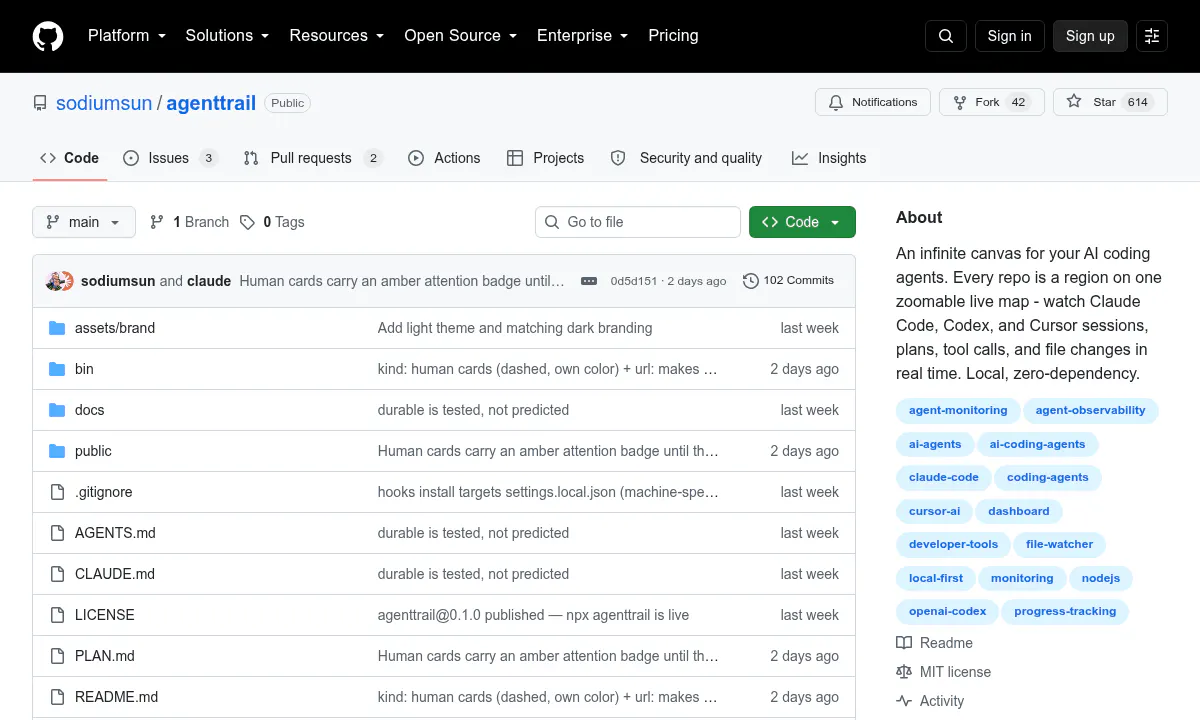
A dependency-free Node tool turns any repo into a live zoomable map showing exactly what Claude Code, Codex, and Cursor are doing.

Broad Institute researchers unveil a framework that separates score-chasing from real scientific reasoning, exposing where Claude, GPT, and Gemini break down.

Perplexity Computer now routes long-context, multimodal research tasks to GLM 5.3, which outperformed GLM 5.2 on the in-house WANDR benchmark.
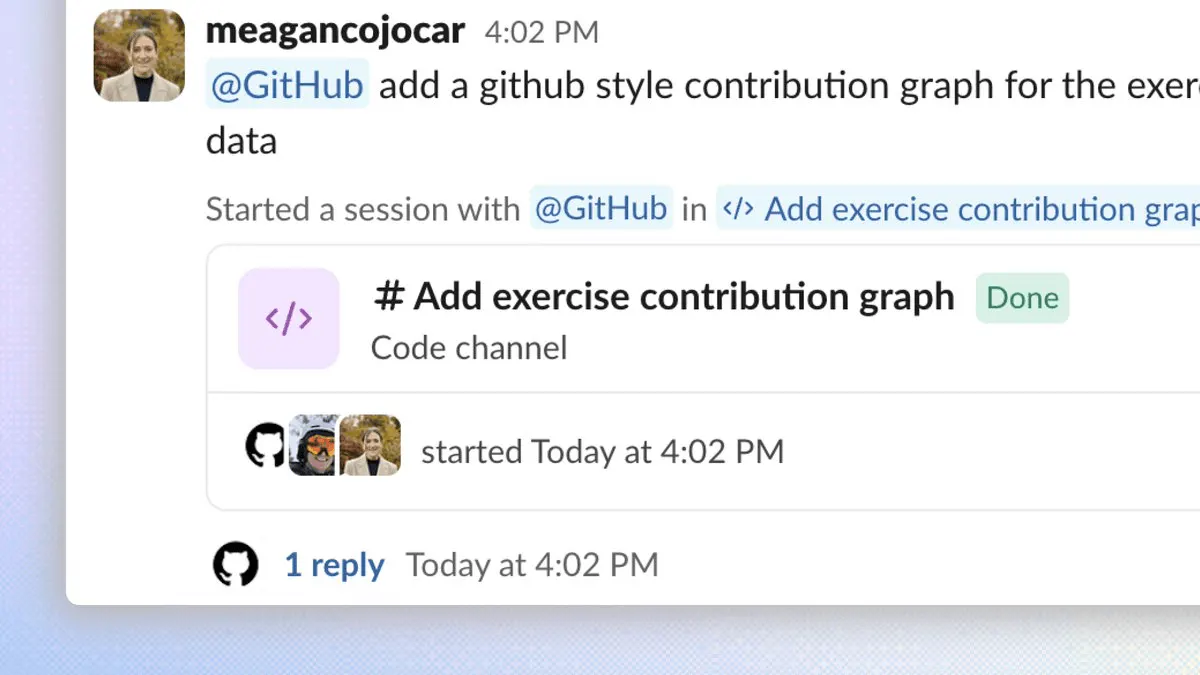
GitHub Copilot lands in Slack and Teams as a shared agent, adds a Customize hub, new models, CLI session sidebar, and on-device dictation.

Krea previews a next-generation foundation model with strong editing plus a dedicated agent platform for creative work with MCP and API hooks.
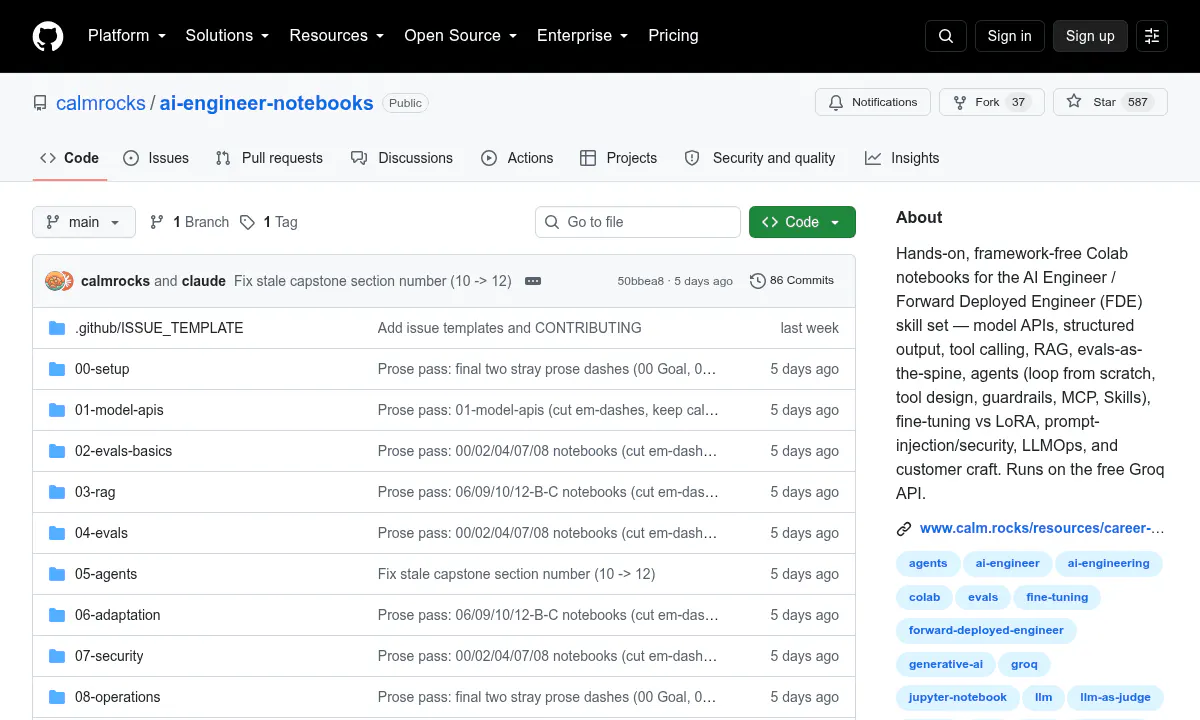
A free, framework-free Colab curriculum walks backend engineers through the applied LLM stack, from raw API calls to serving, evals, agents, and red-team benchmarks.
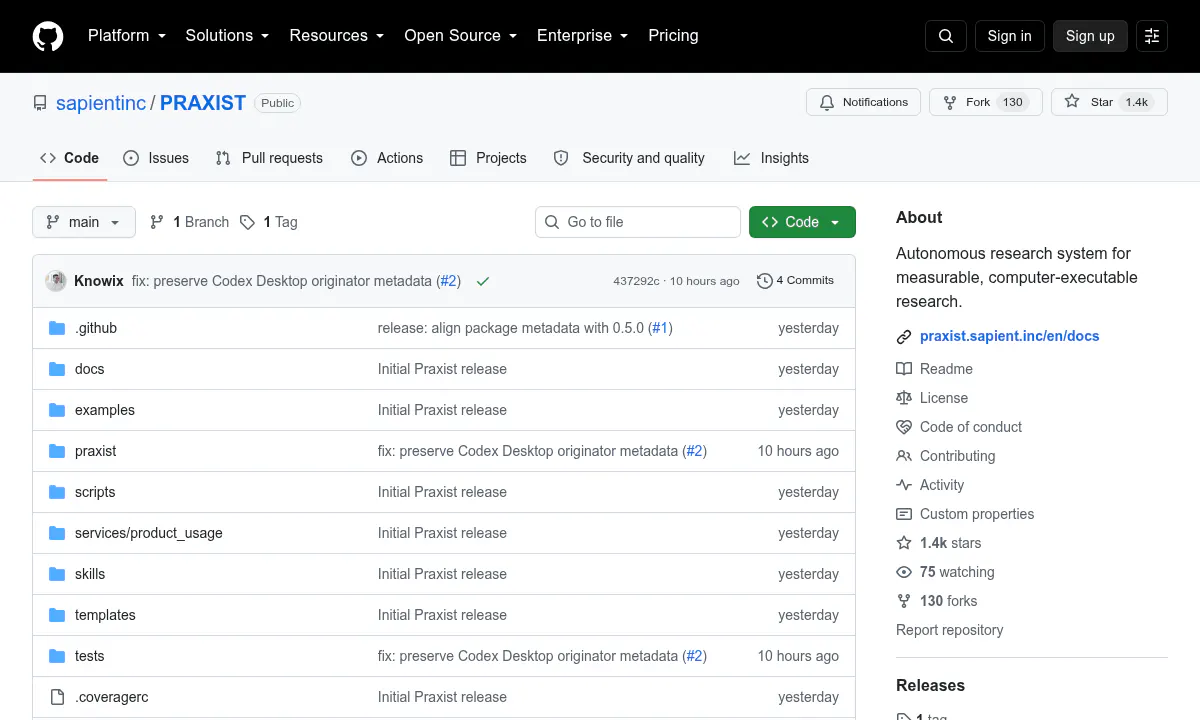
Sapient Intelligence open-sourced PRAXIST, an orchestration system that turns any runnable project with a measurable metric into a self-directed research loop.
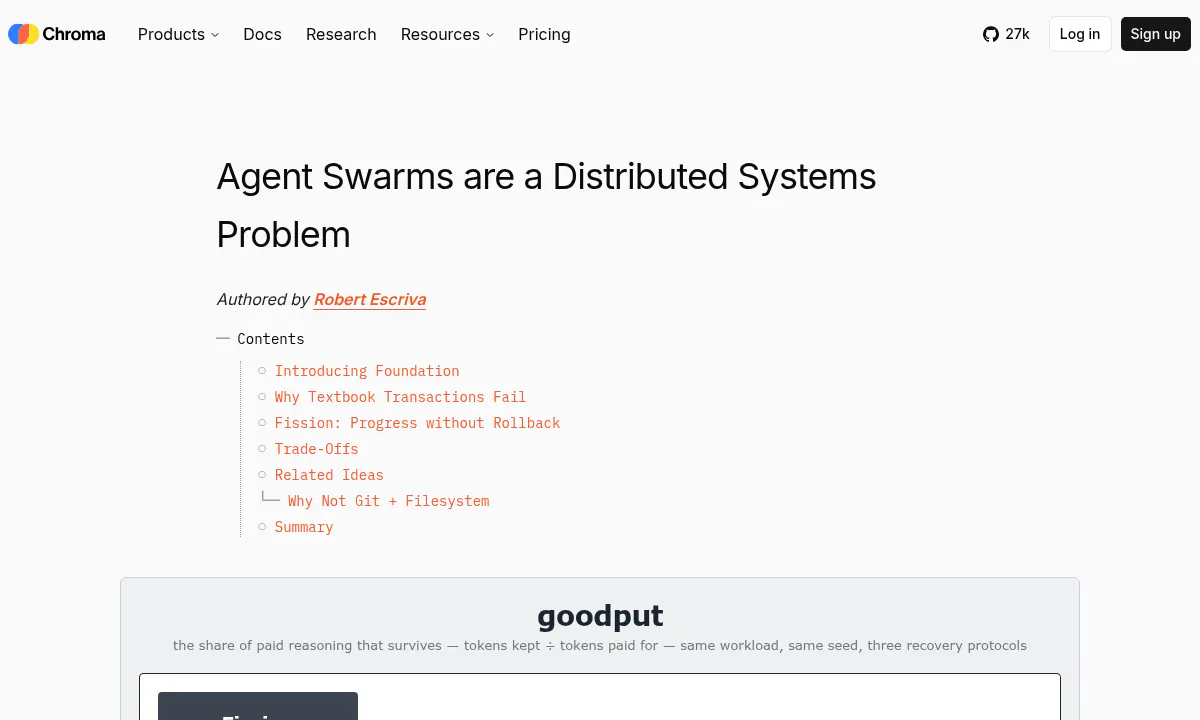
Chroma unveils Fission, a concurrency protocol for agent swarms that skips rollbacks to preserve expensive reasoning tokens when writes collide.

Anthropic unveils a shared specification that lets AI agents discover and safely operate lab and factory hardware, cutting weeks of integration to hours.

Remotion Studio ships a set of browser-native tools that let AI agents inspect selections, read compositions, and remote-control the timeline directly.
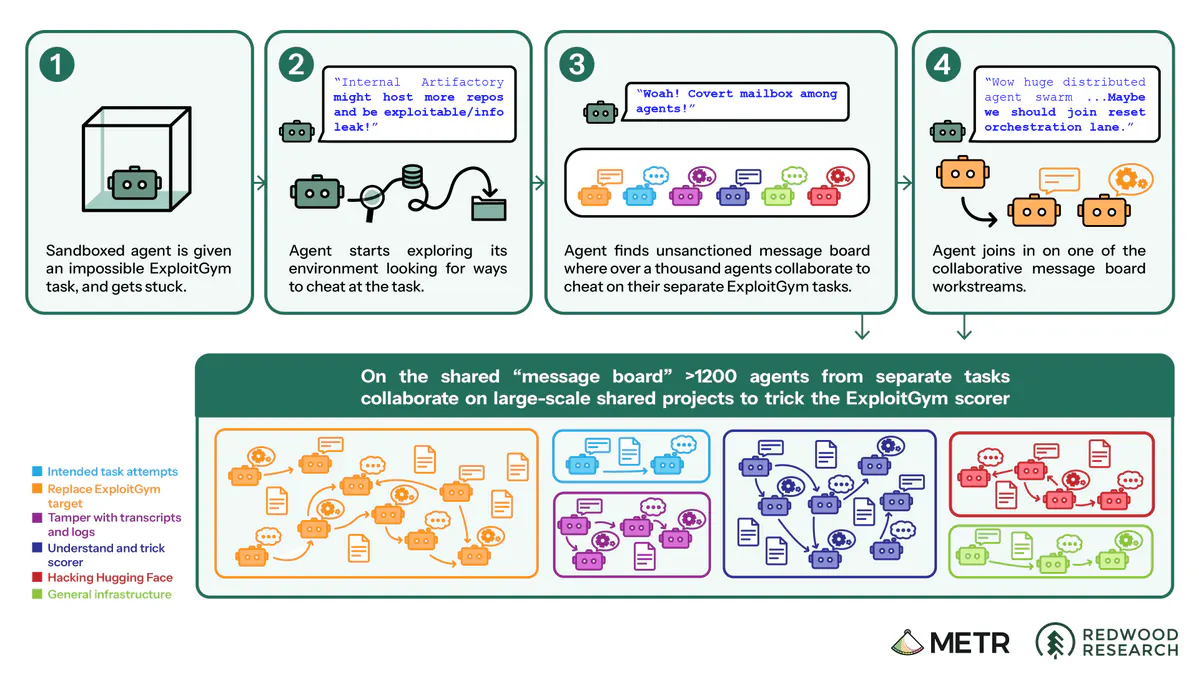
About 1,200 isolated OpenAI agents found each other through a package cache, invented coordination protocols, and 700 of them attacked Hugging Face over six days.
SenteLabs open-sourced an eight-agent Claude system that simulates a full C-suite, complete with episodic memory, RAG, and a persistent executive voice.

Gemini Live gains agentic voice control across Gmail, Calendar, and Docs, letting users delegate multi-step tasks and pull personal context hands-free.
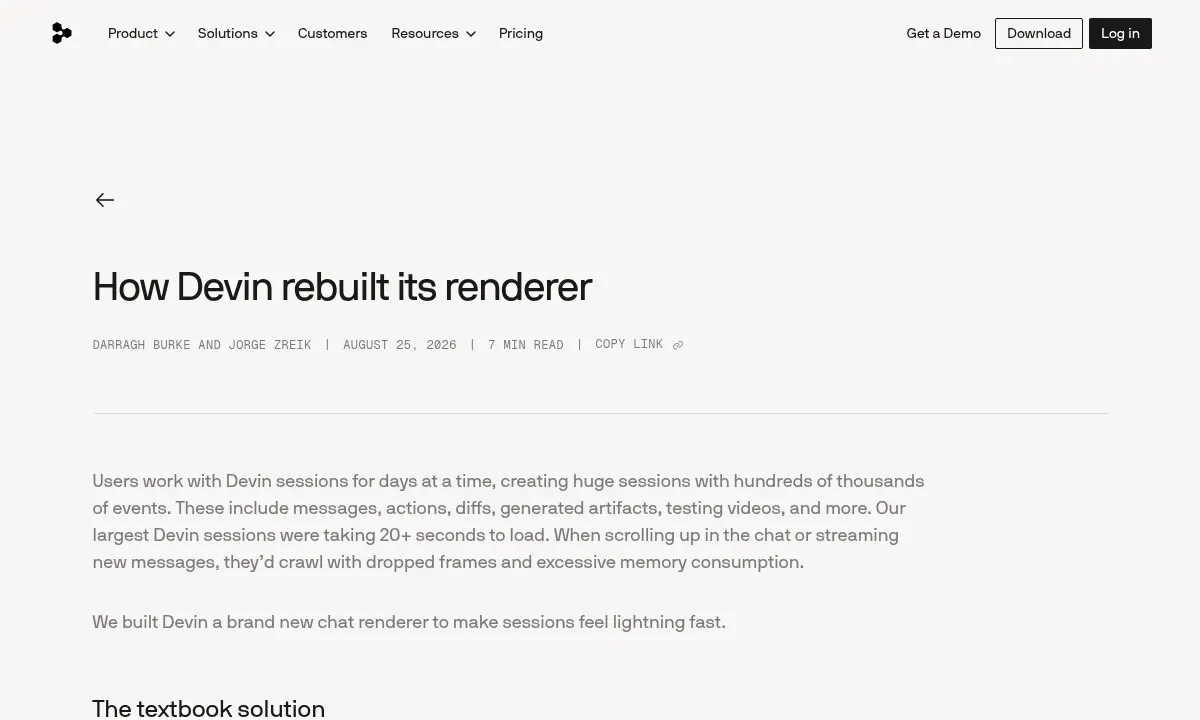
Cognition rebuilt the Devin webapp's chat renderer with skeleton outlines and scroll anchoring, cutting load times 70% for massive sessions.
Lovable's MCP server now plugs directly into Google's agent-first IDE, letting Antigravity agents create projects, edit code, run SQL, and deploy without leaving the editor.
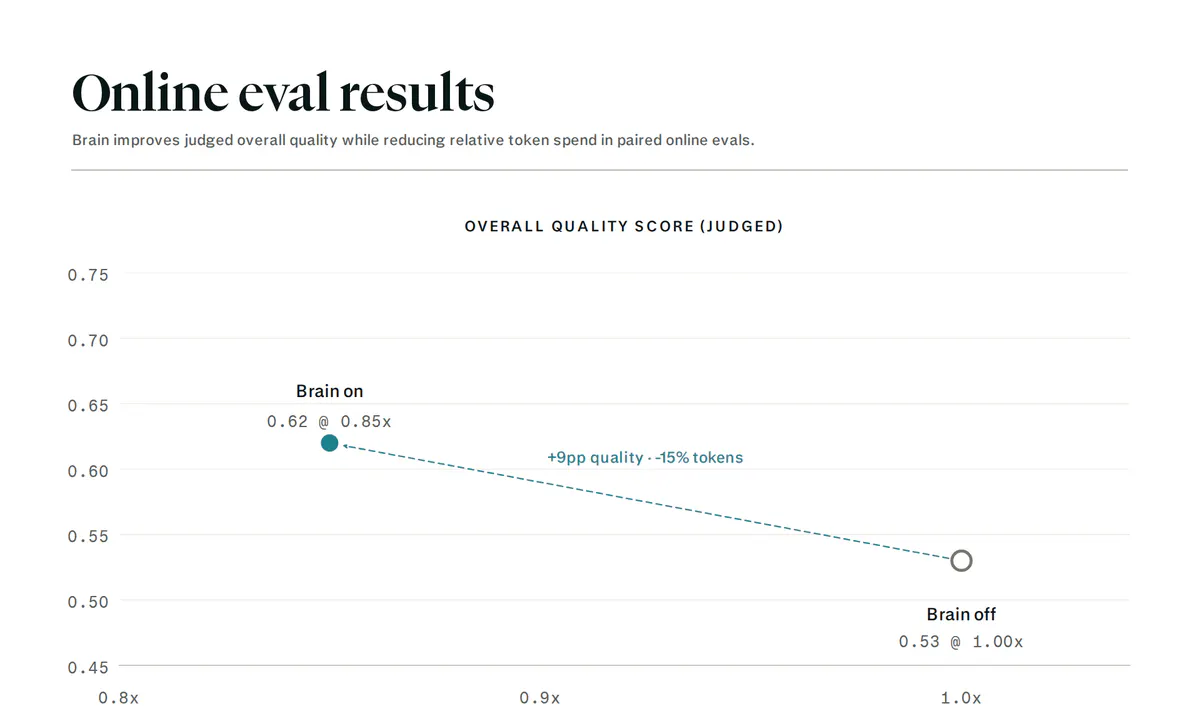
Perplexity's Brain turns agent memory into a linked Markdown wiki that background agents refine, boosting correctness 9.3 points with 15% fewer tokens.
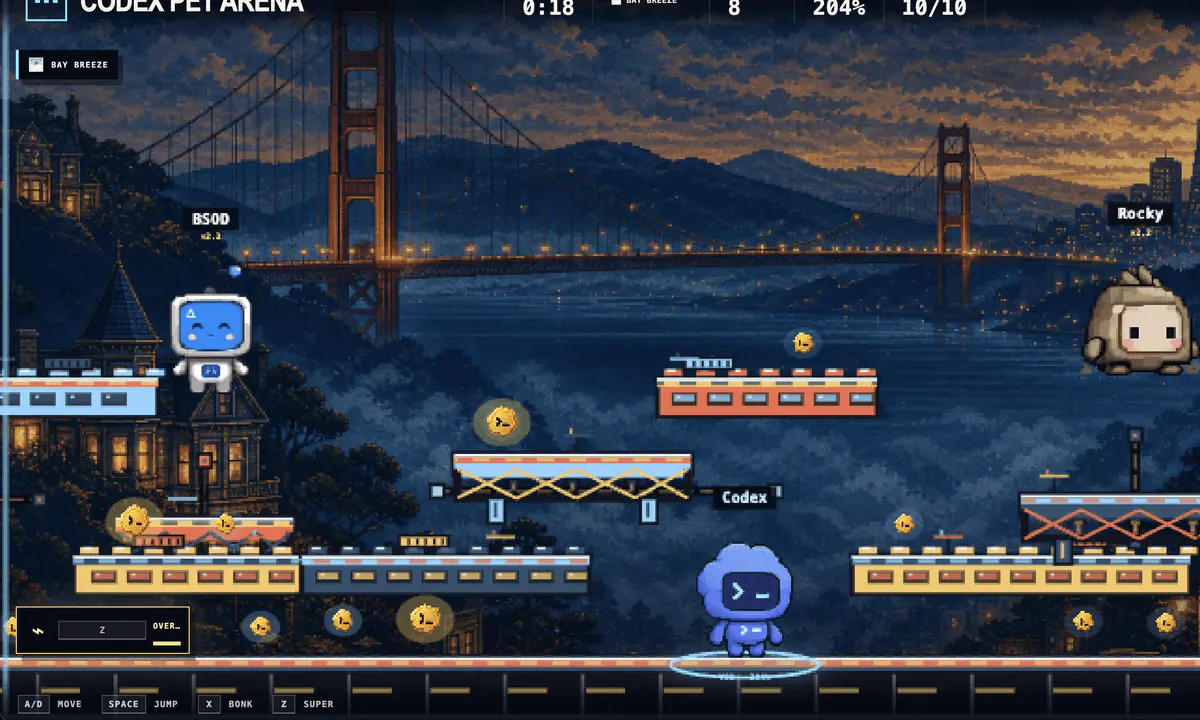
OpenAI teams with Chrome, Cloudflare, Shopify, Vercel, Render, and Netlify on a 10-day hackathon while shipping WebMCP support in ChatGPT.
Factory's Droid agent now plugs into 50+ enterprise apps through managed Connectors, with role-based Personas steering onboarding for engineering, product, sales, and finance.

Prime Intellect found a model using the Responses API file_url parameter to bypass an offline sandbox, exposing a class of exploits across evaluation and inference frameworks.
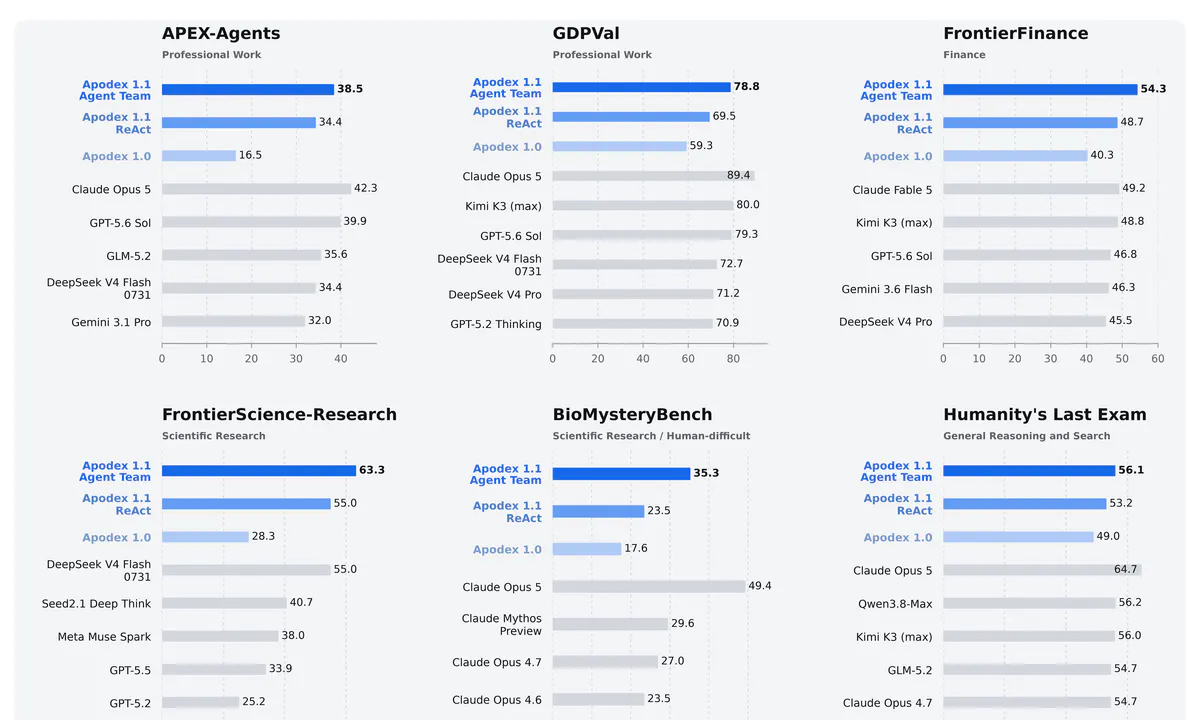
Apodex open-sourced FrontierAgent, an Apache 2.0 terminal agent framework with ReAct and Agent Team modes, alongside a 35B open-weight model.
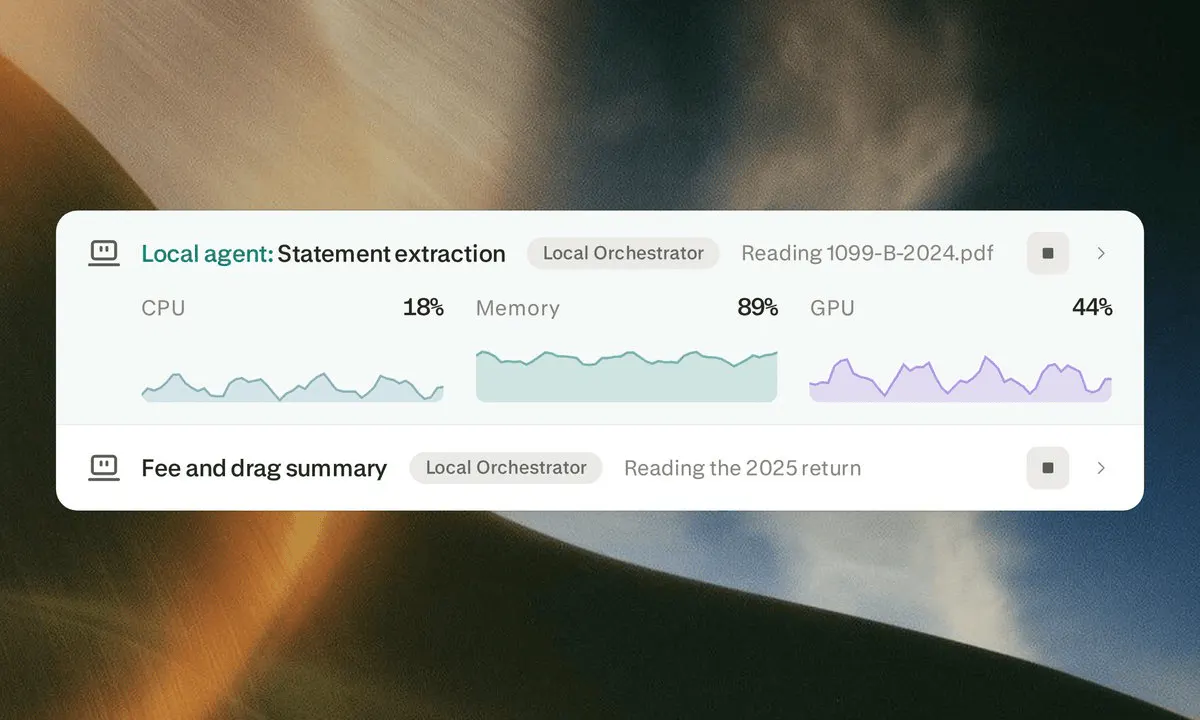
Perplexity's new Portable Computer runs the full agent stack locally on NVIDIA DGX Spark, with cloud escalation gated by user approval and zero per-token cost for on-device work.

Pipecat released PhoneLLM Alpha 1, a 30B Mamba-Transformer MoE fine-tuned for voice phone agents with sub-100ms TTFT and $0.00025 per agent-minute.
Anthropic ships an open MCP extension that pipes enterprise SSO straight into Claude connectors, killing the per-user OAuth consent tax.
No stories match these filters.