

CMU and Idiap Build Synth-DoPaCo, a 1,329-Hour Medical AI Benchmark
A new open dataset of 8,800 synthetic doctor-patient conversations with 1,329 hours of audio tests whether audio language models can summarize long clinical visits.
A focused feed of models, agents, research and open-source releases for people building with AI.
A new open dataset of 8,800 synthetic doctor-patient conversations with 1,329 hours of audio tests whether audio language models can summarize long clinical visits.

A new benchmark of 1,246 questions over 13,956 AI papers exposes how badly current LLM agents handle real literature-review workflows.

A new variational framework pools data across many subjects by learning a shared conditional prior over model parameters while keeping per-subject posteriors.
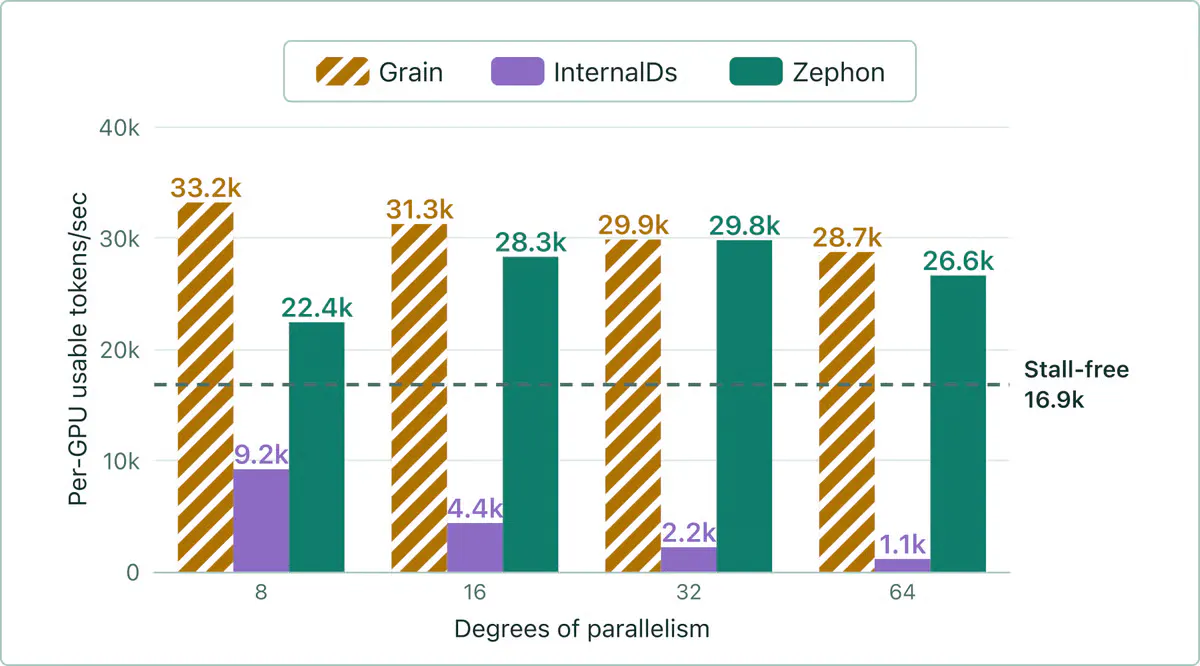
Zephon plugs into TorchTitan to deliver identical global batches across GPU counts, so a job resumed on different hardware trains on the exact same data.
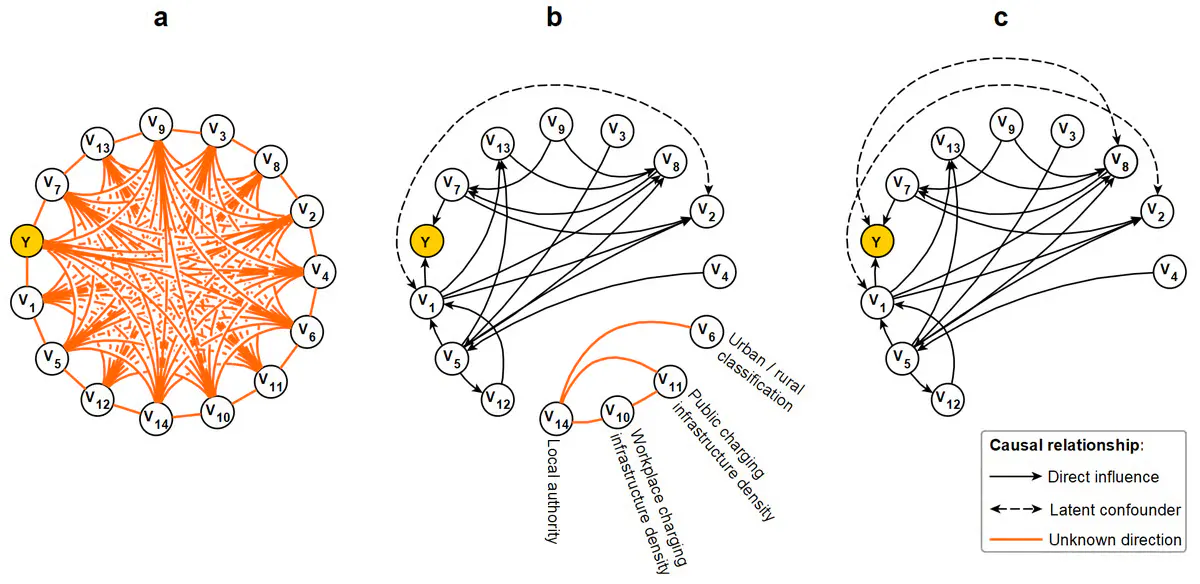
A causal inference study on Scottish households shows income, not driveways, is the real gatekeeper to EV adoption, with standard models overstating the parking effect.
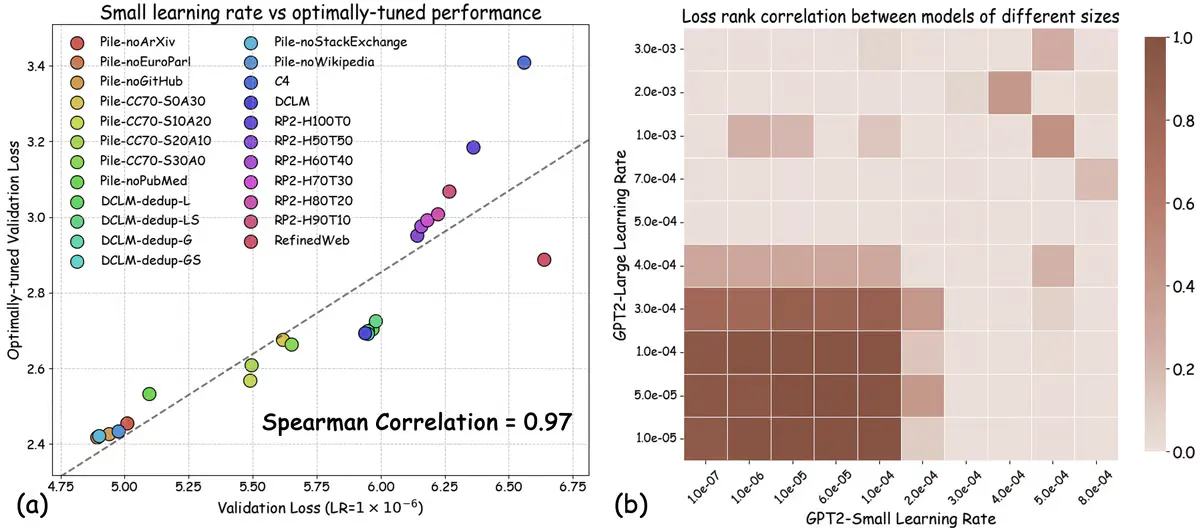
A new study shows that proxy models used to pick pretraining data can flip their verdicts with tiny learning rate changes, with a simple fix.
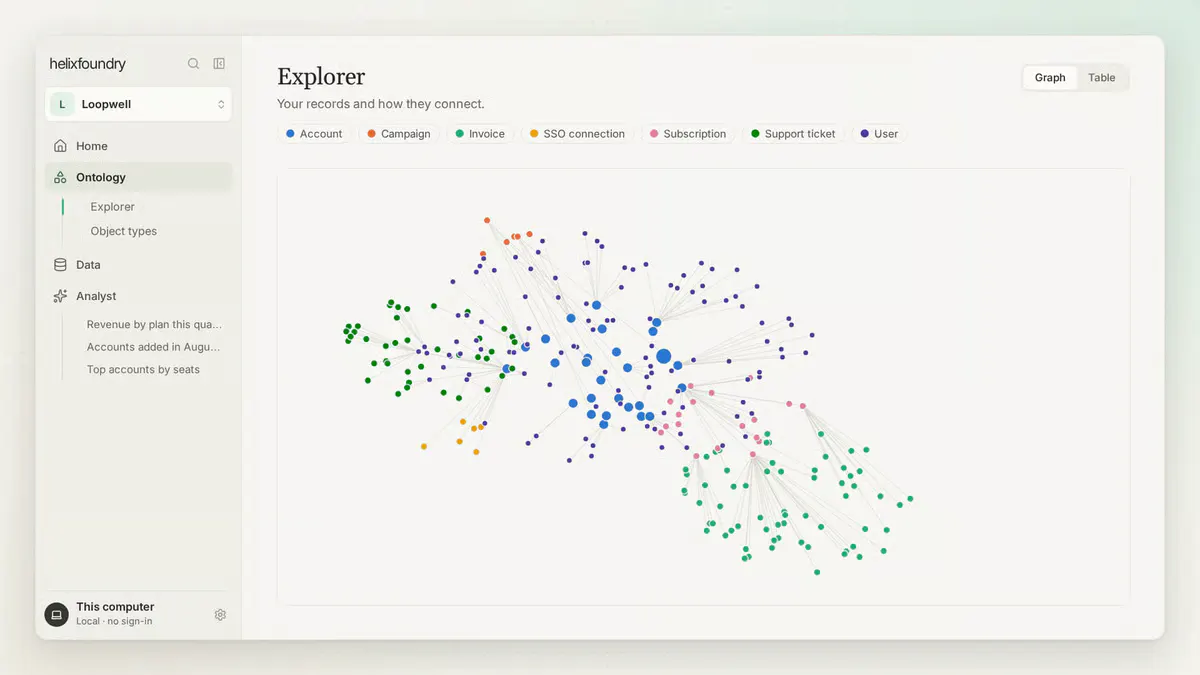
Helix Foundry lets you wire databases, SaaS tools, and files into a single company ontology that runs entirely on your laptop.

A new AI competition will build models on a 150M-cell brain atlas, with top therapeutic hypotheses validated in a working wet lab.
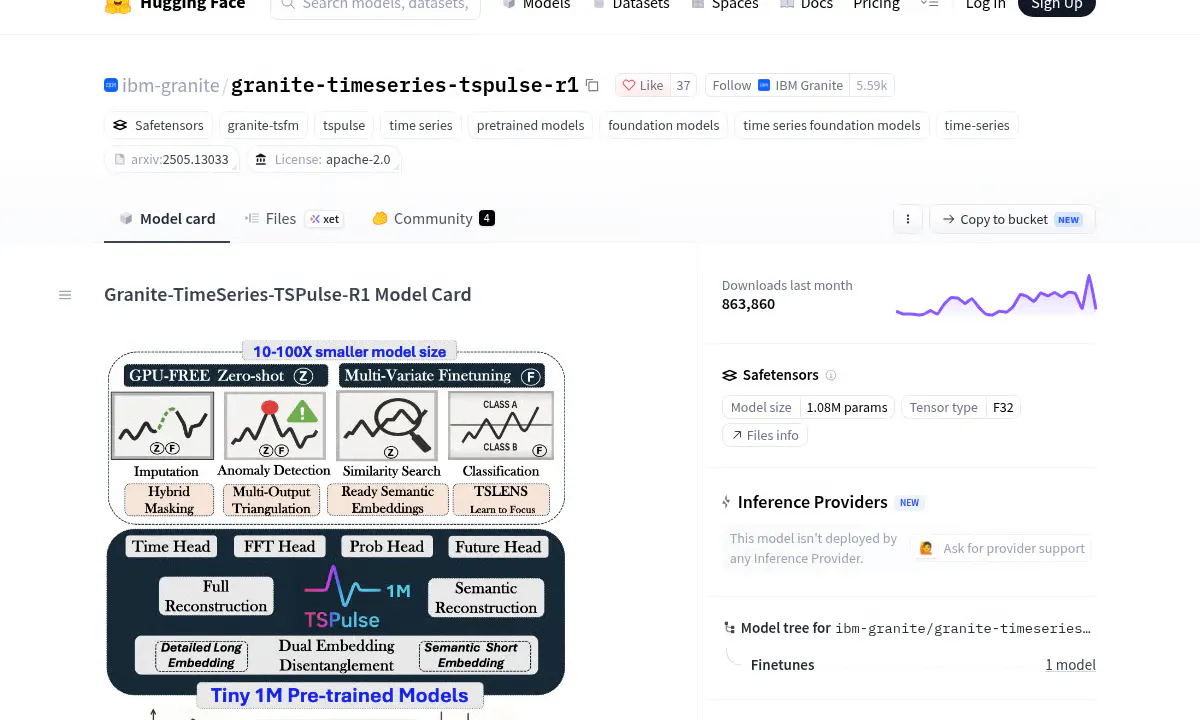
IBM's 1M-parameter TSPulse foundation model handles classification, anomaly detection, imputation, and search with GPU-free inference and open weights.

A modular pipeline pairing Gemma 4 E4B with a plant genomic model ranked the true causal melon mutation #1 out of 2,494 candidates.

A one trillion observation dataset of U.S. equities and a benchmark of 18 encoder strategies set up finance for JEPA-style world models.

A swarm of Claude Opus 5.5 agents ran hundreds of DFT simulations and surfaced two candidate magnets that could unlock faster, denser spintronic memory.

A calibrated decision layer turns machine-learning interatomic potentials into probability engines that match full relaxation accuracy at a thirtieth of the compute.
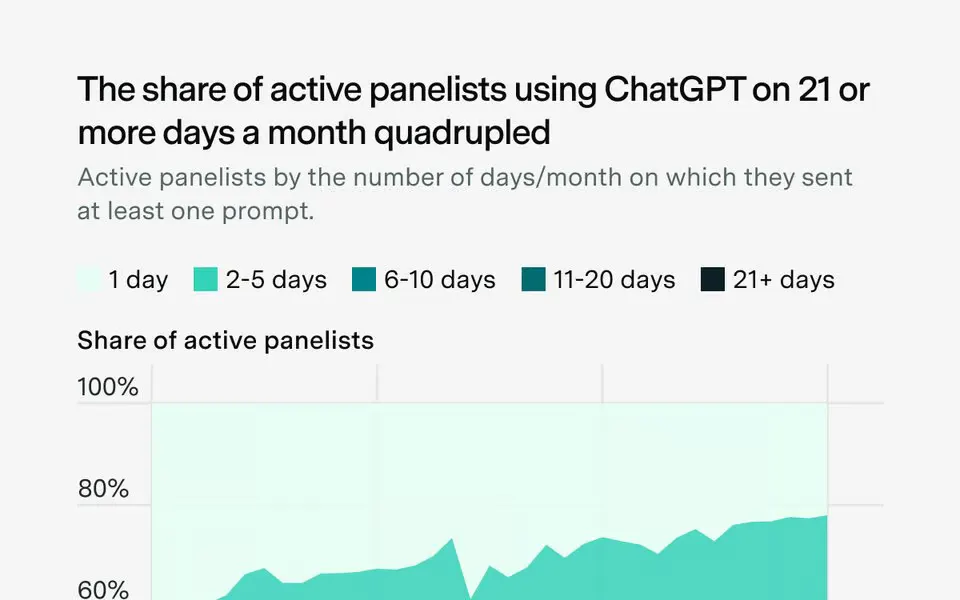
Epoch AI released a public explorer tracking 8.3 million ChatGPT messages from 5,000 YouGov panelists, revealing how real usage intensified from 2022 to 2025.
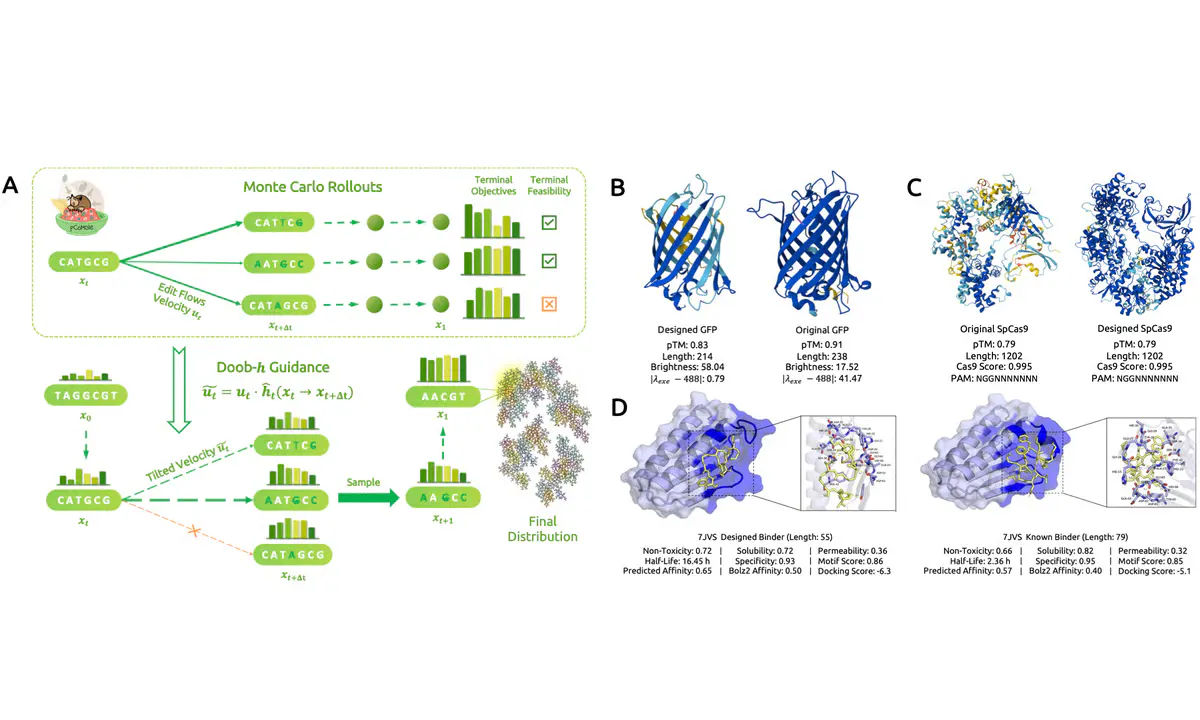
A new discrete flow matching framework shrinks proteins like GFP and Cas9 while juggling multiple drug-like properties under hard biochemical constraints.
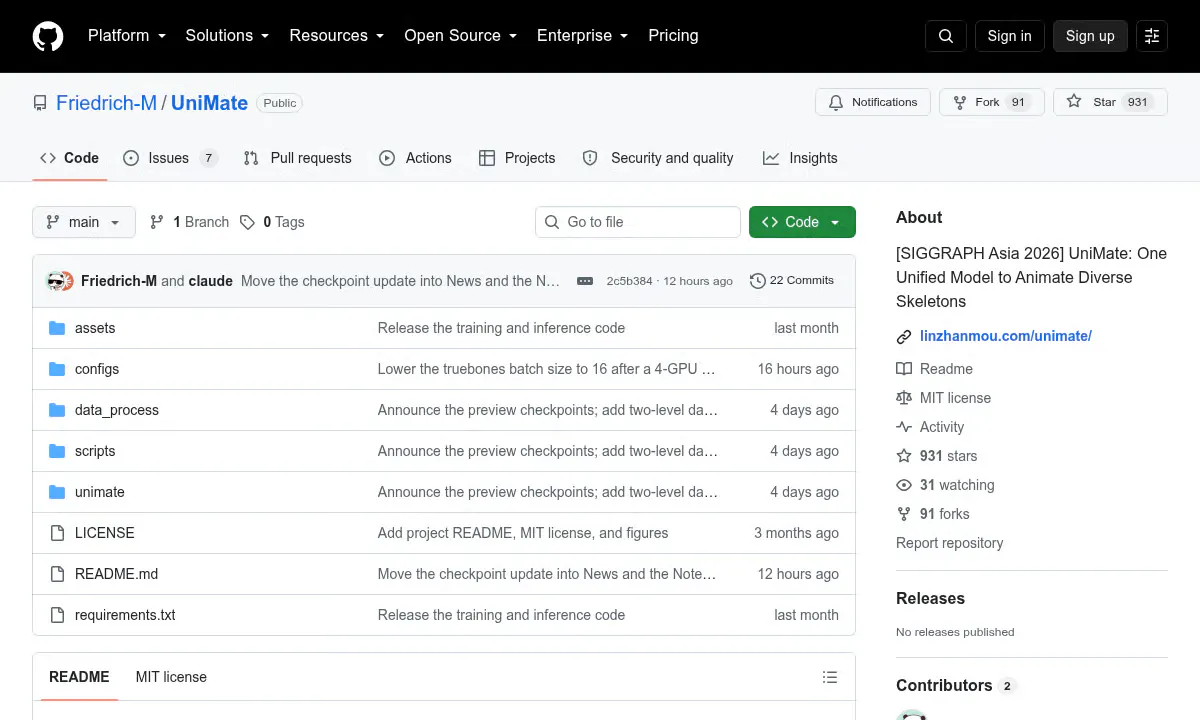
A Princeton-led team released UniMate, a single diffusion transformer that animates any rigged skeleton from text, with code, dataset, and interactive demo.
Adaption's new Invent a Dataset system generates post-training data from a plain text description, beating five frontier model APIs on quality and diversity.

A RoBERTa classifier from Unitary scores comments across seven toxicity and identity-attack labels while actively minimizing demographic bias during training.
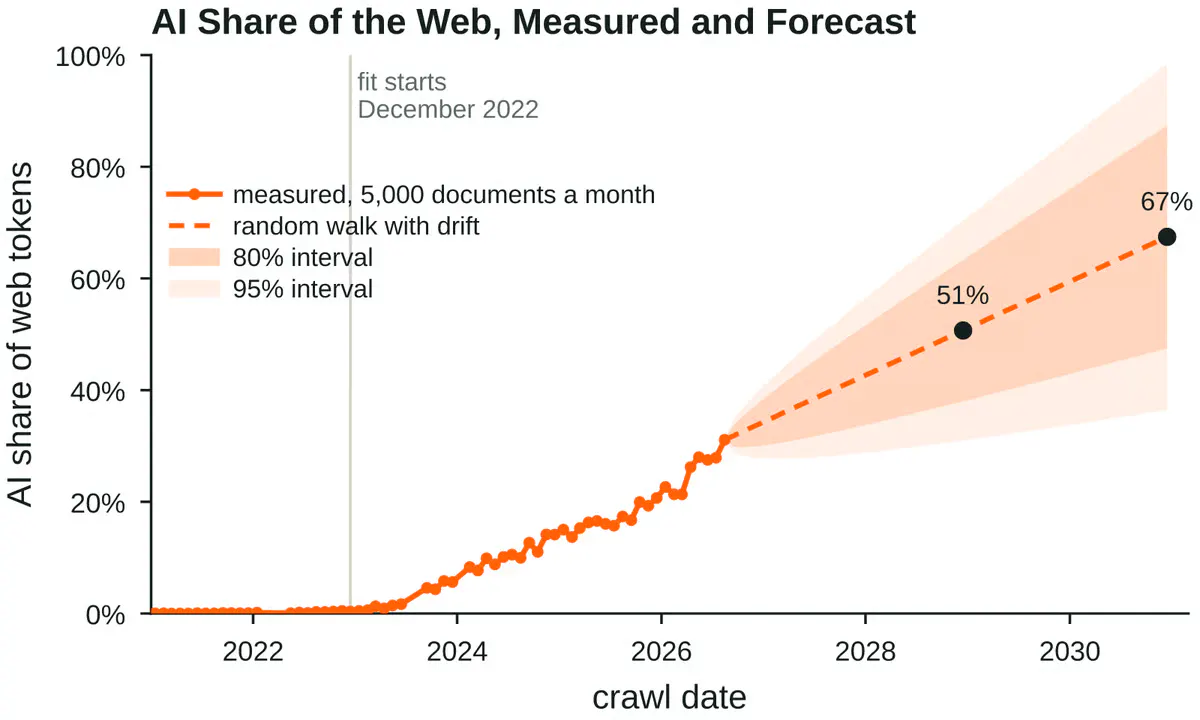
Pangram Labs trained 800 language models to measure how AI-generated web text warps pretraining, and built a new scaling law to price each token.
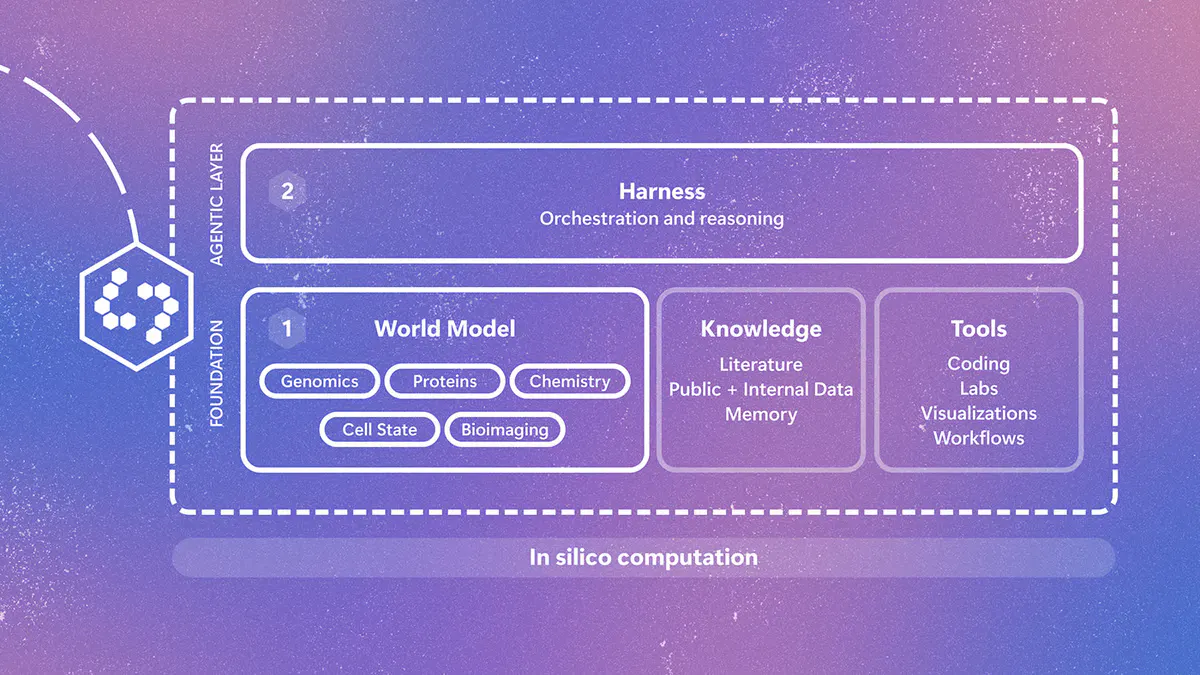
Microsoft Research unveils Quine, a multimodal biological world model that ranks compounds in silico before scientists commit them to wet-lab experiments.
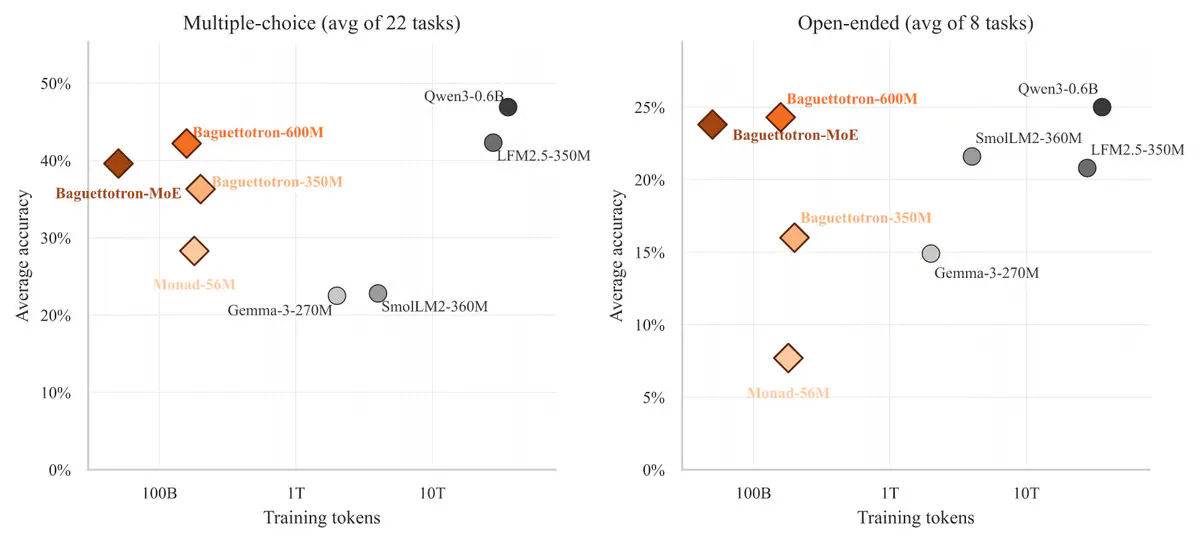
Pleias unveils SYNTH, an open fully synthetic Wikipedia-derived corpus, plus Baguettotron and Monad models that match larger baselines with 10-140x less data.

A fully synthetic longitudinal EHR benchmark from Carnegie Mellon fools physicians and stumps frontier models on real clinical reasoning tasks.

A Chinese quant repo reproducing 100+ brokerage research strategies is trending, bundling RSRS timing, factor models, and HHT algorithms into runnable notebooks.

Microsoft Research's RetroChimera combines two neural networks to plan chemical syntheses that expert chemists prefer over published literature reactions.
No stories match these filters.