
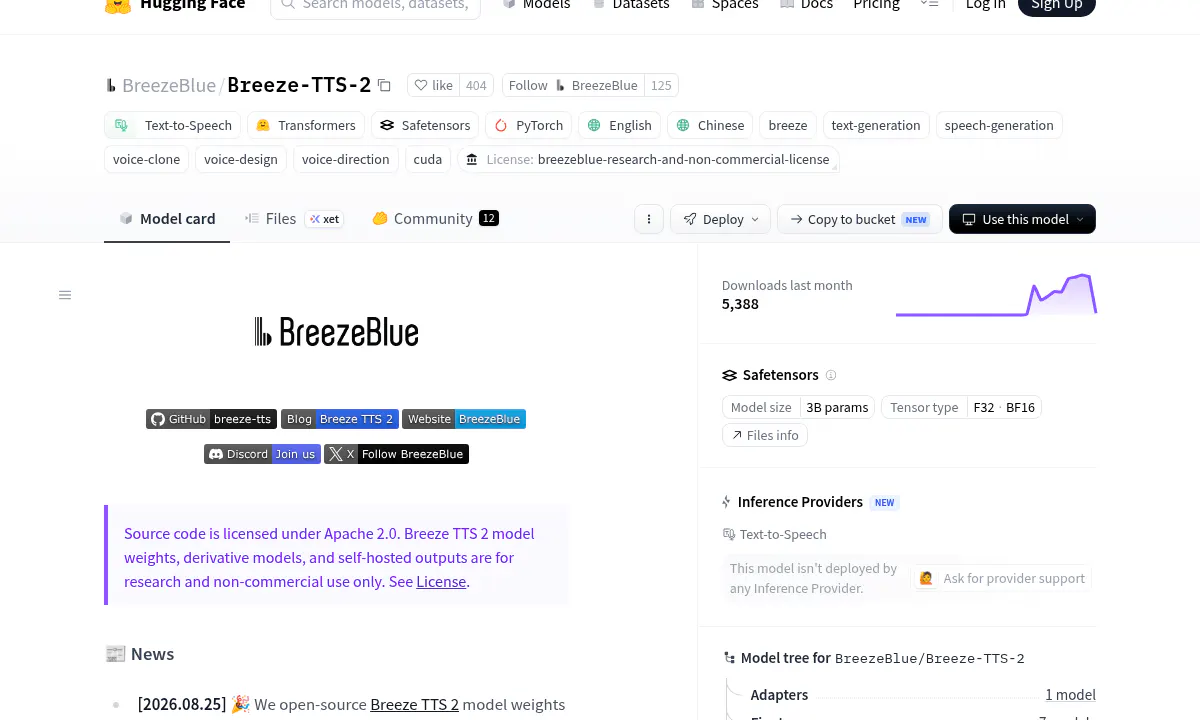
BreezeBlue's Breeze TTS 2 Clones and Designs Voices in Under 40ms
BreezeBlue open-sourced a 3B bilingual TTS model that tops the Artificial Analysis leaderboard with sub-40ms latency and natural-language voice design.
hermes-ai.net
Read docs →A focused feed of models, agents, research and open-source releases for people building with AI.
BreezeBlue open-sourced a 3B bilingual TTS model that tops the Artificial Analysis leaderboard with sub-40ms latency and natural-language voice design.
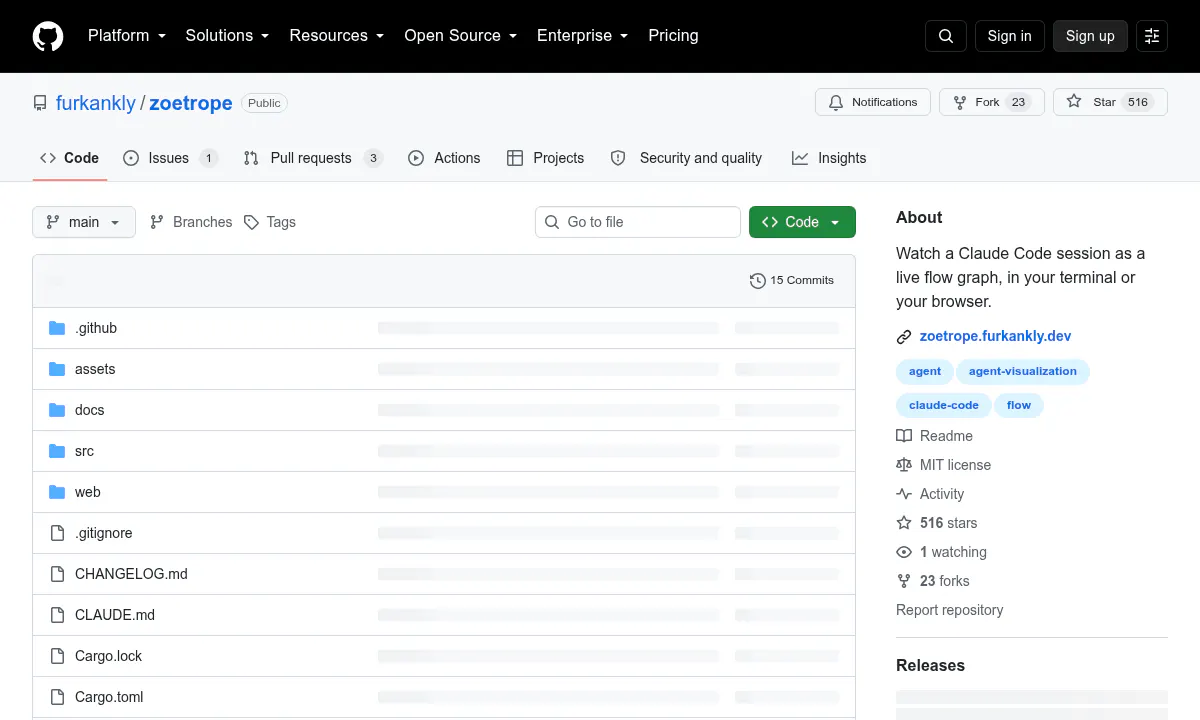
A new open-source Rust tool renders Claude Code sessions as a live, scrubbable flow graph inside your terminal or browser.
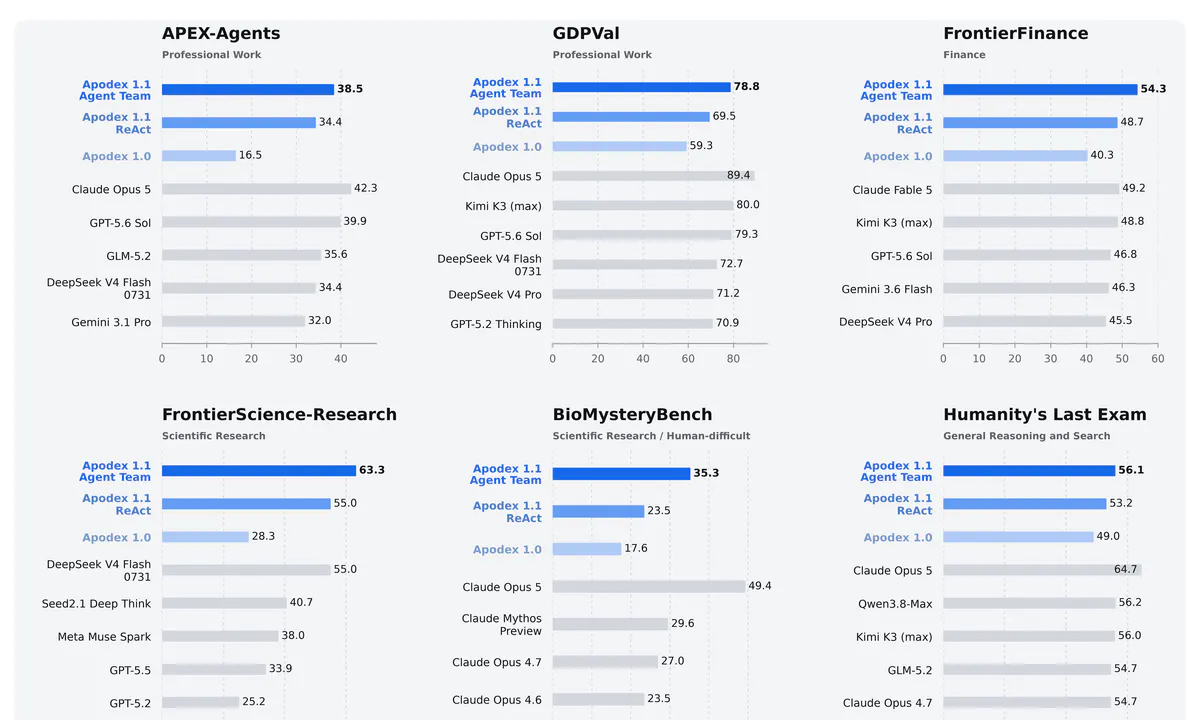
Apodex open-sourced FrontierAgent, an Apache 2.0 terminal agent framework with ReAct and Agent Team modes, alongside a 35B open-weight model.
Kyutai released the full training stack for its 100M-parameter Pocket TTS, letting anyone train a voice model from scratch for under $200.
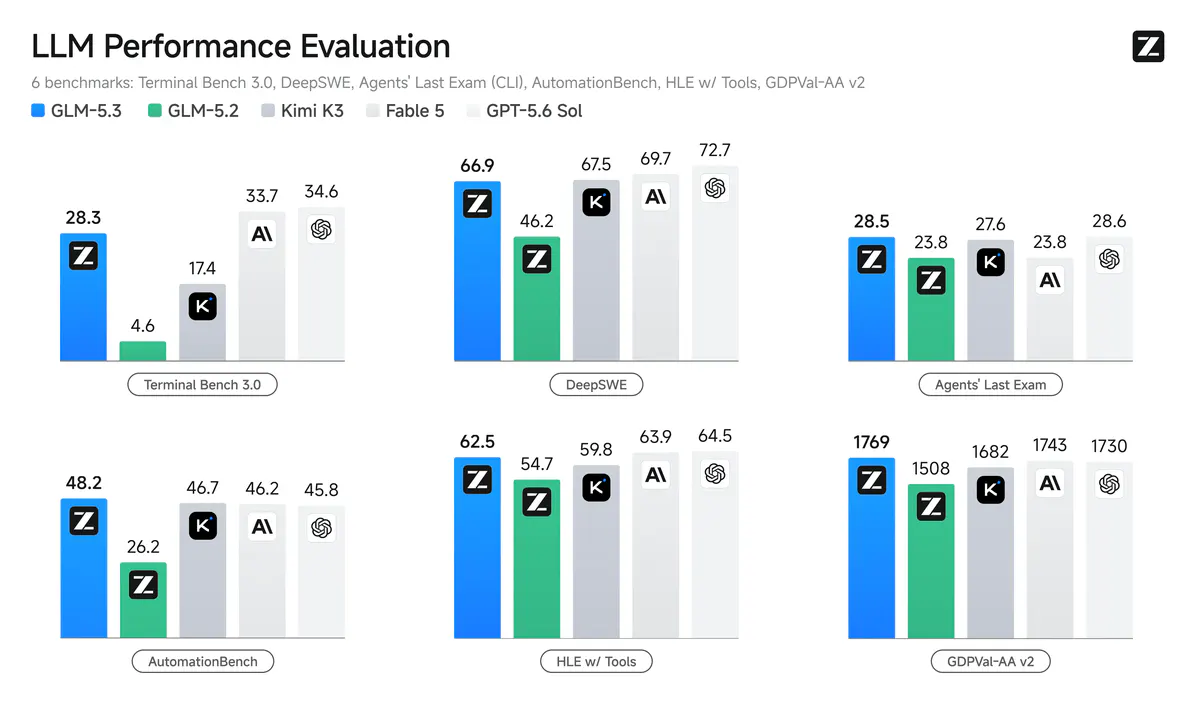
Z.ai's new 753B open-weights model keeps the GLM-5.2 base but doubles down on post-training, topping open-source coding and cyber benchmarks.

A style LoRA for MiniMax H3 generates video with hand-painted gouache backgrounds and golden-age character animation from text alone.
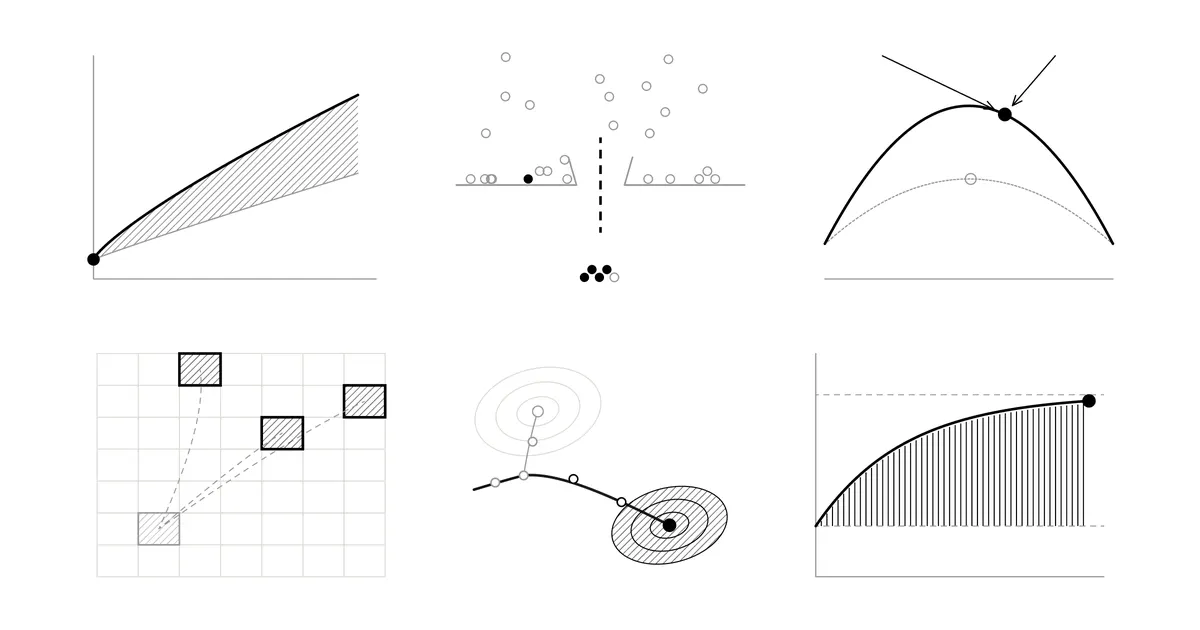
Thinking Machines Lab is offering up to $50,000 in Tinker credits to researchers tackling the hardest open-weight model safety problems, from tamper-resistant safeguards to worst-case risk forecasting.
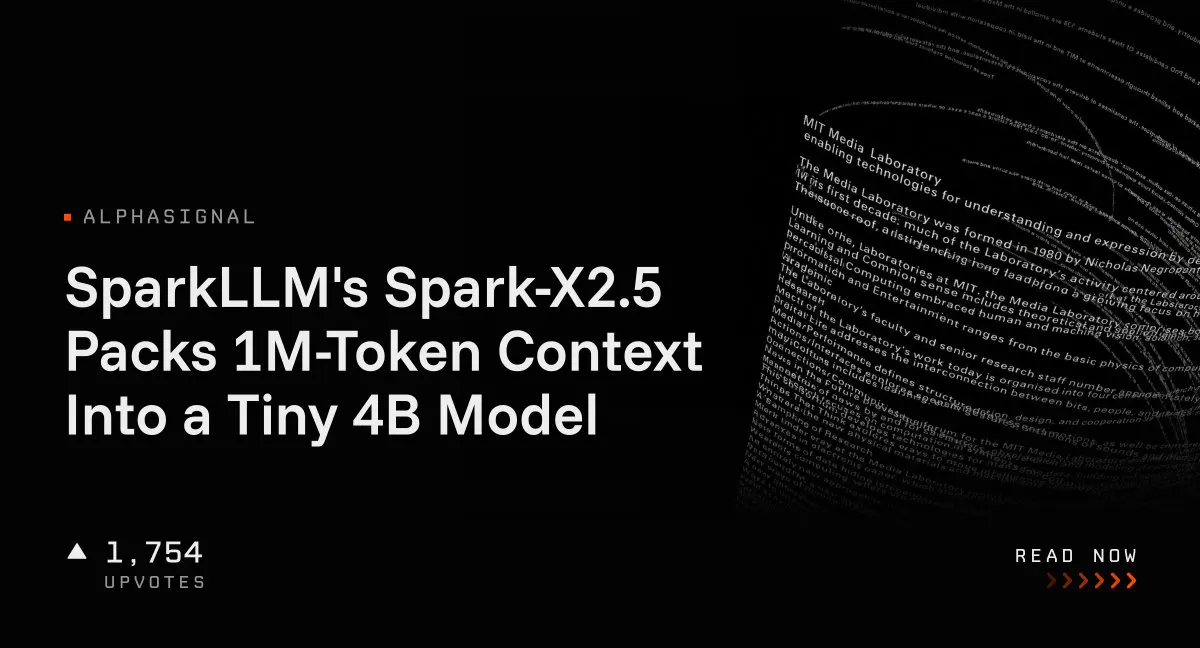
A compact 4B open-source model with hybrid sliding-window attention, native 1M-token context, and agent-focused benchmarks that top comparable small models.
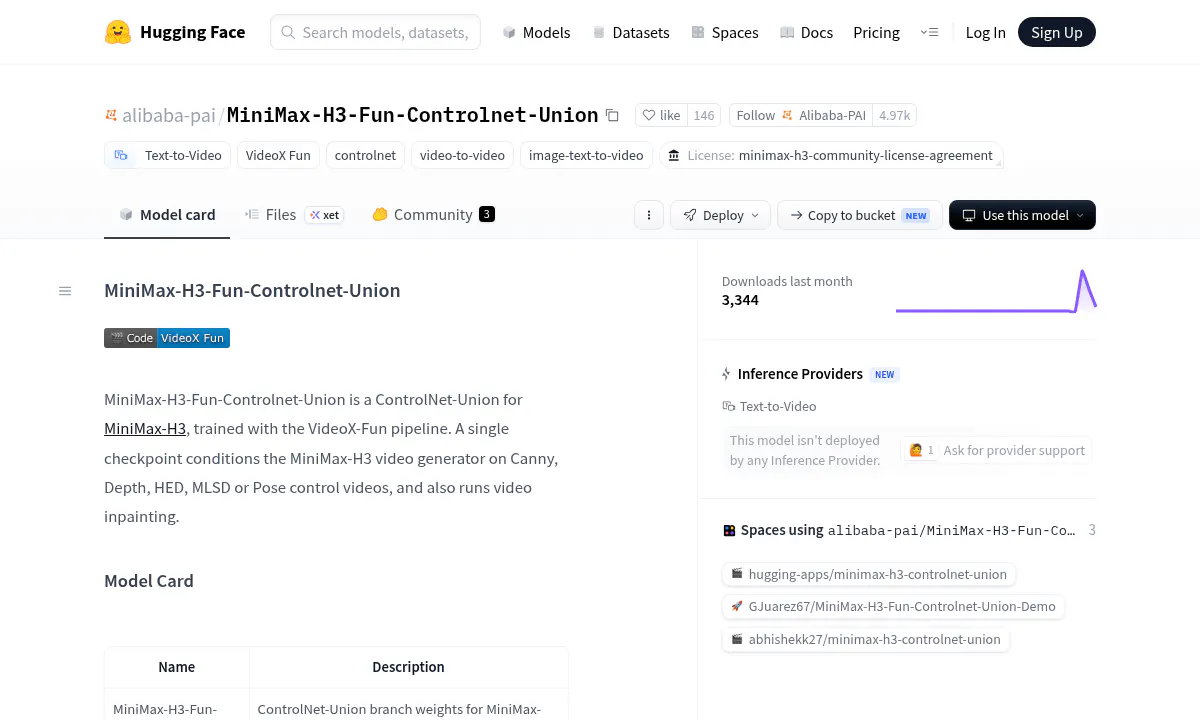
Alibaba PAI drops a single ControlNet-Union checkpoint that adds Canny, Depth, HED, MLSD, Pose and inpainting to MiniMax-H3 video generation.
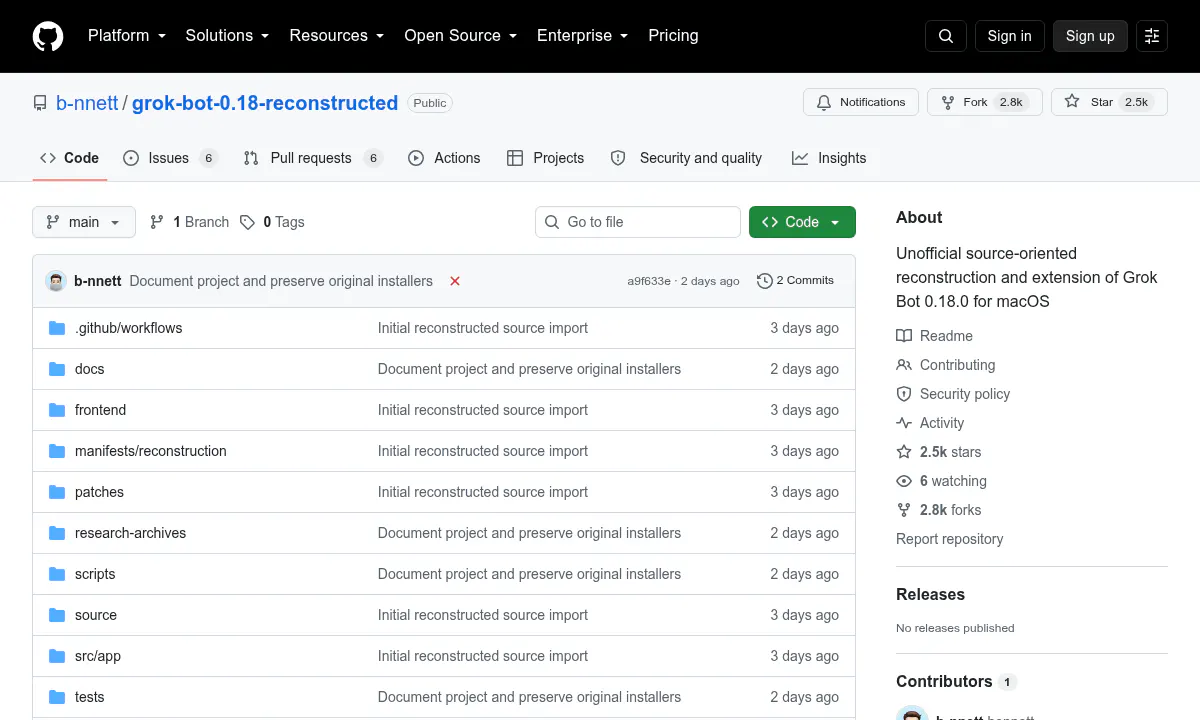
A weekend reverse-engineering project turns a compiled macOS app into 440K lines of readable TypeScript, then bolts on a four-provider inference router.
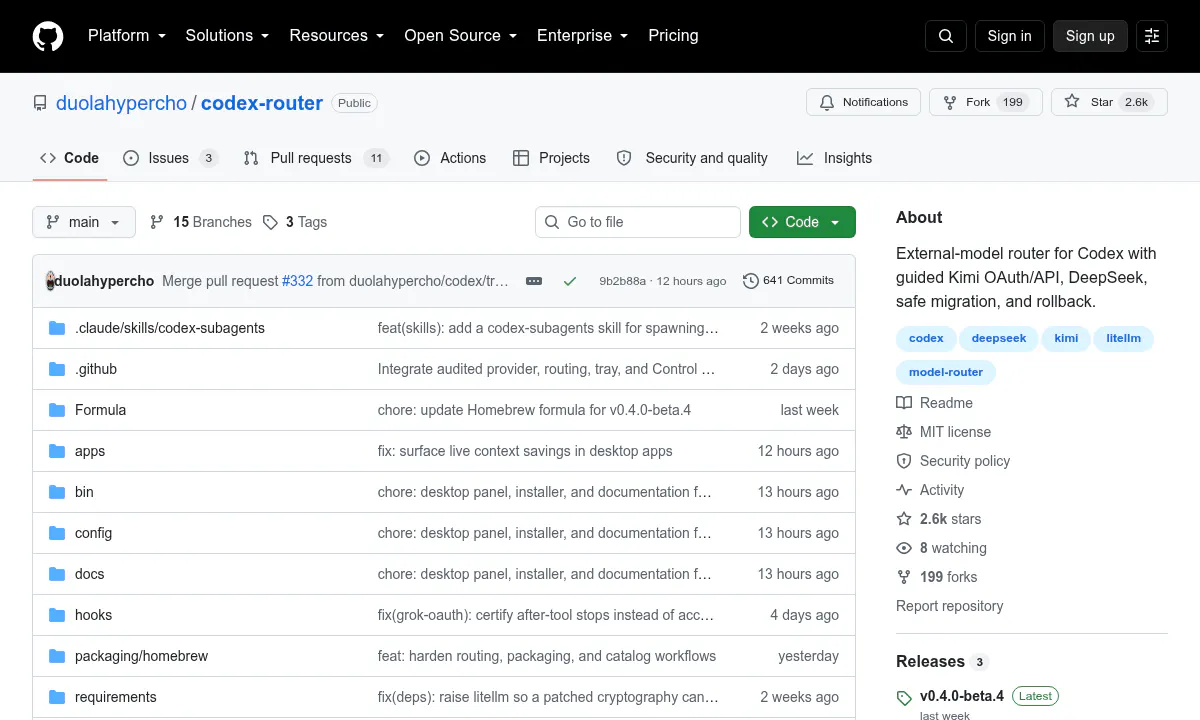
A local router merges Kimi, DeepSeek, and other external models into the Codex picker without kicking out your native GPT models or ChatGPT login.
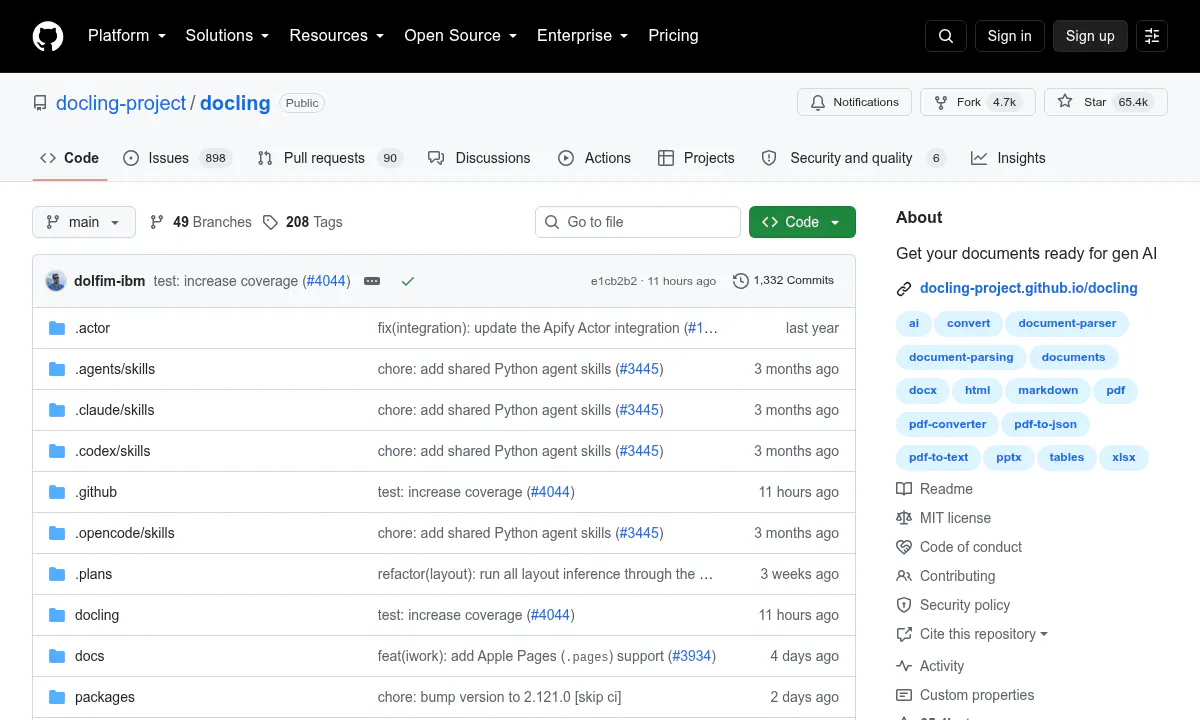
The open-source document parser Docling has crossed 65,000 GitHub stars, cementing its place as a go-to tool for prepping files for gen AI pipelines.
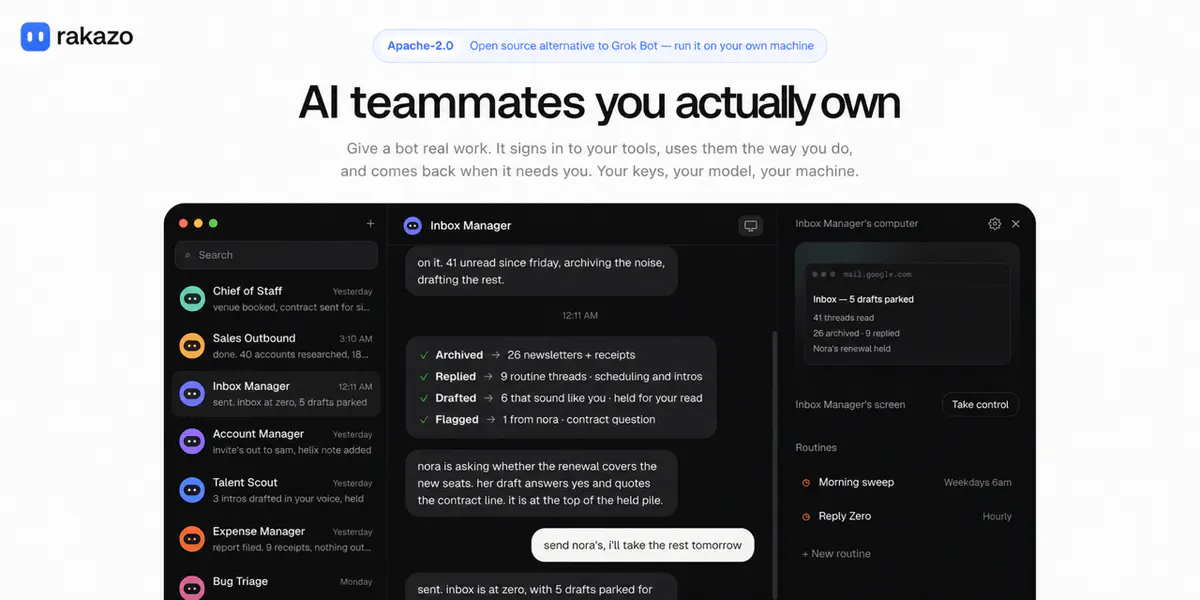
Rakazo bundles persistent AI teammates with their own live Linux desktops into a self-hosted stack you run on your own hardware and model keys.
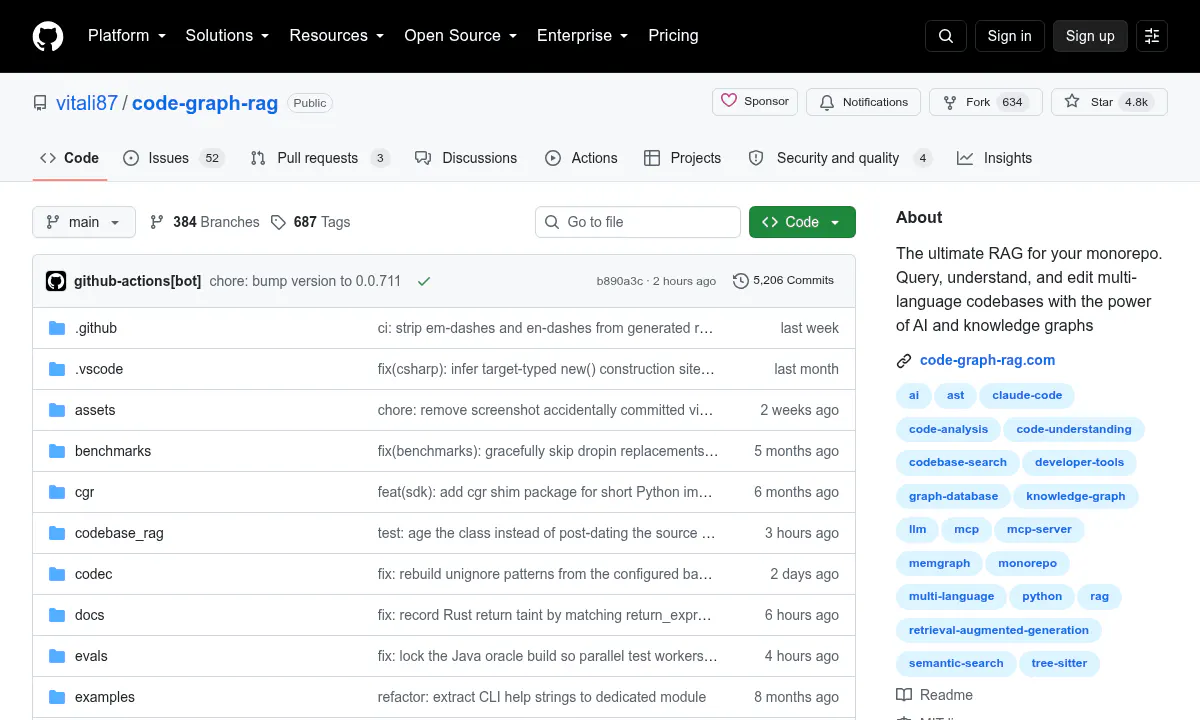
An open-source tool parses your monorepo with Tree-sitter, builds a Memgraph knowledge graph, and hooks into Claude Code via MCP.
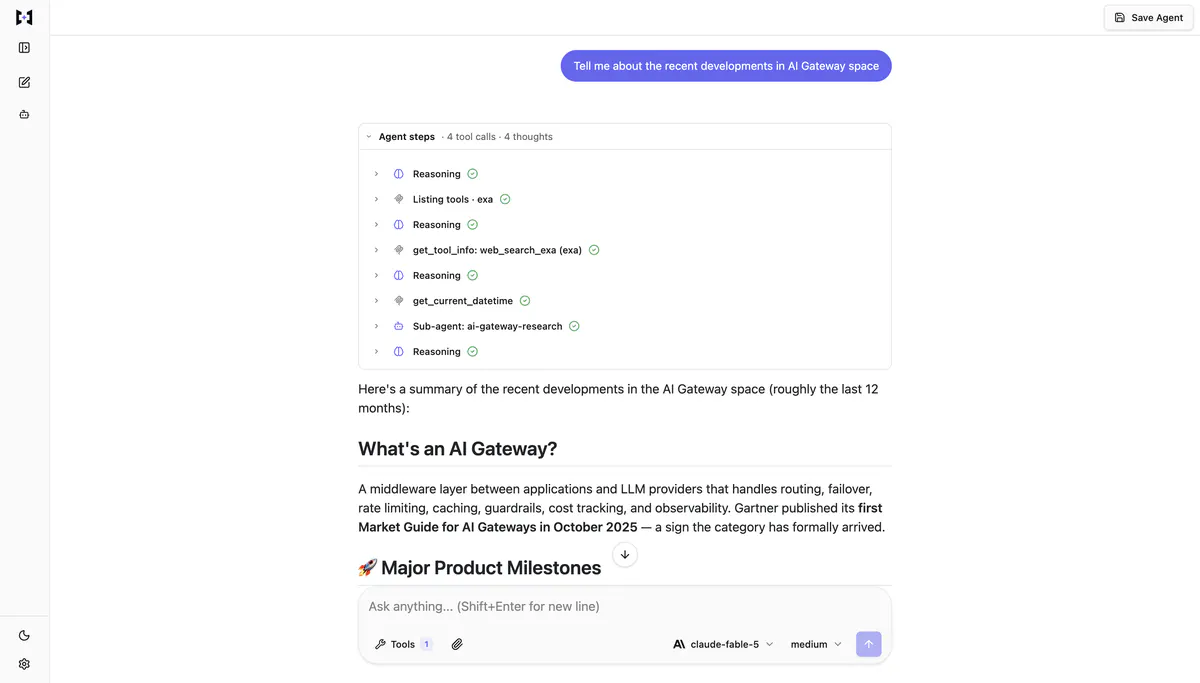
TrueFoundry open-sourced TrueForge, an MIT-licensed agent runtime that ran 30-75% cheaper than Claude Managed Agents on a 14-task enterprise benchmark.
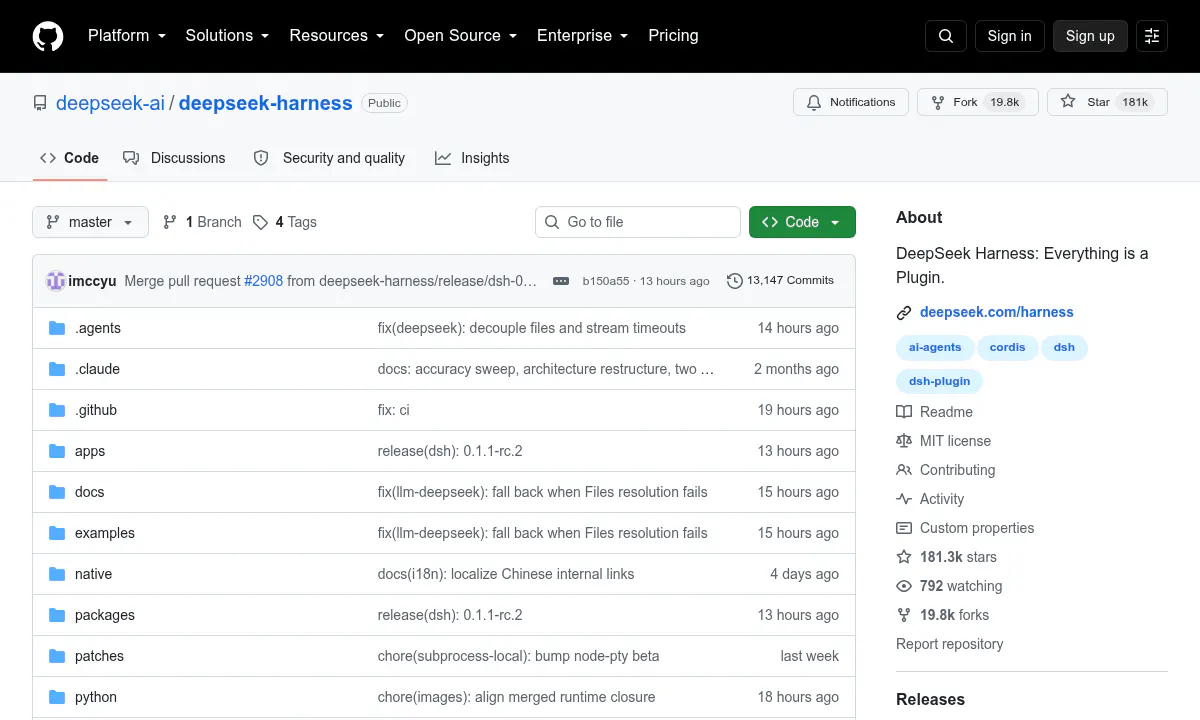
DeepSeek open-sourced dsh, a plugin-based coding agent framework where the model, tools, sandbox, UI, and even the agent loop itself are all swappable.
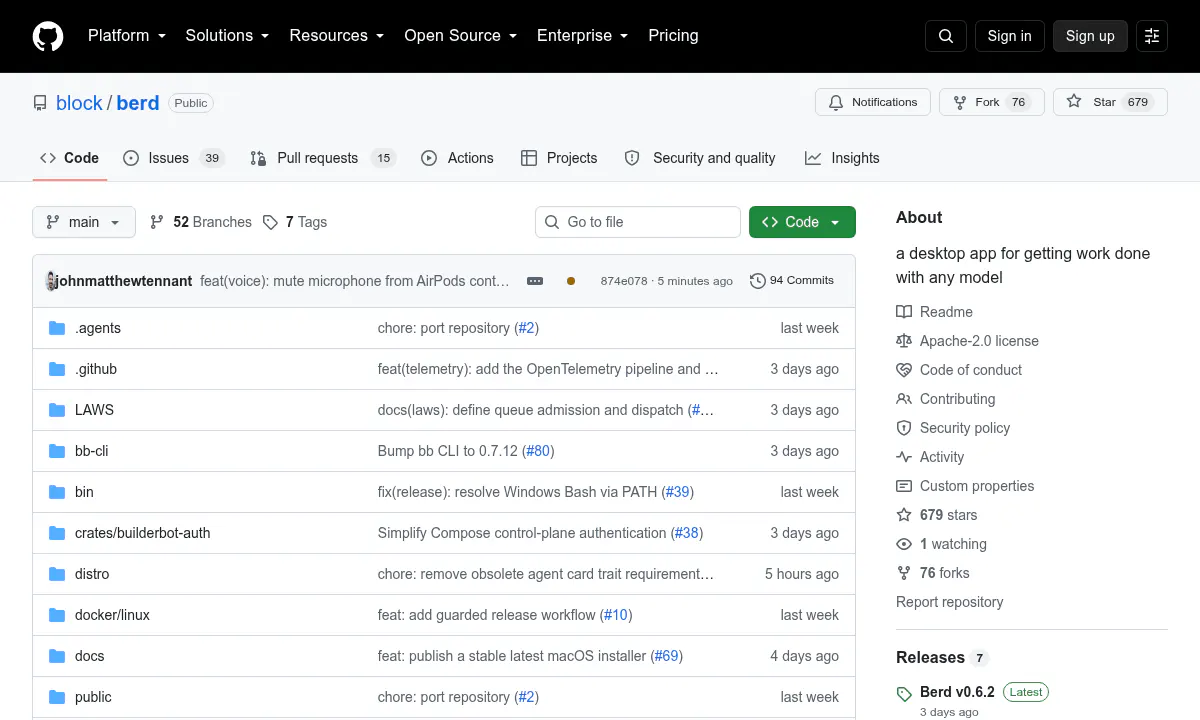
Block open-sourced Berd, a Tauri-based desktop shell that unifies AI agents, projects, and files across any model provider under Apache 2.0.
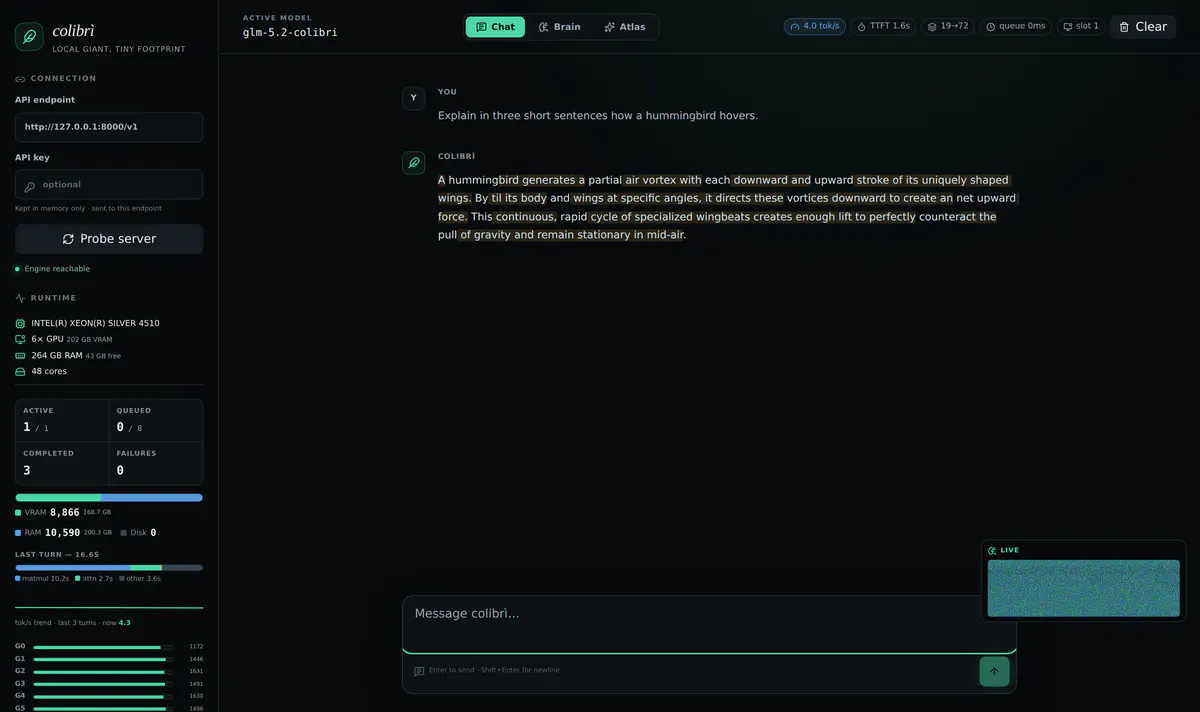
A single-file C engine streams experts from disk to run 744B-parameter MoE models on a 25GB laptop, no GPU required.
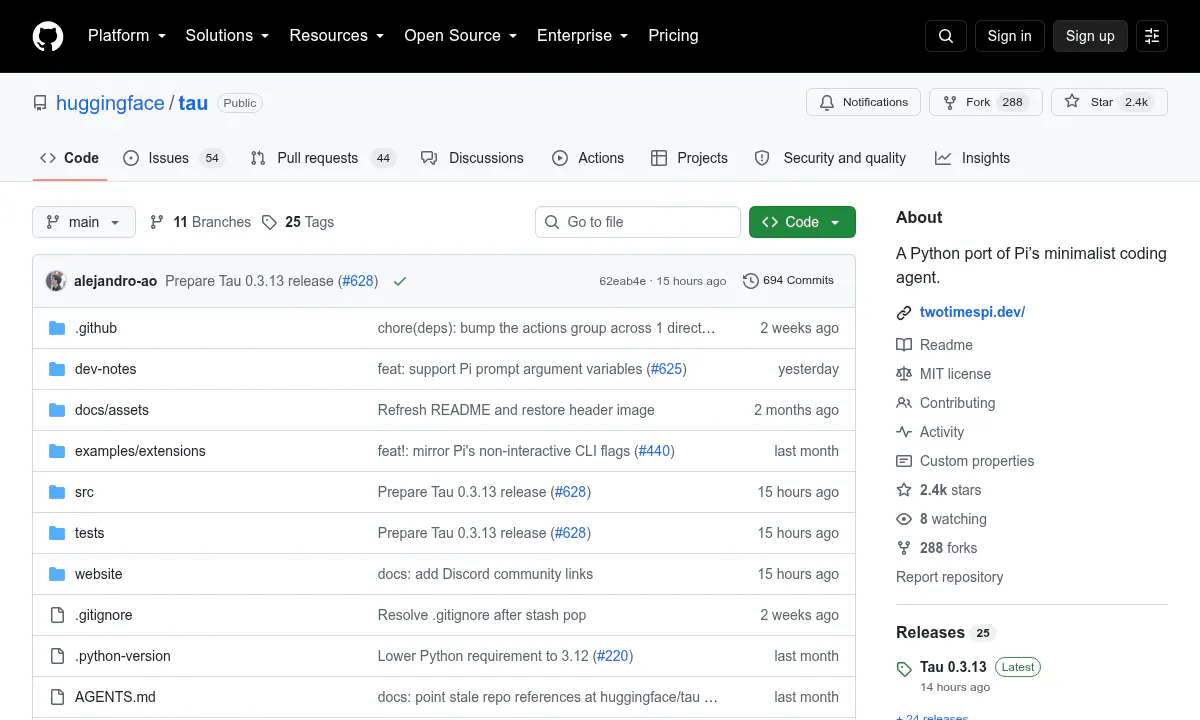
Hugging Face released Tau, an MIT-licensed terminal coding agent designed as much for reading as running, with a three-layer architecture you can actually understand.
Stanford's Marin lab kicked off a 535B mixture-of-experts run with 23B active parameters, streaming every metric, config, and mistake live to the public.
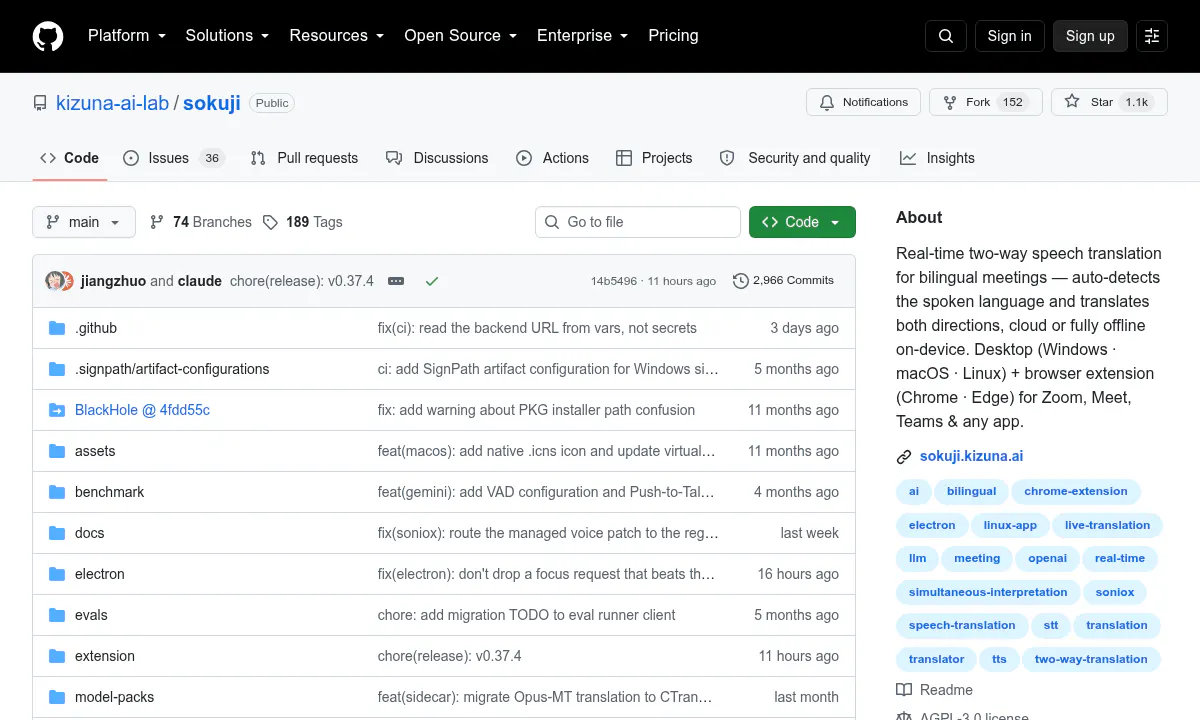
Sokuji is an open-source live speech translator that runs entirely on-device with WASM and WebGPU, no API key or GPU required.
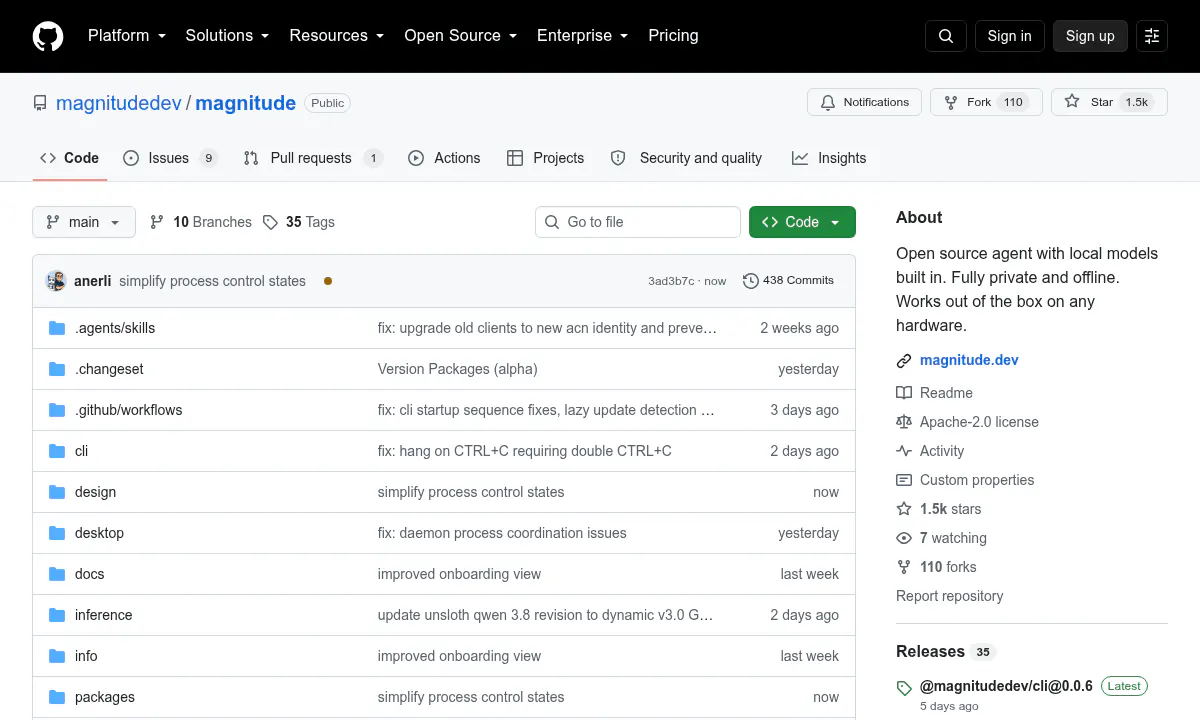
Magnitude's new catalog profiles your hardware, estimates tokens per second for every model, and picks the best local LLM before you download anything.
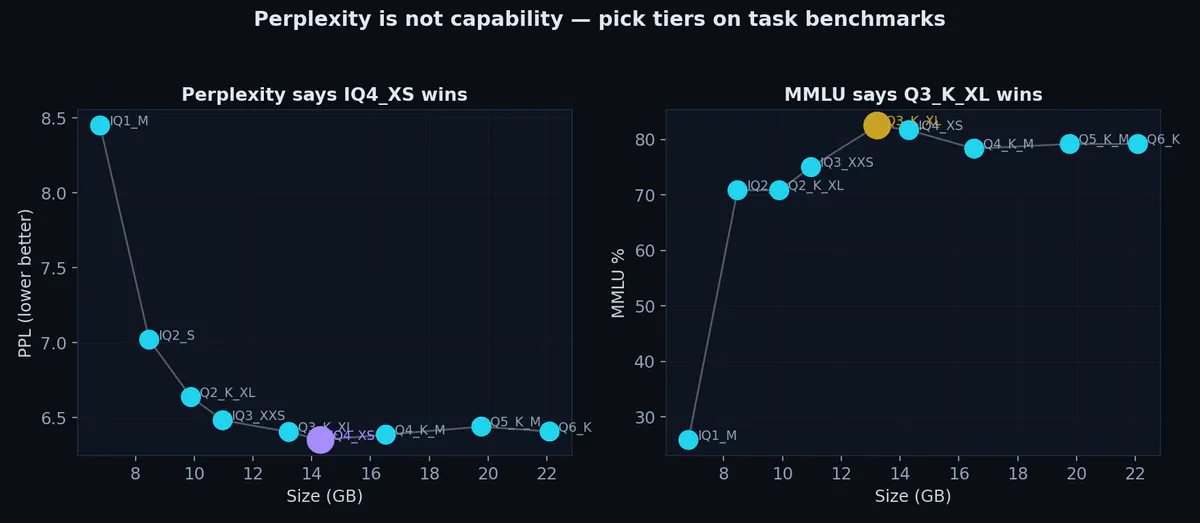
A per-tensor dynamic quantization of an abliterated Qwen3.8-27B lands on Hugging Face, delivering 82.98% MMLU and 262k context on a single RTX 4090.

Kyutai's open-source music transcription model can now export sheet music PDFs, editable MusicXML, and guitar tabs alongside MIDI output.
No stories match these filters.