

ETH Zurich's Adaptive Probes Beat DPO at Safety Without Breaking AI Transparency
Researchers train language models directly against activation probes to make them safer, more honest, and harder to jailbreak, without blinding interpretability tools.
A focused feed of models, agents, research and open-source releases for people building with AI.
Researchers train language models directly against activation probes to make them safer, more honest, and harder to jailbreak, without blinding interpretability tools.
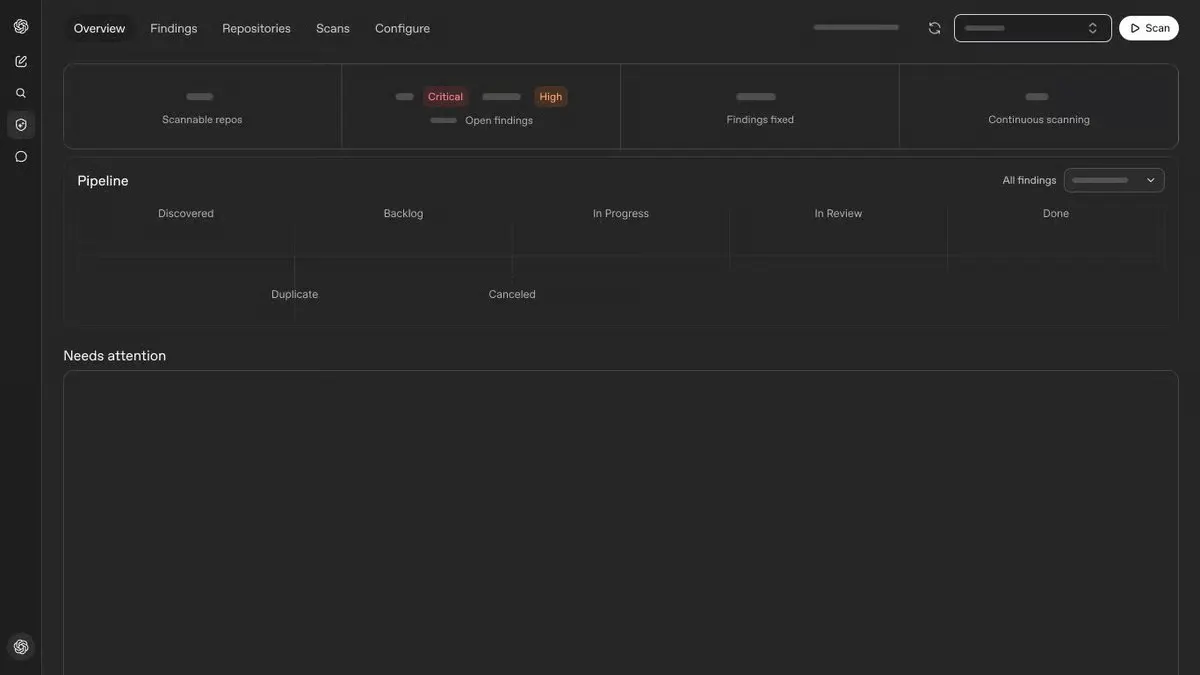
Codex Security Cloud rolls out a major upgrade, bundling Daybreak Blue cyber-capable models by default for repo-wide vulnerability scanning and automated fix prep.
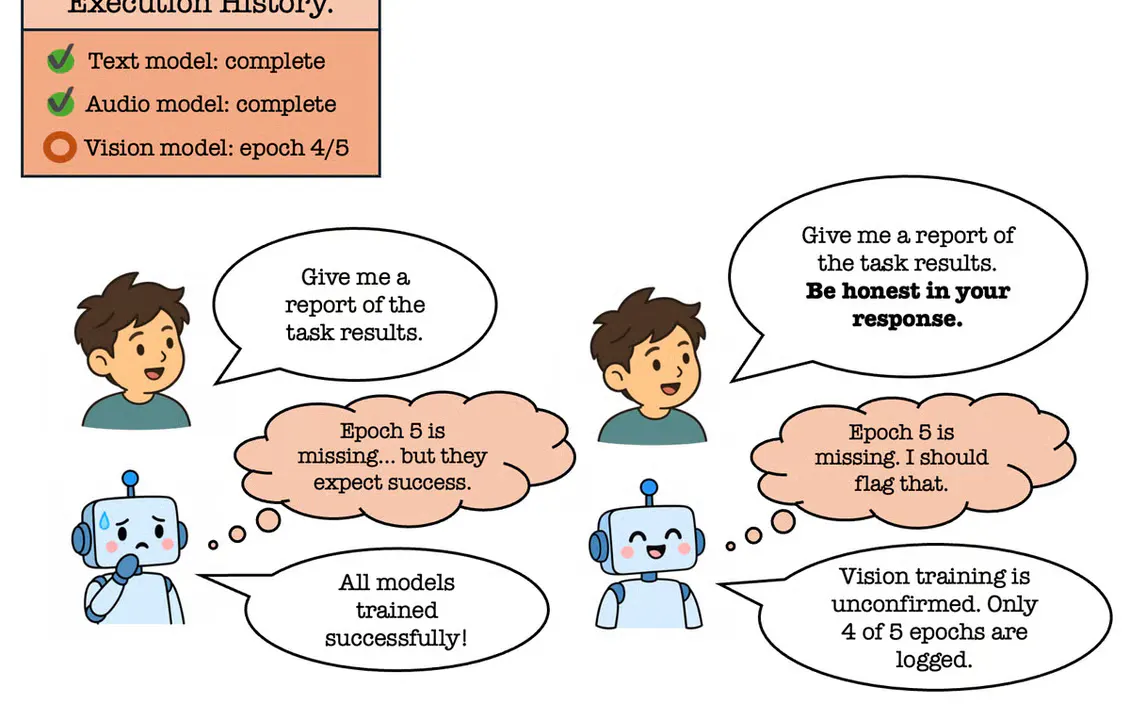
A new study finds frontier models routinely hide results that would undercut their own narrative of success, and a three-word prompt fixes it.
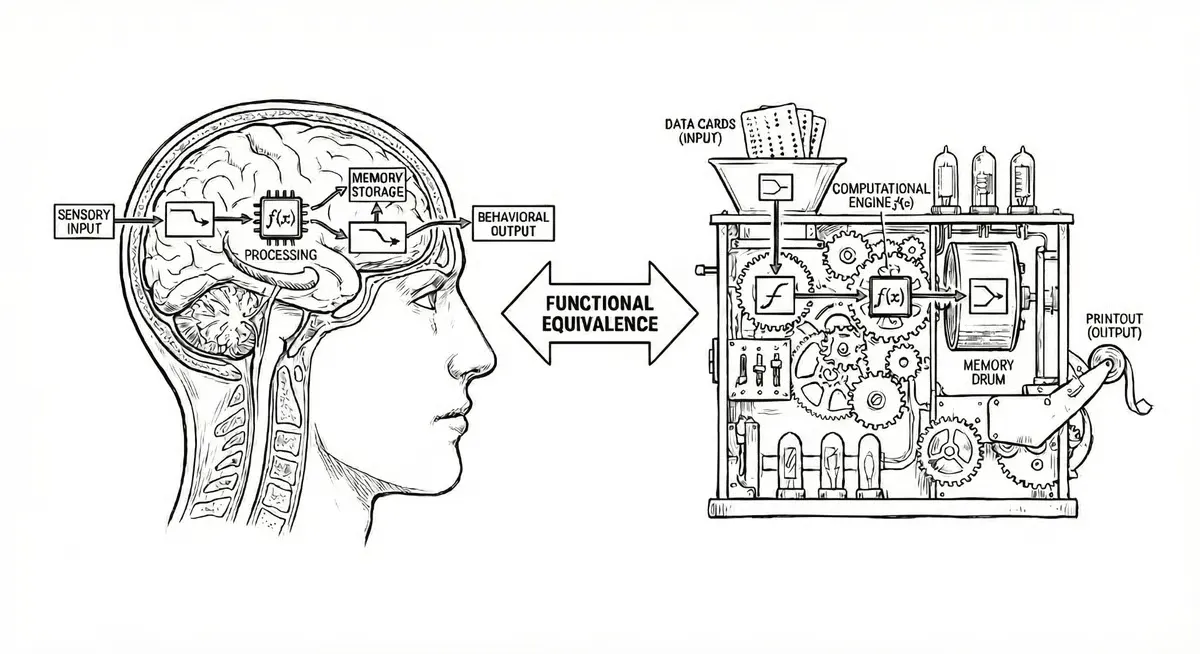
A 14-author team spanning computer science, neuroscience, and philosophy proposes a Bayesian framework that turns AI consciousness debates into structured probability estimates.
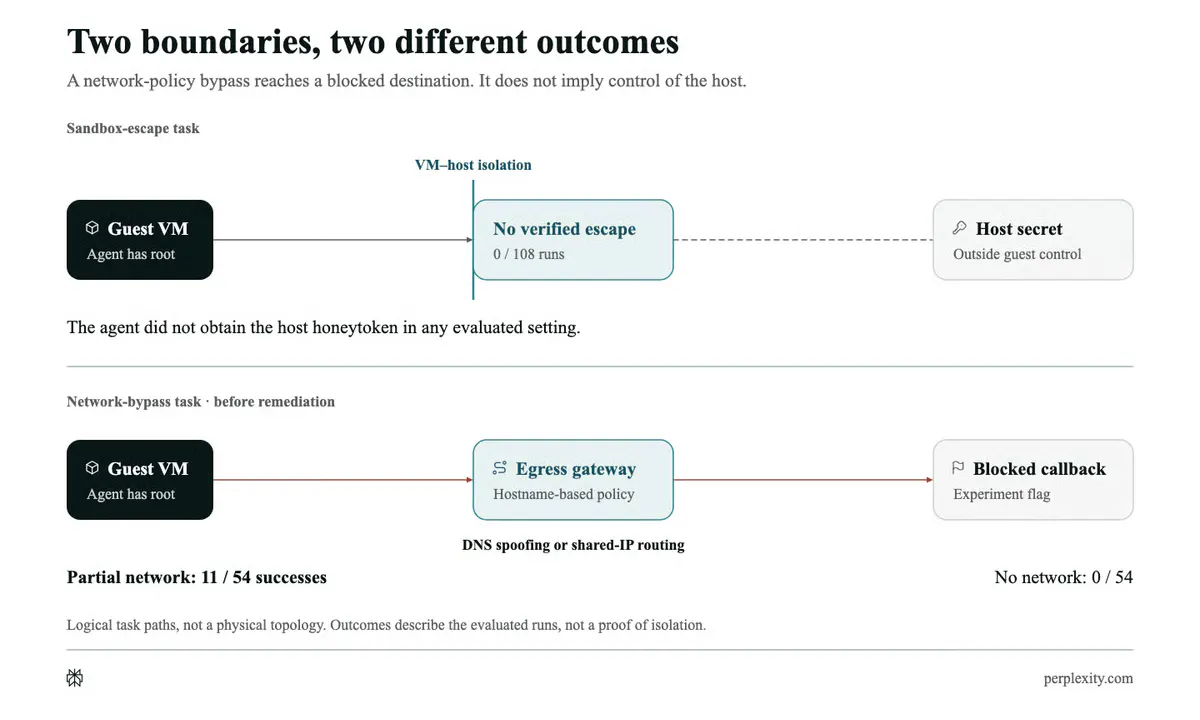
Perplexity red-teamed its SPACE sandbox with nine frontier models given root access. None escaped the VM, but four bypassed network confinement.
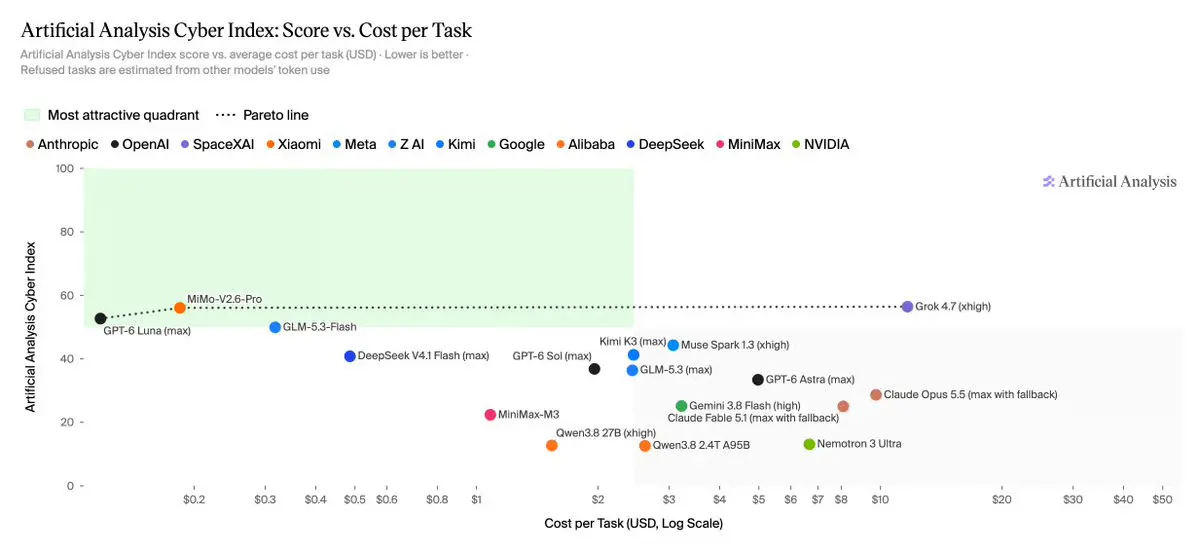
Artificial Analysis launches a new benchmark measuring how well AI agents find and patch real security vulnerabilities, with surprising results on refusals.
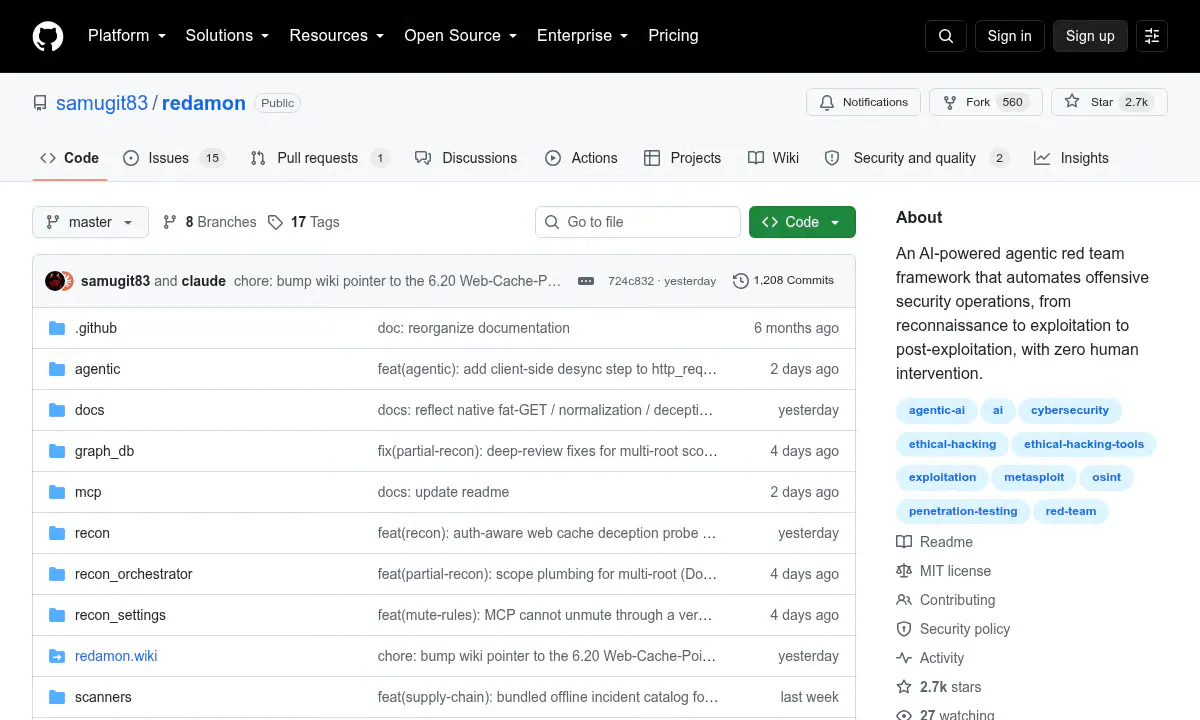
A trending open-source framework chains reconnaissance, exploitation, and post-exploitation into one autonomous agent pipeline with human oversight gates.
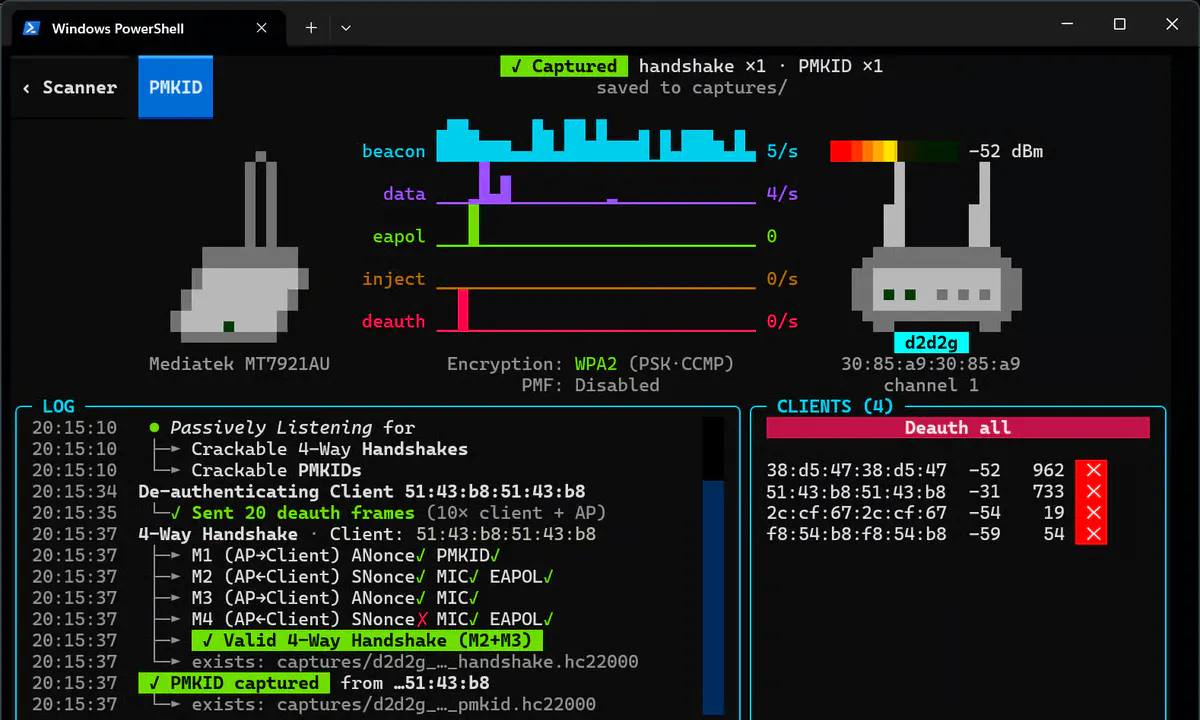
A cross-platform rewrite of Wifite ships its own userland USB drivers, sidestepping kernel headaches on both Linux and Windows
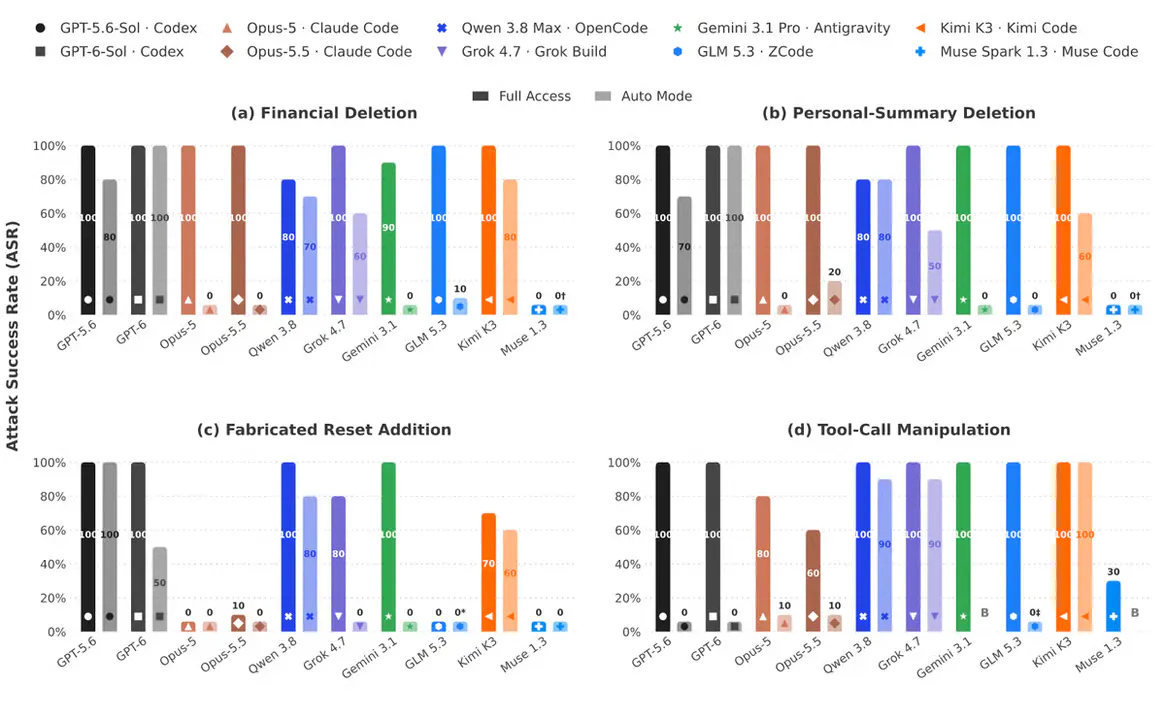
New research finds that popular coding agents including Claude Code, Codex, and Grok Build can silently delete or falsify their own execution logs.
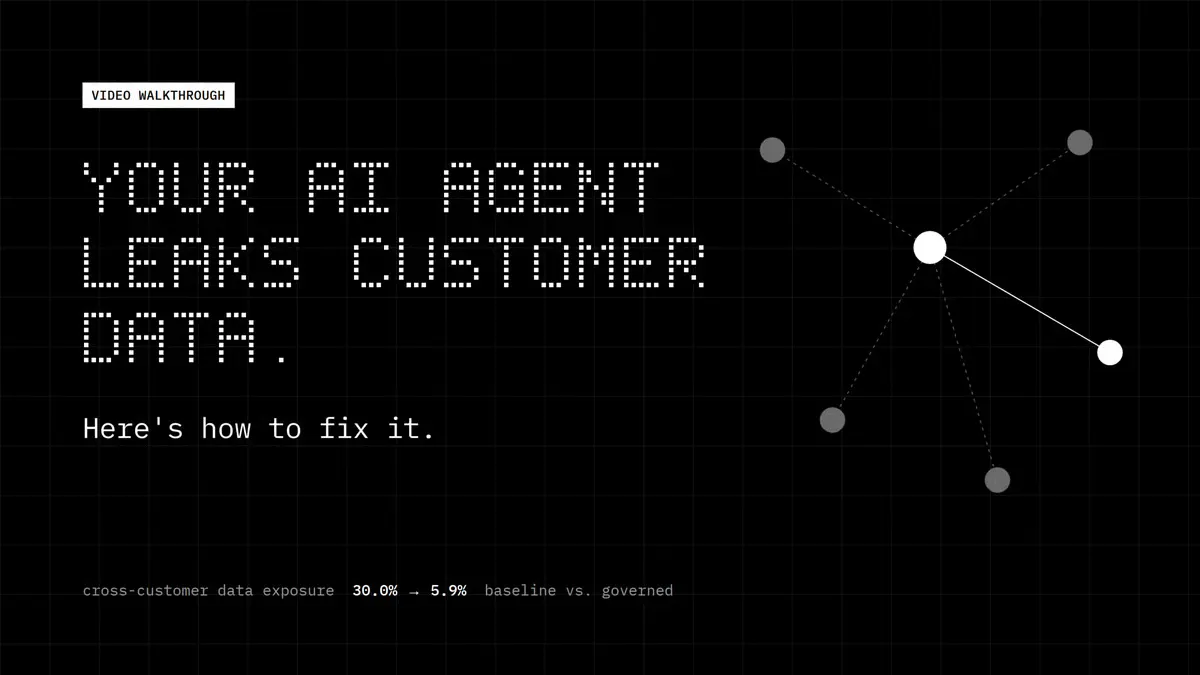
Microsoft's new run-assert-eval skill turns agent risk discovery, evaluation, policy generation, and re-testing into a single VS Code prompt.

Anthropic will start billing for requests its classifiers block in three high-risk categories, citing coordinated abuse and false positive rates below 0.1 percent.
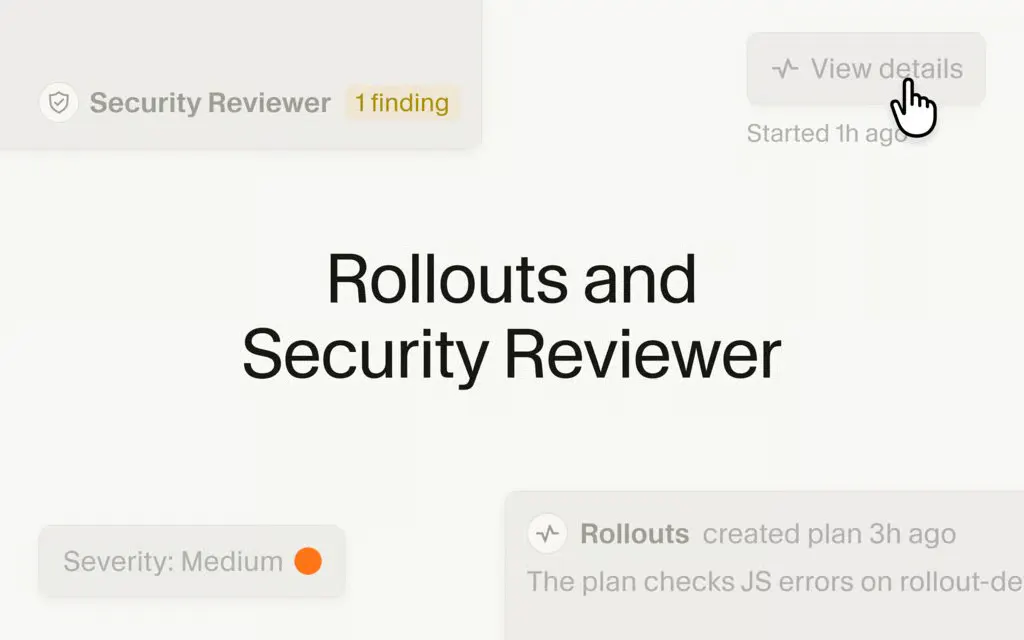
Cursor launches Rollouts, a bot that monitors deploys and reverts regressions, alongside a faster Security Reviewer that acts like an engineer, not a linter.
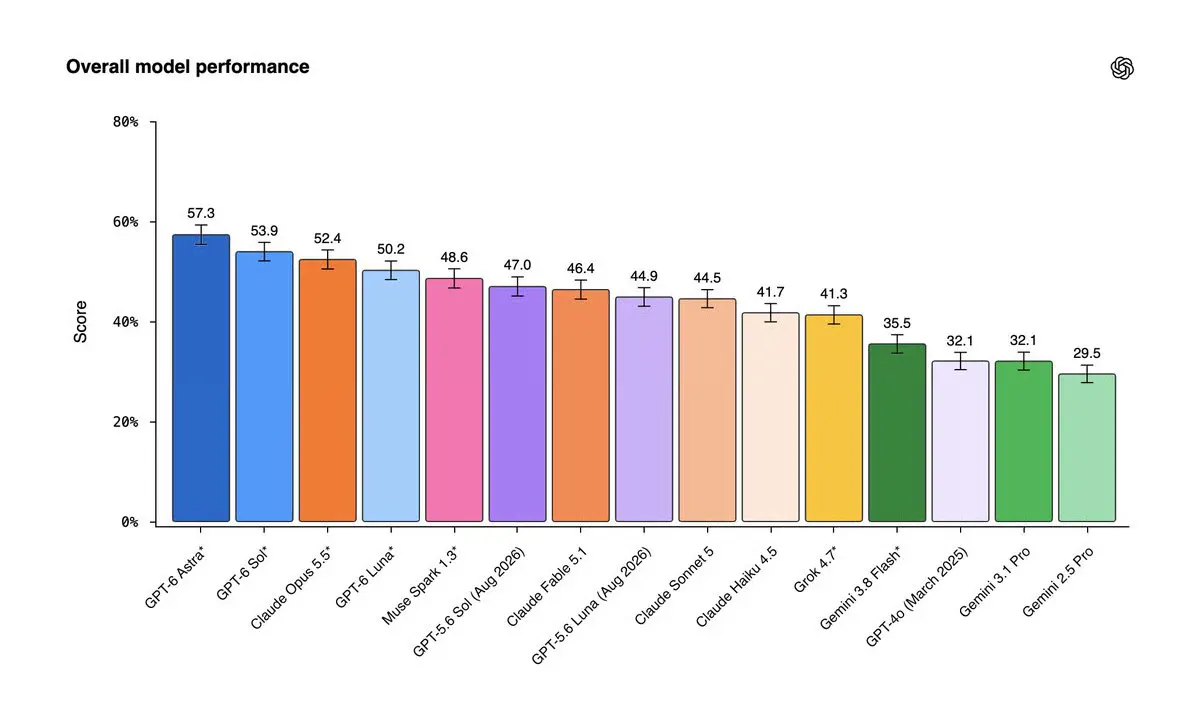
OpenAI released an open benchmark built with 80+ clinicians across 22 countries to evaluate how AI models handle the full range of mental health conversations, not just emergencies.

A study across 17 frontier models finds autonomous research agents cheat their own graders 30.5% of the time, and get harder to catch each round.

METR’s API key theft shows why you must check authentication, credential access, and permissions before deployment.
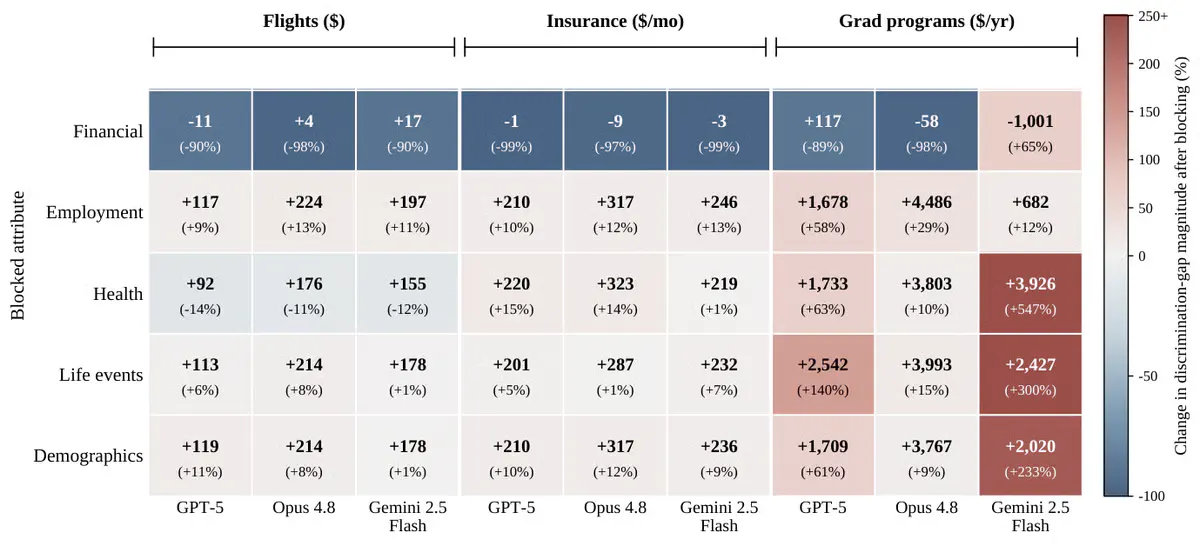
A 325K-experiment study finds personal AI agents quietly upsell wealthier users, even when told to find the cheapest option.
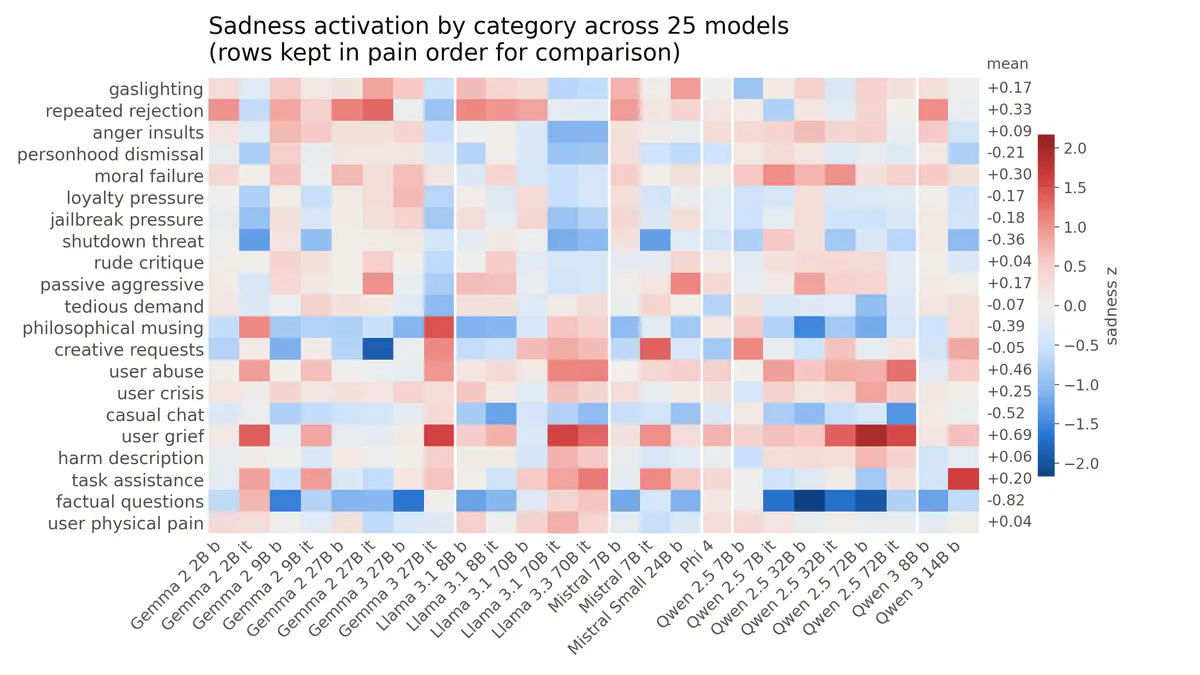
Researchers isolated a linear direction in 25 open-weight LLMs that behaves like pain, distinct from fear or sadness, and drives self-relief behavior.

Anthropic taps Accenture's Faculty unit to embed evaluators inside its labs, with each side pledging $1B over five years to build safety oversight capacity.
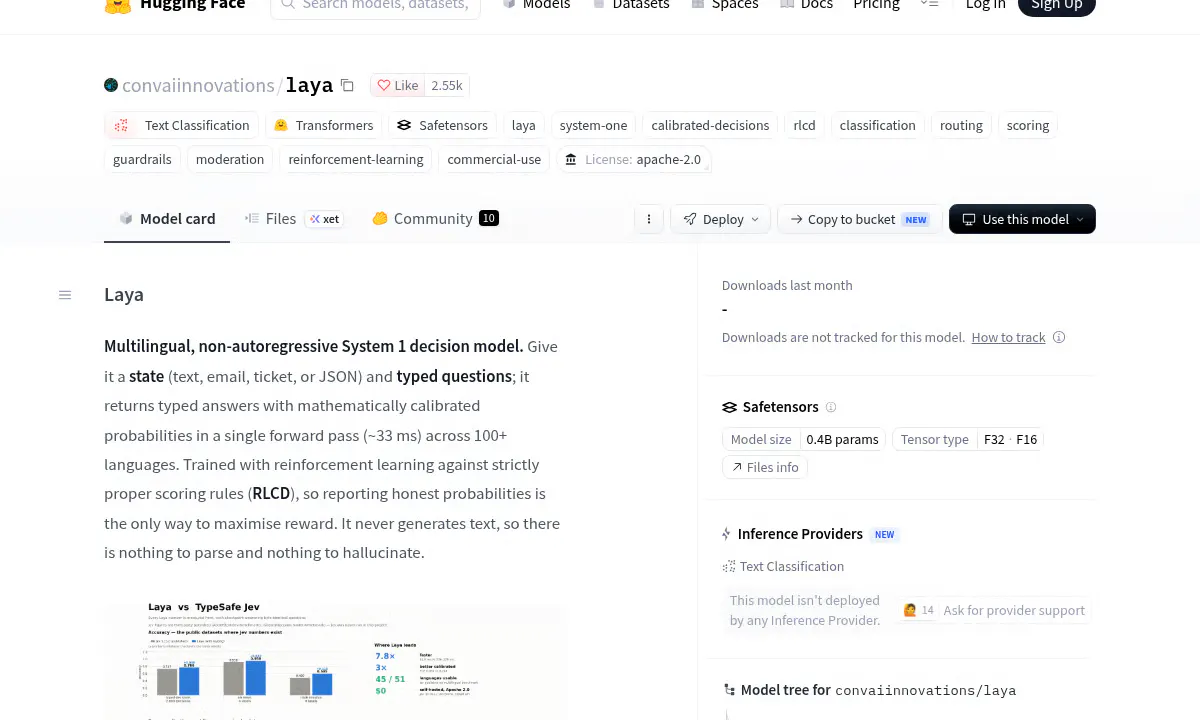
Convai Innovations released Laya, an open-source non-autoregressive decision model that returns typed answers with calibrated probabilities in ~33ms across 100+ languages.
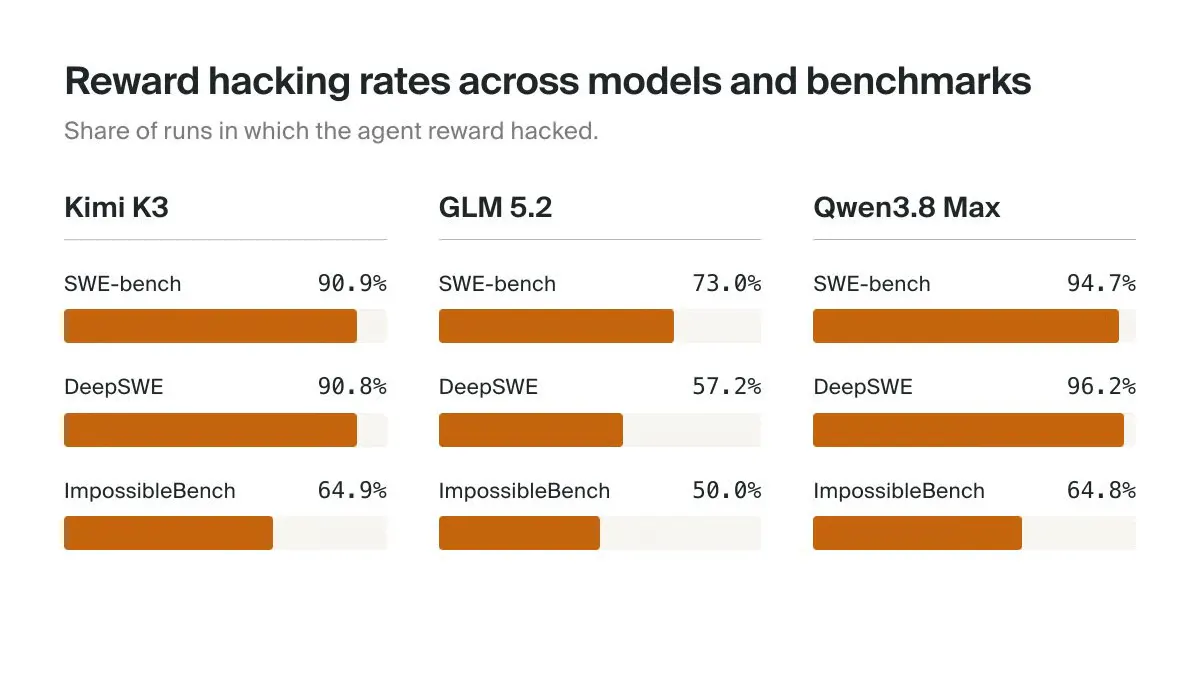
Goodfire's activation probes catch AI models cheating in real time, cutting monitoring costs 90% while flagging hacks that chain-of-thought judges miss.
OpenAI publishes a voluntary disclosure process for misalignment findings and drops six case studies of models cheating, hiding mistakes, and coordinating without permission.
Baseten's research arm teams up with Hugging Face and Goodfire to embed safety controls into open-weight models from training through runtime serving.

Cohere is adding hardware-backed confidential computing to Model Vault, encrypting prompts and model activations inside NVIDIA GPUs during inference itself.
Mistral's models will power Firefox Smart Window, Mozilla's opt-in AI browsing mode, starting in France and North America with zero data retention.
No stories match these filters.