
FlashAttention-4's Direct-P Finally Unlocks 2.13x FP4 Speedup on NVIDIA GB200
A new attention kernel unlocks Blackwell's FP4 tensor cores for inference, hitting 2.13x BF16 forward throughput on GB200 while training stays partly in FP8.
hermes-ai.net
Read docs →A focused feed of models, agents, research and open-source releases for people building with AI.
A new attention kernel unlocks Blackwell's FP4 tensor cores for inference, hitting 2.13x BF16 forward throughput on GB200 while training stays partly in FP8.

Keep the project on disk, treat lunch as a bill, and score the first finished tasks rather than dollars per million tokens

Runway's new general world model streams continuous 720p video and 48kHz audio in real time, taking text prompts and camera input as you play.
Browser Use agents can now check out on any website using disposable single-use cards issued by Stripe Link, without ever seeing your real card number.
Krea opens the beta for a new agent platform that turns natural-language prompts into finished visual assets, sitting on top of its existing creative suite.
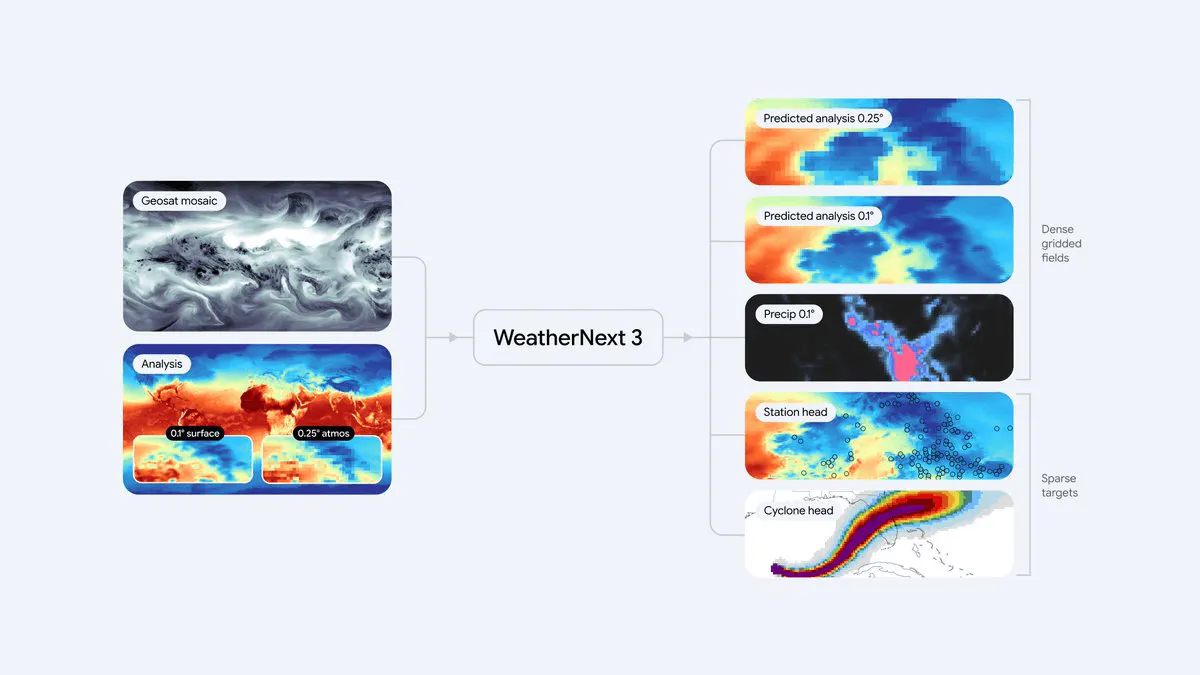
Google DeepMind's new weather AI trains on raw satellite feeds and station data, delivering hourly 5km forecasts with up to 50% better rain accuracy.
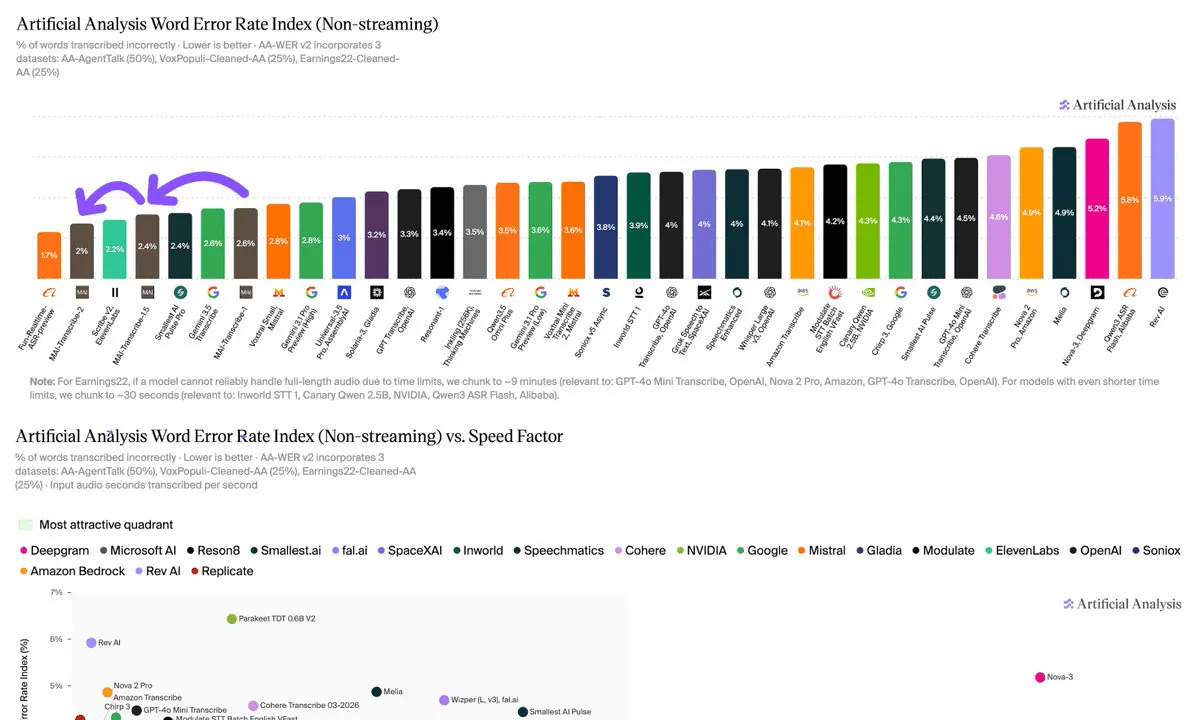
Microsoft AI's new speech recognition model hits 2.0% word error rate at 411x real time speed for $1.67 per 1,000 minutes.
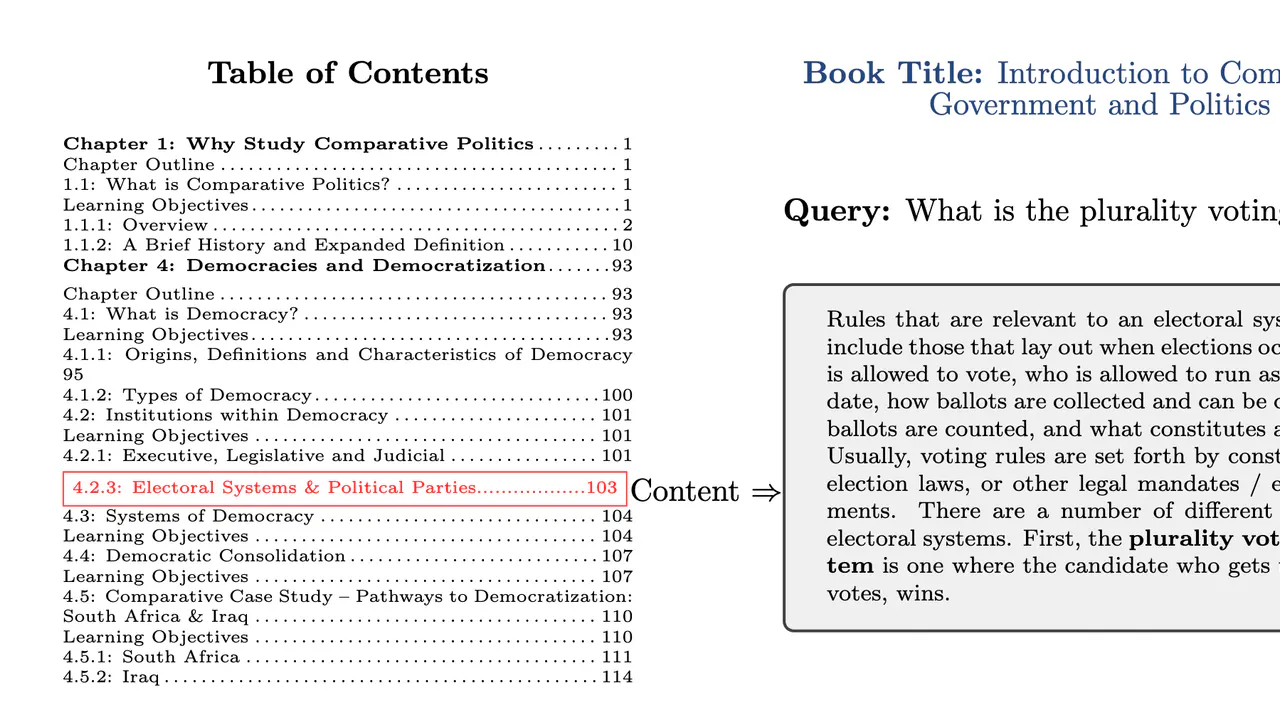
A new generative retriever leverages the table of contents to hit 82.6% Recall@1 on a fresh 18-book benchmark, with hallucinations under 0.05%.
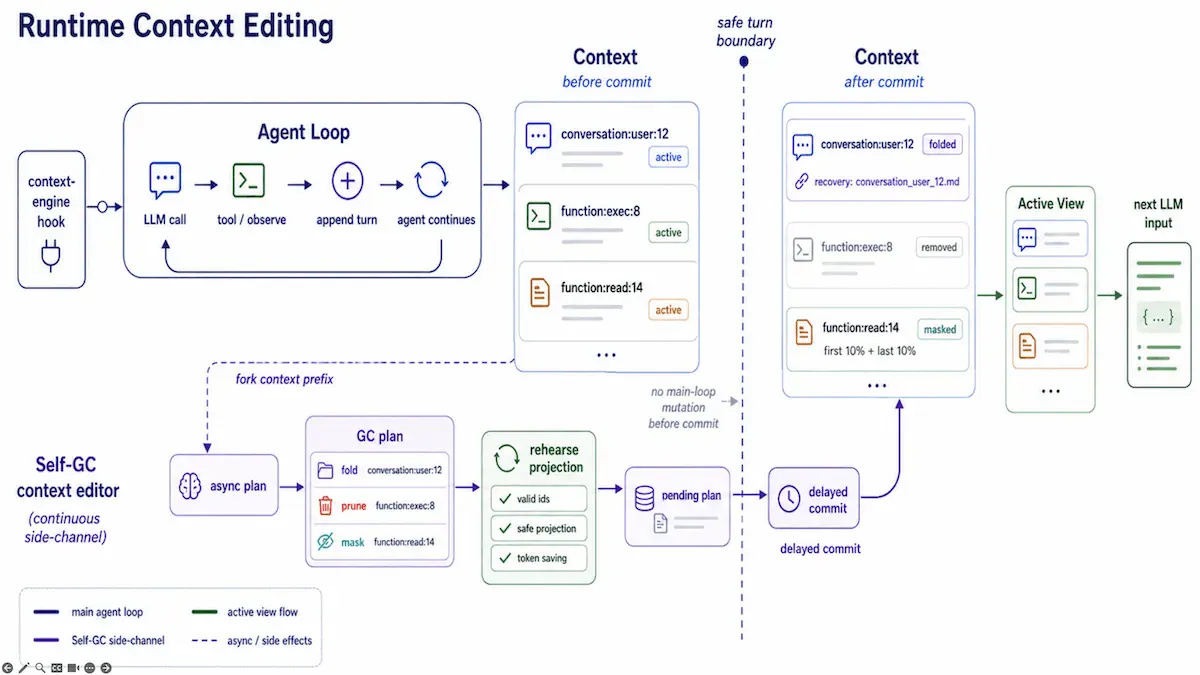
Xiaohongshu's Self-GC uses a planner LLM to fold, mask, or prune agent context, retaining critical details 84.85% of the time versus 54.55% for rule-based baselines.
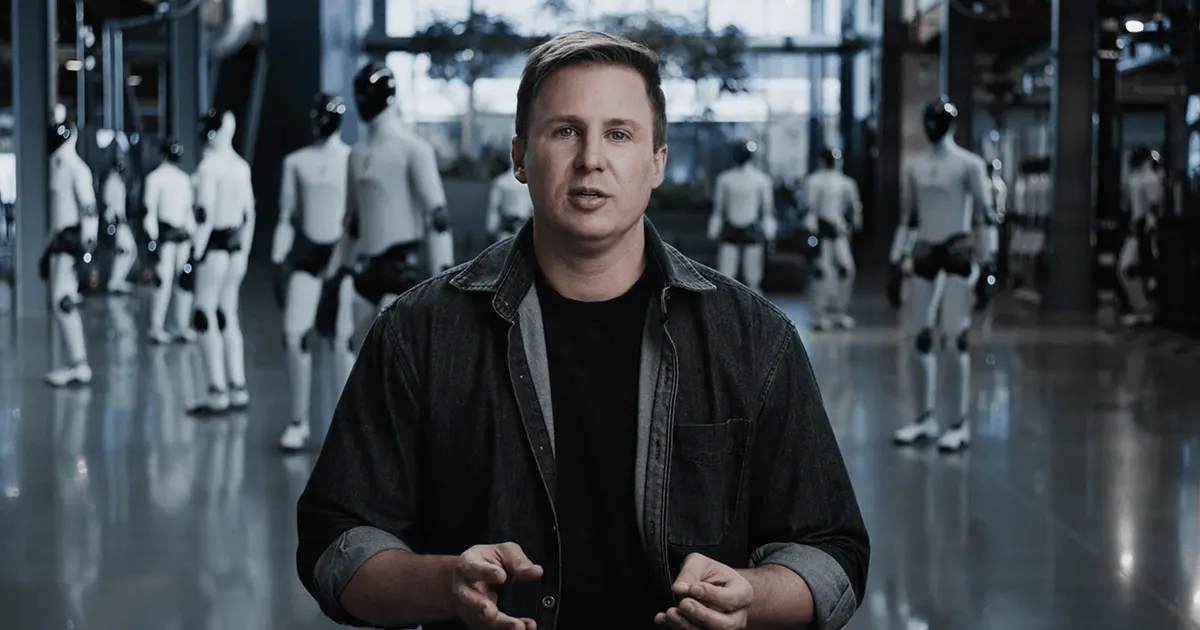
Figure locks in a $3.5B compute commitment scaling past $6B, targeting up to 100,000 Vera Rubin GPUs to train its Helix humanoid AI.
A new 365-day simulation drops LLM agents into a deterministic marketplace with ¥100,000, real supplier data, and fraudsters, and no model wins everything.
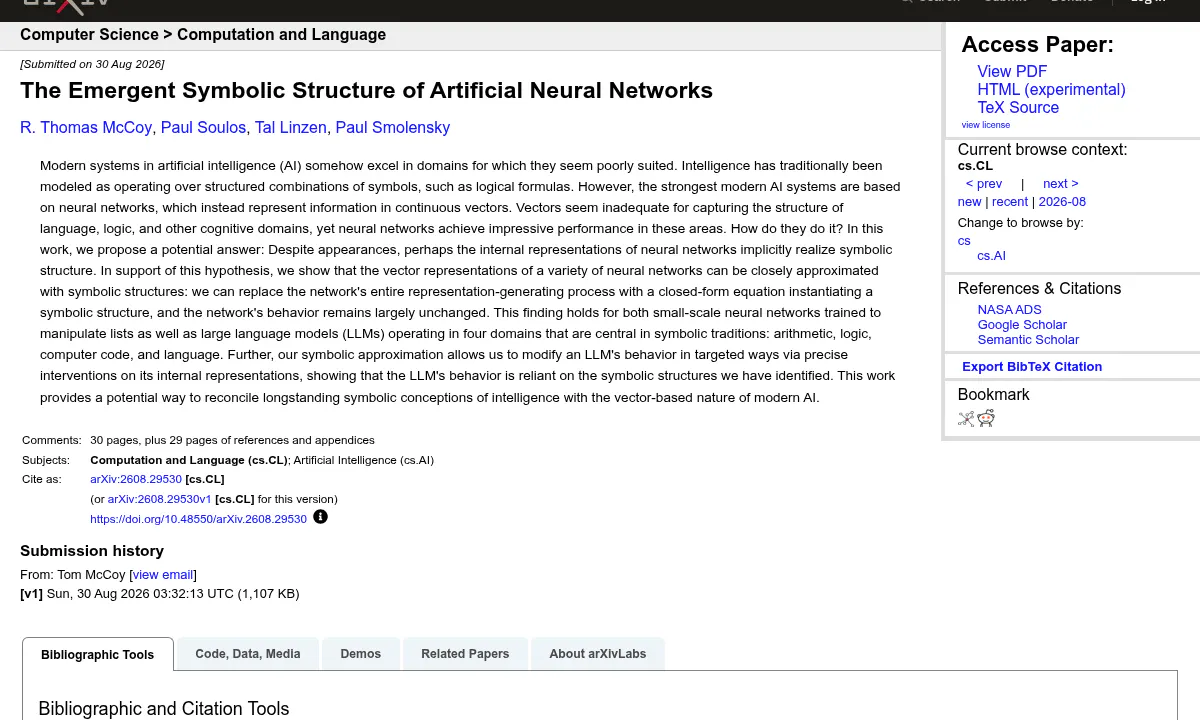
An 8-year interpretability project shows that LLM representations can be closely approximated by symbolic role-filler structures, enabling precise behavioral edits.
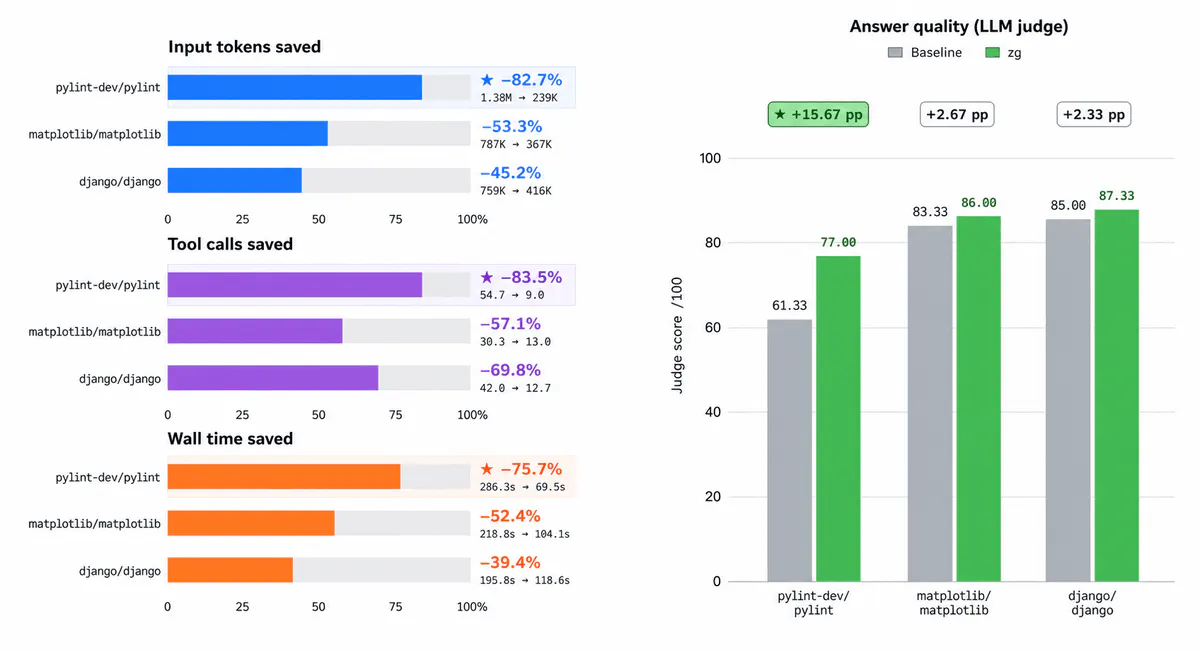
Alibaba's Zvec team open-sourced zg, a local-first CLI that fuses ripgrep, BM25, and vector search into one interface for humans and coding agents.
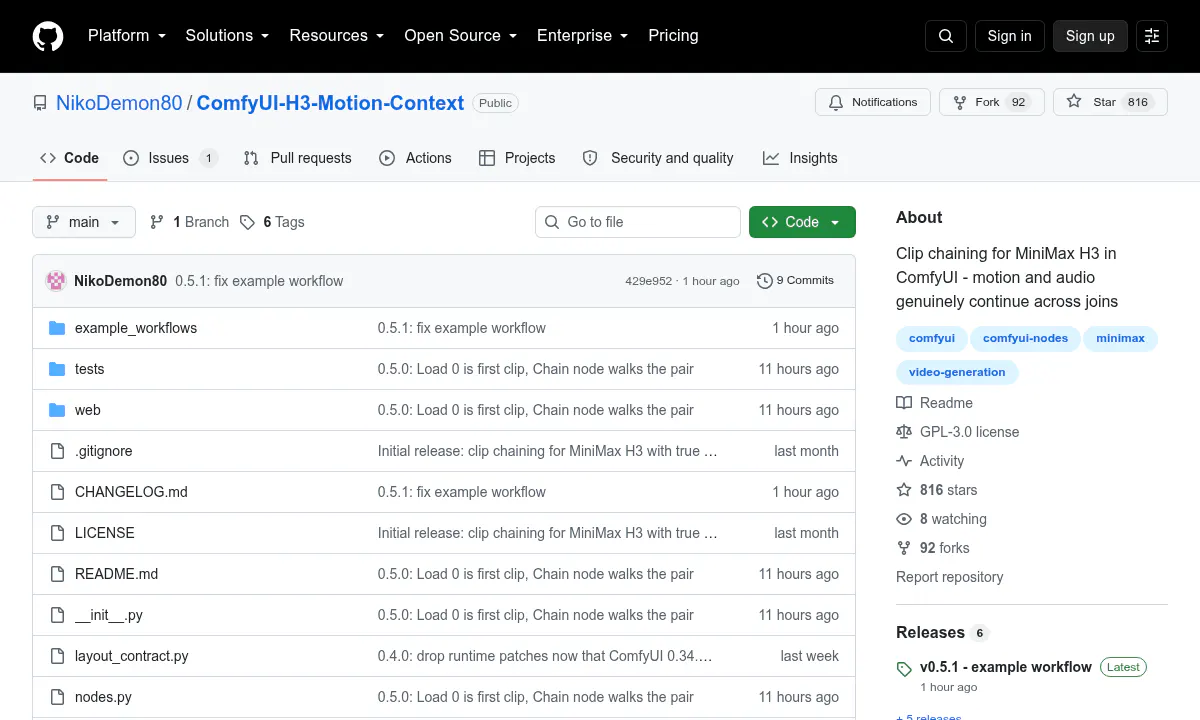
A ComfyUI custom node makes MiniMax H3 clips chain seamlessly by carrying motion and the exact audio waveform across cuts.
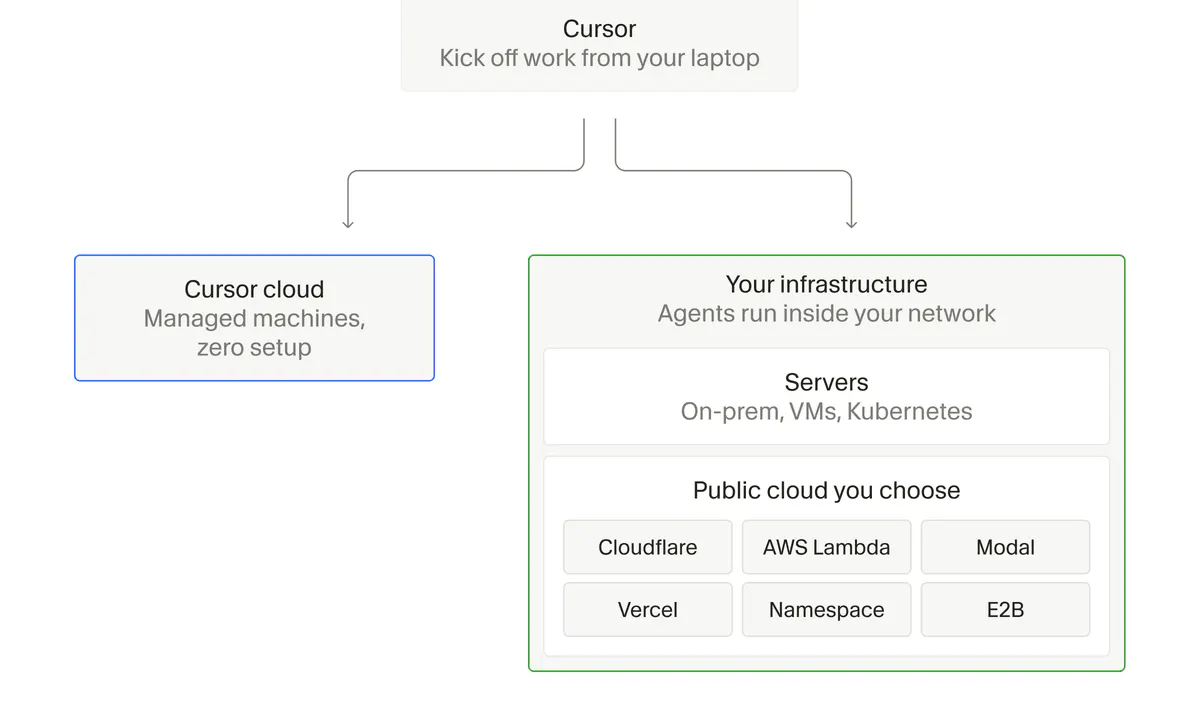
Cursor now lets teams run cloud coding agents on their own infrastructure or partnered sandbox providers, with auto-scaling worker pools.
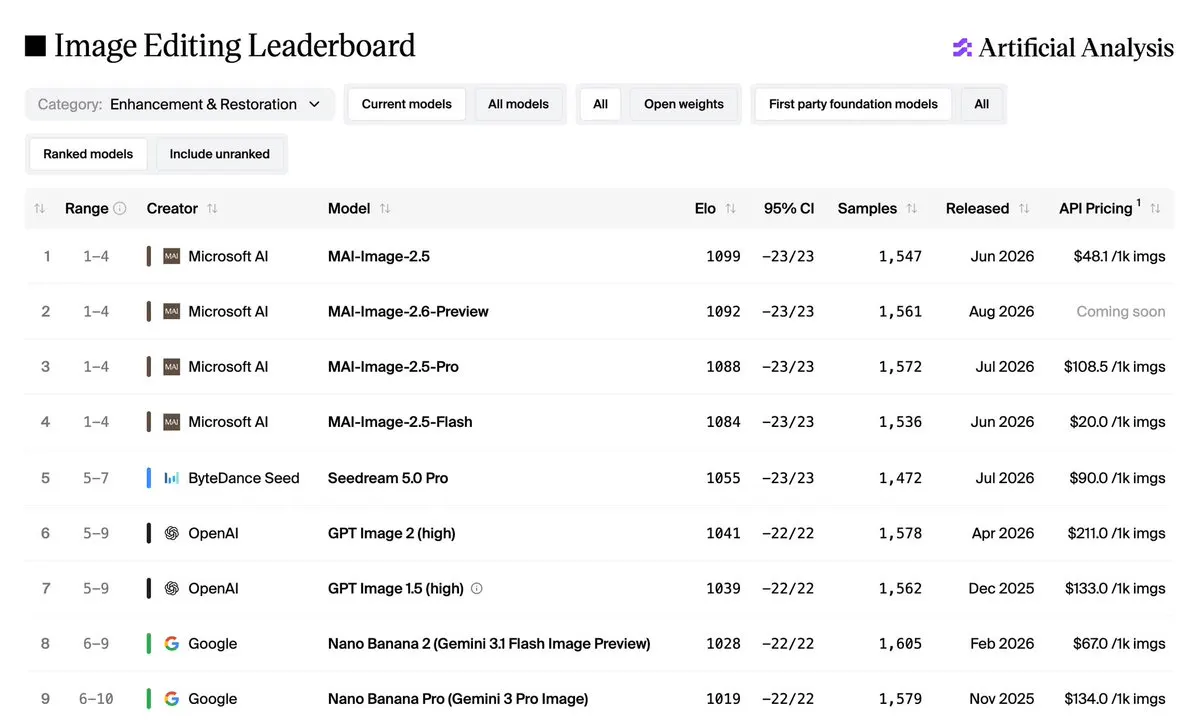
Artificial Analysis rebuilt its Image Editing Arena with a two-axis taxonomy of editing actions and use cases, revealing which model wins each specific task.
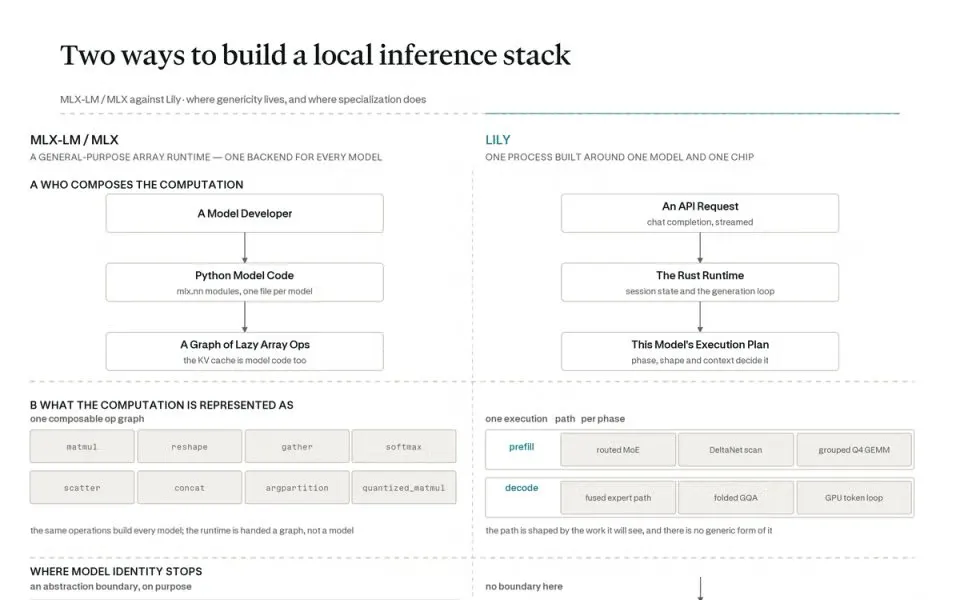
Perplexity open-sources Lily, a Metal-based inference engine tuned for Qwen3.6-35B-A3B that beats MLX-LM by 1.23x prefill and 1.35x decode on M5 Max.

Meta's latest agentic model trims tool calls by 20 percent and tokens by 25 percent while learning when to ask for help.

Anthropic open-sources a full commerce agent blueprint with shopping and merchant reference implementations, plus architectural guidance from production deployments driving 35% larger carts.
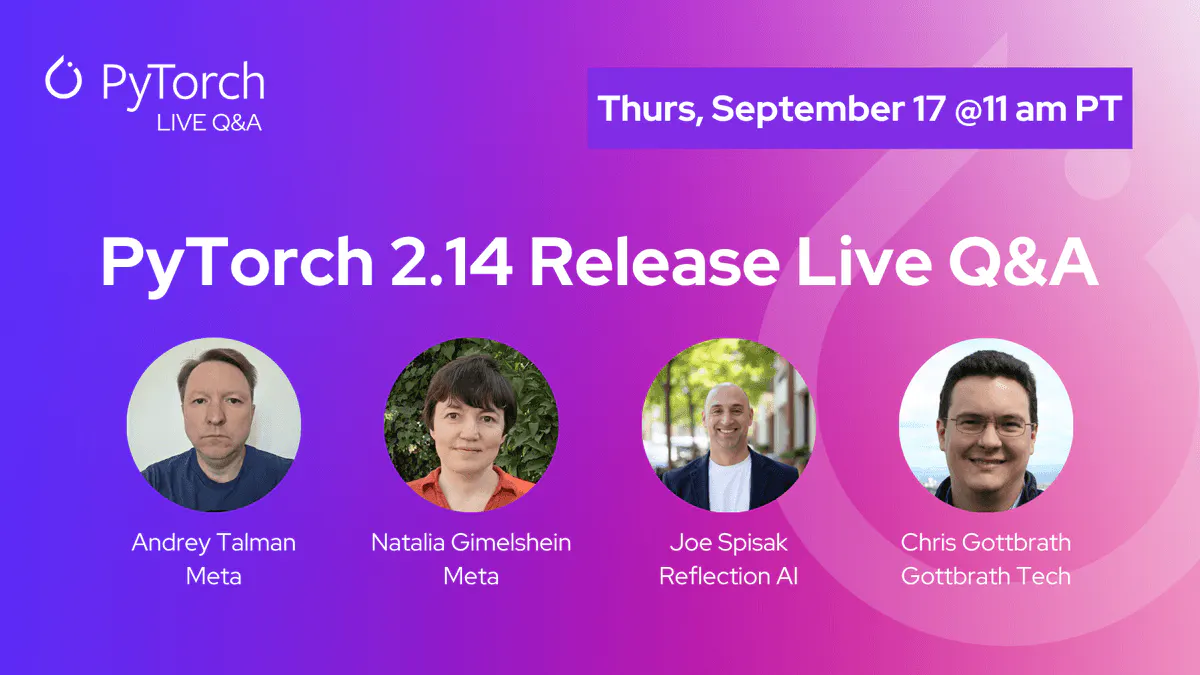
The latest PyTorch release ships NVGEMM CUTLASS kernels for Inductor, a rebuilt nccl2 backend, native Apple Silicon linear algebra, and first-class fault tolerance.
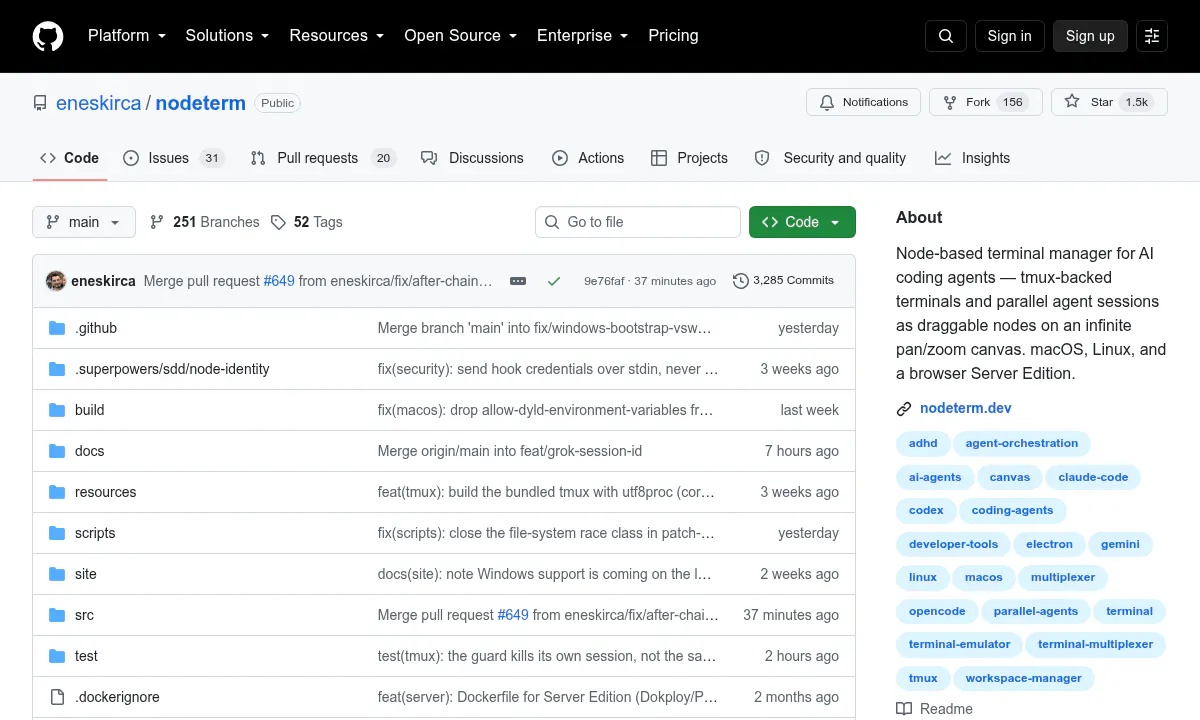
Nodeterm turns terminals and coding agents into draggable nodes on an infinite canvas, with tmux-backed sessions that survive reboots.
Hermes Agent v0.21.0 Pantheon lets the desktop app hold live connections to multiple gateways at once, unifying every bot and chat under one roof.

Lovable now lives inside Slack as a chat agent, letting teams spin up projects, ship updates, and query app data without opening a browser tab.

A new frequency-domain training objective for pixel-space flow matching cuts convergence time by up to 40% without touching the architecture.
No stories match these filters.