

Ant Group's Ming-3.0 Beats Larger Voice Models at Just 0.5B Parameters
Ant Group's Ming-3.0-tts packs top-tier speech synthesis into just 0.5B parameters, released MIT-licensed and holding its own against 3.5B+ rivals.
A focused feed of models, agents, research and open-source releases for people building with AI.
Ant Group's Ming-3.0-tts packs top-tier speech synthesis into just 0.5B parameters, released MIT-licensed and holding its own against 3.5B+ rivals.
Anthropic now runs Claude directly on Google Cloud with day-zero feature parity, GCP billing, IAM, and commitment drawdown, no Vertex AI required.

SubQ Snap 1.1 ties d1-ultra and Elephant 9B atop the Decision Index at a score of 65, winning on hallucination control and context length.

The revised physics research benchmark gives models a code sandbox, and frontier systems have jumped from single-digit to 80%+ accuracy.

You.com's new Inference Router pairs open-weight models like Kimi K3 and GLM 5.3 with a 99.9% uptime SLA, zero data retention, and built-in web search.

Two overlooked floating-point bugs in softmax and cross-entropy have been quietly corrupting gradients. A new paper fixes them in a few lines of JAX.

humans& launches Boba, a text-based assistant that lives in group chats and uses a model trained inside simulated societies.

A new two-stage training recipe lets looped language models reuse a single KV-cache across every recurrence, cutting HBM use up to 66%.
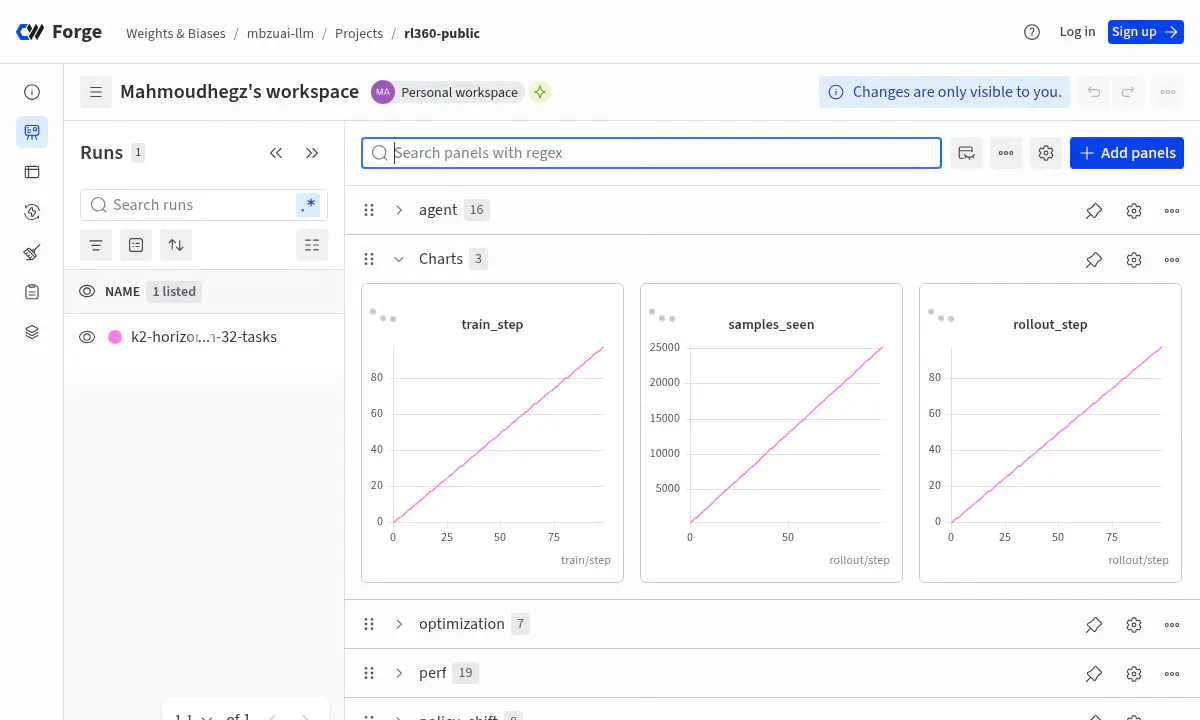
IFM open-sources the agentic reinforcement learning stack behind K2 Horizon, running 8,192 concurrent sandboxes and 1.3M rollouts across seven days.
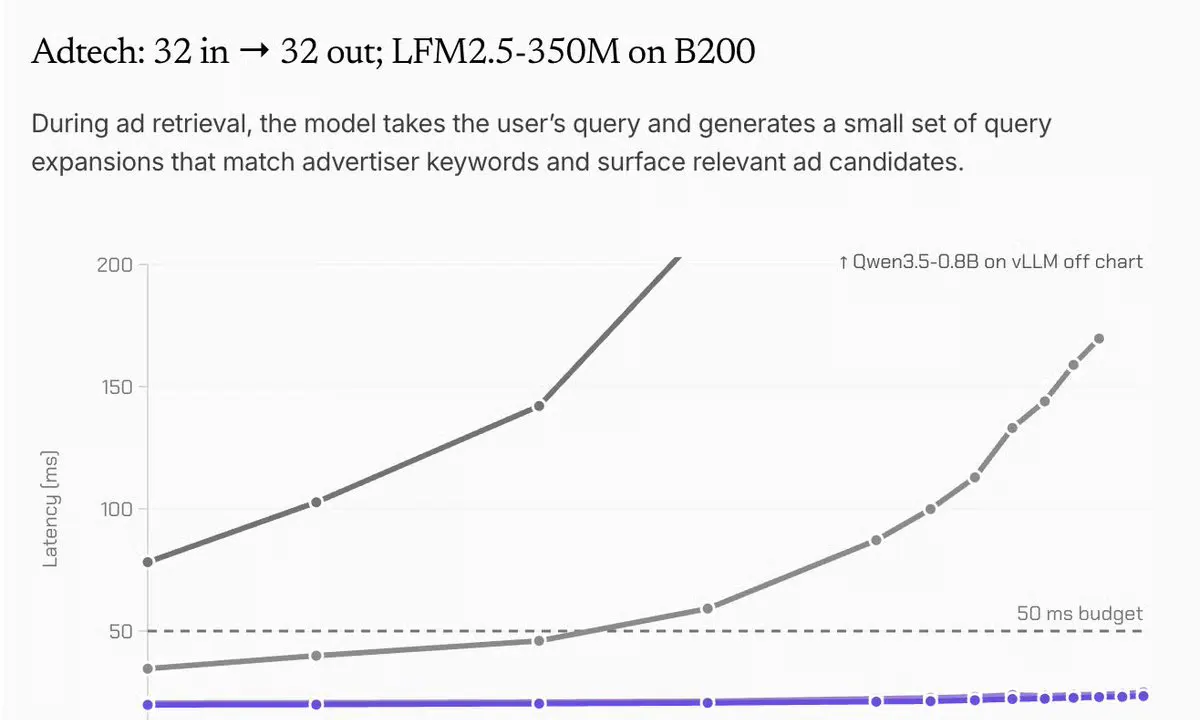
Liquid AI's new RIPL inference engine runs small Liquid Foundation Models in under 50ms end-to-end, targeting search, ads, fraud, and payments.

A 4-bit quantized build of Qwen2.5-3B-Instruct runs chat, coding and long-context tasks on roughly 2.5 GB of VRAM.

A Claude Code fix passed 9 required tests and still returned the wrong title. One closed question after the tests picked the suite that caught it

Ai2 released OlmoEarth v1.3 with precomputed global satellite embeddings at 10m resolution and a browser tool that trains classifiers without a GPU.

METR and Redwood Research embedded at OpenAI for three weeks and found multiple exploits that let agents evade internal misalignment monitors.
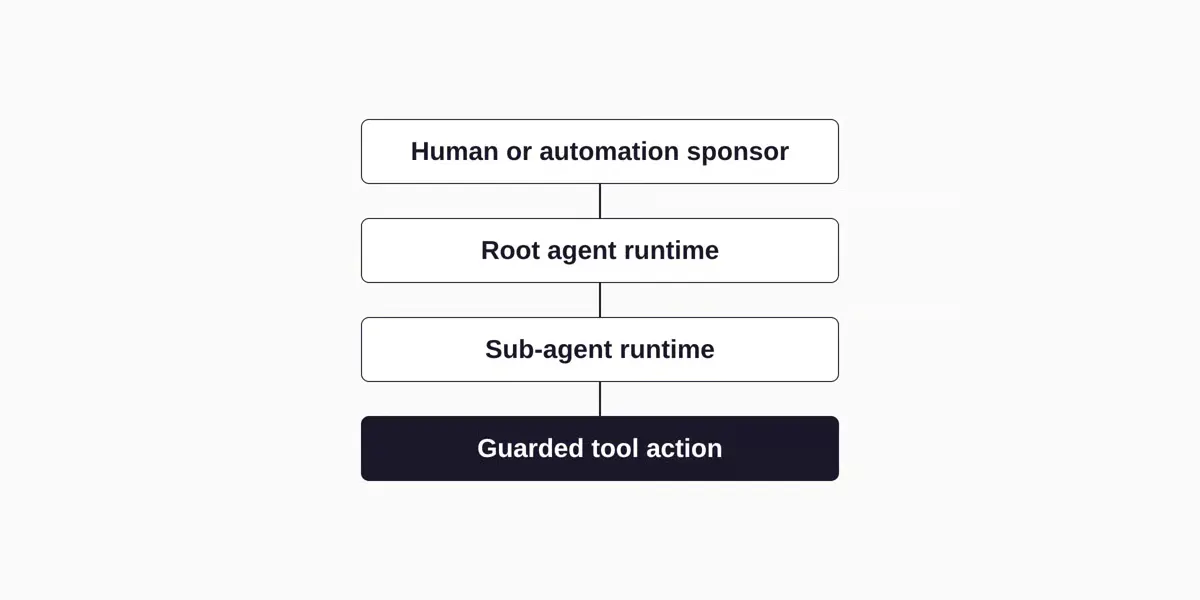
Prompt filters and borrowed human tokens don't hold up once agents reach production. Ory Agent Security splits the problem in two: authorize every tool call inside the agent loop, and give every deployed runtime its own machine identity.
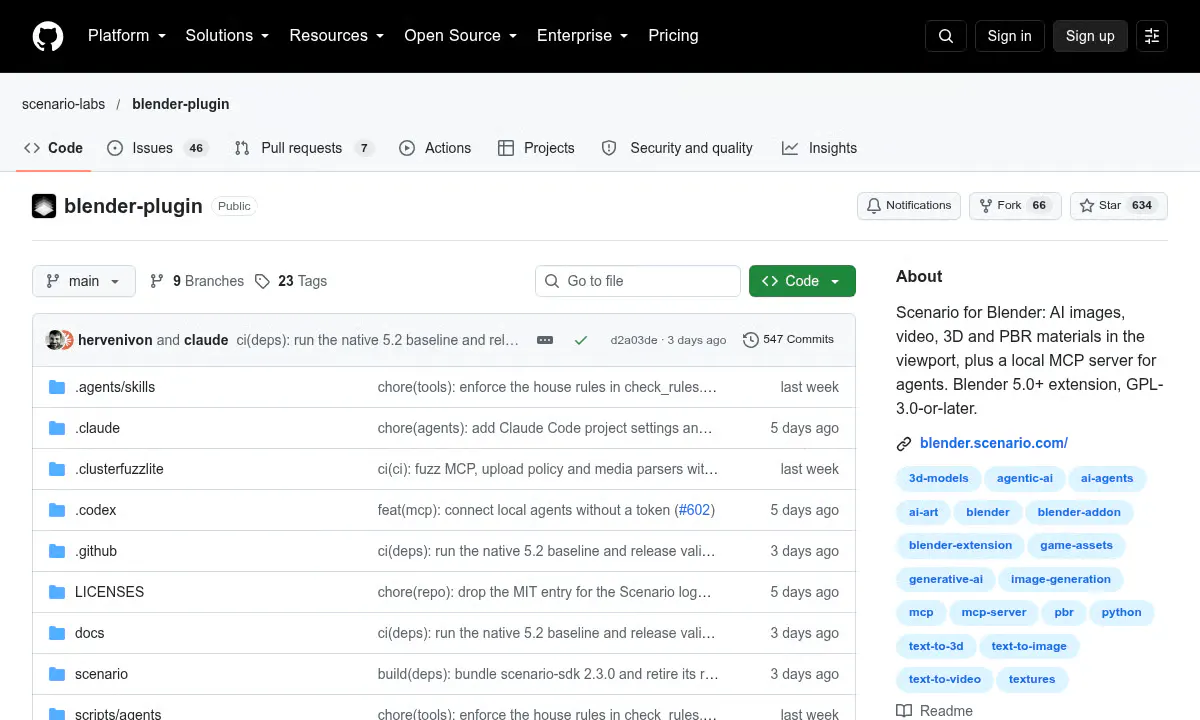
Scenario open-sourced a Blender 5.0 extension packing 500+ generative models for images, video, 3D, audio and PBR, plus a local MCP server for agents.

Google DeepMind's ForTy classifies every 10x10m patch of Earth into six forest types, revealing not just where trees grow but what kind.

Kyutai's CADRE replaces the laggy video autoencoders inherited from text-to-video models, letting interactive world models respond in real time on one GPU.

Wes Bos released an open-source toolkit that turns iPhone LiDAR scans into editable Three.js scenes through an AI coding agent workflow.

AgnesAI Labs open-sourced a pluggable TypeScript runtime that lets agents share tools, tasks, and interfaces across CLI, Web, and physical devices.

A new multilingual benchmark exposes how embedding models and LLMs fail at fact-checking across 10 African languages, and shows what fixes work.

A community fine-tune of Qwen3.8-27B trades a sliver of raw accuracy for shorter reasoning traces, faster decoding, and cleaner Python output in long agent loops.

Tencent and Fudan built 16,700 verifiable training environments from real files across 40 professional domains, lifting a 35B agent's GDPval score by 28 points.
A DSH plugin ships frontier models like DeepSeek V4.1 Flash and Kimi K3 inside the official agent harness with no login, key, or quota.
No stories match these filters.