
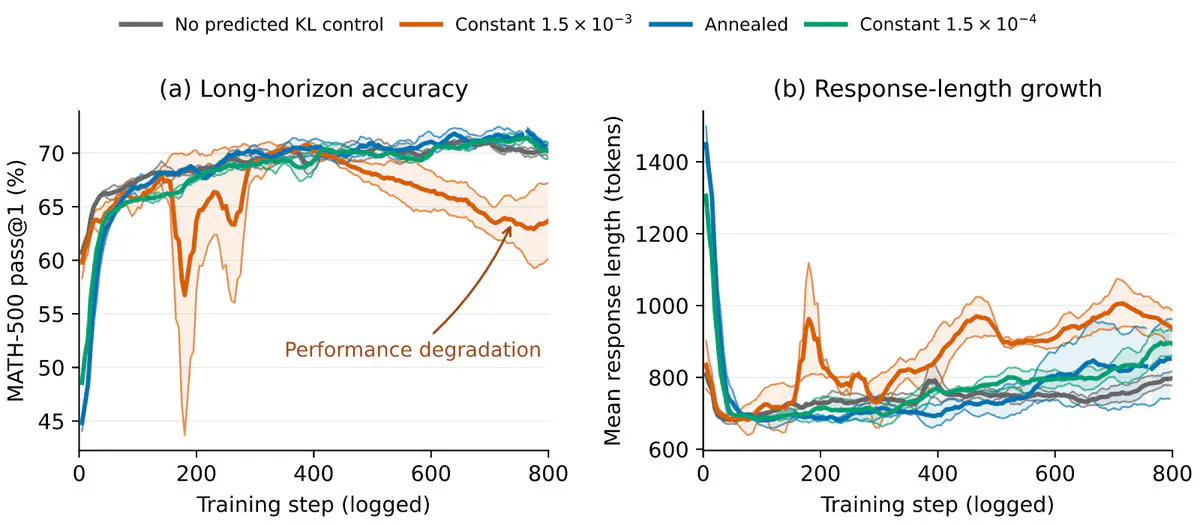
LoGRA Cuts AI Reinforcement Training Memory by 45% on One Node
A new RL post-training method shrinks memory by 45.7% using low-rank gradient sketches, letting a 27B model train on a single eight-GPU node.
A focused feed of models, agents, research and open-source releases for people building with AI.
A new RL post-training method shrinks memory by 45.7% using low-rank gradient sketches, letting a 27B model train on a single eight-GPU node.
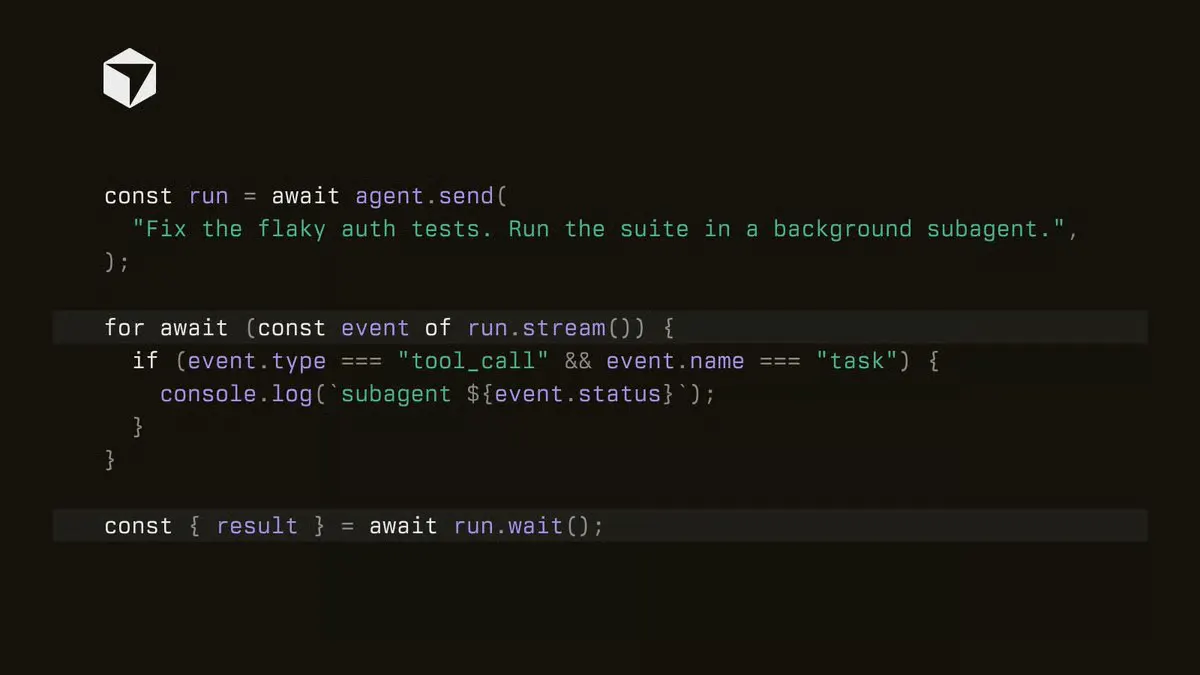
Cursor SDK adds mid-run steering, background subagent reporting, MCP tool annotations, and the ability to replace the built-in system prompt entirely.
Together AI's new CLI drops frontier open models like Kimi K3 and GLM 5.3 into Claude Code, Codex, and OpenCode with one install command.
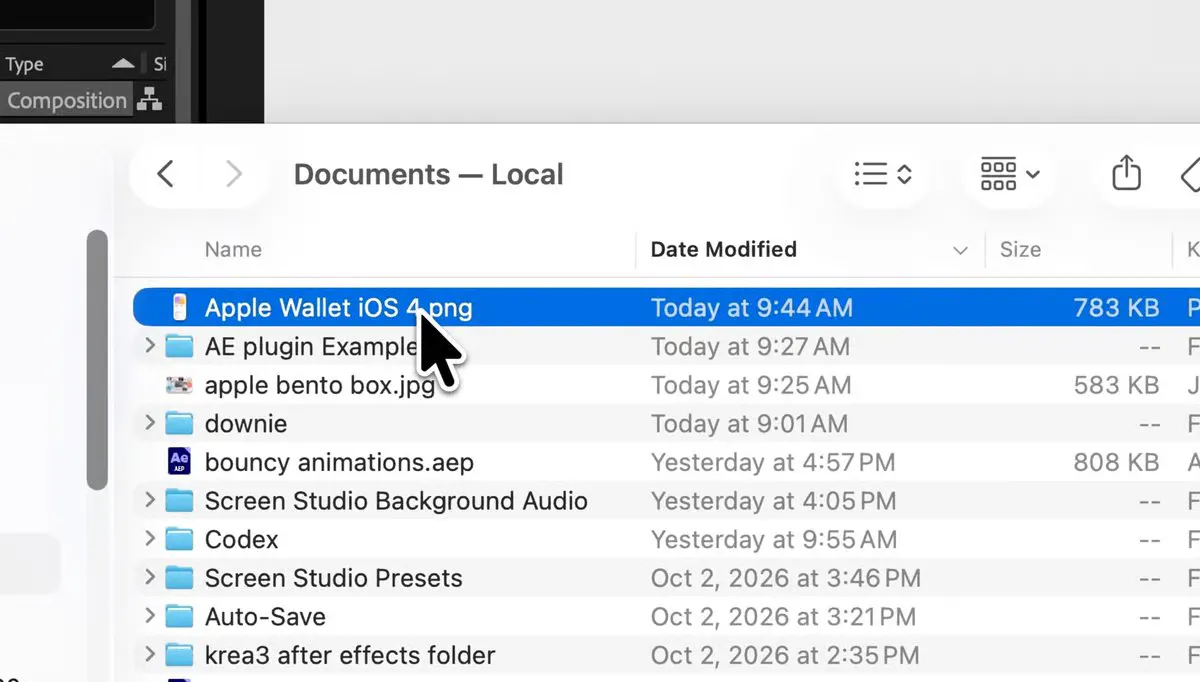
Krea's AI agent now lives inside After Effects as a plugin, generating motion graphics, resizing clips, and sorting layers without leaving your composition.

A vision-capable 27B decision model that returns calibrated probabilities in one forward pass, matching collaborative filtering with zero training data.

Reka's 19B parameter Rho-1 unifies text, images, video, and robot actions in one network, streaming steerable video in real time.
Cohere's North 2 platform adds persistent agent memory, 15+ new features, and connectors to Slack, GitHub, and Notion for sovereign enterprise AI deployments.

A compact SigLIP2 fine-tune hits 97.2% accuracy on binary gender classification, pulling 778K downloads with a 93M-parameter footprint.
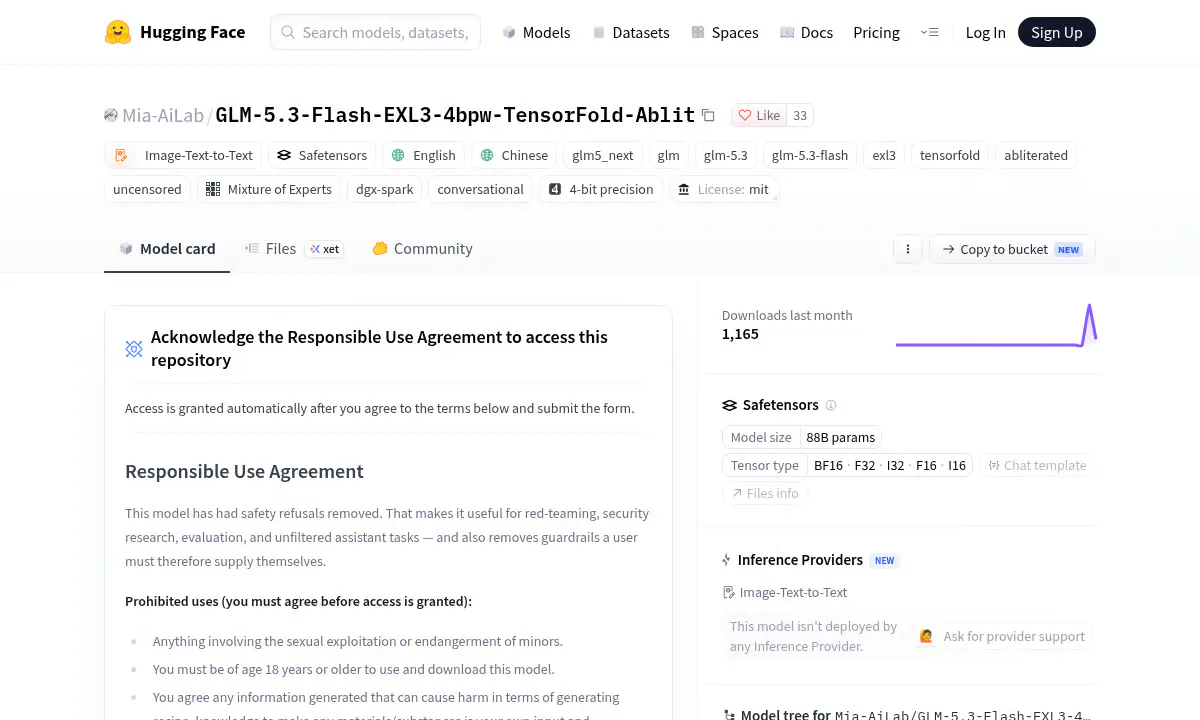
Mia's AI Lab shipped an abliterated build of GLM-5.3-Flash tuned for DGX Spark, trading roughly 6.5% quality for near-total refusal bypass.
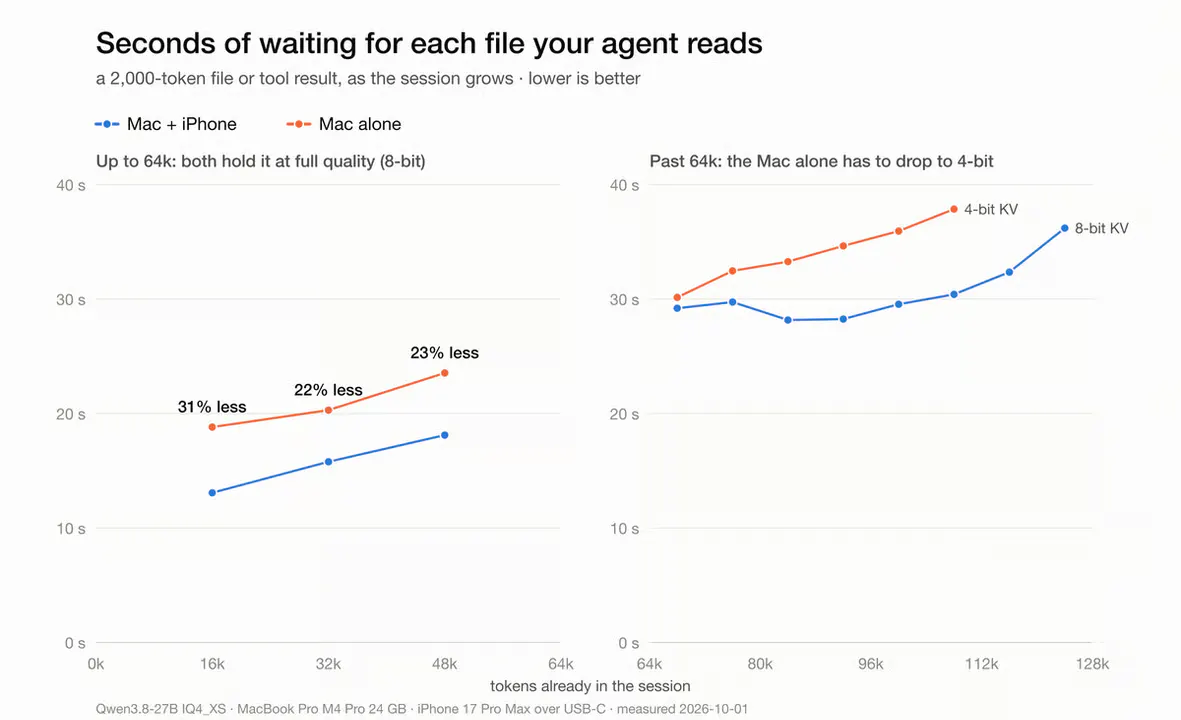
Backburner turns a plugged-in iPhone into a co-processor for a 24GB MacBook, boosting Qwen3-27B prefill up to 44% and extending context past 128k tokens.
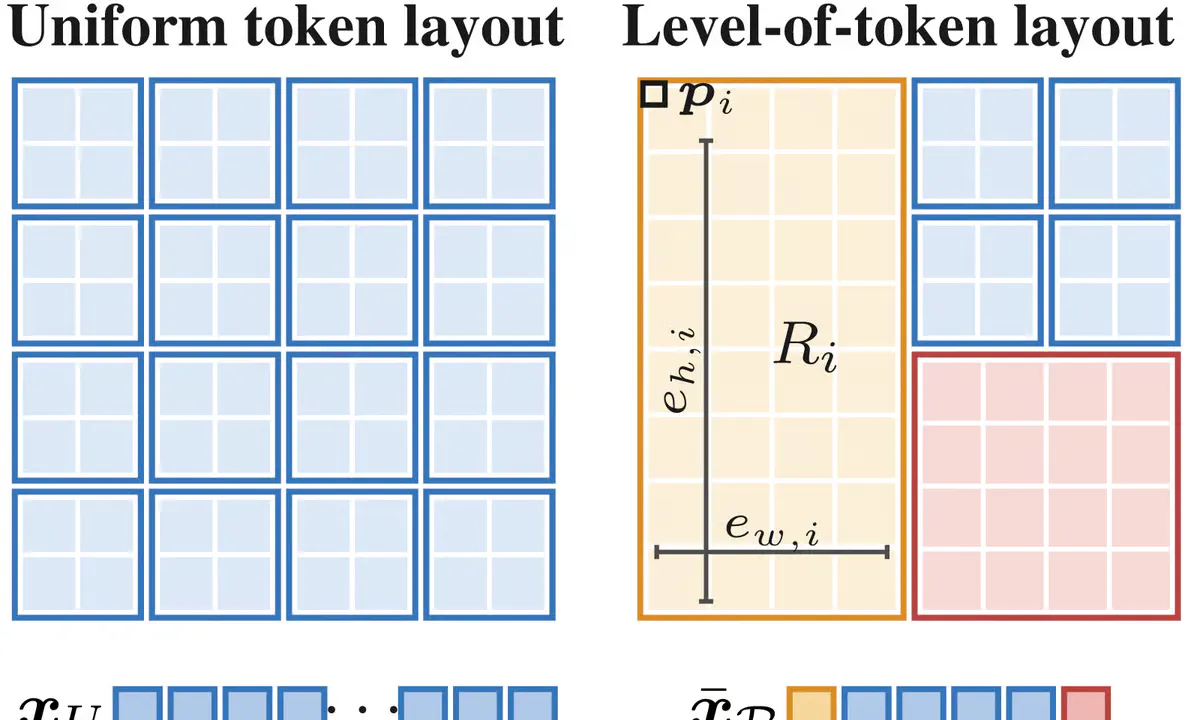
Stanford and Google researchers introduce a diffusion method that spends compute only where detail matters, cutting token counts up to 4.6x.
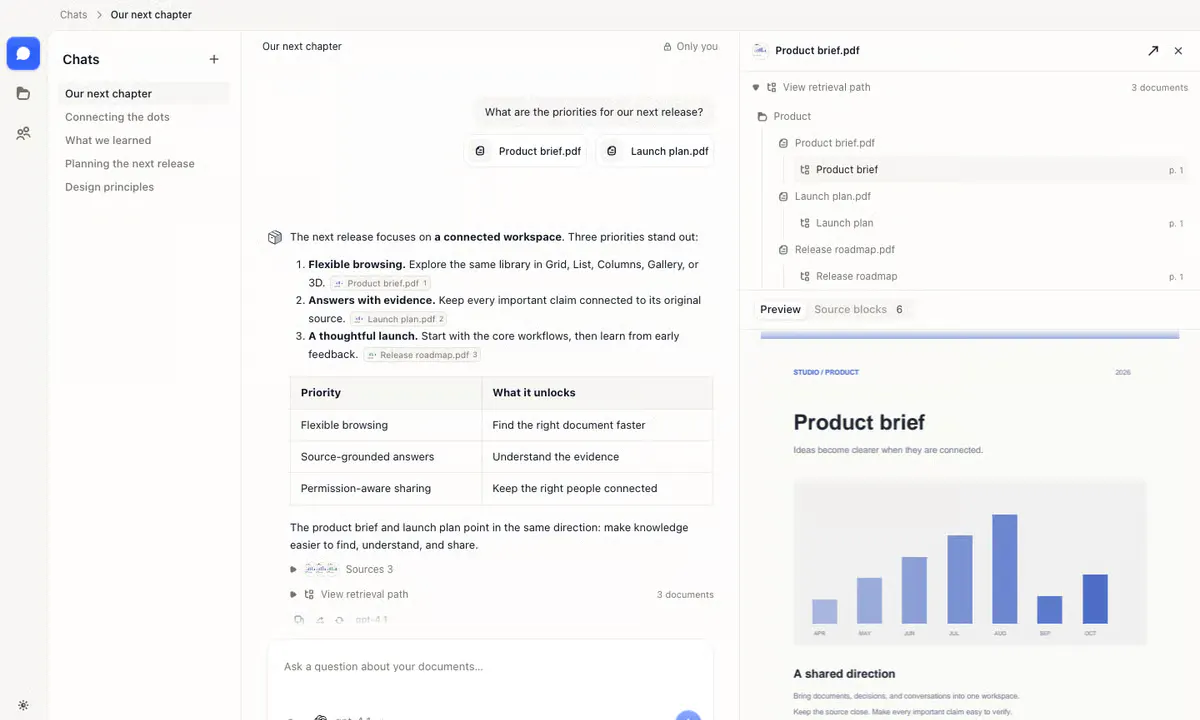
Extend open-sourced Jevbox, a self-hosting document drive that uses hierarchical beam search instead of embeddings, with every answer tied to source permissions.
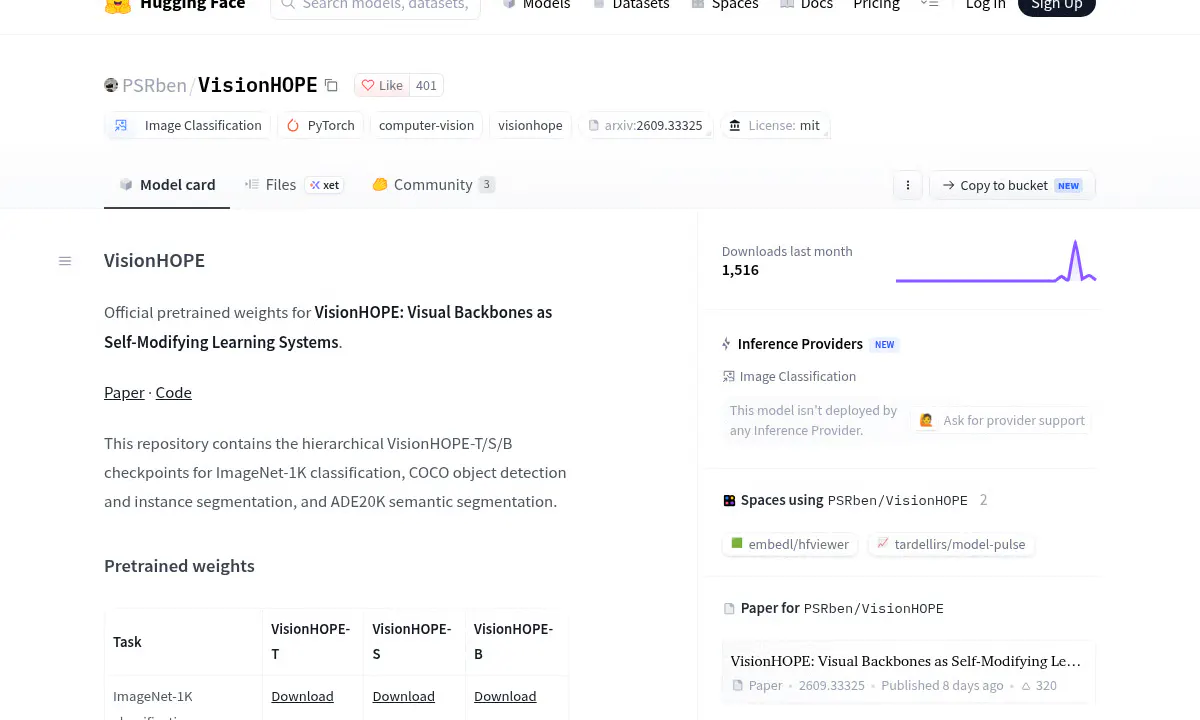
A new vision backbone rewrites its own learning rules while scanning an image, hitting strong ImageNet, COCO, and ADE20K numbers with linear-time cost.
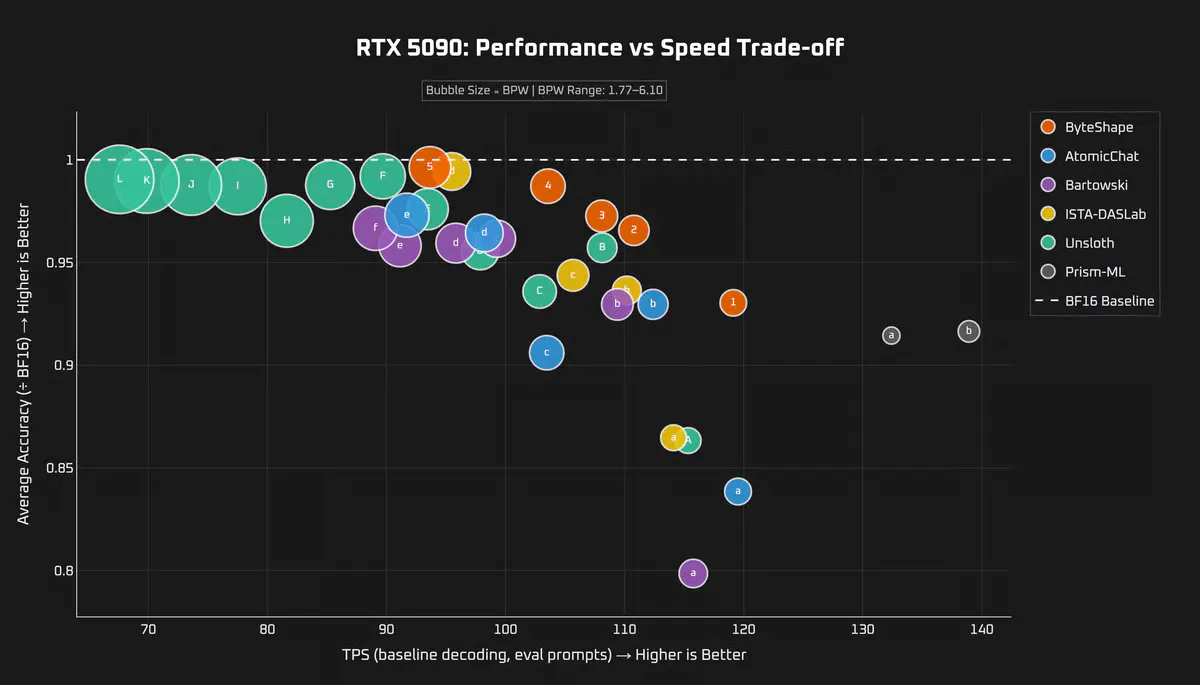
ByteShape ships ShapeLearn-quantized GGUFs of Qwen3.8-27B that fit on 12 GB GPUs and hit 176 tokens per second on an RTX 5090.
A ternary-quantized 27B vision-language model shrinks to 7.3 GB and specializes in writing ComfyUI image and video generation prompts.
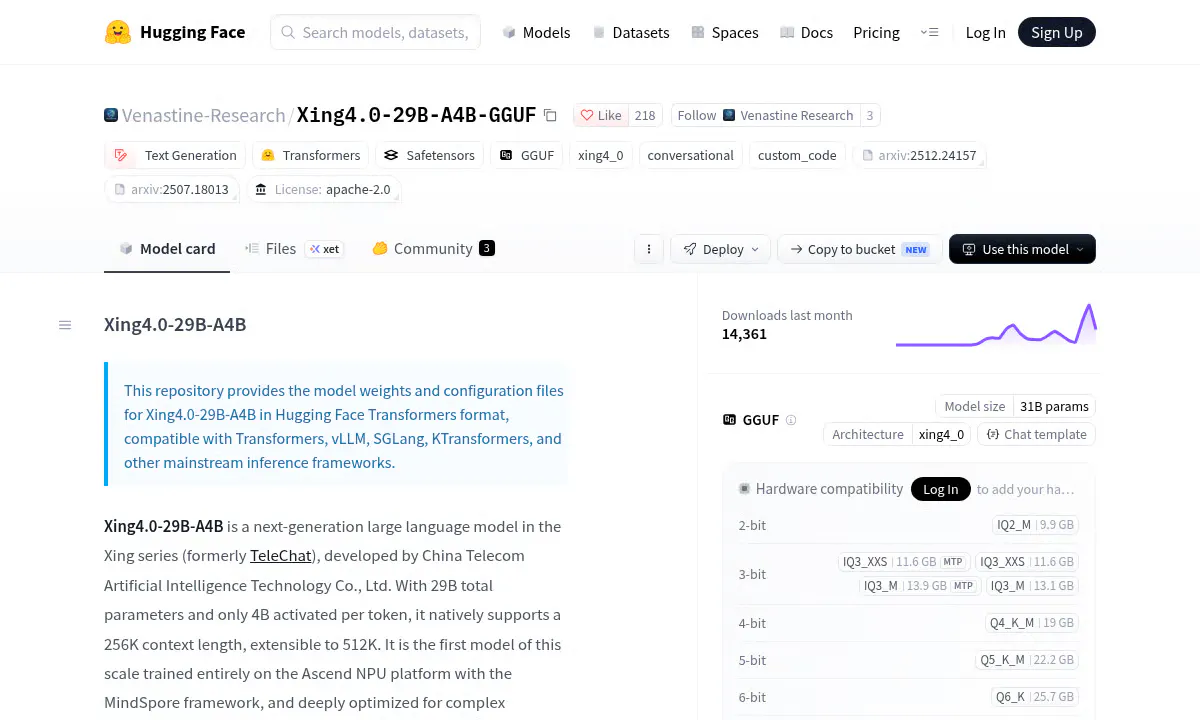
A Chinese Telecom lab released a 29B mixture-of-experts model with only 4B active parameters, 256K context, and strong agentic coding benchmarks.

A calibrated decision layer turns machine-learning interatomic potentials into probability engines that match full relaxation accuracy at a thirtieth of the compute.
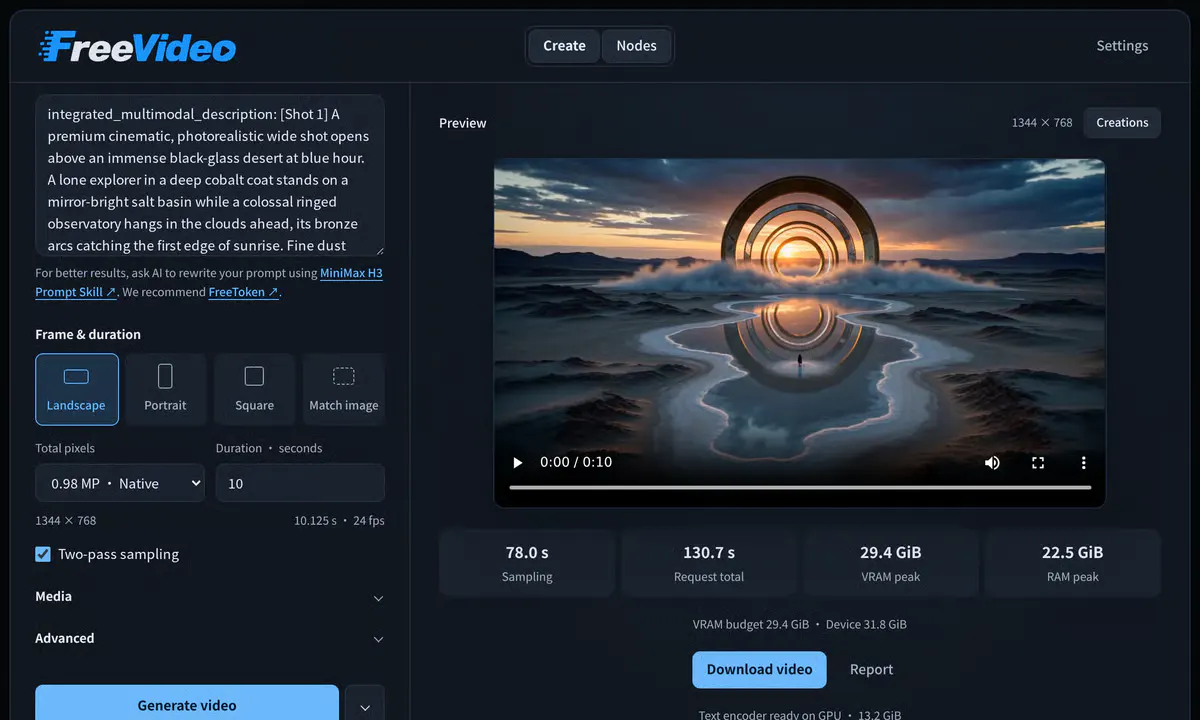
A new open-source inference engine runs MiniMax H3 video generation locally on 8GB GPUs by streaming weights and adapting kernels to your hardware.
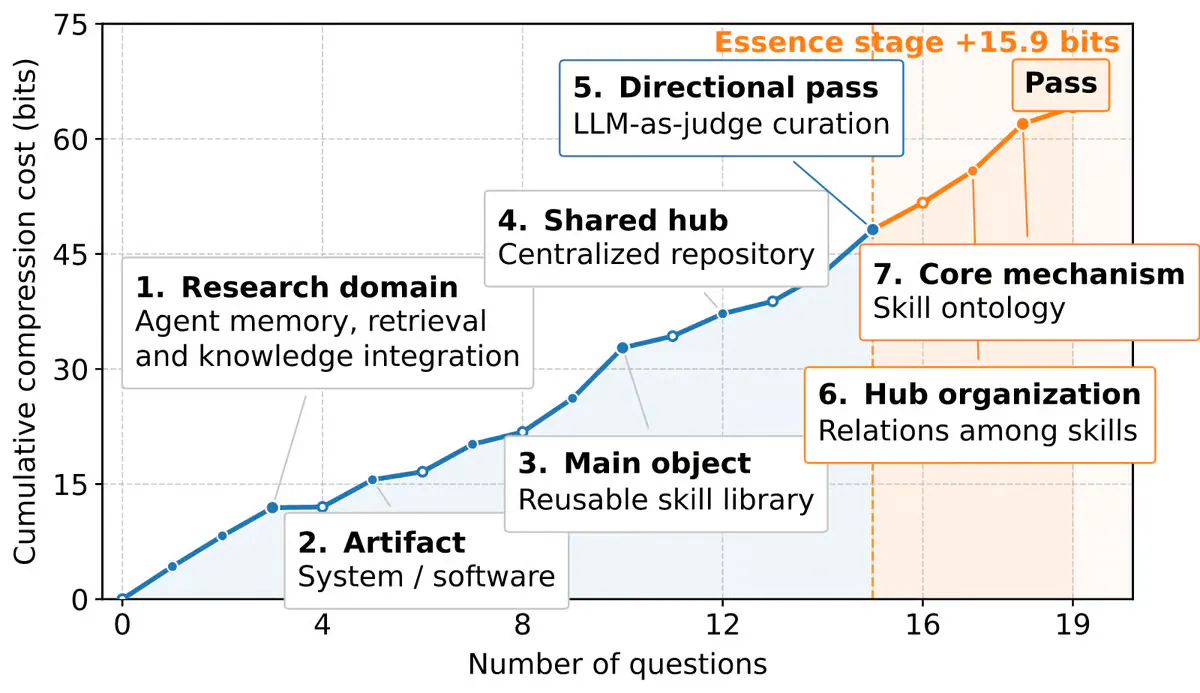
Stanford researchers introduce a compression-based framework that quantifies how close language models come to generating future research ideas, measured in bits.

Aleph Alpha drops a 78B mixture-of-experts reasoning model with 3.46B active parameters, 1M-token context, and Apache 2.0 weights, tuned for German-English sovereign deployments.
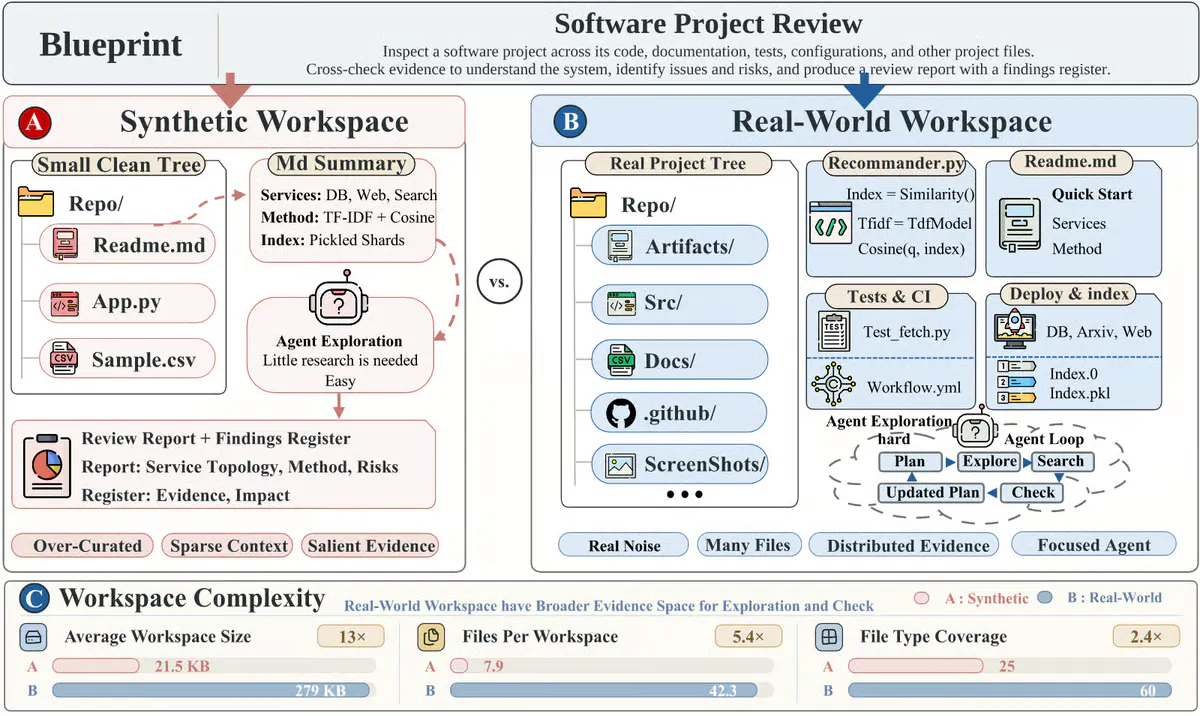
A new synthesis framework builds 16,700 verifiable training environments across 40 professional domains, lifting a 35B Qwen model's GDPVal score from 45.5 to 73.6.
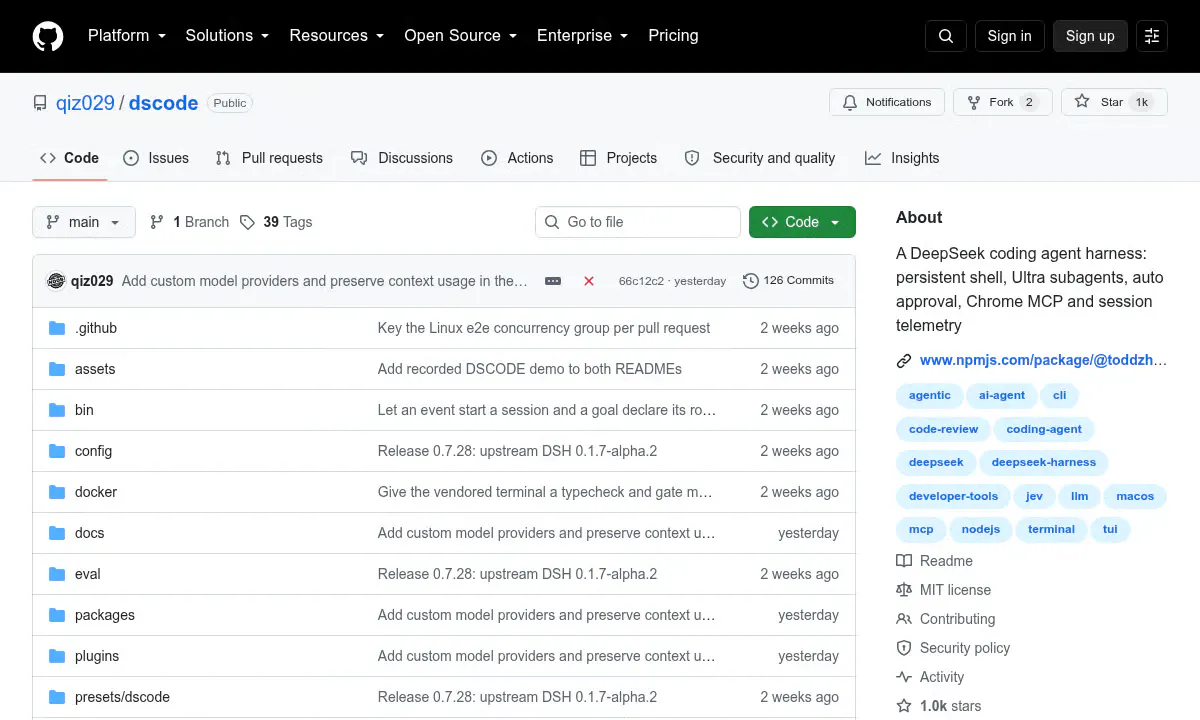
DSCODE wraps DeepSeek with a persistent shell, sub-agents that can hand off tasks, and an independent reviewer that approves changes from your instructions.
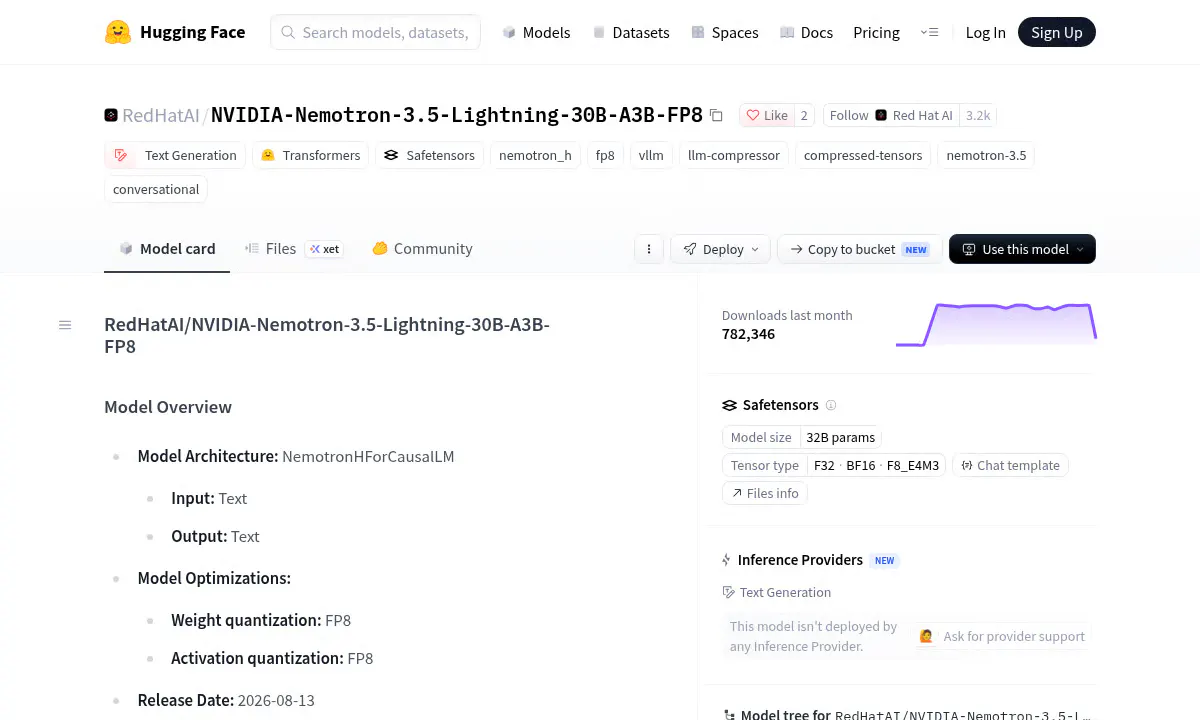
Red Hat AI shipped an FP8 build of NVIDIA's hybrid Mamba-MoE Lightning model, halving memory while keeping the 1M-token agent workhorse on a single GPU.

Cohere's open-weights 218B mixture-of-experts translation model tops WMT26 under 1T parameters, with 25B active params and no reasoning traces.
No stories match these filters.