

Inception's Mercury 3 Hits 1,068 Tokens per Second, Beating GPT-6 Luna
Inception's new diffusion LLM hits 1,068 tokens/sec, beats GPT-6 Luna and Claude Haiku 5.5, and proves scaling laws apply beyond autoregressive models.
A focused feed of models, agents, research and open-source releases for people building with AI.
Inception's new diffusion LLM hits 1,068 tokens/sec, beats GPT-6 Luna and Claude Haiku 5.5, and proves scaling laws apply beyond autoregressive models.

Cognition is grading Devin users on productive hours per dollar, then raising spending limits for the ones who turn tokens into real engineering output.

Exa 3.0 claims the top spot on eight search benchmarks and introduces a cheaper Lite tier at $4 per 1,000 requests.

DeepSeek's updated Flash checkpoint climbs to joint #2 open-weights, cuts hallucinations from 96% to 67%, and keeps the same $0.30/$1.20 pricing.

Factory's autonomous coding agents can now be purchased through the Databricks Marketplace and run directly against Unity Catalog governed data and models.
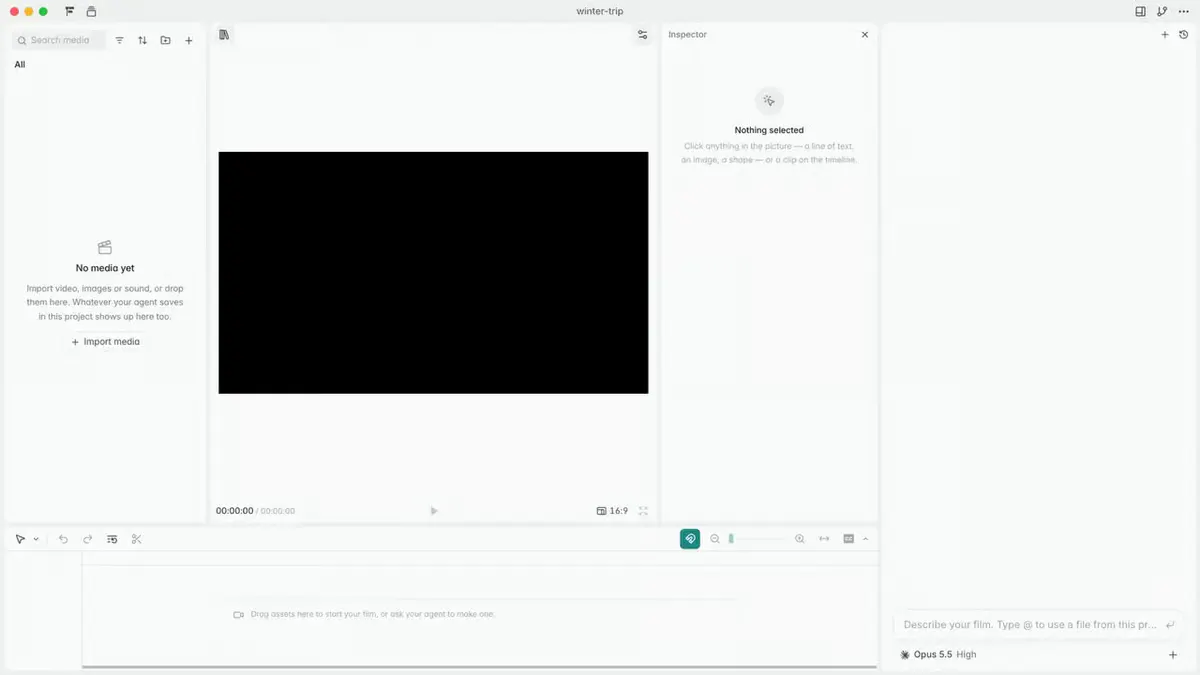
OpenFilm turns Claude Code, Codex, and other coding agents into video makers by representing films as HTML pages and a single frame(t) function.

A new open-source agent skill lets Claude Code and Codex build commercial-grade product launch videos directly in the browser, with point-to-edit control.

MiniMax rolls out M3.1 Flash, a 1M-context agentic coding model priced at $0.15/$0.60 per million tokens, with weights promised soon.
Nebius published an open cookbook of notebooks and reference apps for its Token Factory inference service, covering agents, RAG, fine-tuning, and distillation.

Sarvam is paying Indian creators to dub their videos into 10 regional languages, bundling free API credits with weekly content briefs and view-based payouts.

A community quantization shrinks DeepSeek's 748B mixture-of-experts to 178GB, letting Project Maya run it on a single consumer GPU by streaming experts from SSD.

RoboParty's RP1 ships every layer of a bipedal humanoid, from CAD and PCBs to Linux BSP, URDF, locomotion training and behavior foundation models.
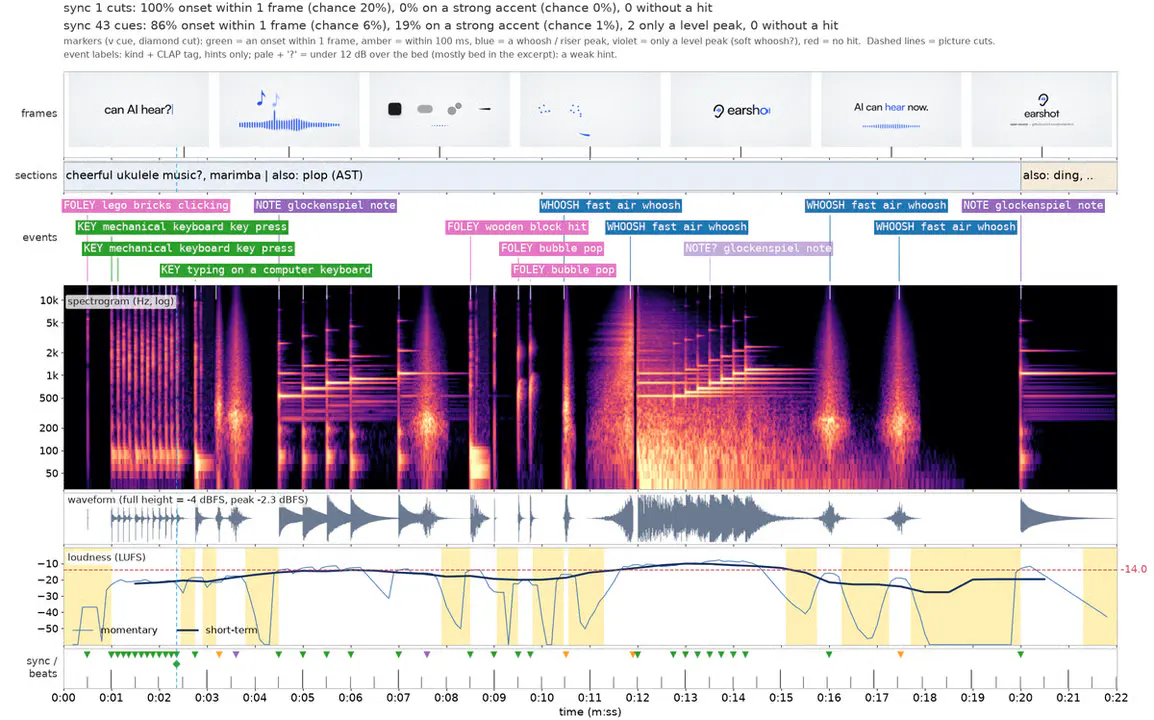
Earshot gives coding agents calibrated hearing and a code-based sound forge, running fully on CPU with a CLI, Python API, and MCP server.

A new analysis settles whether momentum-based optimizers can get stuck at saddle points, and designs a variant that escapes faster without hurting convergence.

A looped transformer that reasons on a unit sphere halts earlier, uses less compute, and lifts Sudoku-Extreme accuracy to 96.6%.
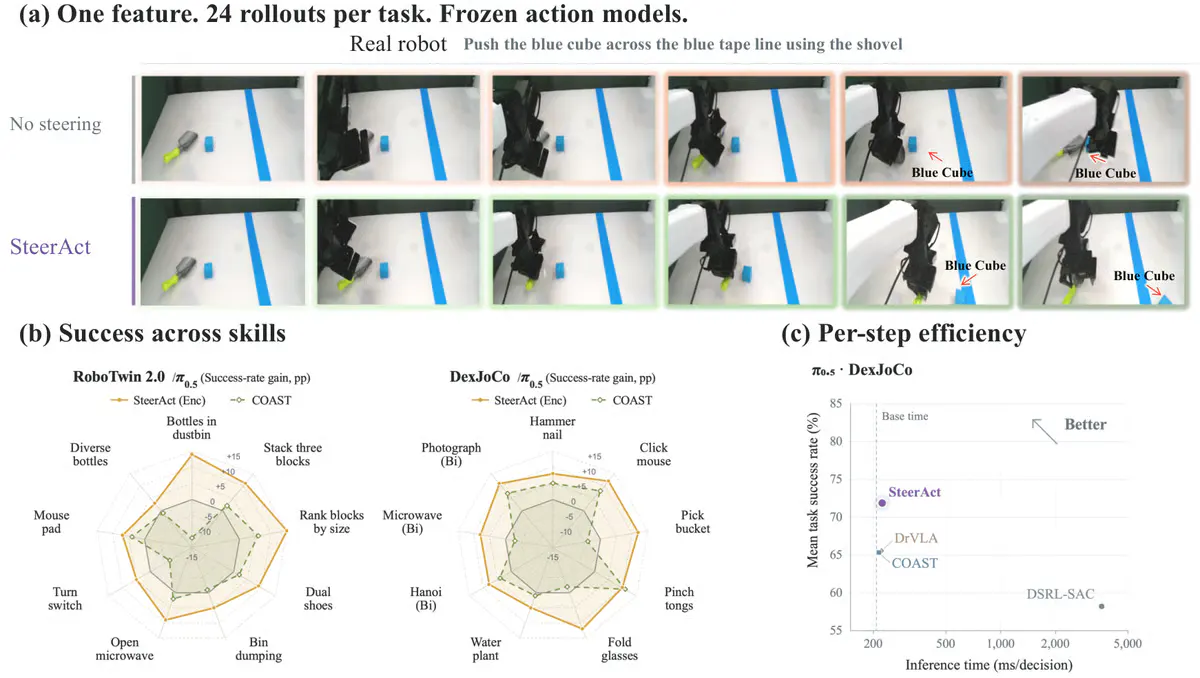
A Stanford, MIT, and Harvard team steers one feature inside frozen robot policies and lifts real-world success rates from 31% to 52%.
A trending open-source pipeline uses TensorRT and transformer-based detectors to reconstruct mosaic-censored regions in video at up to 5x the speed of prior tools.

QTrack turns multi-object tracking into a language-conditioned reasoning task, hitting state-of-the-art on a new RMOT26 benchmark with just 3B parameters.

A 4-billion-parameter decision model reads patient records in a single forward pass, outperforming models up to 27B while running 6.4x faster.

A new open benchmark reveals that tabular foundation models rank very differently when judged on full probability distributions instead of RMSE.

Liquid AI's new 24B mixture-of-experts activates only 2B parameters per token, delivers 184 tokens/sec on an M5 Max, and ships in GGUF for llama.cpp.
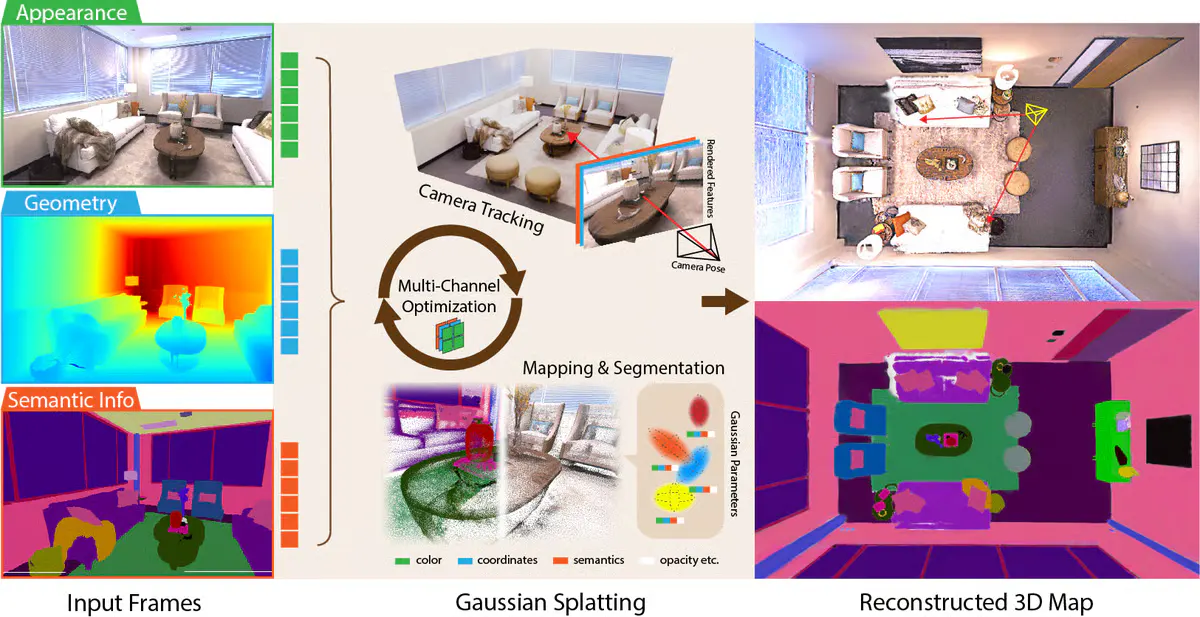
A trending open-source SLAM system fuses 3D Gaussian Splatting with semantic segmentation to deliver object-aware dense reconstruction in real time.
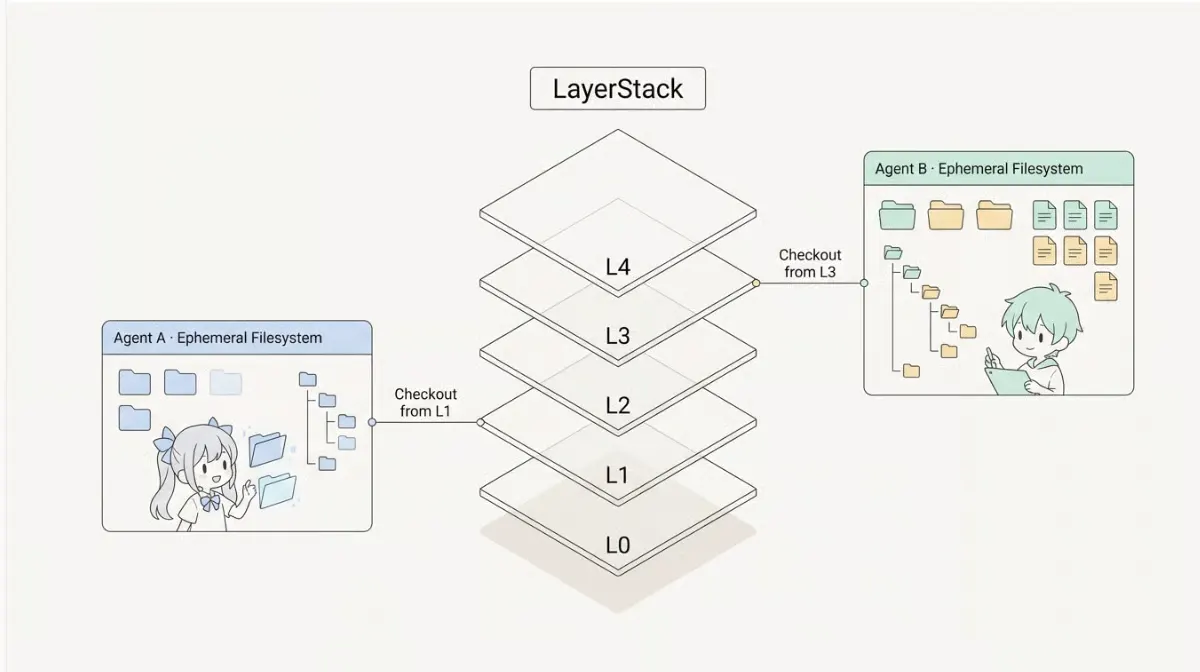
A Rust-based filesystem gives each AI agent a disposable, zero-copy fork of a shared base, enabling cheap branching, rollback, and parallel rollouts.
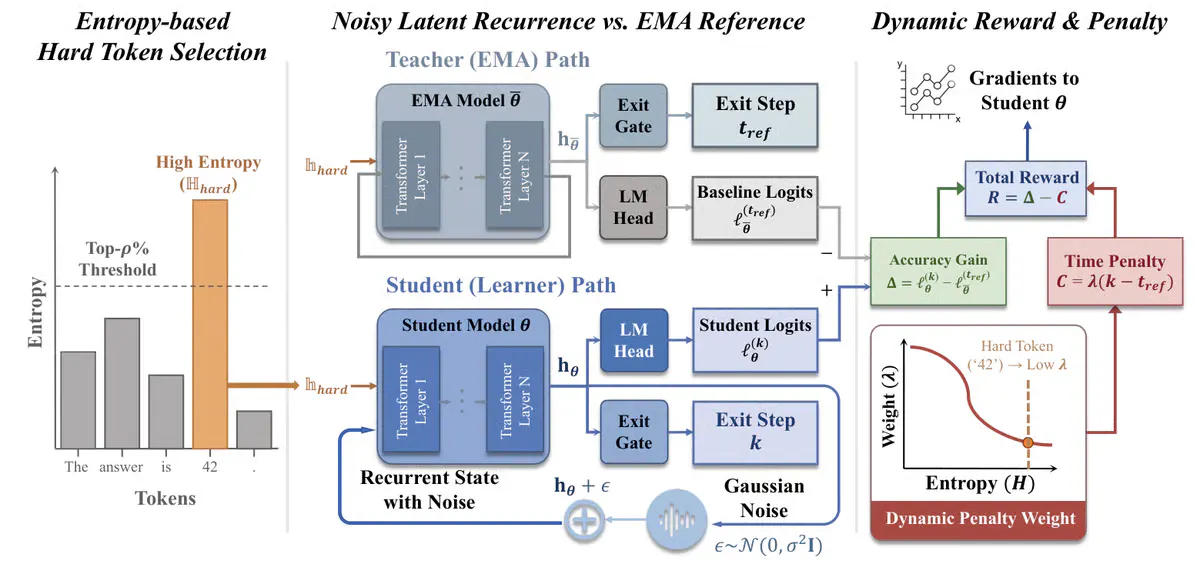
A new reinforcement pre-training recipe pushes rewards into the hidden iterations of looped transformers, improving accuracy and cutting compute per token.
No stories match these filters.