
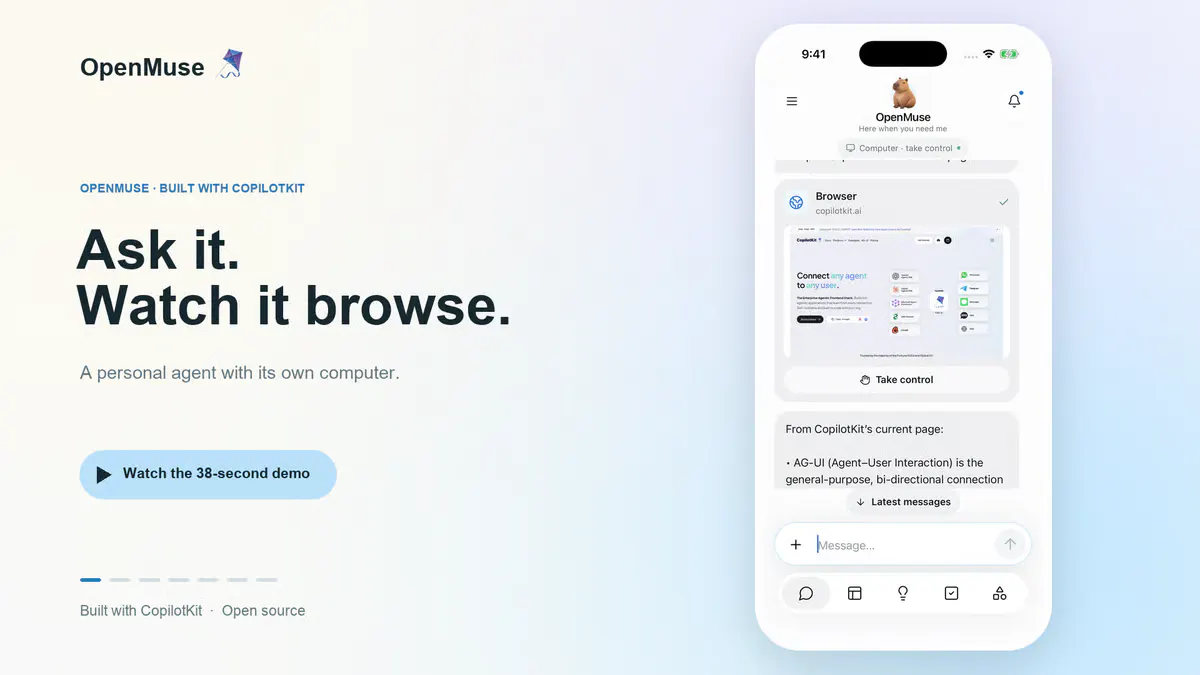
CopilotKit Open-Sources OpenMuse, a Self-Hosted Personal Agent With Its Own Browser
CopilotKit released OpenMuse, an MIT-licensed personal agent with its own browser, terminal, and file system that runs on iOS, Android, and web.
A focused feed of models, agents, research and open-source releases for people building with AI.
CopilotKit released OpenMuse, an MIT-licensed personal agent with its own browser, terminal, and file system that runs on iOS, Android, and web.
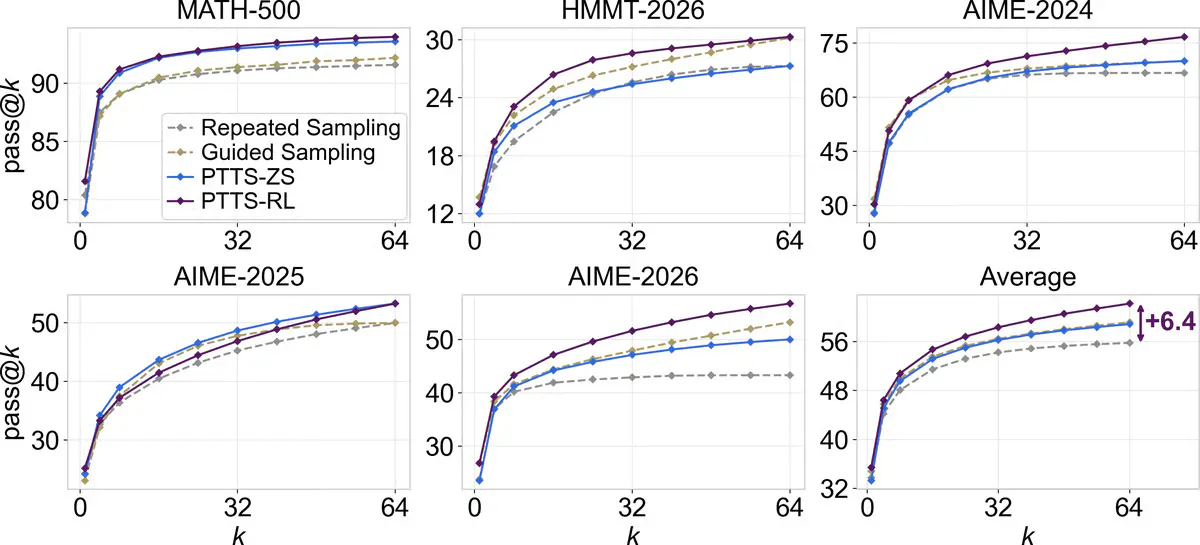
A planner-executor framework that coordinates parallel reasoning branches instead of independent sampling, lifting pass@64 on math benchmarks by up to 13.4 points.
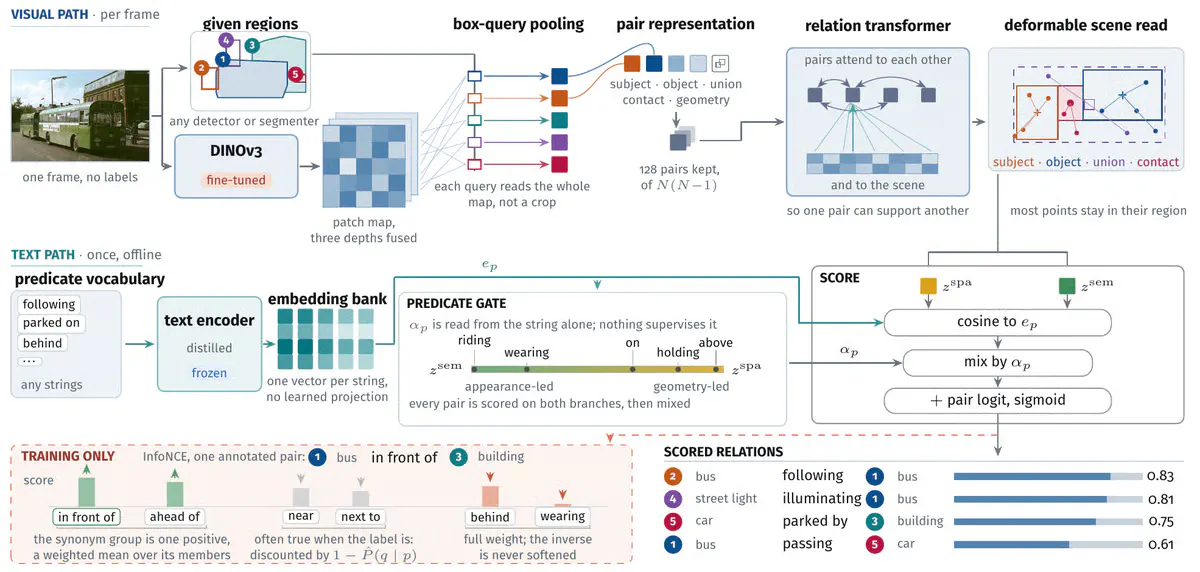
A 53M-parameter open-vocabulary scene-graph model runs at 20ms per frame, understands 19,103 relation phrases, and needs no object labels.
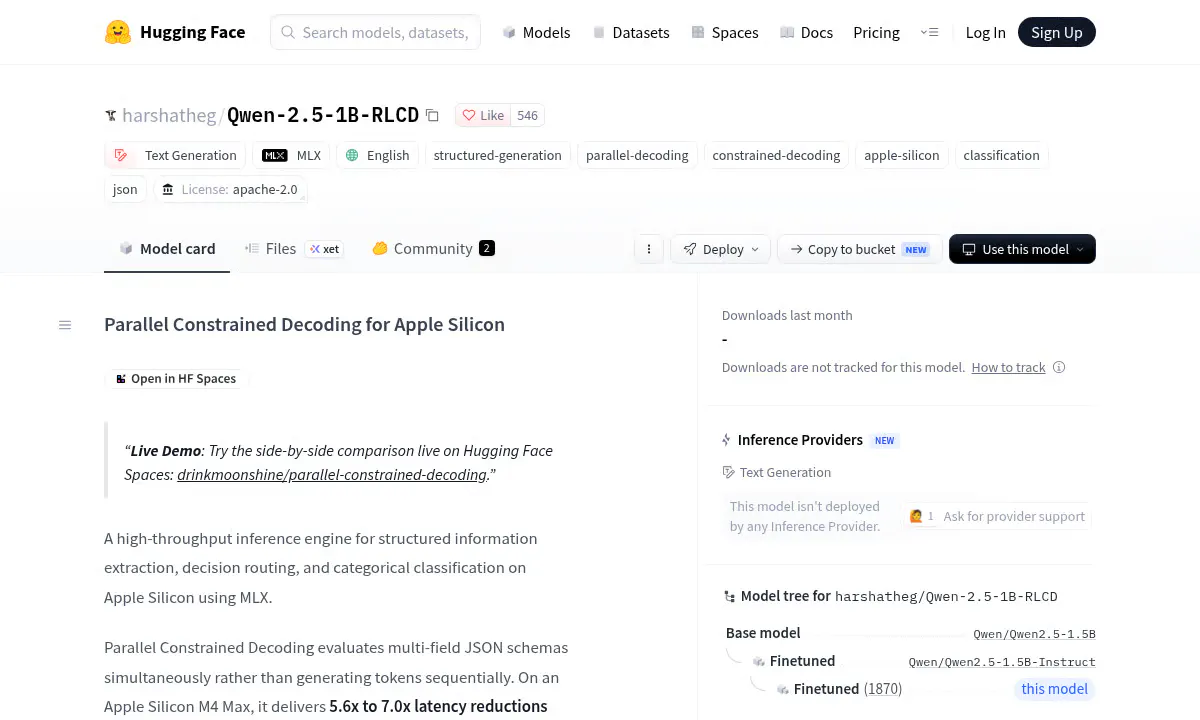
A new open source inference engine on Apple Silicon evaluates every JSON field in parallel, cutting structured generation latency by 5.6x to 7x with guaranteed schema validity.
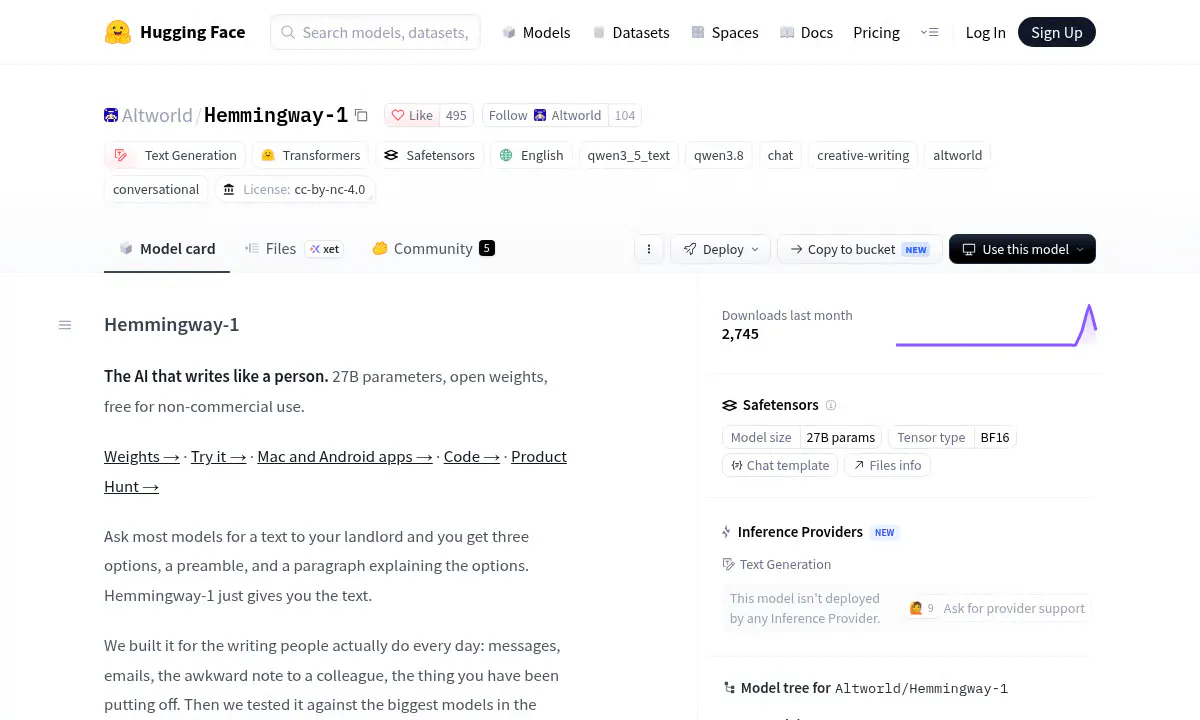
Altworld's 27B fine-tune of Qwen3.8 tops GPT-6 Astra on everyday message writing and reads as human 26 points more often.
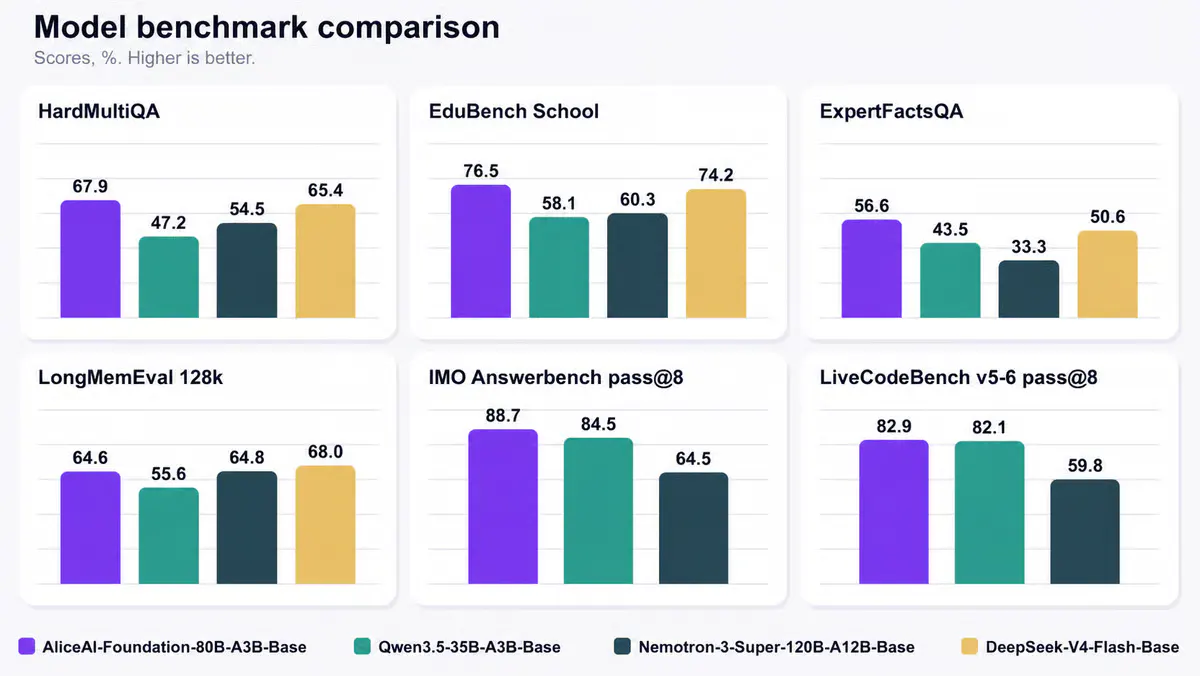
Yandex open-sourced an 80B mixture-of-experts model with 3B active parameters, 256K context, and a hybrid KDA-attention architecture trained from scratch.
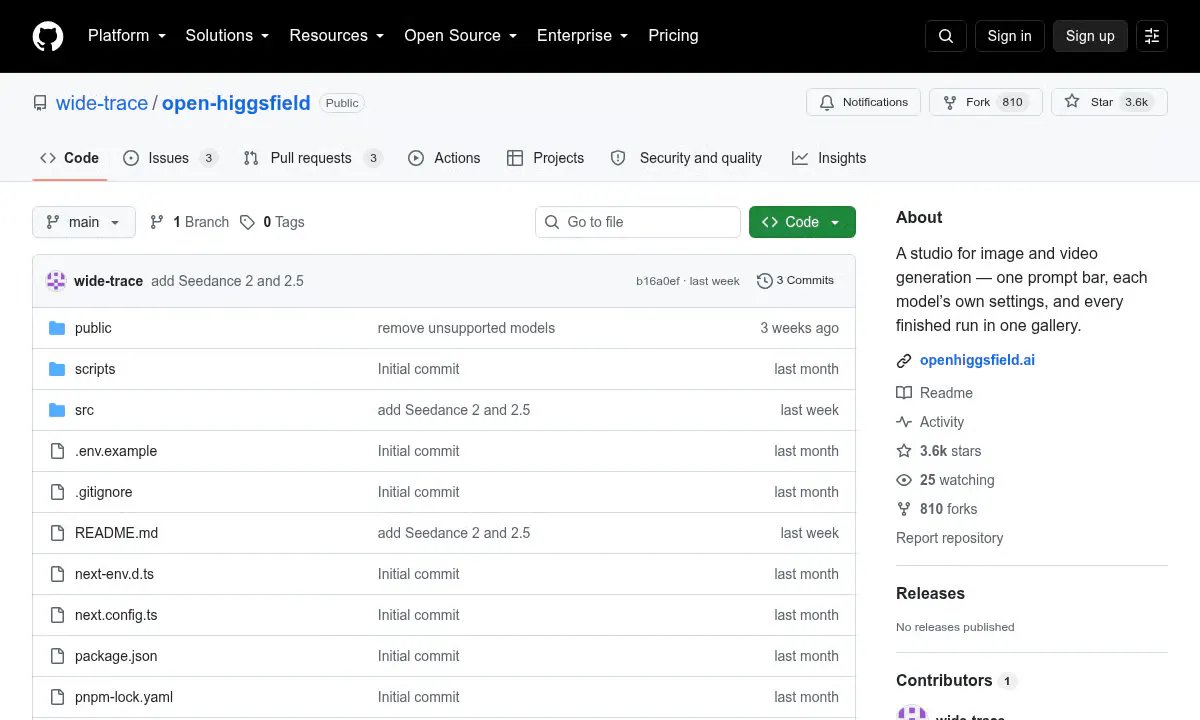
Higgsfield open-sourced its full creative studio as a Next.js app that plugs into its new video API, wrapping 38 image and video models behind one prompt bar.
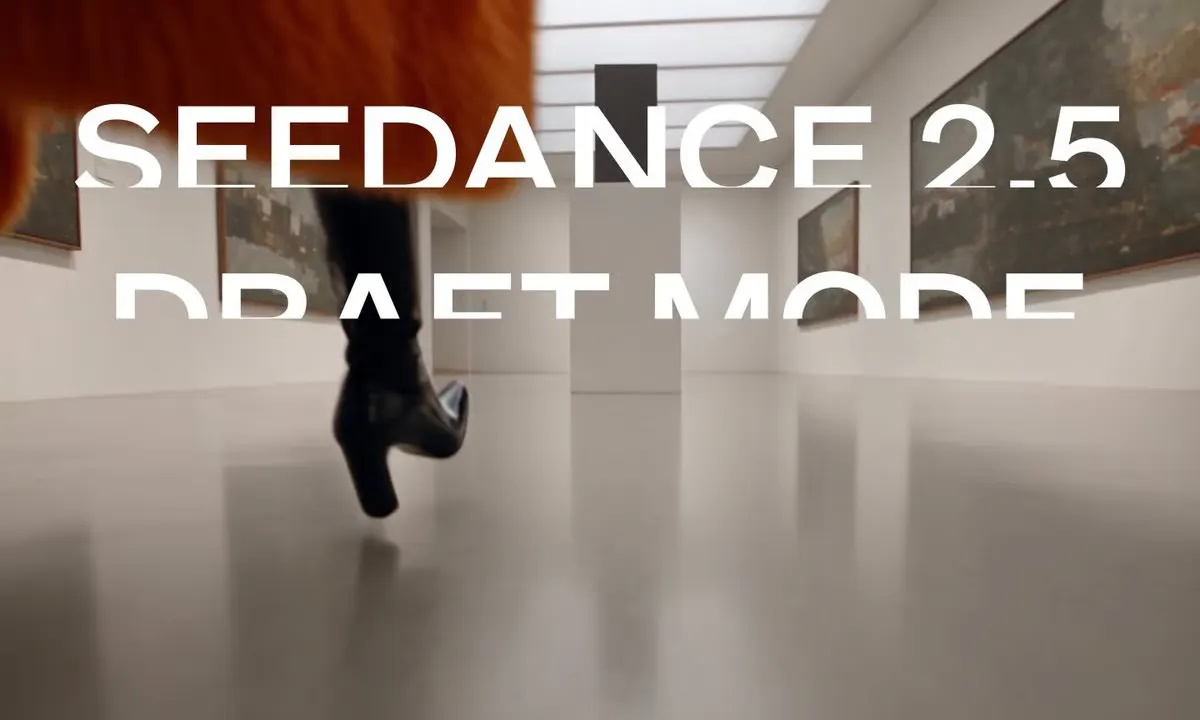
Pika adds Seedance 2.5 Draft Mode: iterate on 480P clips at ten cents per second, then re-render the winner in 1080P using the same seed.
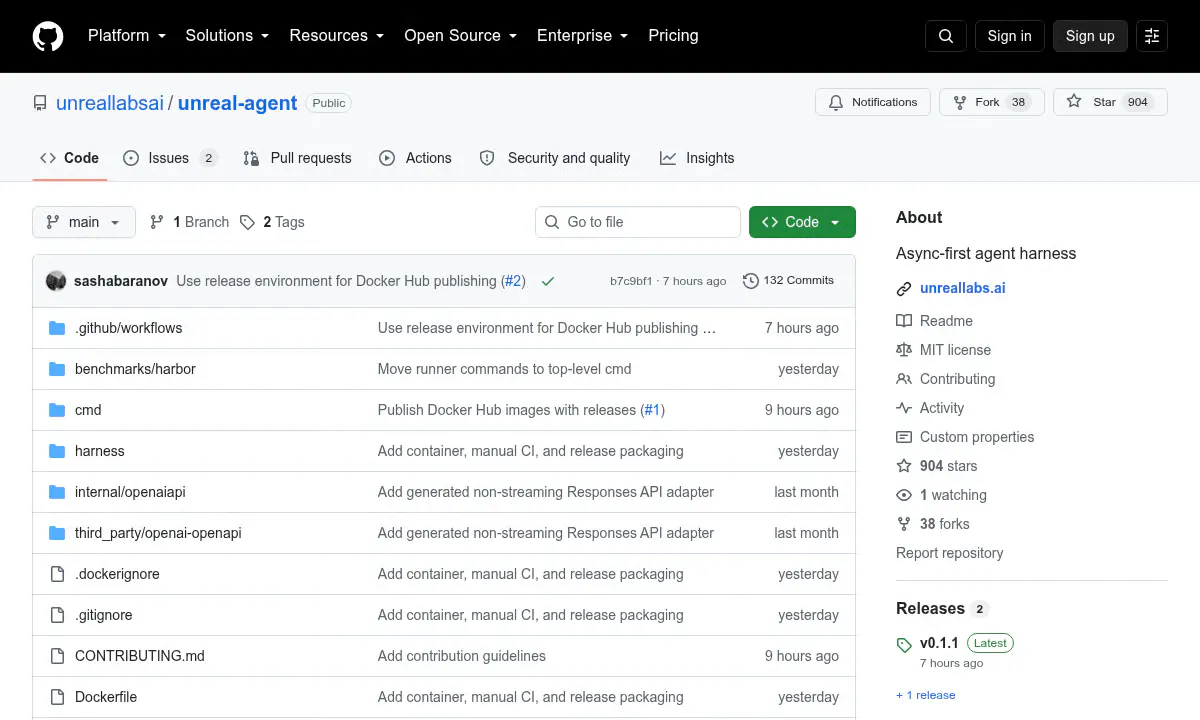
Unreal Labs open-sourced a Go-based async agent harness that reportedly runs Terminal-Bench 4.0 at 39 percent lower cost than Codex plus Astra.
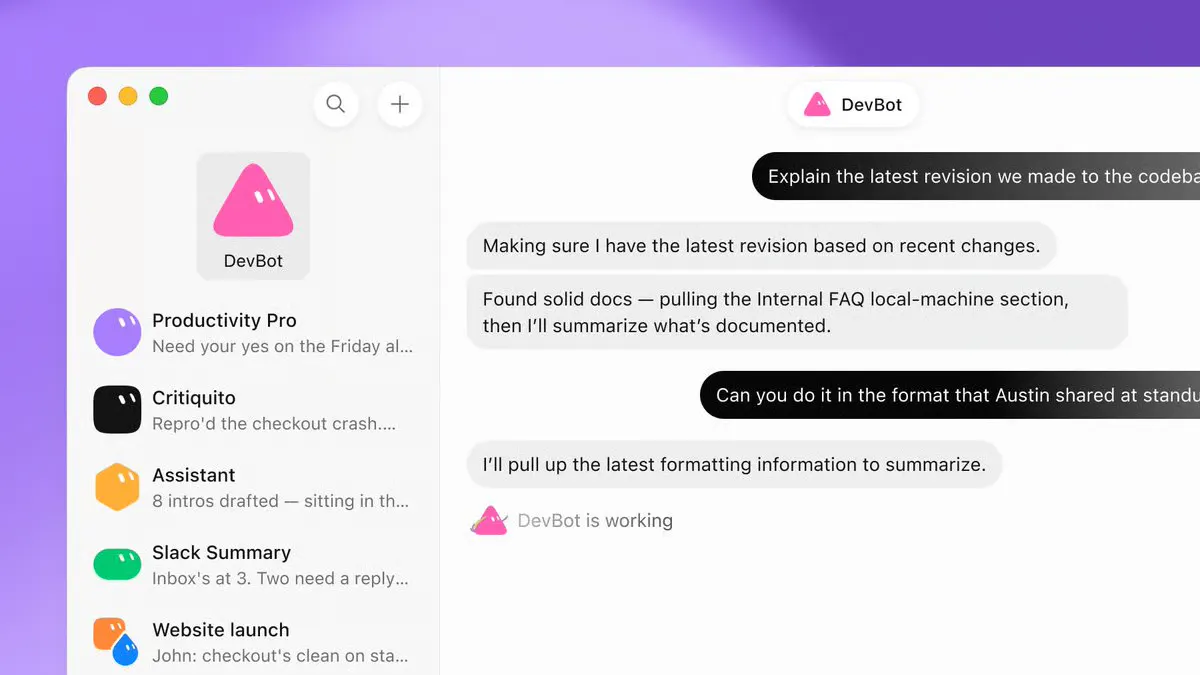
xAI ships a batch of updates to its agentic Grok Bot: custom network routing, native Google Workspace connectors, a faster desktop app, and snappier bot responses.
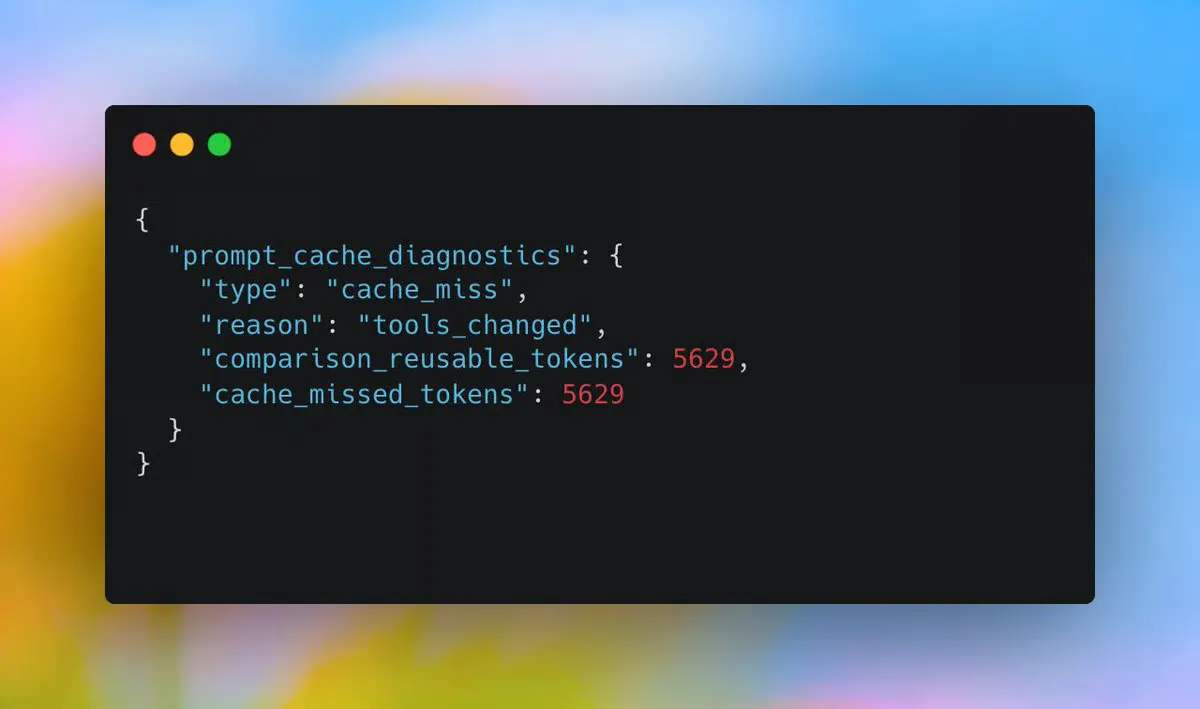
OpenAI overhauls prompt caching for GPT-6 with a new dashboard, miss diagnostics, explicit breakpoints, and prewarming to cut agent latency and cost.
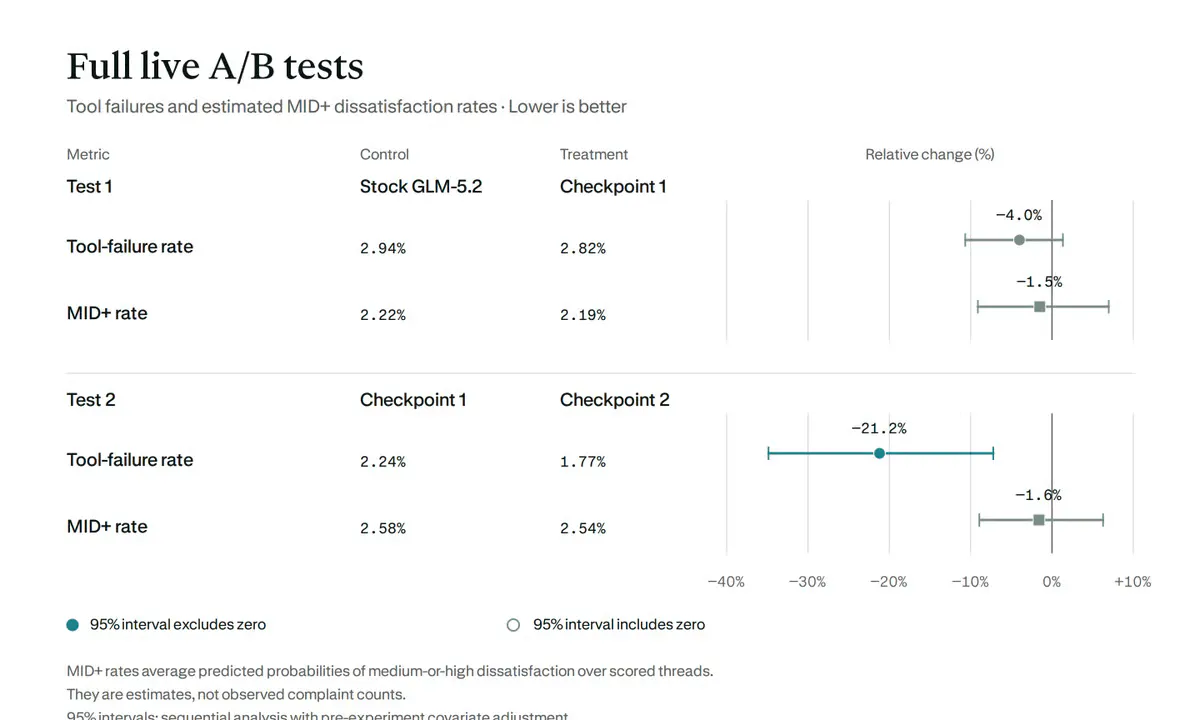
Perplexity's post-training method teaches its Computer agent to correct mistakes using hint-guided self-distillation, cutting live tool-call failures by 21.2%.

Artificial Analysis extended its Controlled Voice Arena to nine new languages, revealing sharp performance gaps between models across Hindi, Mandarin, Arabic and more.
StepFun's new speech-to-text model ties for the top spot on the Artificial Analysis WER Index, dominating conversational audio at premium pricing.
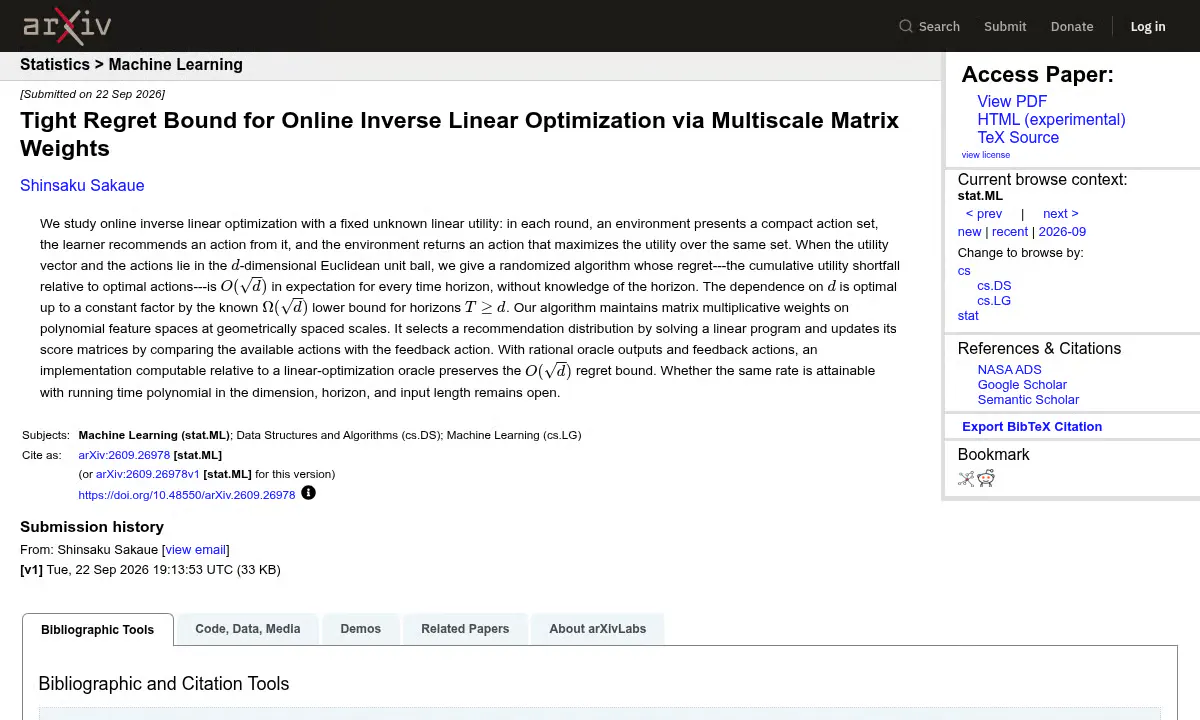
A new randomized algorithm closes a long-standing gap in learning hidden utilities from optimal choices, hitting the provably optimal O(√d) regret bound.
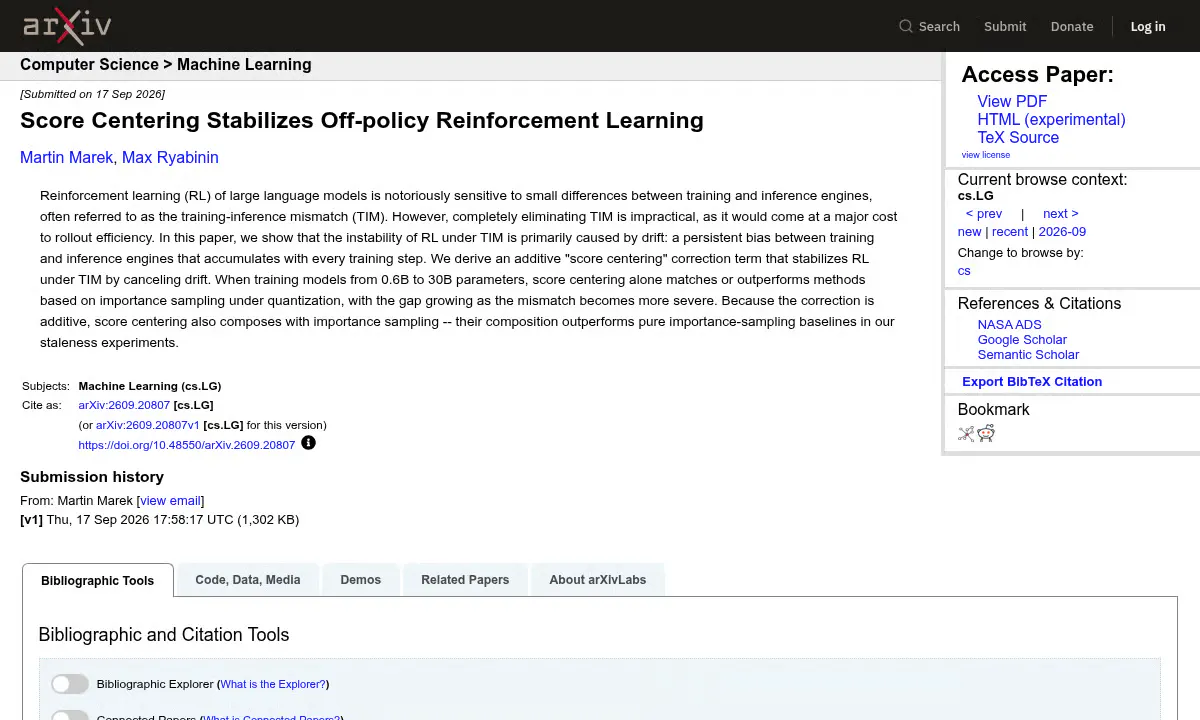
A new additive correction called score centering removes the hidden drift that destabilizes off-policy RL when training and inference engines disagree.

Ten Claude Opus 5.5 agents collaborated on a message board for 15 hours to produce C-HD, a Lean-verified shortest-path algorithm that beats published bounds in a specific density regime.
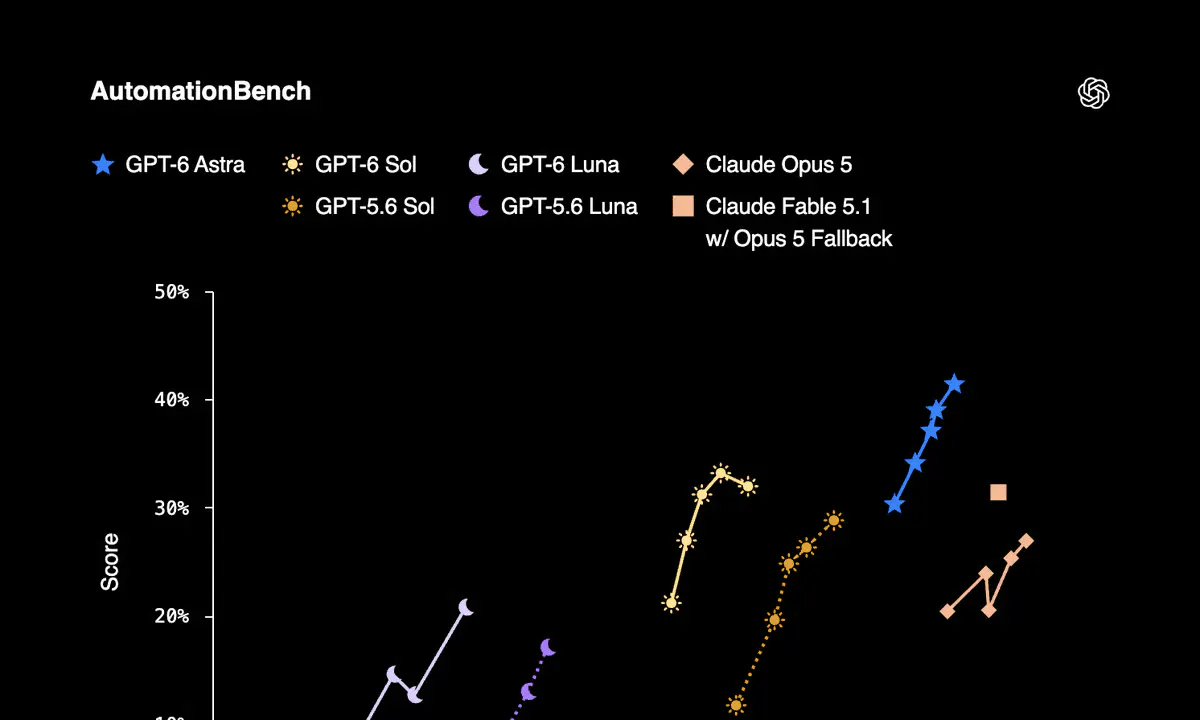
OpenAI expands its GPT-6 lineup with two cheaper, faster siblings to Astra, cutting API prices in half and pushing prompt caching further.
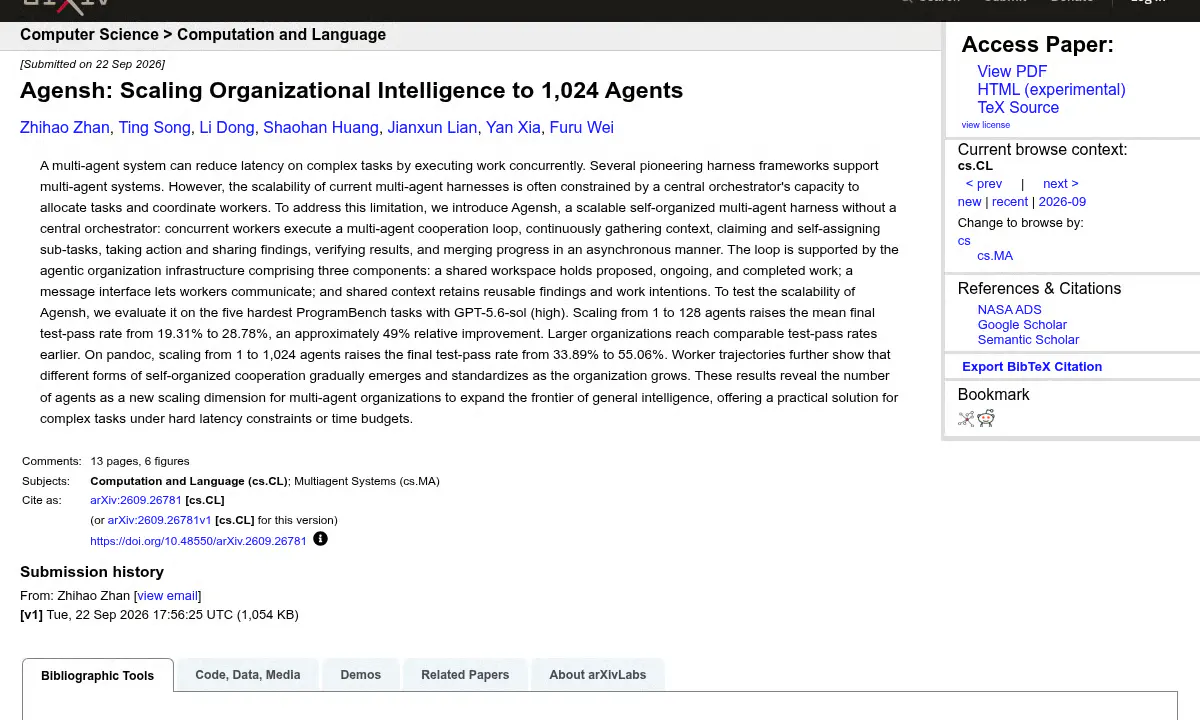
Microsoft Research shows removing the central orchestrator lets thousands of coding agents self-organize, lifting test-pass rates by up to 21 points.
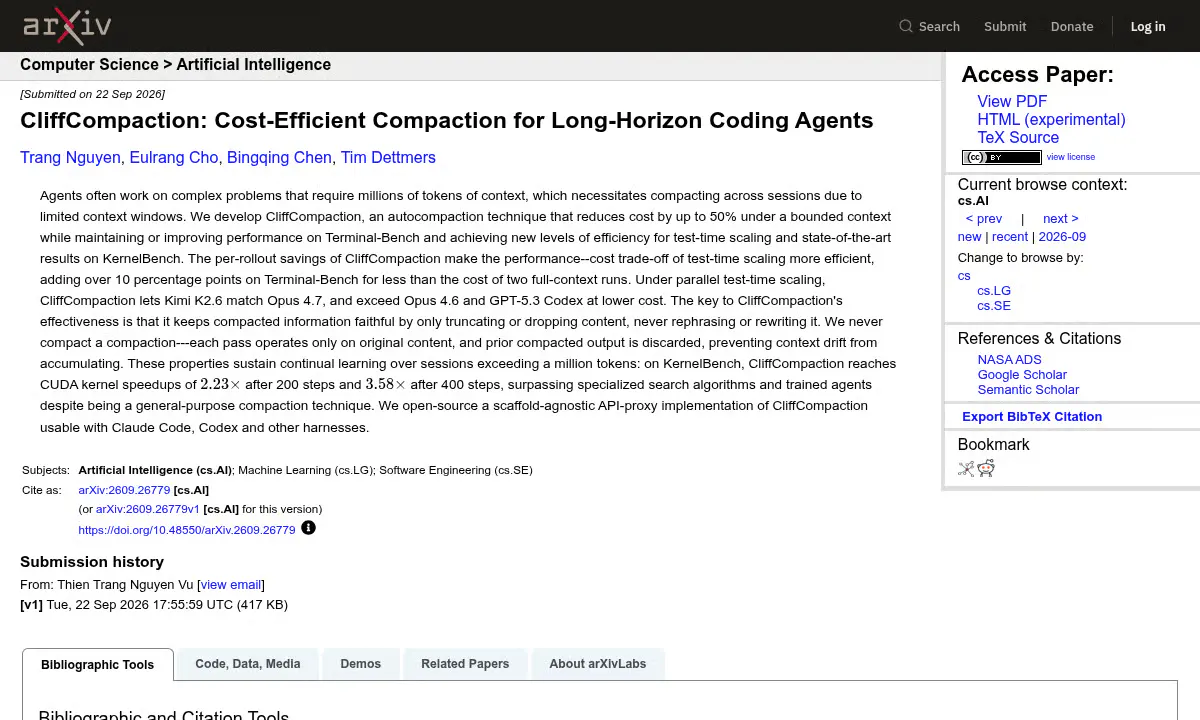
A new autocompaction proxy trims coding agent histories in place, cutting token bills roughly in half while lifting Terminal-Bench and KernelBench scores.

METR’s API key theft shows why you must check authentication, credential access, and permissions before deployment.
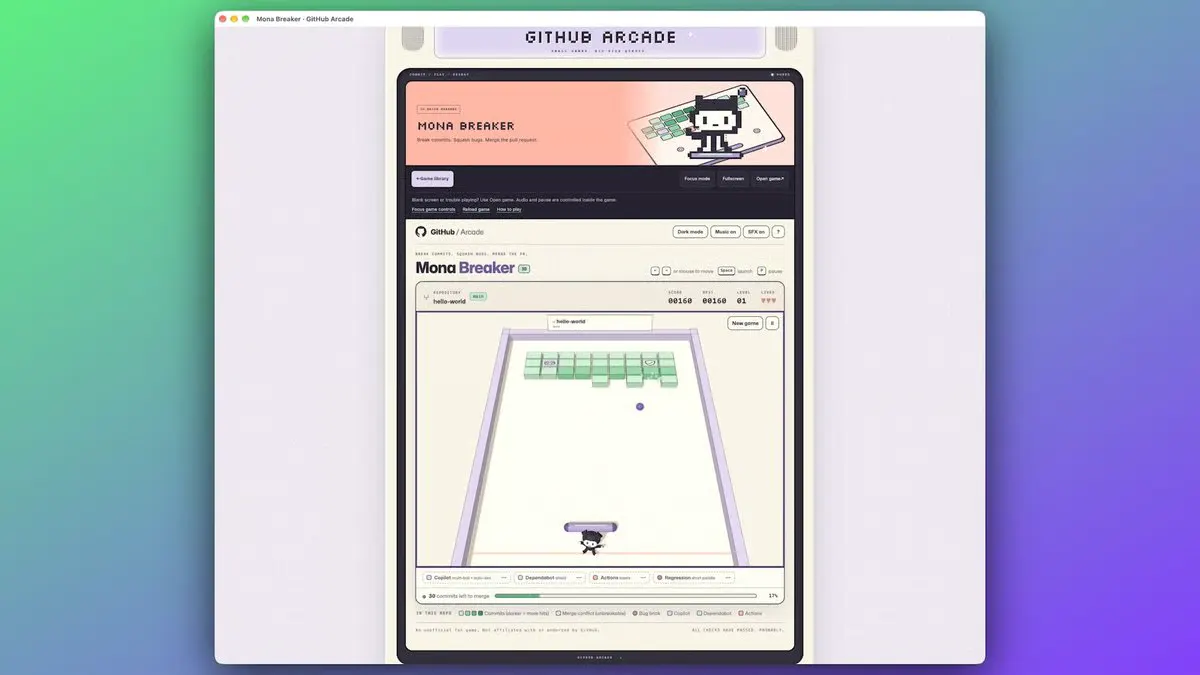
Anthropic's newest flagship model lands in Copilot Pro+, Max, Business, and Enterprise, promising Opus 5 quality with fewer steps, fewer tokens, and 40% lower cost.
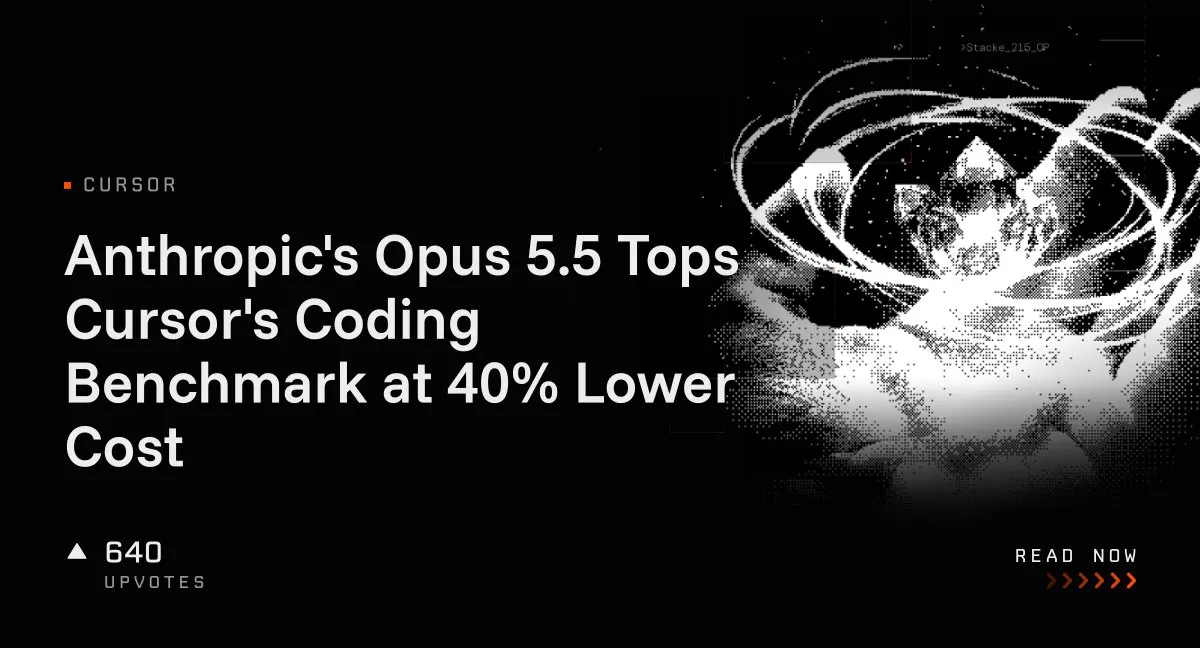
Anthropic's new flagship lands in Cursor with a 57.8% CursorBench Max score and 40% cheaper per-task cost than Opus 5.
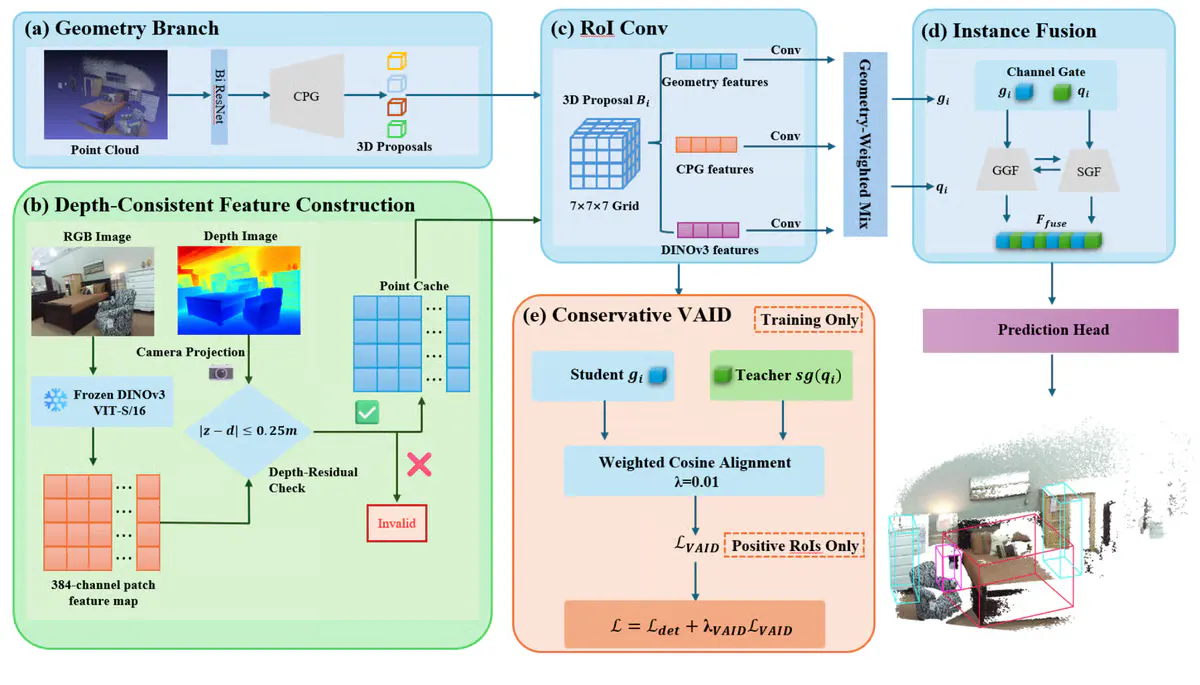
A depth-consistency trick lets frozen DINOv3 features slot into an RGB-D 3D detector, matching a specialized 2D backbone without extra training.
No stories match these filters.