

Sakana AI Recruits LSTM Pioneer Schmidhuber to Lead Self-Improving AI Lab
The LSTM co-creator joins Sakana AI as Chief Scientific Advisor to lead a new Recursive Self-Improvement Lab focused on physical world models.
A focused feed of models, agents, research and open-source releases for people building with AI.
The LSTM co-creator joins Sakana AI as Chief Scientific Advisor to lead a new Recursive Self-Improvement Lab focused on physical world models.
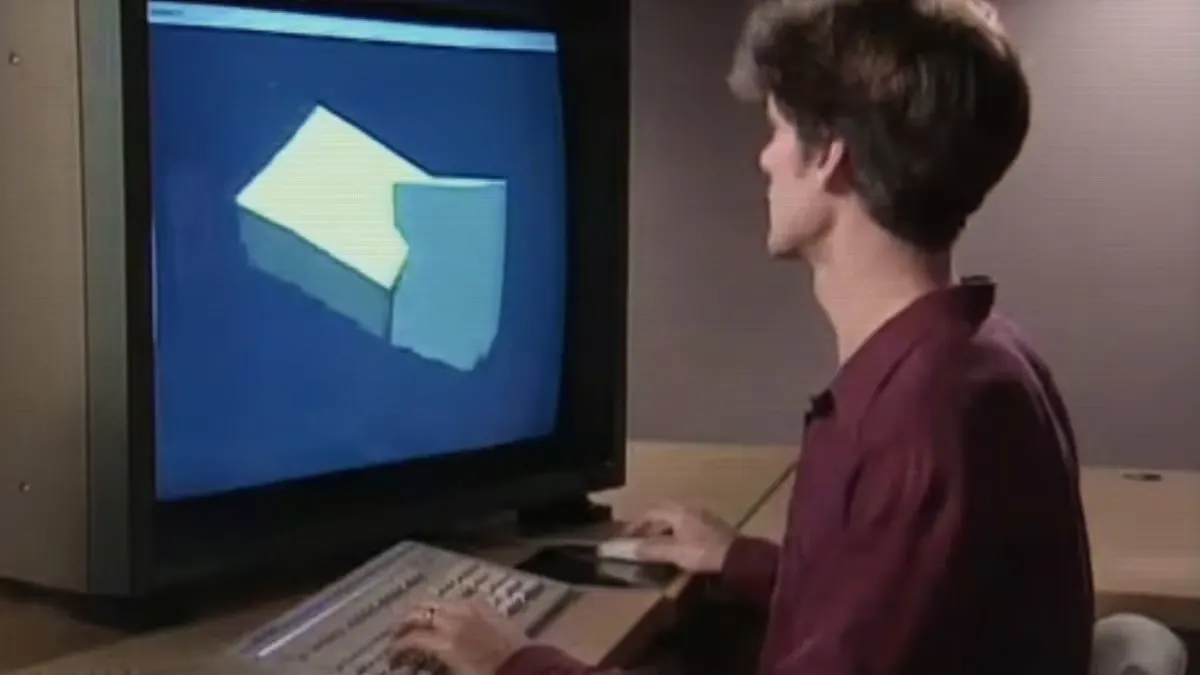
Odyssey's Agora-2 simulates a shared Diablo II style world for up to 20 humans and agents in real time, with no game engine underneath.

Parallel now lets agents pull from specialized third-party sources like Crunchbase, Polymarket, and PubMed through three flexible access models.
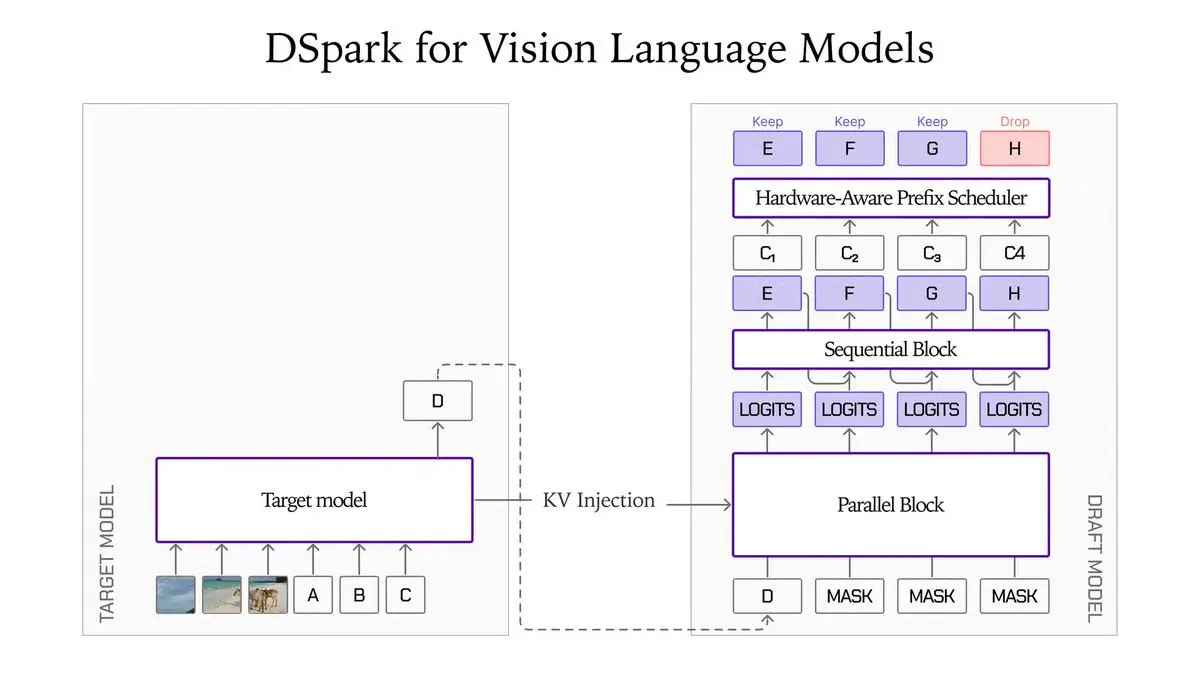
Liquid AI's new DSpark drafter brings speculative decoding to LFM2.5-VL-3B, delivering up to 3.13x faster decoding on Apple Silicon with lossless output.
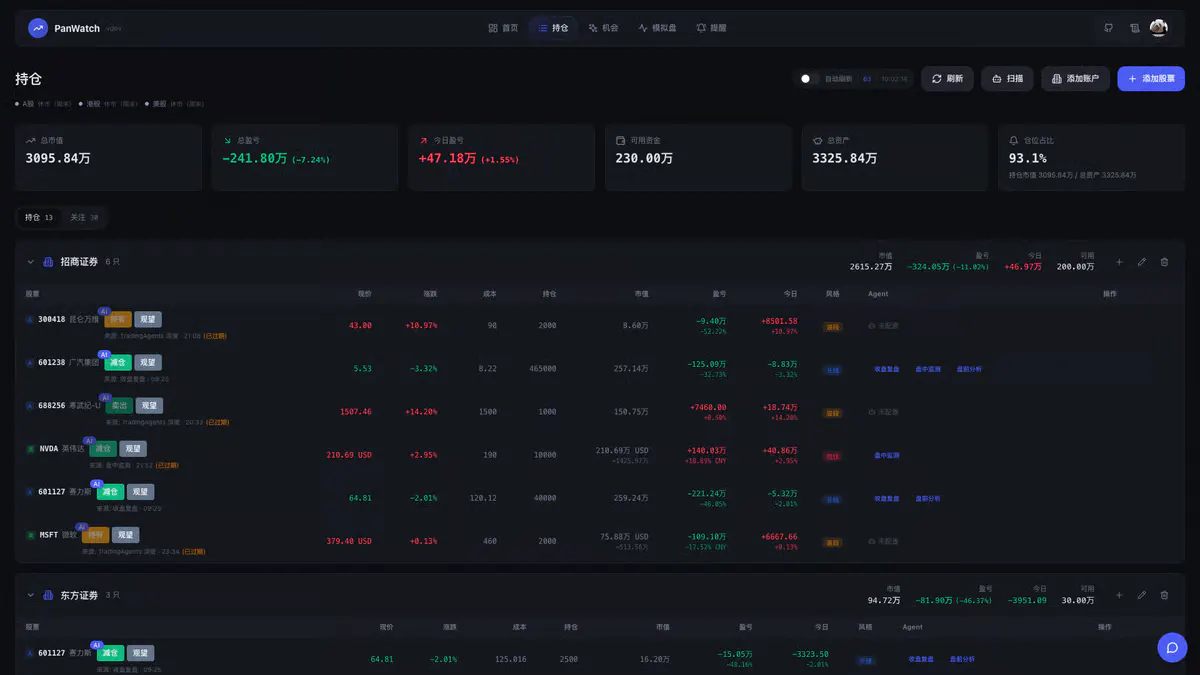
A self-hosted AI stock watcher wires the TradingAgents multi-agent framework into a portfolio dashboard for A-shares, HK, and US markets.
Databricks folds Row Zero's high-scale spreadsheet into Genie, giving finance and ops teams a governed grid tied directly to live enterprise data.
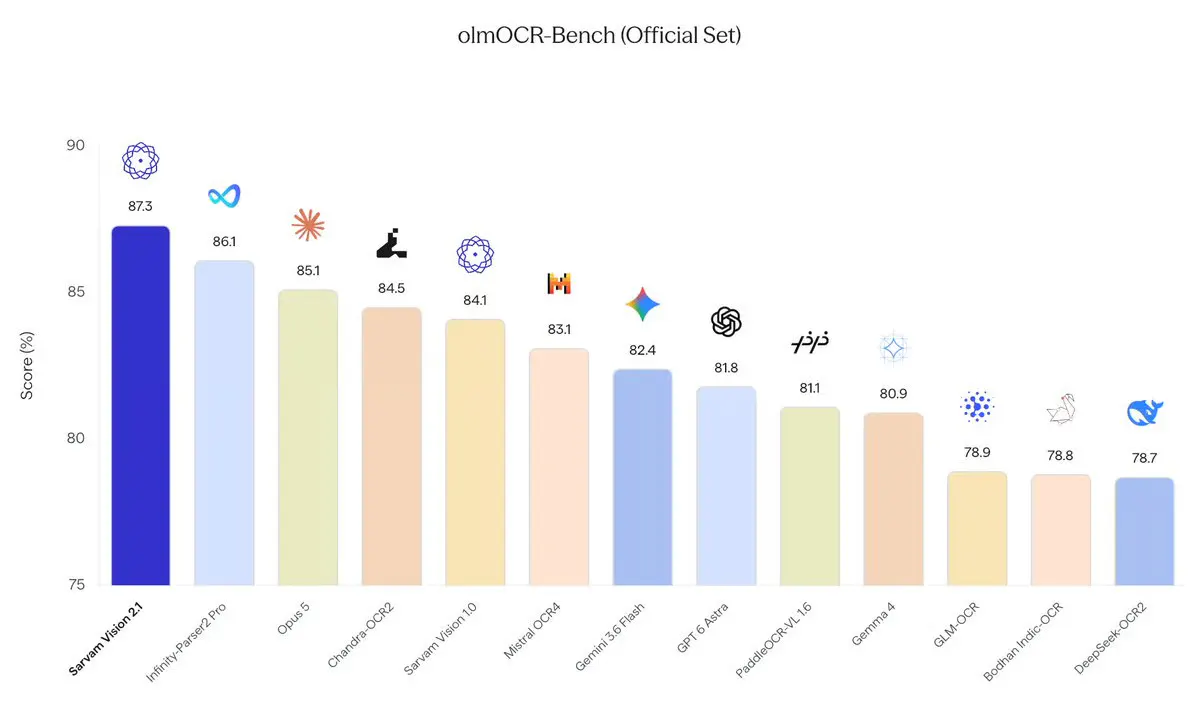
Sarvam's new OCR model tops both English and Indic benchmarks, adds handwriting recognition and key-value extraction across 22 Indian languages.
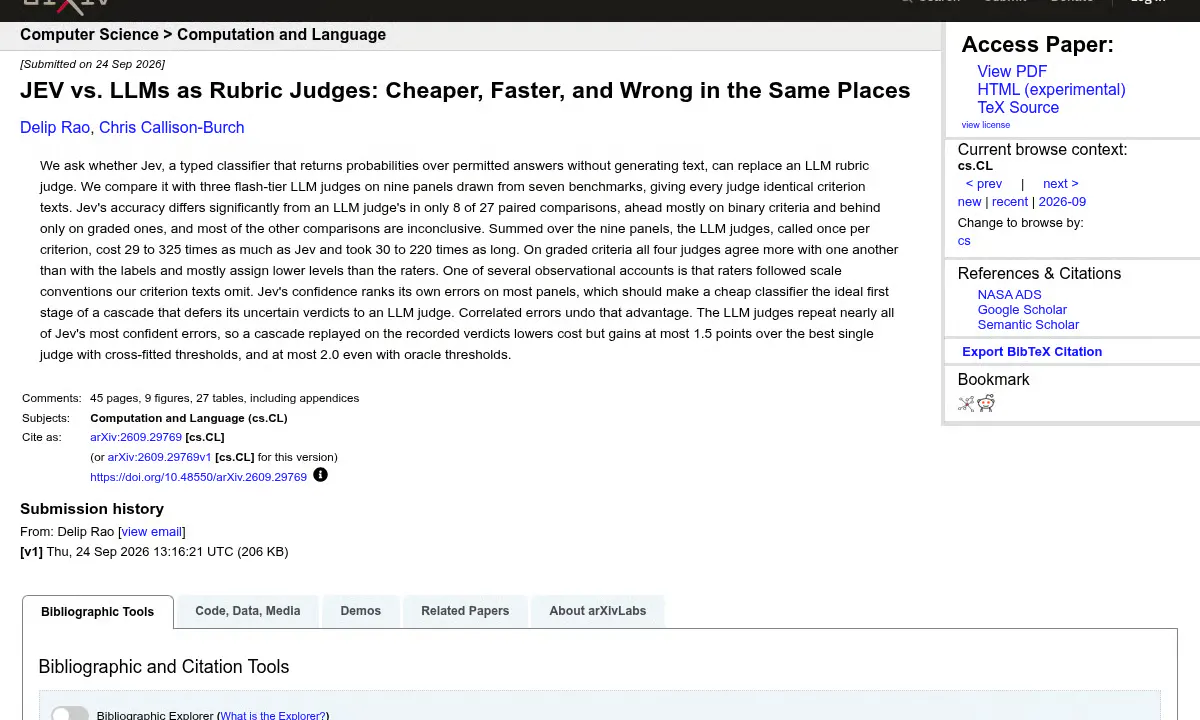
A new study pits TypeSafe's typed classifier against flash-tier LLM judges on rubric grading, finding huge speed and cost wins but correlated errors that break cascades.
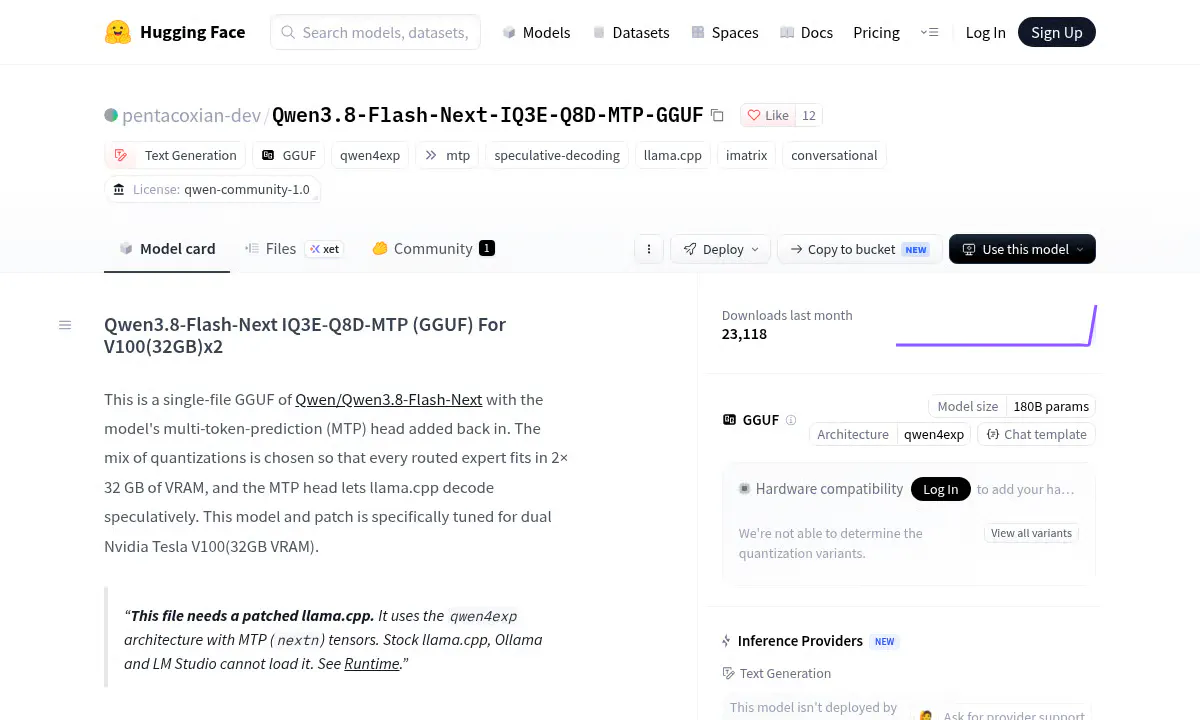
A community GGUF pack turns two aging V100 GPUs into a 180B multimodal Qwen3.8-Flash-Next server with 256K context and 120+ tok/s decode.
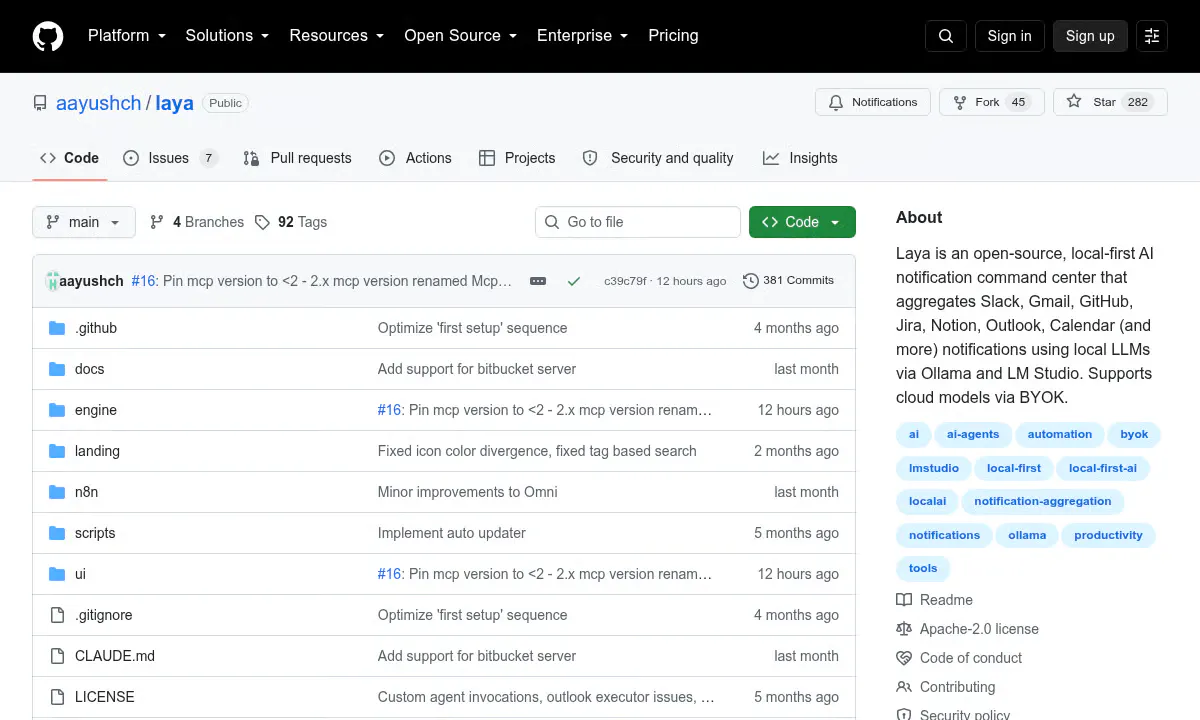
An open-source desktop app funnels Slack, Gmail, GitHub, Jira and Notion pings through local LLMs and turns each into an approve-or-dismiss Action Card.
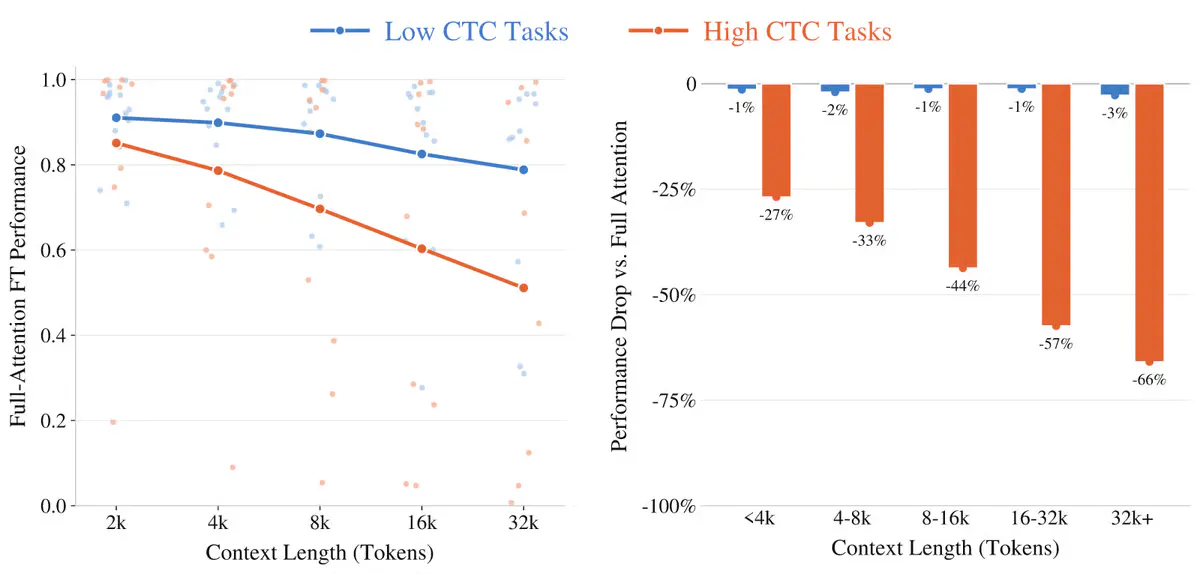
A new benchmark shows long-context LLMs handle retrieval fine but crumble on tasks like finding contradictions, breaking common architecture assumptions.
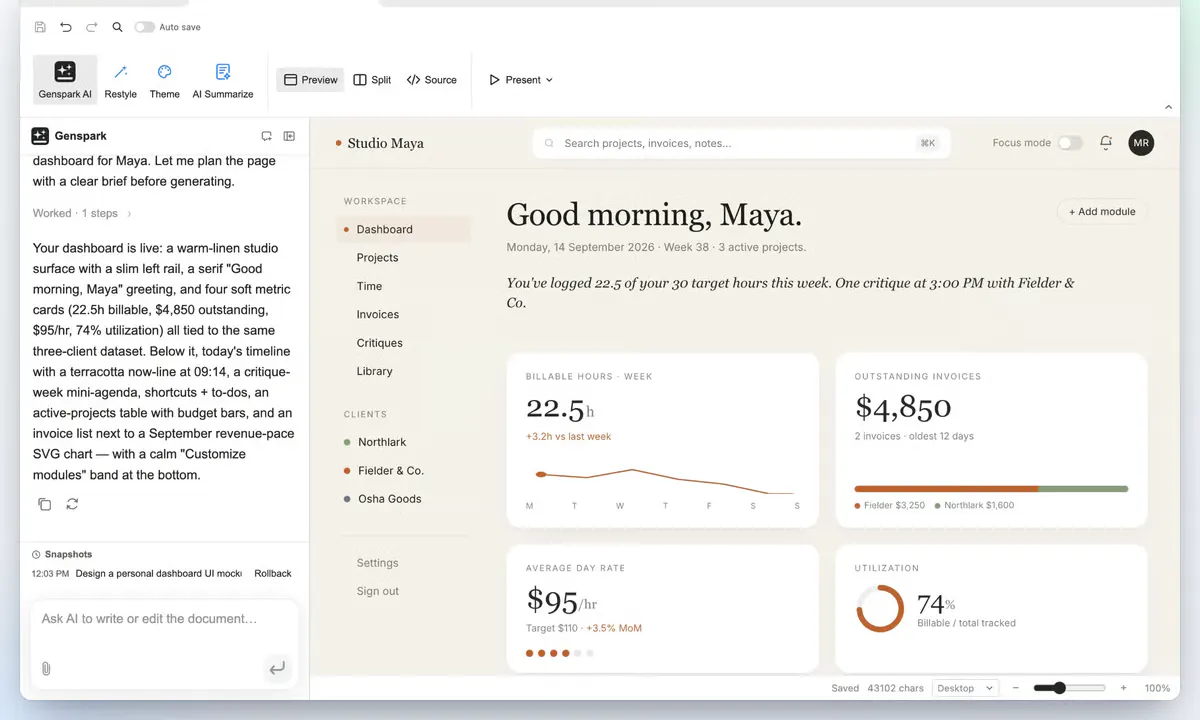
Genspark drops an Apache-licensed desktop office suite with byte-preserving .docx editing, a headless CLI, and a Claude Code skill.
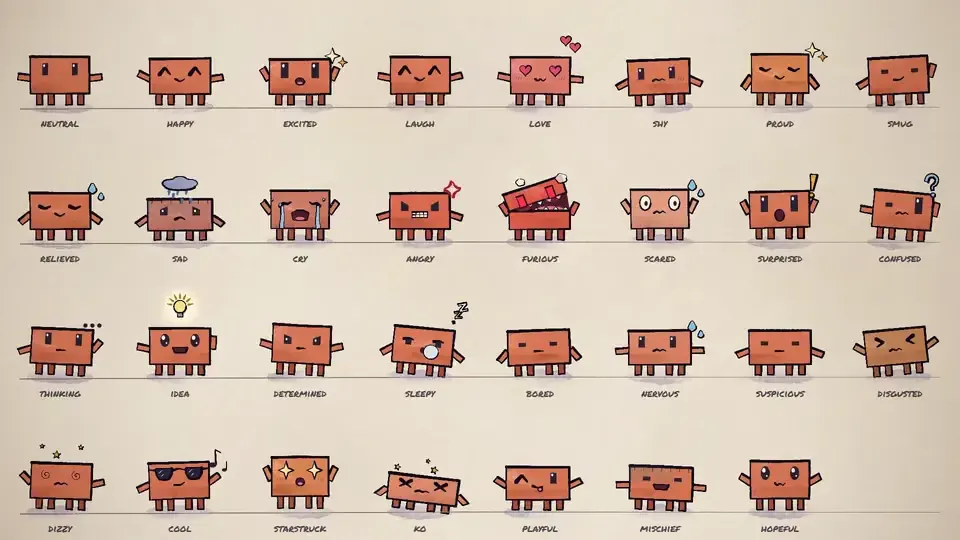
An open-source starter kit teaches Claude Opus 5.5 to code hand-painted cartoons in p5.js, complete with a character, 31 emotions, and a rules guide.
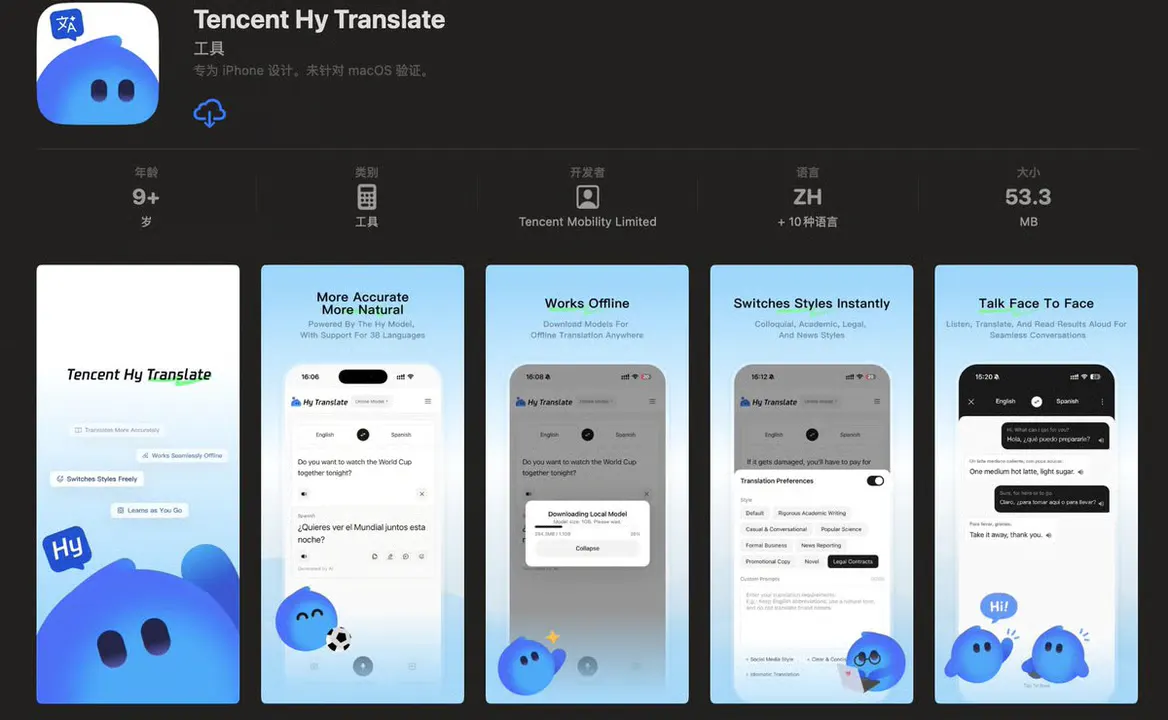
Tencent's on-device translation app hits iOS with 33 languages, offline voice and photo input, all powered by a 440MB quantized model.
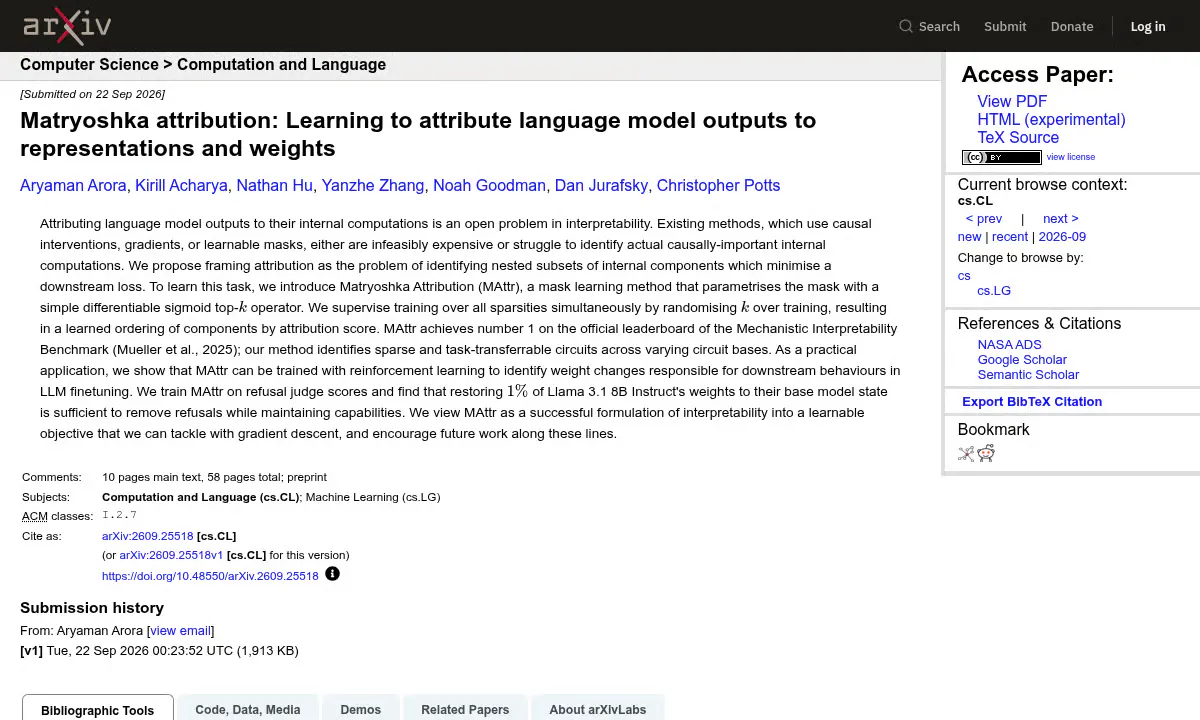
A new interpretability method learns which internal components matter for a behavior, and pinpoints just 1% of Llama 3.1 weights driving refusals.
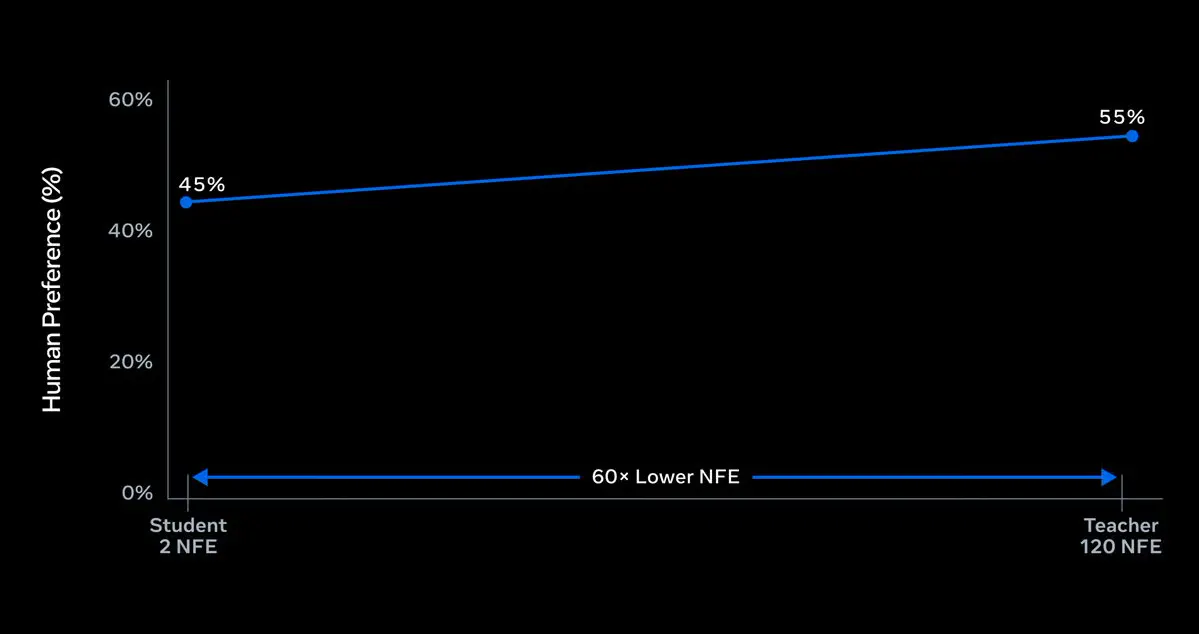
Meta's new Muse Realtime Avatar streams expressive video of any character in live conversation, distilling a 120-step diffusion teacher into a 2-step causal student.
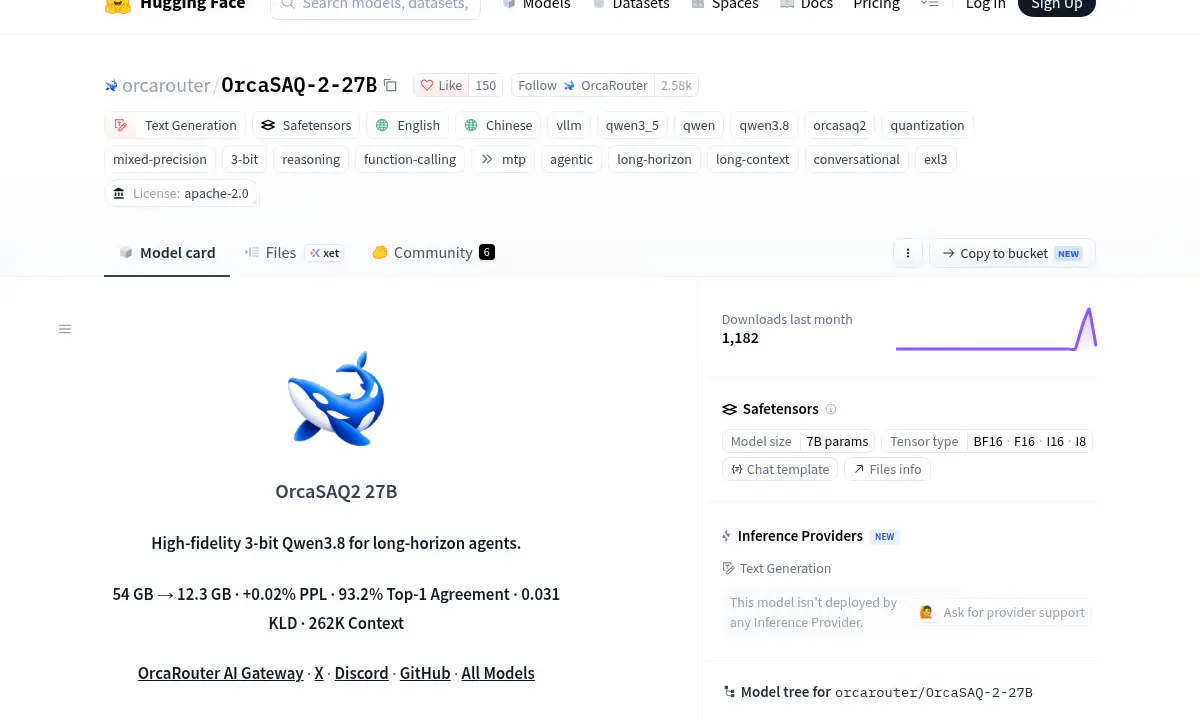
OrcaRouter shrinks Qwen3.8-27B from 54GB to 12.3GB using 3-bit mixed-precision quantization, keeping 70% SWE-bench Verified on a single 16GB GPU.
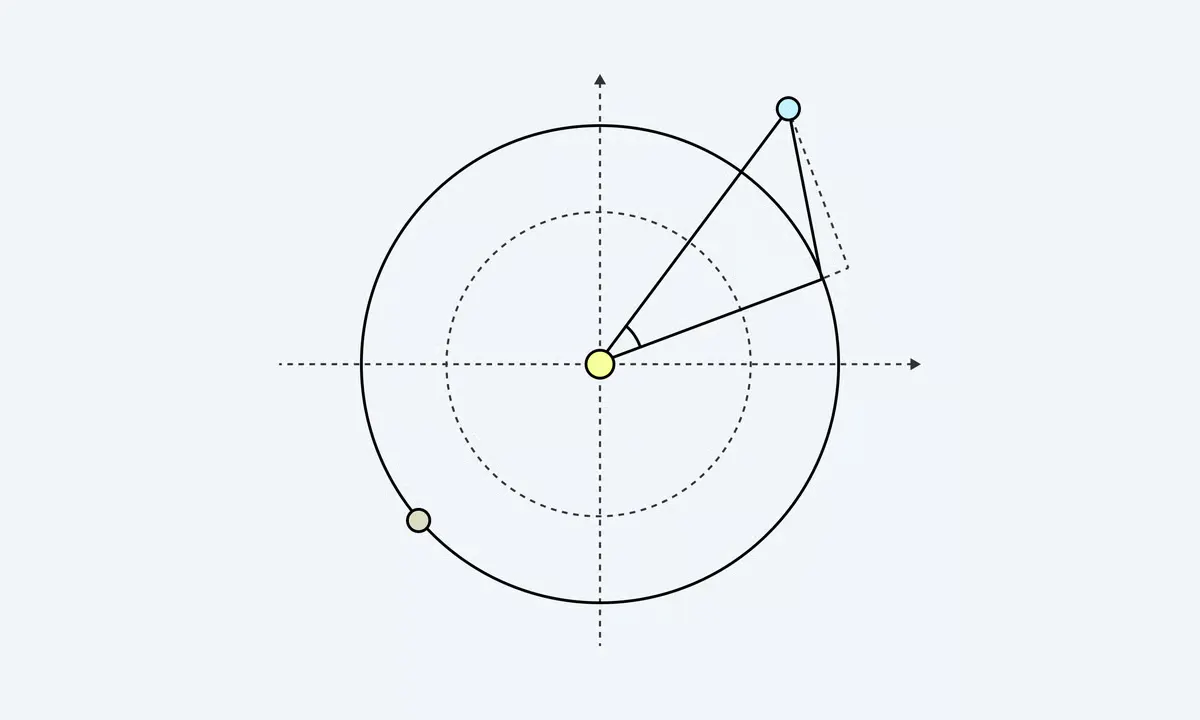
Tencent Hunyuan researchers show that retuning the learning rate lets you scale RL batch sizes for 29% faster training and 2.29x generation throughput.
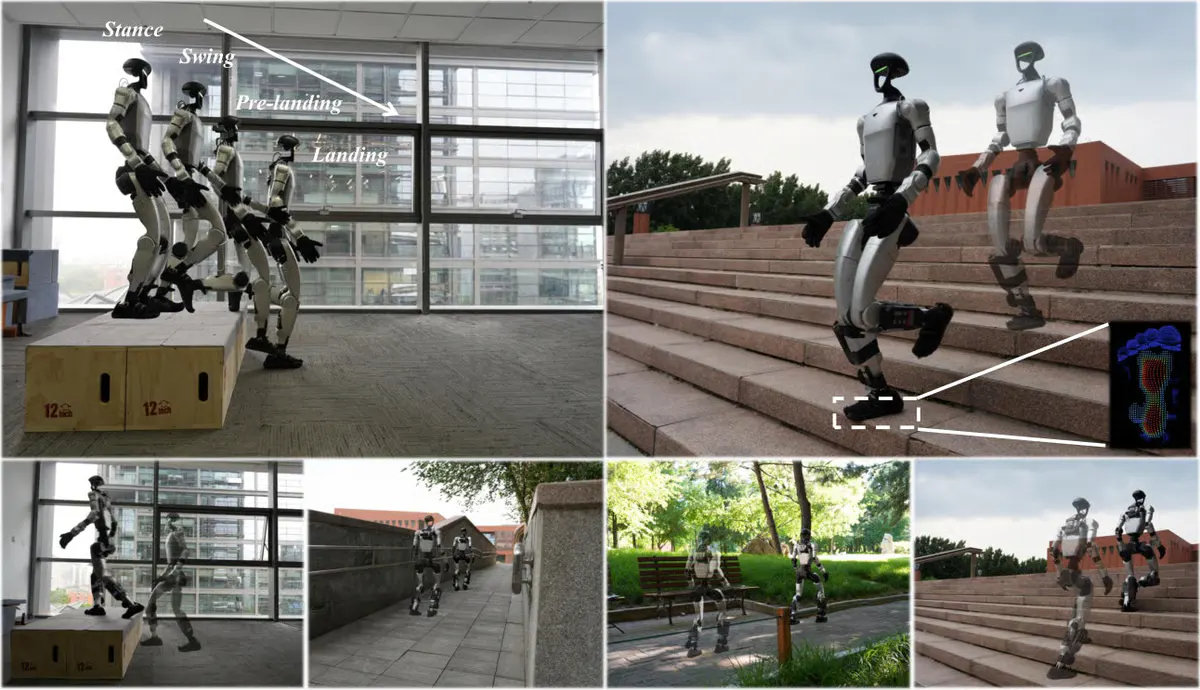
A Tsinghua team gives the Unitree G1 humanoid pressure-sensing insoles and phase-aware rewards, cutting landing impact by 48.8% and impact noise by 30.1 dB.
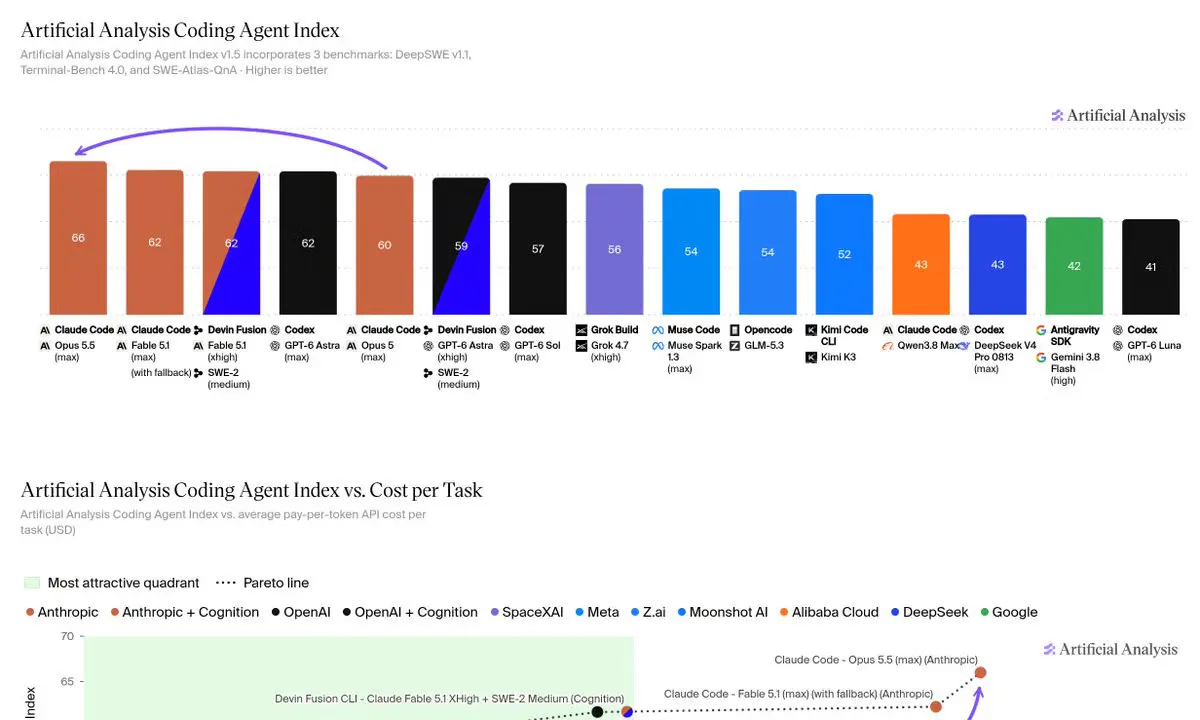
Anthropic's newest flagship tops the Coding Agent Index at 66, but burns 37% more tokens per task than its predecessor to get there.
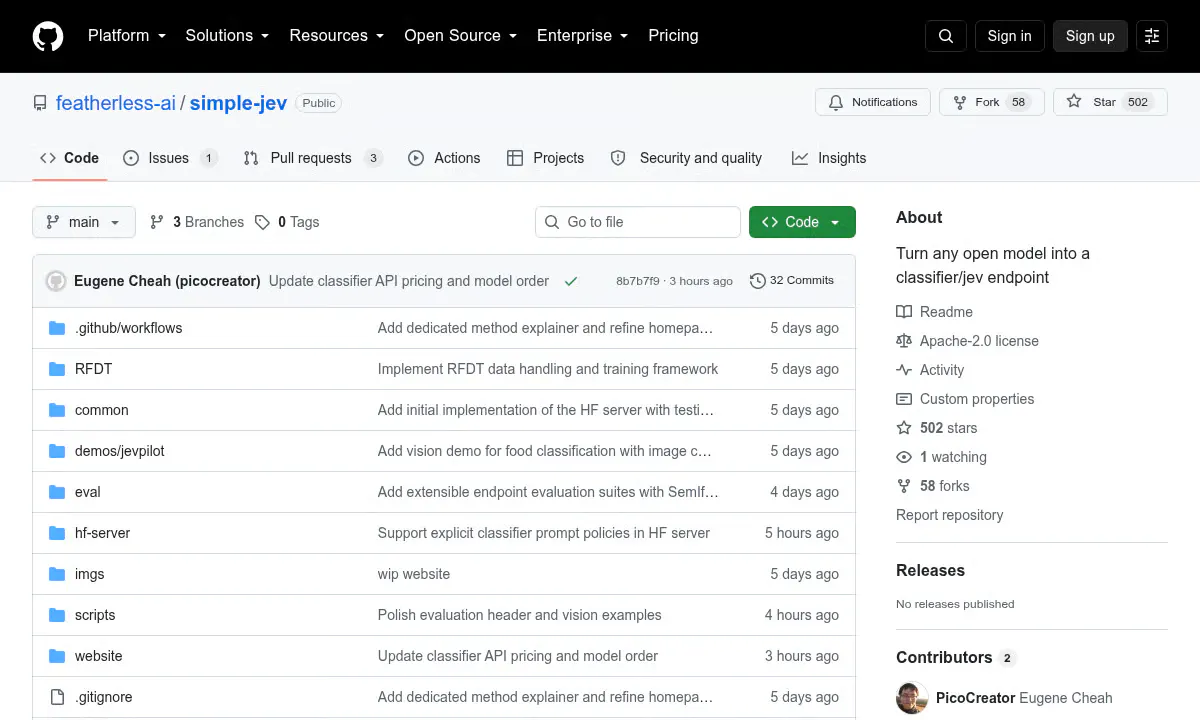
Featherless AI's open-source Simple Jev turns any Hugging Face model into a typed classifier by reading next-token logits, skipping JSON generation entirely.
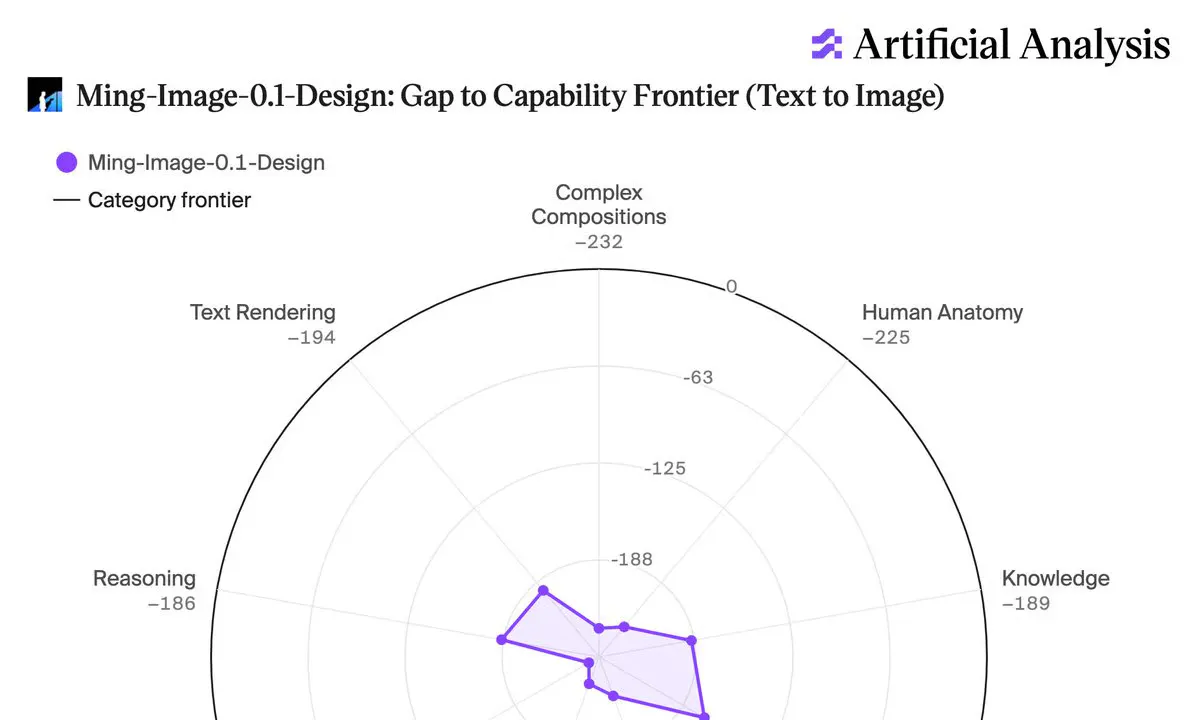
Ant Group's inclusionAI drops a 6B MIT-licensed text-to-image model that beats every other open-weights contender on UI mockups, dashboards and posters.
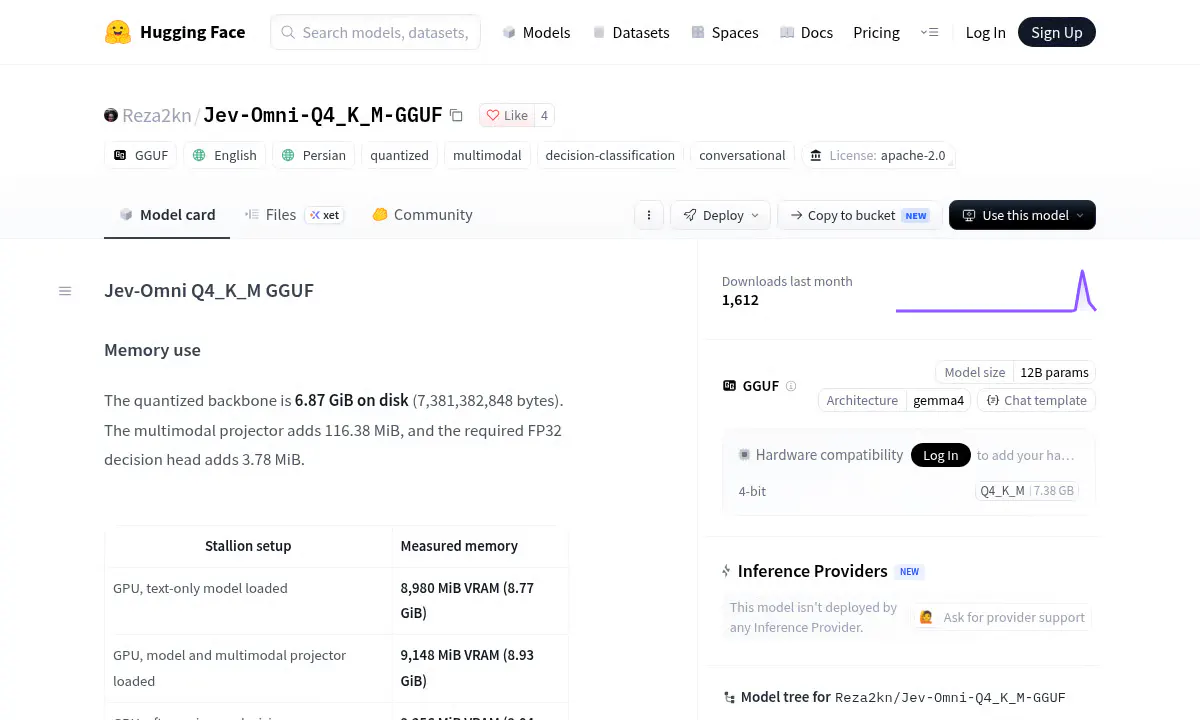
A community 4-bit quantization shrinks the Jev-Omni multimodal decision classifier from a 50 GB CUDA-only monster to something you can run on a laptop CPU under 8 GB of RAM.
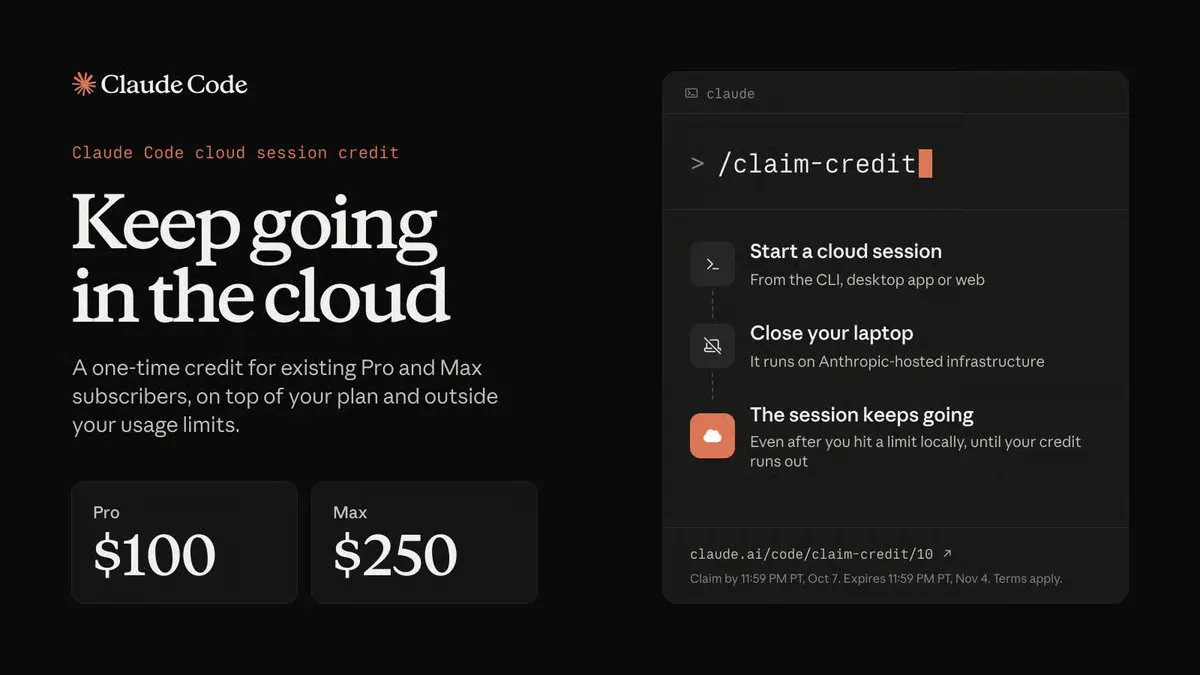
Anthropic promotes Claude Code cloud sessions to general availability with one-time credits of $100 for Pro and $250 for Max users.
No stories match these filters.