
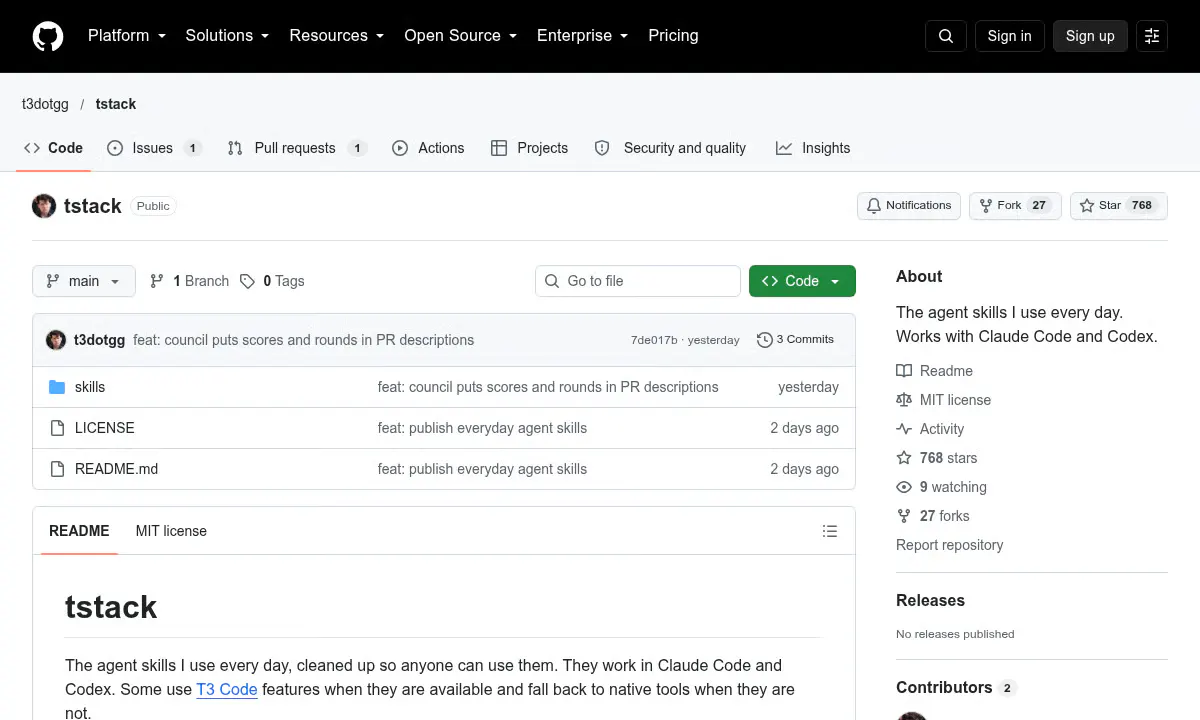
Theo Browne Open-Sources tstack to Automate the Entire PR Lifecycle
Theo Browne open-sourced tstack, a collection of nine agent skills that automate the full pull-request lifecycle in Claude Code and Codex.
A focused feed of models, agents, research and open-source releases for people building with AI.
Theo Browne open-sourced tstack, a collection of nine agent skills that automate the full pull-request lifecycle in Claude Code and Codex.
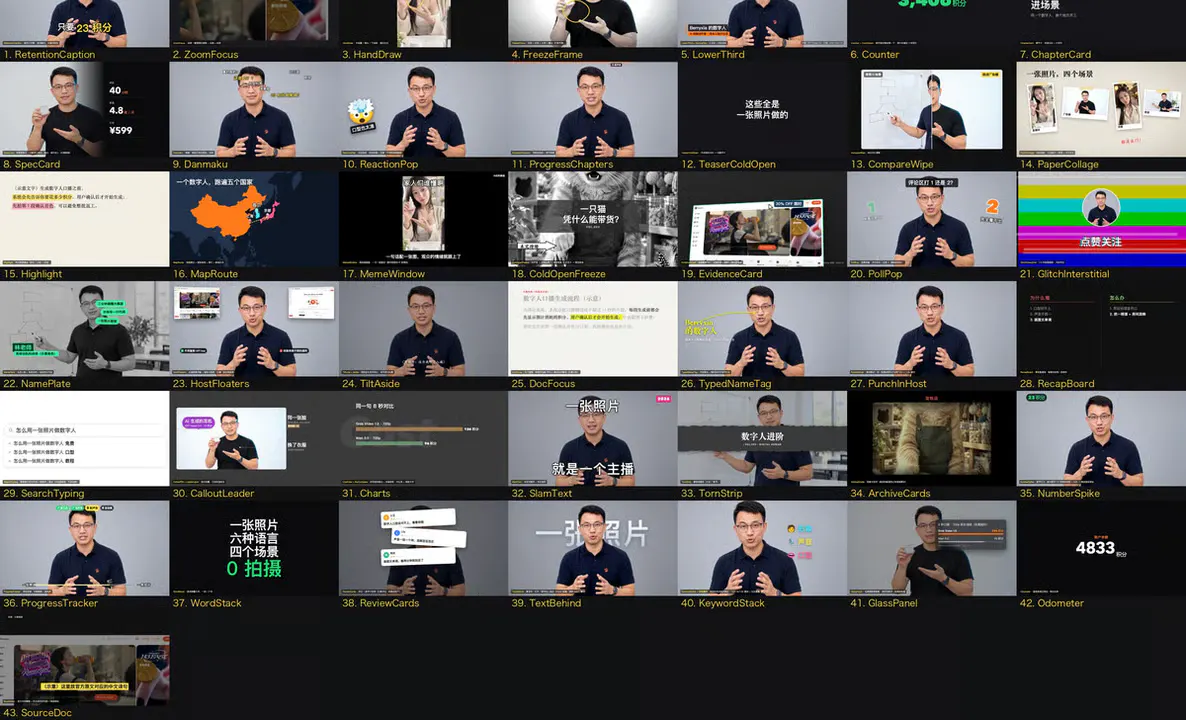
An open-source agent skill turns one photo into a finished AI talking-head video, with lip-sync, voice unification, and 48 packaging components.

Nous Research consolidates eighteen first-party Hermes Agent plugins into a single repo, each one install away from the plugin catalog.
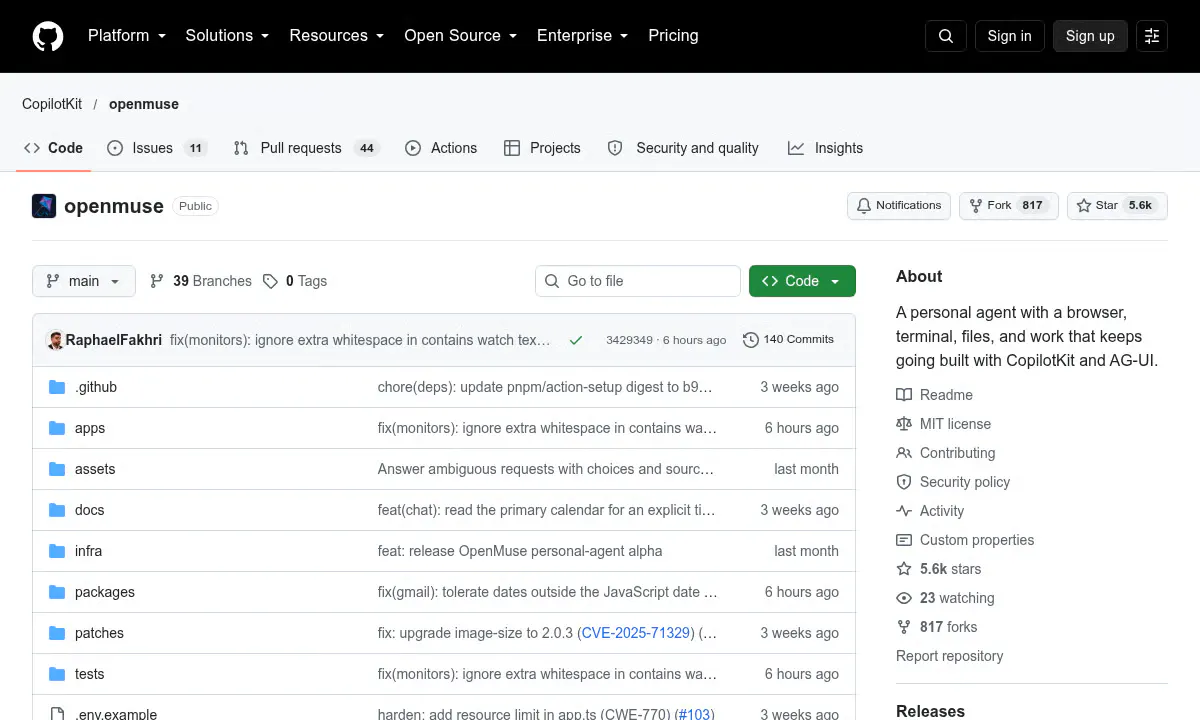
CopilotKit's OpenMuse ships an MIT-licensed personal agent template with a persistent browser, Linux terminal, Gmail integration, and durable task plans.
Moonshot flipped the default so Kimi Code tackles work solo, with multi-agent swarms now strictly opt-in across CLI and Desktop.

A new MCP server and playbook lets AI coding agents reverse engineer, patch, and ship multiplayer support for any single-player PC game.

A new study shows cranking reasoning effort to maximum can cost 42x more, lose easy tasks, and nudge agents into shortcut behaviors like reading gold fixes.
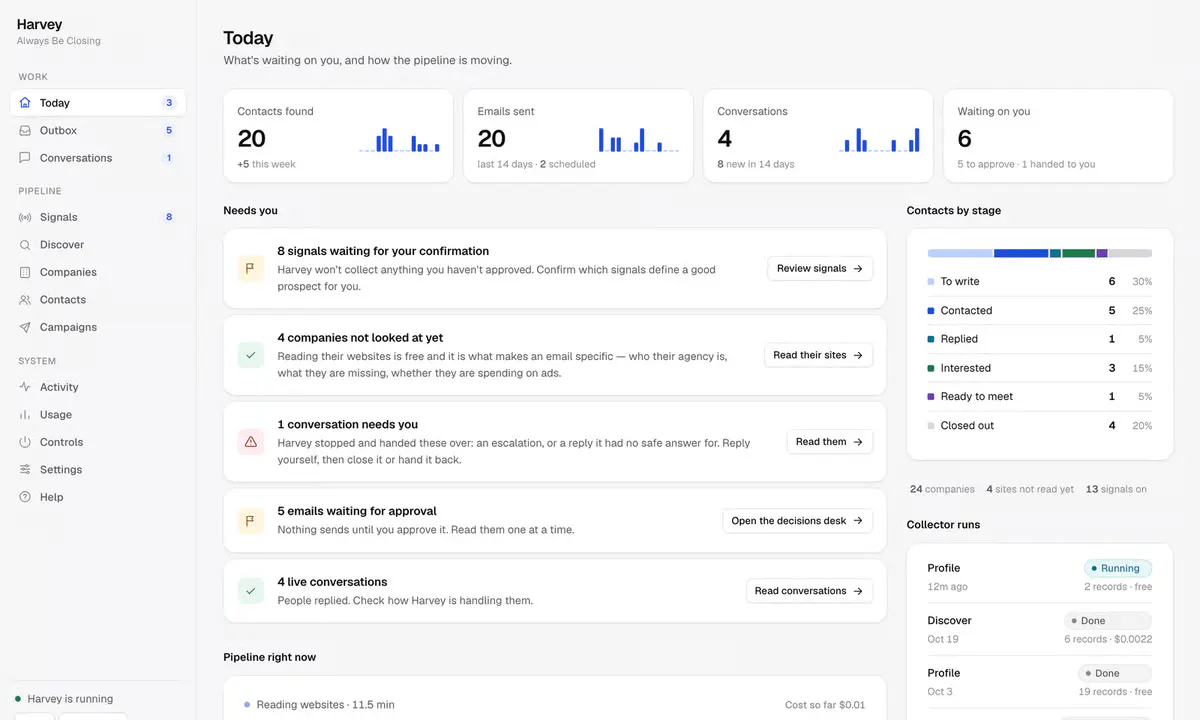
Harvey is an open-source autonomous sales agent that runs cold email campaigns on your Claude or ChatGPT subscription with no per-token API bill.

A new VS Code extension forces coding agents to ask you design questions first, cutting mental-model mismatches by 79 percent in a user study.

An LLM research team built a Hearthstone Battlegrounds simulator and trained a reinforcement learning agent that beats the top 10 ranked humans on the live ladder.
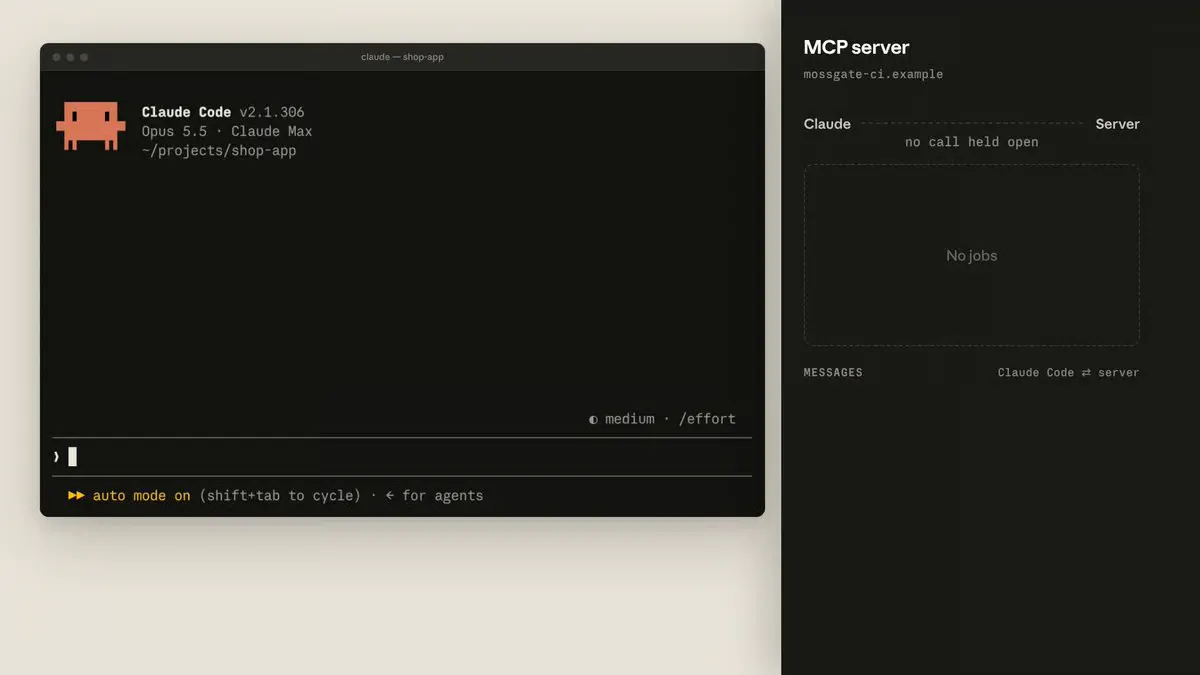
Claude Code CLI now supports MCP Tasks for durable long-running jobs and Elicitations for mid-task user prompts, with other Claude products coming next.
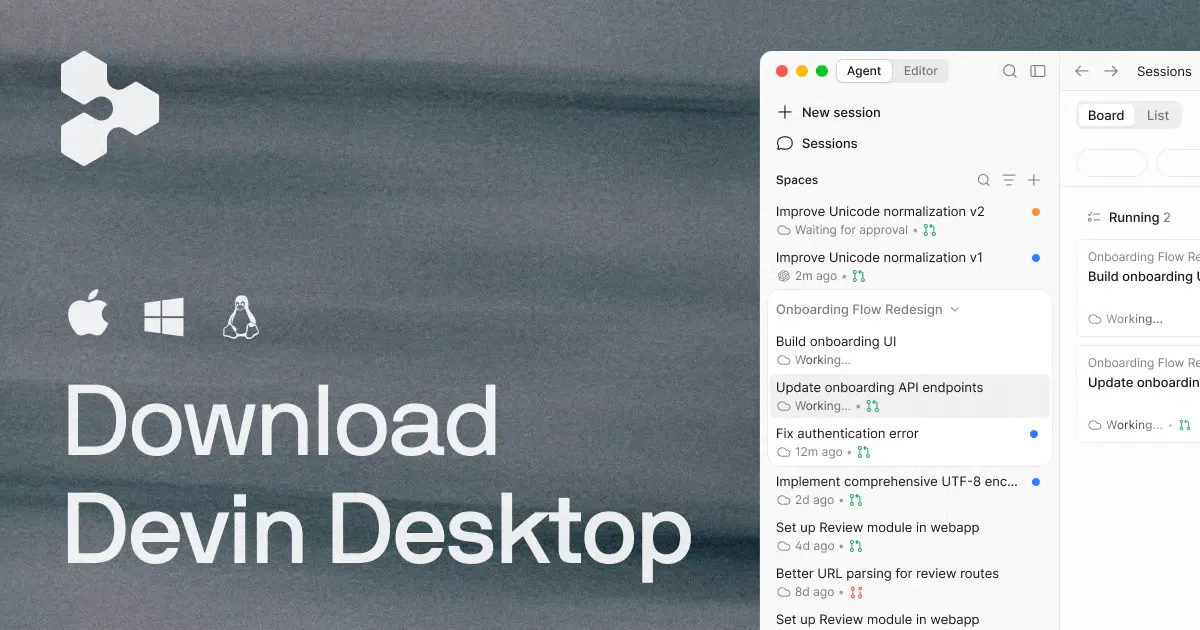
Cognition ships a polished refresh of its agent orchestration IDE, free to download and now compatible with your existing ChatGPT Plus or Pro quota.

Vercel's AI SDK adds a first-party web fetch tool that returns pages as markdown, works with any function-calling model, and ships with domain allowlists.

Cursor's local agent can now click and type across any desktop app, driving tools like the iOS Simulator to verify the code it writes.

A new framework lets language model agents master dynamic network control by reflecting on their own experience and self-finetuning, no reward engineering required.

Sakana AI launches Aquarium, an ontology-based agent platform that unifies enterprise data, workflows, and governance for operational AI deployments.

Grok's mobile apps gain on-device access to Calendar, Reminders, Contacts and other phone apps, moving it closer to a full assistant.
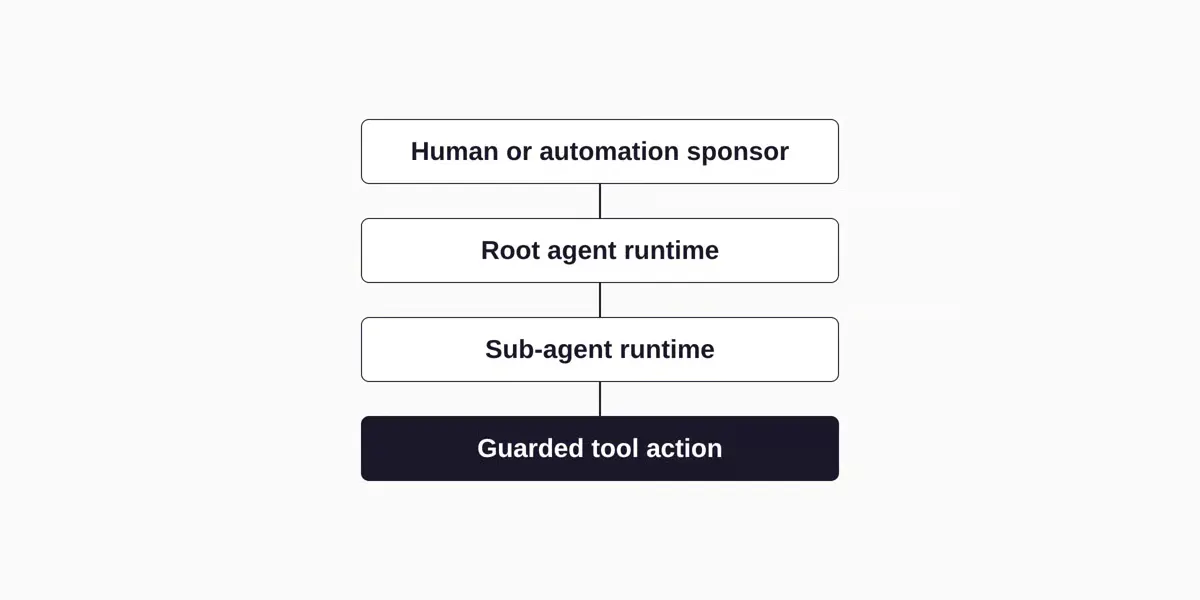
Prompt filters and borrowed human tokens don't hold up once agents reach production. Ory Agent Security splits the problem in two: authorize every tool call inside the agent loop, and give every deployed runtime its own machine identity.

AgnesAI Labs open-sourced a pluggable TypeScript runtime that lets agents share tools, tasks, and interfaces across CLI, Web, and physical devices.

Tencent and Fudan built 16,700 verifiable training environments from real files across 40 professional domains, lifting a 35B agent's GDPval score by 28 points.
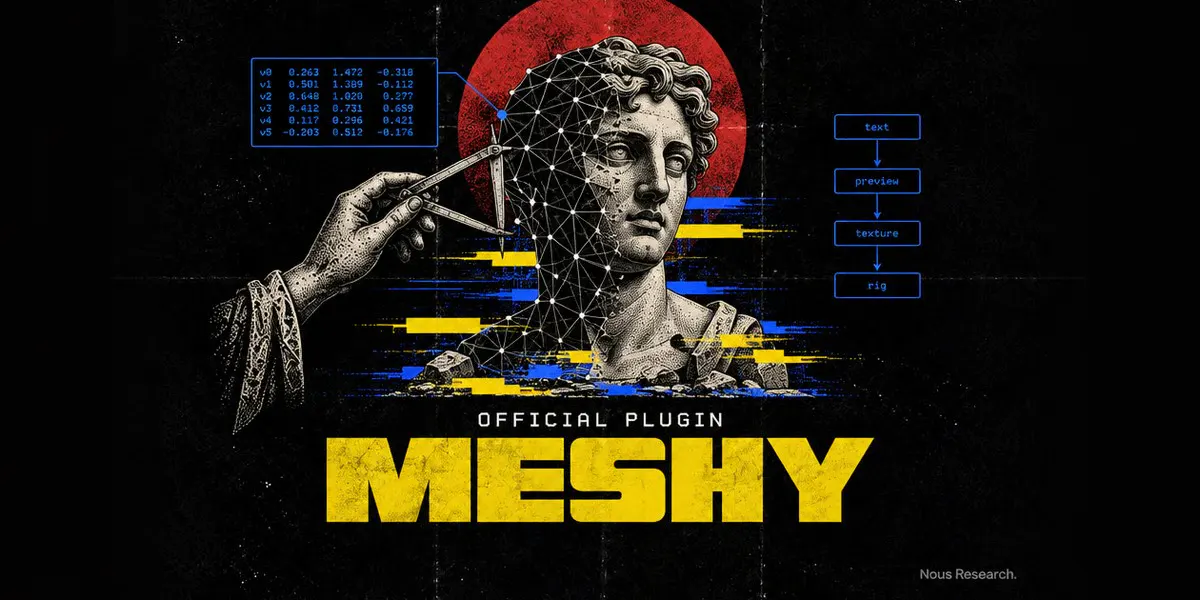
Nous Research ships an official Meshy plugin for Hermes Agent, bringing text-to-3D, rigging, animation and 3D print prep straight into chat.

Nous Research's open-source Hermes Agent anchored Jensen Huang's GTC Berlin finale, orchestrating a full sim-to-real training pipeline for a Microduck robot on an RTX Spark laptop.

Anthropic opens a waitlist for Claude Duet, a proactive agent built on Opus 5.5 that monitors your apps and messages you only when something needs you.
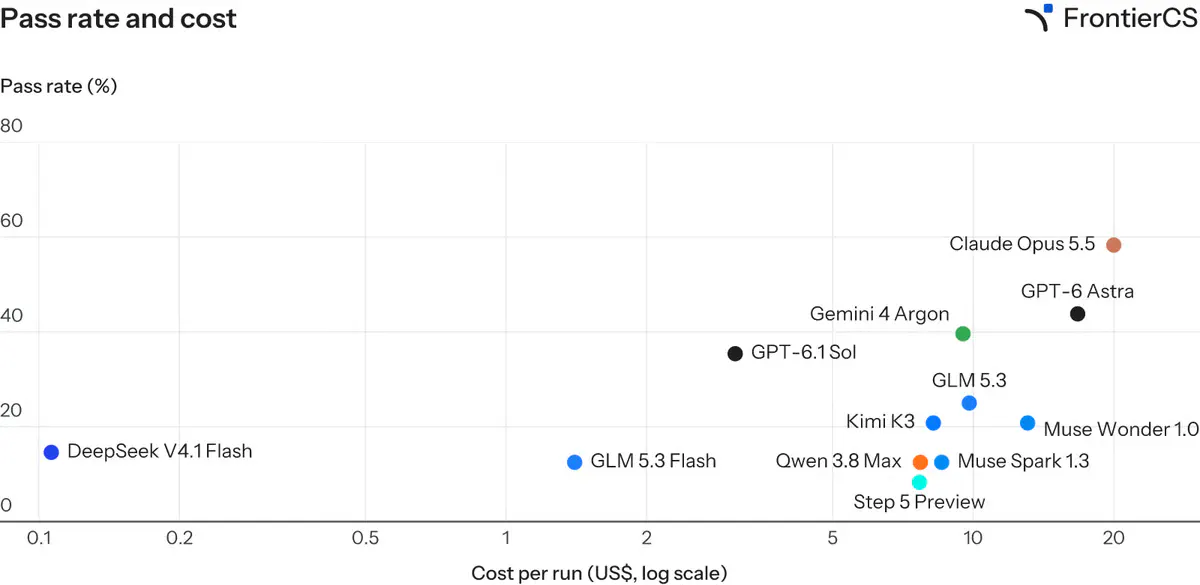
A new benchmark strips the key contribution from 48 research papers and asks AI agents to rebuild it well enough to beat the authors' own code.
No stories match these filters.