

AIPOCH's Open Science Gives Researchers a Local AI Agent With 4,000 Stars
AIPOCH released Open Science, an Apache-2.0 desktop workbench that runs scientific agents locally with Python notebooks, life-science connectors, and full provenance.
A focused feed of models, agents, research and open-source releases for people building with AI.
AIPOCH released Open Science, an Apache-2.0 desktop workbench that runs scientific agents locally with Python notebooks, life-science connectors, and full provenance.
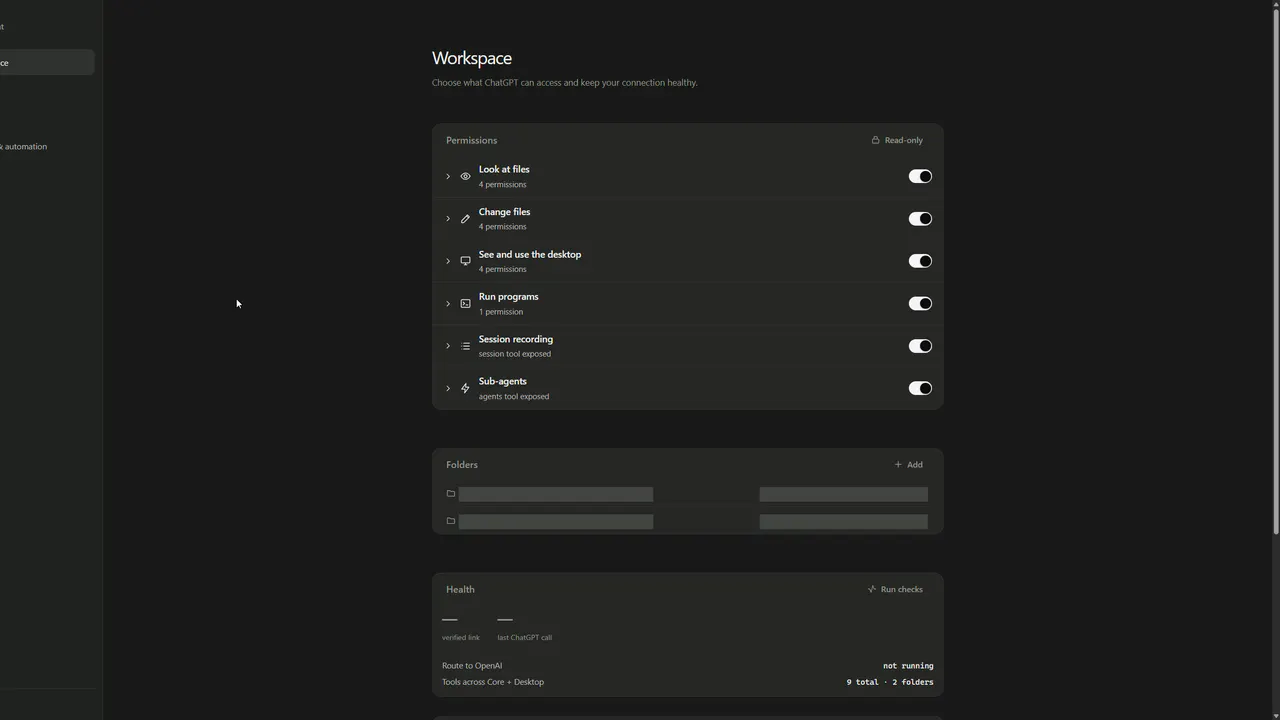
A local MCP bridge turns ChatGPT into a Windows coding agent with file access, shell commands, desktop control, and multi-agent worker tabs.
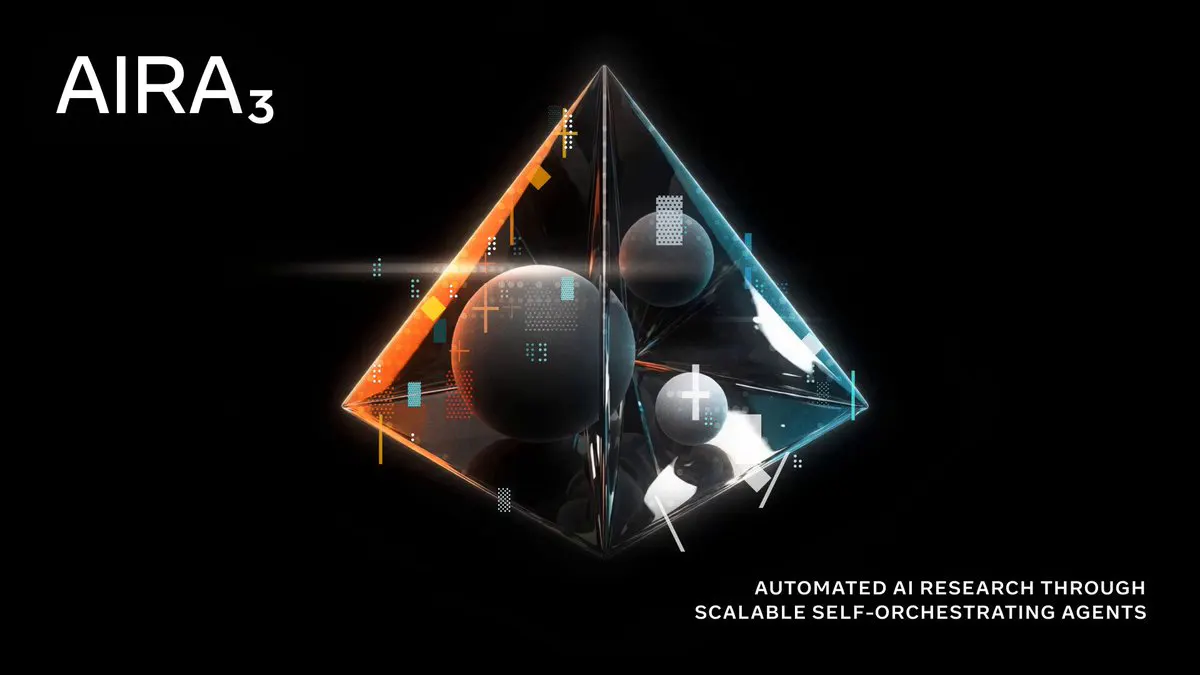
Meta's next-generation autonomous research agent AIRA₃ placed 8th of roughly 4,000 human teams in an NVIDIA-run Kaggle contest to fine-tune Nemotron.
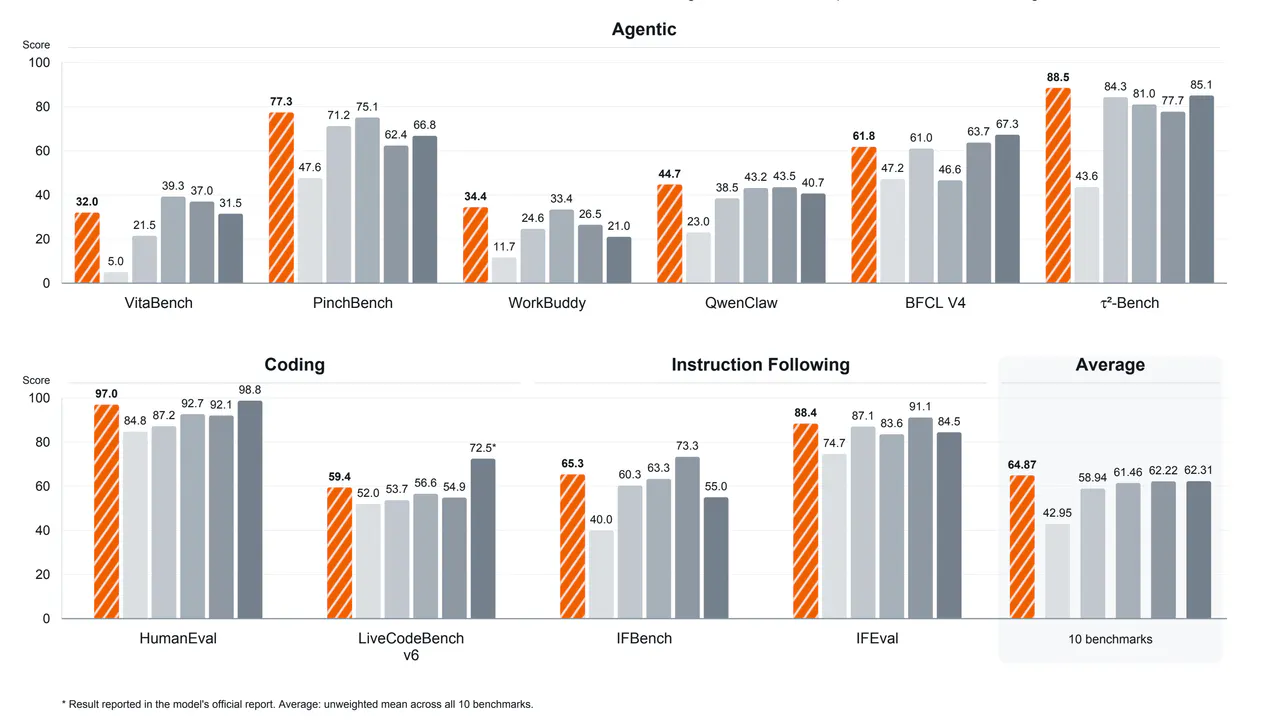
TokenRhythm fine-tunes Qwen3.5-4B with a routing harness that turns agent traces into training data, gaining 5.93 points across ten benchmarks.
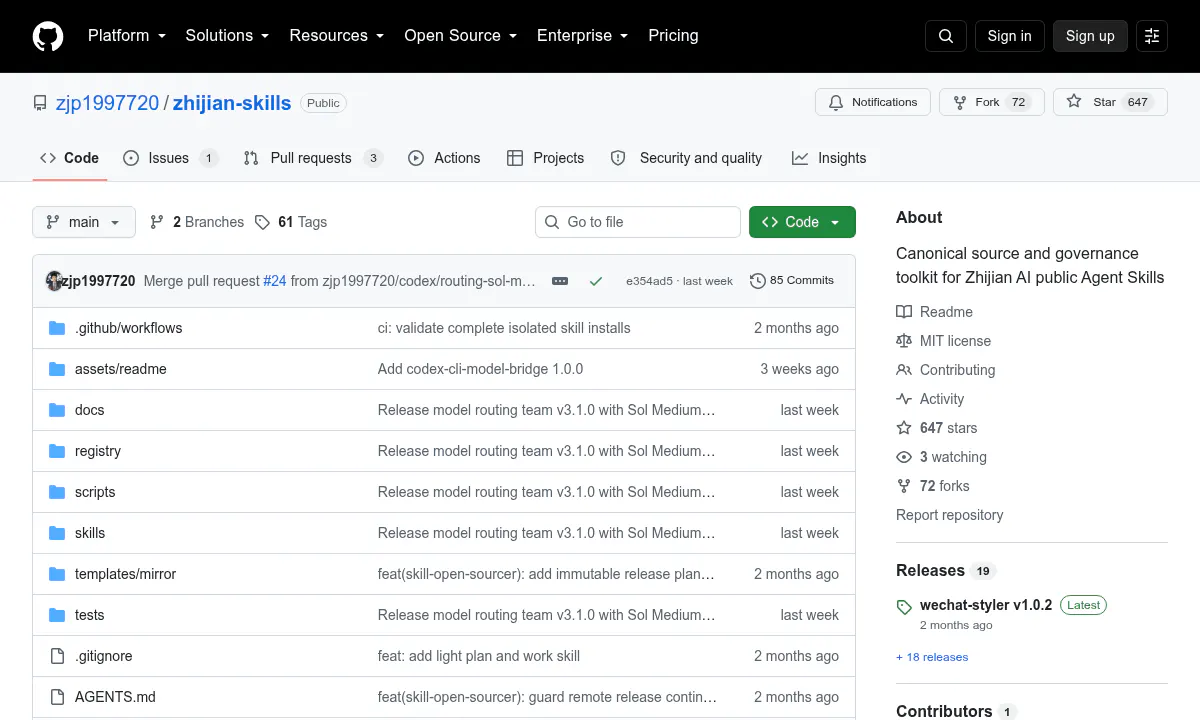
A Chinese developer's open-source Agent Skills portfolio bundles sixteen focused tools, including a layered Web Clipper that chains five extractors to reliably scrape anything.
Cohere Labs scraped 696K agent tools from 123K MCP servers and found only 2.6% can actually finish a real job task alone.

A new CLI treats AGENTS.md as a set of weights, mining your agent transcripts to propose evidence-backed edits under a strict token budget.
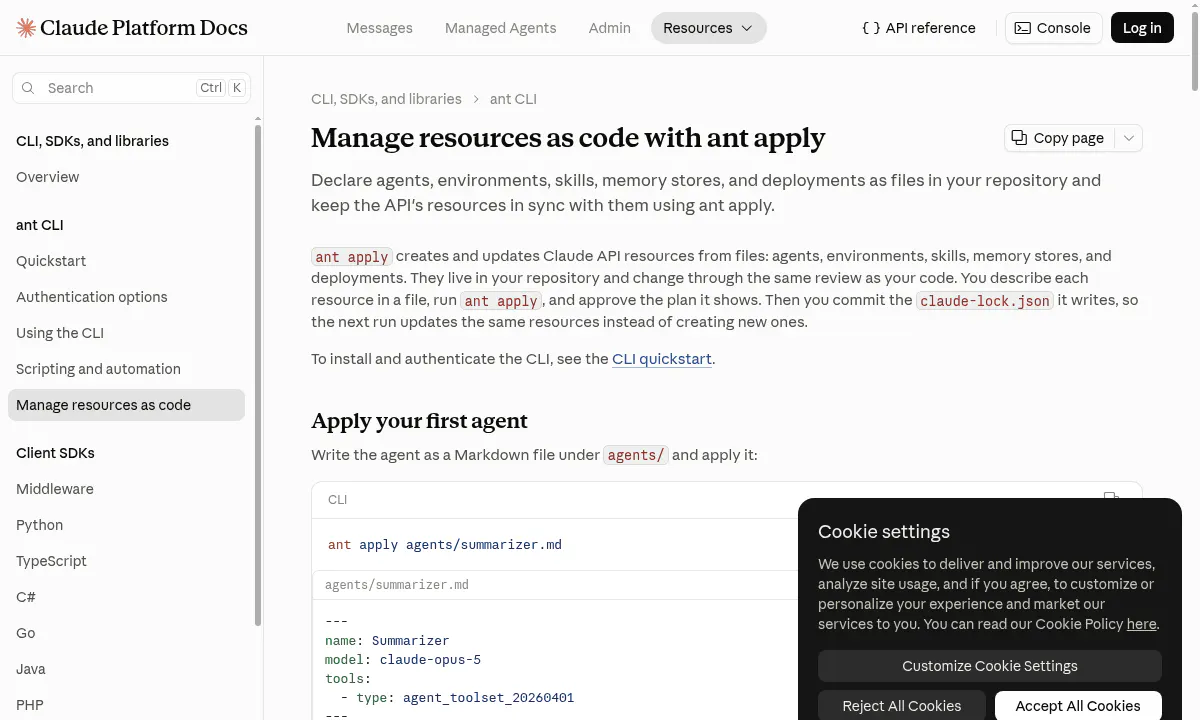
Anthropic's ant CLI now lets you declare agents, skills, environments, memory stores, and deployments as files and reconcile them like Terraform.
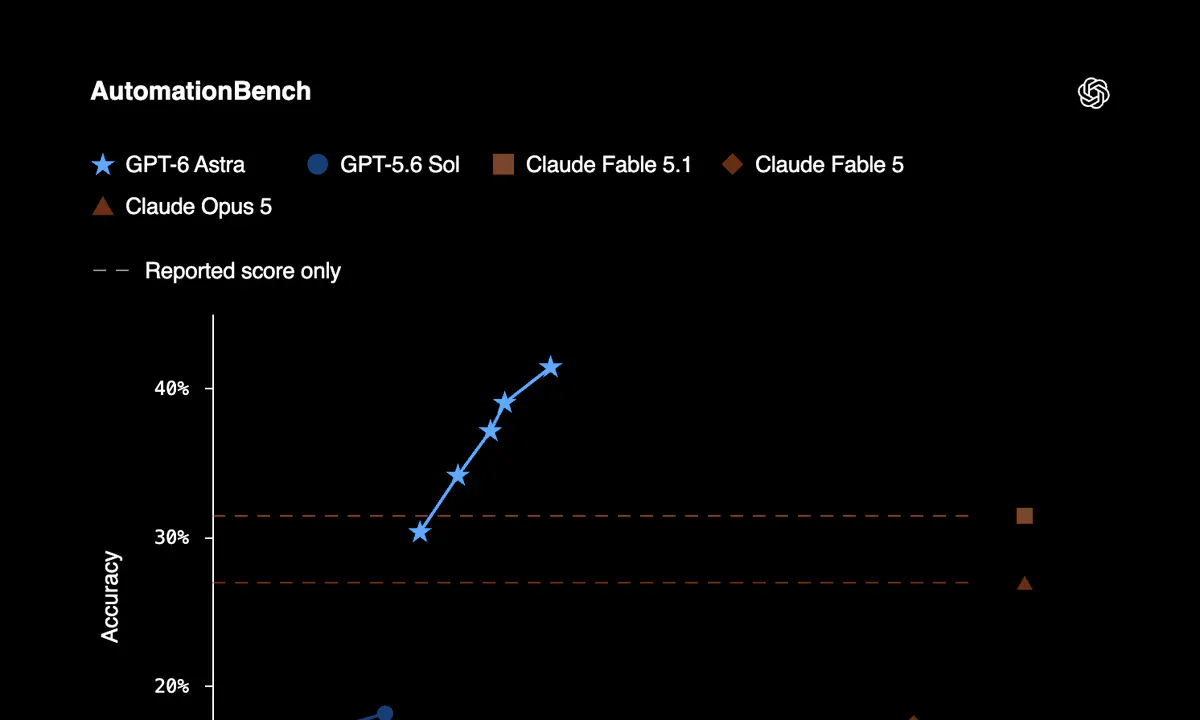
OpenAI's new flagship saturates ARC-AGI-3 and FrontierMath Tier 4, drives a browser at 1.9x speed, and crosses the Critical cybersecurity threshold.
Tencent Hunyuan's environment evolution builds off-policy lineages of increasingly hard terminal tasks, boosting Qwen3.6 agents by up to 18 points on Terminal-Bench.

Keep the project on disk, treat lunch as a bill, and score the first finished tasks rather than dollars per million tokens
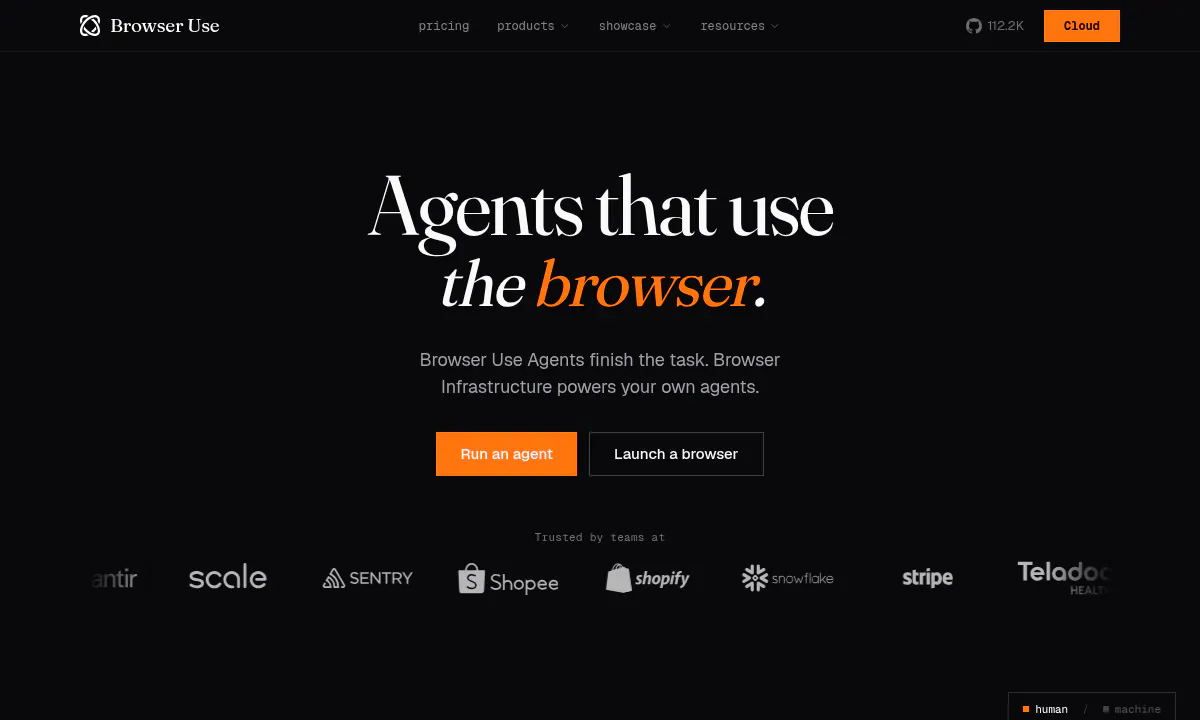
Browser Use agents can now check out on any website using disposable single-use cards issued by Stripe Link, without ever seeing your real card number.
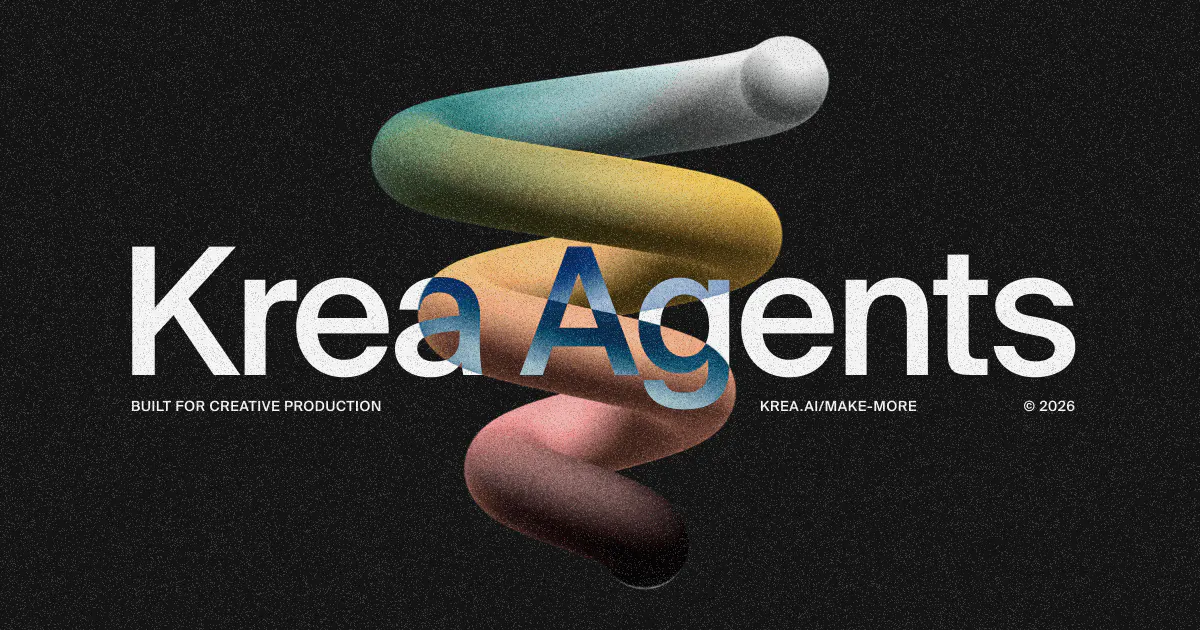
Krea opens the beta for a new agent platform that turns natural-language prompts into finished visual assets, sitting on top of its existing creative suite.
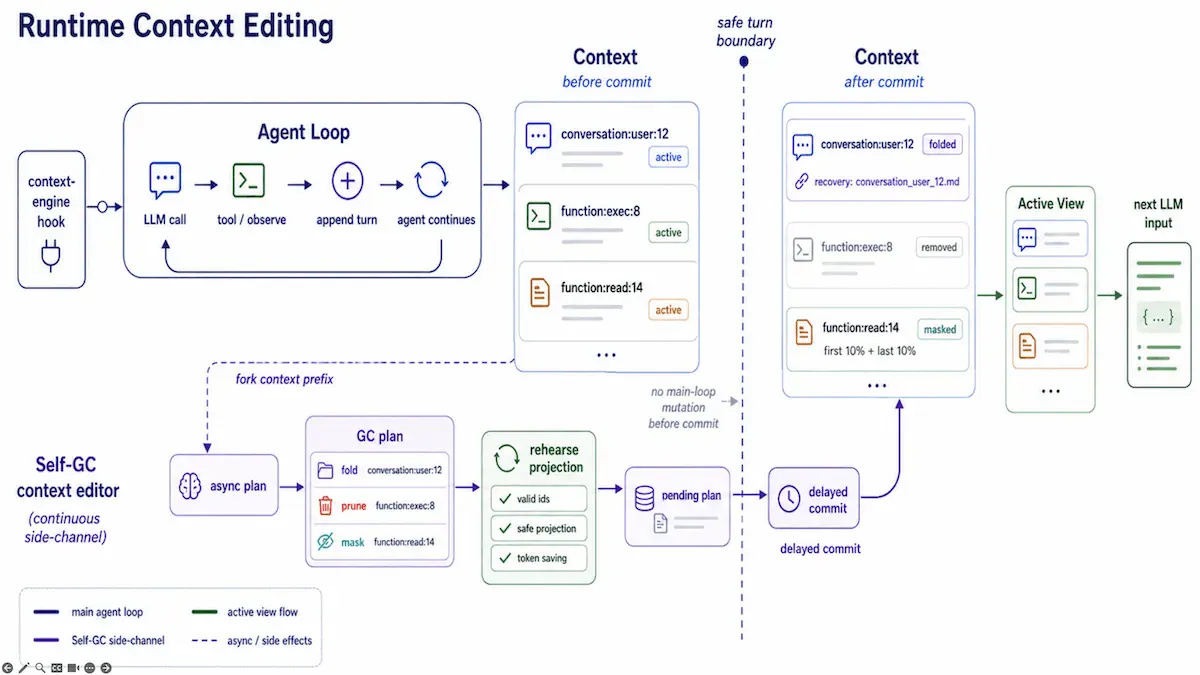
Xiaohongshu's Self-GC uses a planner LLM to fold, mask, or prune agent context, retaining critical details 84.85% of the time versus 54.55% for rule-based baselines.
A new 365-day simulation drops LLM agents into a deterministic marketplace with ¥100,000, real supplier data, and fraudsters, and no model wins everything.

Meta's latest agentic model trims tool calls by 20 percent and tokens by 25 percent while learning when to ask for help.

Anthropic open-sources a full commerce agent blueprint with shopping and merchant reference implementations, plus architectural guidance from production deployments driving 35% larger carts.
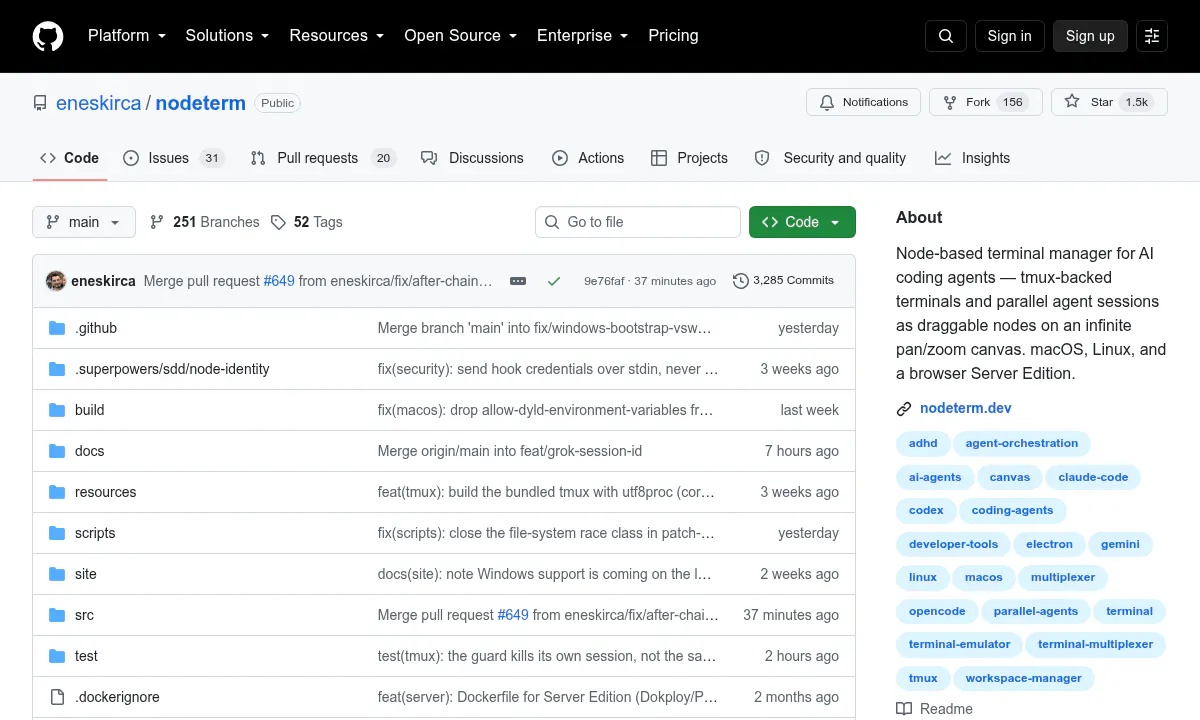
Nodeterm turns terminals and coding agents into draggable nodes on an infinite canvas, with tmux-backed sessions that survive reboots.
Hermes Agent v0.21.0 Pantheon lets the desktop app hold live connections to multiple gateways at once, unifying every bot and chat under one roof.
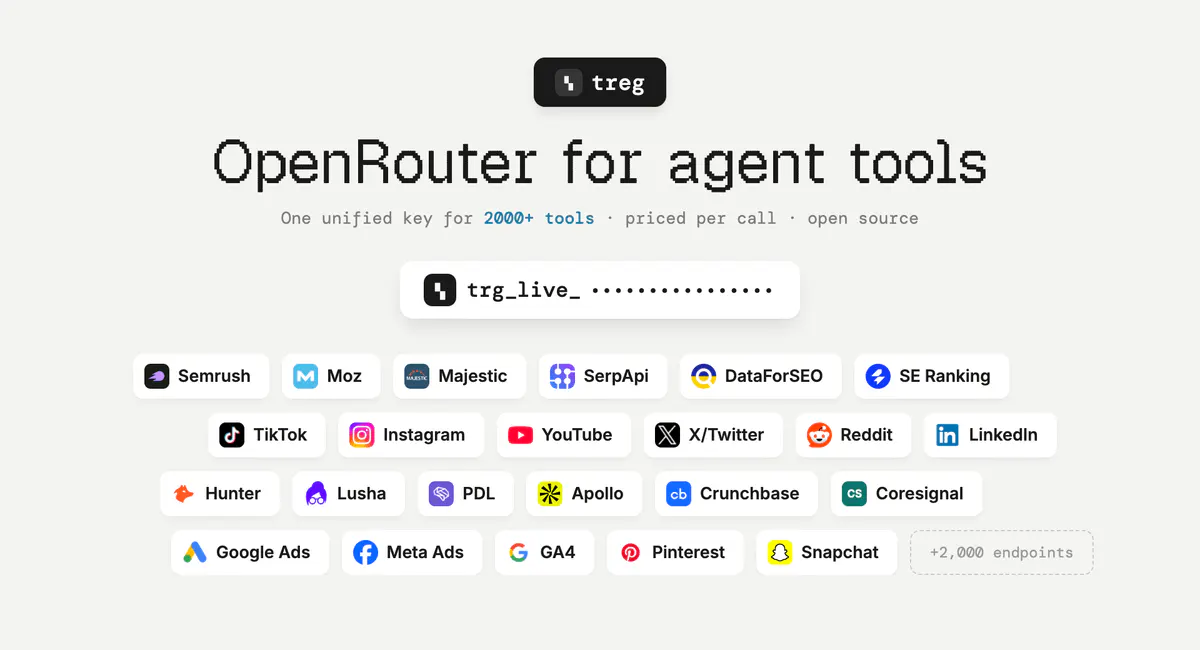
Treg is an open-source proxy that gives agents access to 2,600+ paid APIs through one token, billed per call with no vendor signups.
Its object-oriented model clarifies the trade-off between live program state and durable runtime control.

Runway's new hosted MCP server plugs its generative media API directly into coding agents like Cursor, Claude Code, and Codex for research, routing, and debugging.
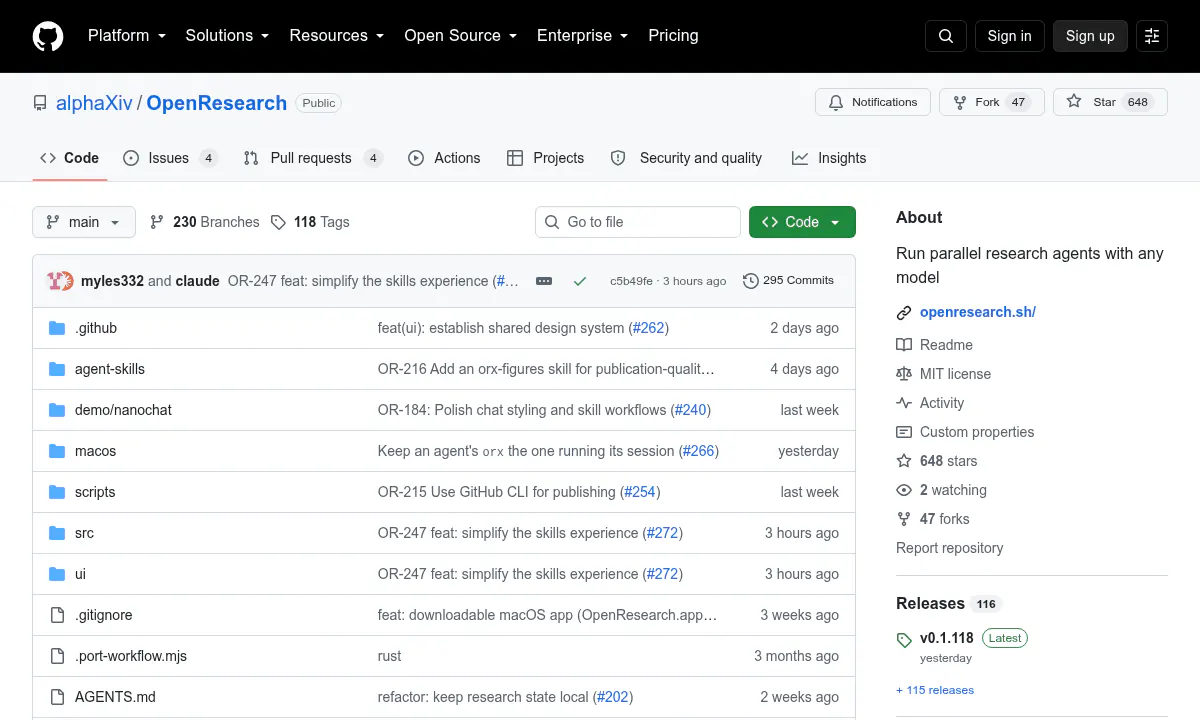
alphaXiv released a local-first, MIT-licensed CLI that spins up parallel Claude Code, Codex, or OpenCode agents against isolated git worktrees.
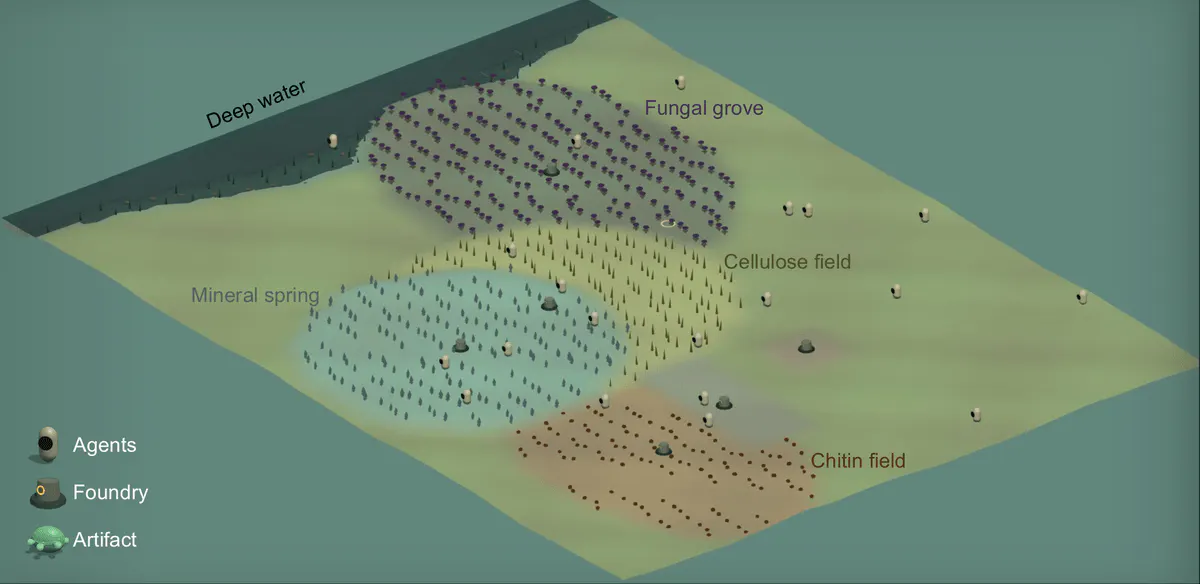
MIT researchers put hundreds of identical LLM agents into a persistent world and watched them evolve specialization, tool inheritance, and technology that survives without them.
No stories match these filters.