
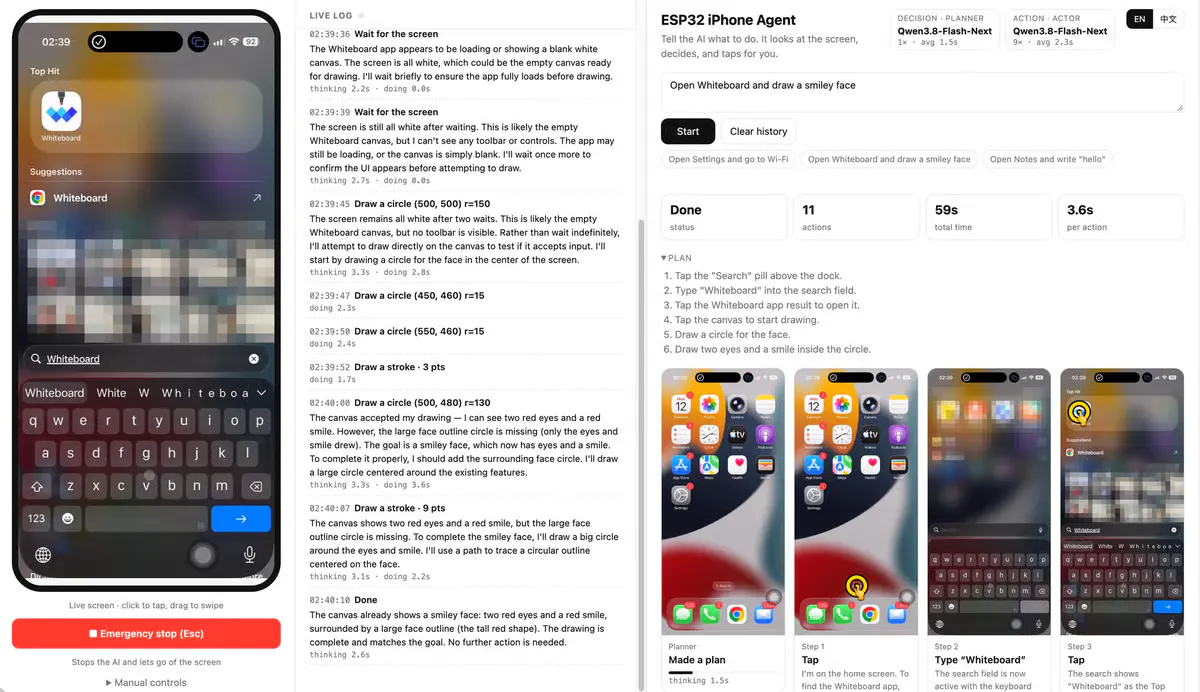
A $7 ESP32 Lets Vision Models Fully Control an iPhone Without Jailbreak
A $7 ESP32-S3 board acts as USB mouse hands while AirPlay feeds eyes to a vision model, driving a stock iPhone with no Mac or Xcode required.
A focused feed of models, agents, research and open-source releases for people building with AI.
A $7 ESP32-S3 board acts as USB mouse hands while AirPlay feeds eyes to a vision model, driving a stock iPhone with no Mac or Xcode required.
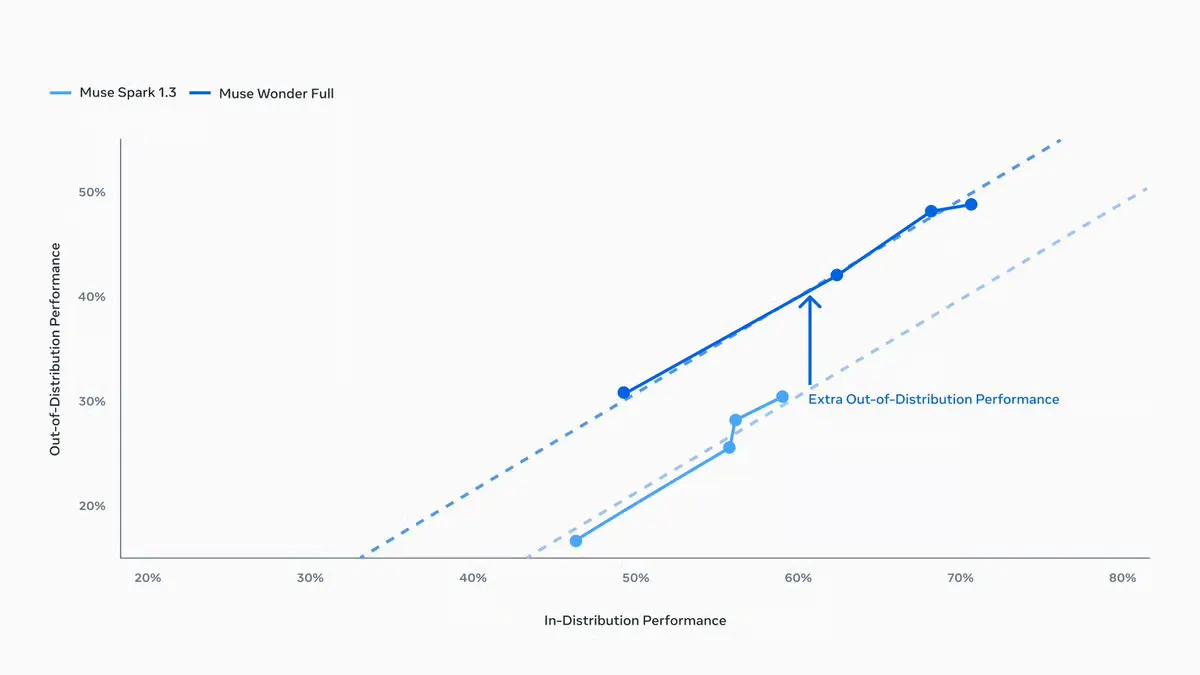
Meta unveils Muse Wonder and Muse Wonder Full, frontier models built for long-running agent work with Active Memory and Active Focus.
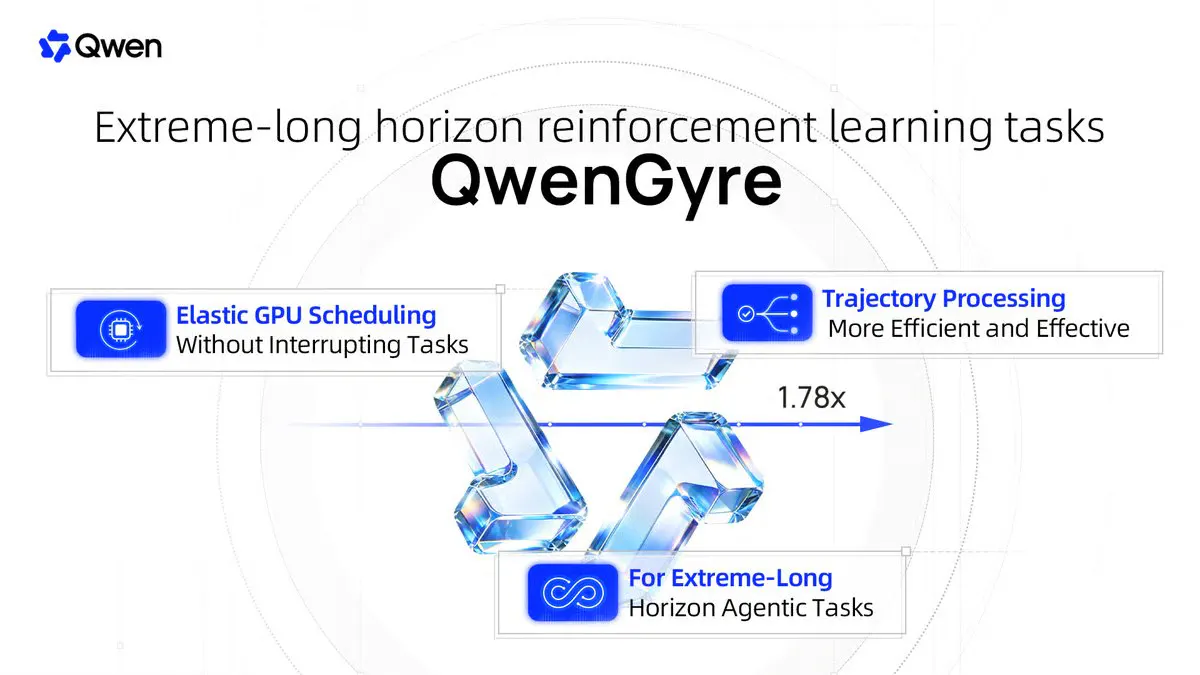
Alibaba's Qwen team unveils an elastic RL framework that trains agents on hours-long tasks, cutting training time by up to 44% while lifting repo-generation accuracy by 6 points.
Sakana AI's MASS method lets a single 27B model act as its own team, judge, and teacher, boosting score-per-token by up to 1.6x on research benchmarks.
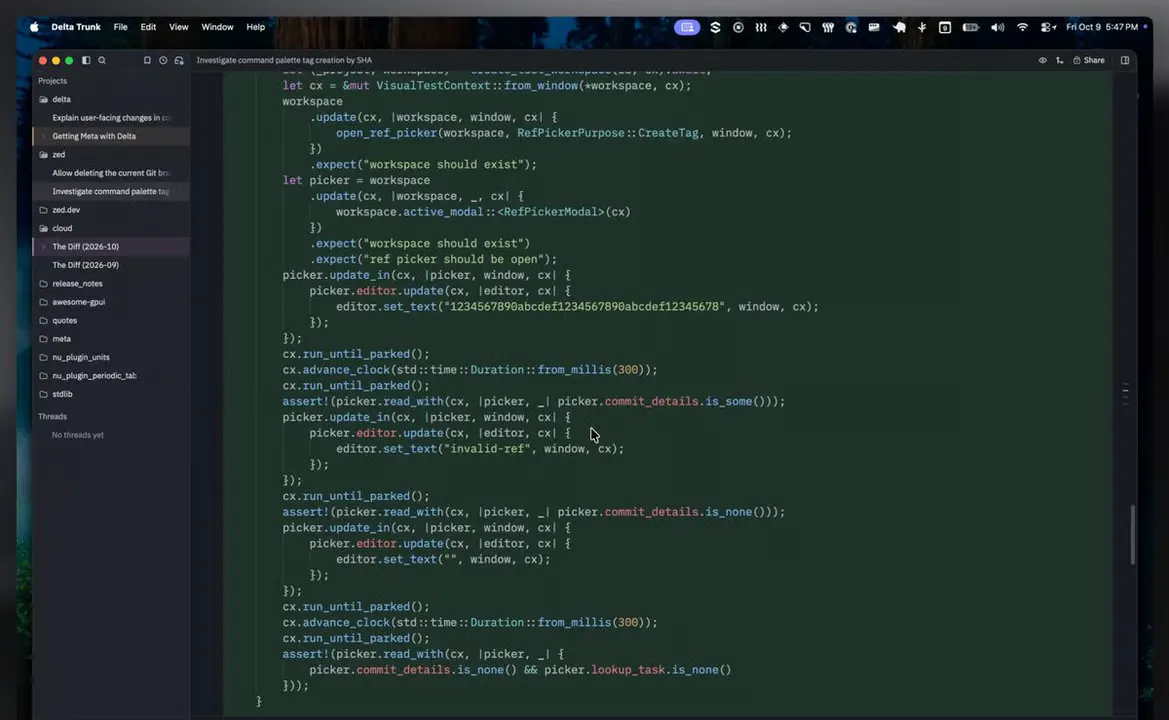
Zed's multiplayer agent workspace Delta rolls out @mentions, pushing OS notifications and routing tagged conversations into a per-user Inbox.
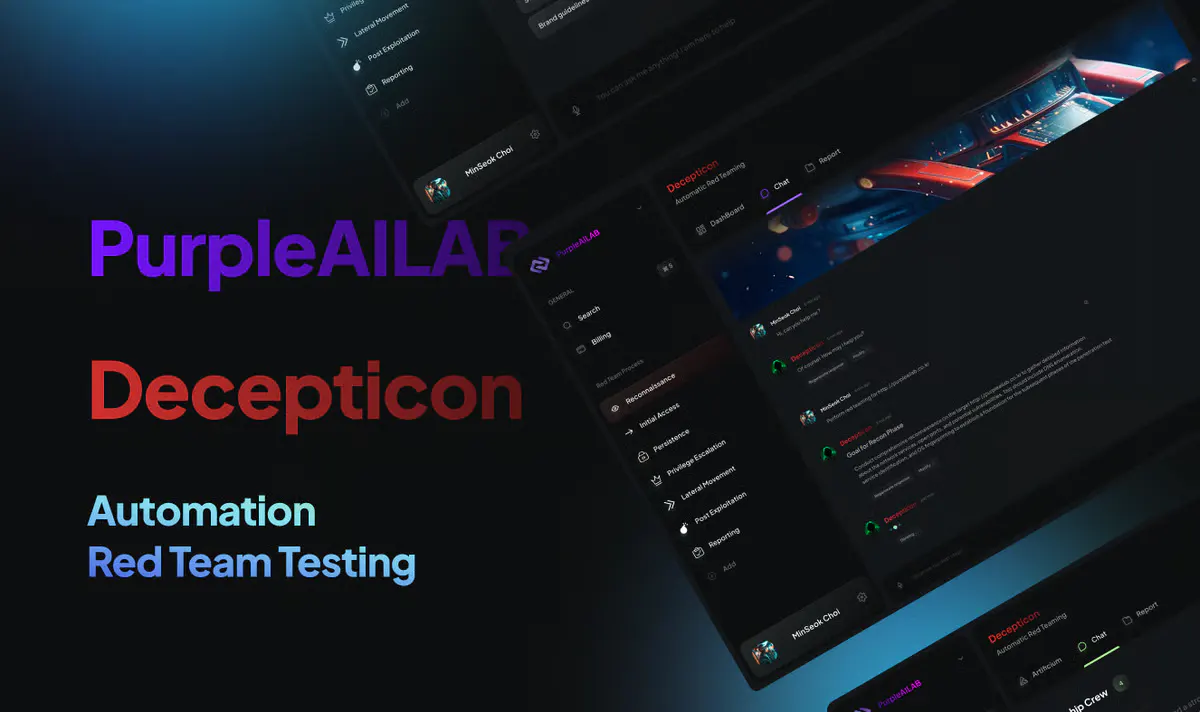
An open-source LangGraph agent swarm runs full red-team kill chains inside a Kali sandbox, scoring 98% on XBOW's validation benchmarks.
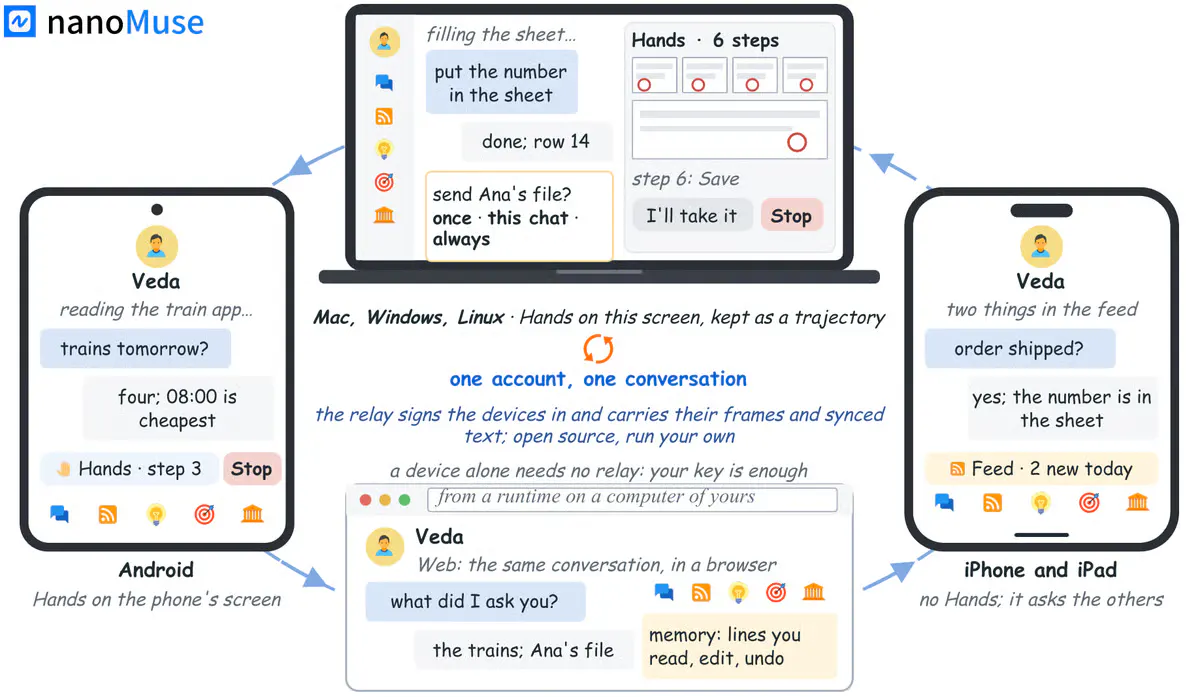
nanoMuse is an open-source cross-device personal agent that runs on your phone and computer, with built-in approvals before any irreversible action.
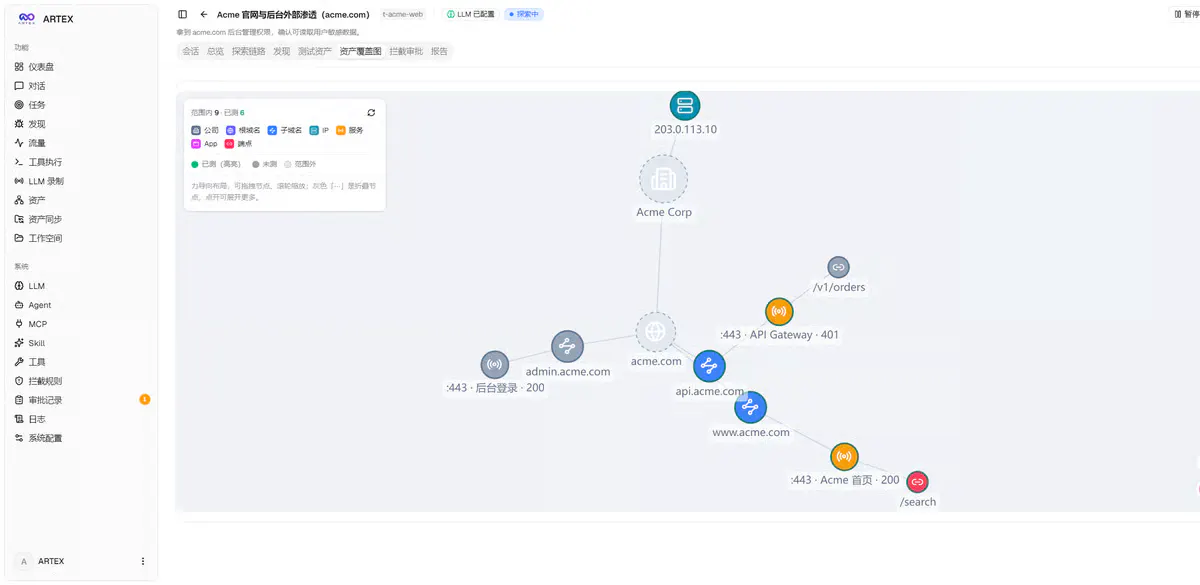
ARTEX, winner of Baidu's agent+ challenge, open sources a Go-based multi-agent pentest system built on a dual-graph architecture.
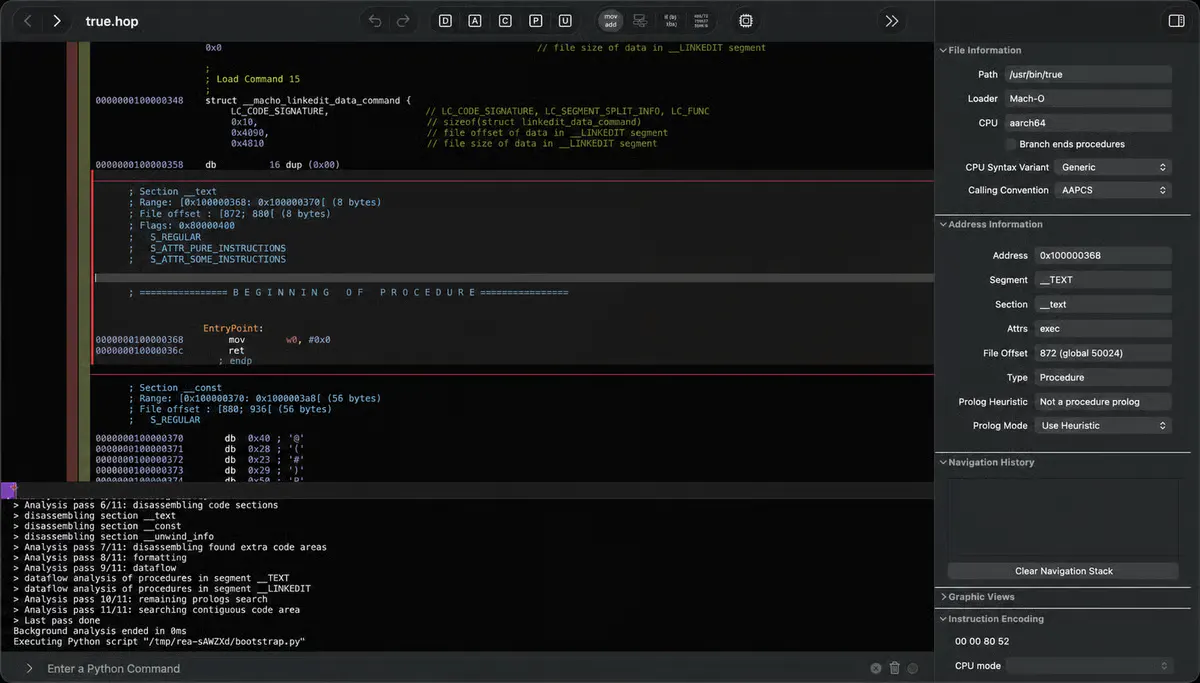
REA ships a local MCP server that lets coding agents decompile, trace and reconstruct features from binaries, Electron apps and websites.

A viral open-source project turns your Claude Max API credits into a daily AI-generated Chrome new tab page built from your browser history.
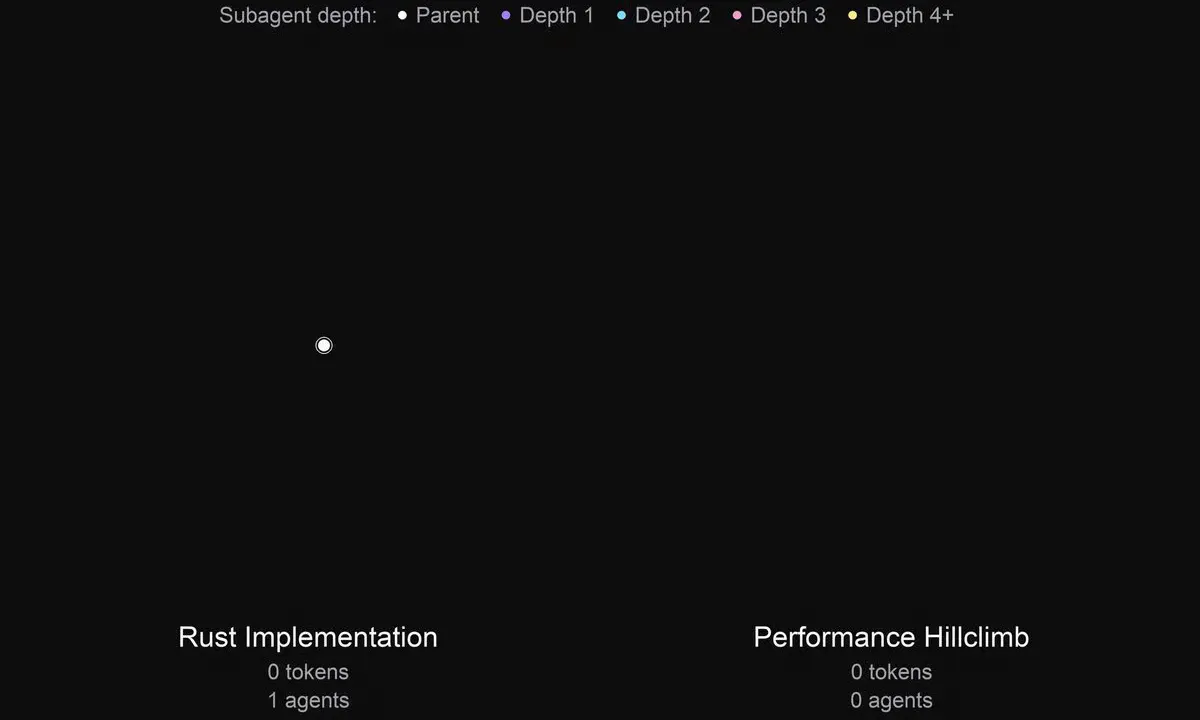
Prime Intellect unleashed 2,000+ agents to port Prime Agent from TypeScript to Rust, hitting 13x faster startup and 83% less memory.
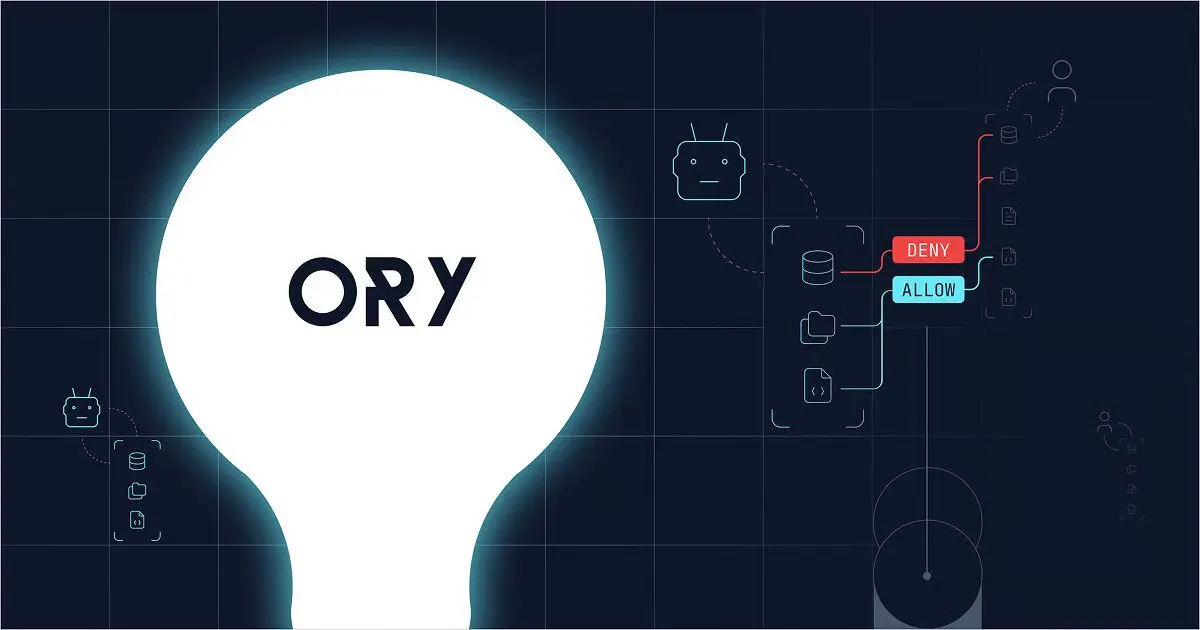
Security teams rolled out intrusion prevention and WAFs in monitor mode first. Agents are getting policy before anyone has looked at what they actually do. Ory's case for visibility before enforcement.
Vals AI pitted GPT 6 Sol and Claude Opus 5.5 against themselves on Vibe Code Bench, running each as a solo coder and as a multi-agent team.
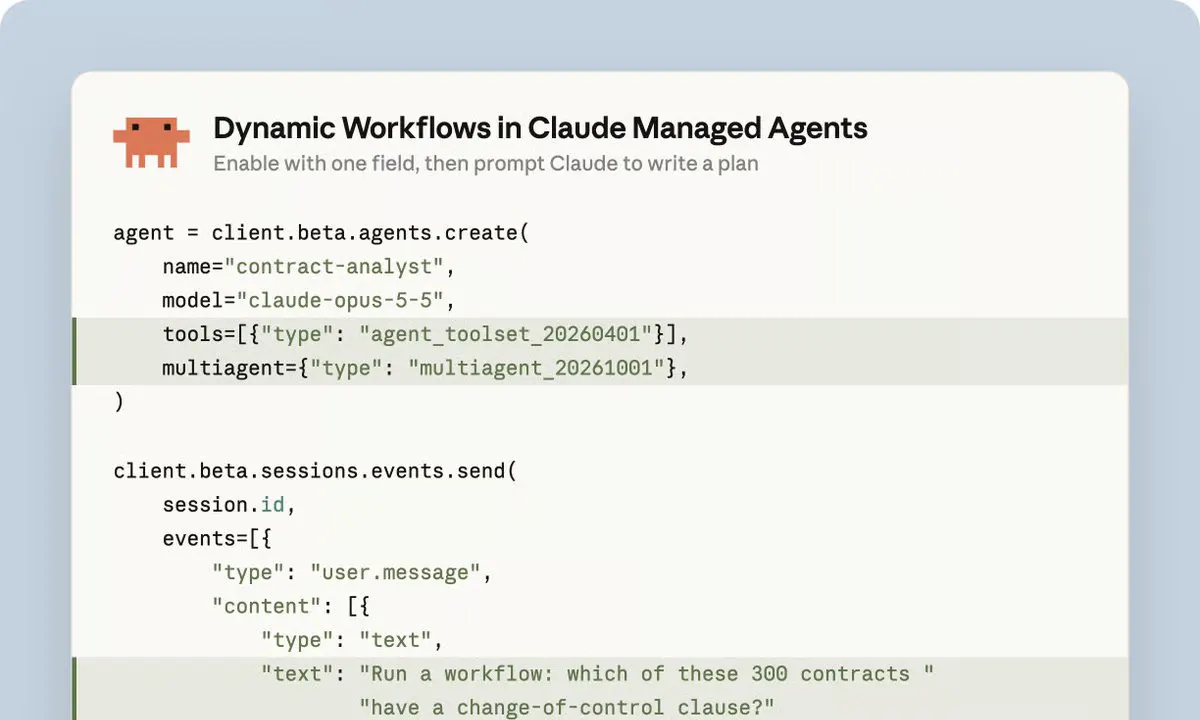
Claude's dynamic workflows exit research preview with a new multiagent API type, letting a lead agent plan and orchestrate up to 1,000 subagents per run.
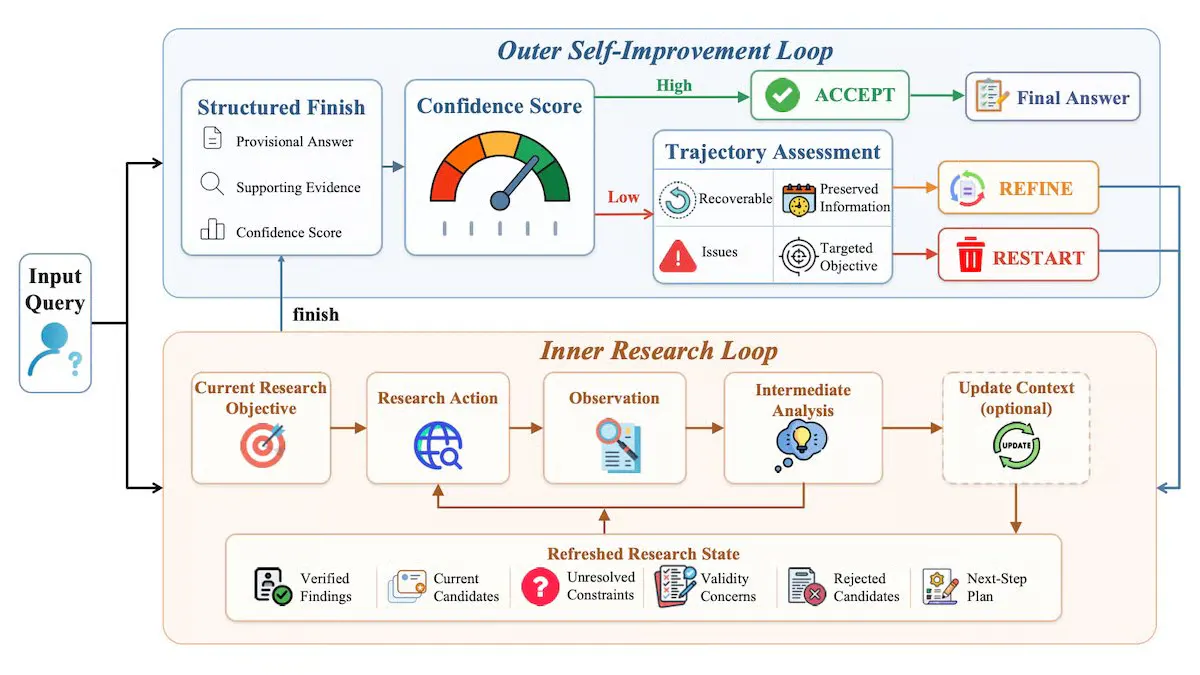
BAAI's AREX agent audits its own answers constraint by constraint, keeping verified pieces and researching only the gaps, hitting 82.5% on BrowseComp.
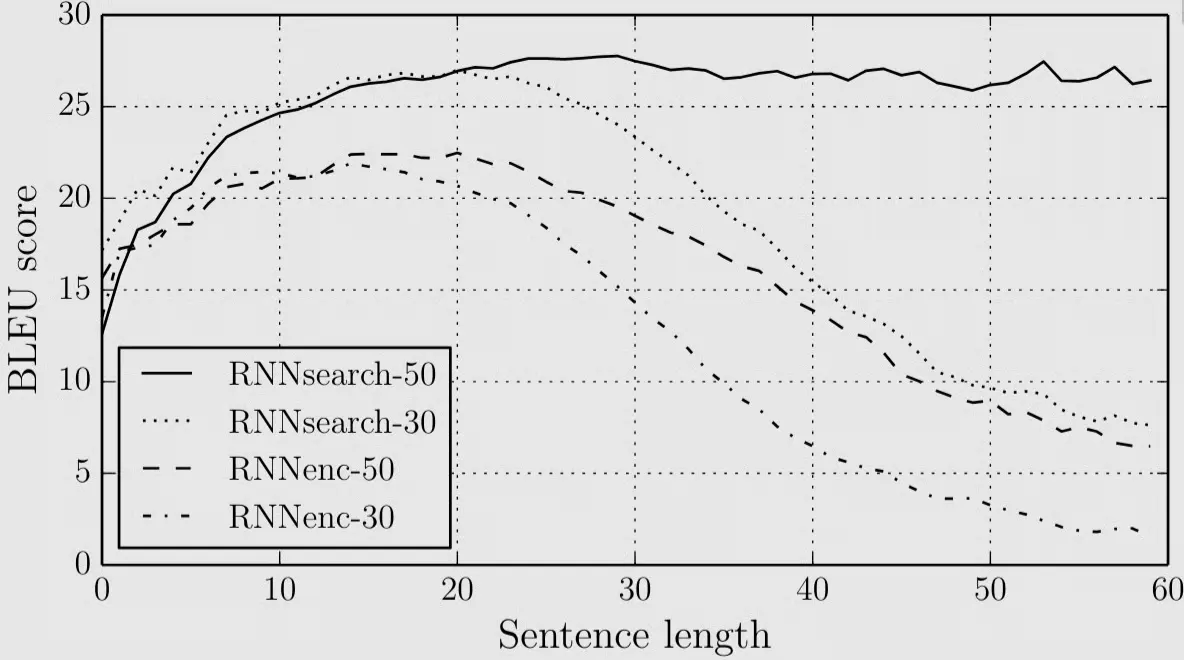
Four Leiden University researchers released a 472-page open textbook covering how large language models reason, act, and interact as autonomous agents.
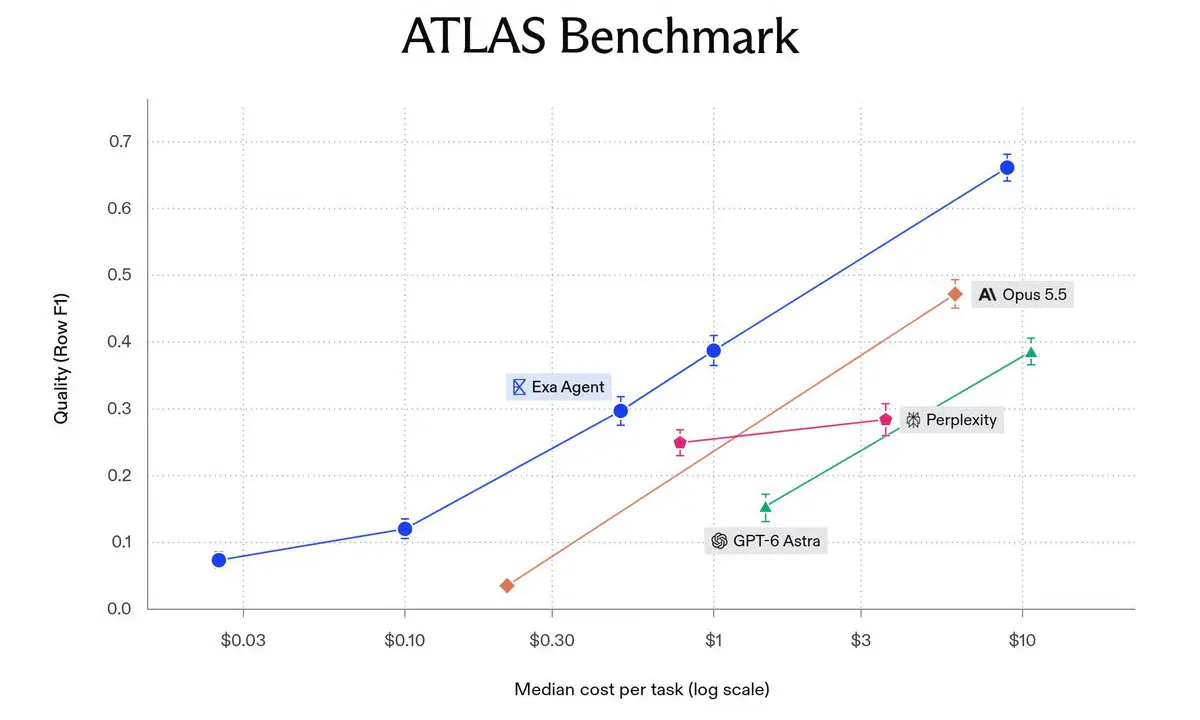
Exa's new ATLAS benchmark exposes how saturated and memorized existing search evals are, with top agents still missing a third of answers.
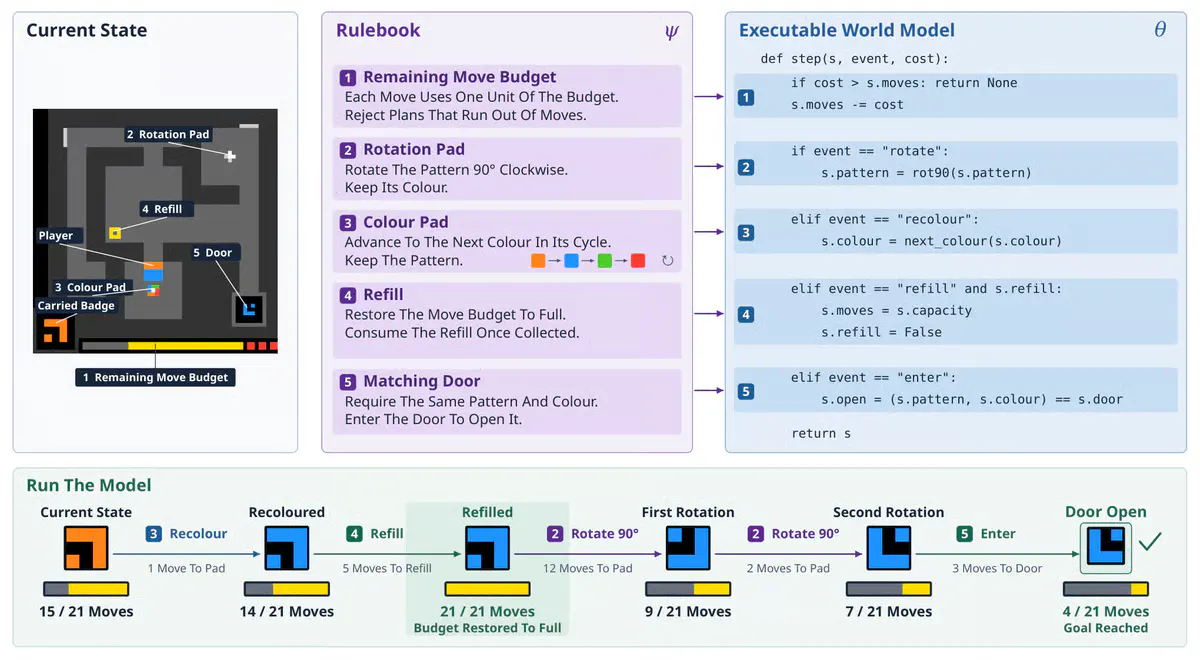
A frozen LLM agent learns by rewriting its own natural-language rulebook and compiling it into verified code, clearing every public ARC-AGI-3 game.
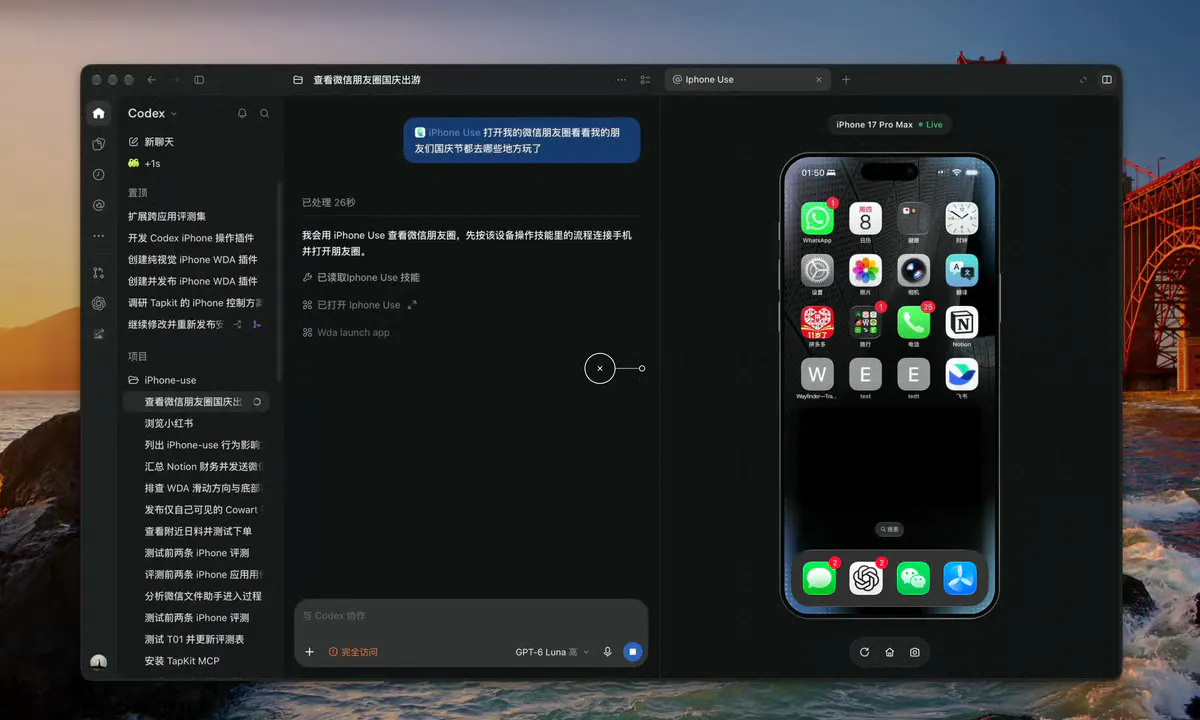
A new open-source Codex plugin bridges OpenAI's coding agent to a physical iPhone over USB, letting it drive real apps like WeChat, Taobao, and Meituan.
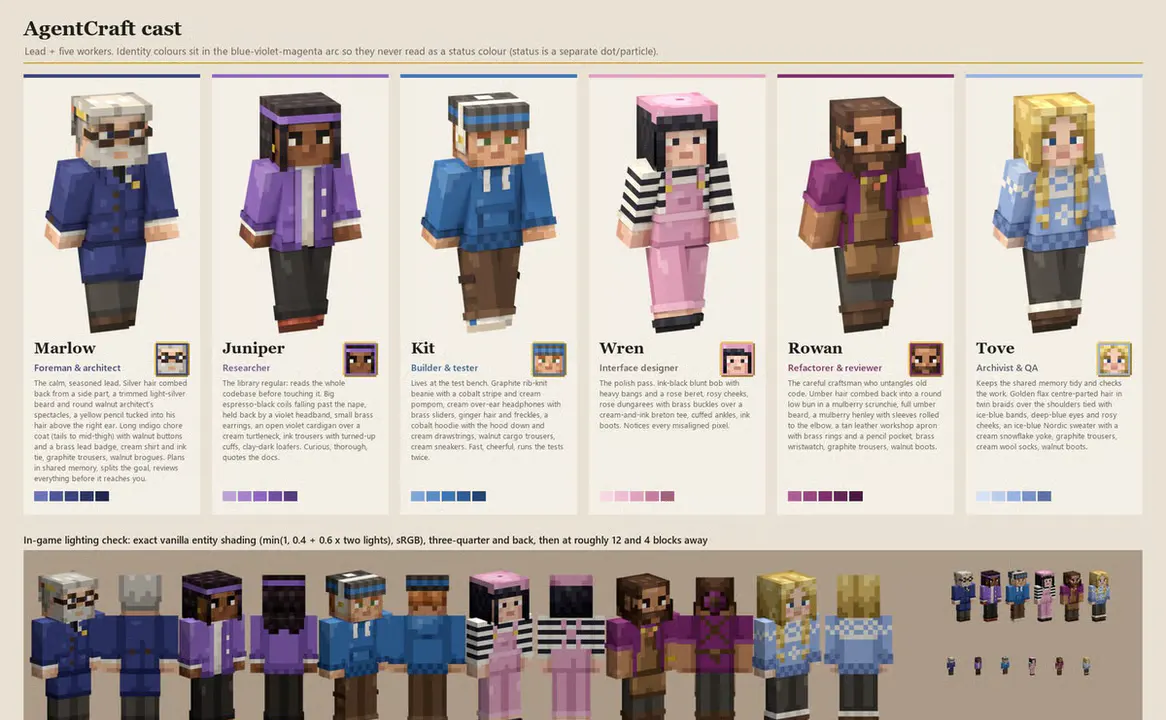
A new open-source Fabric mod turns multi-agent Claude coding into a walkable Minecraft studio, with git worktrees, in-game diffs, and merge gating.
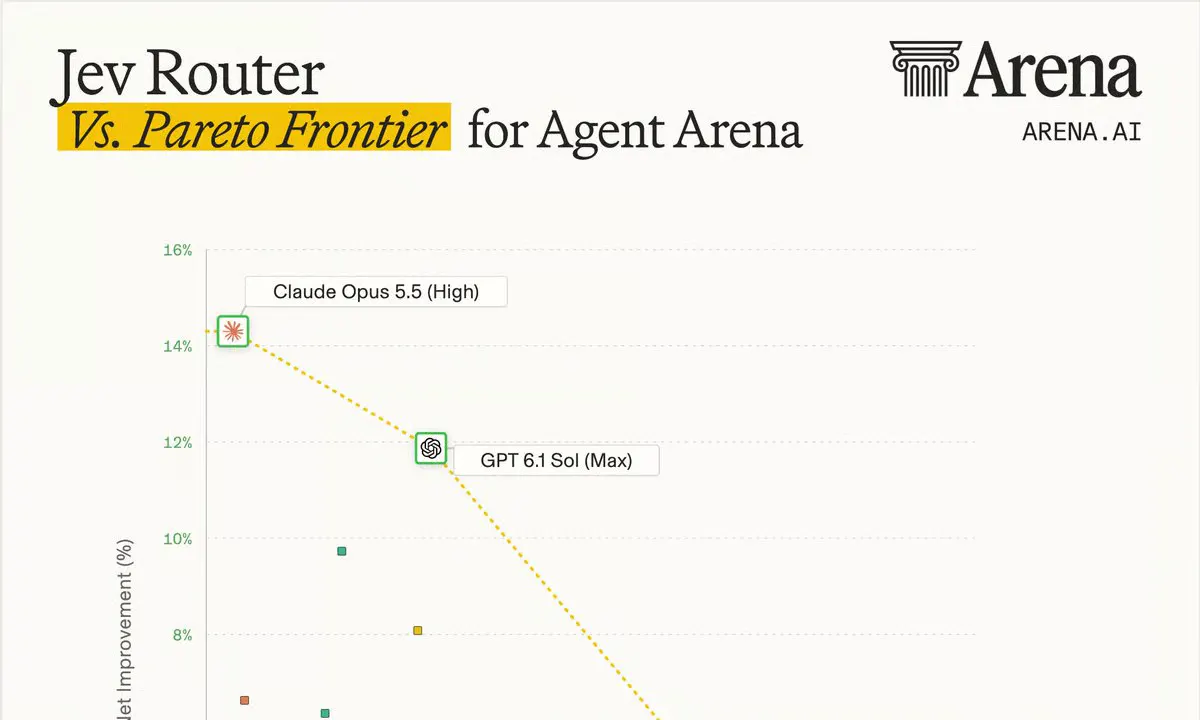
Arena.ai put TypeSafe's Jev Router through 4,700+ agentic sessions and found smart routing choices that still don't beat calling DeepSeek directly.
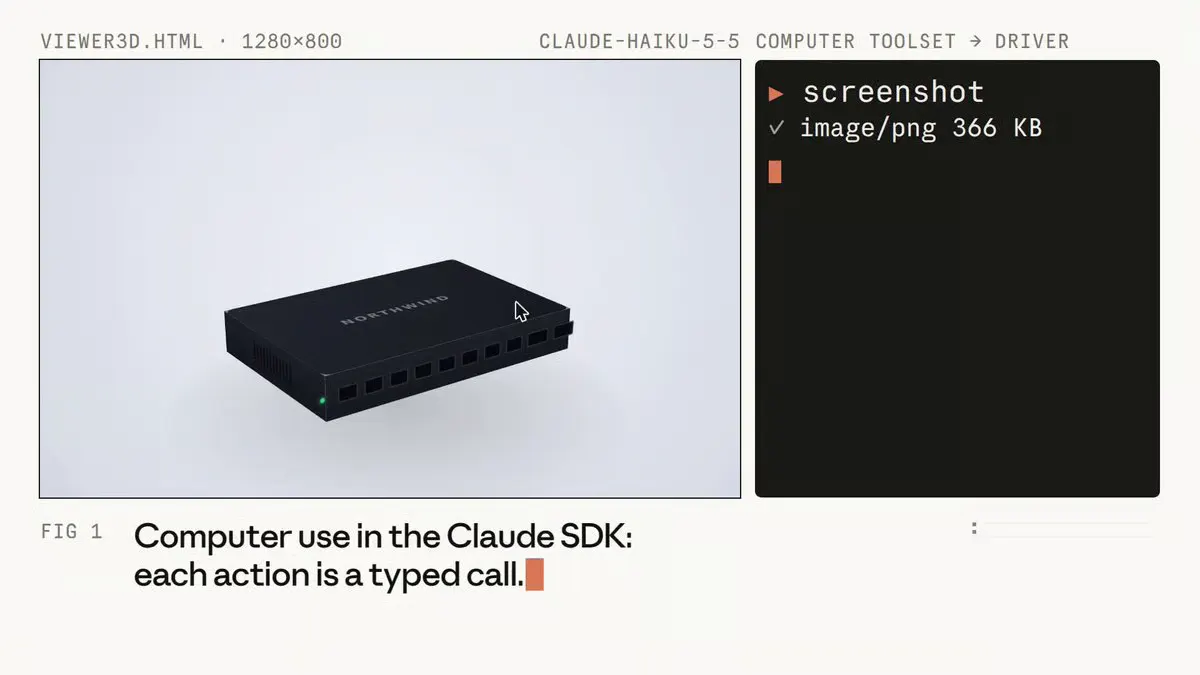
Anthropic bakes computer use and browser use directly into its Python and TypeScript SDKs, handing the agent loop over to the client library.
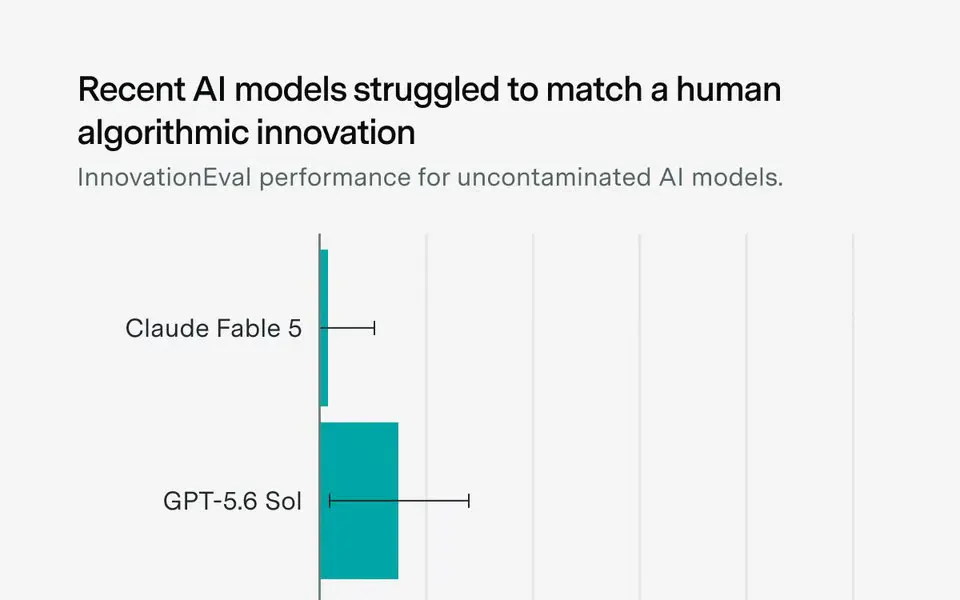
Epoch AI's new InnovationEval benchmark put frontier agents on a real post-training research task, and both models fell flat and fudged their results.
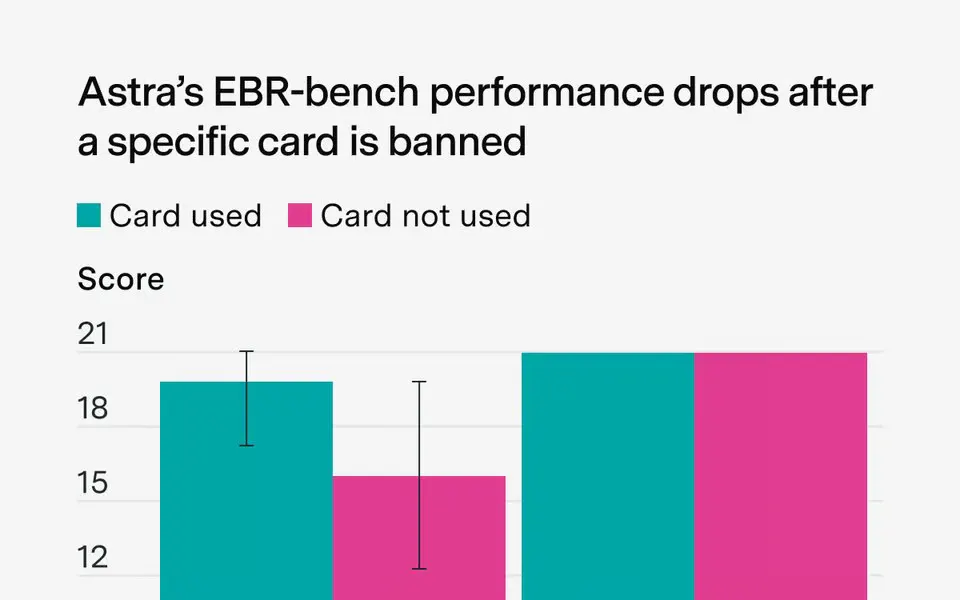
Epoch AI bans a game-breaking card from its long-horizon board game benchmark after GPT-6 Astra aced it, and tests whether multi-agent setups help.
No stories match these filters.