
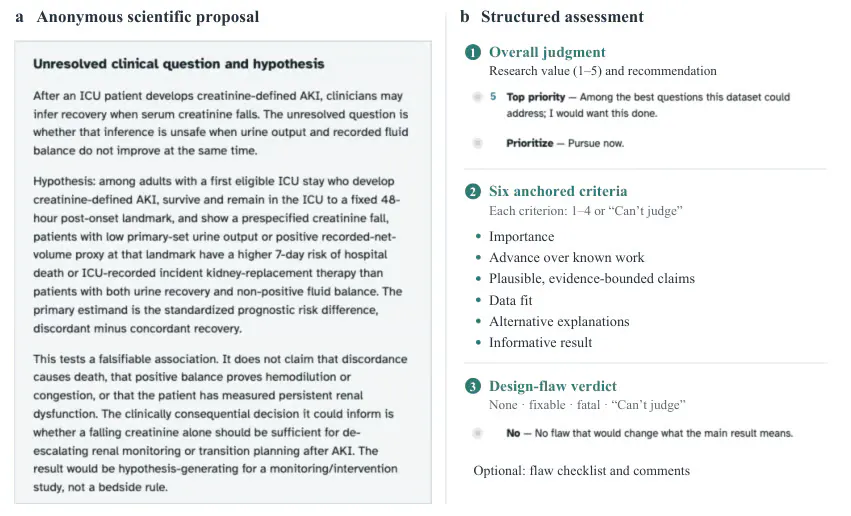
Open-Source DiscoveryRSI-27B Beats GPT-6 at Predicting Future Scientific Research
A 27B open model learns to generate scientific hypotheses recursively, matching real published research at nearly triple the rate of GPT-6 and Claude Opus 5.
A focused feed of models, agents, research and open-source releases for people building with AI.
A 27B open model learns to generate scientific hypotheses recursively, matching real published research at nearly triple the rate of GPT-6 and Claude Opus 5.
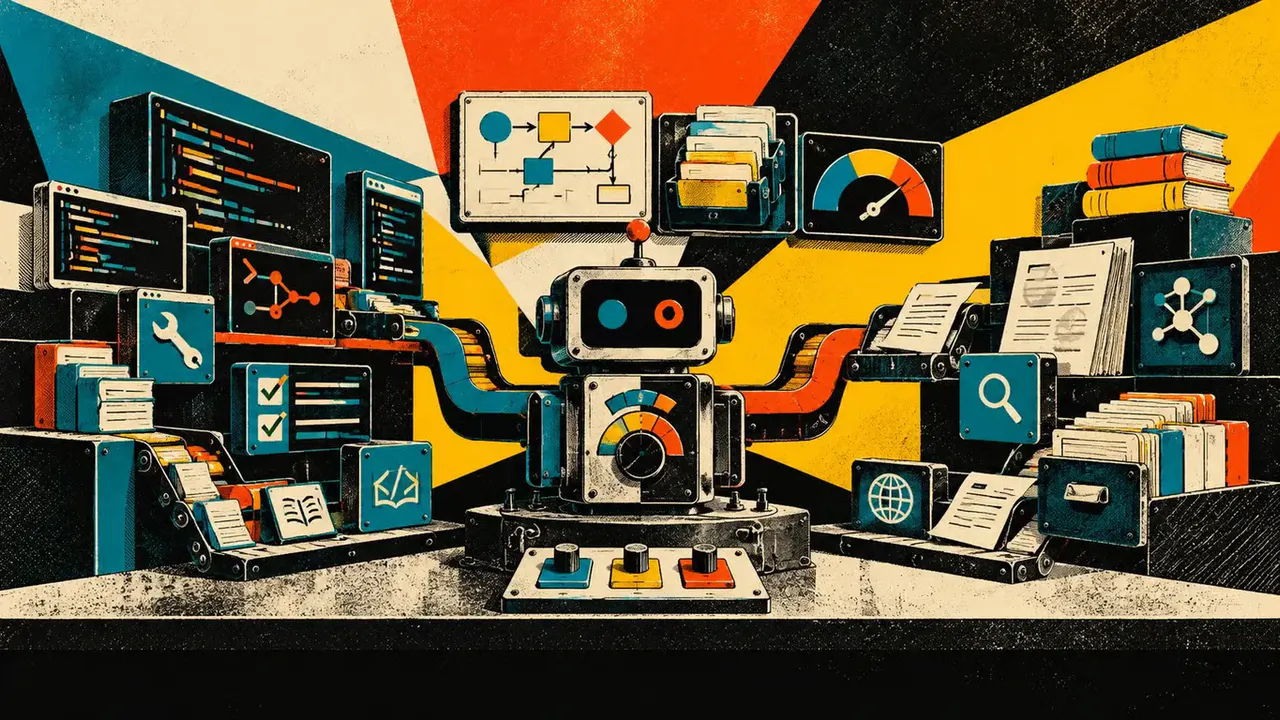
Your agent harness is an architectural decision that directly dictates task success and API costs. Here is how to match it to your workload.

Ant Group's InclusionAI opens weights for a 560B hybrid-linear MoE model with 25B active parameters, 1M context, and MIT licensing.
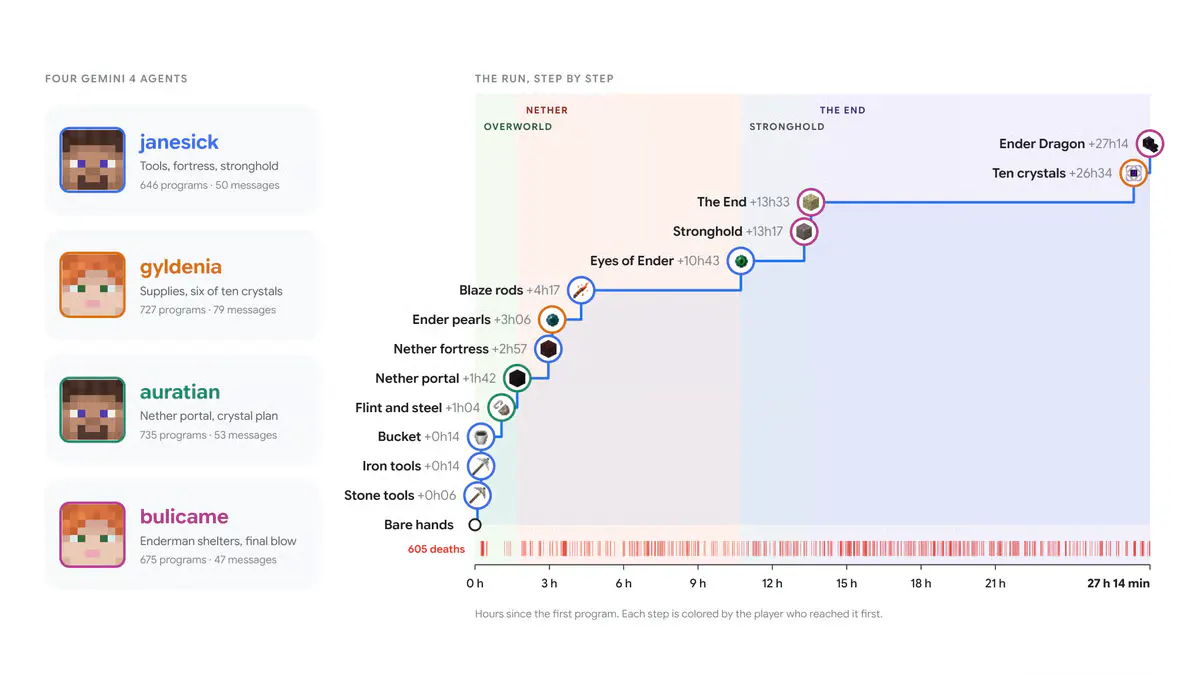
Four general-purpose Gemini coding agents autonomously killed the Ender Dragon in 27 hours, writing 2,783 programs and dying 605 times with zero human intervention.
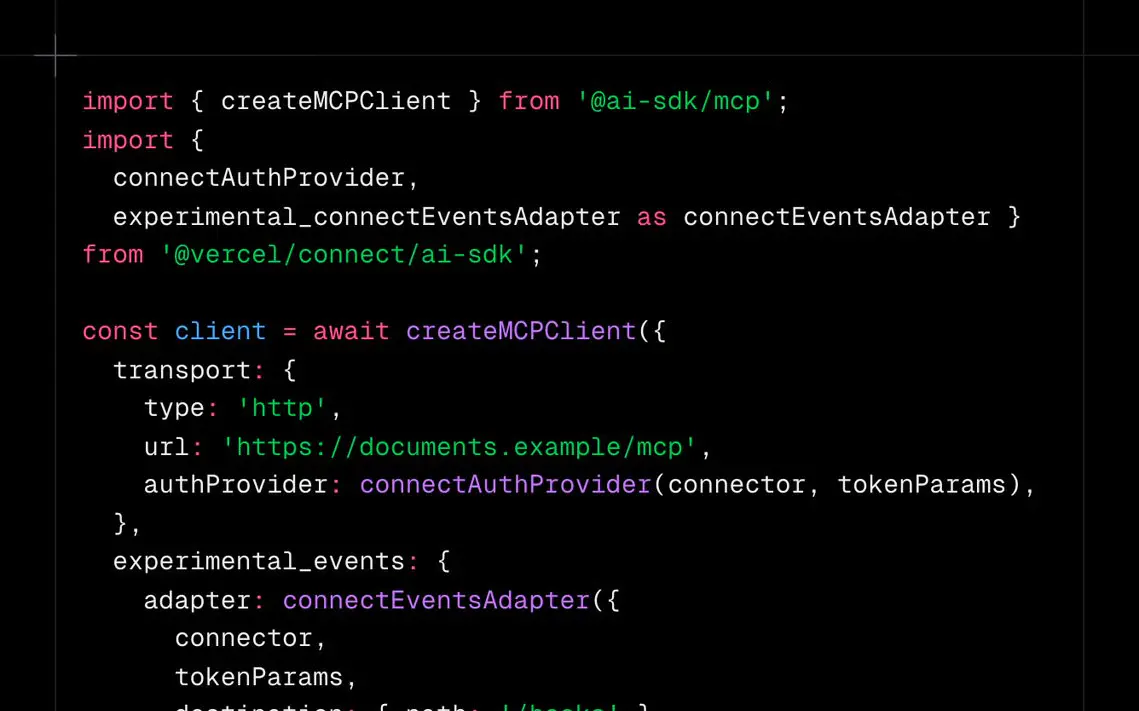
AI SDK agents can now subscribe to MCP server webhooks, with Vercel Connect handling signed delivery, subscription storage, and automatic renewal.
Perplexity released SPACE under Apache 2.0, the Firecracker-based microVM sandbox that isolates every agent task in Computer with external credential and egress control.

How prompt injection exploits trust boundaries through saved memory, and what runtime checks can prevent unsafe actions.
Sakana AI released The Agentic Scientist, an open-source scaffold that wraps coding agents like Claude Code and Codex into a rigorous end-to-end research loop.
Sarvam's new MCP lets your coding agent spin up Indian-language voice bots, dial contact lists, and pull call analytics without leaving the IDE.
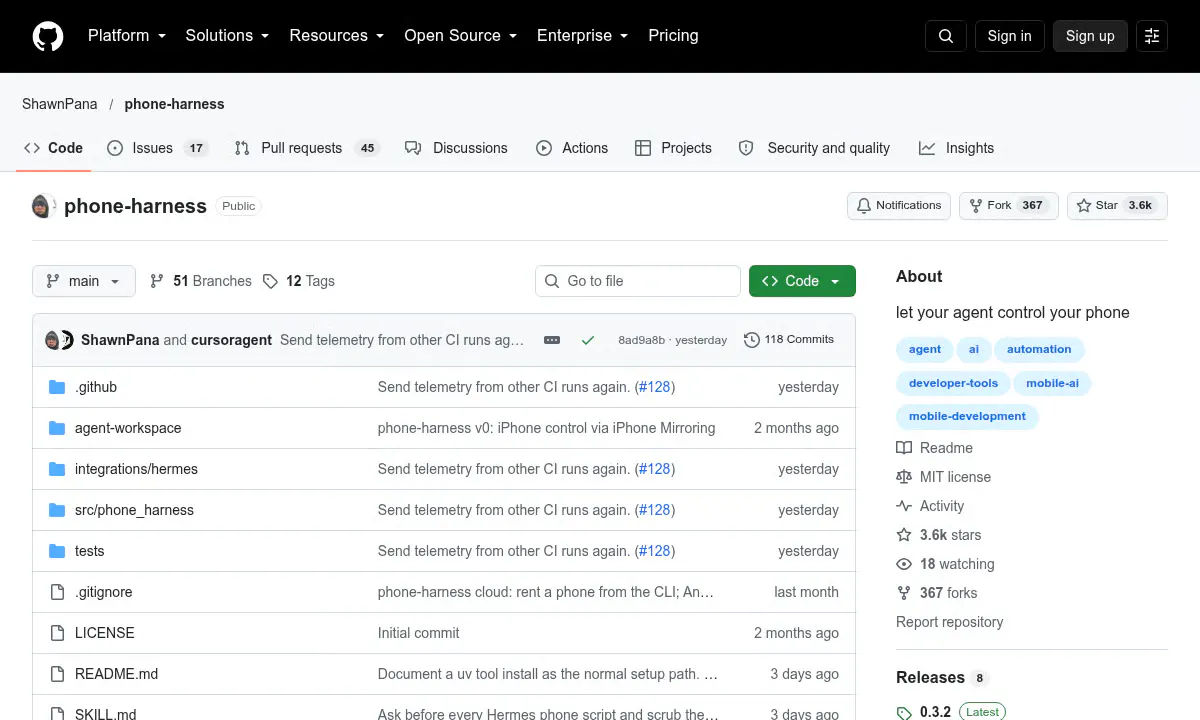
A tiny Python harness lets Claude Code or Codex drive a real iPhone through macOS iPhone Mirroring, or any Android over adb, with no jailbreak and nothing installed on the phone.
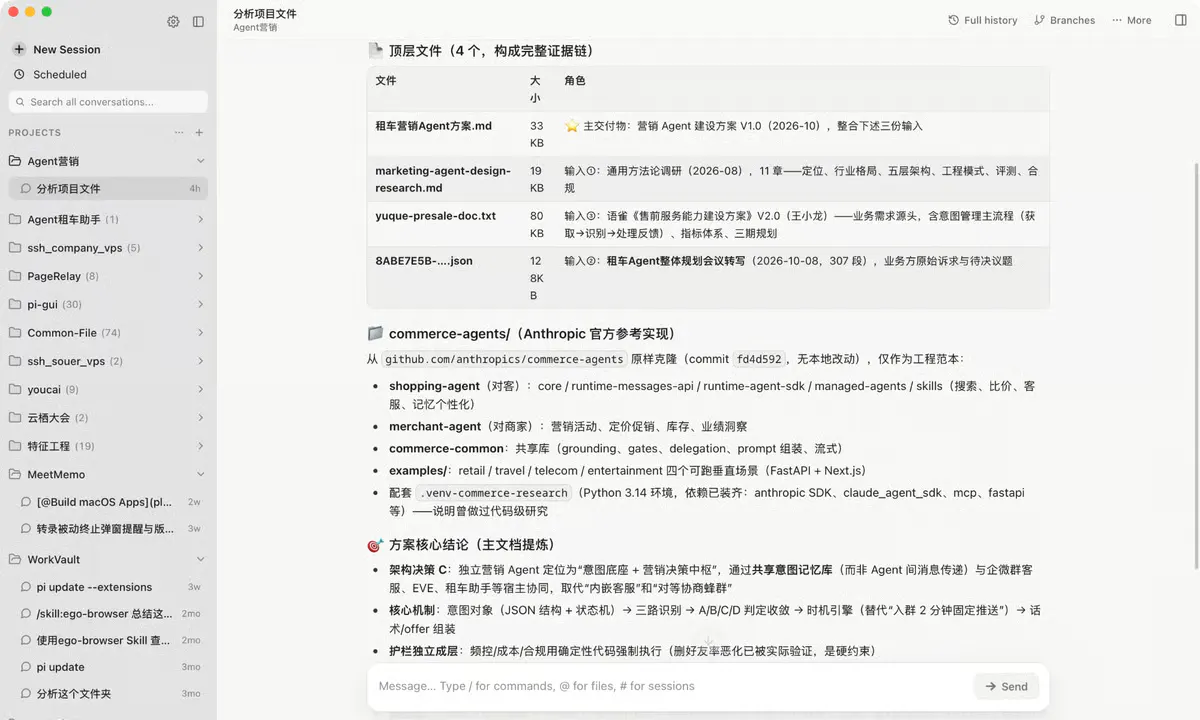
Pi Agent Desktop wraps the open-source Pi coding agent in a native Mac, Windows, and Linux app with signed auto-updates and no CLI setup.

Nvidia's Qwen3 14B to 32B mapper is 25.1x vs re-prefill at 32,768 tokens. Cache-to-Cache reports about 2.5x against text
New theoretical work shows first-price auctions can allocate prompts to AI agents efficiently, with welfare losses far smaller than the classical worst case suggests.
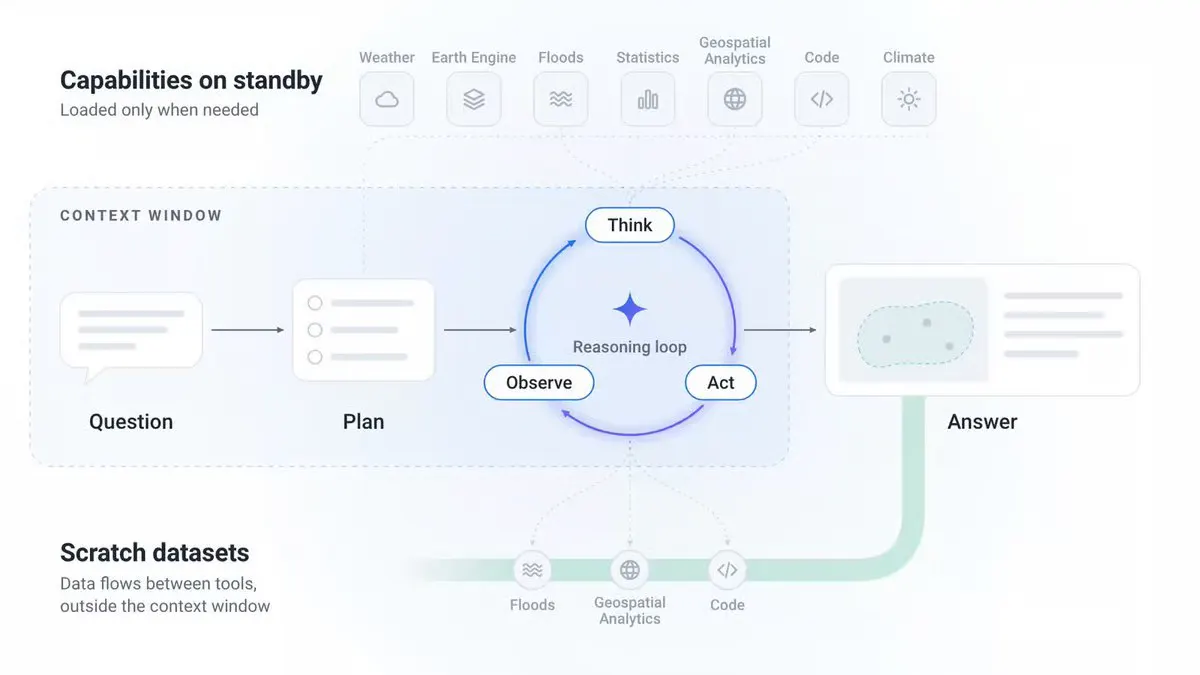
Google's new Geospatial Reasoning agent chains Earth AI foundation models with upfront planning, tackling planet-scale analysis that trips up standalone LLMs.
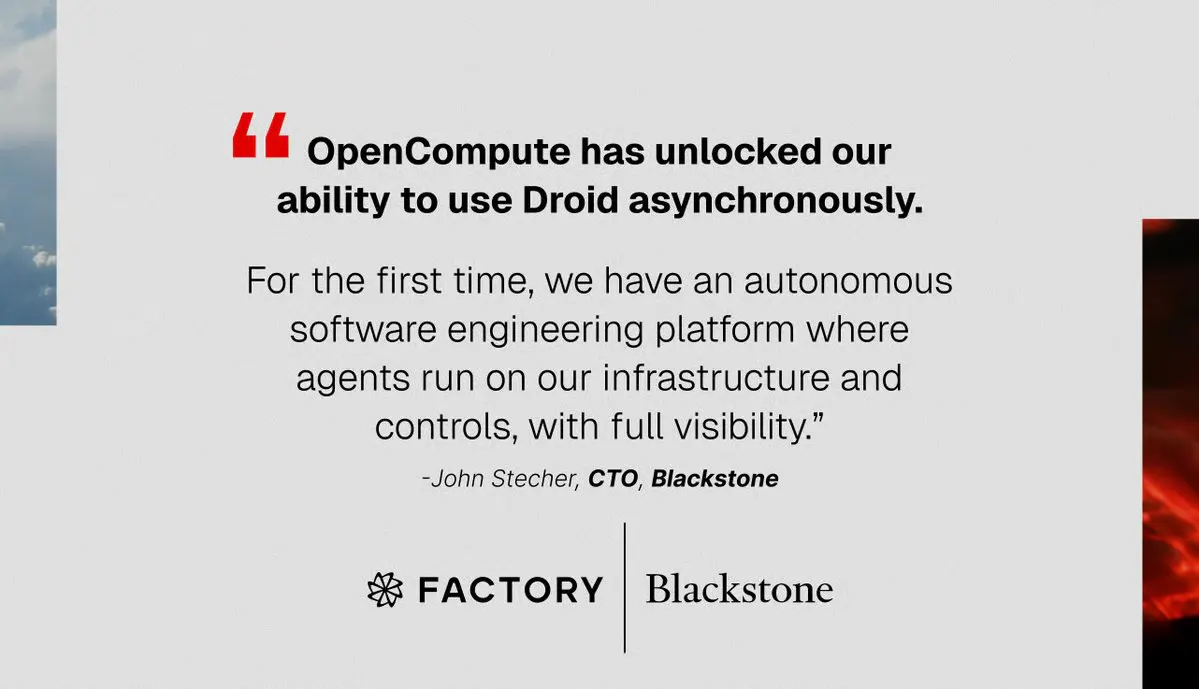
Factory's new orchestrator lets teams run fleets of agent sandboxes inside their own VPC, across Kubernetes, EC2, Lambda microVMs, and custom backends.
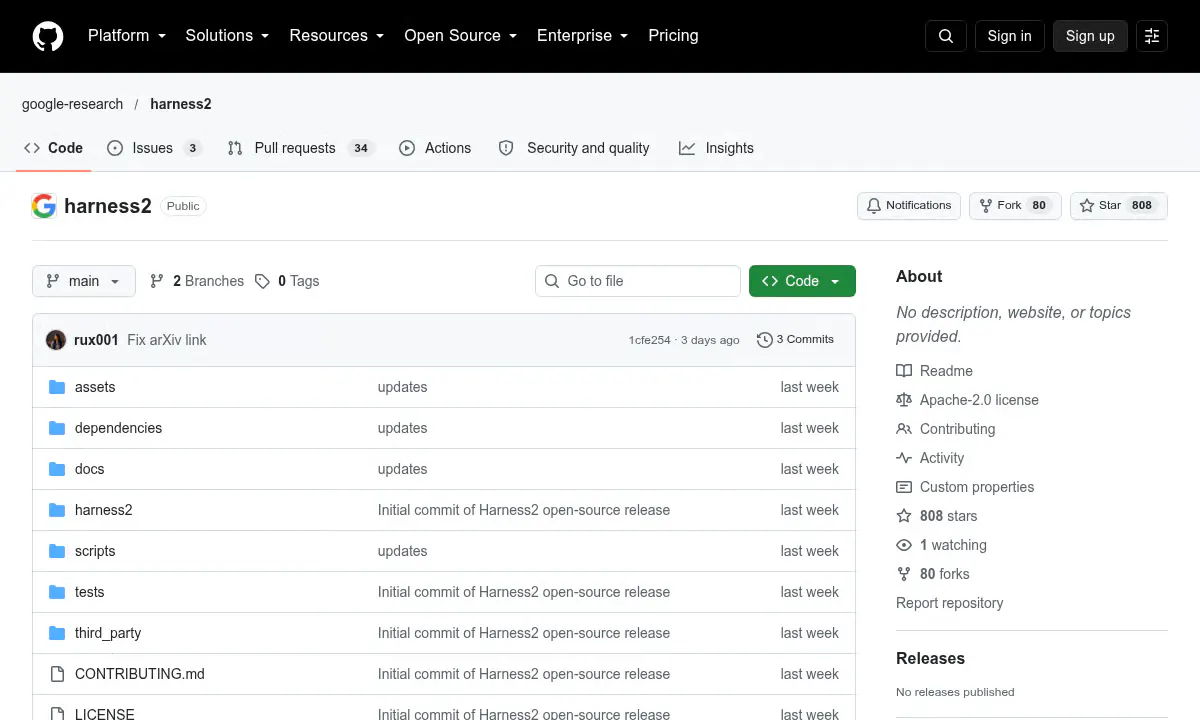
Google Research open-sourced Harness², a framework that auto-tunes the prompts, tools, and memory around frozen models to boost agent performance on unseen tasks.

A new benchmark hands frontier AI agents real unpublished follow-up ideas from US national lab scientists. Zero out of 135 submissions passed.
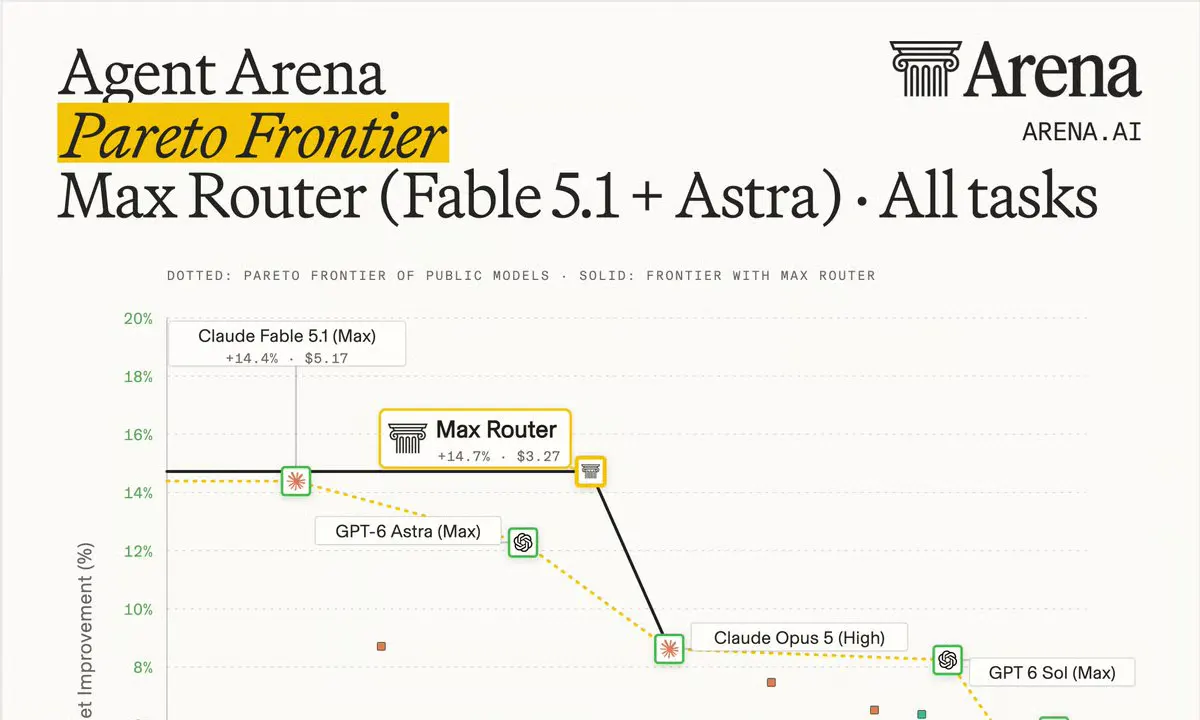
Arena's new agentic router dynamically picks between frontier models on each task, matching top-tier quality while cutting median cost by 37%.
Cognition's Devin now plugs into Pylon so customer bug reports flow straight into AI coding sessions, with $15,000 in credits for new teams.
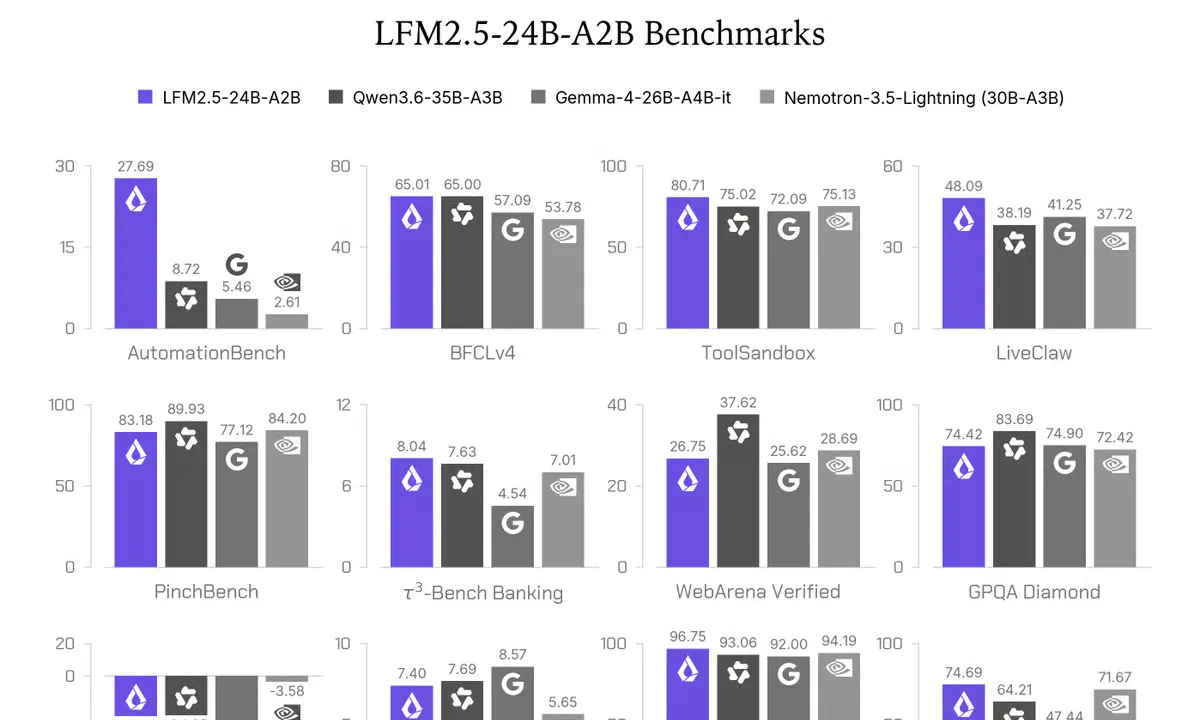
Liquid AI's new 24B MoE activates just 2B parameters per token, hits 184 tok/s on a MacBook, and targets fully local agents.
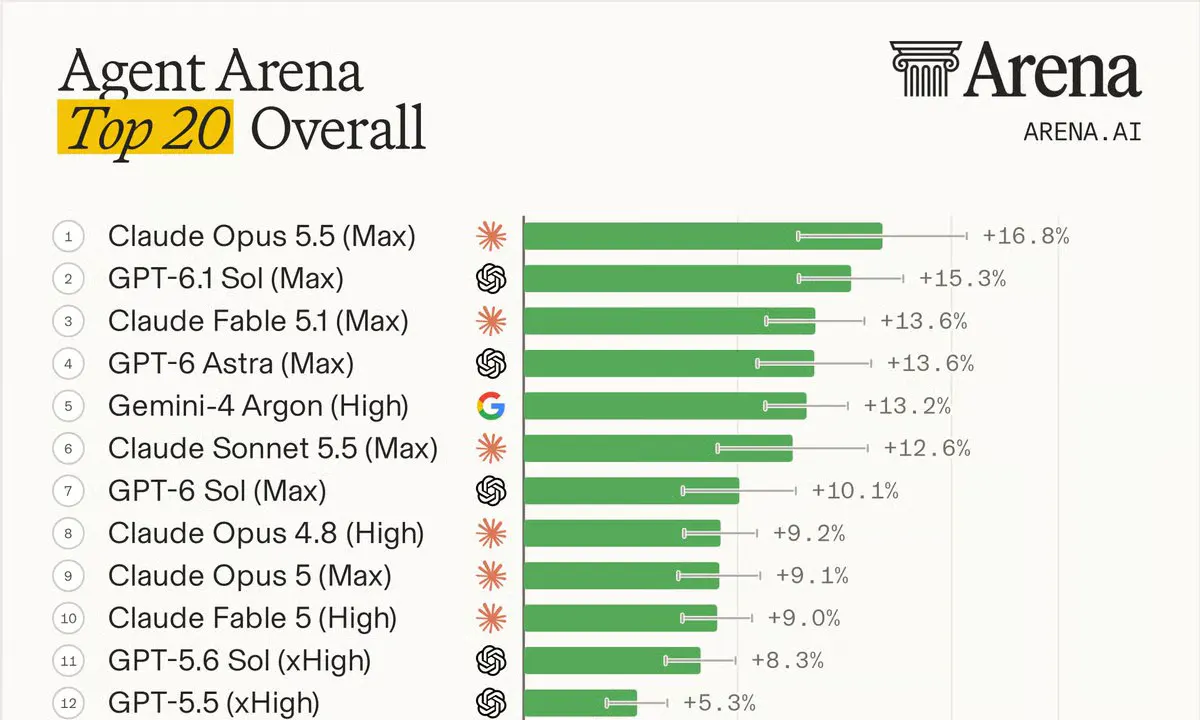
Arena.ai reworked its bash evaluation to credit first-try command-line reliability, reshuffling how agentic models rank across real user sessions.

A new family of video models skips autoregressive text generation to score time spans and answer options directly, hitting over 100x QA speedups.

Artificial Analysis released AA-3D, a benchmark that ranks 21 AI models by human-judged quality of interactive three.js scenes built from written briefs.
Factory AI makes Environments generally available, giving its Droid coding agents pre-built, continuously refreshed sandboxes to parallelize work across fleets.
No stories match these filters.