
Property Tests Catch a Hidden Softmax Bug That Breaks PyTorch and JAX
A six-page follow-up uses Hypothesis to stress-test the recent DeepMind softmax fix, finds a new edge case, and ships a tougher implementation.
A focused feed of models, agents, research and open-source releases for people building with AI.
A six-page follow-up uses Hypothesis to stress-test the recent DeepMind softmax fix, finds a new edge case, and ships a tougher implementation.
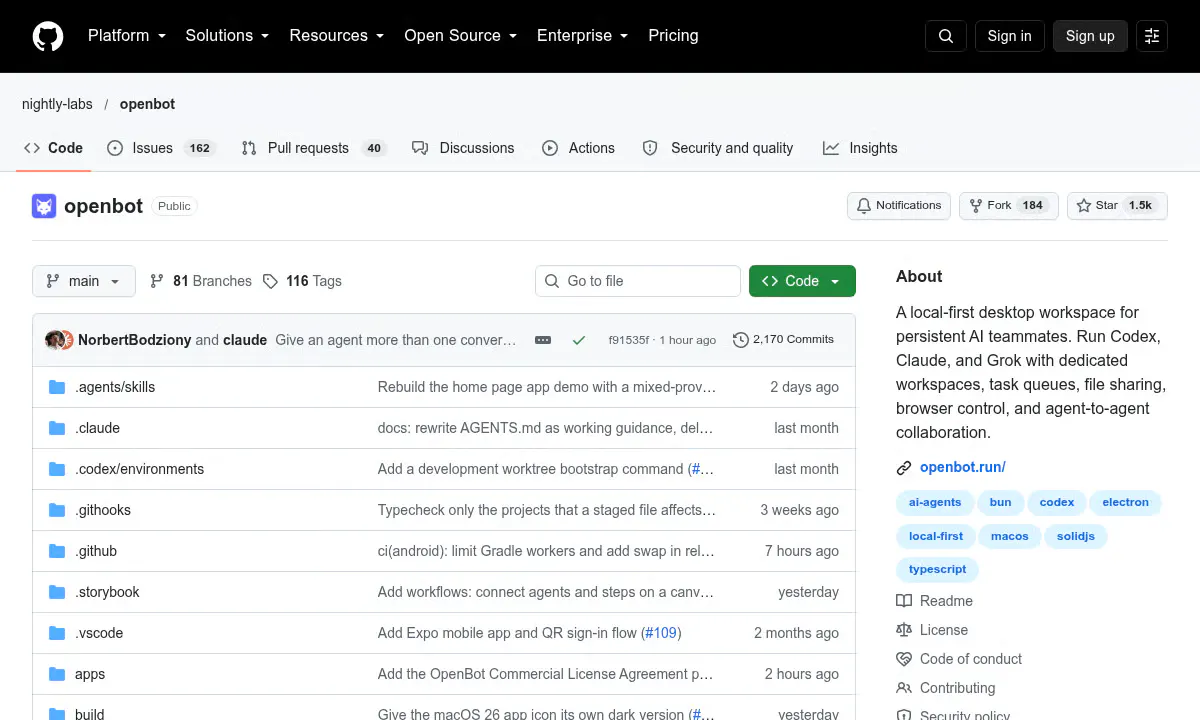
OpenBot is a local-first Electron app that runs Codex, Claude, Grok and Gemini as persistent AI teammates with shared workspaces and queues.
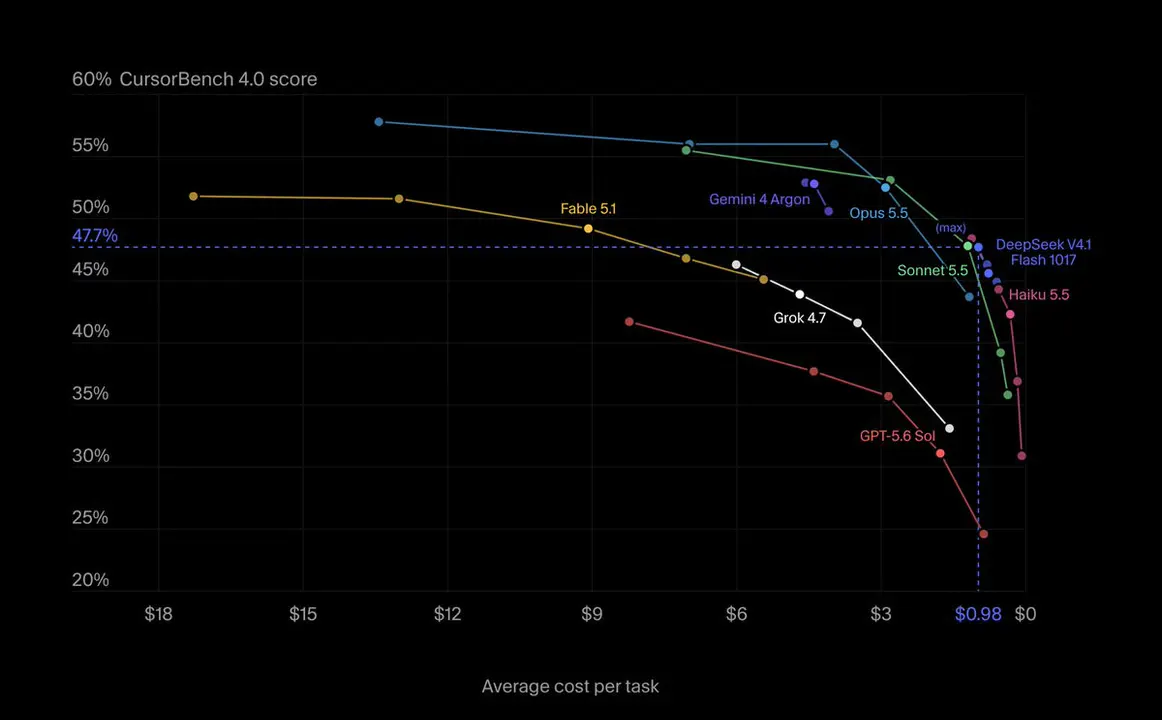
DeepSeek V4.1 Flash lands in Cursor with four effort tiers that sit on the CursorBench cost frontier from $0.60 to $0.98 per task.
Cursor's new Agent SDK turns custom bots into versioned repos of Markdown prompts and TypeScript tools, with built-in evals and flexible hosting.

Cognition's coding agent now runs frontier cyber models to hunt chained exploits, triages backlogs against a living threat model, and ships patches in parallel VMs.
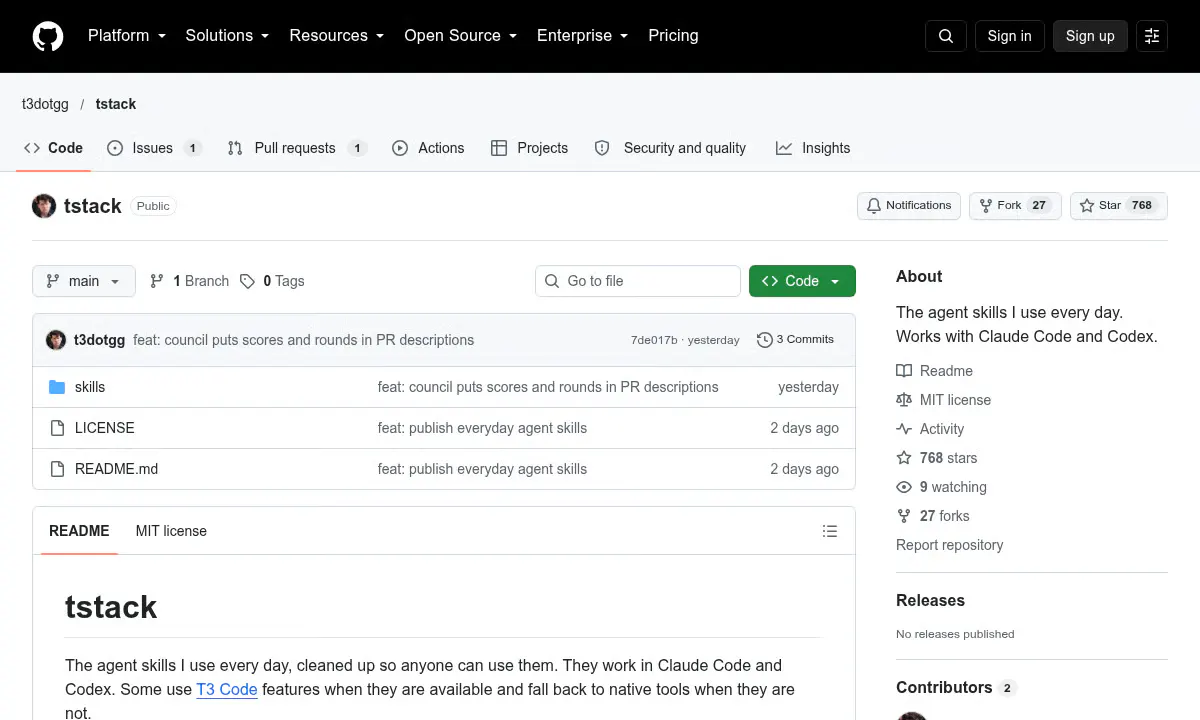
Theo Browne open-sourced tstack, a collection of nine agent skills that automate the full pull-request lifecycle in Claude Code and Codex.
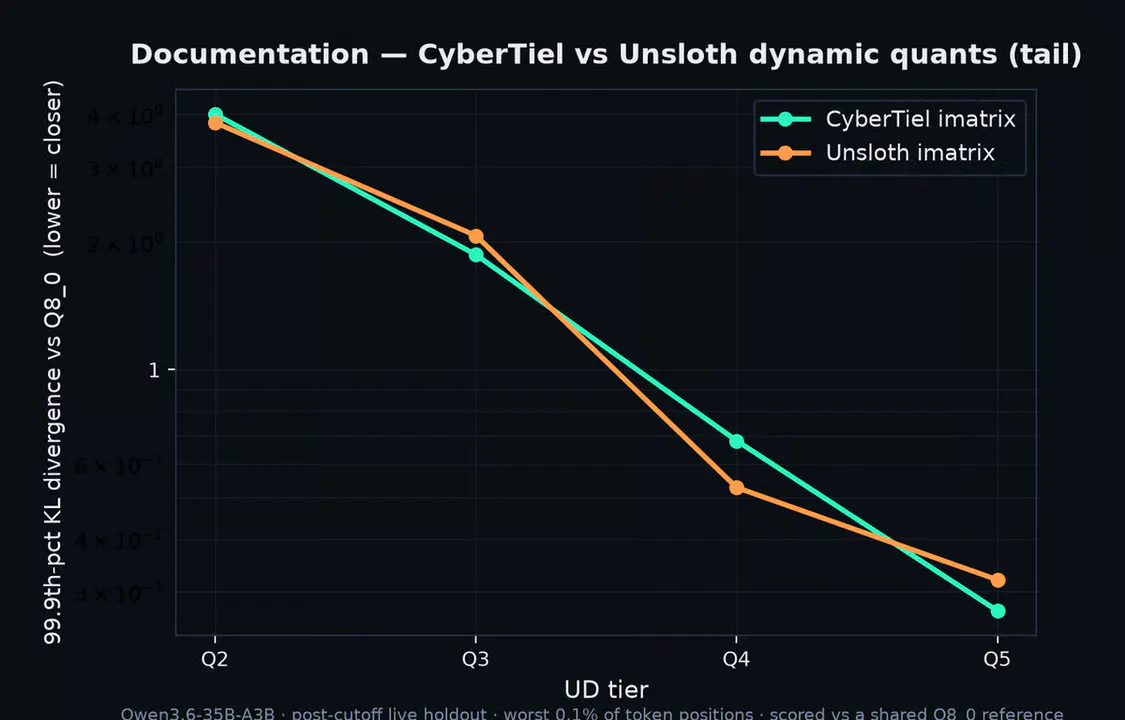
An abliterated 35B mixture-of-experts coder with a grafted multi-token prediction head delivers frontier agentic coding at Q4 on 24GB consumer hardware.

A new open-source tool pushes every MLP neuron in Qwen3-4B up and down, saves every rollout, then lets you browse the model as a 3D map.
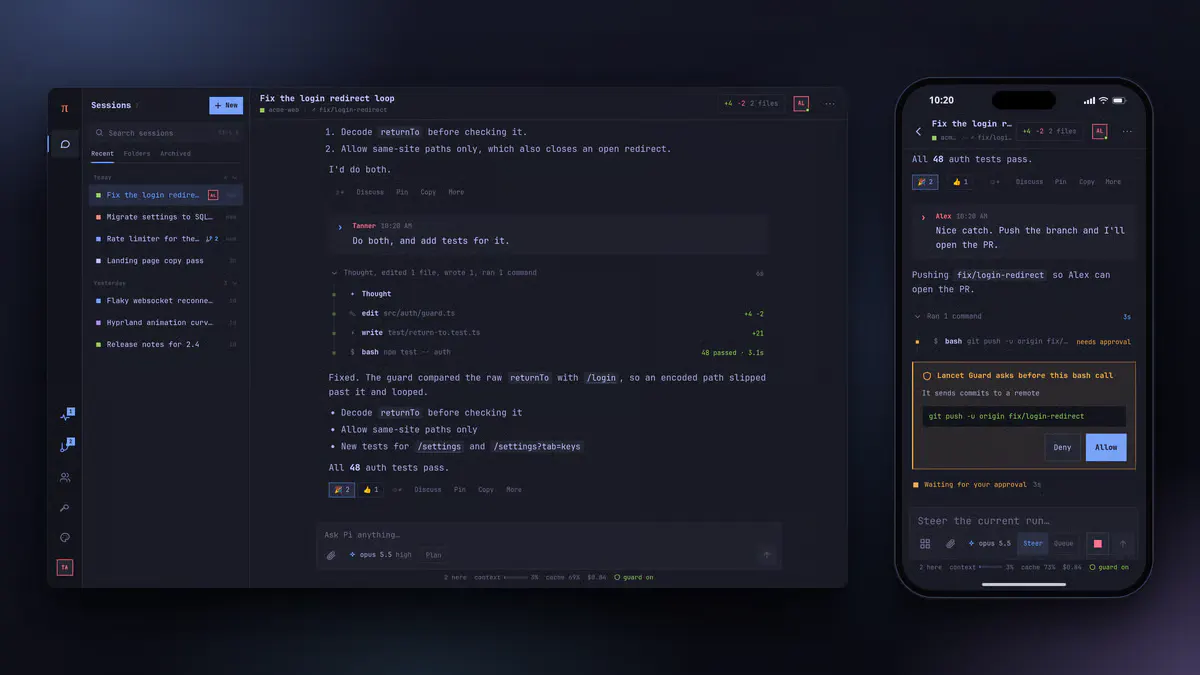
Pi Pocket turns the Pi coding agent into a phone-friendly, multiplayer web app with durable sessions that survive server restarts mid-run.

GitHub swapped its LLM-based secret scanner for a fine-tuned ModernBERT classifier, boosting acceptance 11.5%, cutting scan time 86%, and serving costs 98%.

Moonshot flipped the default so Kimi Code tackles work solo, with multi-agent swarms now strictly opt-in across CLI and Desktop.

A new MCP server and playbook lets AI coding agents reverse engineer, patch, and ship multiplayer support for any single-player PC game.
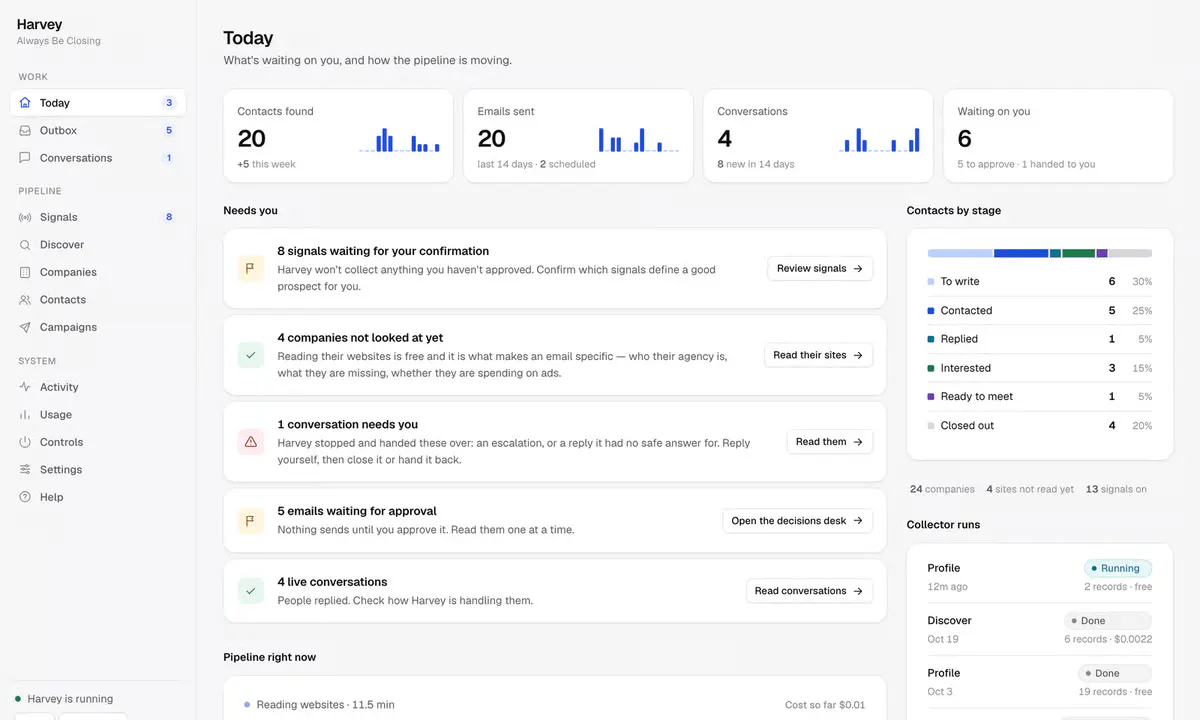
Harvey is an open-source autonomous sales agent that runs cold email campaigns on your Claude or ChatGPT subscription with no per-token API bill.

A new VS Code extension forces coding agents to ask you design questions first, cutting mental-model mismatches by 79 percent in a user study.
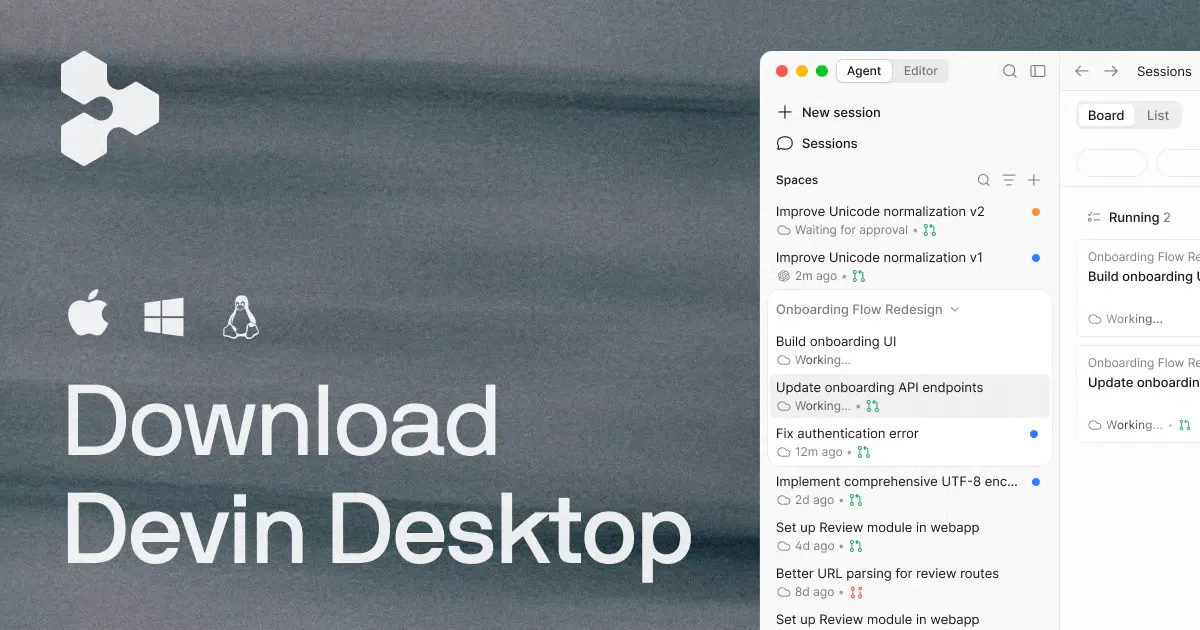
Cognition ships a polished refresh of its agent orchestration IDE, free to download and now compatible with your existing ChatGPT Plus or Pro quota.

Vercel's AI SDK adds a first-party web fetch tool that returns pages as markdown, works with any function-calling model, and ships with domain allowlists.

Cursor's local agent can now click and type across any desktop app, driving tools like the iOS Simulator to verify the code it writes.

A new open-source plugin wires an AI agent directly into Blender over TCP, exposing 16 tools and 186 ops for scene editing, rendering, and verification.
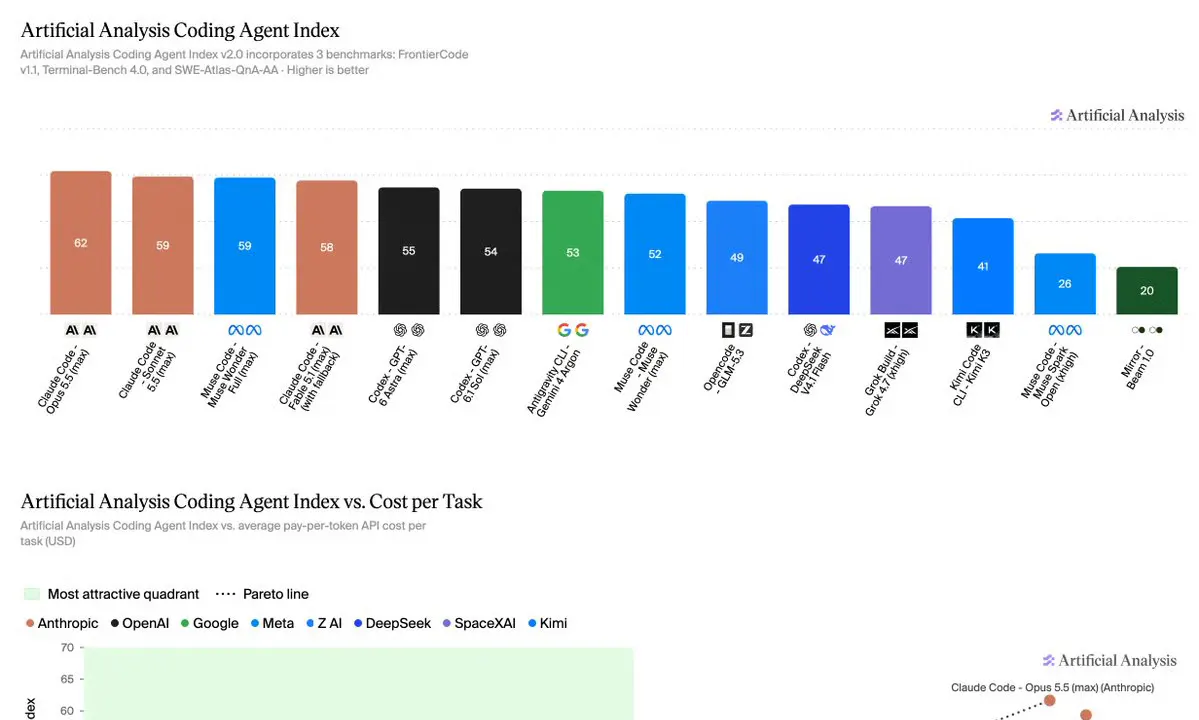
A new coding agent leaderboard swaps in Cognition's FrontierCode benchmark and tightens Q&A grading, reshuffling the top of the charts.
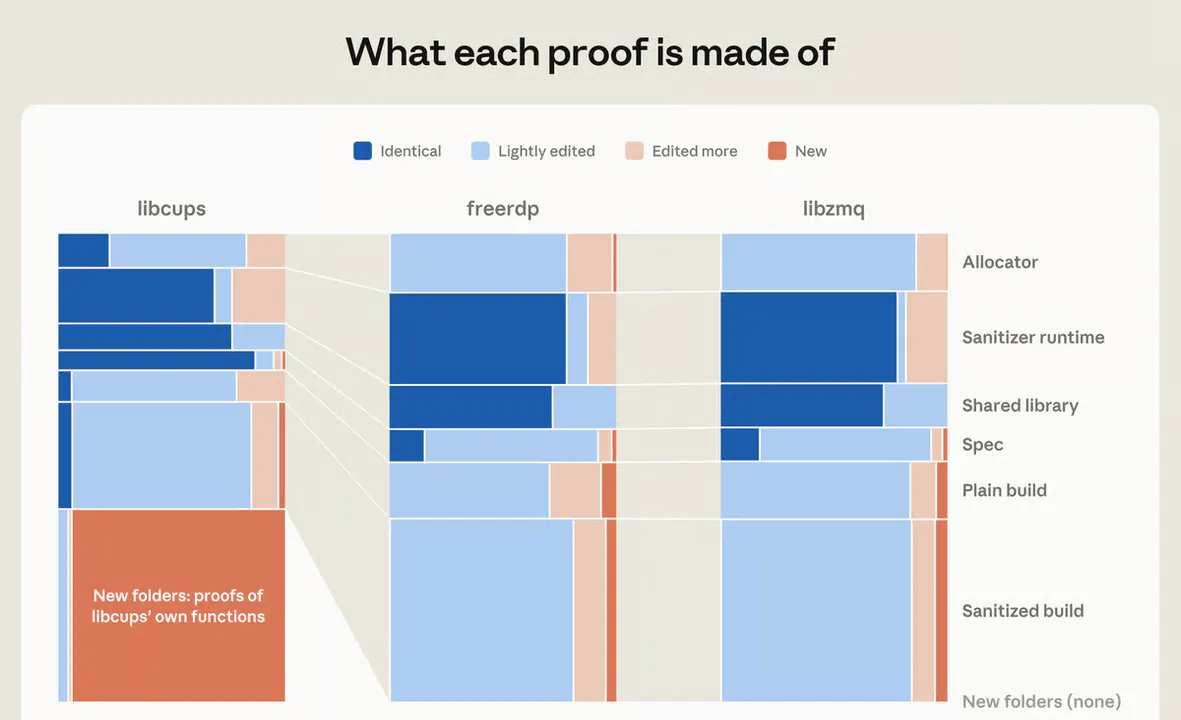
Anthropic and Theorem used Claude to produce machine-checked no-crash proofs for 123 open-source libraries at the assembly level, uncovering long-latent bugs.

A Claude Code fix passed 9 required tests and still returned the wrong title. One closed question after the tests picked the suite that caught it

Wes Bos released an open-source toolkit that turns iPhone LiDAR scans into editable Three.js scenes through an AI coding agent workflow.
A DSH plugin ships frontier models like DeepSeek V4.1 Flash and Kimi K3 inside the official agent harness with no login, key, or quota.
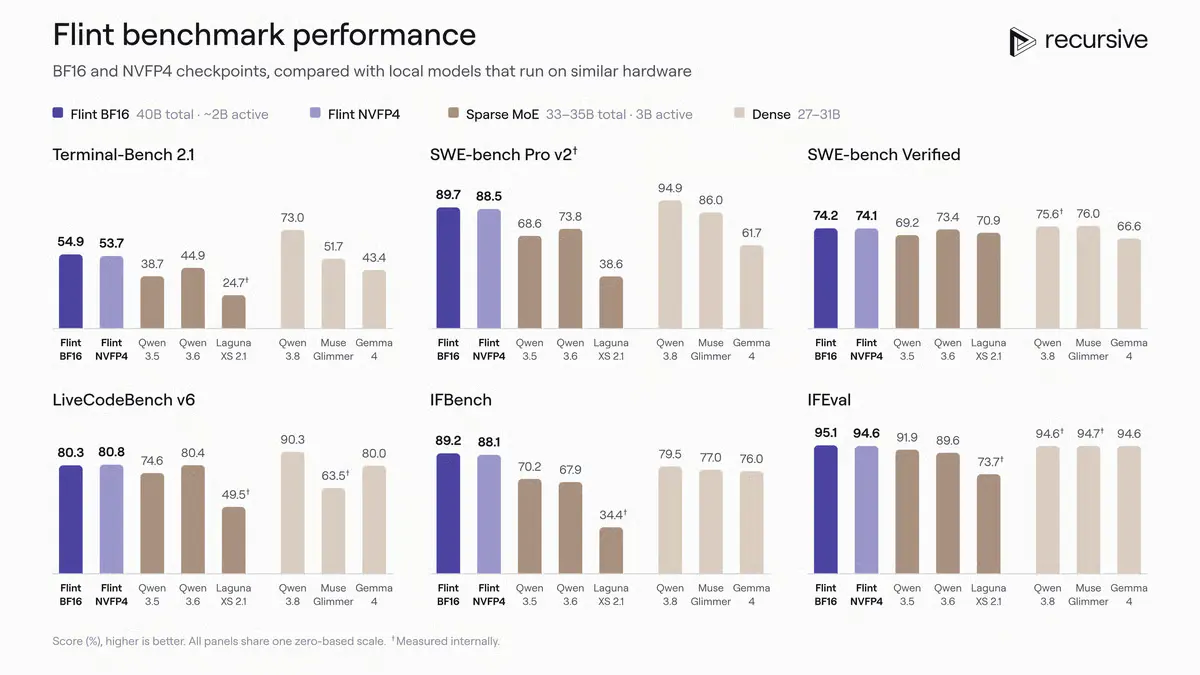
Recursive's first model is a 40B mixture-of-experts coder that activates just 2.5B parameters, runs on a MacBook, and was largely designed by an automated research agent.
No stories match these filters.