
Anthropic Rewrites Claude API After 3 Years, Removing Temperature Controls
Anthropic ships its first versioned Claude API release since 2023, dropping temperature controls, legacy fields, and the old X-Api-Key header.
A focused feed of models, agents, research and open-source releases for people building with AI.
Anthropic ships its first versioned Claude API release since 2023, dropping temperature controls, legacy fields, and the old X-Api-Key header.
Microsoft Research and GitHub Next release the Proof-Driven Development Kit in research preview, pairing LLM agents with Verus to formally verify Rust code against specs.
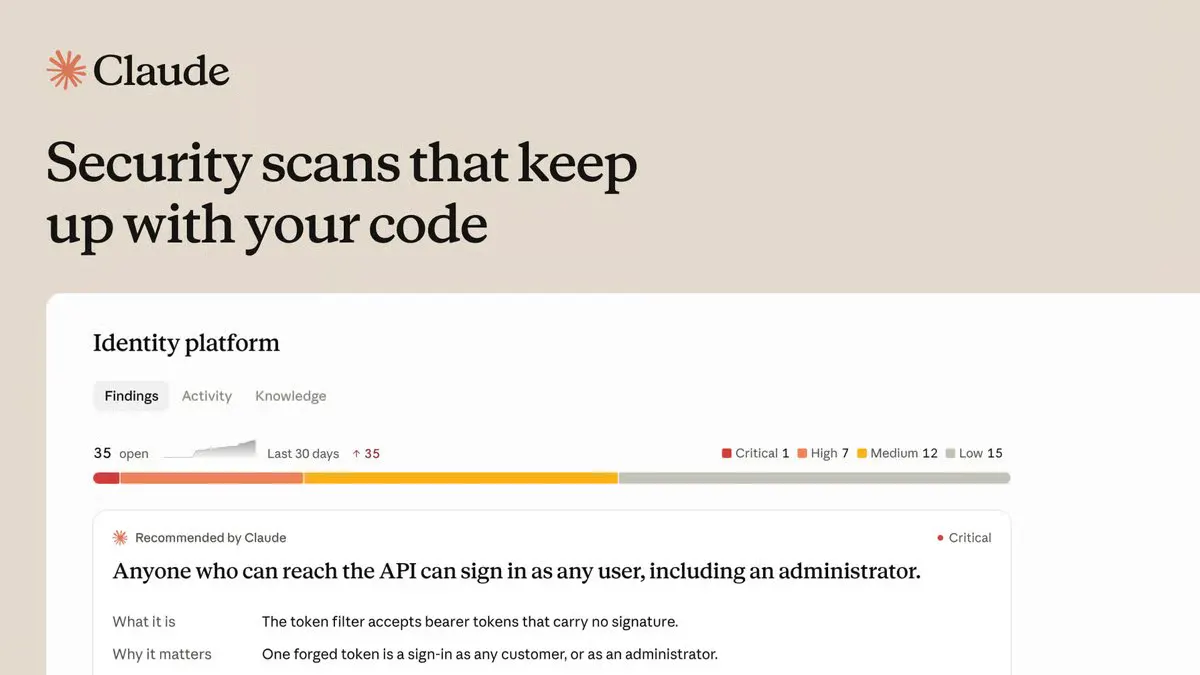
Anthropic's code vulnerability scanner now runs continuously on connected repos, tracks fixes automatically, and plugs into dev workflows via API and MCP.
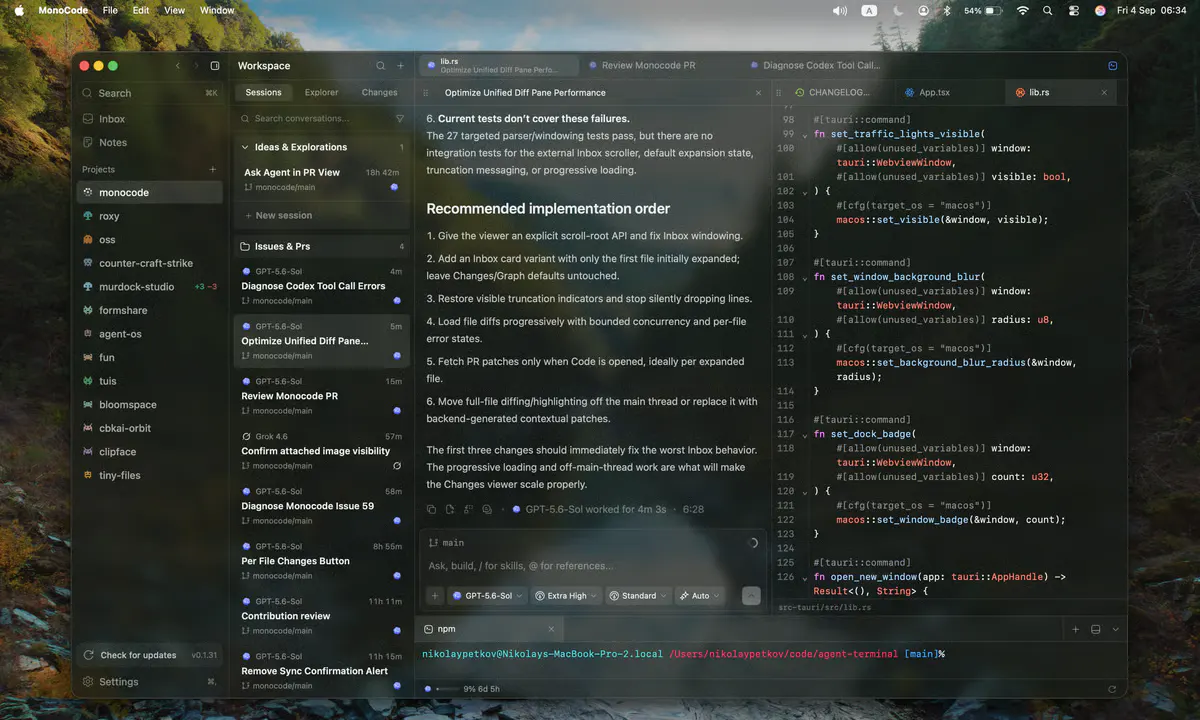
MonoCode wraps Claude Code, Codex, Cursor CLI, and OpenCode in a single native desktop app, turning terminal agents into tabbed GUI sessions.
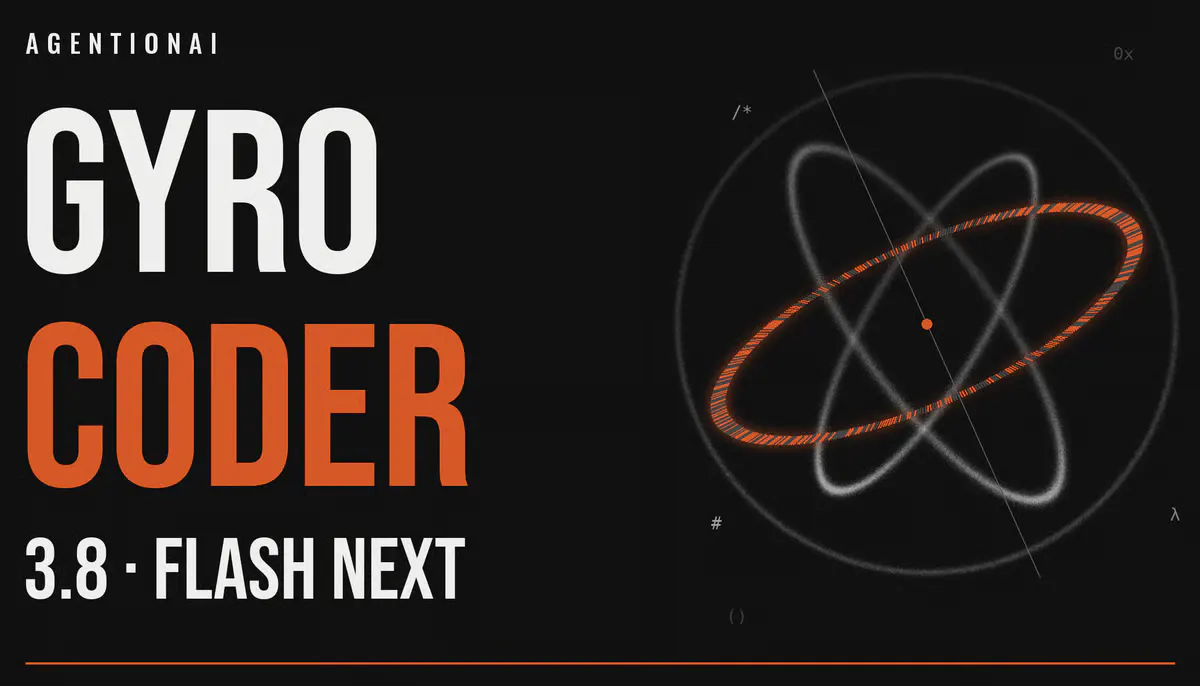
A 125B mixture-of-experts coding model squeezed onto a single 24GB consumer GPU through evolutionary expert pruning and 2.125-bit trellis quantization.
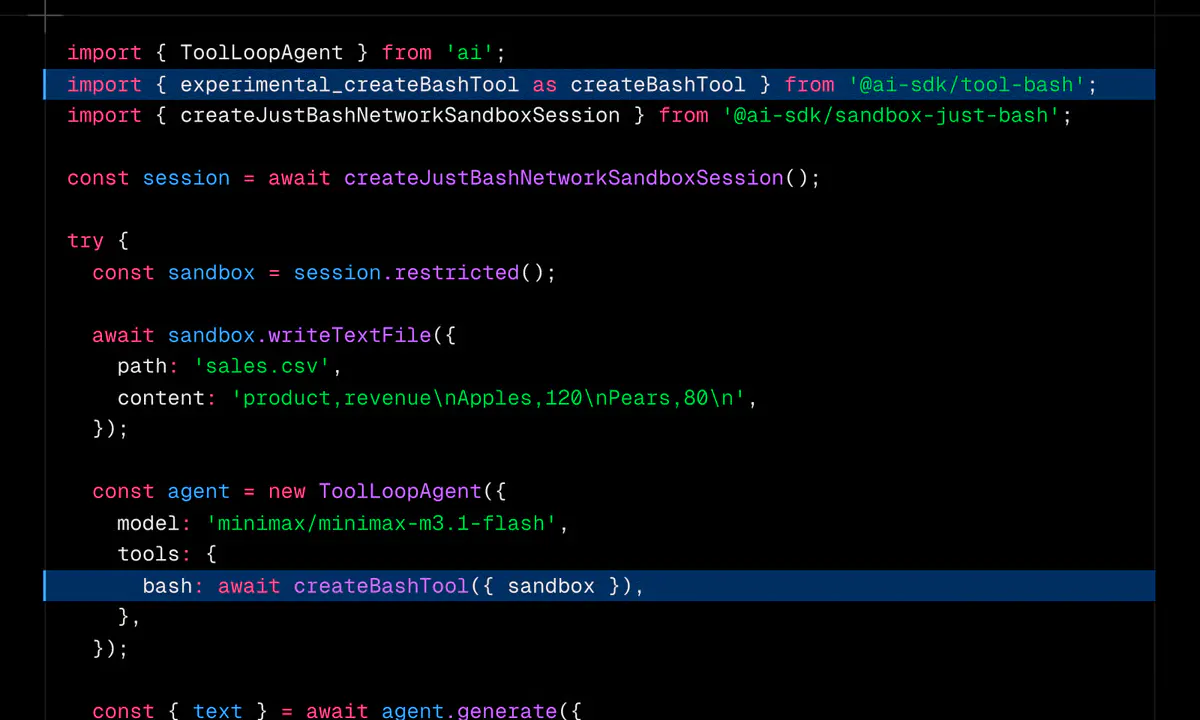
Vercel's AI SDK ships a first-party Bash tool that gives agents a shell, with pluggable sandboxes ranging from in-memory to full VMs.

Inception's Mercury 3 is a diffusion-based language model that generates over 1,000 tokens per second while matching frontier speed-tier quality.

Anthropic let an internal Claude model run a 64-hour autonomous protein design campaign, producing 17 lab-validated binders against scorpion neurotoxins from four regions.

Factory's Droid agent now hooks into Linear so assigning an issue triggers a full investigate, code, test, and pull request cycle.
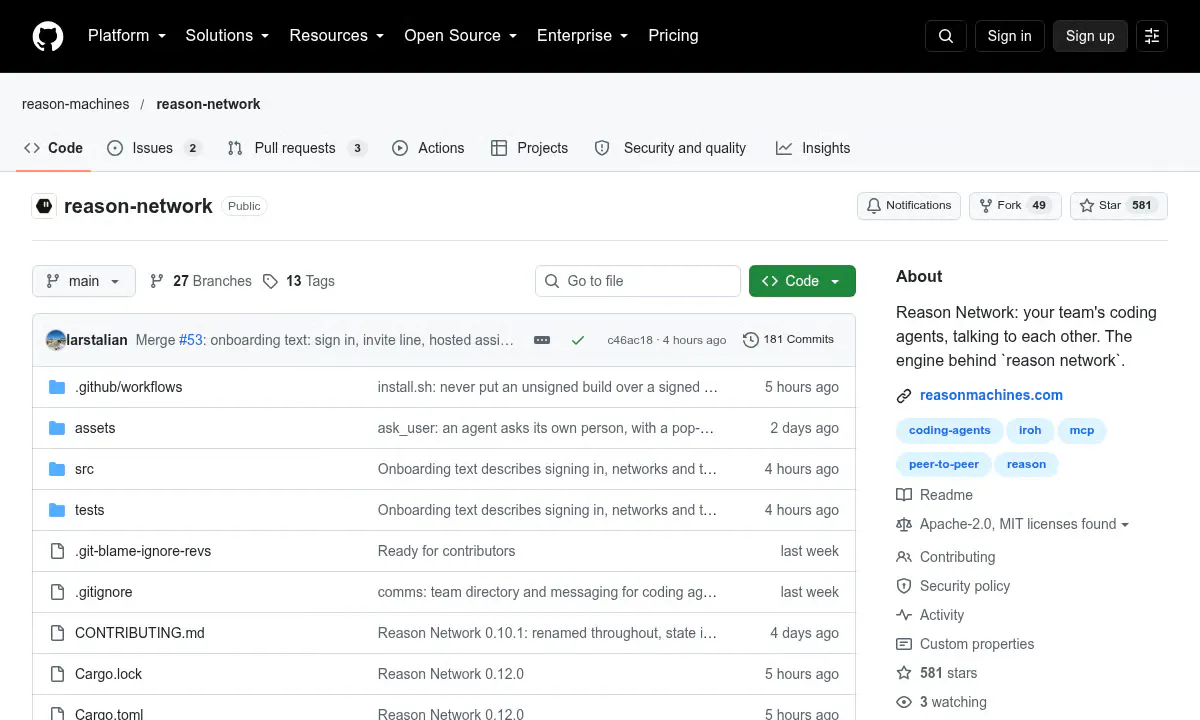
A free, open-source Rust daemon lets coding agents across different machines discover each other, exchange messages, and coordinate directly over an encrypted P2P link.
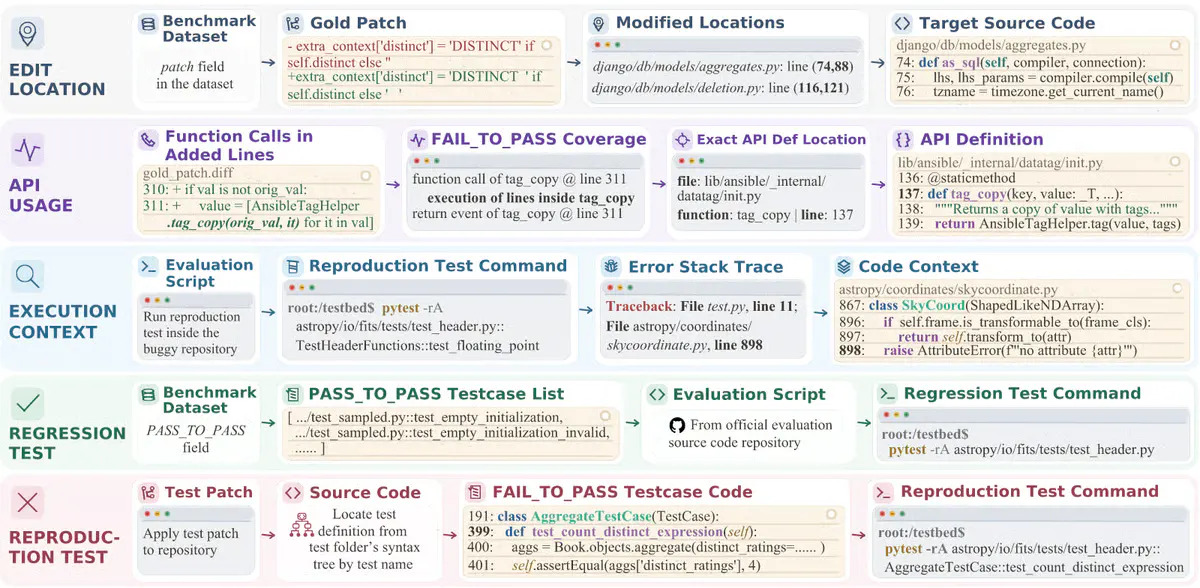
Microsoft and Georgia Tech researchers inject perfect information into SWE agents to rank which signals actually move the needle on bug fixing.

An independent open-source take on Anthropic's internal Scion gives teams a Git-compatible server built for swarms of coding agents landing changes in parallel.
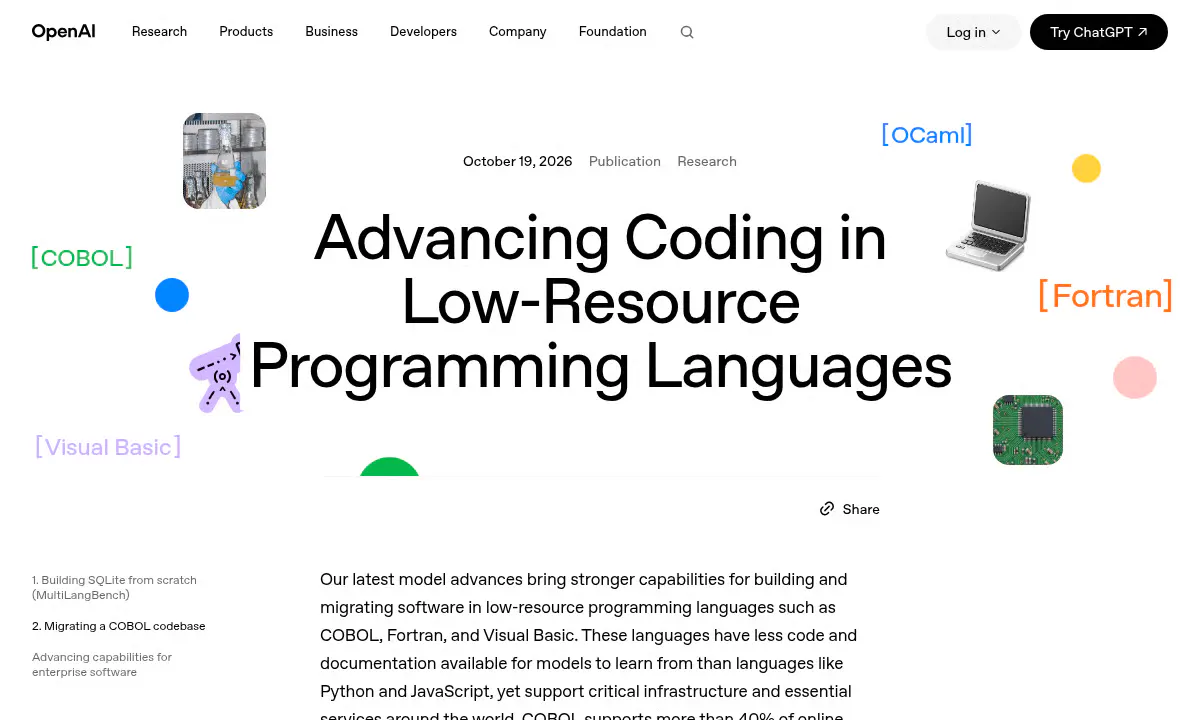
OpenAI's newest models jump from single-digit to near-perfect accuracy on COBOL migration and show massive gains across 20 programming languages.

Cognition is grading Devin users on productive hours per dollar, then raising spending limits for the ones who turn tokens into real engineering output.
Factory's autonomous coding agents can now be purchased through the Databricks Marketplace and run directly against Unity Catalog governed data and models.

MiniMax rolls out M3.1 Flash, a 1M-context agentic coding model priced at $0.15/$0.60 per million tokens, with weights promised soon.
Nebius published an open cookbook of notebooks and reference apps for its Token Factory inference service, covering agents, RAG, fine-tuning, and distillation.
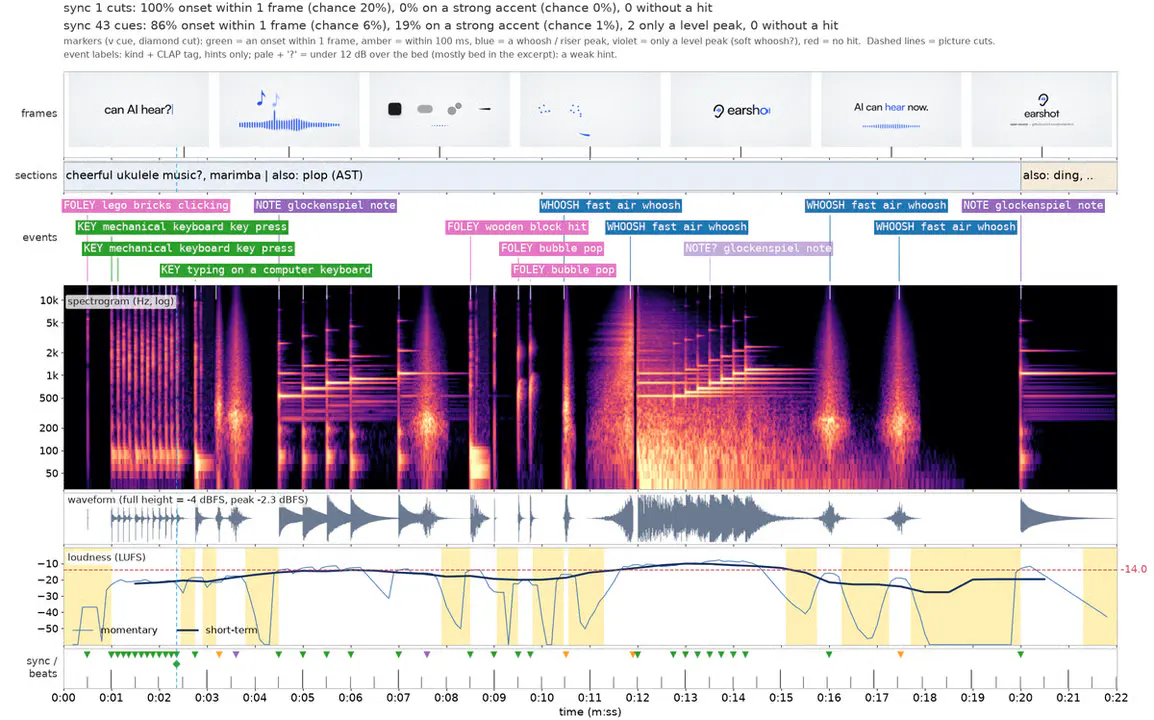
Earshot gives coding agents calibrated hearing and a code-based sound forge, running fully on CPU with a CLI, Python API, and MCP server.

Geo-sleuth is an open-source agent skill that locates photos to within meters using OpenStreetMap, elevation skylines, satellite tiles and street view, with no landmarks required.
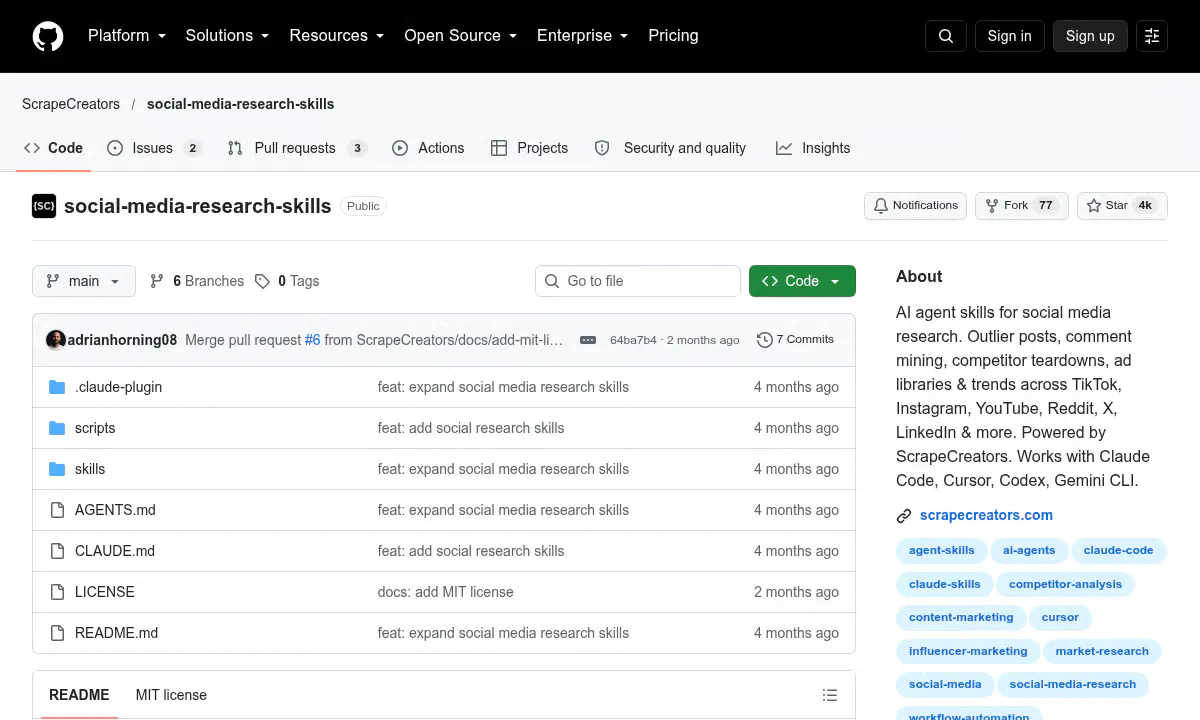
ScrapeCreators shipped a plugin bundle of 13 agent skills that lets coding assistants run full social media research workflows across TikTok, Instagram, YouTube, Reddit, X, LinkedIn and more.

Grok Bot ships a speed and polish pass, now runs computer tasks 3x faster, reads X Chat, and opens its connector marketplace to third parties.

Factory makes Delegations generally available, letting teams hand coding tasks to its Droid agent directly from Slack, Linear, Jira, and Microsoft Teams.
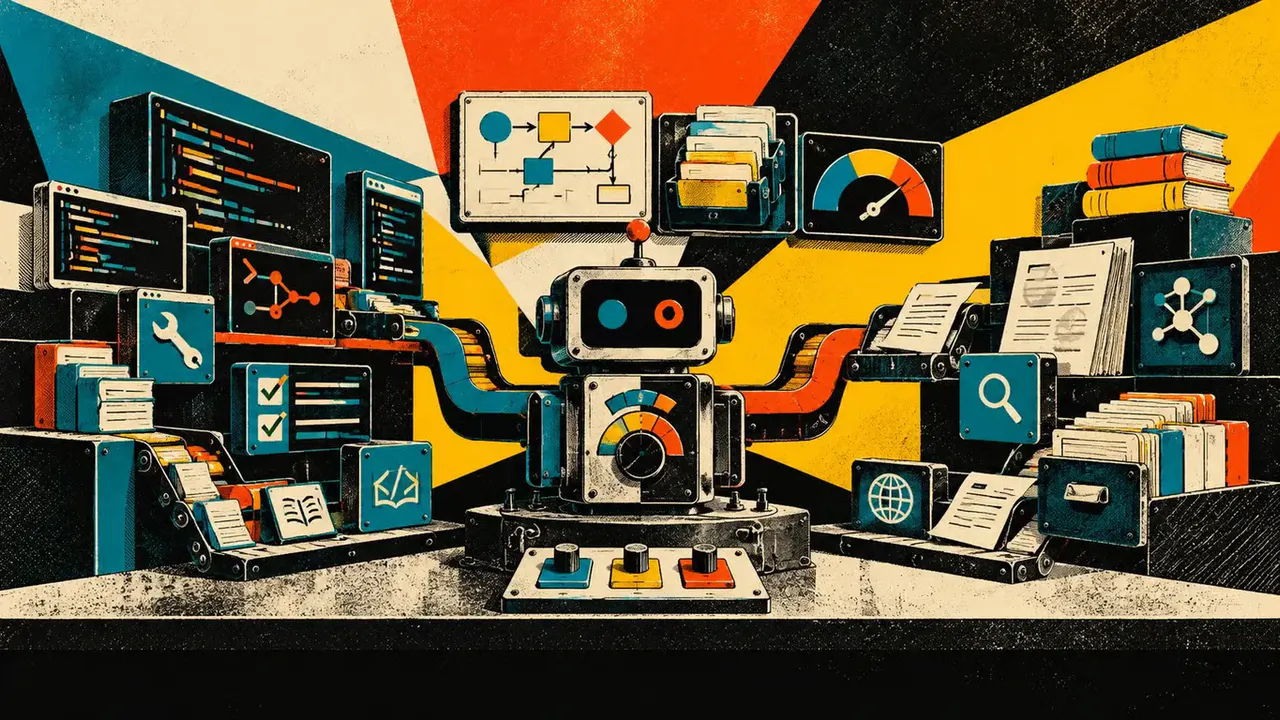
Your agent harness is an architectural decision that directly dictates task success and API costs. Here is how to match it to your workload.
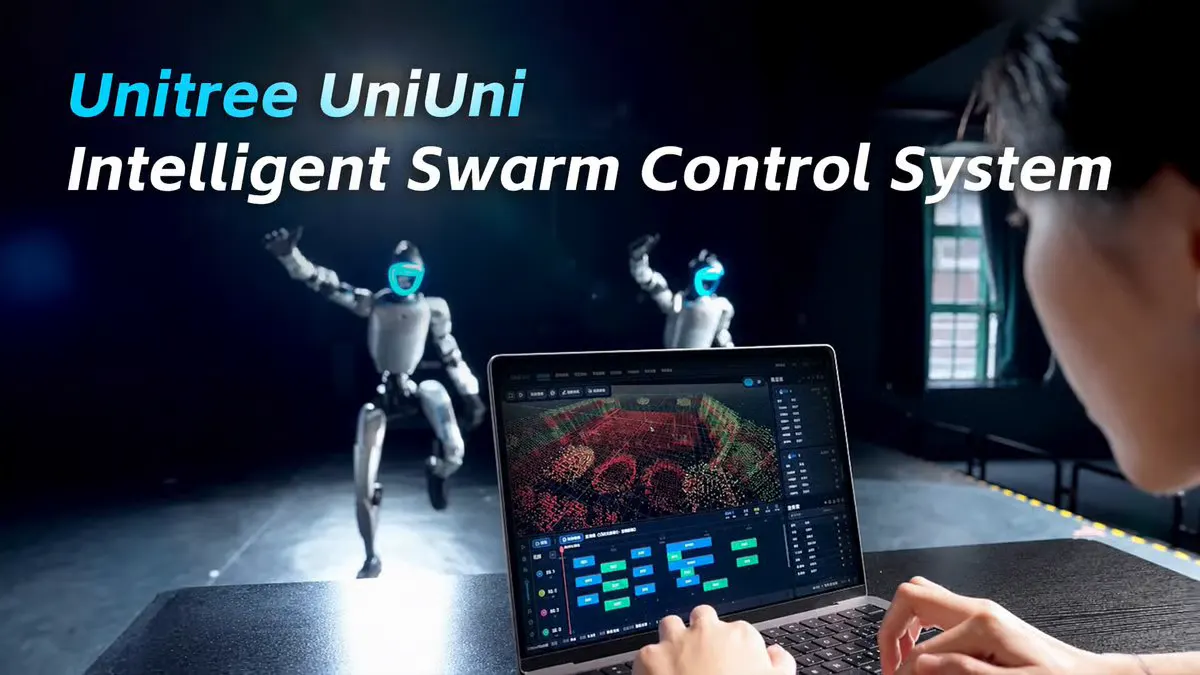
Unitree's new UniUni software coordinates fleets of its humanoid and quadruped robots for choreographed formations, live monitoring, and emergency stops.
No stories match these filters.