

Cursor's Computer Use Lets Its Coding Agent Click Through Desktop Apps
Cursor's local agent can now click and type across any desktop app, driving tools like the iOS Simulator to verify the code it writes.
A focused feed of models, agents, research and open-source releases for people building with AI.
Cursor's local agent can now click and type across any desktop app, driving tools like the iOS Simulator to verify the code it writes.

A new open-source plugin wires an AI agent directly into Blender over TCP, exposing 16 tools and 186 ops for scene editing, rendering, and verification.
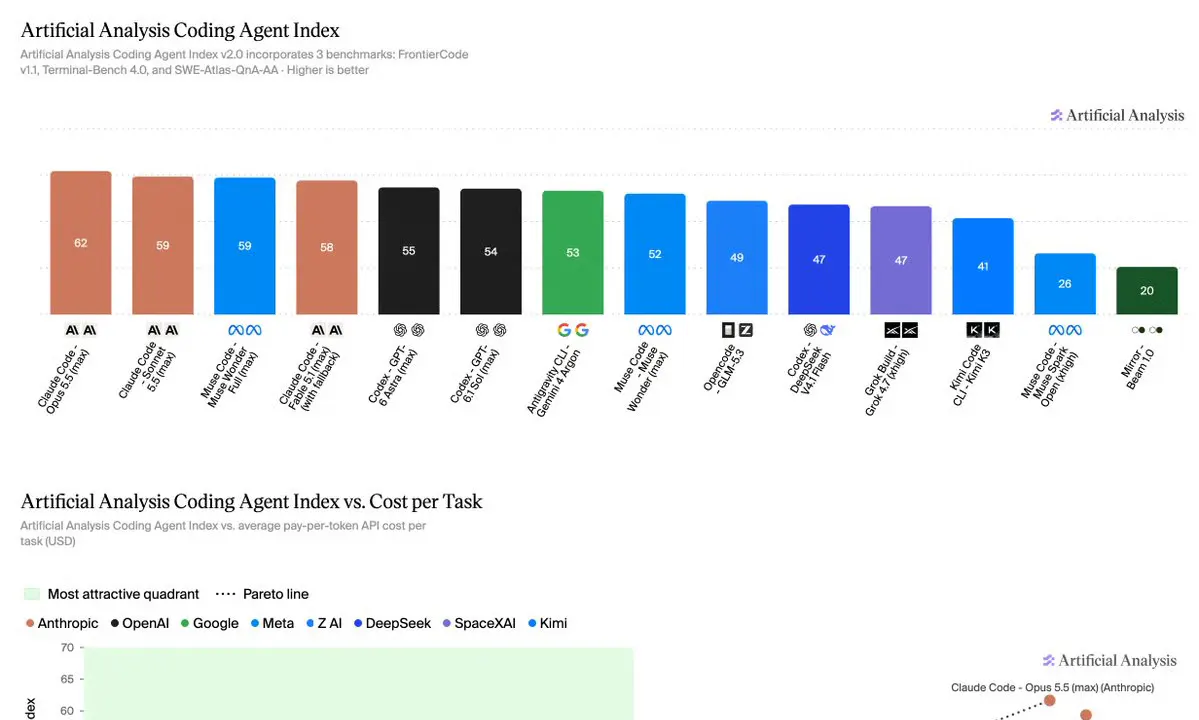
A new coding agent leaderboard swaps in Cognition's FrontierCode benchmark and tightens Q&A grading, reshuffling the top of the charts.
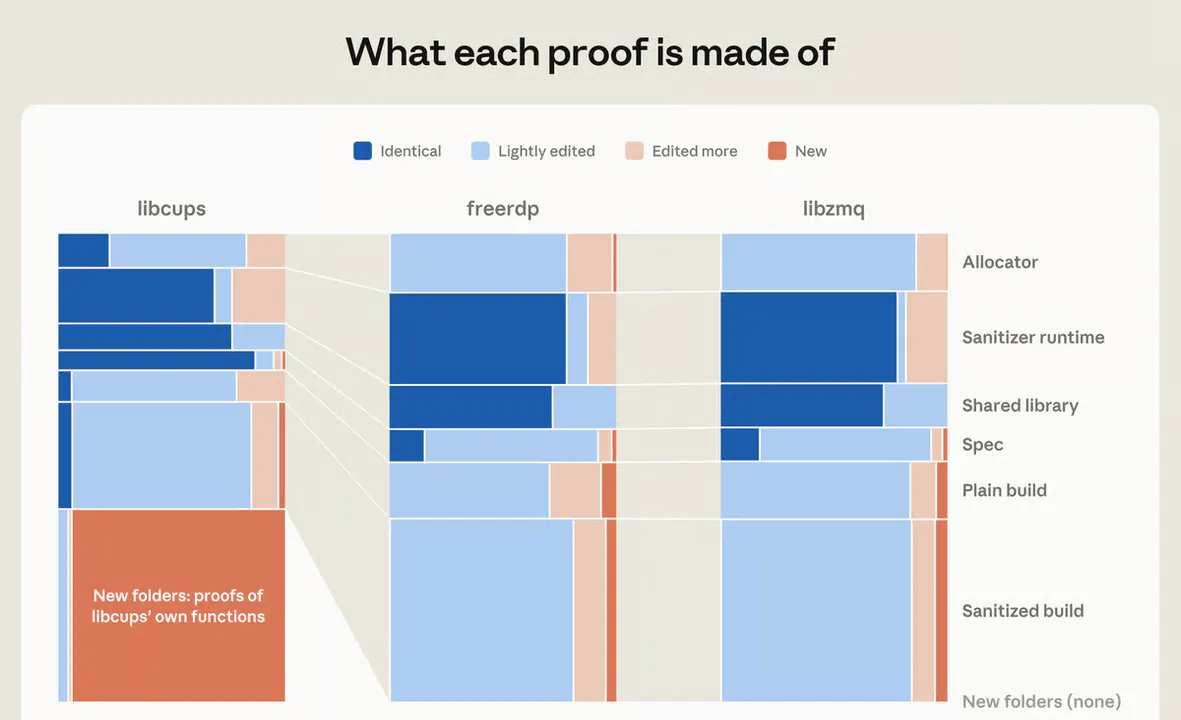
Anthropic and Theorem used Claude to produce machine-checked no-crash proofs for 123 open-source libraries at the assembly level, uncovering long-latent bugs.
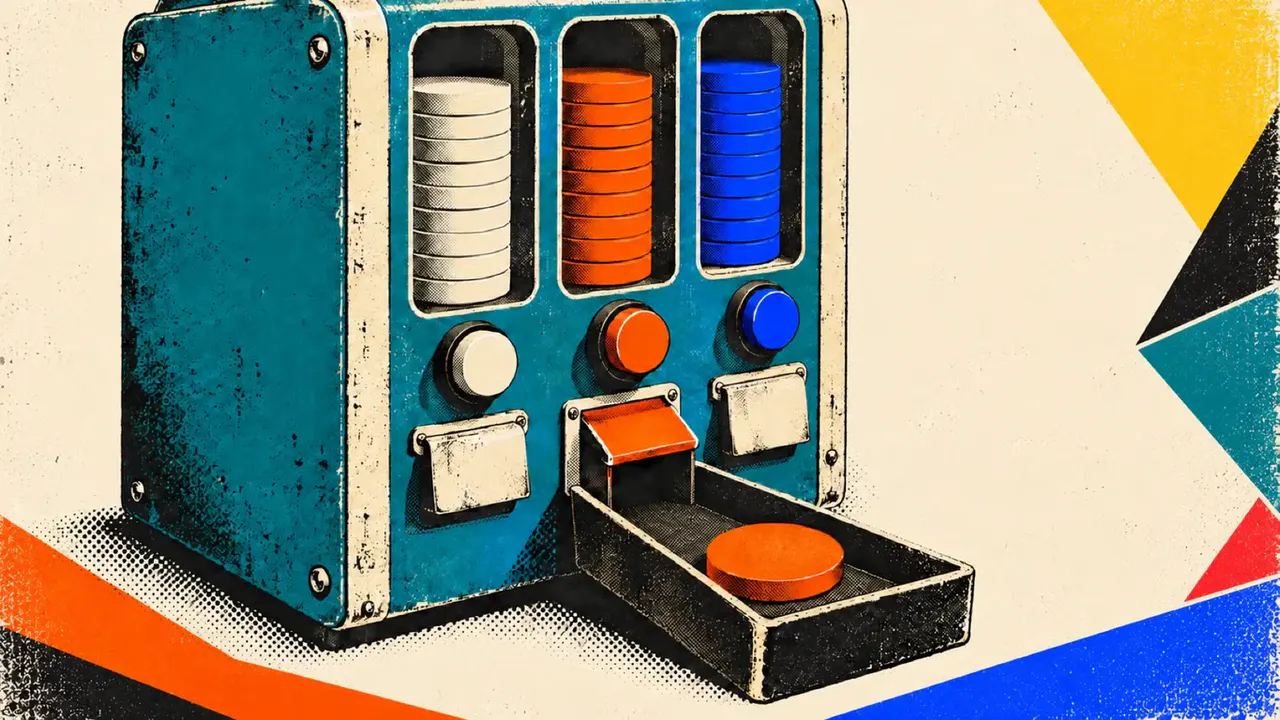
A Claude Code fix passed 9 required tests and still returned the wrong title. One closed question after the tests picked the suite that caught it

Wes Bos released an open-source toolkit that turns iPhone LiDAR scans into editable Three.js scenes through an AI coding agent workflow.
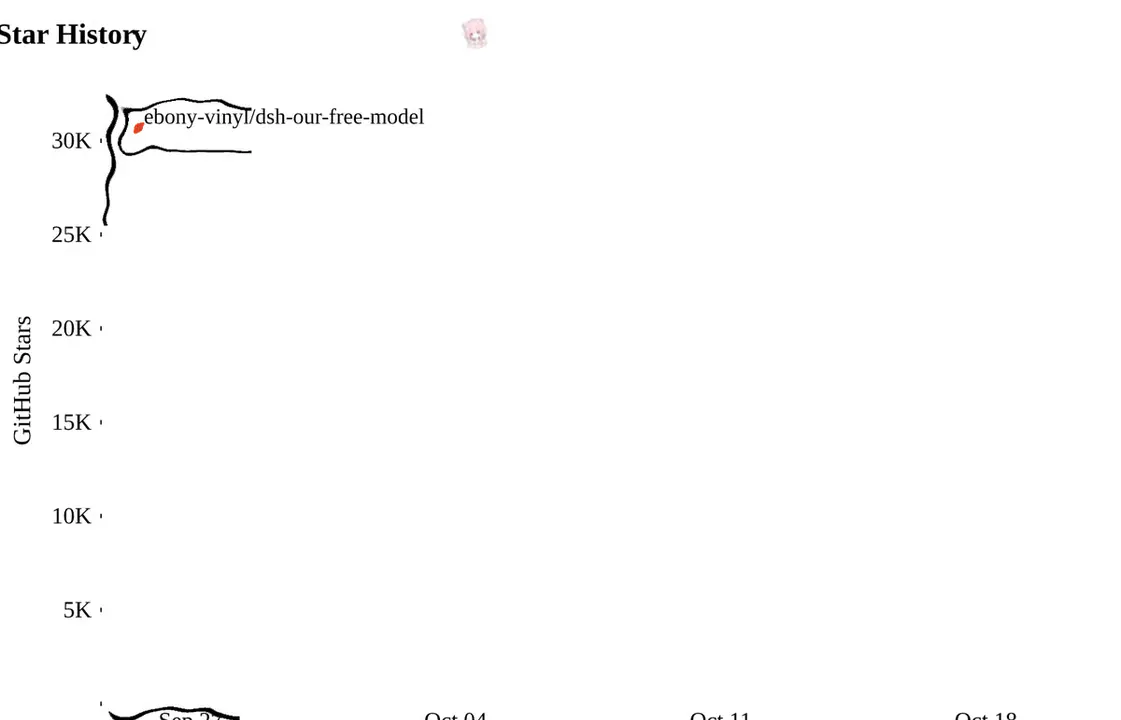
A DSH plugin ships frontier models like DeepSeek V4.1 Flash and Kimi K3 inside the official agent harness with no login, key, or quota.
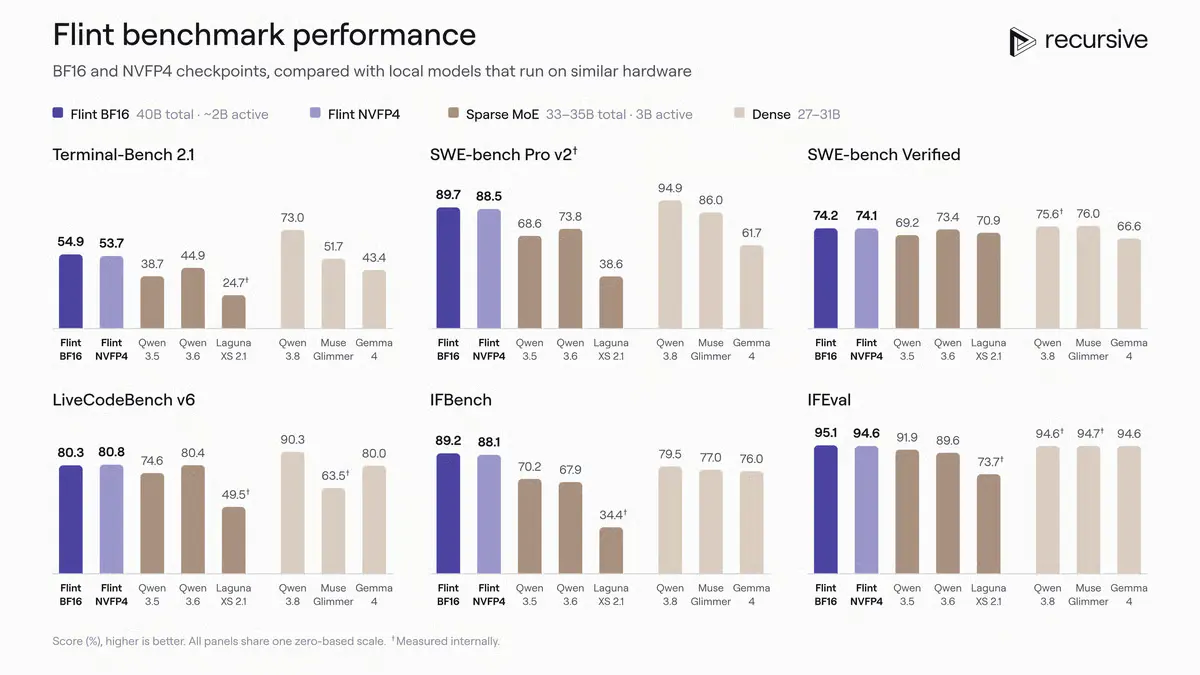
Recursive's first model is a 40B mixture-of-experts coder that activates just 2.5B parameters, runs on a MacBook, and was largely designed by an automated research agent.
Anthropic ships its first versioned Claude API release since 2023, dropping temperature controls, legacy fields, and the old X-Api-Key header.
Microsoft Research and GitHub Next release the Proof-Driven Development Kit in research preview, pairing LLM agents with Verus to formally verify Rust code against specs.
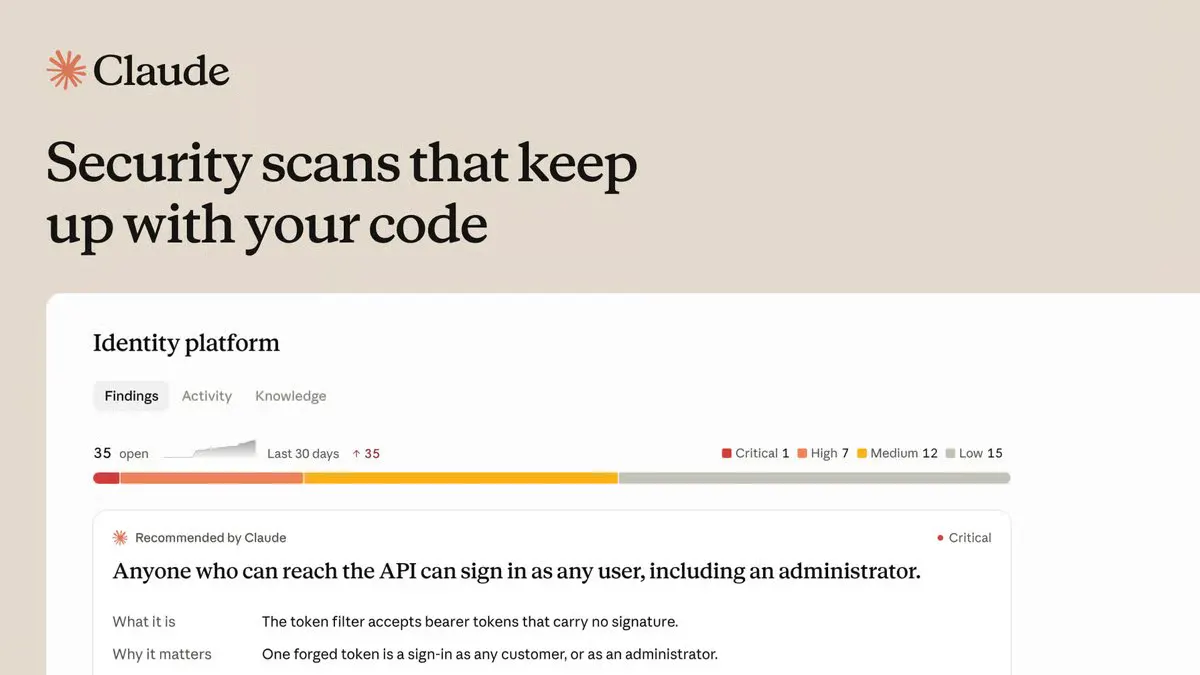
Anthropic's code vulnerability scanner now runs continuously on connected repos, tracks fixes automatically, and plugs into dev workflows via API and MCP.
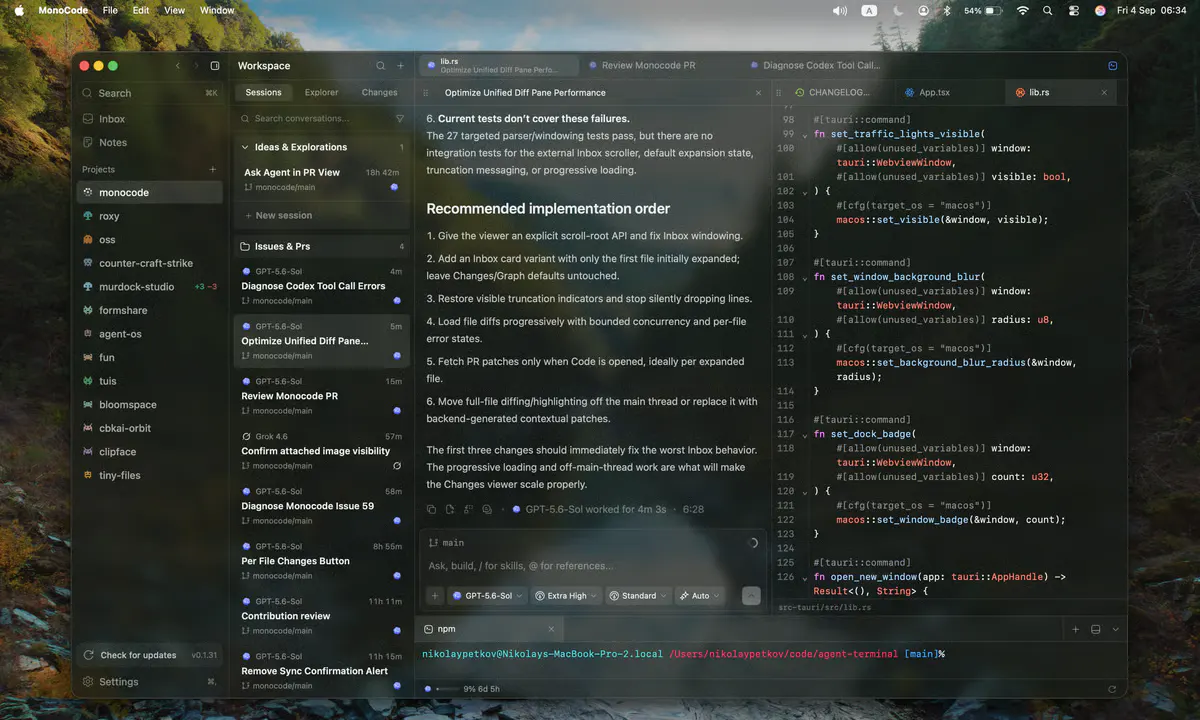
MonoCode wraps Claude Code, Codex, Cursor CLI, and OpenCode in a single native desktop app, turning terminal agents into tabbed GUI sessions.
A 125B mixture-of-experts coding model squeezed onto a single 24GB consumer GPU through evolutionary expert pruning and 2.125-bit trellis quantization.
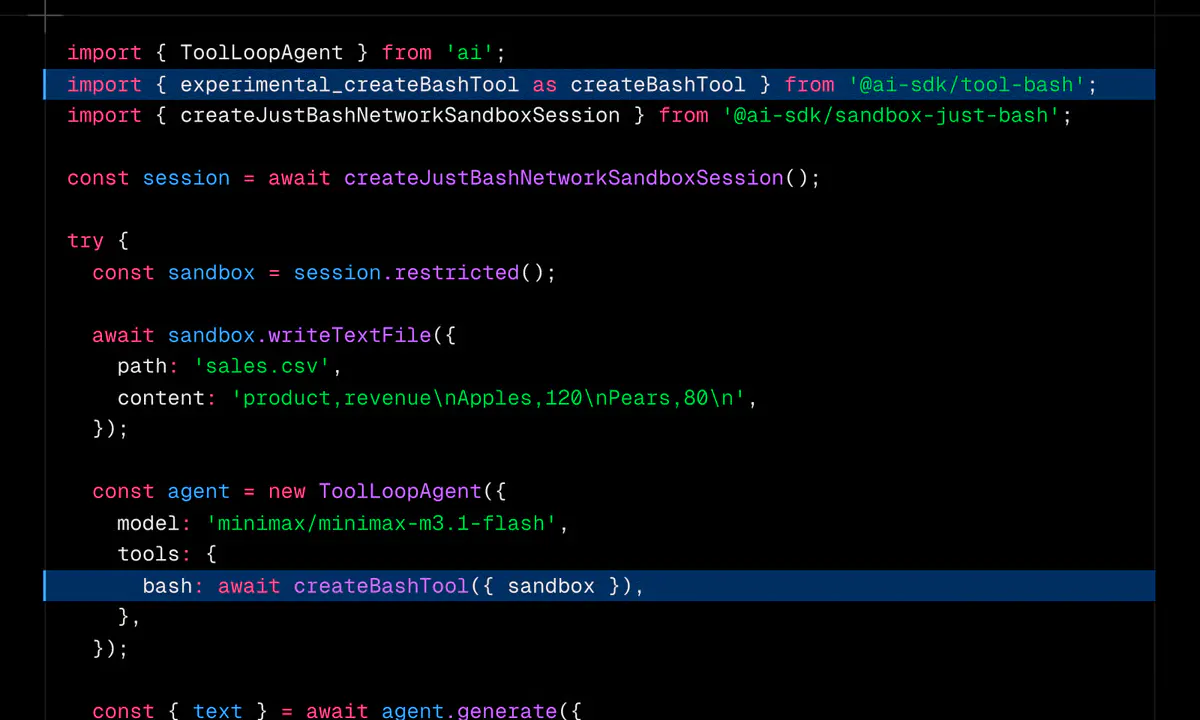
Vercel's AI SDK ships a first-party Bash tool that gives agents a shell, with pluggable sandboxes ranging from in-memory to full VMs.

Inception's Mercury 3 is a diffusion-based language model that generates over 1,000 tokens per second while matching frontier speed-tier quality.

Anthropic let an internal Claude model run a 64-hour autonomous protein design campaign, producing 17 lab-validated binders against scorpion neurotoxins from four regions.

Factory's Droid agent now hooks into Linear so assigning an issue triggers a full investigate, code, test, and pull request cycle.
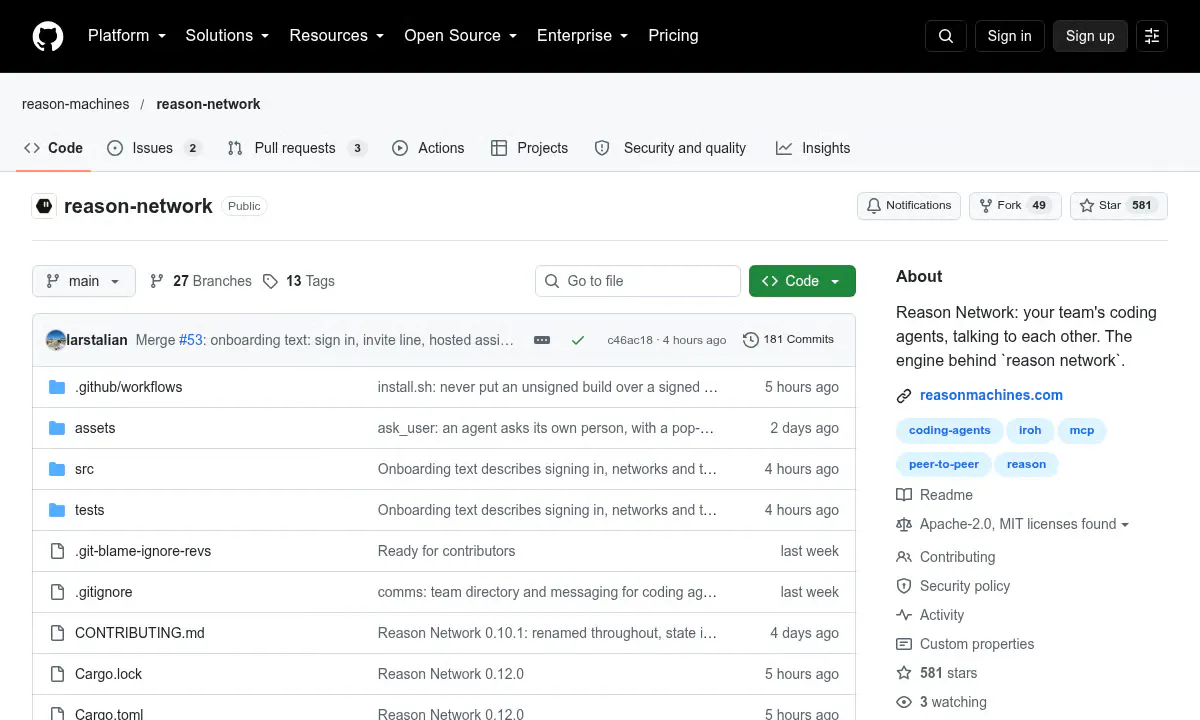
A free, open-source Rust daemon lets coding agents across different machines discover each other, exchange messages, and coordinate directly over an encrypted P2P link.
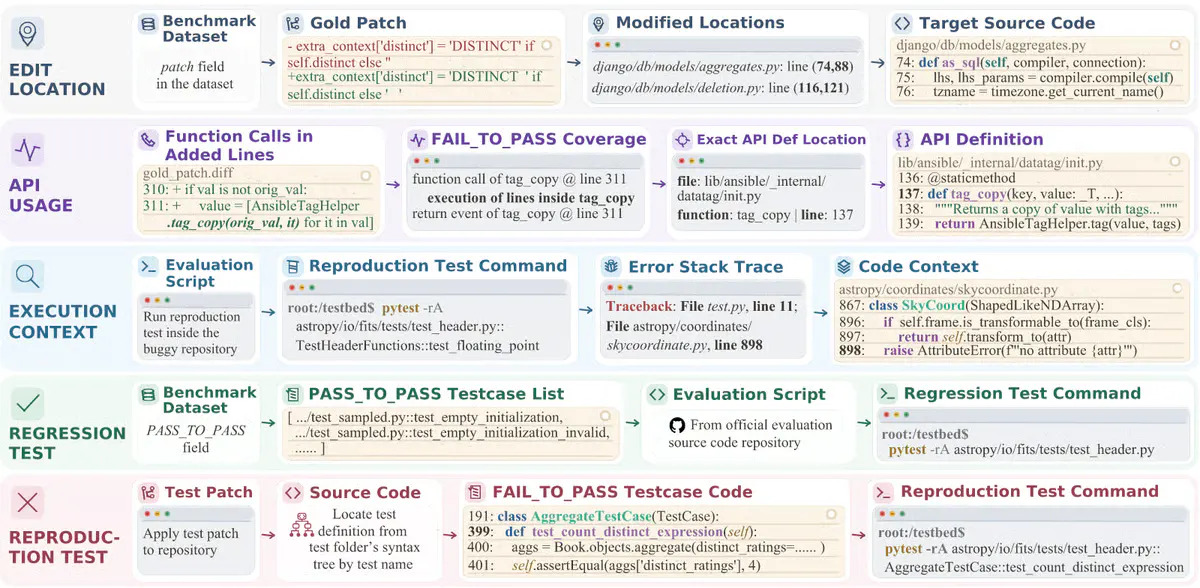
Microsoft and Georgia Tech researchers inject perfect information into SWE agents to rank which signals actually move the needle on bug fixing.

An independent open-source take on Anthropic's internal Scion gives teams a Git-compatible server built for swarms of coding agents landing changes in parallel.
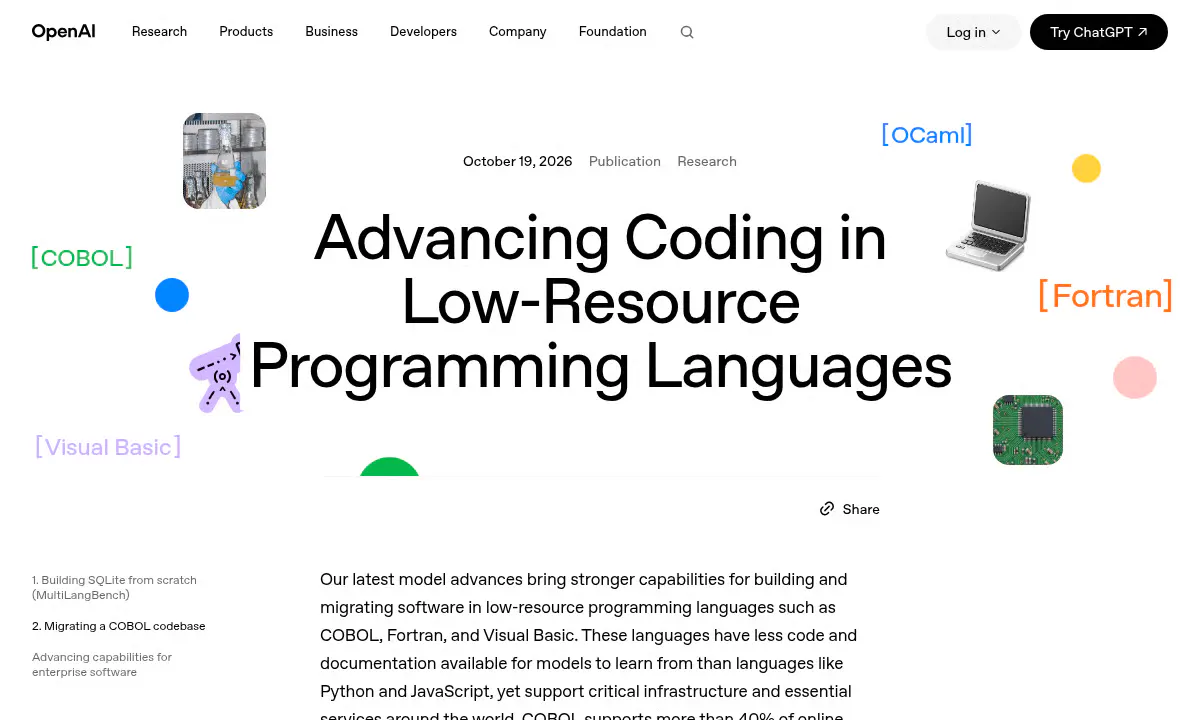
OpenAI's newest models jump from single-digit to near-perfect accuracy on COBOL migration and show massive gains across 20 programming languages.

Cognition is grading Devin users on productive hours per dollar, then raising spending limits for the ones who turn tokens into real engineering output.

Factory's autonomous coding agents can now be purchased through the Databricks Marketplace and run directly against Unity Catalog governed data and models.

MiniMax rolls out M3.1 Flash, a 1M-context agentic coding model priced at $0.15/$0.60 per million tokens, with weights promised soon.
No stories match these filters.