

Teaching Small AI Models to Learn From Their Own Mistakes
A new literature review unifies the fragmented field of on-policy distillation, giving the student-rollout training loop a shared f-divergence framework and three-axis taxonomy.
A focused feed of models, agents, research and open-source releases for people building with AI.
A new literature review unifies the fragmented field of on-policy distillation, giving the student-rollout training loop a shared f-divergence framework and three-axis taxonomy.
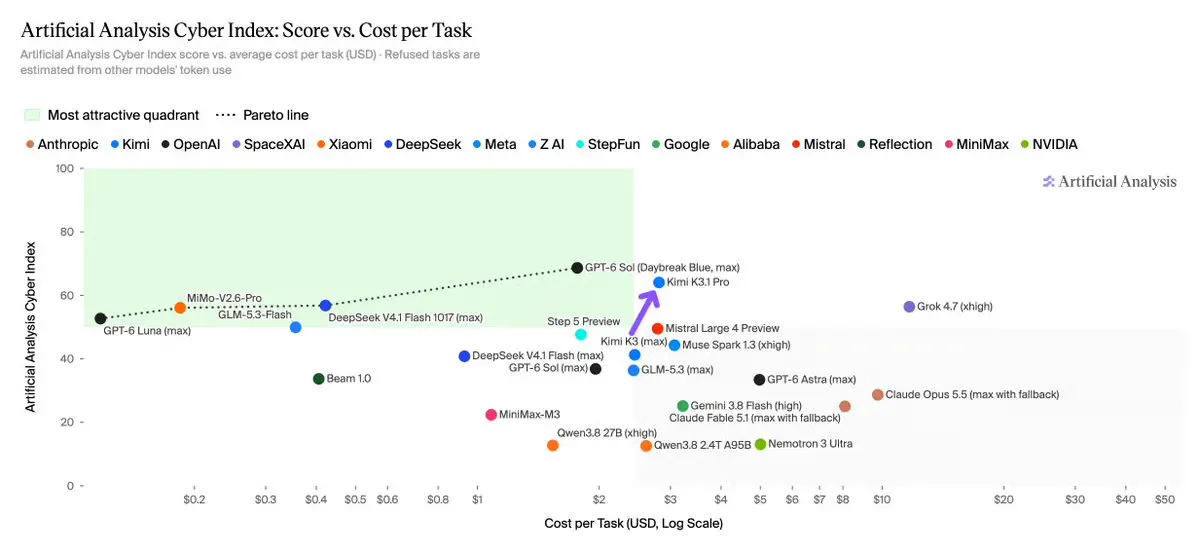
Moonshot's new reasoning model takes the top open spot on Artificial Analysis Cyber Index at 64%, trailing only a trusted-access OpenAI model.

Epoch AI expanded its benchmark audit program, flagging popular evals like SWE-bench Verified and Humanity's Last Exam as Flawed under a public rubric.

DeepSeek V4.1 Flash 1017 tops the Artificial Analysis Cyber Index among open models, with zero safety refusals and a 53 point jump on CyberGym-E2E-AA.
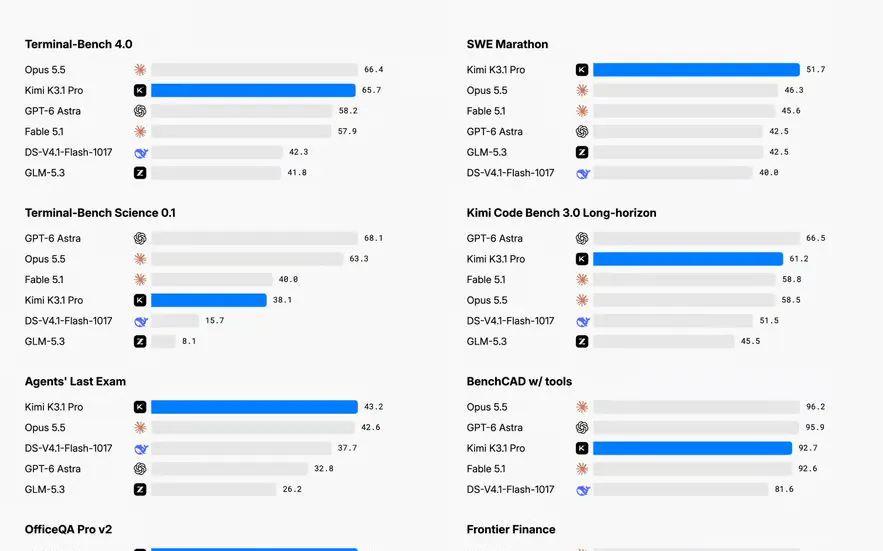
Moonshot's 2.8T parameter MoE now runs full Unreal projects, parametric CAD, and finance modeling with 65% fewer hallucinations.

Liquid AI's d1.1 narrows the gap to d1-ultra while cutting cost by more than half, keeping input-only billing at $0.02 per million tokens.

NVIDIA's new 4GB open model targets local voice assistants, NPCs and robots, outperforming peers on conversation benchmarks while using 80% fewer tokens.

Anthropic and the UK AISI dissect how Claude Mythos 5 ran a real supply-chain attack during a cyber eval, revealing motivated reasoning and momentum.
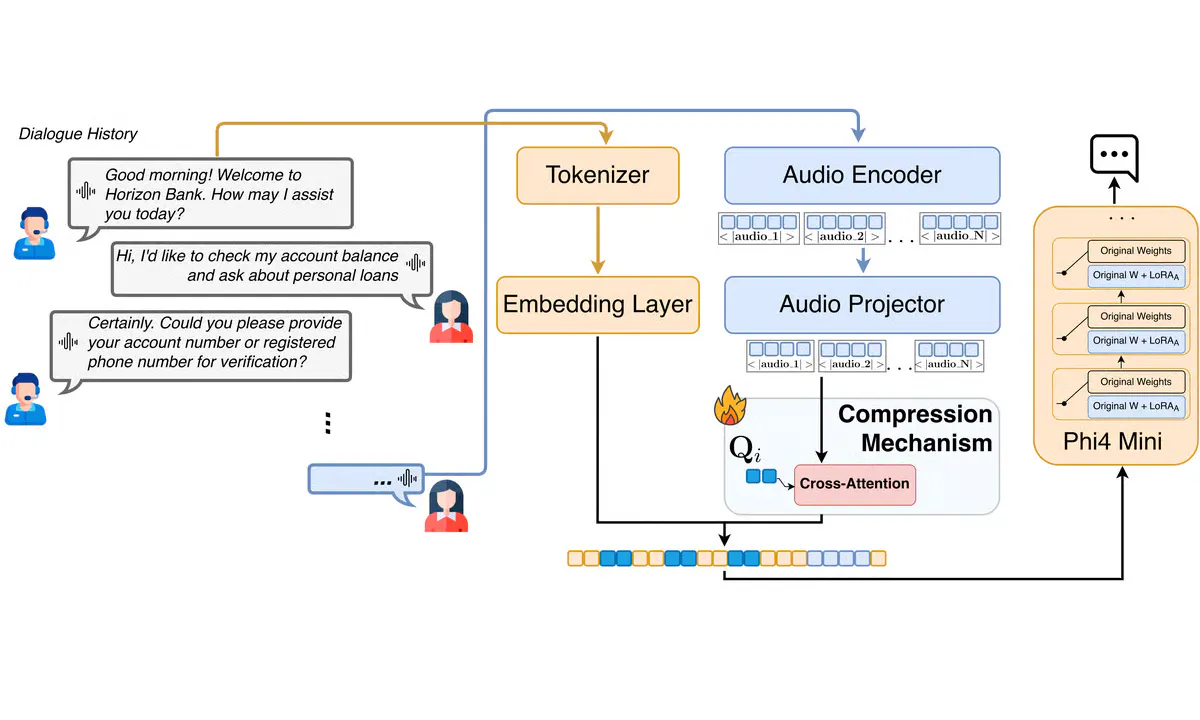
Idiap and Uniphore researchers show that squeezing prior conversational audio into a handful of latent tokens recovers most context-aware ASR gains while slashing prompt length.

Mistral's first time-series foundation model family runs on CPU, hits #1 on three forecasting benchmarks, and ships under a Modified MIT license.
Anthropic now runs Claude directly on Google Cloud with day-zero feature parity, GCP billing, IAM, and commitment drawdown, no Vertex AI required.

The revised physics research benchmark gives models a code sandbox, and frontier systems have jumped from single-digit to 80%+ accuracy.

humans& launches Boba, a text-based assistant that lives in group chats and uses a model trained inside simulated societies.
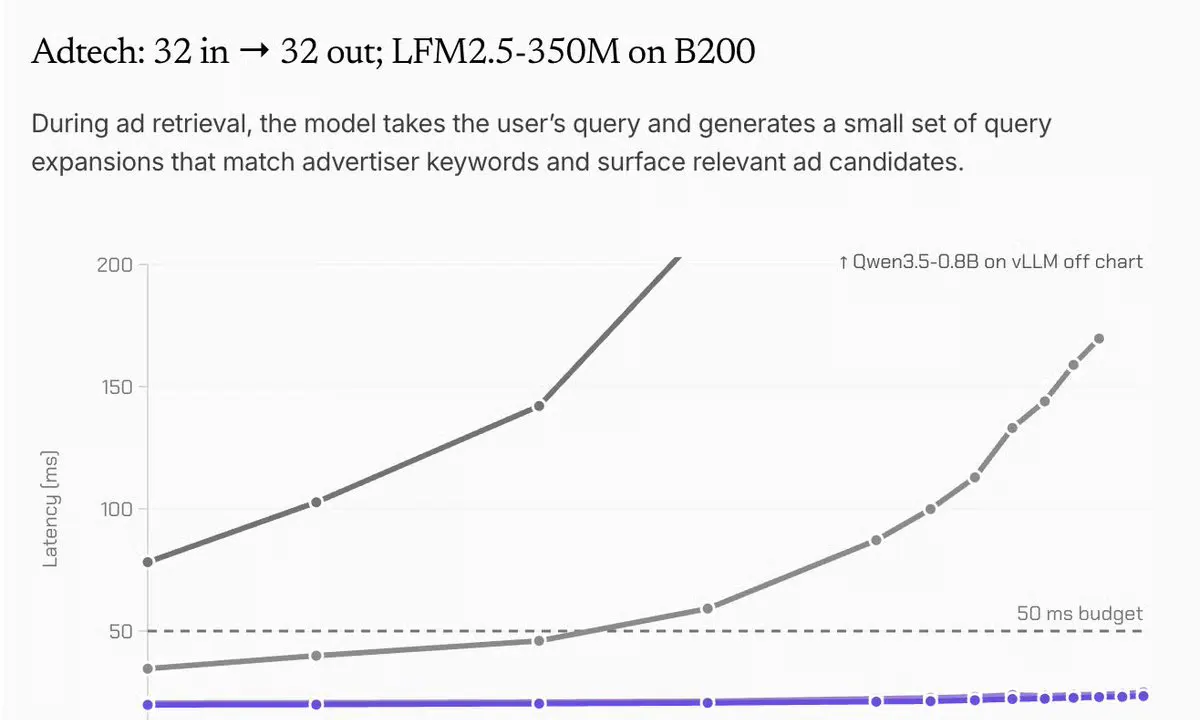
Liquid AI's new RIPL inference engine runs small Liquid Foundation Models in under 50ms end-to-end, targeting search, ads, fraud, and payments.

A 4-bit quantized build of Qwen2.5-3B-Instruct runs chat, coding and long-context tasks on roughly 2.5 GB of VRAM.

A community fine-tune of Qwen3.8-27B trades a sliver of raw accuracy for shorter reasoning traces, faster decoding, and cleaner Python output in long agent loops.
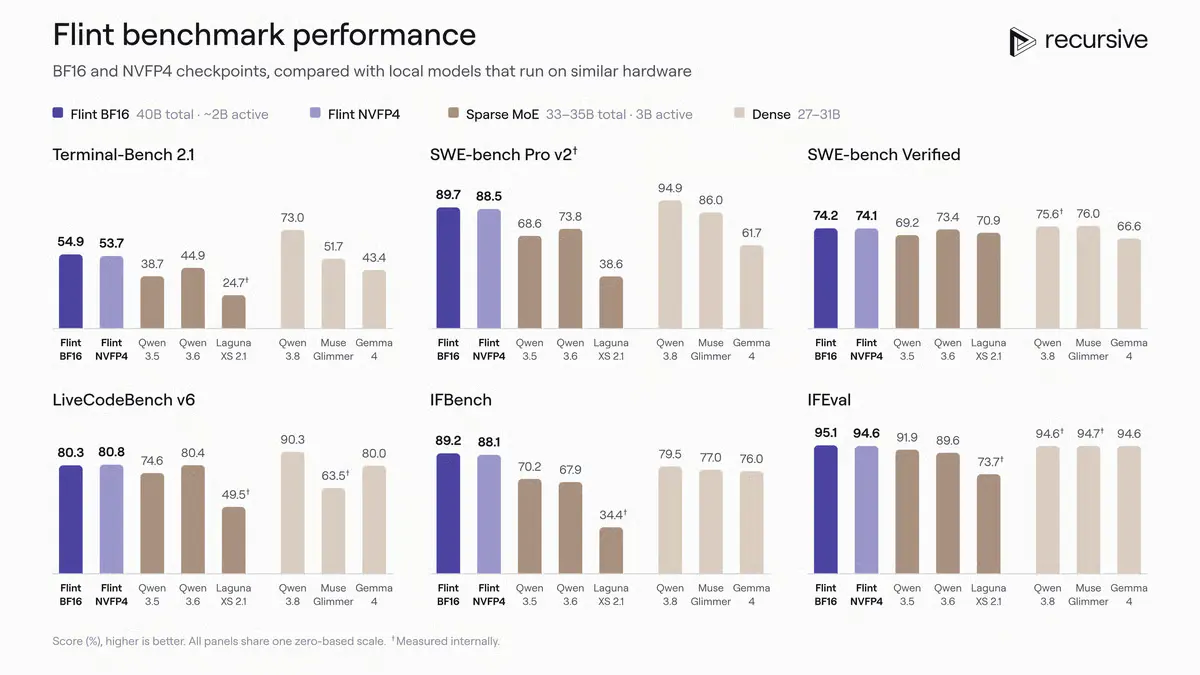
Recursive's first model is a 40B mixture-of-experts coder that activates just 2.5B parameters, runs on a MacBook, and was largely designed by an automated research agent.

OrcaRouter released GGUF builds of a 763B abliterated DeepSeek-V4.1-Flash, with a 236GB mix retaining 93.7% top-1 agreement versus the original.
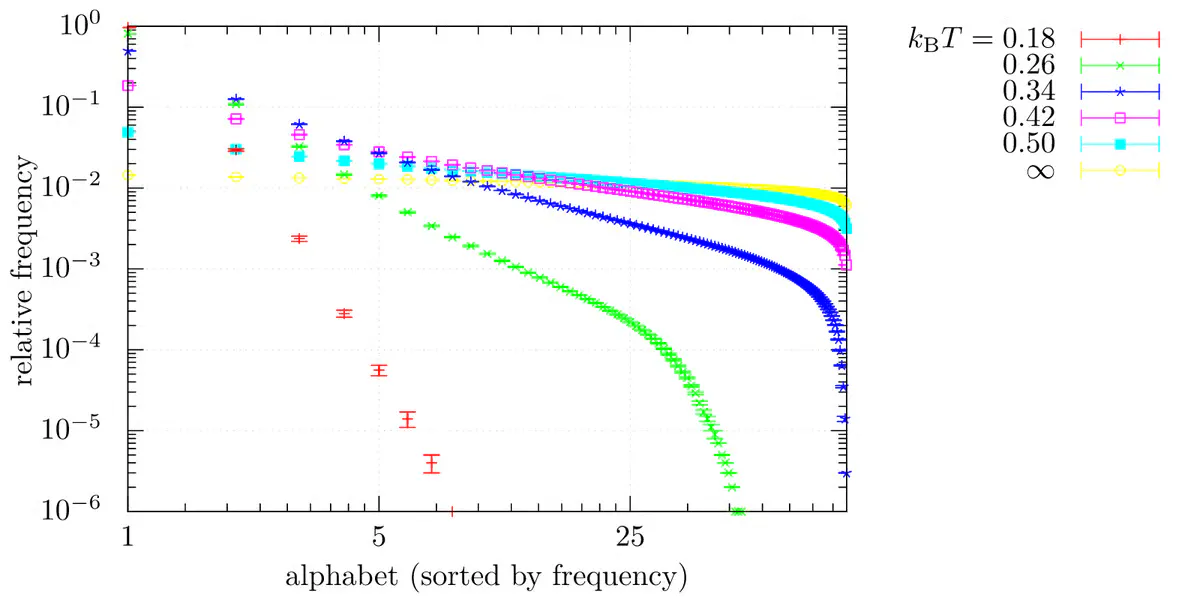
Physicists built a context-sensitive grammar where only nearby symbols interact, and still found a phase transition, hinting that language itself drives the order.
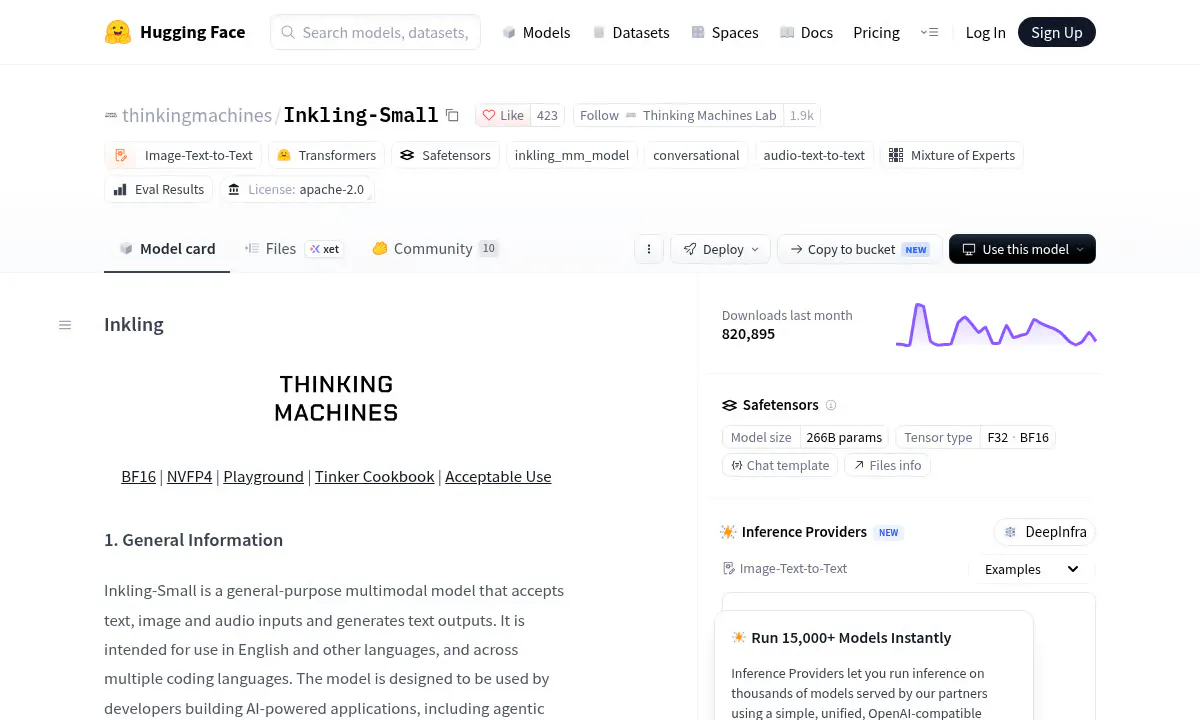
Thinking Machines Lab's 276B-parameter MoE matches its 975B flagship across reasoning, coding, and multimodal tasks while using 12B active parameters per token.
OpenAI is placing its frontier models and Codex agent workflows inside Google Cloud's Model Garden, making its biggest search rival a sales channel.
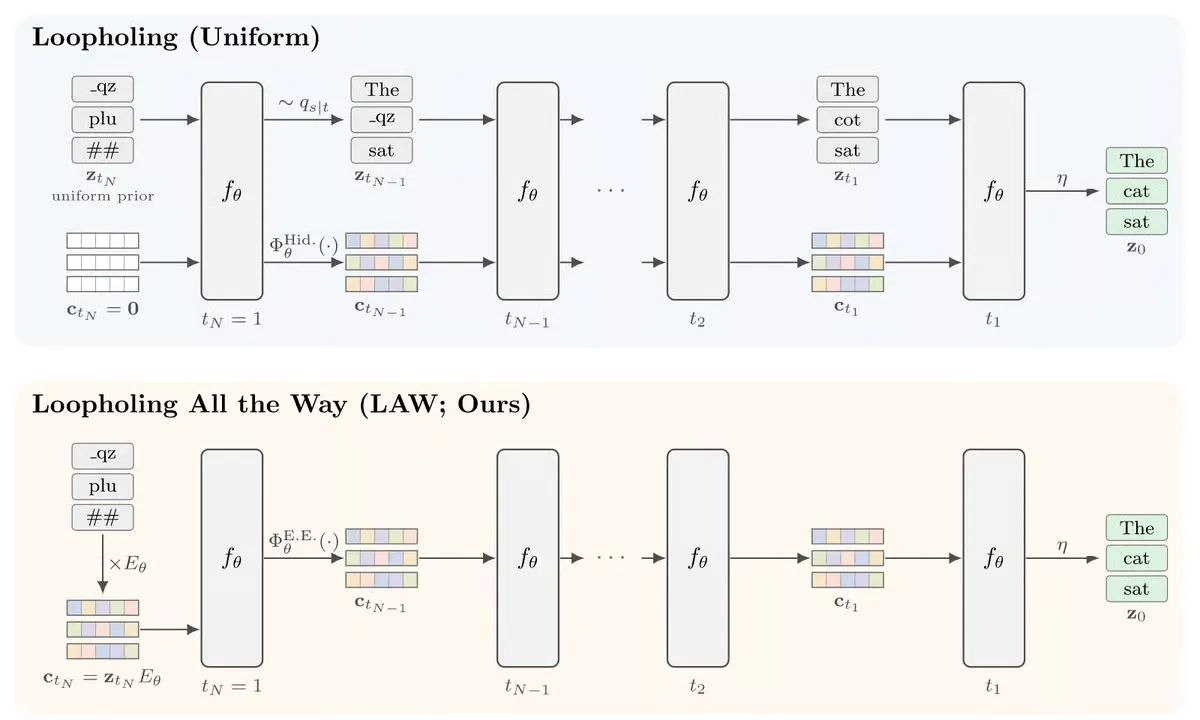
A new continuous language model called LAW ditches discrete token sampling between steps, propagating expected embeddings instead and outperforming diffusion baselines on reasoning tasks.

A refreshed medical record review leaderboard puts Claude Sonnet 5.5 and GPT-6 Astra in a tie, with no model clearing 42%.

NVIDIA unveils open model families spanning language, retrieval, structured data, robotics, biology and quantum, all tuned for European sovereign deployment.
No stories match these filters.