
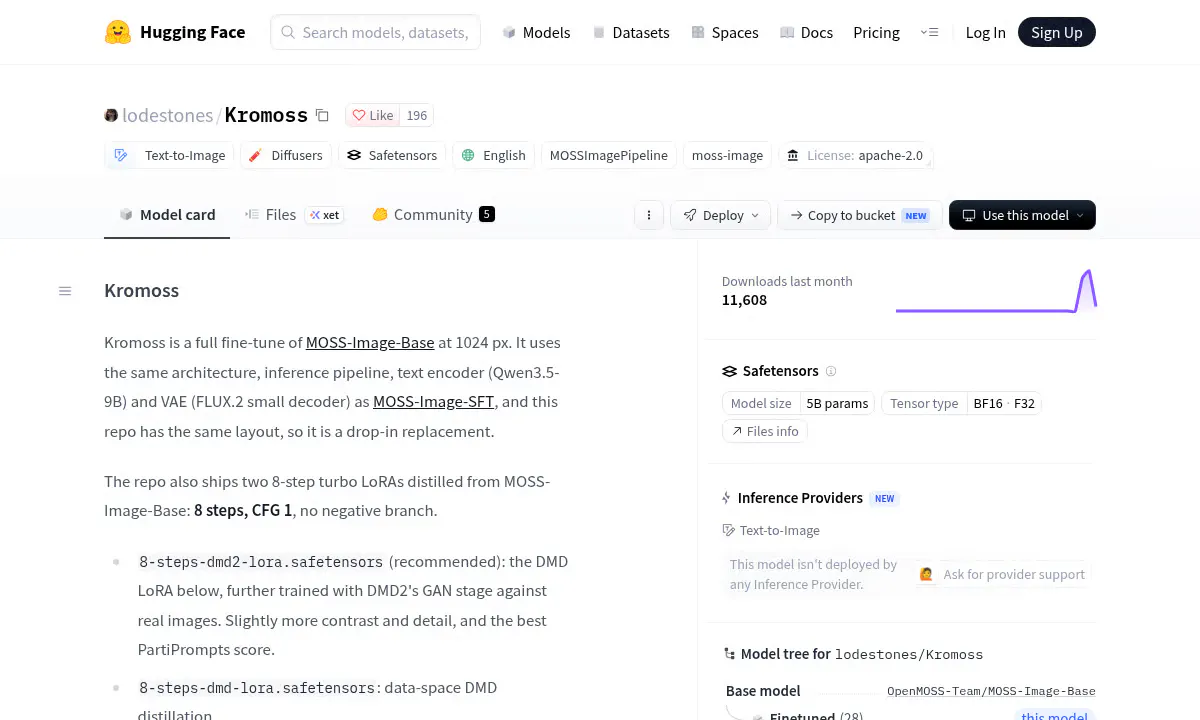
Lodestones' Kromoss Slashes MOSS-Image Generation From 50 to 8 Steps
Lodestones ships Kromoss, a full fine-tune of OpenMOSS's 5B diffusion transformer at 1024px, bundled with 8-step turbo LoRAs that beat the base model on PartiPrompts.
A focused feed of models, agents, research and open-source releases for people building with AI.
Lodestones ships Kromoss, a full fine-tune of OpenMOSS's 5B diffusion transformer at 1024px, bundled with 8-step turbo LoRAs that beat the base model on PartiPrompts.
Databricks AI Runtime hits general availability with serverless NVIDIA GPUs, NeMo integration, and day-one support for Nemotron 3.5 models.
NVIDIA's new Rust-based inference server targets DGX Spark and RTX Blackwell with ahead-of-time planning, FP8 KV cache, and no Python in the serving loop.

A community LoRA strips the guardrails off OpenMOSS's 5B text-to-image model, turning a layout-focused DiT into an adult-content generator under Apache 2.0.

NVIDIA unveils open model families spanning language, retrieval, structured data, robotics, biology and quantum, all tuned for European sovereign deployment.

Z.ai's 106B Mixture-of-Experts model activates just 12B parameters per token, trades a sliver of depth for cheaper inference, and ships under MIT.

A community-fine-tuned Slovak speech recognition model built on Meta's XLS-R has quietly racked up 860k downloads on Hugging Face.
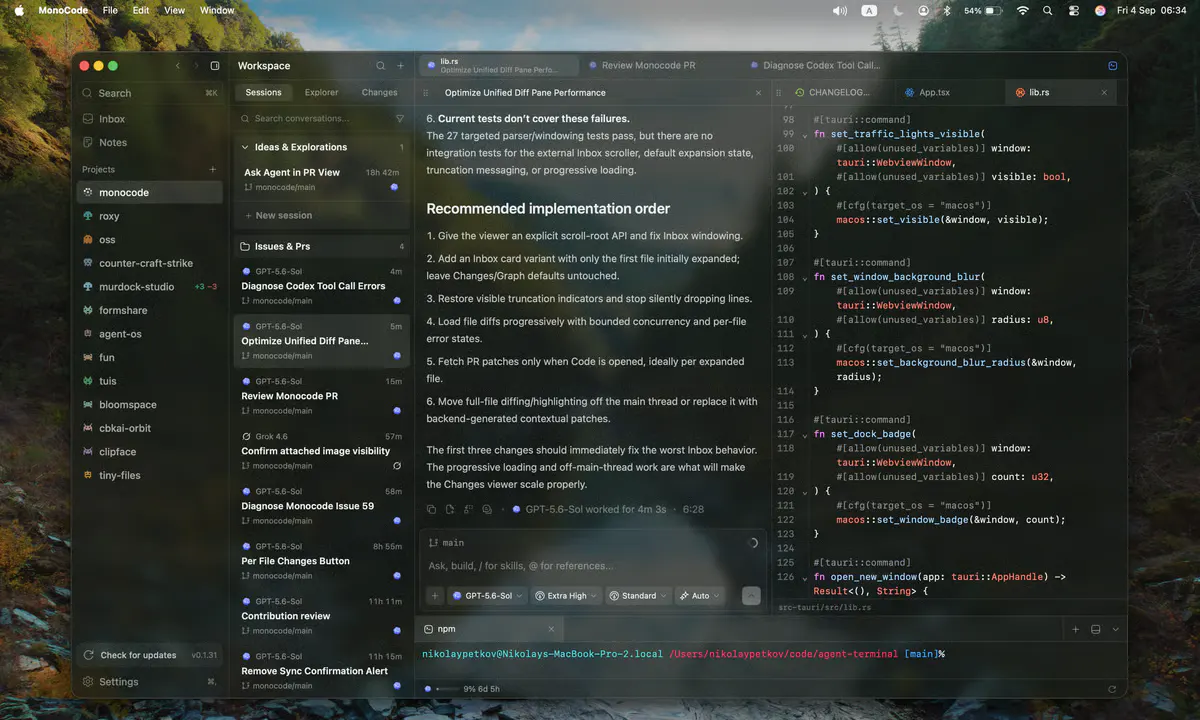
MonoCode wraps Claude Code, Codex, Cursor CLI, and OpenCode in a single native desktop app, turning terminal agents into tabbed GUI sessions.

Browser Use open-sourced a tool that mines real cases from the web to build RL environments, lifting Qwen 3.6 35B to Opus 5.5 level for $8.

Ant Group and vLLM open-source Humming, a unified JIT kernel library delivering up to 5x speedups and 14-43% end-to-end MoE throughput gains.

Open-source vLLM reproduces DeepSeek's own DeepInfer engine within 6% on decode throughput, hitting roughly $39/GPU/hour at the official API prices.

A new open-source annotator fills the gap between behavior labeling and bounding-box tracking, producing training data for interaction detection models.

Bria's new 8B image model ties Qwen-Image-2.1 for the open-weights lead on both text-to-image and editing benchmarks at $32 per 1k images.

Kindling AI uploaded a preview EXLR8 v2 quantization of Z.ai's 744B GLM-5.3 MoE, tuned for NVIDIA GB10 unified-memory boxes.

Gradium's Phonon family packs frontier text-to-speech into 31M-40M parameter models that run offline on phones, browsers, and even a Raspberry Pi 5.
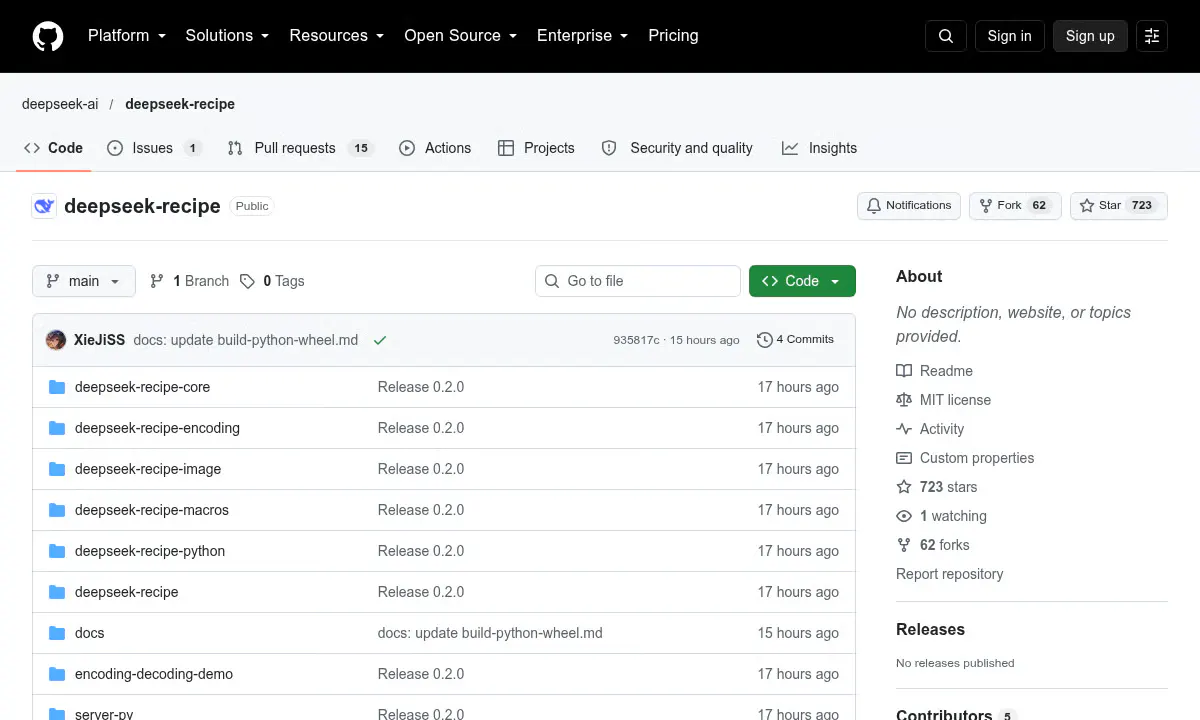
DeepSeek open-sourced DeepInfer and deepseek-recipe, the production stack powering DeepSeek-V4.1-Flash, bringing their internal serving optimizations and API parity to anyone.

An 8-step distilled MiniMax H3 that turns image, video, and voice references into clips with synced audio now runs natively in ComfyUI.

A 27B fine-tune of Qwen3.8 built for everyday messages beats much larger models at sounding like an actual human being.
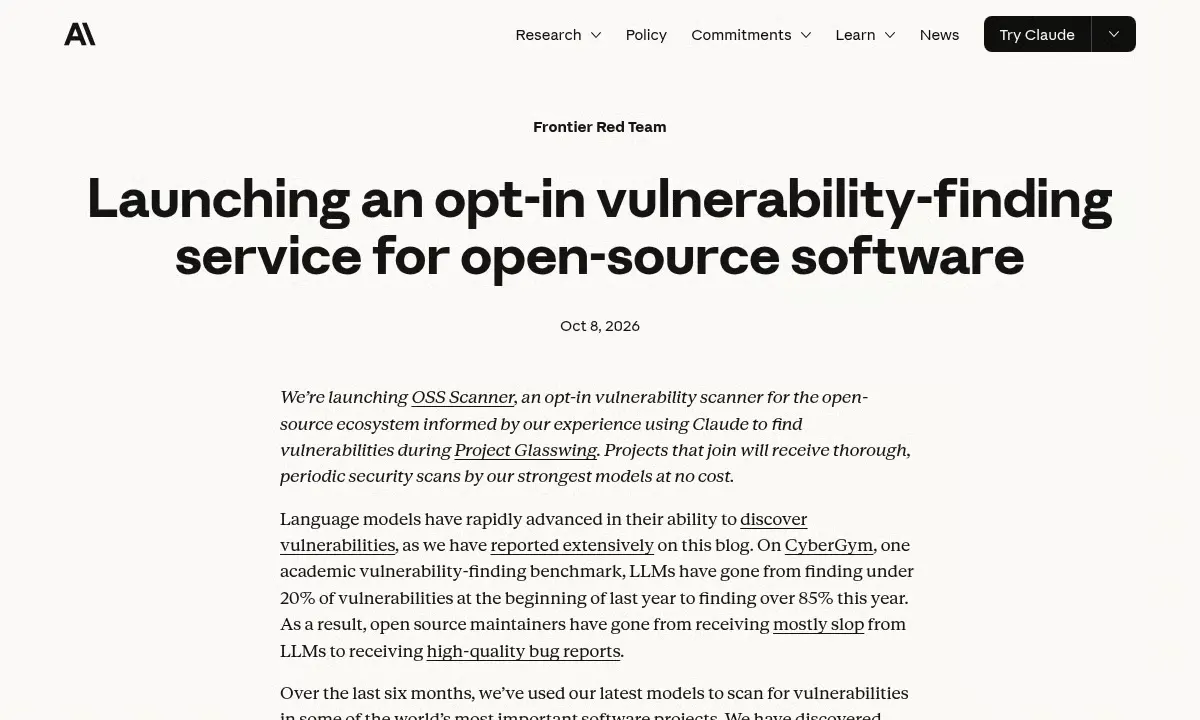
Anthropic's new OSS Scanner uses Claude Mythos to send unreviewed vulnerability reports with reproducers and patches directly to open-source maintainers.

Meta's 30B open-weight agentic model runs on a single consumer GPU at 4-bit, beating Gemma4-31B and Qwen3.6-27B on tool use and planning.
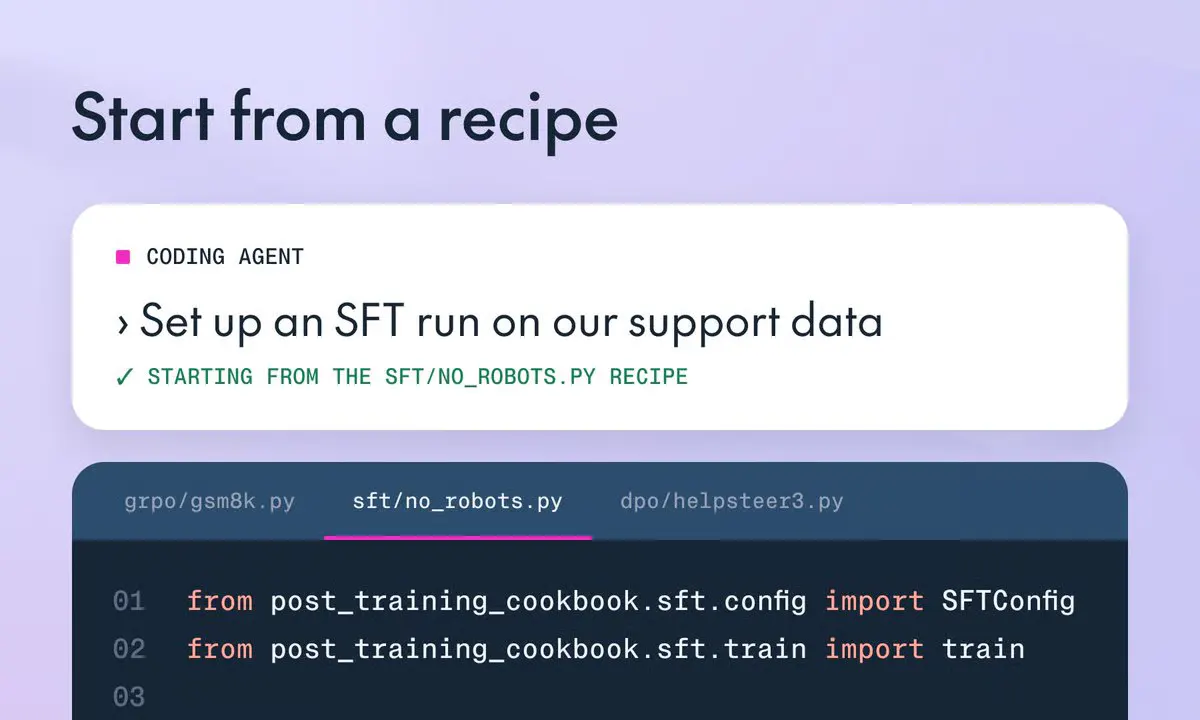
Together AI launched a post-training service that lets you write your own RL or SFT loop in Python while they manage GPU orchestration, rollout engines, and weight sync.

A new xLSTM variant corrects one scalar instead of a whole vector per memory update, cutting interference and improving long context performance.
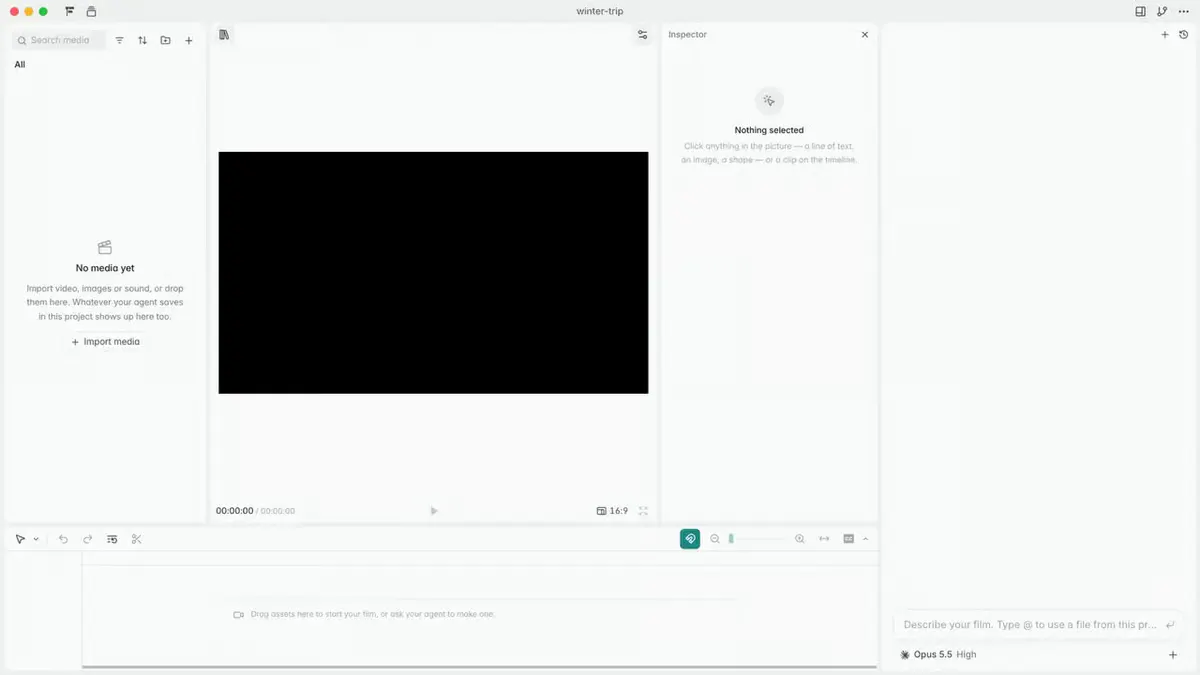
OpenFilm turns Claude Code, Codex, and other coding agents into video makers by representing films as HTML pages and a single frame(t) function.
Nebius published an open cookbook of notebooks and reference apps for its Token Factory inference service, covering agents, RAG, fine-tuning, and distillation.
No stories match these filters.