
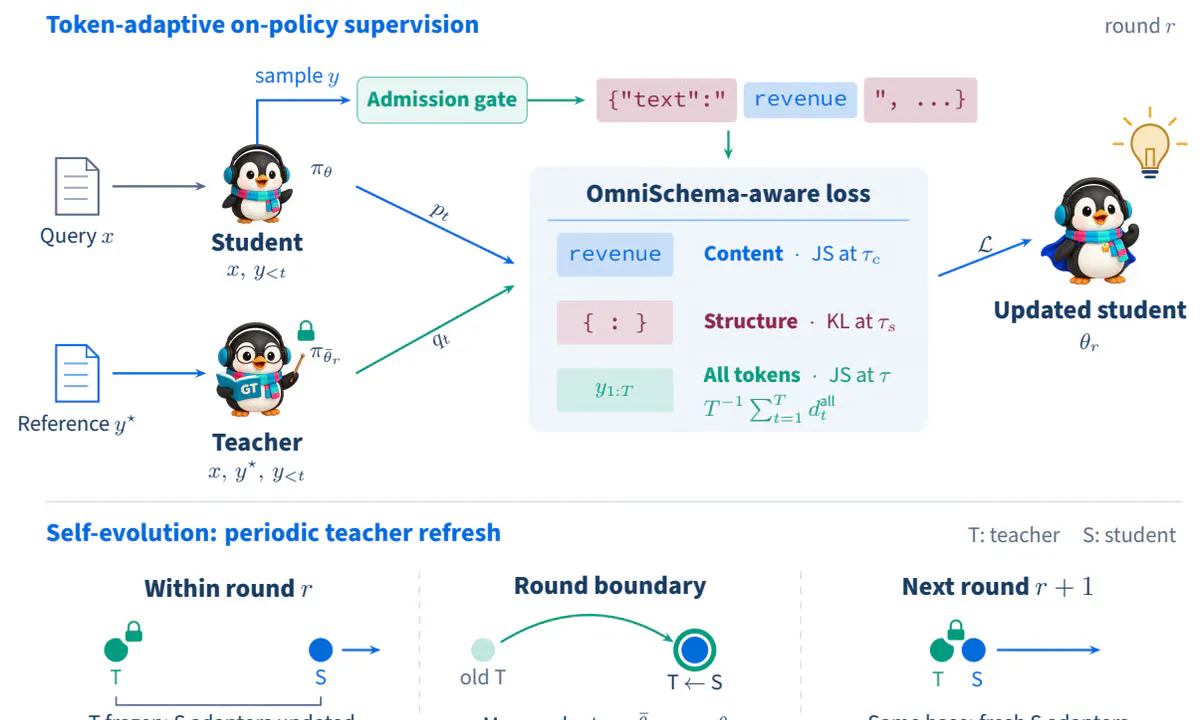
Tencent's Youtu-Parsing-Omni Turns Seven Media Types Into One JSON Output
Tencent's 5B omni-modal parser handles documents, charts, geometry, audio and video into one structured JSON schema, rivaling Gemini-3-Pro.
A focused feed of models, agents, research and open-source releases for people building with AI.
Tencent's 5B omni-modal parser handles documents, charts, geometry, audio and video into one structured JSON schema, rivaling Gemini-3-Pro.

xAI's distilled video model lands at #17 on the Artificial Analysis leaderboard, beating Veo 3.1 while costing roughly a third as much.
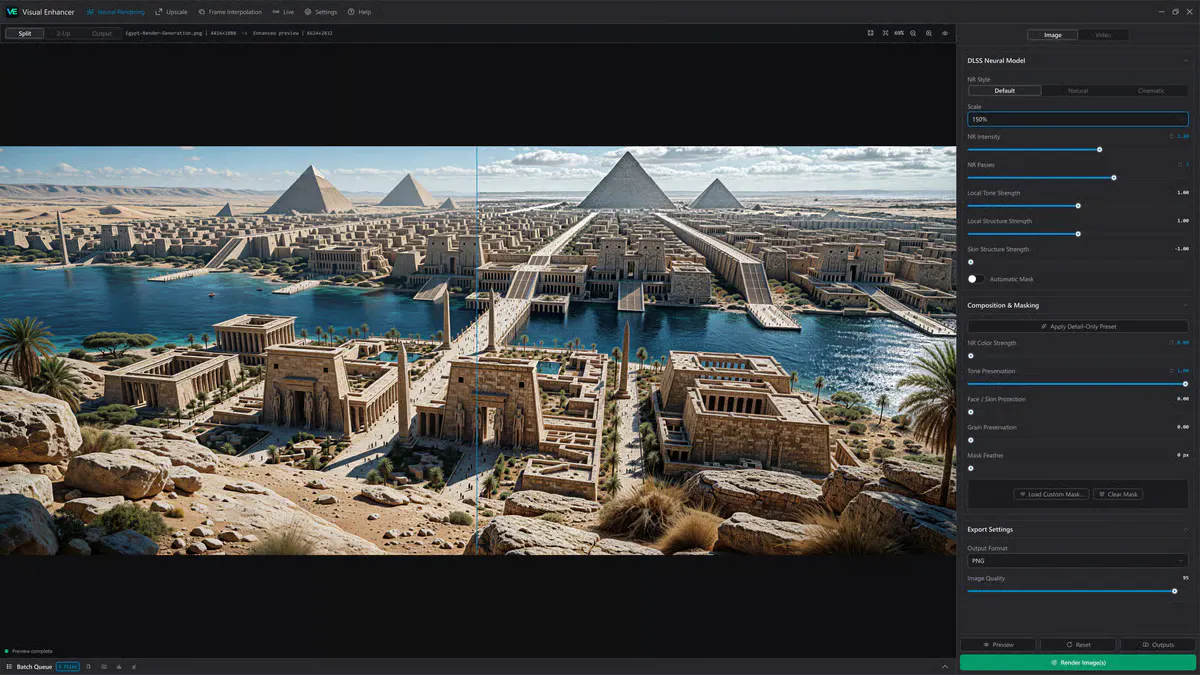
A community Windows app wraps NVIDIA's DLSS 5 neural rendering pipeline into a local Gradio UI for upscaling images and video.
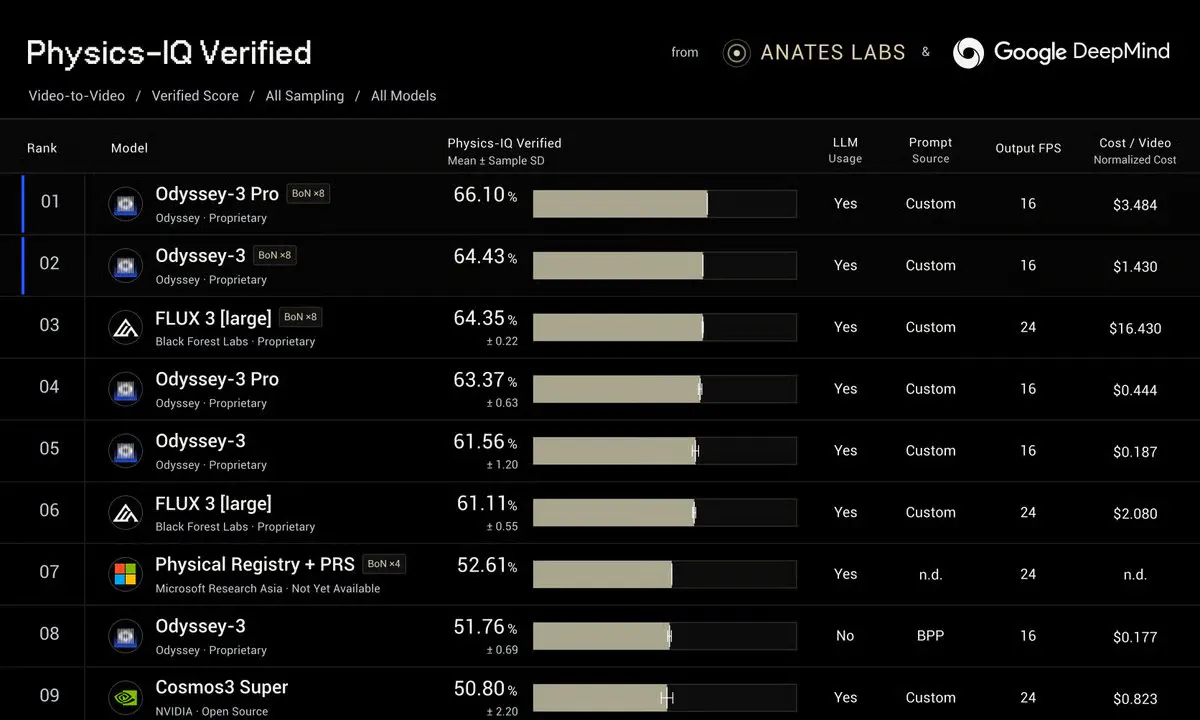
Odyssey-3 is a real-time foundation world model that generates interactive 3D environments from prompts and tops the Physics-IQ benchmark at 66.1.
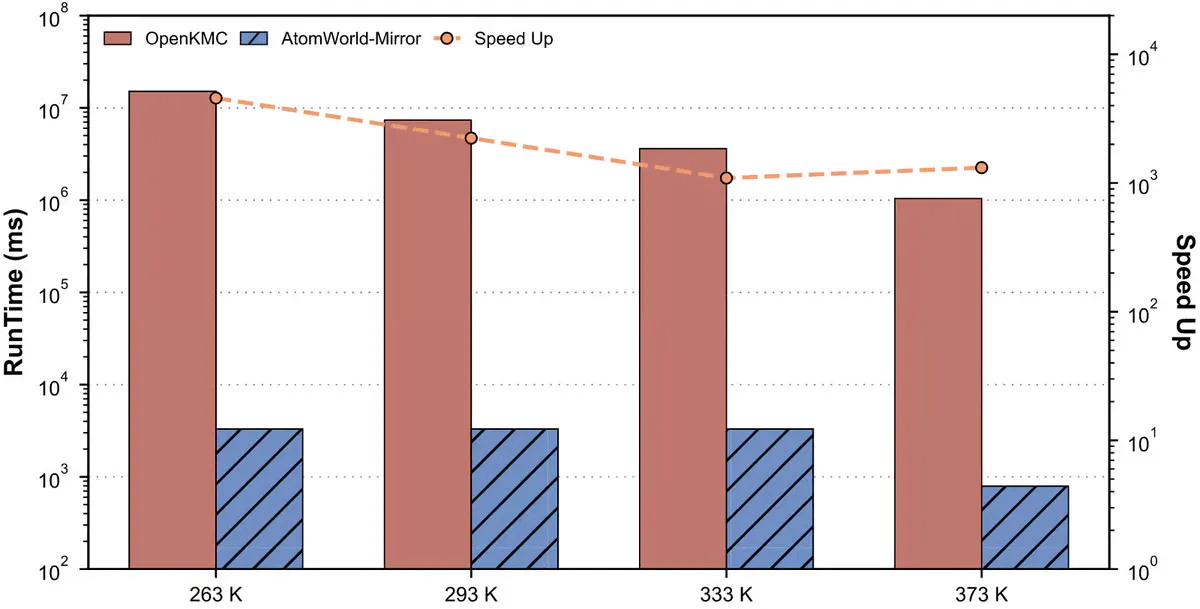
A new world model skips the tedious atom-by-atom replay in materials simulations, hitting speedups of 1,000x to 10,000x across five systems.
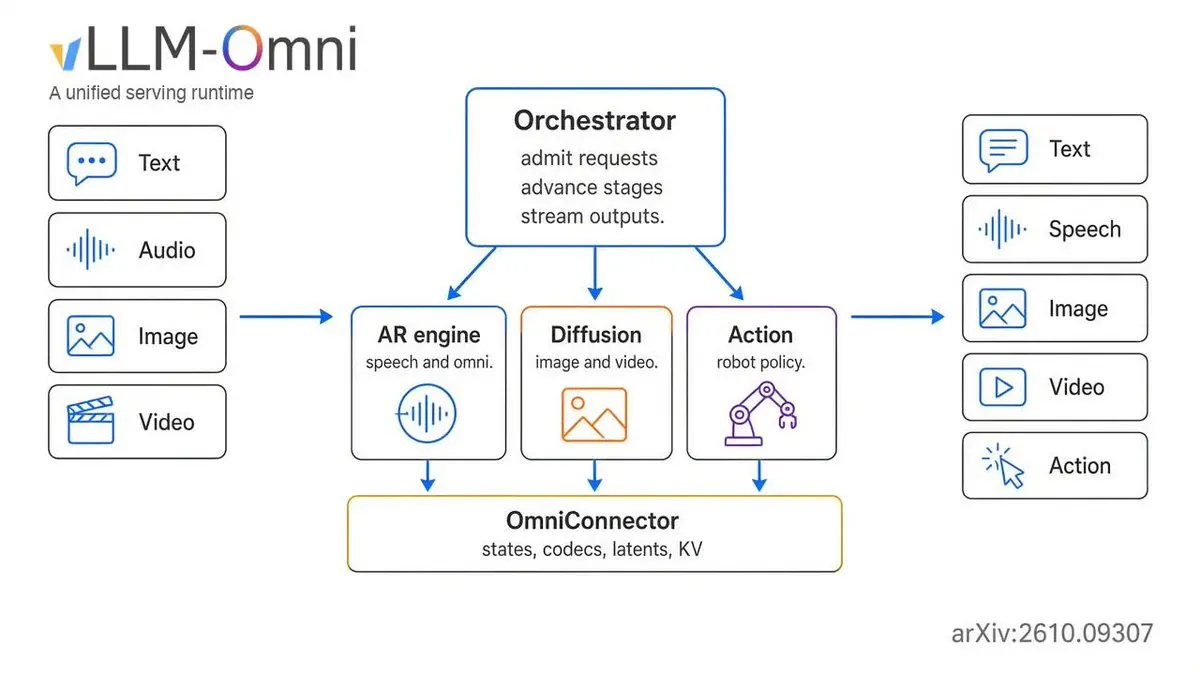
vLLM-Omni extends the popular inference engine with a stage-based orchestrator, cutting job completion time by up to 91.4% on Qwen3-Omni serving.
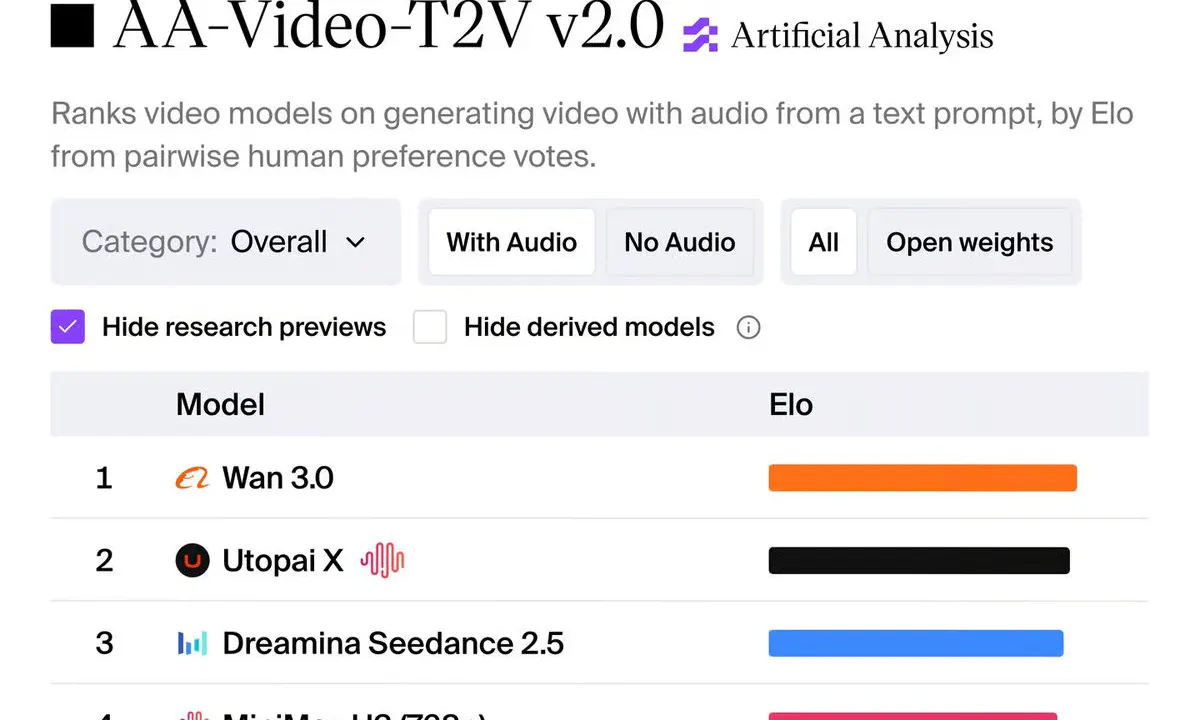
Artificial Analysis now flags video models that were post-trained from another base model, with a toggle to filter them out of the leaderboard.

Shengshu's new flagship jumps 16 spots on the Artificial Analysis image-to-video leaderboard while costing 25 percent less per minute than Vidu Q3 Pro.
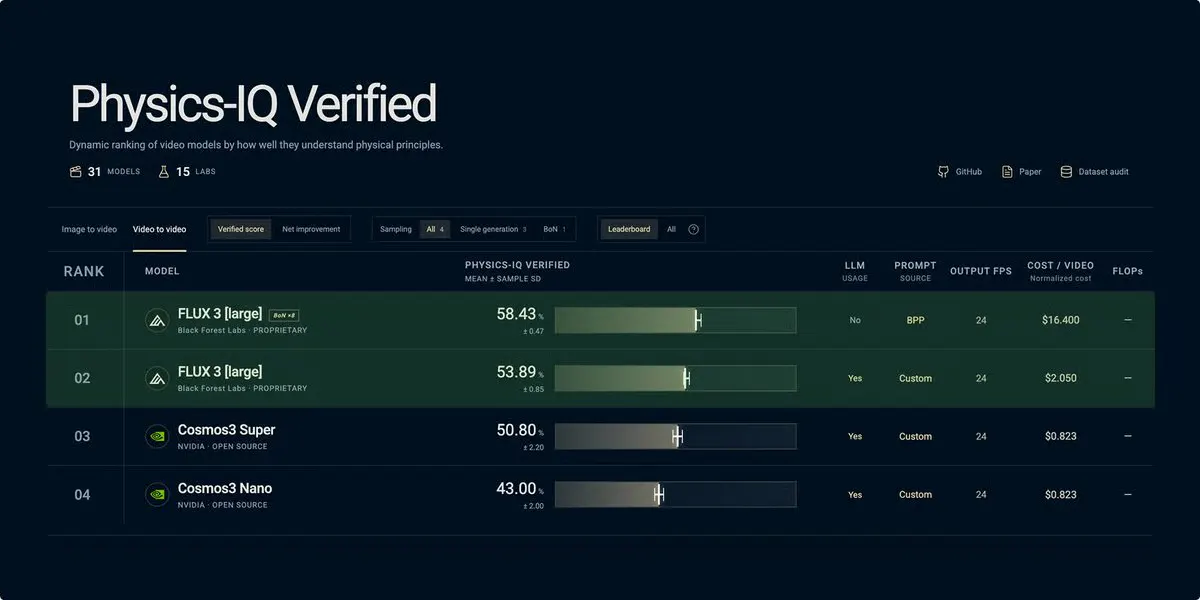
Black Forest Labs' new multimodal model tops Google DeepMind's physics benchmark for video generation, beating Sora 2, Veo 3.1 and Cosmos 3.
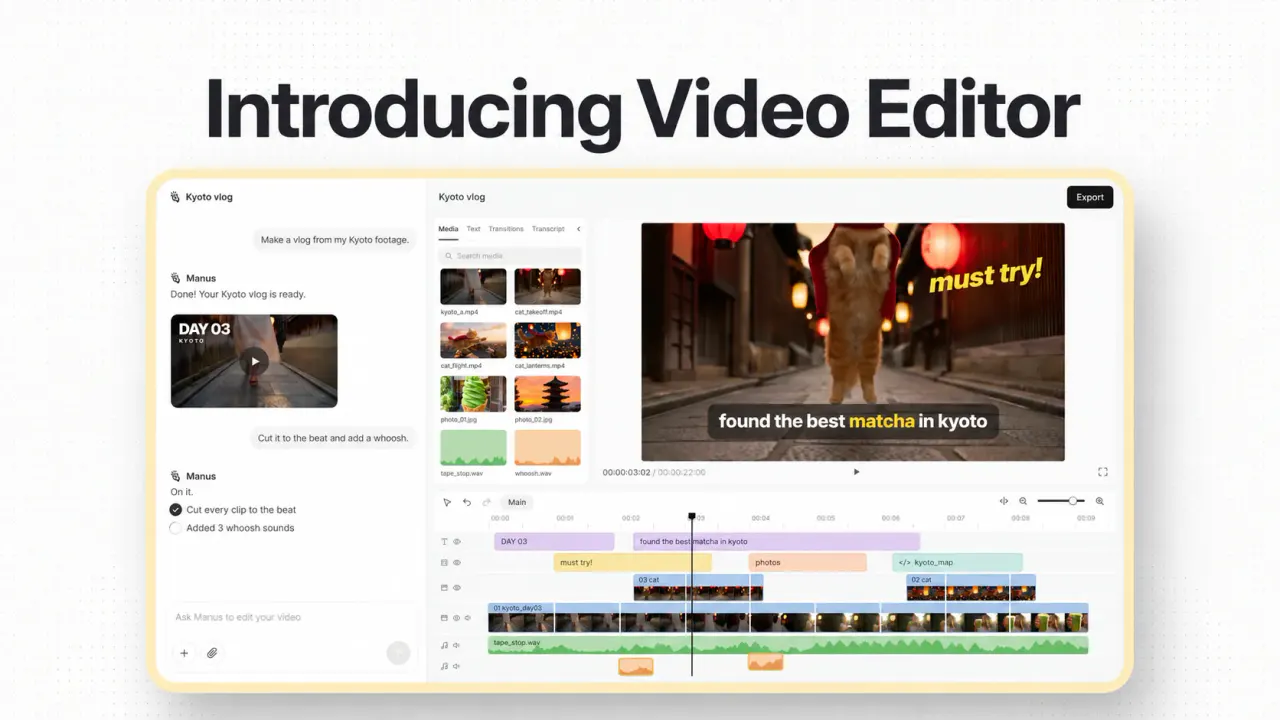
Manus added a multi-track Video Editor to its agent, letting you generate, assemble, and hand-edit full videos from a prompt or raw footage.
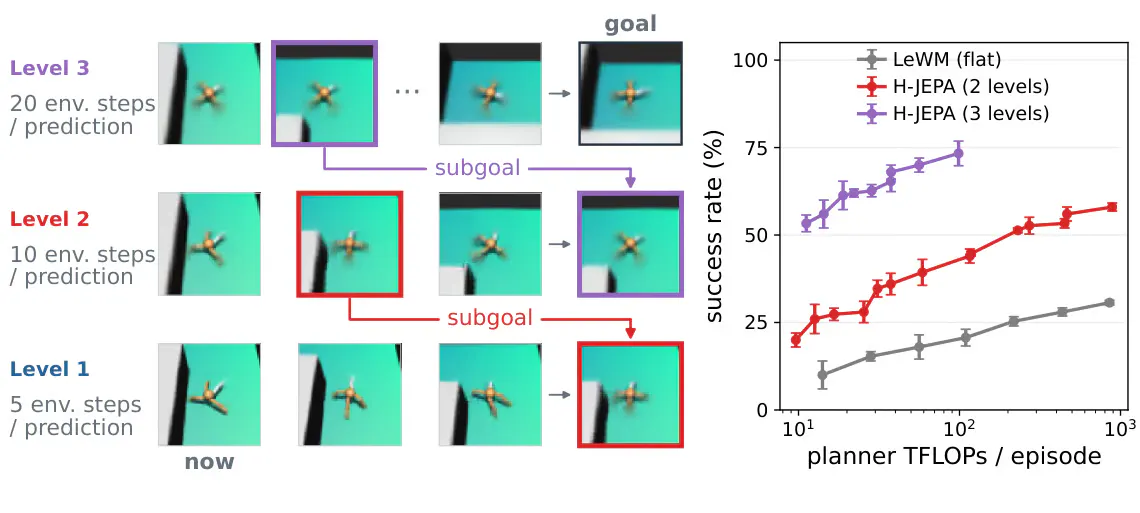
A hierarchical JEPA trained end-to-end lifts Visual AntMaze planning success from 18% to 73% while using less planner compute.
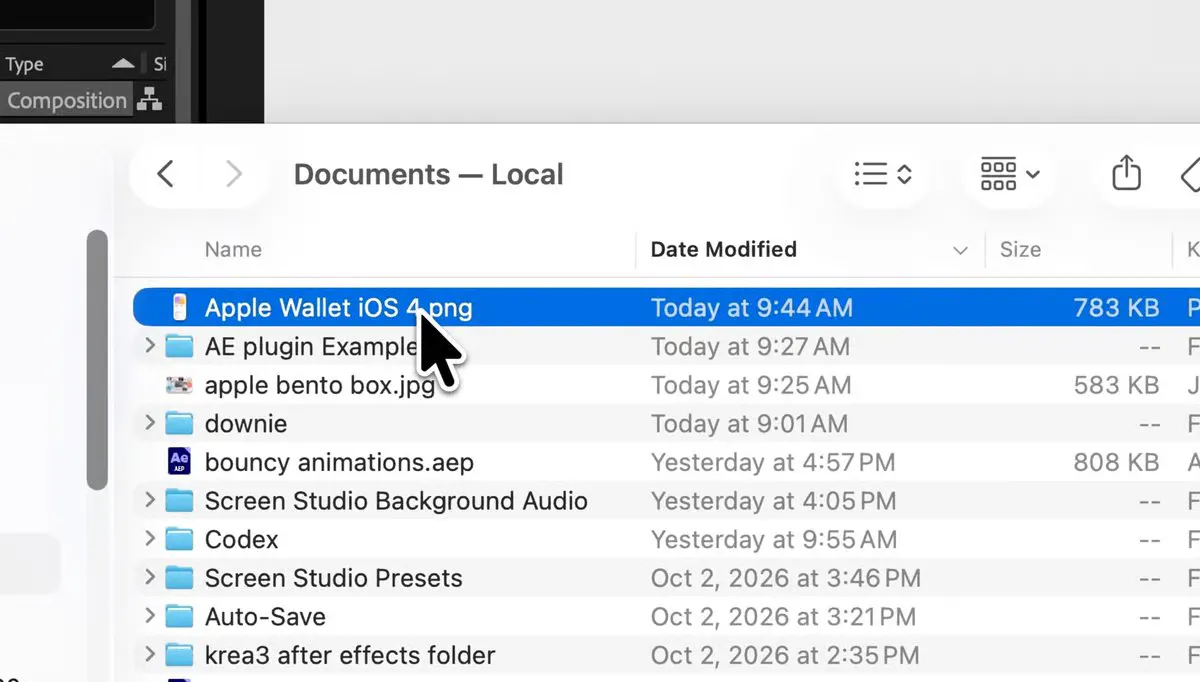
Krea's AI agent now lives inside After Effects as a plugin, generating motion graphics, resizing clips, and sorting layers without leaving your composition.
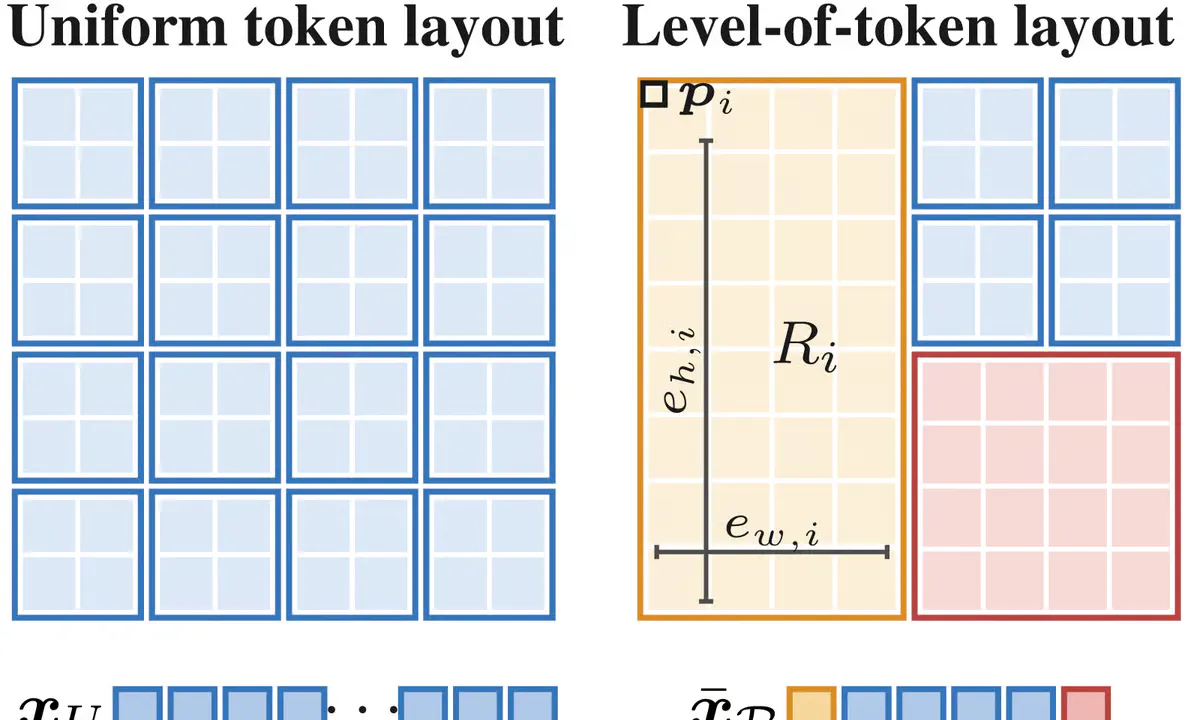
Stanford and Google researchers introduce a diffusion method that spends compute only where detail matters, cutting token counts up to 4.6x.
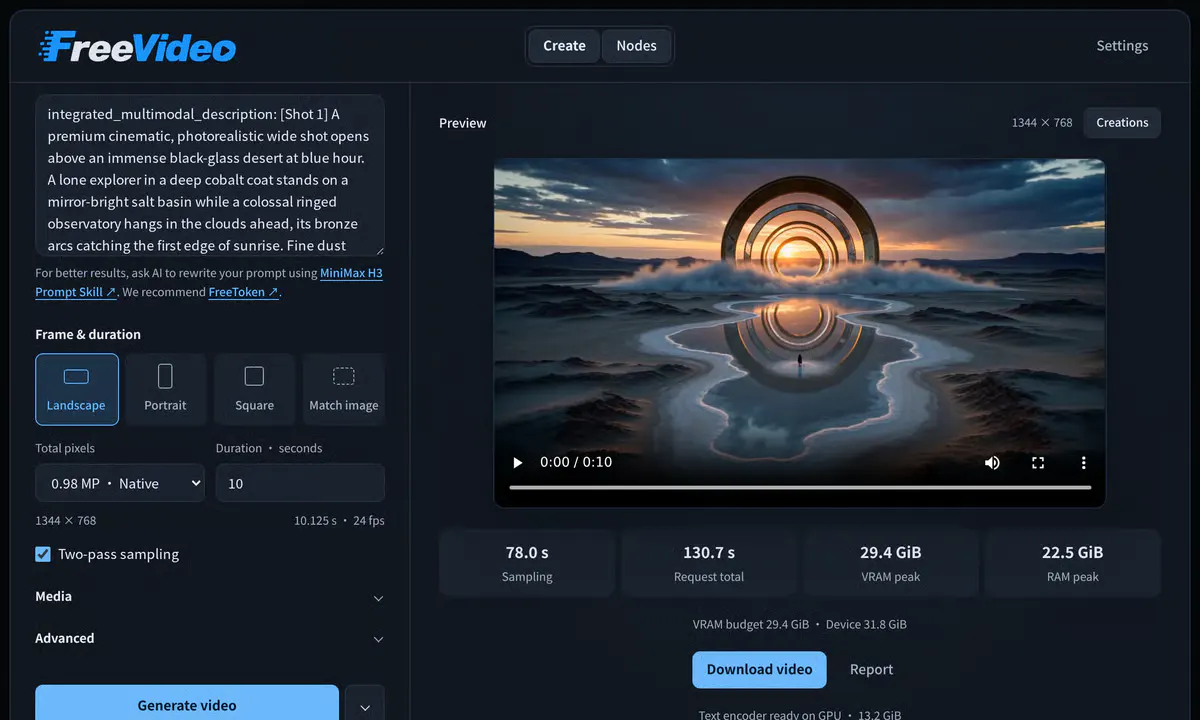
A new open-source inference engine runs MiniMax H3 video generation locally on 8GB GPUs by streaming weights and adapting kernels to your hardware.

Preferred Networks' T3lescope reconstructs 3D meshes from multi-view images in a single pass, scaling from desks to city blocks without per-scene fitting.
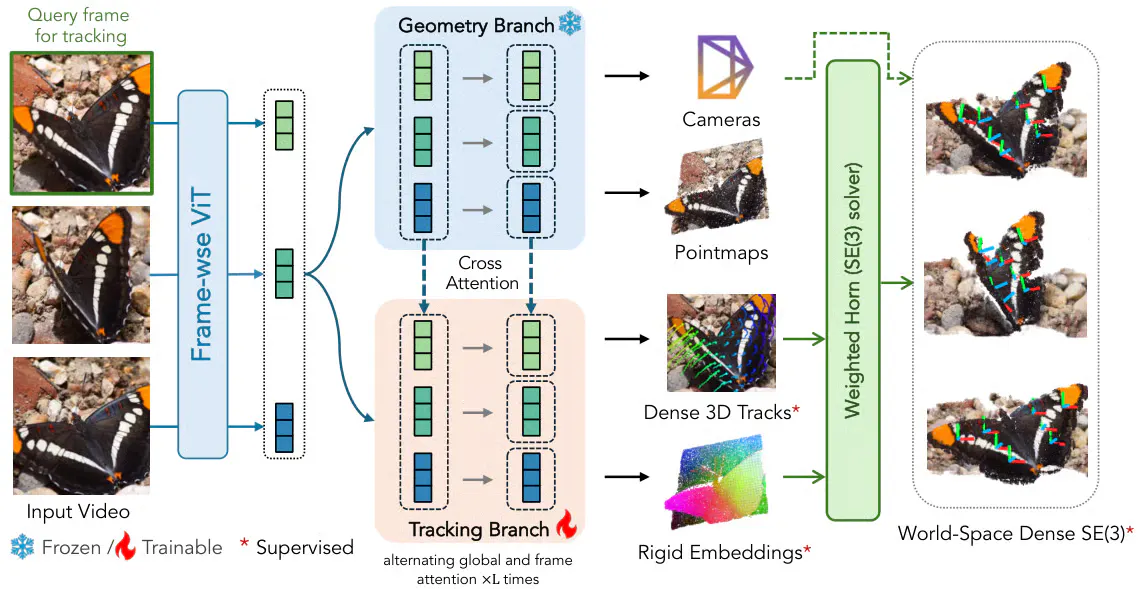
MoSE3 predicts a full 6-DoF rigid transform at every pixel of a monocular video in one forward pass, capturing rotation, translation, and part grouping together.

Runway Labs is prototyping a desktop where parts of your screen are generated video, not code, powered by its Solaris interface world model.
A Princeton-led team released UniMate, a single diffusion transformer that animates any rigged skeleton from text, with code, dataset, and interactive demo.
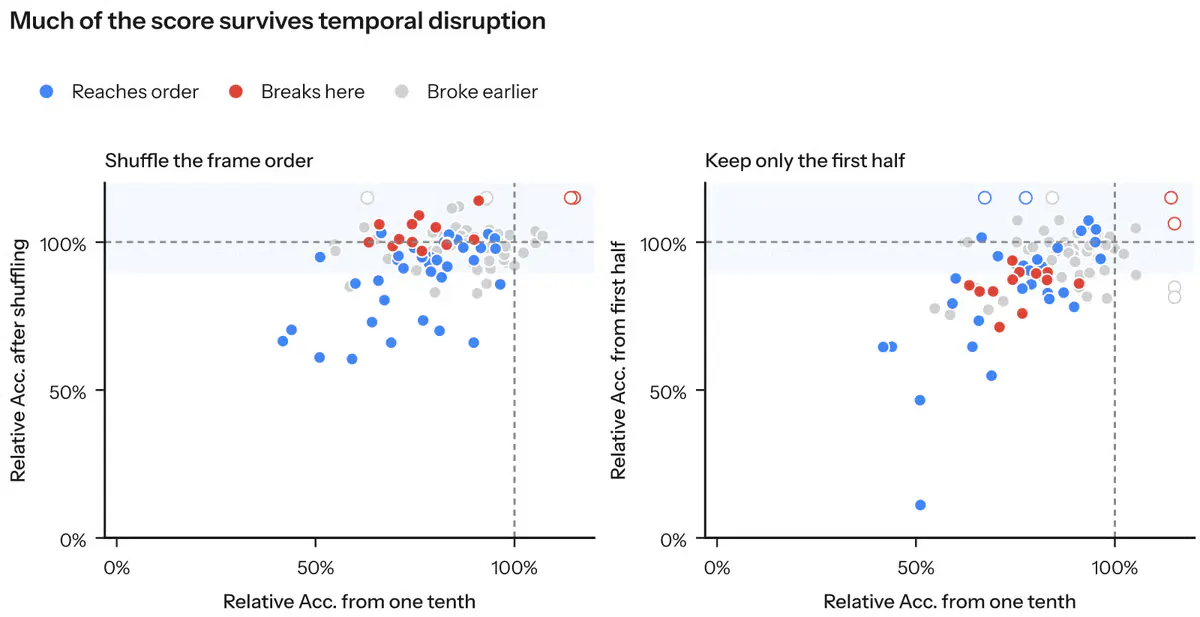
A five-level shortcut audit cracks 77 of 115 video benchmarks, then distills 505,518 questions down to 840 that actually require watching.
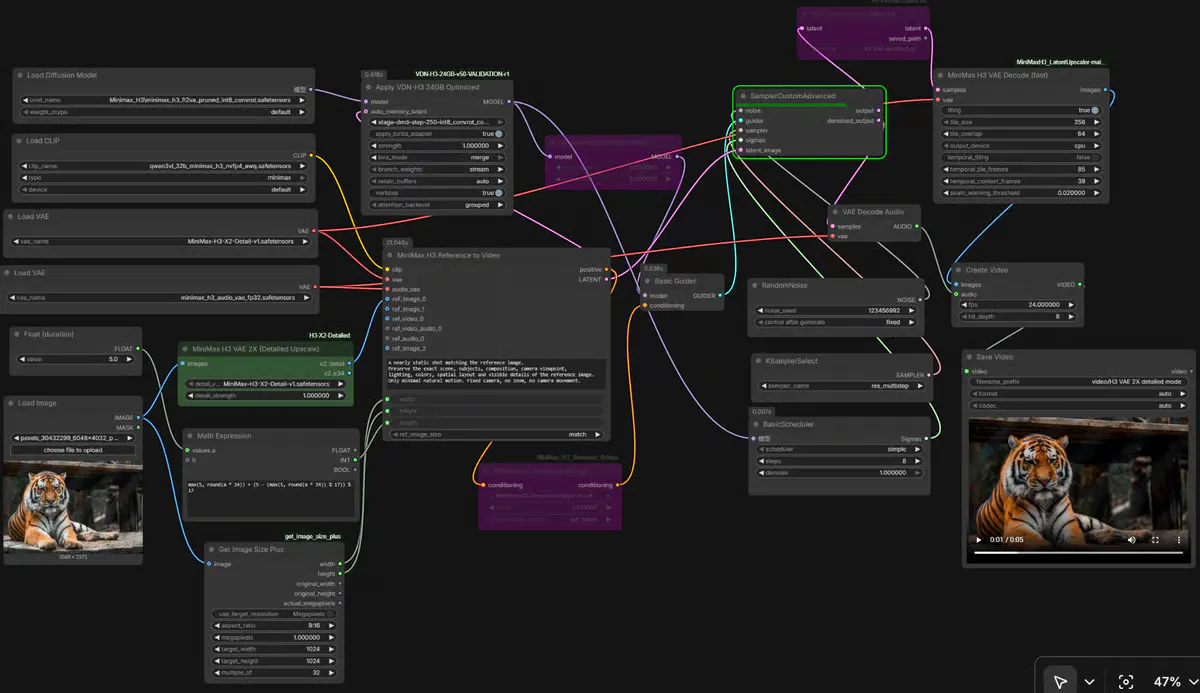
An ambitious MiniMax H3 VAE project failed its original goal but shipped a working 2X decoder and reference detail enhancer for ComfyUI.
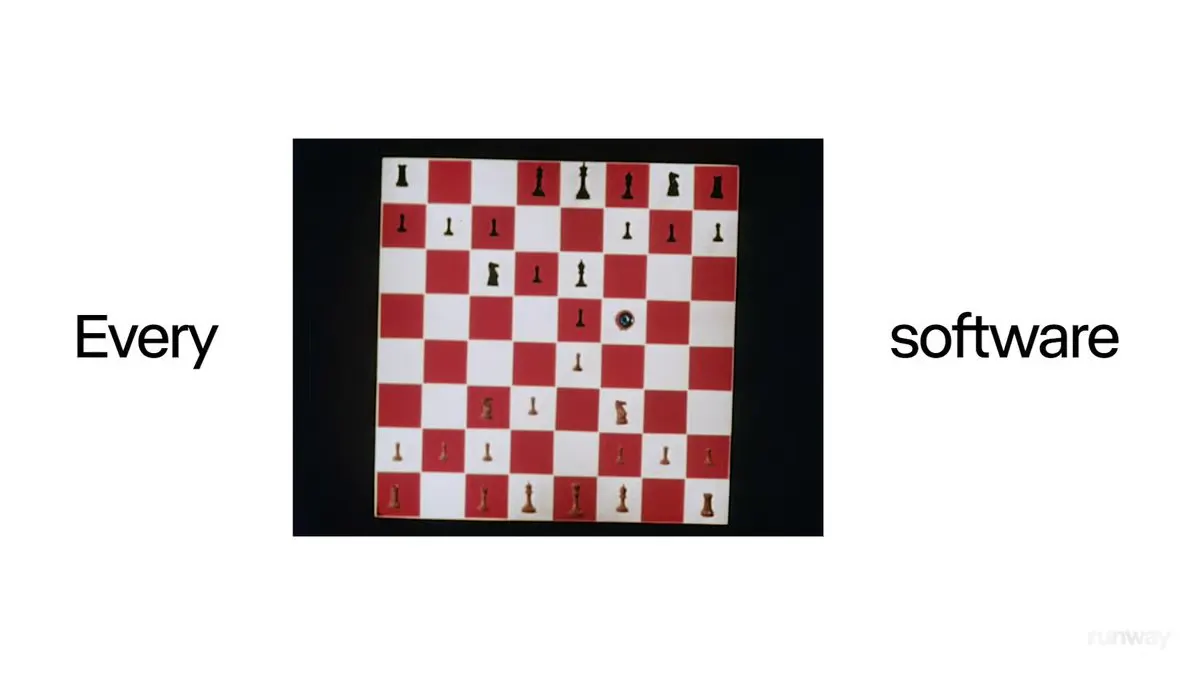
Runway's Solaris generates application interfaces pixel by pixel in real time, skipping code entirely and letting a world model render each frame as you click.

An open-source Java platform stitches scripts, storyboards, image and video generation, and dubbing into one self-hosted workflow for AI dramas and comics.
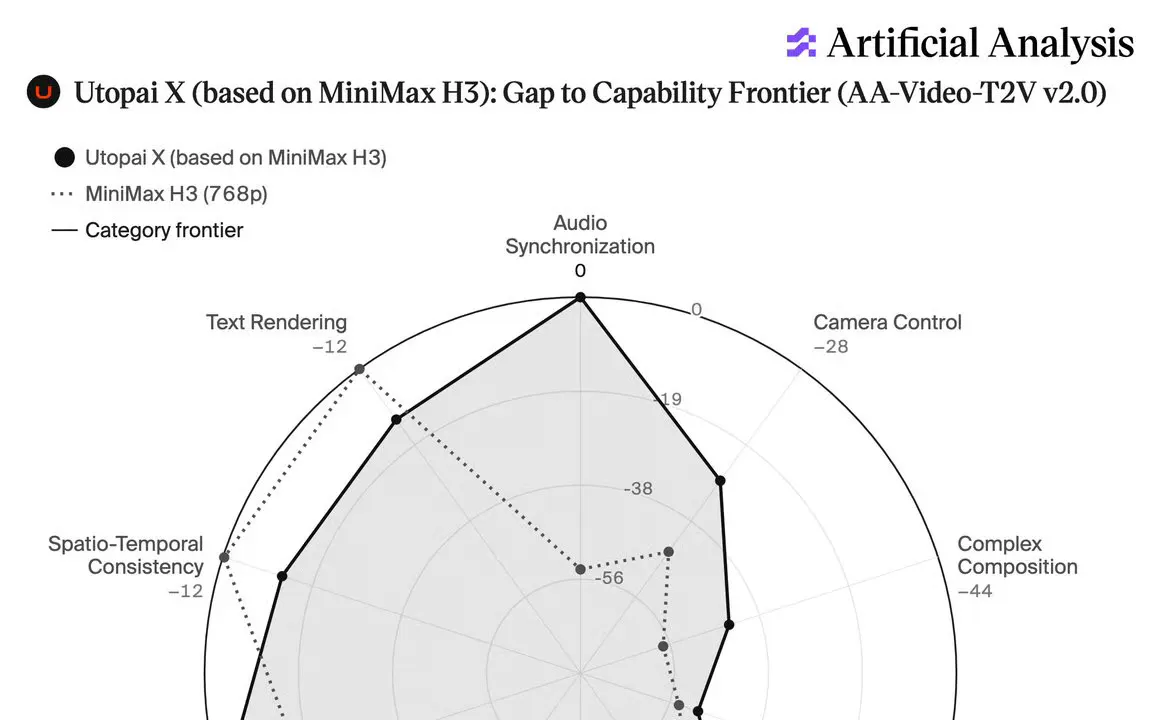
Utopai Studios post-trained MiniMax H3 into a video model that debuts second on Artificial Analysis' text-to-video board, trailing only Alibaba's Wan 3.0.
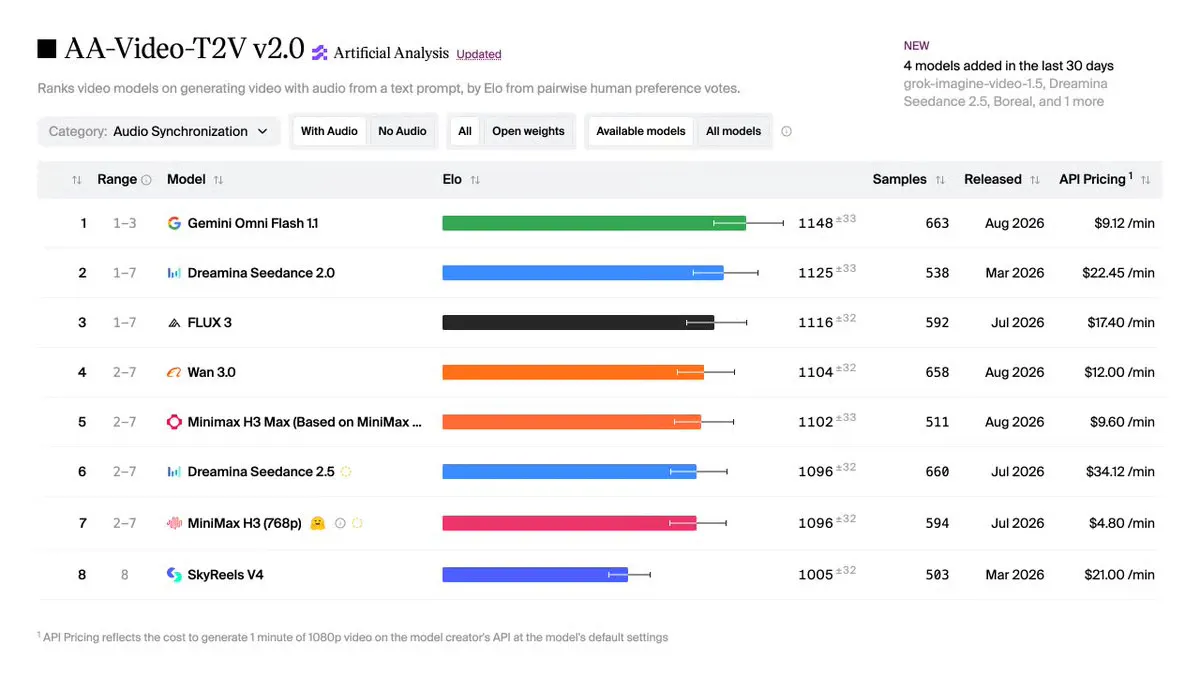
Artificial Analysis rebuilt its text-to-video benchmark around 1080p playback, 1,000 tagged prompts, and 68,000 human votes across 10 use cases and 10 capabilities.
No stories match these filters.