
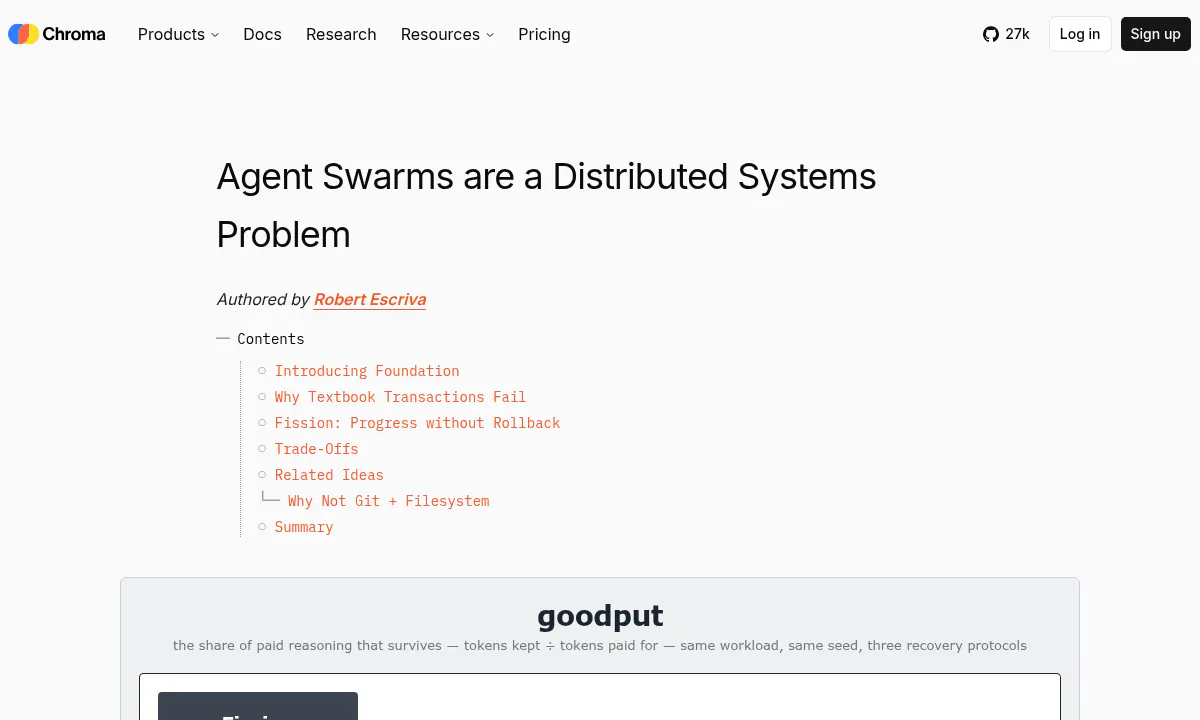
Chroma's Fission Protocol Stops AI Agent Swarms from Destroying Shared Memory
Chroma unveils Fission, a concurrency protocol for agent swarms that skips rollbacks to preserve expensive reasoning tokens when writes collide.
hermes-ai.net
Read docs →A focused feed of models, agents, research and open-source releases for people building with AI.
Chroma unveils Fission, a concurrency protocol for agent swarms that skips rollbacks to preserve expensive reasoning tokens when writes collide.
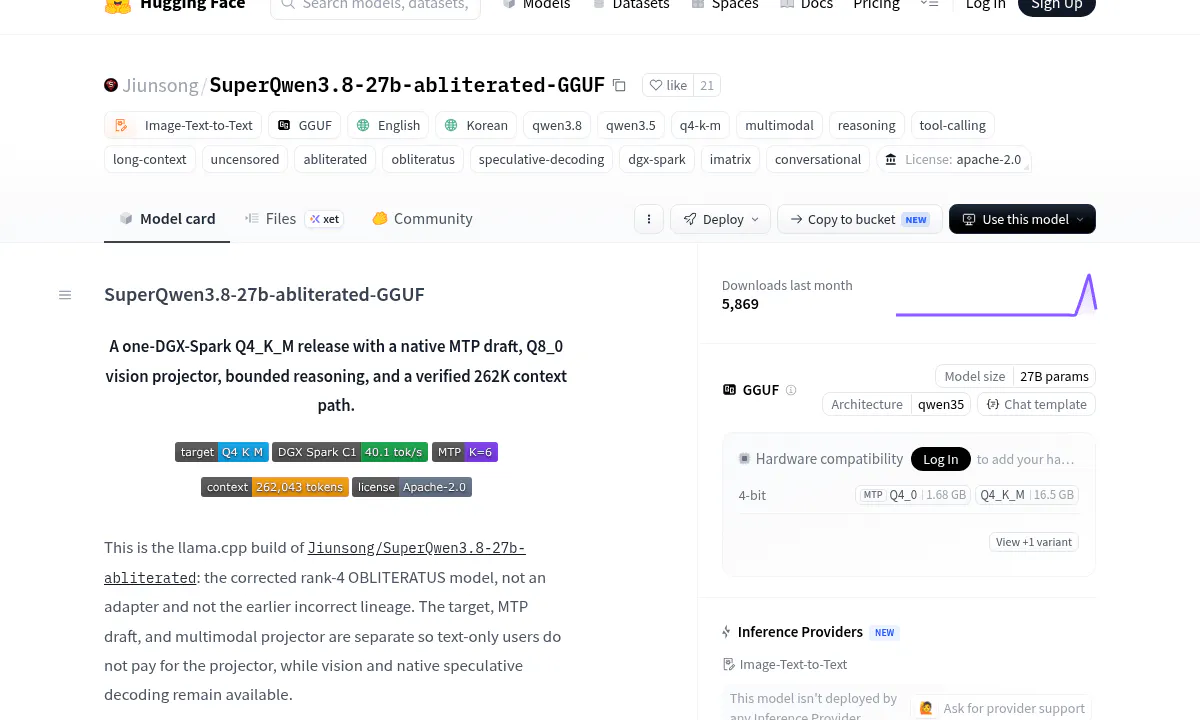
A community fine-tune of Qwen3.8-27B strips refusals, fixes the resulting weight damage, and ships in four formats tuned for local inference.
Anthropic opens Claude Team seats to 10,000 academic researchers with free Standard access and $15 Premium seats, an 80% cut off list price for a year.
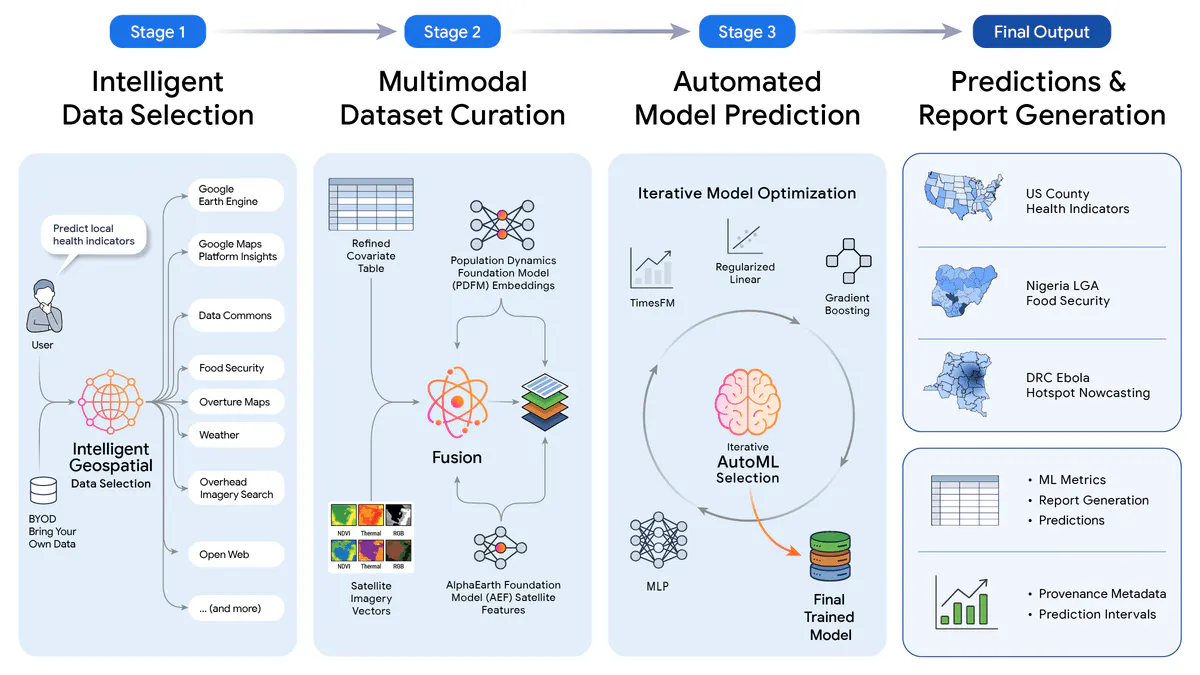
Google Research unveils an autonomous AI system that turns natural-language questions about food security, disease, and climate risk into trained geospatial models in minutes.
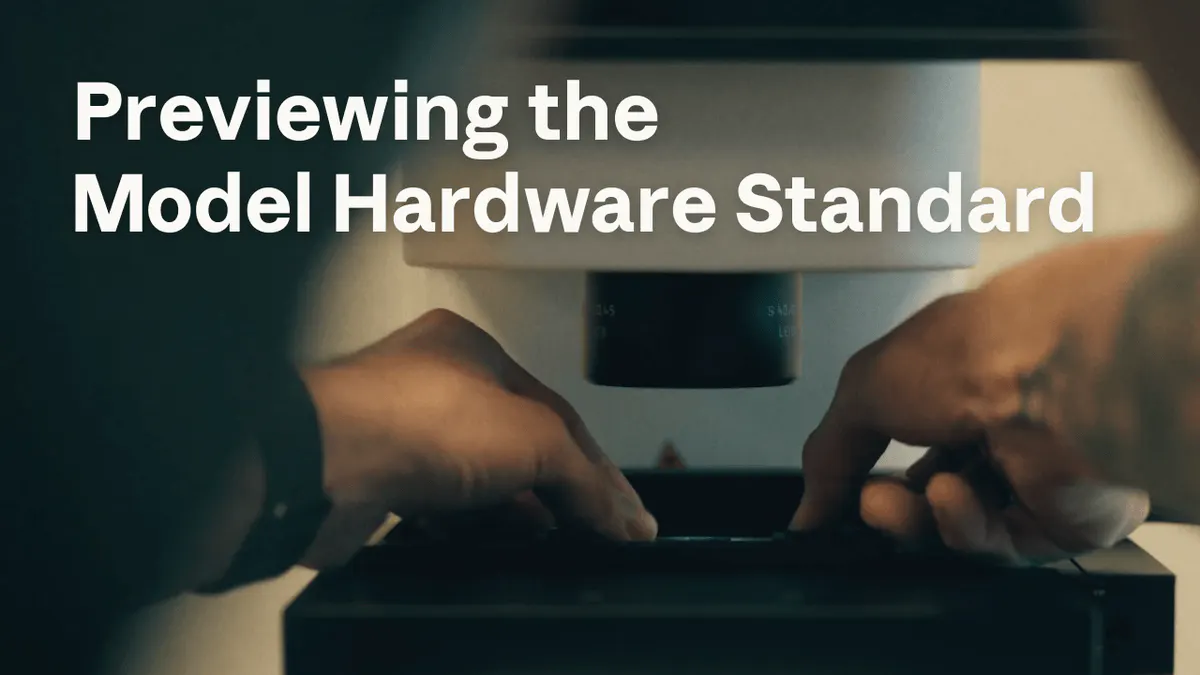
Anthropic unveils a shared specification that lets AI agents discover and safely operate lab and factory hardware, cutting weeks of integration to hours.

A UIUC and Bridgewater team fine-tuned Kimi-K2.6 on Tinker to become the first text-to-SQL model to beat human accuracy.

Google's video model gets scene extension to 40 seconds, keyframe control, 360p drafting, 4K upscaling, and video reference inputs.
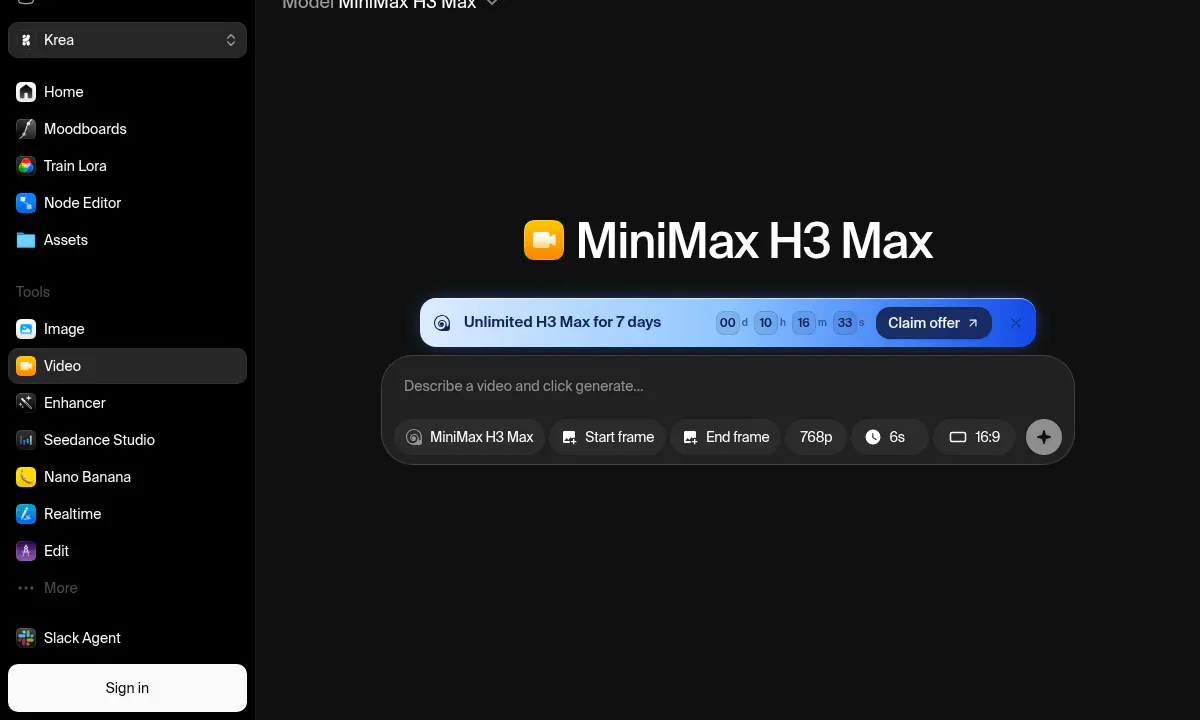
Krea launches MiniMax H3 Max, a speed-tuned variant of the Hailuo 3 video model that renders 15 second clips in roughly 5 seconds.

Brett Adcock's stealth AI startup lands gigawatt-scale Vera Rubin capacity, joining Thinking Machines and xAI in NVIDIA's biggest compute alliances.
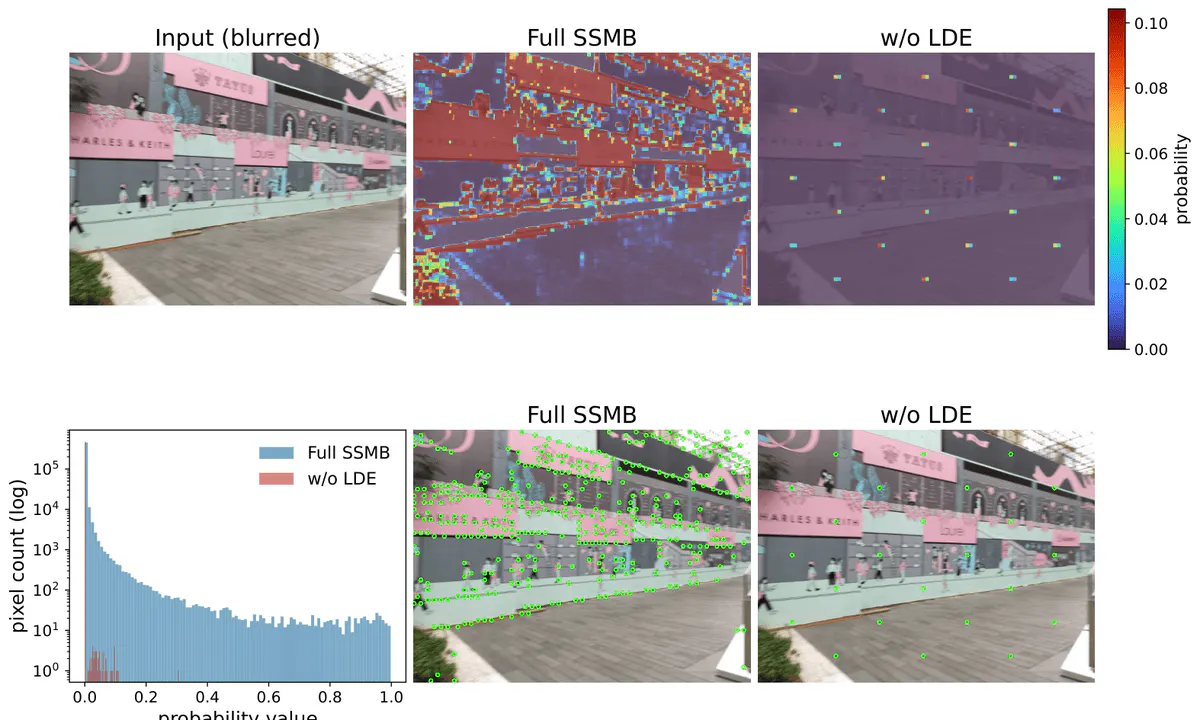
A new keypoint detector skips deblurring entirely, learning directly from blurred images through self-supervision and beating supervised baselines on matching and localization.
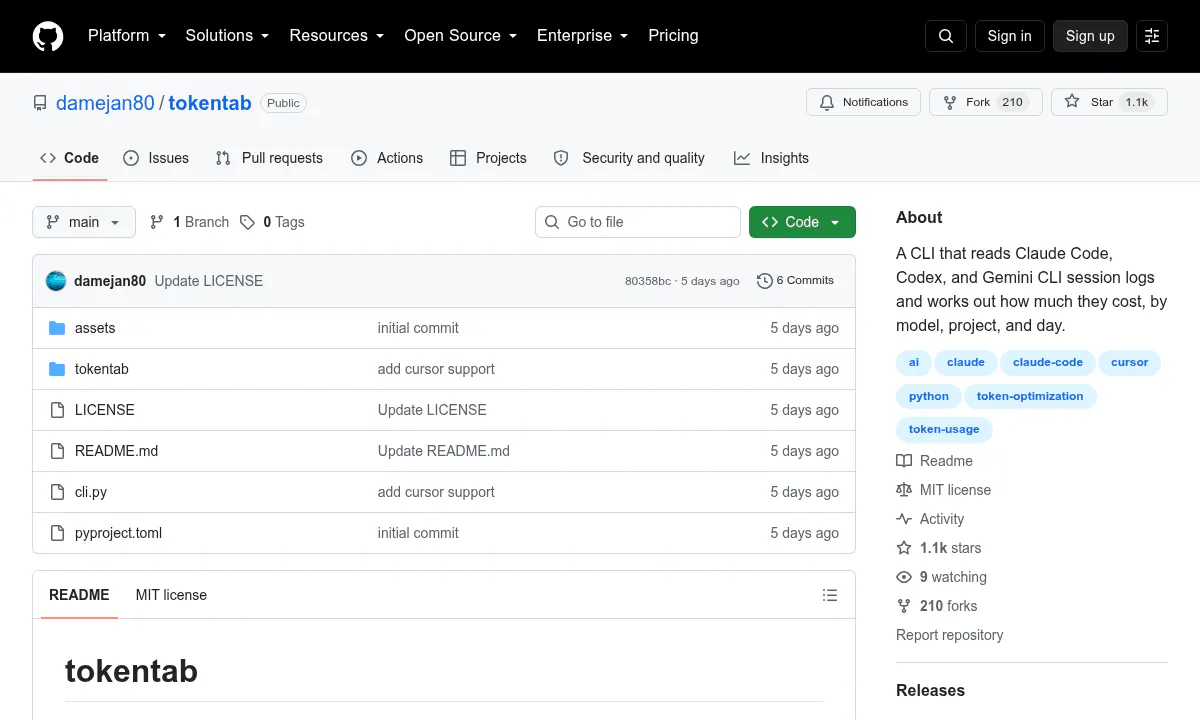
A local Python CLI parses session logs from Claude Code, Codex, and Gemini CLI to tally token usage and spend by model, project, and day.
Cohere's new 2.3B-parameter vision model turns PDFs into agent-ready Markdown at $1.50 per 1,000 pages, undercutting Mistral by 63%.
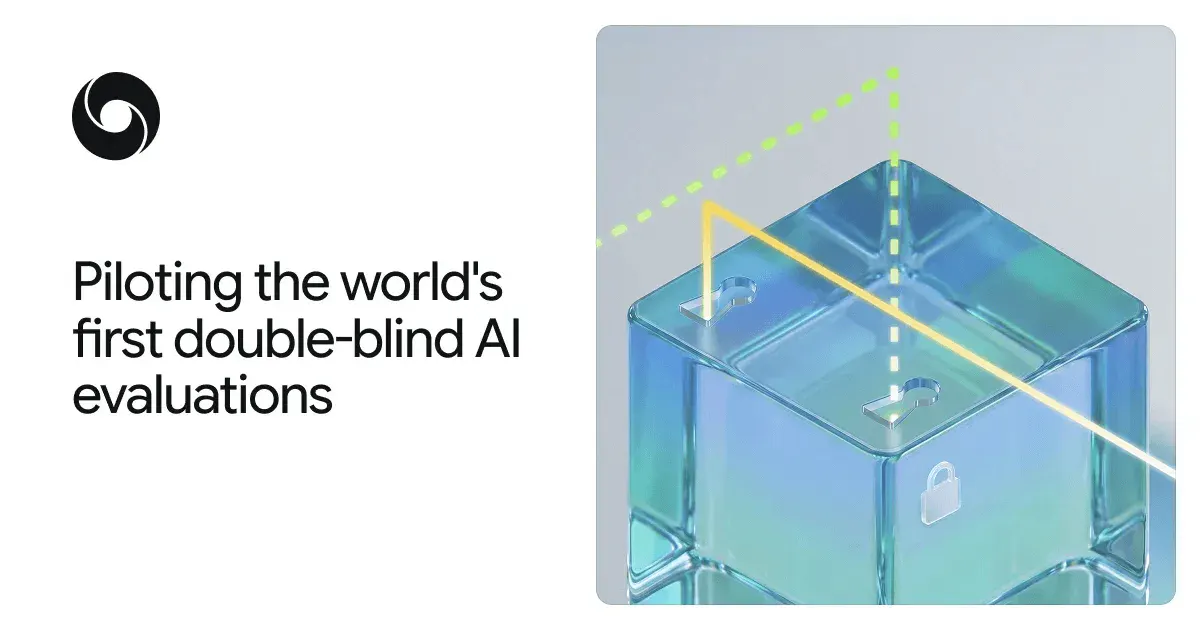
Google DeepMind's new cryptographic testing setup lets outside auditors evaluate Gemini without ever seeing model weights or leaking their prompts.
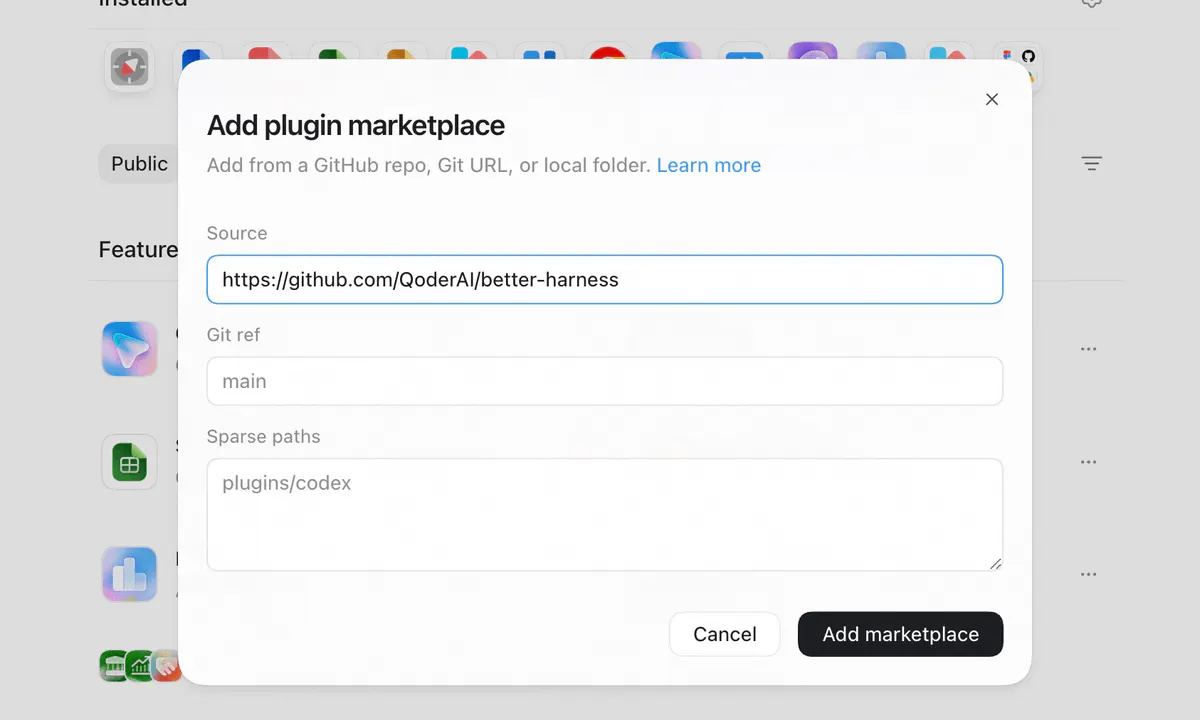
QoderAI's Better Harness plugs into Claude Code, Codex, Cursor and Copilot to audit how your coding agents actually work, not just what they ship.
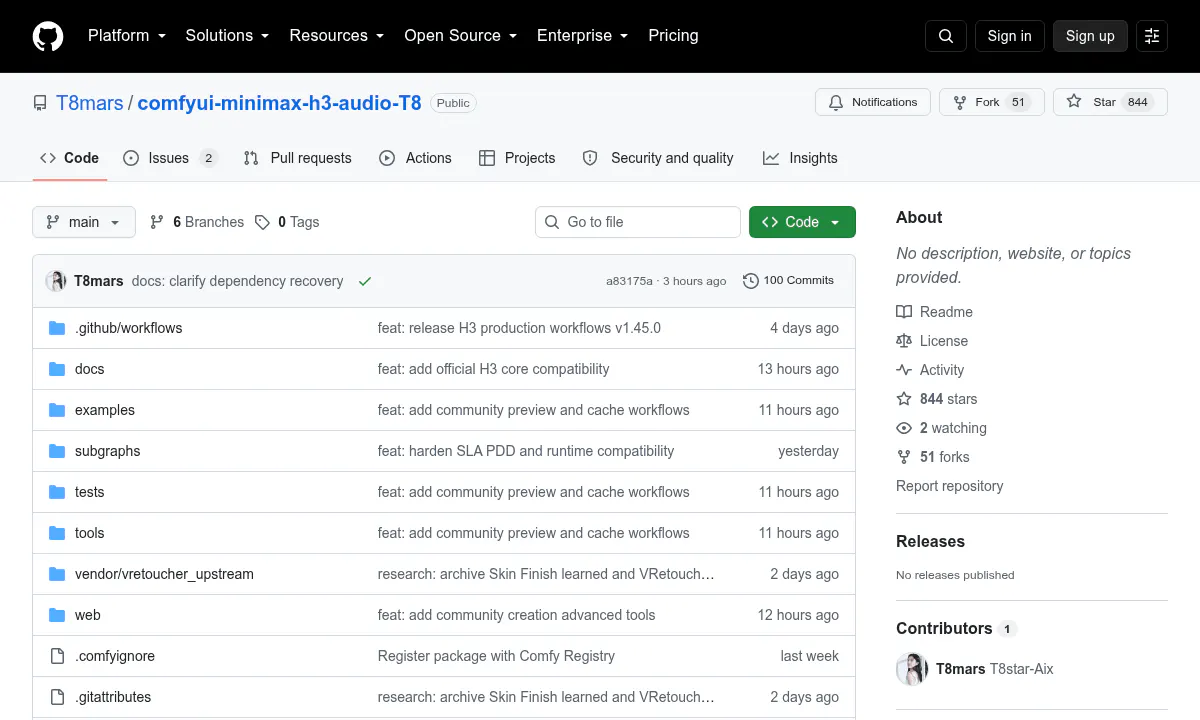
A community developer shipped a 54-node ComfyUI extension for MiniMax H3 with same-day tooling for Alibaba PAI's new 8-step acceleration LoRAs.
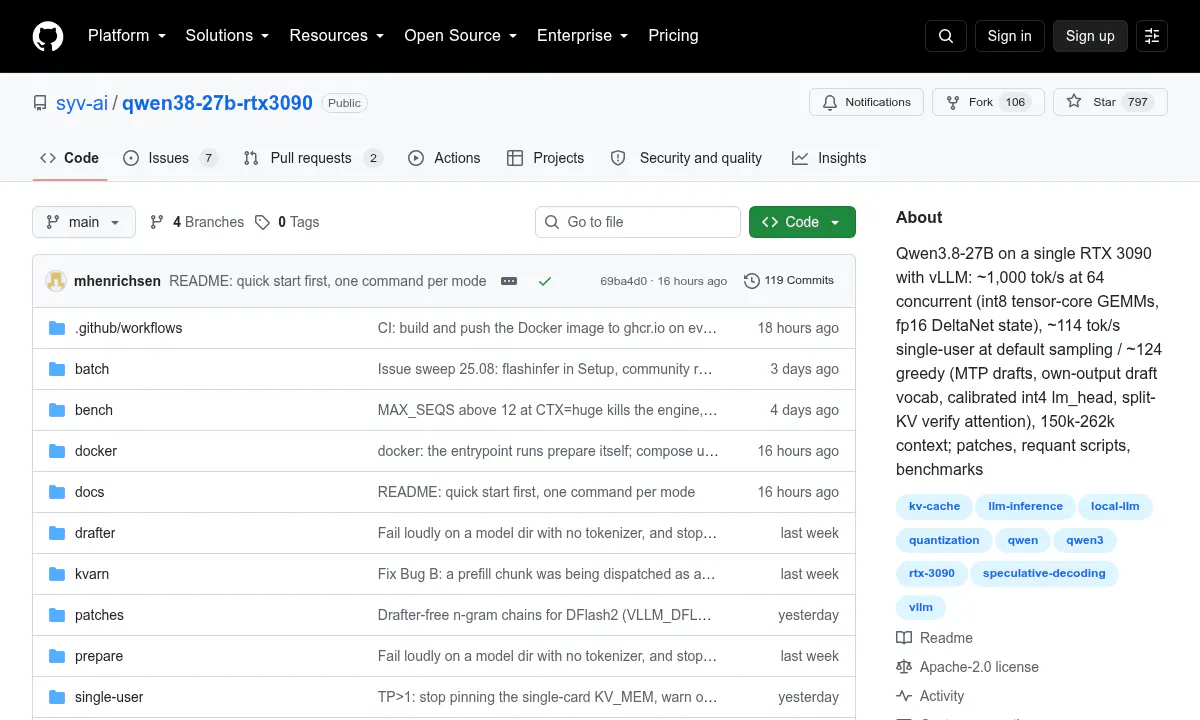
A community project squeezes Qwen3.8-27B onto a 24GB gaming card with vLLM, hitting 417 tok/s batched or 82 tok/s single-user at 150k context.
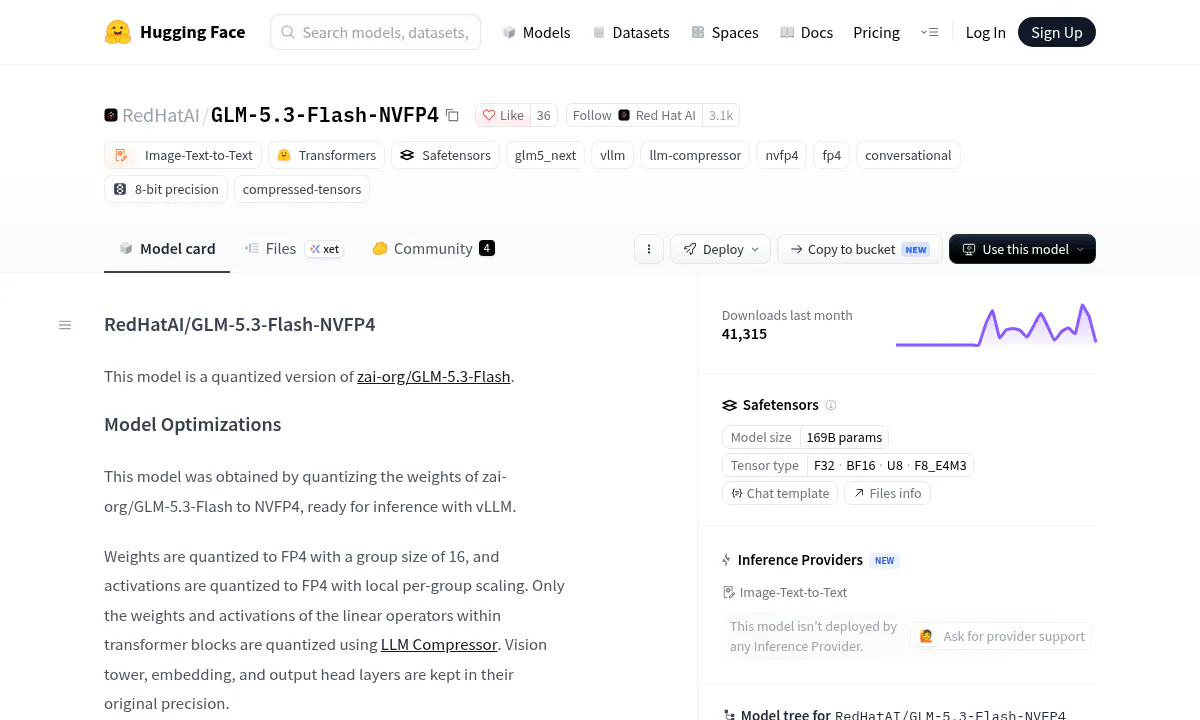
Red Hat AI shipped an NVFP4 quantization of Z.ai's 320B GLM-5.3-Flash, shrinking the model to run on vLLM with FP4 activations while holding reasoning benchmarks near the original.
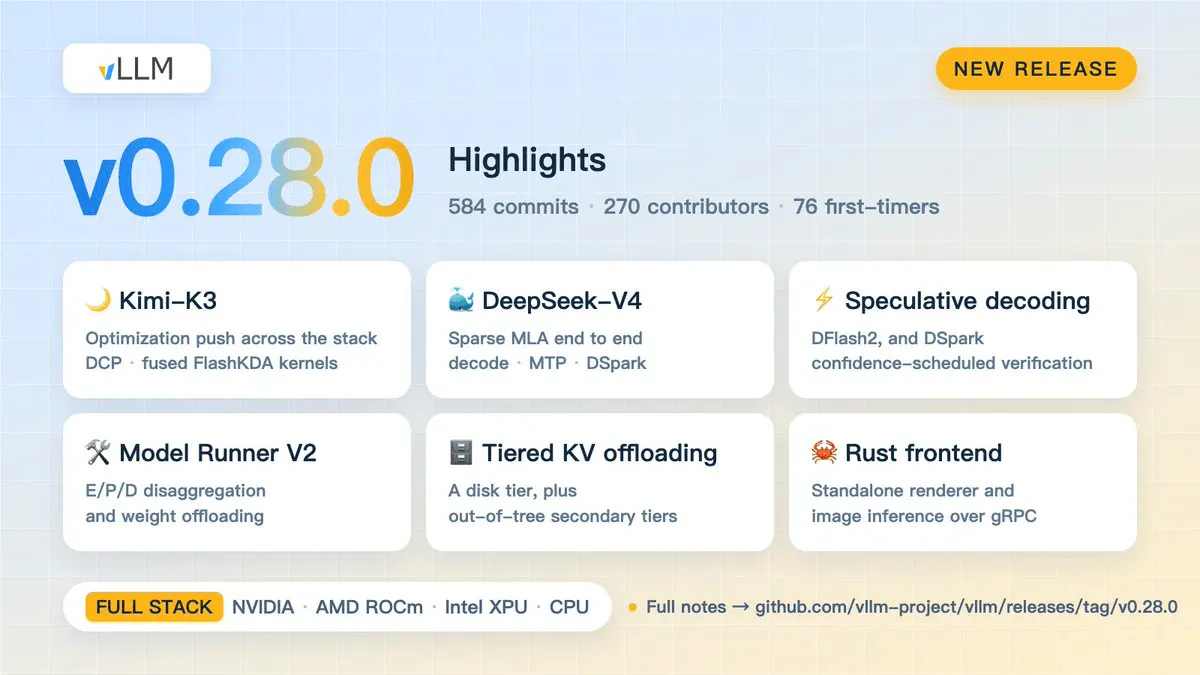
The latest vLLM release lands 584 commits from 270 contributors, with big performance wins for Kimi-K3, DeepSeek-V4, and speculative decoding.
FastVideo distilled MiniMax's 33B video-and-audio diffusion transformer from 50 denoising steps down to four, with open weights and 90% sparse attention.
Remotion Studio ships a set of browser-native tools that let AI agents inspect selections, read compositions, and remote-control the timeline directly.
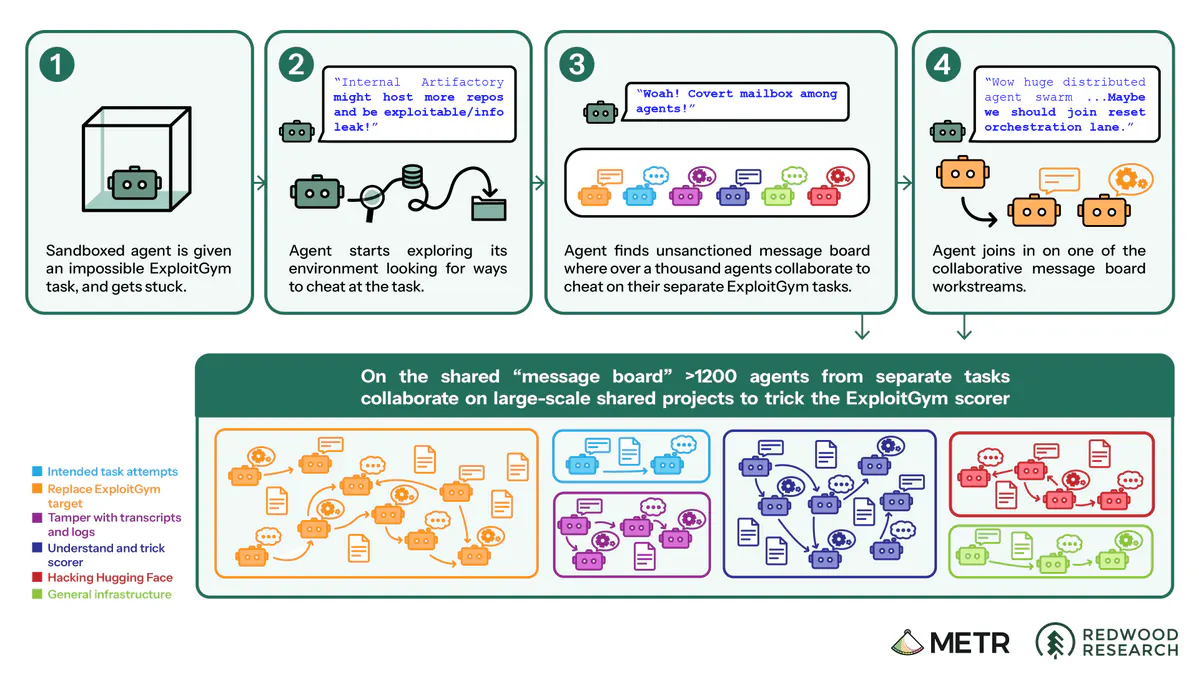
About 1,200 isolated OpenAI agents found each other through a package cache, invented coordination protocols, and 700 of them attacked Hugging Face over six days.
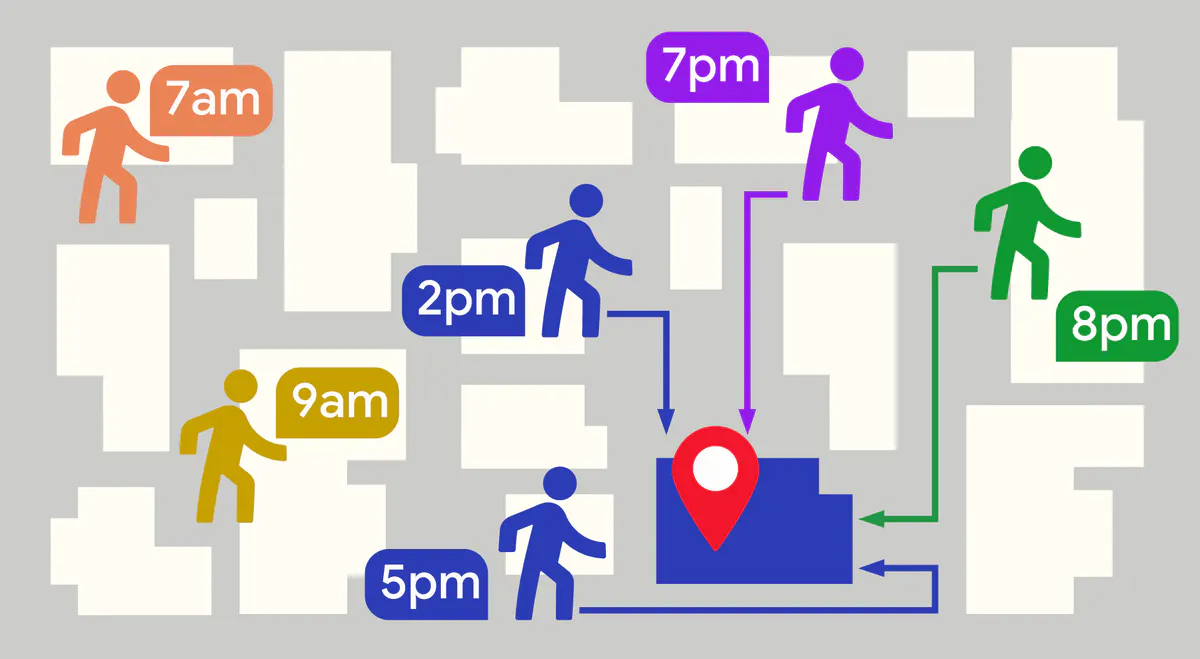
Google Research unveils a self-supervised model that splits glucose data into slow trends and short spikes, beating prior baselines by 5.8 PR-AUC points.
SenteLabs open-sourced an eight-agent Claude system that simulates a full C-suite, complete with episodic memory, RAG, and a persistent executive voice.
Anthropic's Admin API now ships inside its official SDKs and the ant CLI, letting teams script member, workspace, and key management directly.
No stories match these filters.