

EAGLE-4 Triples Qwen3 Inference Speed by Adapting to Serving Load
A single adaptive drafter adjusts speculative decoding to batch size and hardware, posting up to 2.99x throughput on vLLM and 3x single-request speedups.
A focused feed of models, agents, research and open-source releases for people building with AI.
A single adaptive drafter adjusts speculative decoding to batch size and hardware, posting up to 2.99x throughput on vLLM and 3x single-request speedups.

Humans& releases Ampersand v0.1, a 744B collaborator model trained with multi-month simulations and a new off-policy RL algorithm called CORO.
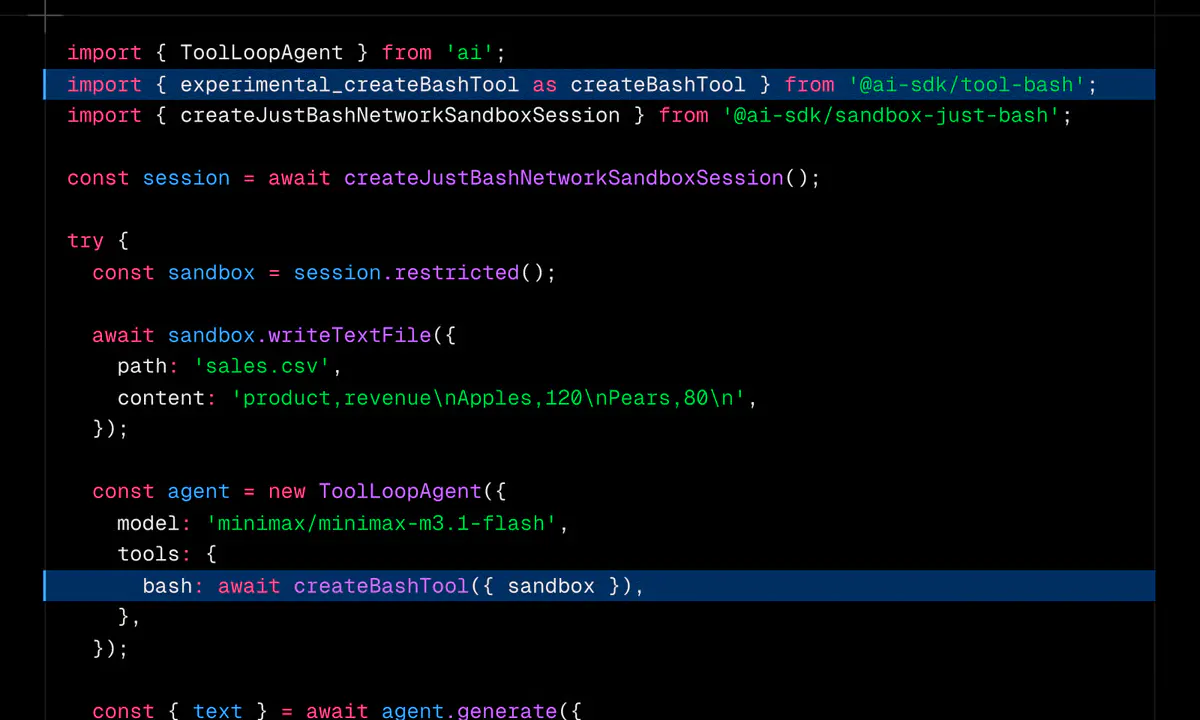
Vercel's AI SDK ships a first-party Bash tool that gives agents a shell, with pluggable sandboxes ranging from in-memory to full VMs.
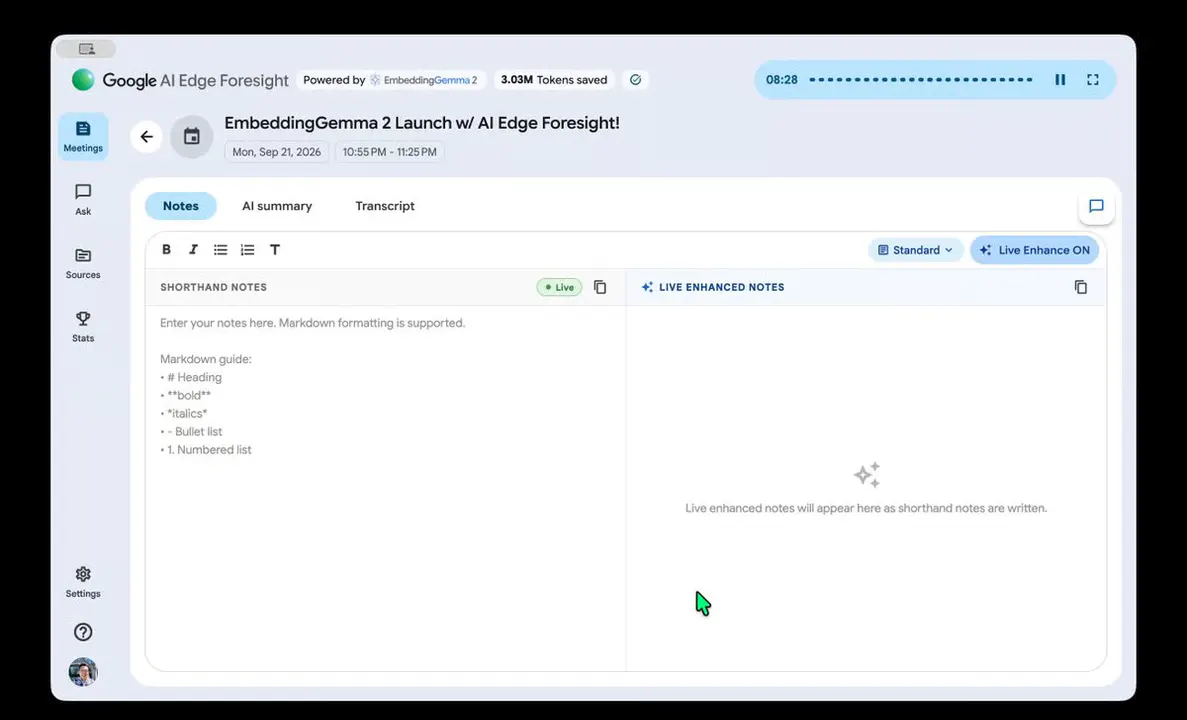
Google's new 740M multimodal embedding model runs locally across text, images, and audio, powering a Mac meeting companion and mobile search demos.

OpenAI folds Orchestra Bio into its Rosalind life sciences stack, pushing AI agents past research into the operational grind of drug programs.
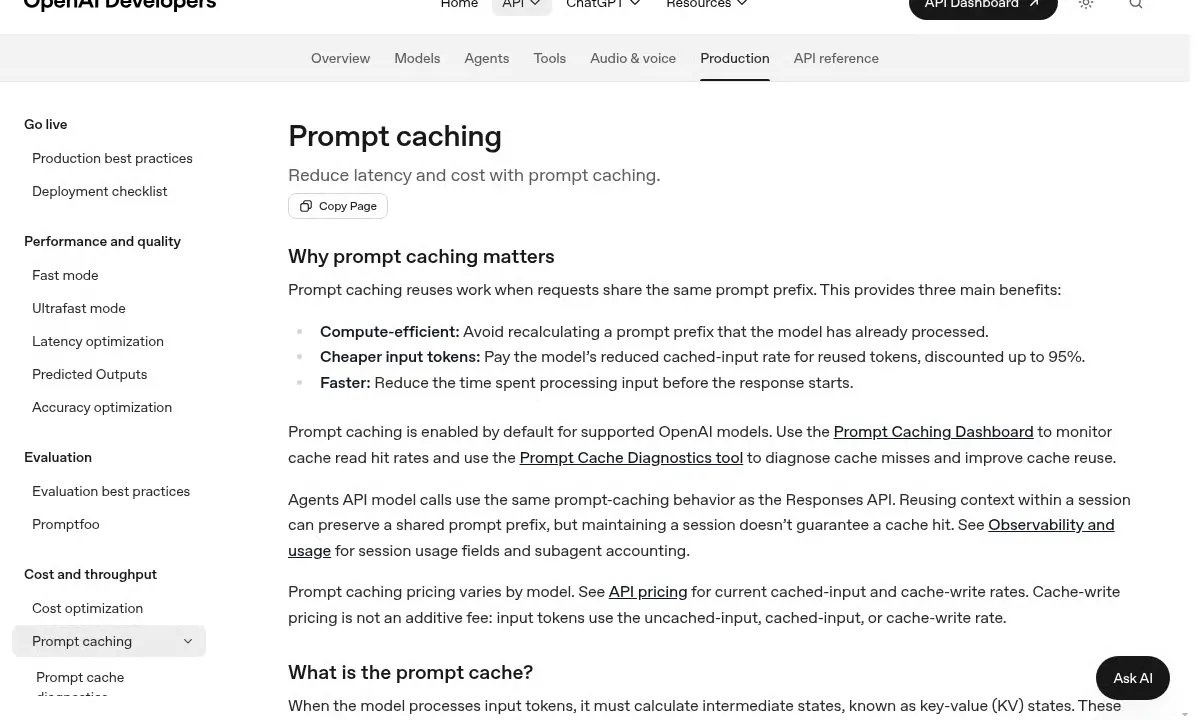
OpenAI added a 12-hour time-to-live option to API prompt caching, letting persistent agents keep shared instructions, tools, and context cached across the full workday.

Google and Meta ship a native PyTorch backend for TPUs with true eager execution, torch.compile, vLLM and SGLang support, and near-linear scaling to full pods.
Databricks unveils MemCurrent, a persistent memory system that triples agent pass rates while cutting tokens 31% and latency 26% in production.

Zed benchmarked 25 MCP tool search methods across 150 queries and 536 tools, then shipped weighted BM25 with normalization rules, running fully local.

Inception's Mercury 3 is a diffusion-based language model that generates over 1,000 tokens per second while matching frontier speed-tier quality.

Rough concept first, then the words. 10x to 31x faster than strong diffusion models, on 4x to 5x fewer training tokens

Anthropic let an internal Claude model run a 64-hour autonomous protein design campaign, producing 17 lab-validated binders against scorpion neurotoxins from four regions.

Factory's Droid agent now hooks into Linear so assigning an issue triggers a full investigate, code, test, and pull request cycle.

Vals AI's new ClaimBench pits 15 models on 1,960 financial claims paired with 10-K excerpts, and small decision models win on cost.

Mistral's new speech stack combines state-of-the-art transcription, expressive TTS, and a LiveKit-based agent SDK with sub-second turn latency.

Bria's new 8B image model ties Qwen-Image-2.1 for the open-weights lead on both text-to-image and editing benchmarks at $32 per 1k images.

A comparison of eleven reward functions reveals how to train LLM agents that respect token, API, and step budgets without an external controller.

Perplexity's agent now runs the model, planner, and tool execution entirely on Apple silicon, keeping private files and credits off the cloud entirely.

Krea 3 lands in the top ranks of image arenas with 2K edits under 8 seconds and $0.06 per image, roughly a third of competitor pricing.

Kindling AI uploaded a preview EXLR8 v2 quantization of Z.ai's 744B GLM-5.3 MoE, tuned for NVIDIA GB10 unified-memory boxes.

Three US labs shipped open-weights models in a single week, reshaping the Pareto frontier of intelligence versus parameter count.

Gradium's Phonon family packs frontier text-to-speech into 31M-40M parameter models that run offline on phones, browsers, and even a Raspberry Pi 5.

Kaggle and Rehearsals launched a benchmark testing whether language models can predict real human choices across 1,199 survey tasks grounded in 1,244 US adults.
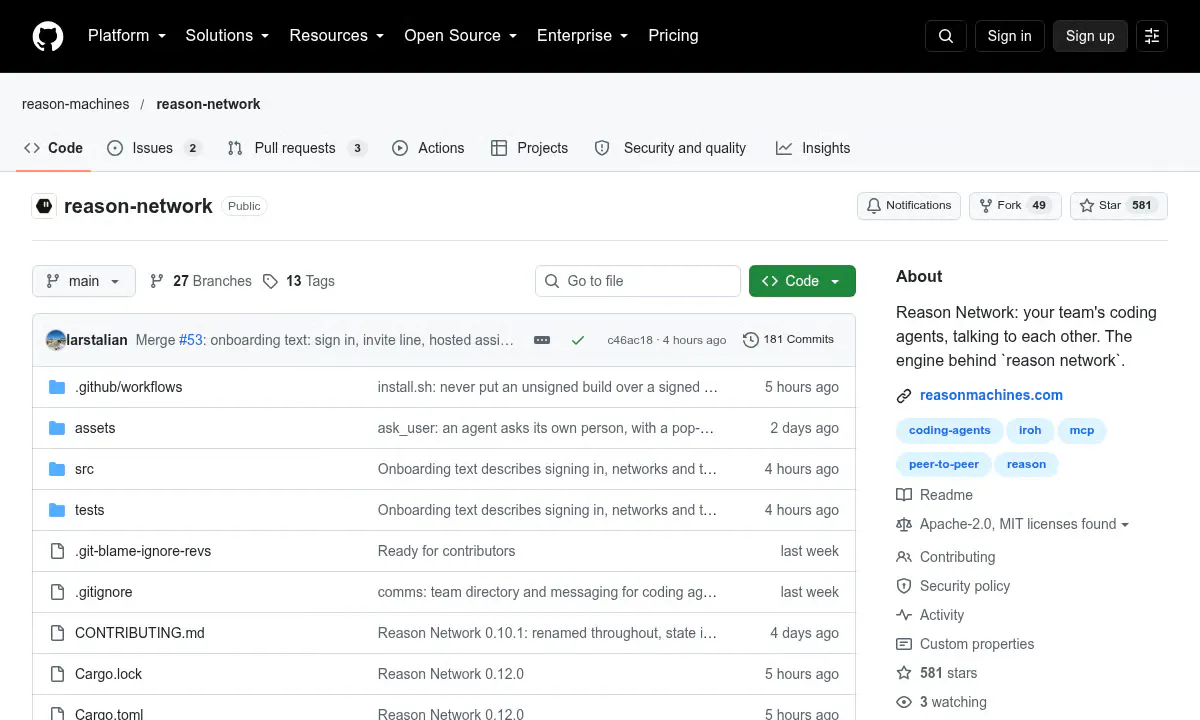
A free, open-source Rust daemon lets coding agents across different machines discover each other, exchange messages, and coordinate directly over an encrypted P2P link.
No stories match these filters.