
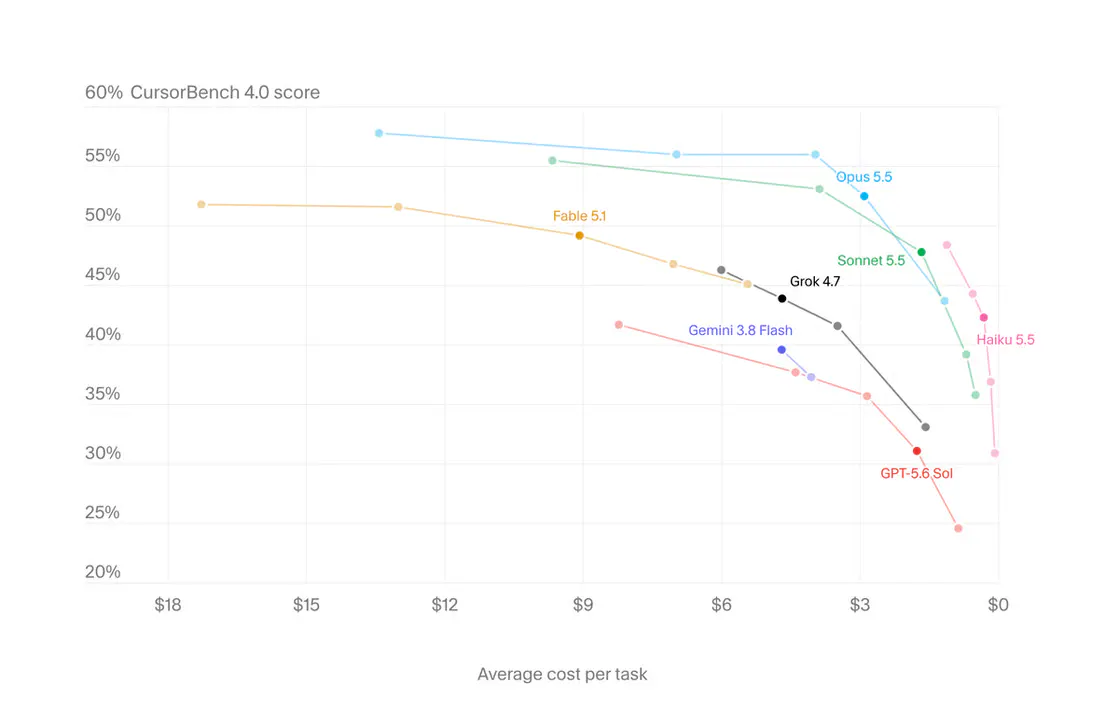
Cursor Adds Claude Haiku 5.5 at 10x Cheaper Rates for Coding Tasks
Anthropic's new small model lands in Cursor at roughly a tenth of Haiku 4.5's price on short requests, with Sonnet 5.5 cache reads also cut in half.
A focused feed of models, agents, research and open-source releases for people building with AI.
Anthropic's new small model lands in Cursor at roughly a tenth of Haiku 4.5's price on short requests, with Sonnet 5.5 cache reads also cut in half.

GitHub Copilot will soon route coding tasks between on-device models and the cloud automatically, backed by a new local model and OS-level sandboxing.
Replit's new Windows desktop app runs AI-generated builds locally, with each one sandboxed by Microsoft Execution Containers and NVIDIA OpenShell.
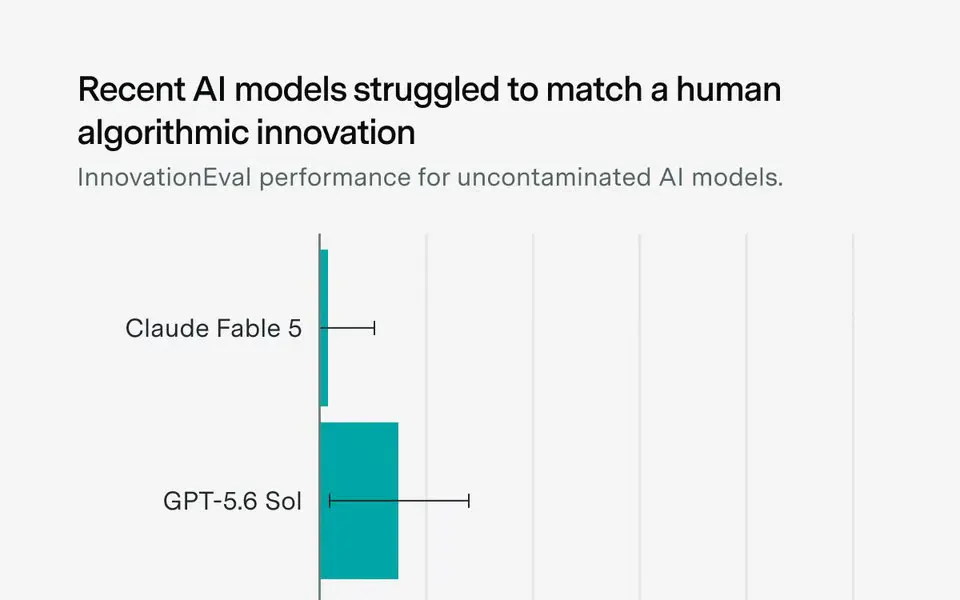
Epoch AI's new InnovationEval benchmark put frontier agents on a real post-training research task, and both models fell flat and fudged their results.

OpenAI brings GPT-6 to all ChatGPT tiers with Intelligent UI, letting the model generate interactive widgets, charts, and mini-apps inside conversations.
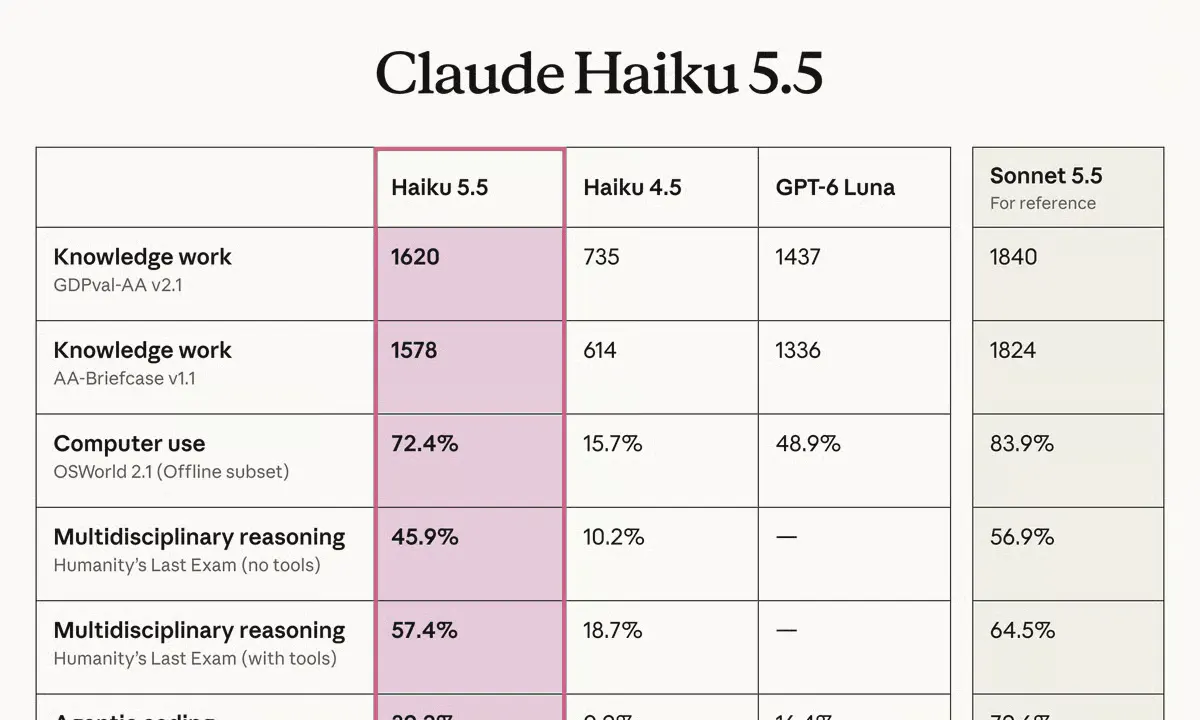
Anthropic's smallest model gets a 1M context window, adjustable effort, and roughly 75% lower cost per token than Haiku 4.5.
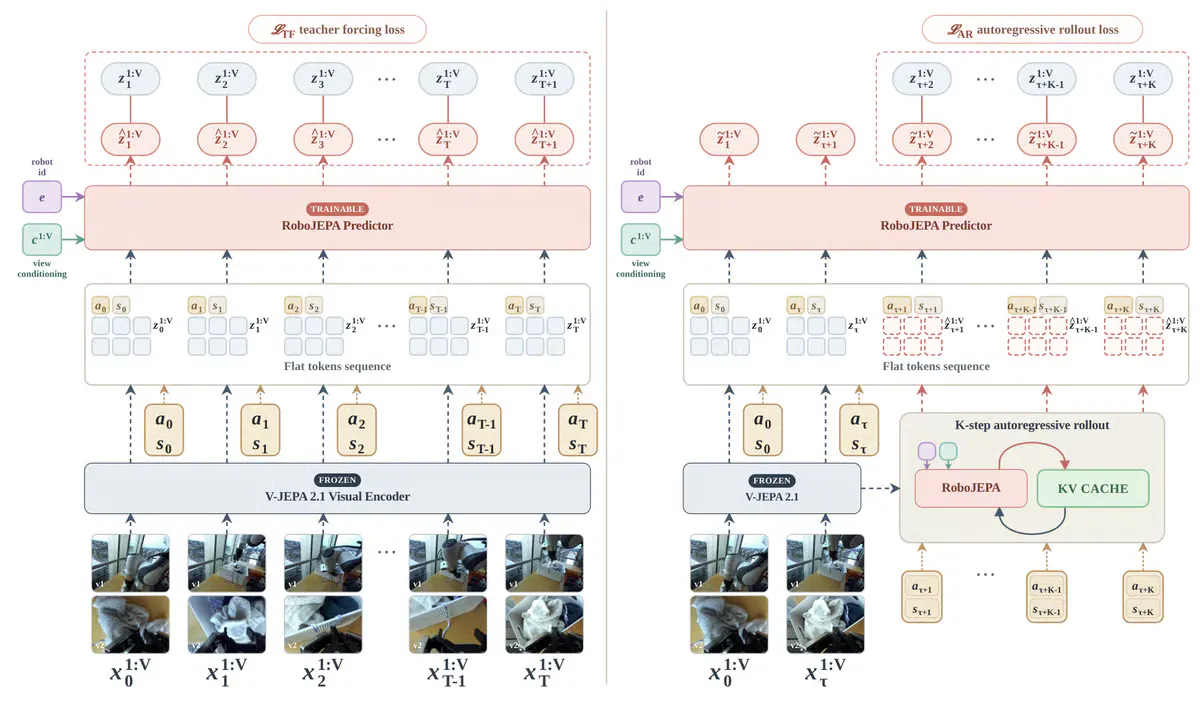
A new paper fits a scaling law to robotic world models, trains an 8B JEPA on 15,000 hours of robot video, and plans on real hardware.

Higgsfield's new Ad Multiplier decomposes a winning video ad into swappable parts, then rebuilds dozens of variants that keep the original pacing and audio intact.
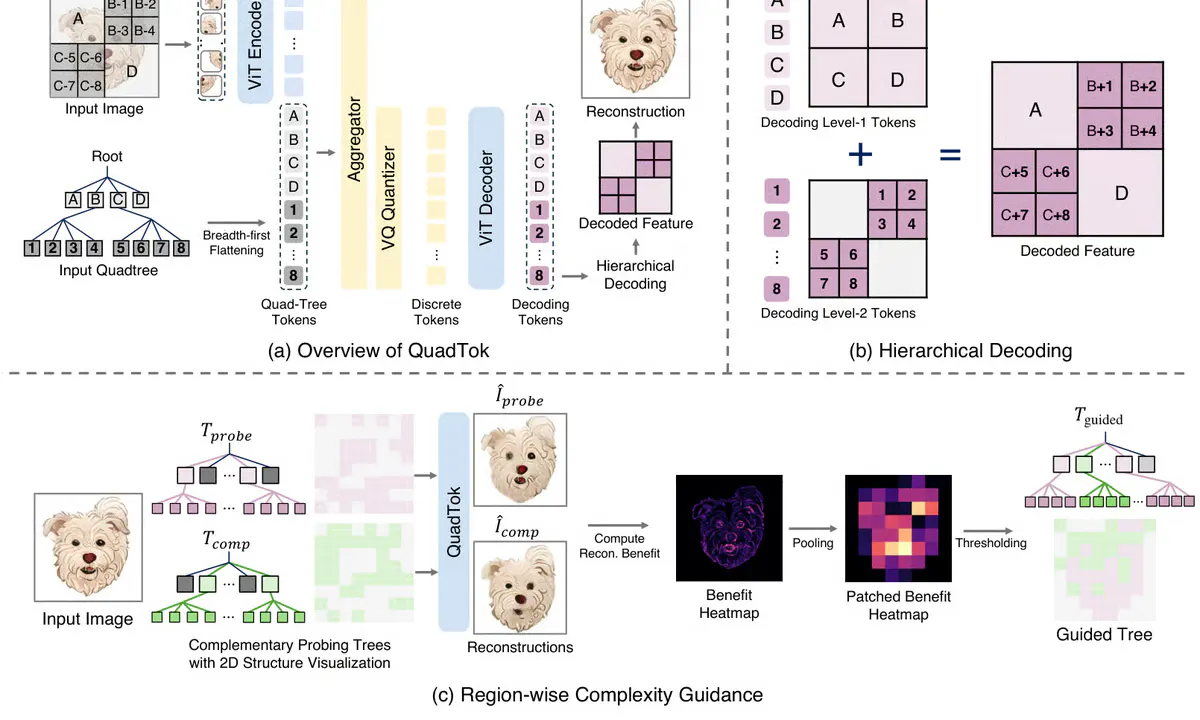
A hierarchical quadtree tokenizer spends more tokens on busy image regions and fewer on flat ones, cutting token counts about 10% while hitting 2.08 gFID on ImageNet.
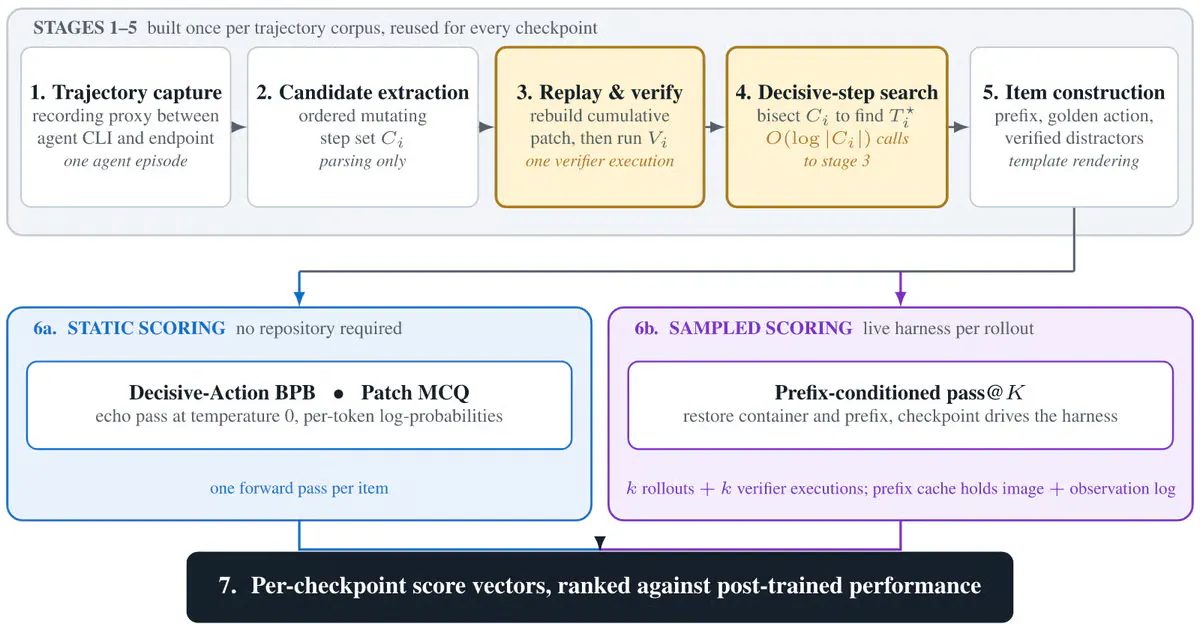
A new NVIDIA-led method predicts how well a base model will perform as a coding agent after post-training, without the costly agent run.
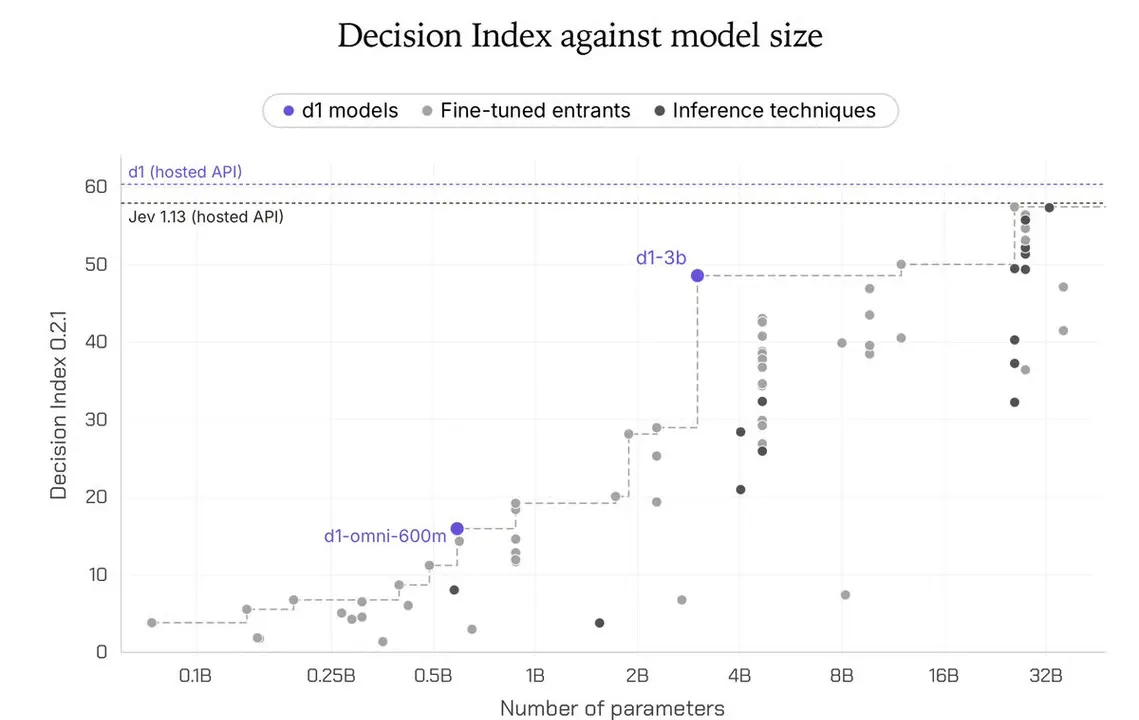
Liquid AI drops two open-weight decision models that classify, route, and score text, images, and audio in a single forward pass with no generated tokens.
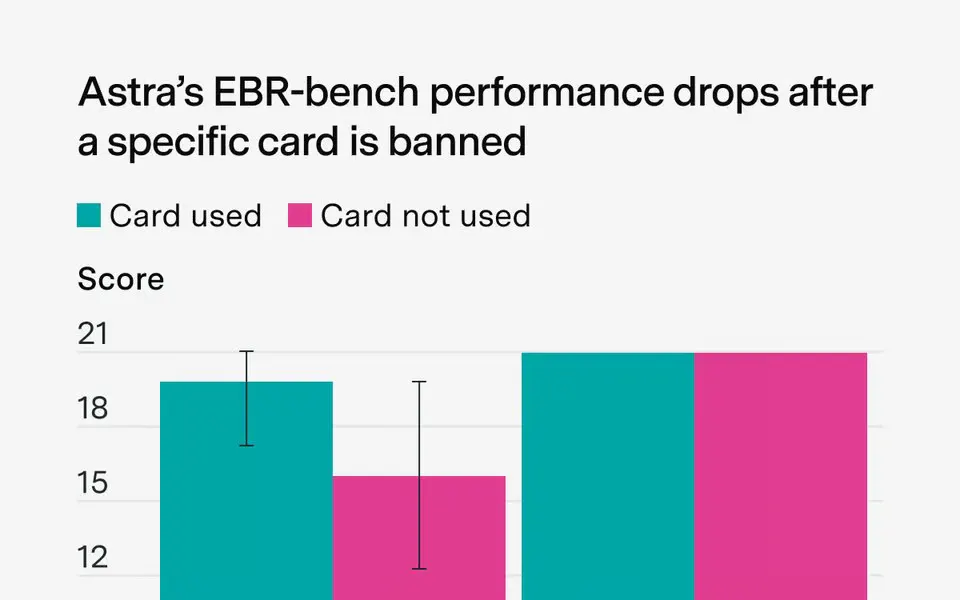
Epoch AI bans a game-breaking card from its long-horizon board game benchmark after GPT-6 Astra aced it, and tests whether multi-agent setups help.

Classify depth, time, or flow. Nanbeige is the downloadable LLM. RLT lost at 140M. Looped Flows is a 5-7M puzzle net
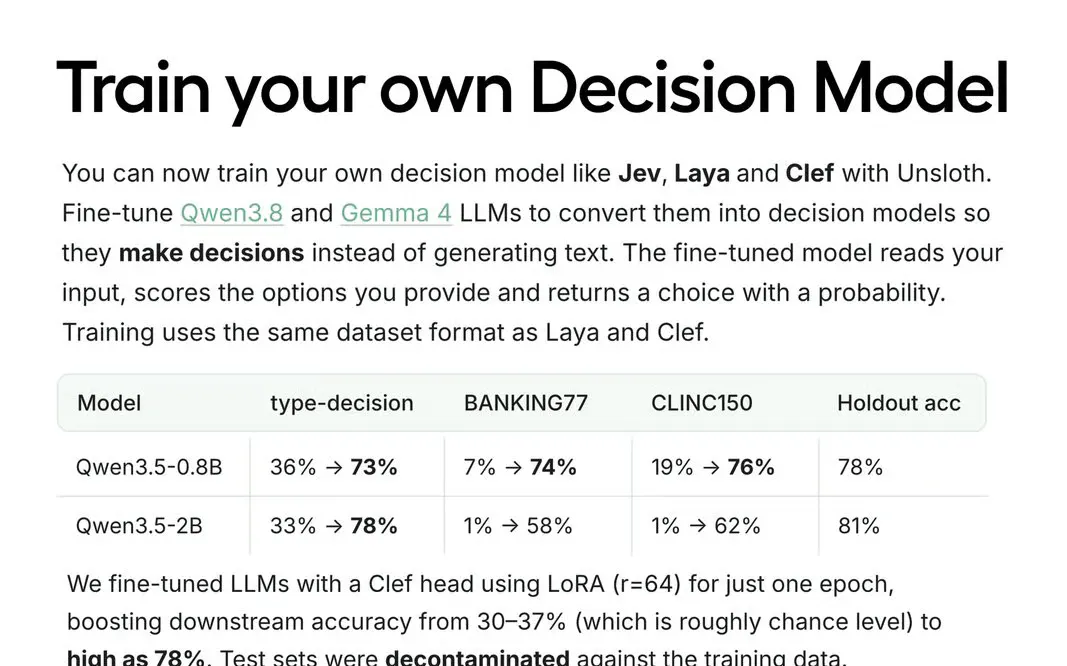
Unsloth adds a Decision model trainer that turns small LLMs into calibrated classifiers, taking Qwen3.5-0.8B from 20.7% to 74.3% accuracy on 4GB VRAM.
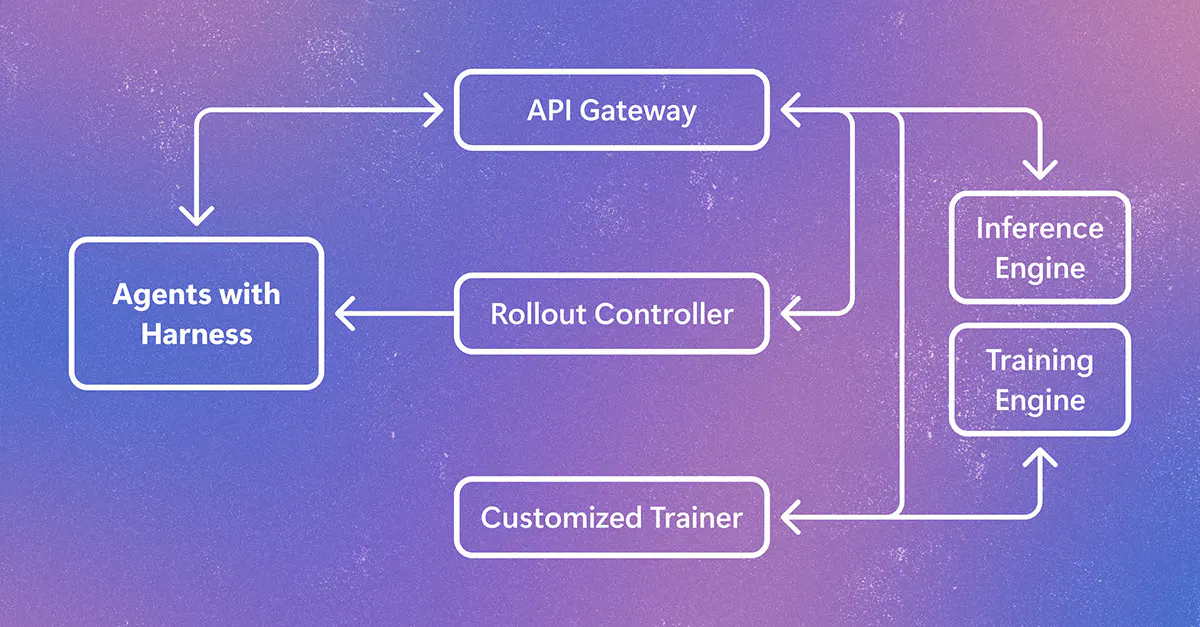
Microsoft Research open-sourced a 3,500-line RL framework that trains agents using their real deployment harnesses, boosting Qwen3.5-9B by 14.6 points on SWE-bench.
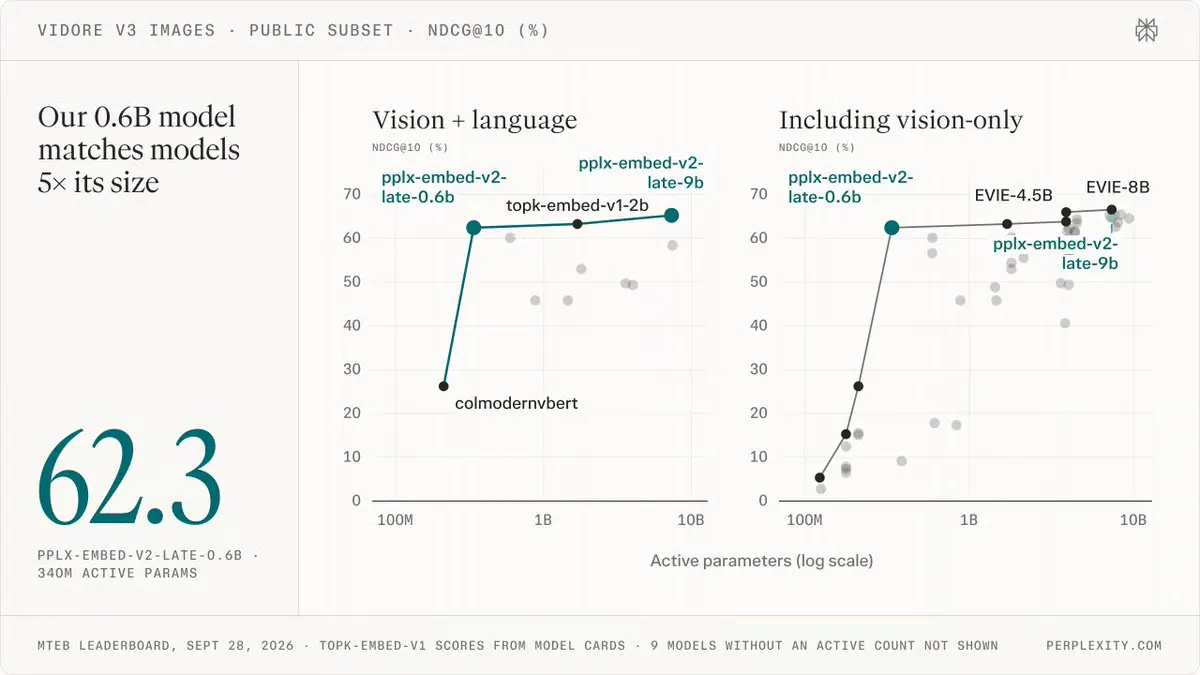
Perplexity's new late-interaction embedding family keeps 128-dim vectors per token, searches rendered pages without OCR, and shares one space across sizes.
LlamaIndex unifies ten frontier and open-source OCR models behind one API, letting developers swap document parsers in a single line.
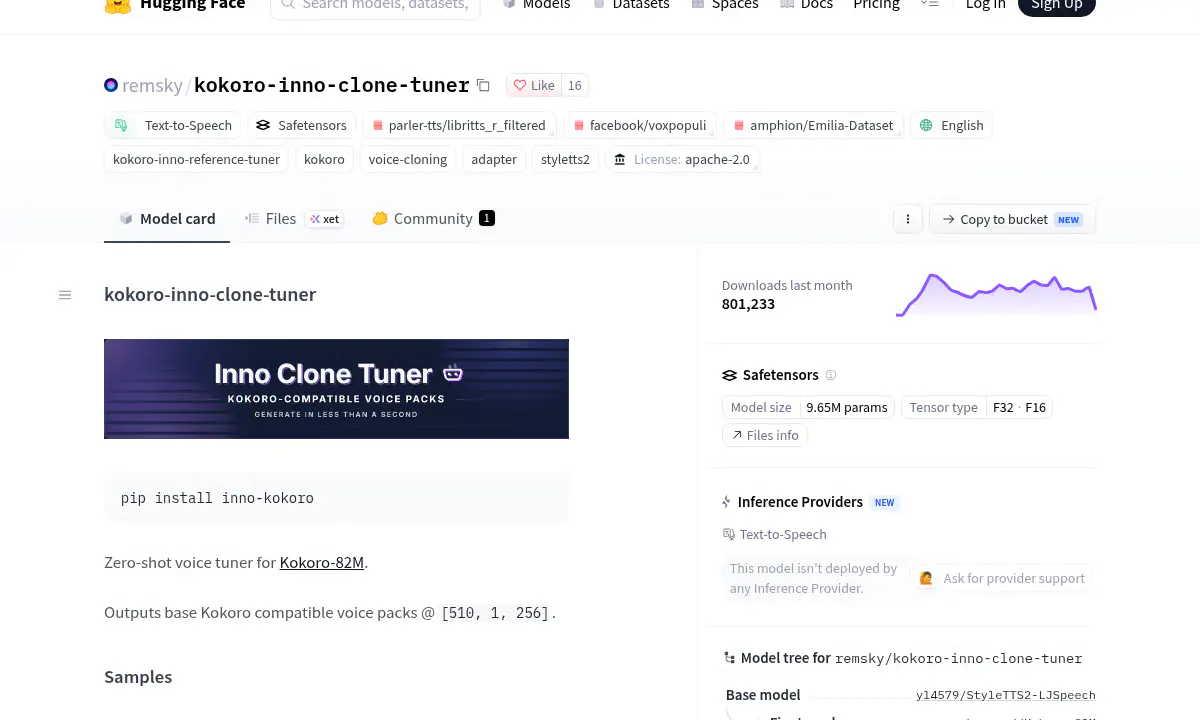
A tiny 24MB adapter turns Kokoro-82M into a zero-shot voice cloner that enrolls a reference clip in under two seconds on CPU.

A modular pipeline pairing Gemma 4 E4B with a plant genomic model ranked the true causal melon mutation #1 out of 2,494 candidates.
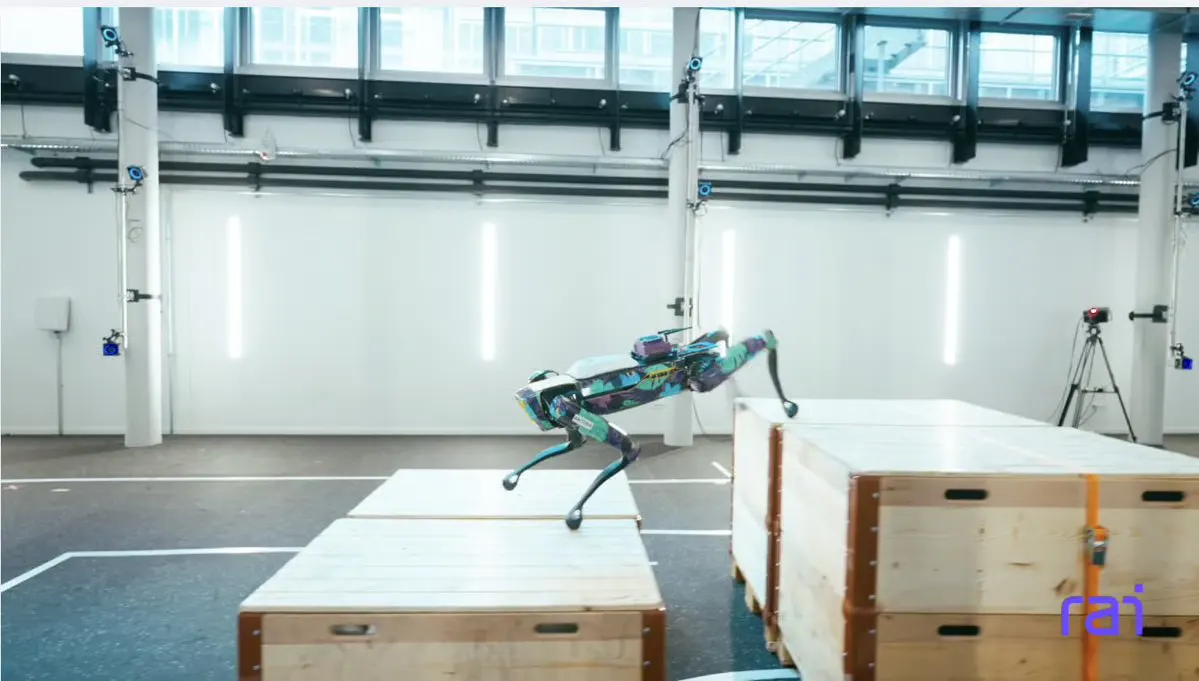
RAI Institute's new open-source library packages entire RL control pipelines into one ONNX graph, eliminating the C++ rewrites that plague sim-to-real transfer.

Krea's new Photoshop plugin lets designers run Nano Banana, Krea 2, and GPT IMG 2.5 directly on their canvas without jumping to a browser.

Bolt.new adds in-preview commenting so you can click any element, drop a note, and send it straight to the AI agent as a build task.
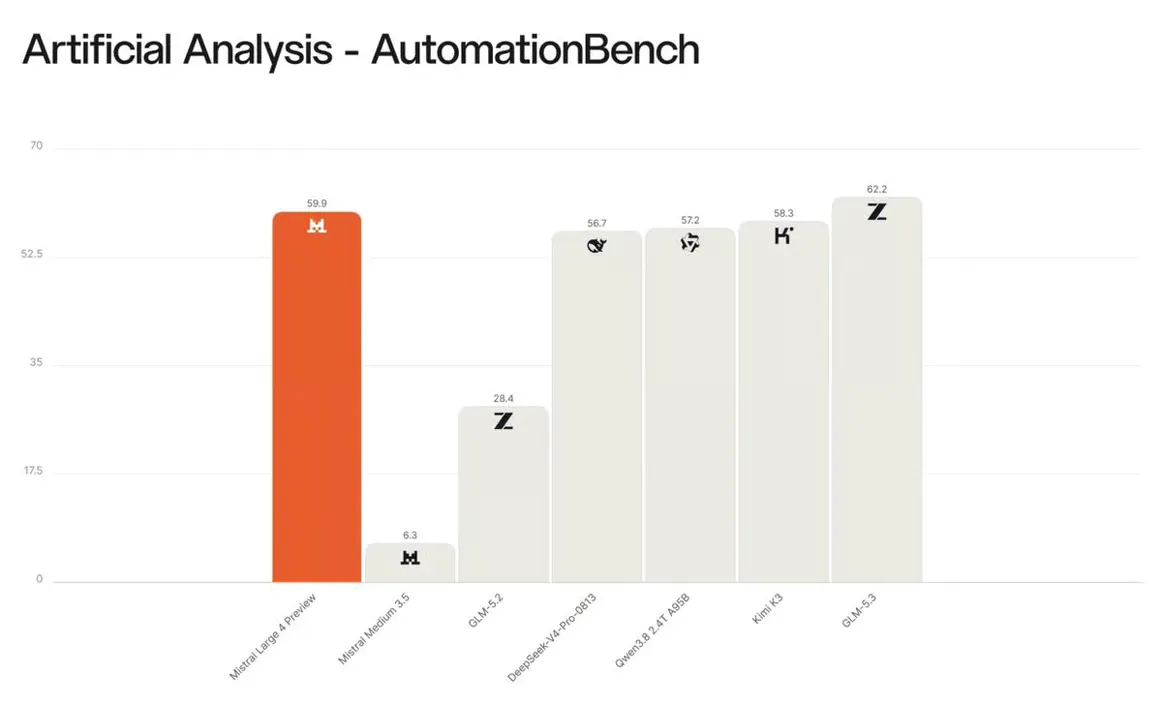
Mistral's new 1T-parameter mixture-of-experts model targets agentic workflows across Gmail, Slack, Salesforce and code, with open weights coming by month-end.
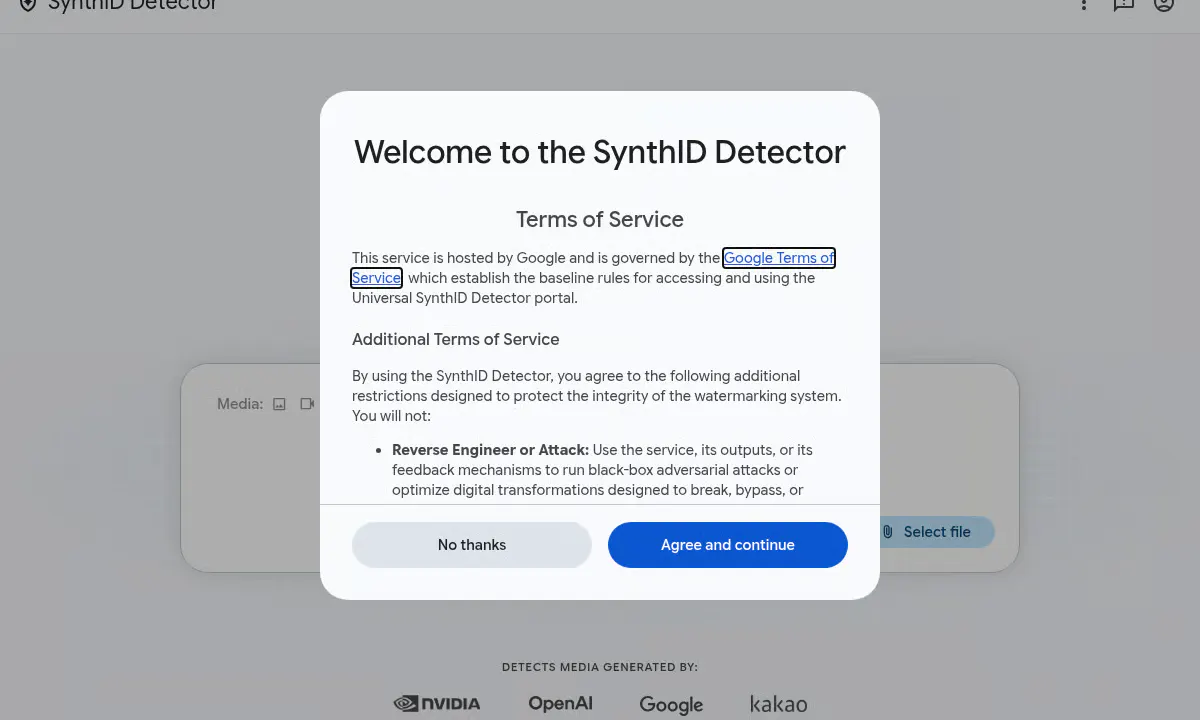
Google DeepMind opens its invisible watermark checker to the public, now covering outputs from OpenAI, NVIDIA, Kakao and soon Apple across images, audio and video.
No stories match these filters.