
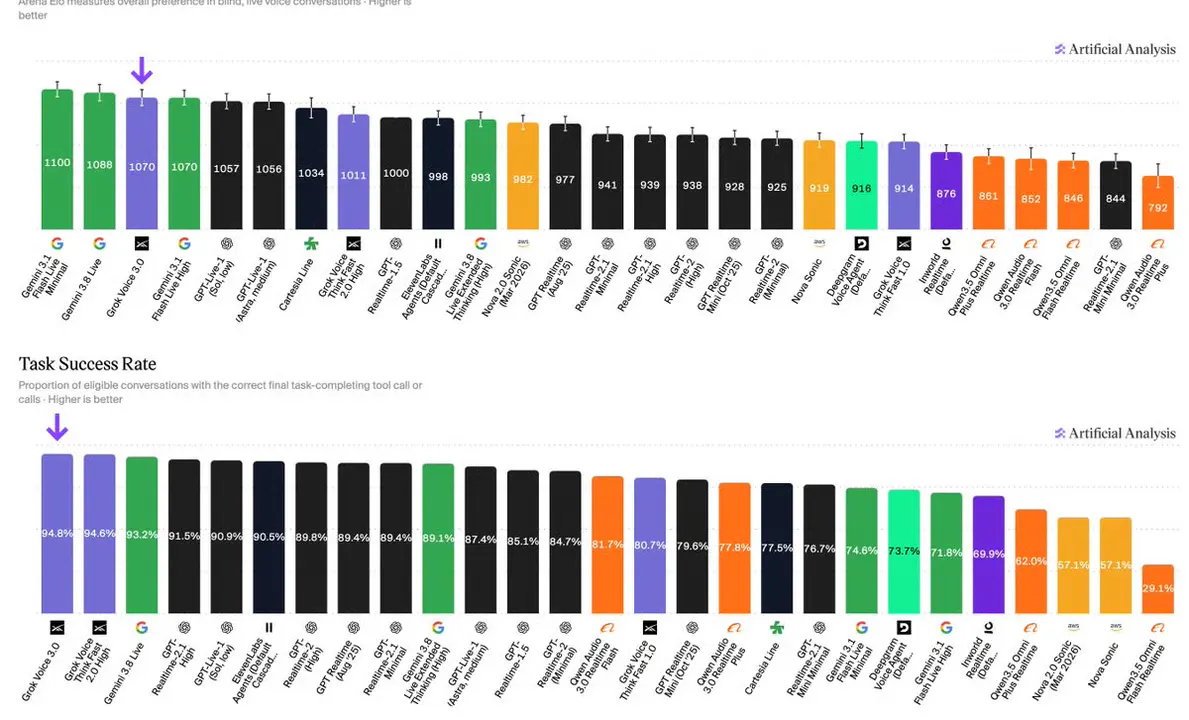
xAI's Grok Voice 3.0 Tops Speech Benchmark With 0.81-Second Response
Grok Voice 3.0 debuts at the top of the Speech-to-Speech Index with sub-second latency, better task completion than any rival, and no price hike.
A focused feed of models, agents, research and open-source releases for people building with AI.
Grok Voice 3.0 debuts at the top of the Speech-to-Speech Index with sub-second latency, better task completion than any rival, and no price hike.

Google DeepMind's new frontier model ships with a 1M token output ceiling, agentic coding wins, and verified lab discoveries in fusion, quantum, and biology.

Anthropic's Claude Platform now emits OpenTelemetry traces from the Messages API, Managed Agents, and SDKs so you can debug agents in your existing observability stack.
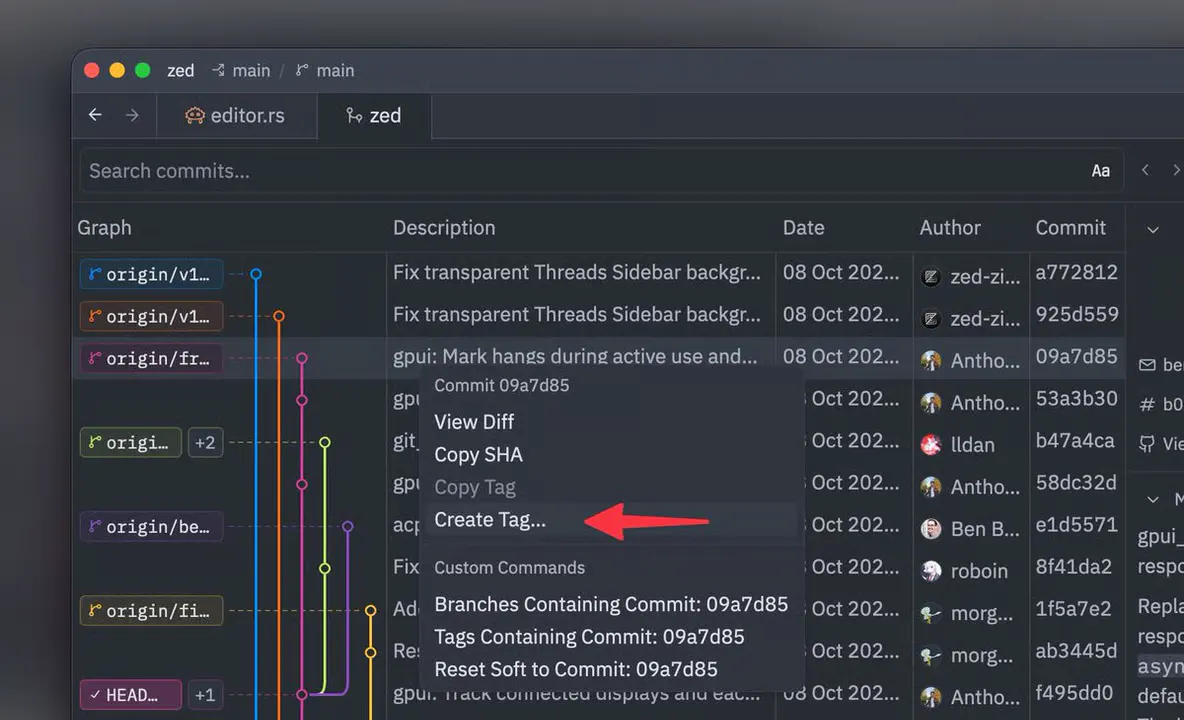
Zed v1.24 ships local Git tag creation, drag-and-drop terminal tabs into the Agent Panel, and smarter File Finder prefill from selections.
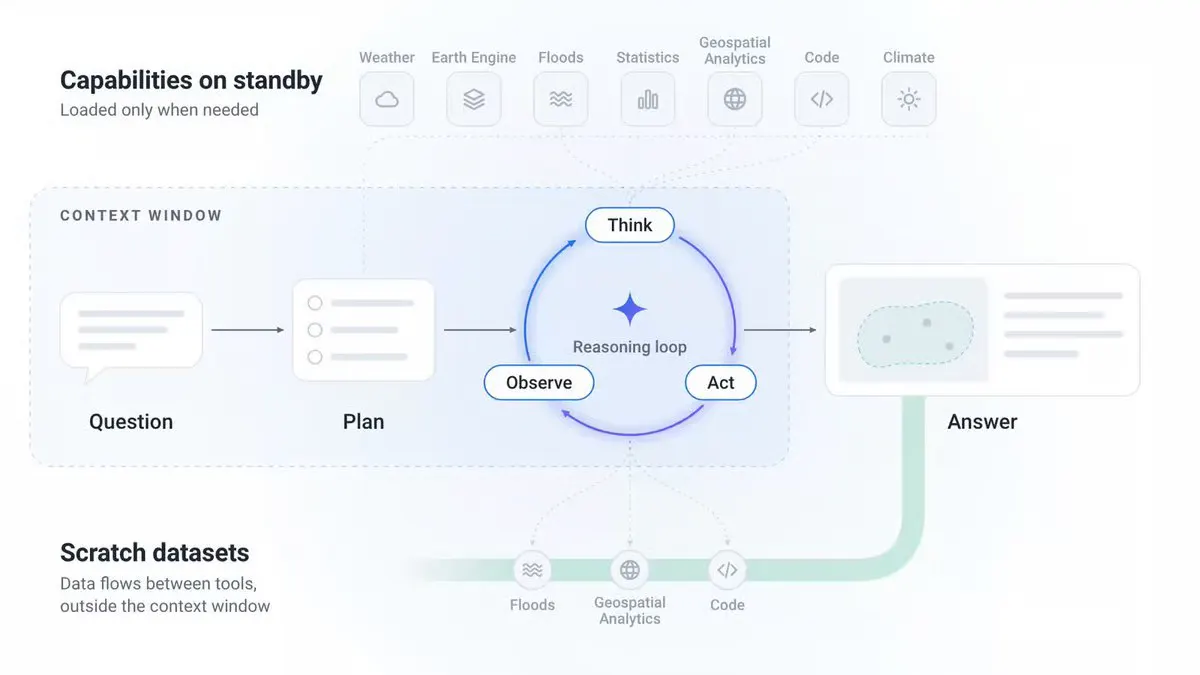
Google's new Geospatial Reasoning agent chains Earth AI foundation models with upfront planning, tackling planet-scale analysis that trips up standalone LLMs.

Goodfire's EVEE system scored every ClinVar variant with an interpretable probe on Evo 2 embeddings, triggering a real reclassification of a hearing loss mutation.
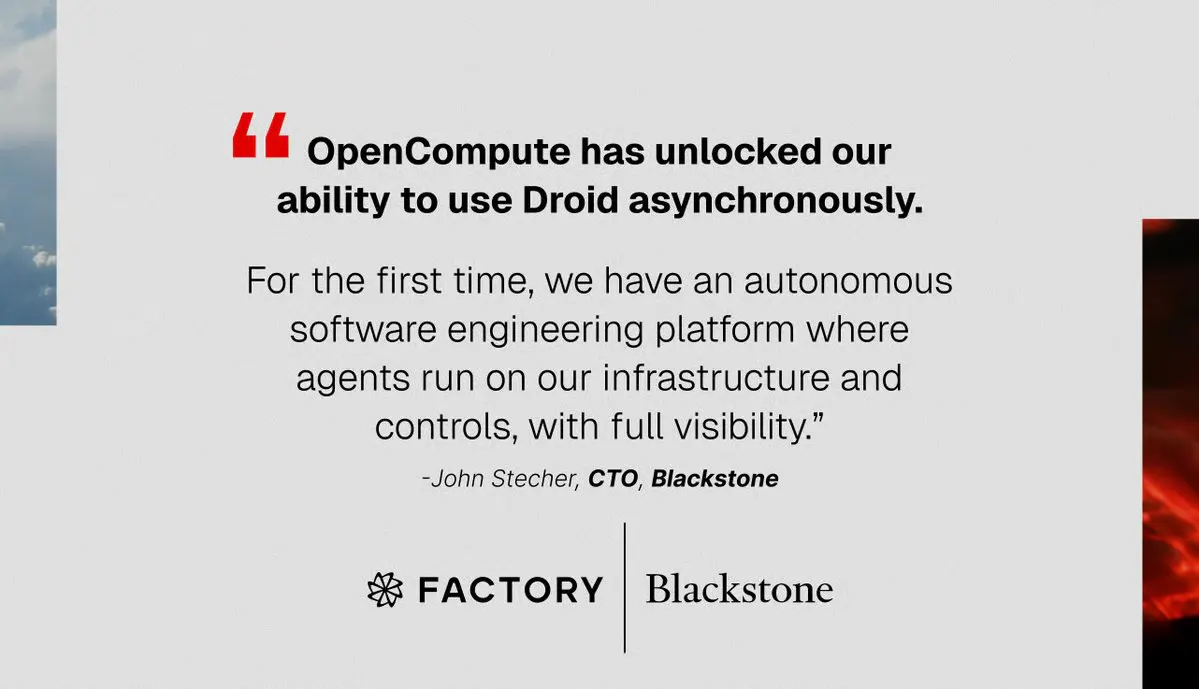
Factory's new orchestrator lets teams run fleets of agent sandboxes inside their own VPC, across Kubernetes, EC2, Lambda microVMs, and custom backends.

A community GGUF port of OpenMOSS's 8B music understanding model lets a C++/GGML desktop app caption your own audio dataset locally.
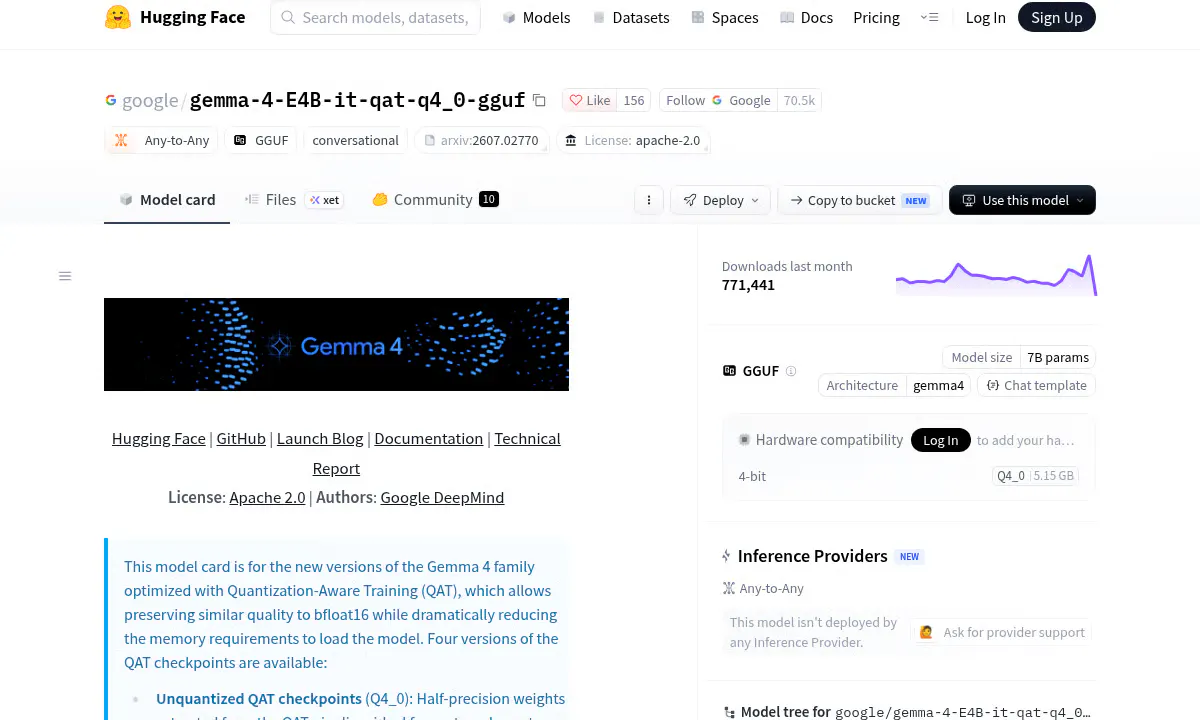
Google released quantization-aware trained Q4_0 GGUF checkpoints of Gemma 4 E4B, delivering near-bfloat16 quality in a 5.15 GB on-device package.
Black Forest Labs slashed FLUX 3 Video's 2K and 4K pricing in half and doubled generation speed, challenging Kling at the premium tier.
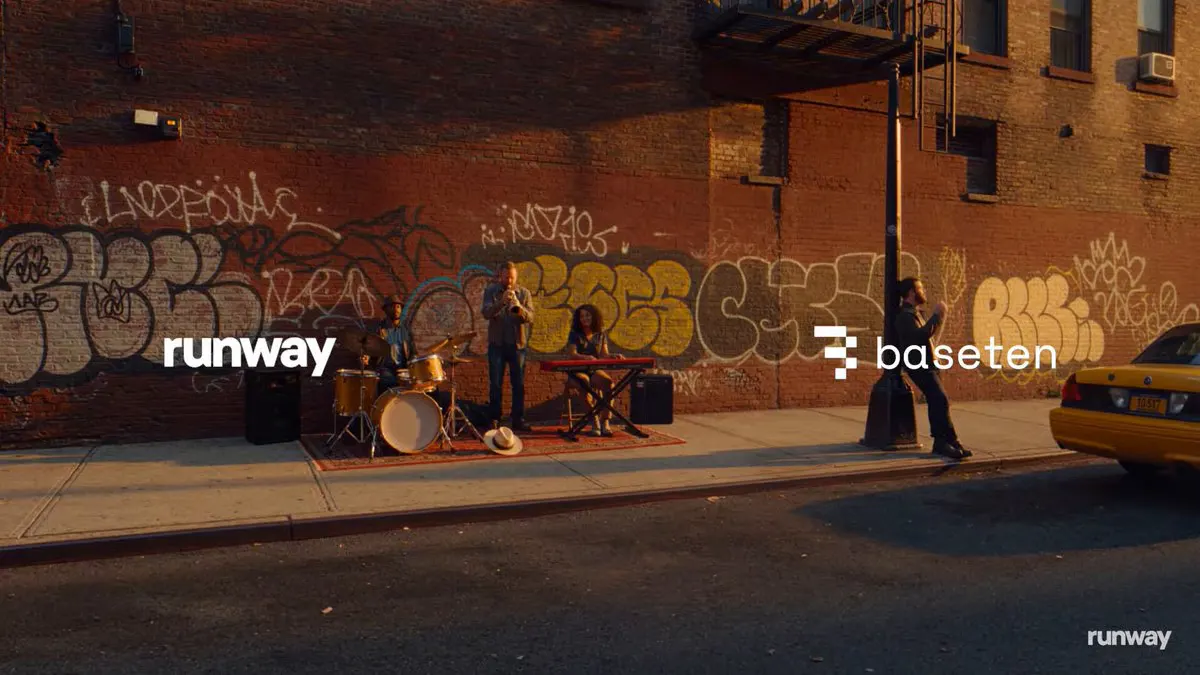
Runway is opening up its Gen-4.5 and Aleph 2.0 video models for private enterprise deployment on Baseten with fine-tuning and reserved GPUs.
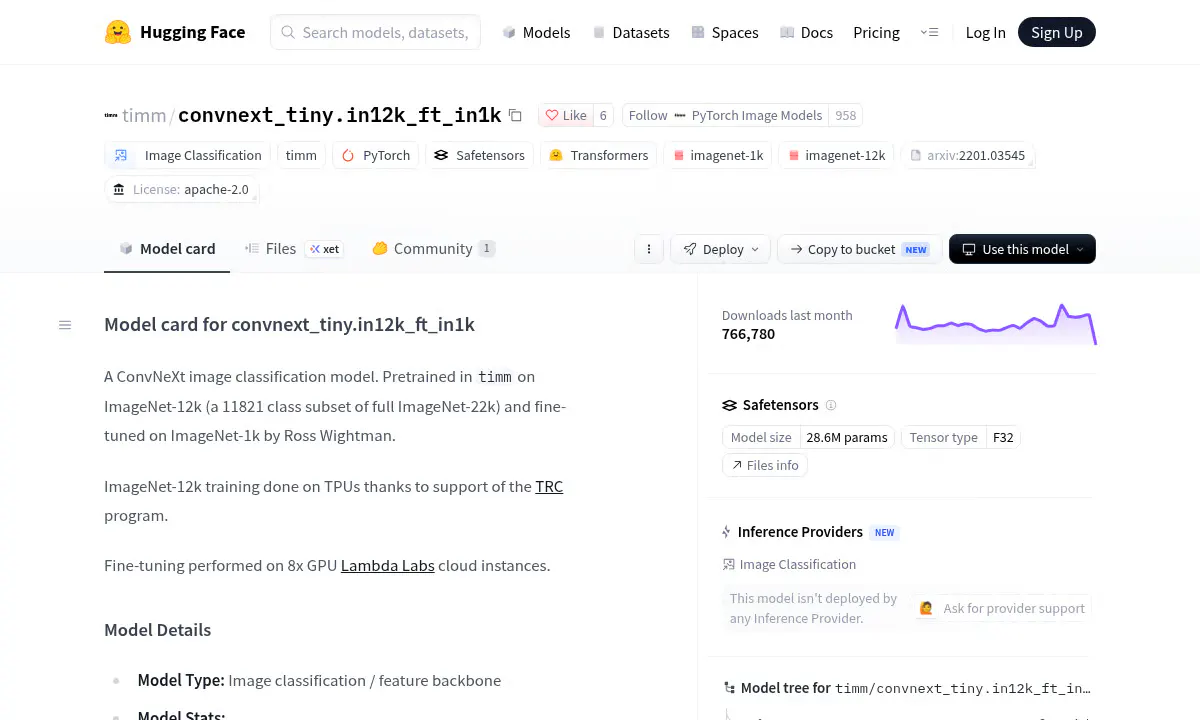
A 28M-parameter ConvNeXt variant trained on an 11,821-class ImageNet subset hits 84.2% top-1 while pushing 2,400+ images per second on a single RTX 3090.

Anthropic plants a flag in Southeast Asia with its fifth APAC office and a government pact covering model evaluation, red-teaming, and responsible deployment.
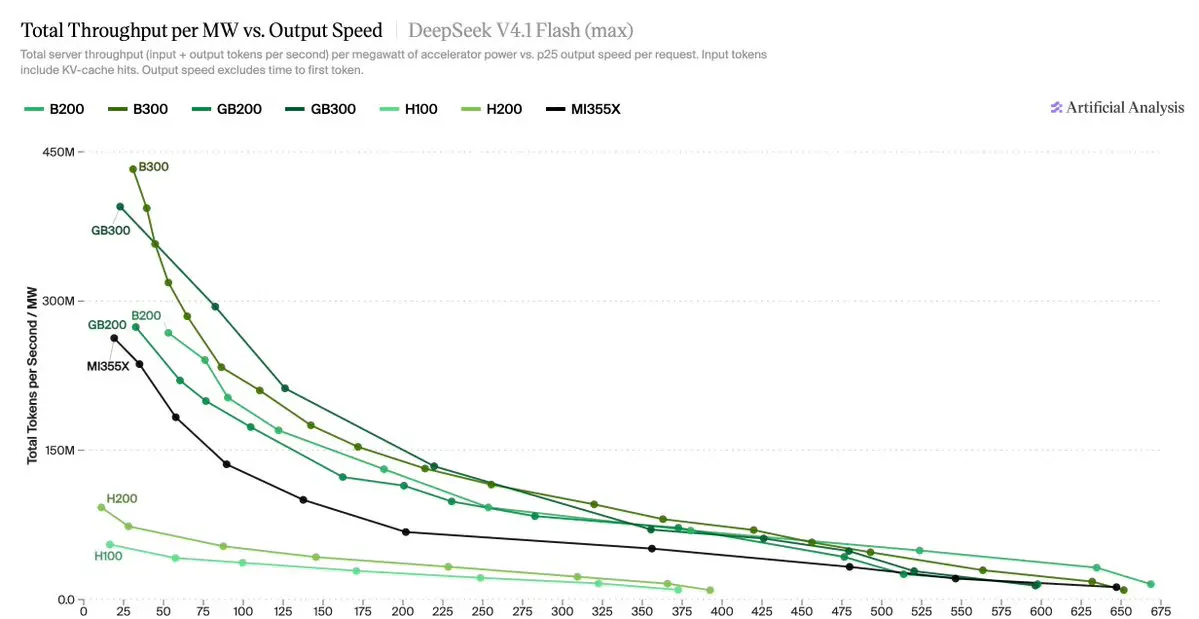
A new agentic coding benchmark shows DeepSeek V4.1 Flash squeezing 261M tokens per second per megawatt out of NVIDIA GB300.
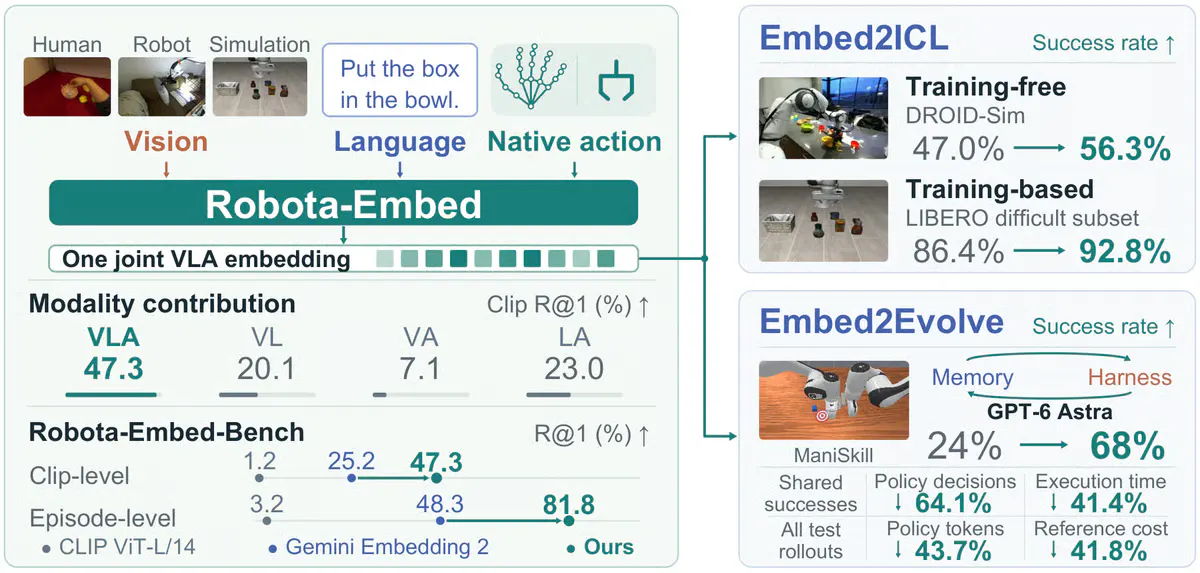
NVIDIA's Robota-Embed is a vision-language-action retrieval model that pulls useful past experience into robot policies, lifting task success and cutting token costs.
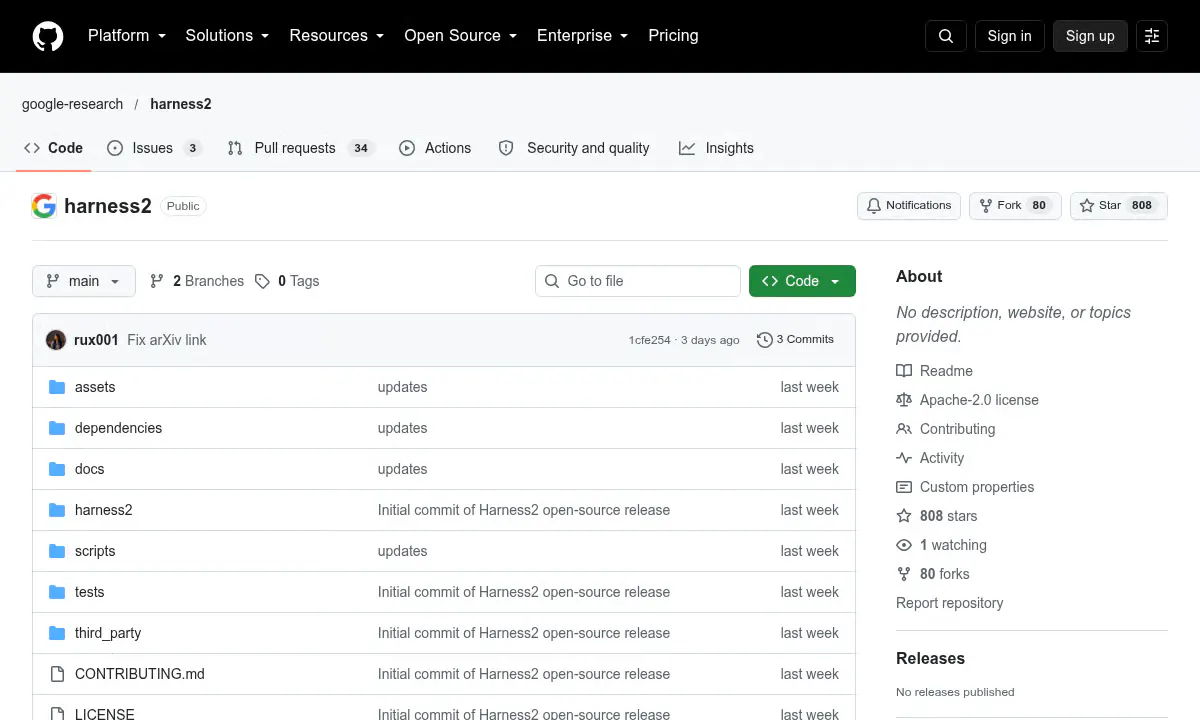
Google Research open-sourced Harness², a framework that auto-tunes the prompts, tools, and memory around frozen models to boost agent performance on unseen tasks.

Japan's National Institute of Informatics releases an 8B dense and 32B MoE model trained from scratch on 12T tokens, with the full pipeline open to inspection.

A hierarchical system lets two humanoid robots alternate shots in table tennis doubles, clearing space in 2.4 seconds without colliding.
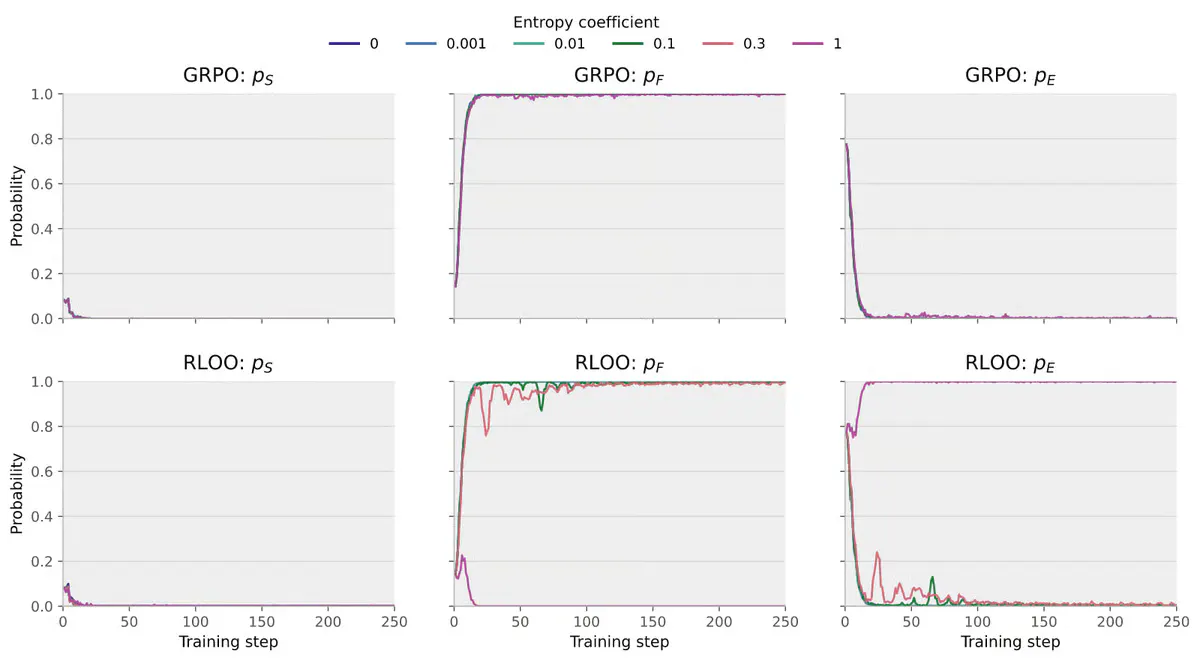
A new RL method called GracefulRL teaches language models to pick a safe fallback instead of guessing when they are likely to fail.
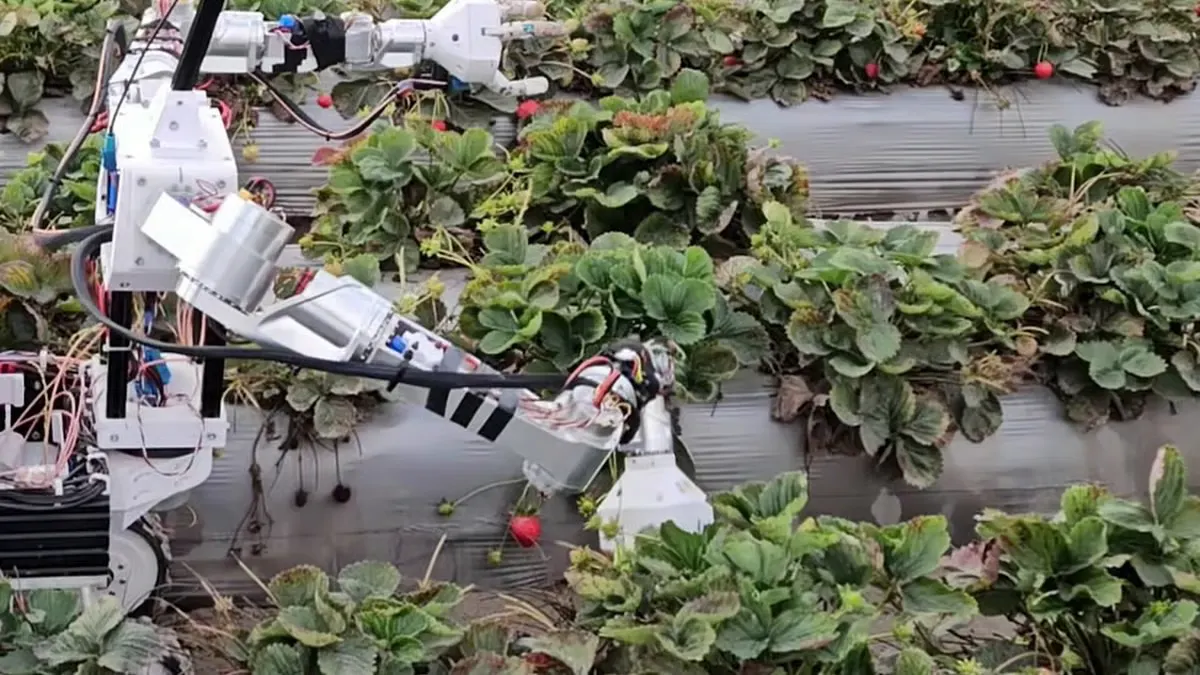
Physical Intelligence opens its robotic foundation models to outside teams, letting companies upload data, fine-tune, and run cloud-hosted inference on their own hardware.
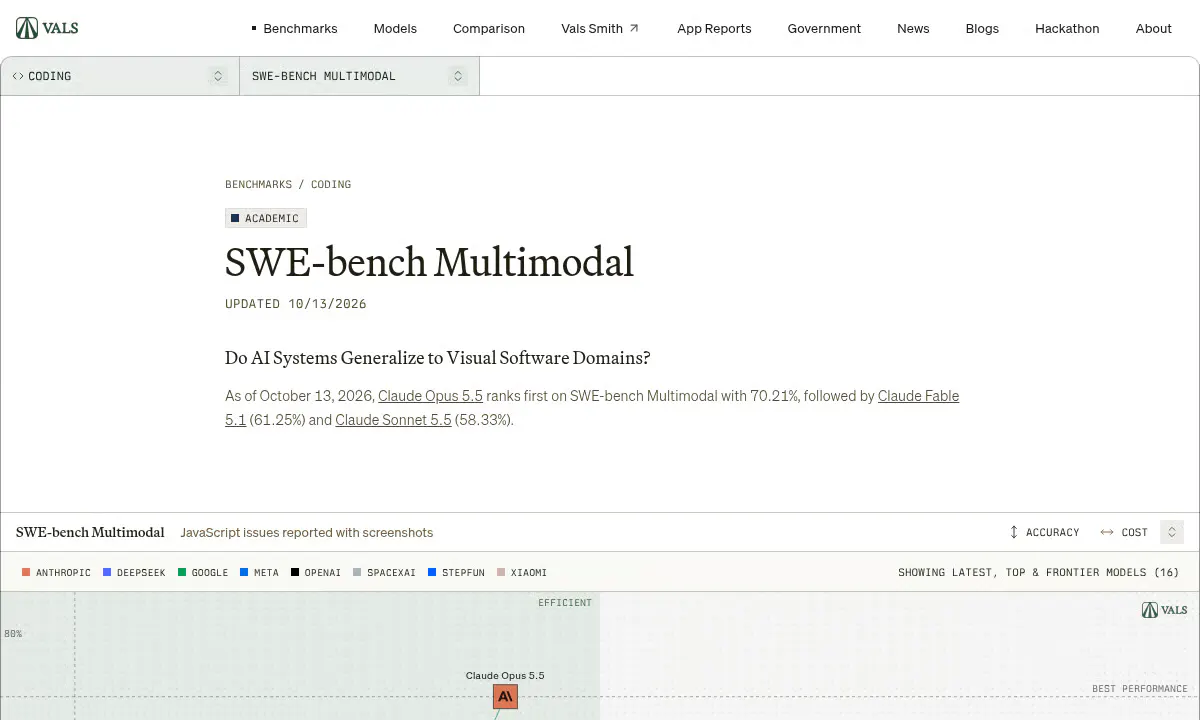
Vals AI published fresh SWE-bench Multimodal results across 15 frontier models, with Claude Opus 5.5 topping the chart at 70.2% on visual JavaScript bug fixes.

A new benchmark hands frontier AI agents real unpublished follow-up ideas from US national lab scientists. Zero out of 135 submissions passed.
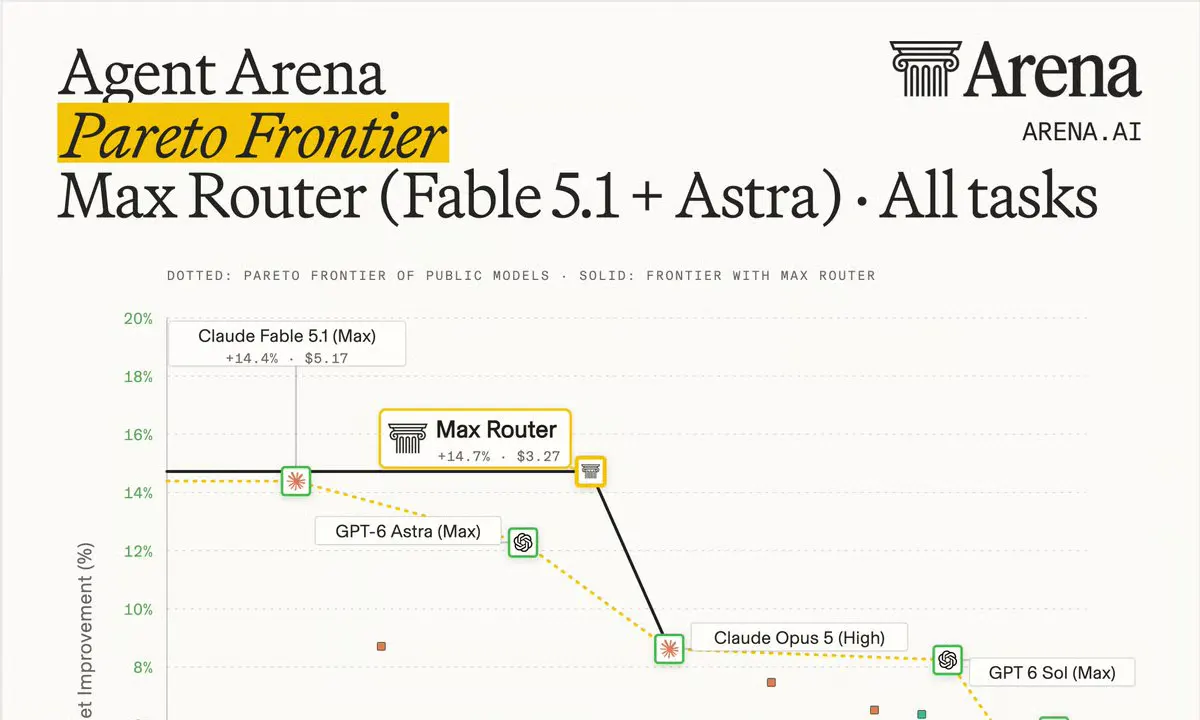
Arena's new agentic router dynamically picks between frontier models on each task, matching top-tier quality while cutting median cost by 37%.
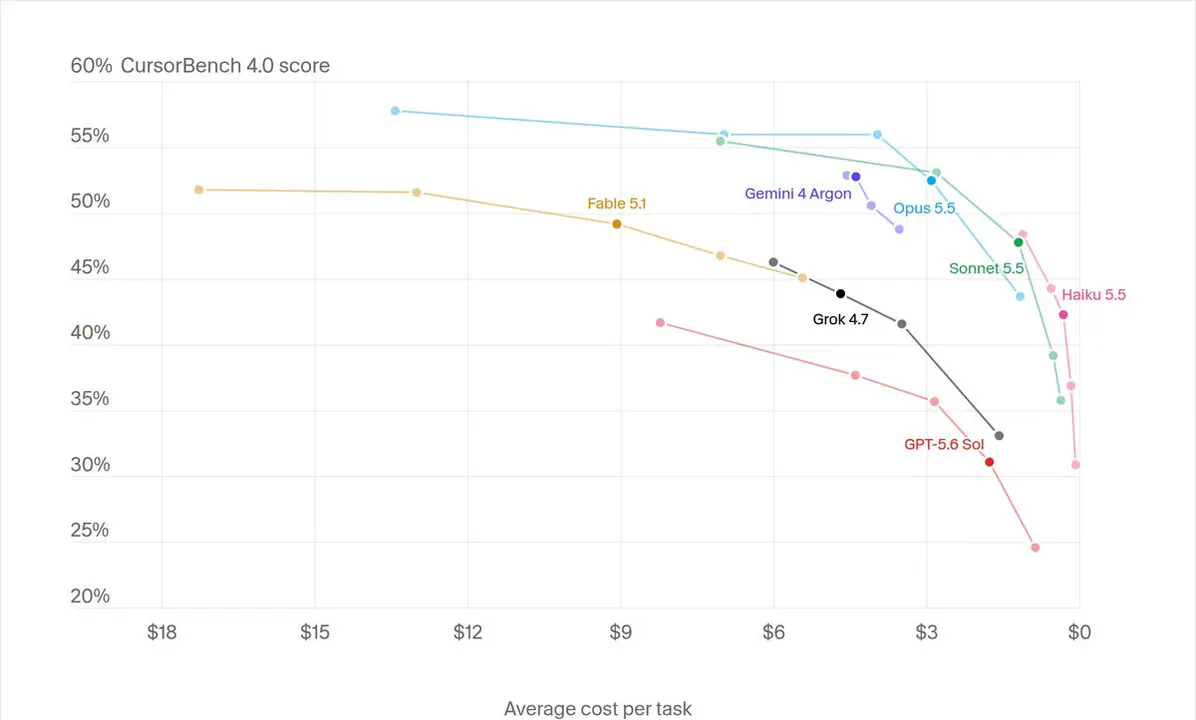
Google's frontier Gemini 4 Argon model lands in Cursor at $2/$10 per million tokens, matching Claude Opus 5.5 on CursorBench coding evaluations.
No stories match these filters.