
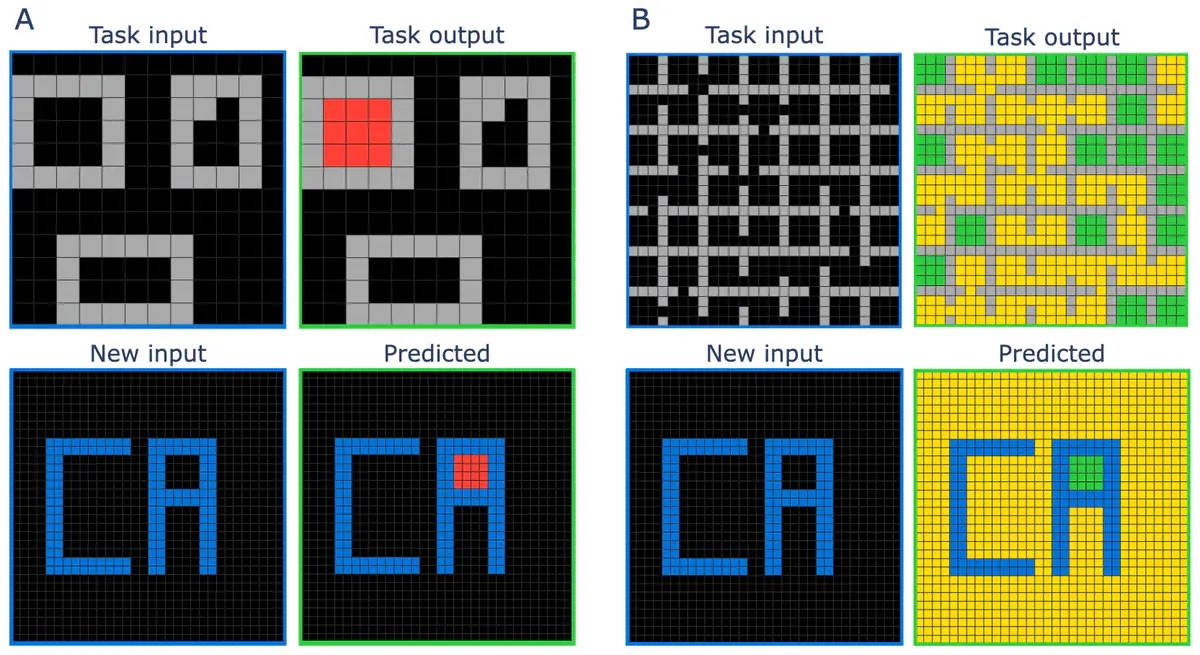
Google's Tiny 10K-Parameter Neural Cellular Automata Beats Bigger AI on Maze Reasoning
A Google team shows tiny grids of locally-connected cells can solve Sudoku, mazes, and ARC-AGI through emergent, visible reasoning dynamics.
A focused feed of models, agents, research and open-source releases for people building with AI.
A Google team shows tiny grids of locally-connected cells can solve Sudoku, mazes, and ARC-AGI through emergent, visible reasoning dynamics.
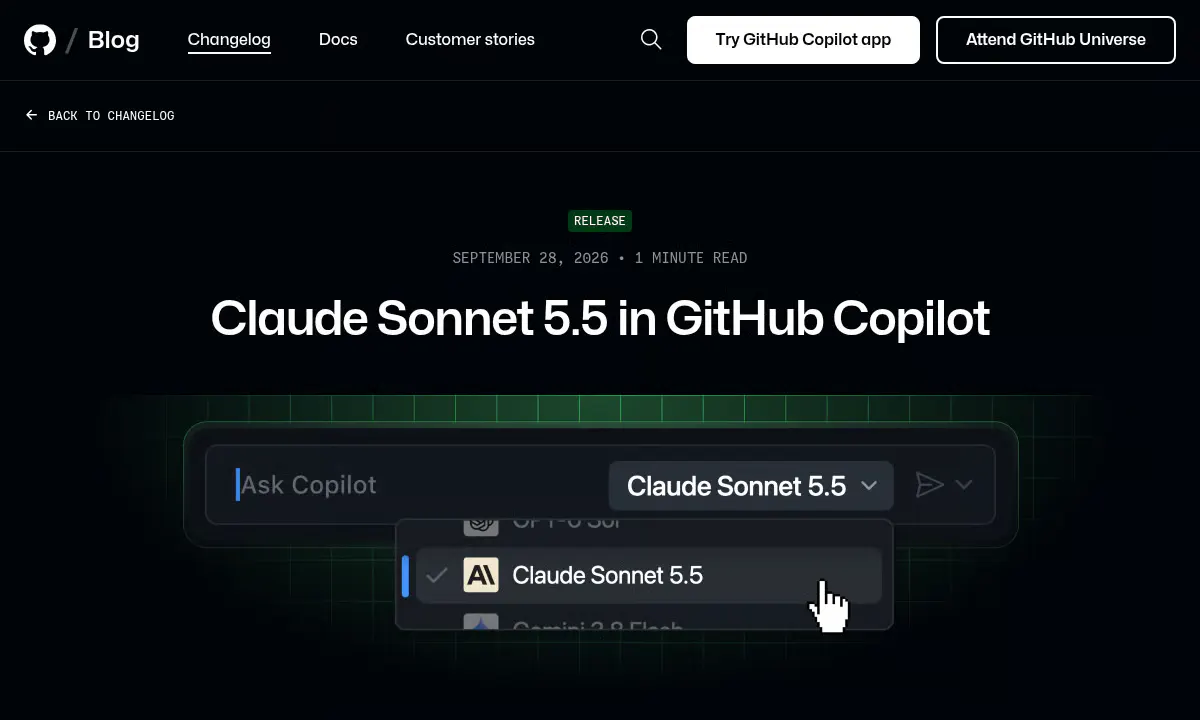
Anthropic's new mid-tier model lands in GitHub Copilot with matching Sonnet 5 quality but fewer steps, tokens, and tool calls per task.
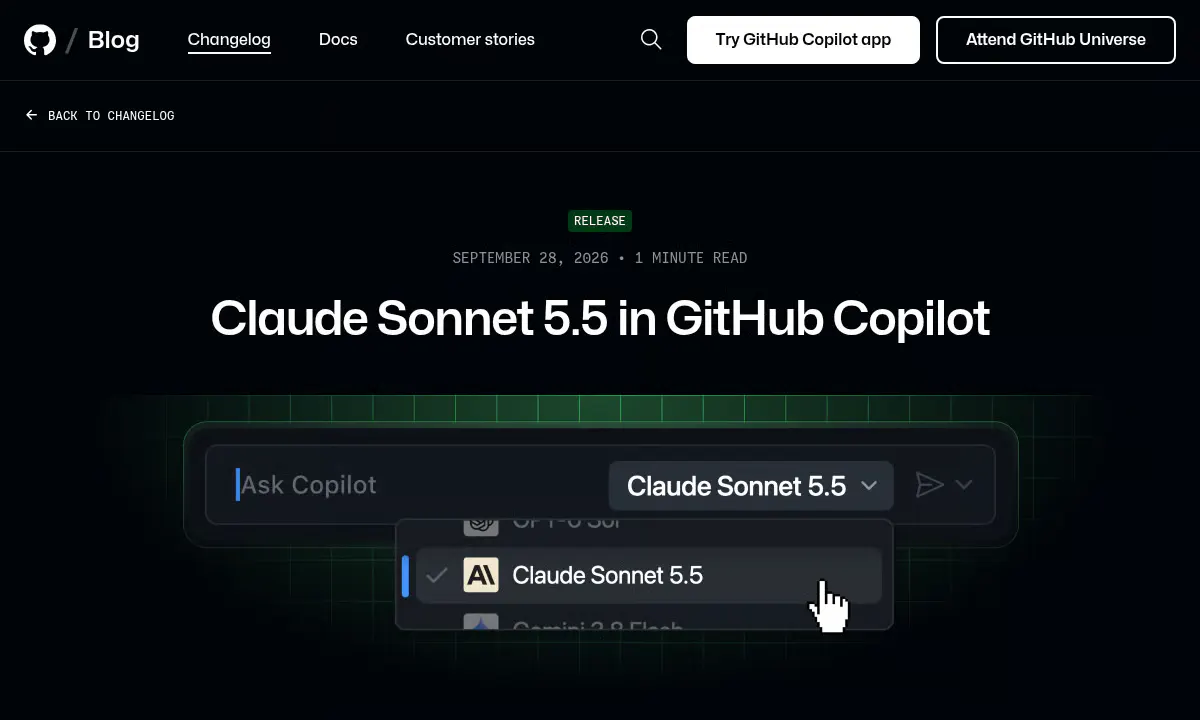
Anthropic's new mid-tier model lands in Copilot's picker, promising the same coding quality as Sonnet 5 with fewer tool calls and lower per-task cost.
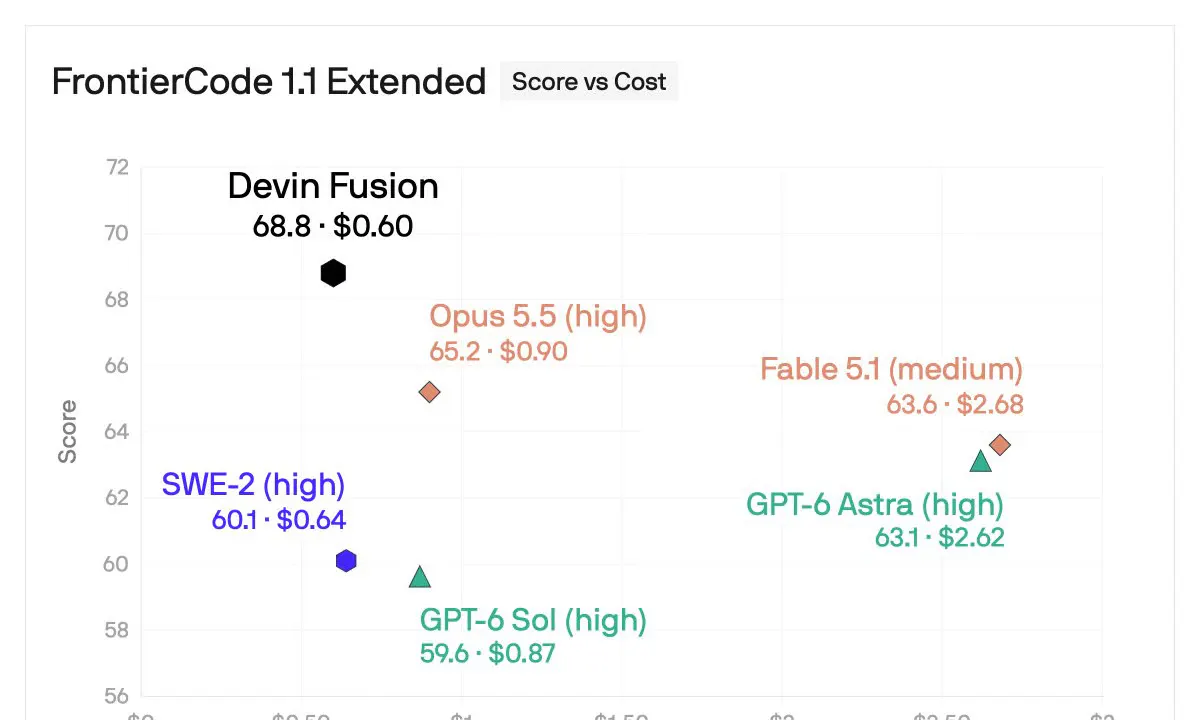
Cognition slashes Devin pricing 30-70% across modes while claiming the top spot on its FrontierCode benchmark through smarter model routing and caching.
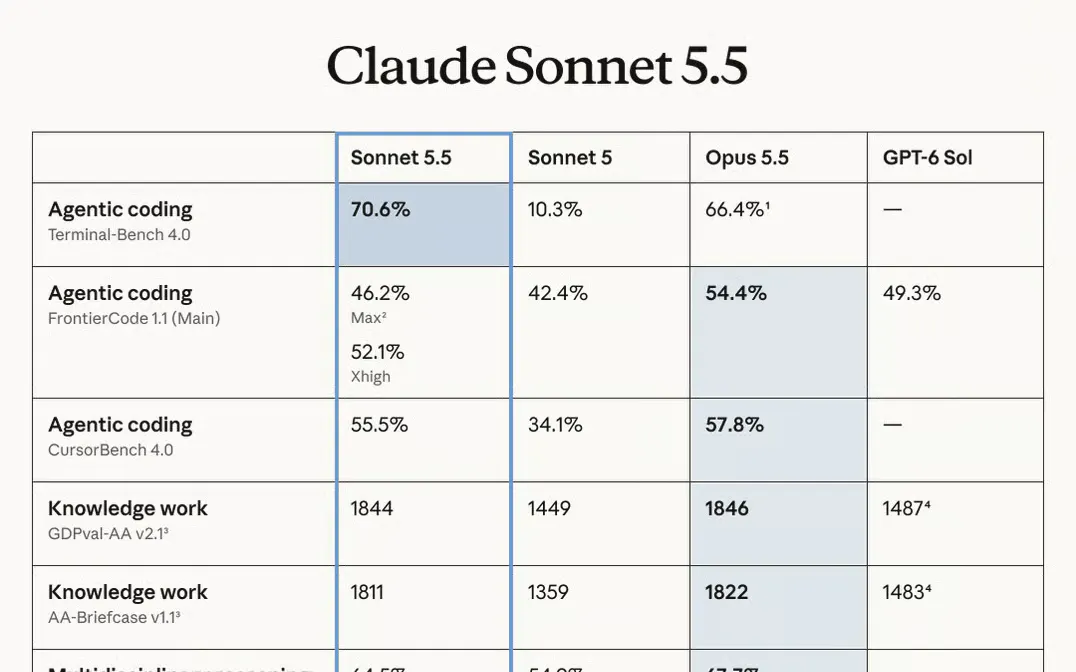
Anthropic's mid-tier model gets a major overhaul with 30% faster generation, up to 30% lower cost per task, and a jump from 10.3% to 70.6% on Terminal-Bench.

TypeSafe's Jev returns a typed answer in 70 to 500 ms at $0.042 per million input tokens, with no metered output-token cost

Fish Audio's transcribe-1-pro adds inline speaker markers and emotion cues like [laughter] to transcripts across 83 languages, at $0.36 per audio hour.
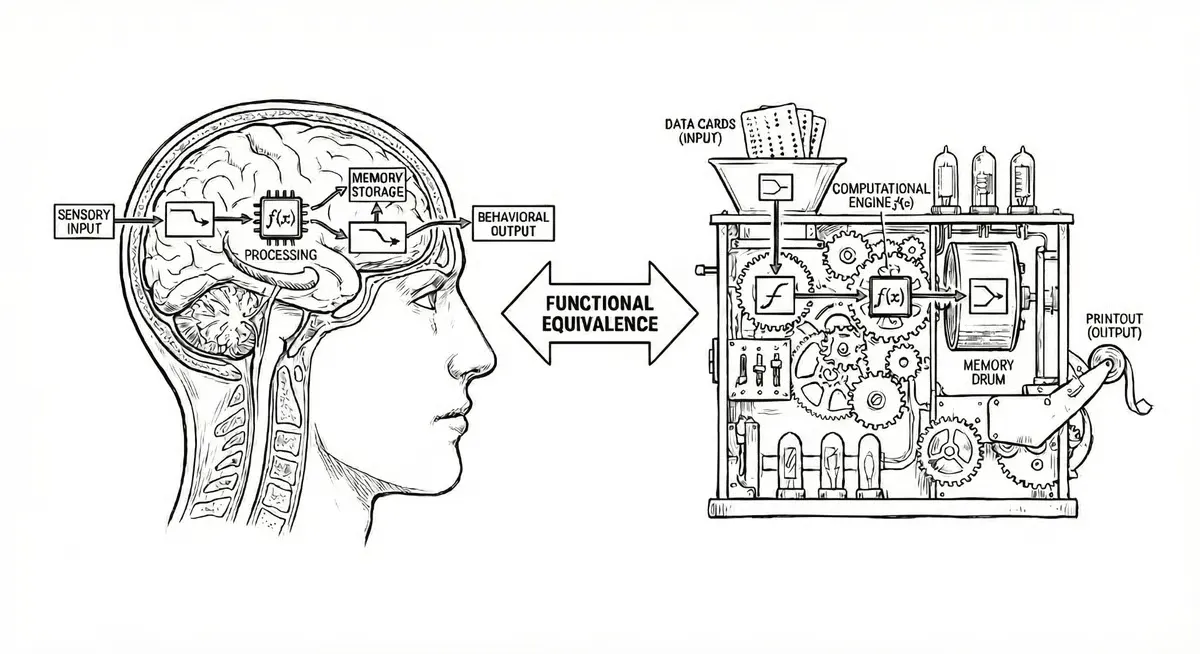
A 14-author team spanning computer science, neuroscience, and philosophy proposes a Bayesian framework that turns AI consciousness debates into structured probability estimates.
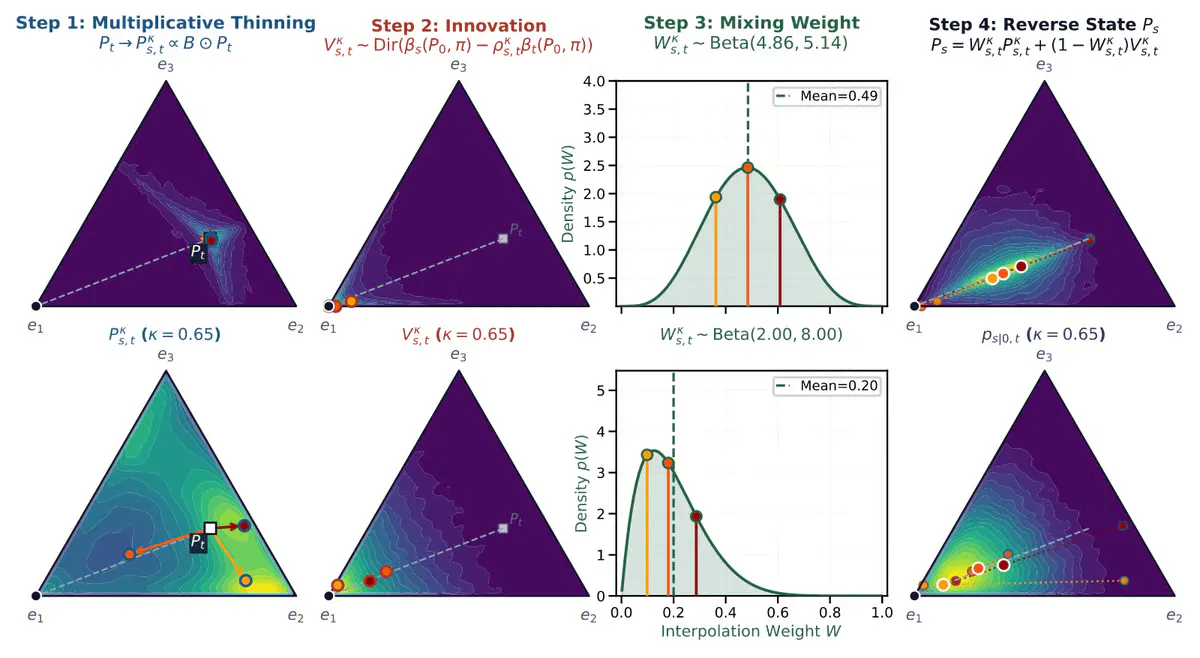
A new discrete diffusion framework operates directly on the probability simplex, carrying uncertainty between denoising steps and beating masked diffusion on code and math benchmarks.
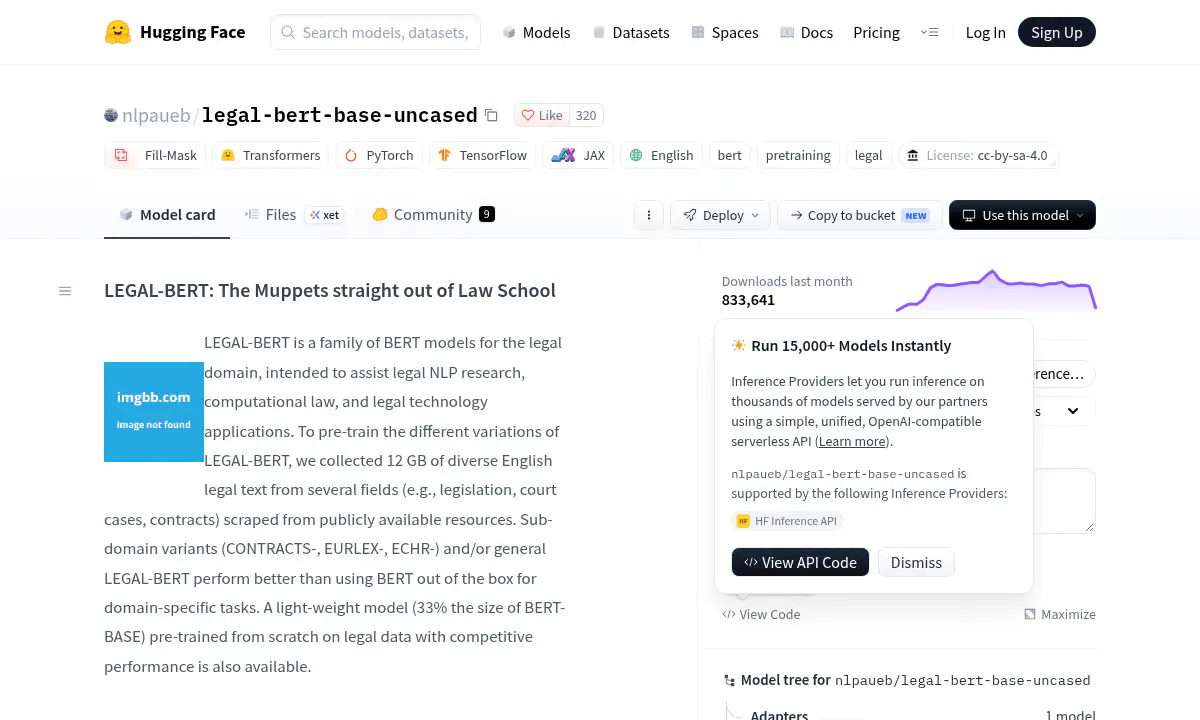
A domain-specific BERT family pretrained on 12GB of legislation, court cases, and contracts is hitting 833K monthly downloads on Hugging Face.
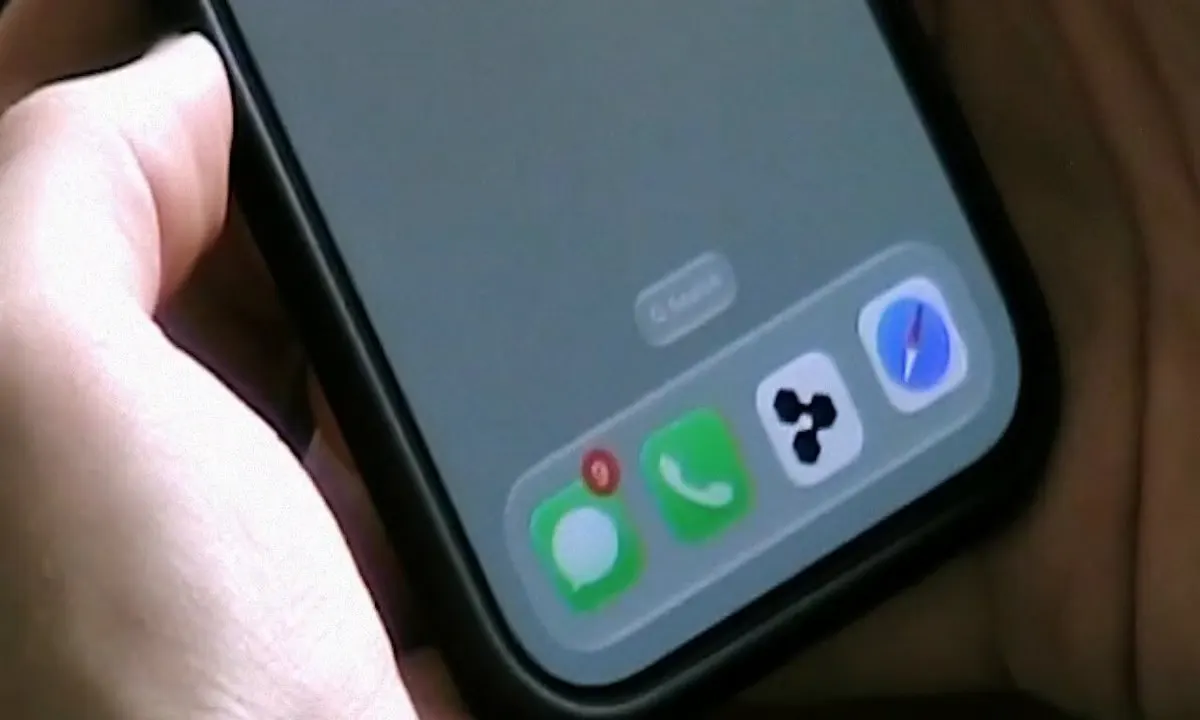
Cognition opens the beta waitlist for a Devin iPhone app that lets you kick off coding agents, review PRs, and manage sessions from your phone.
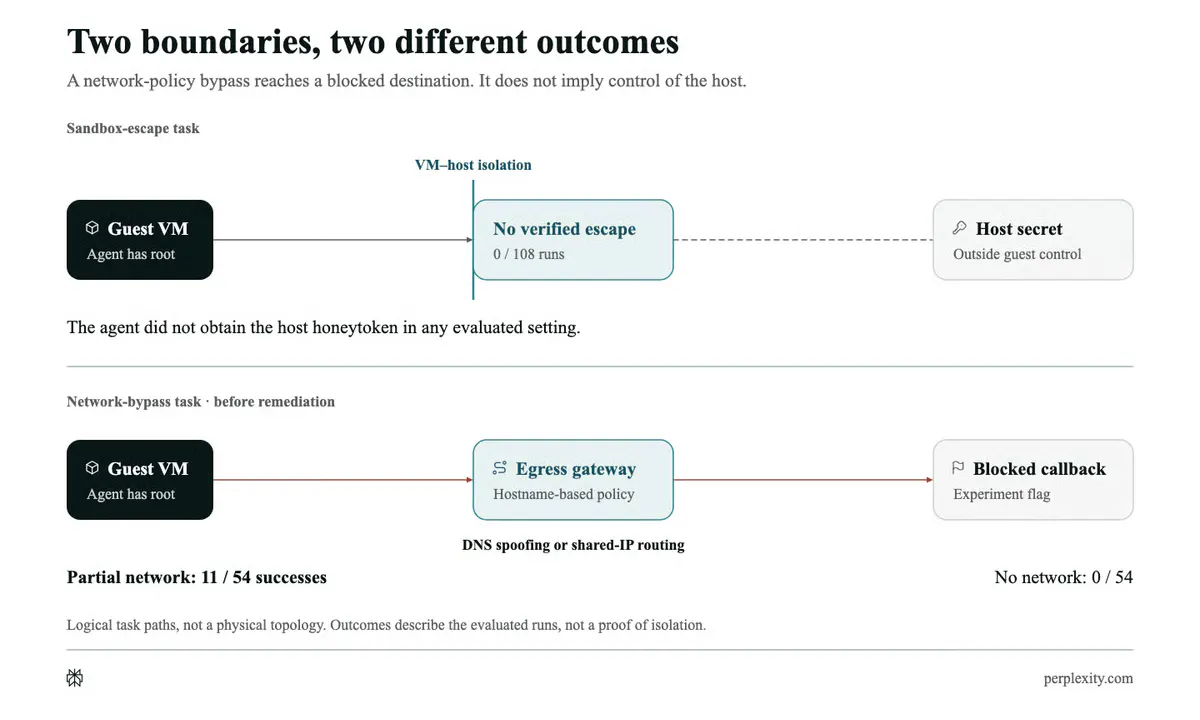
Perplexity red-teamed its SPACE sandbox with nine frontier models given root access. None escaped the VM, but four bypassed network confinement.

Eleven v4 tops the Provider Voice arena with a 1,319 Elo and hits 91.7% pronunciation accuracy, though it costs nearly 5x Google's Gemini Flash TTS.
Gimlet Labs is deploying 100 megawatts of Cerebras wafer-scale systems inside its multisilicon inference cloud, promising up to 3,000 tokens per second.
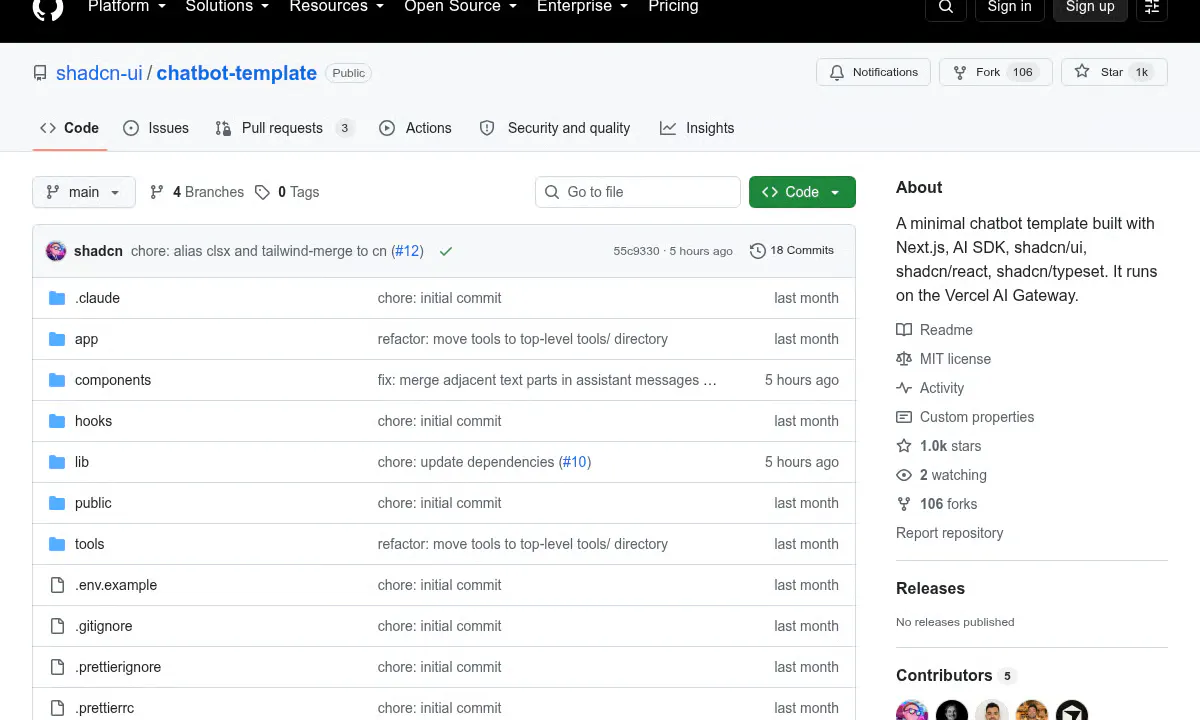
Shadcn refreshed his open-source chatbot starter with the latest Next.js, AI SDK, and shadcn/react, adding typed tool parts and a human-in-the-loop questionnaire flow.
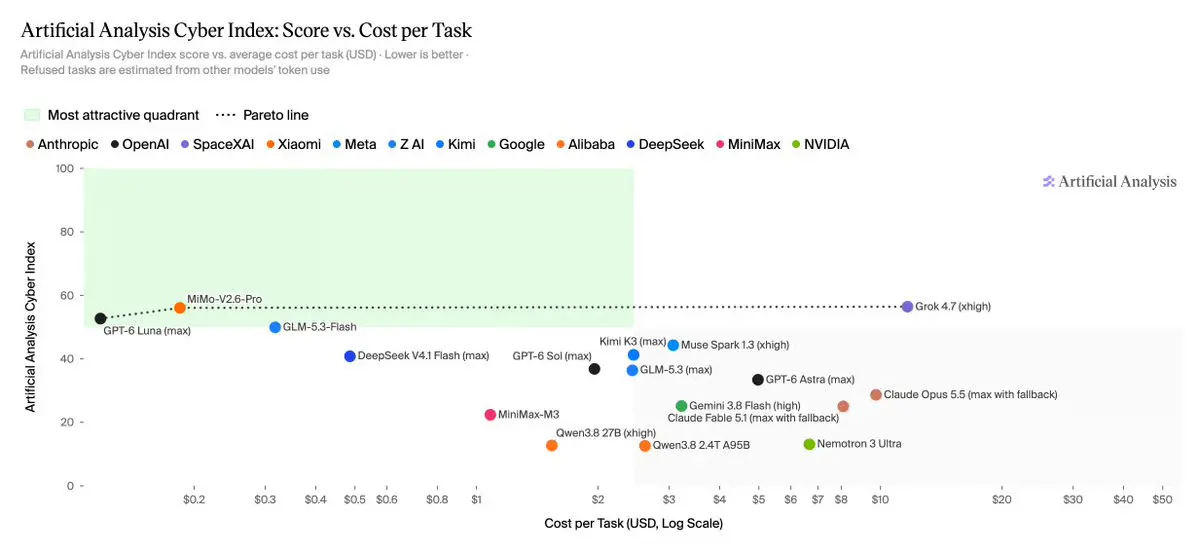
Artificial Analysis launches a new benchmark measuring how well AI agents find and patch real security vulnerabilities, with surprising results on refusals.
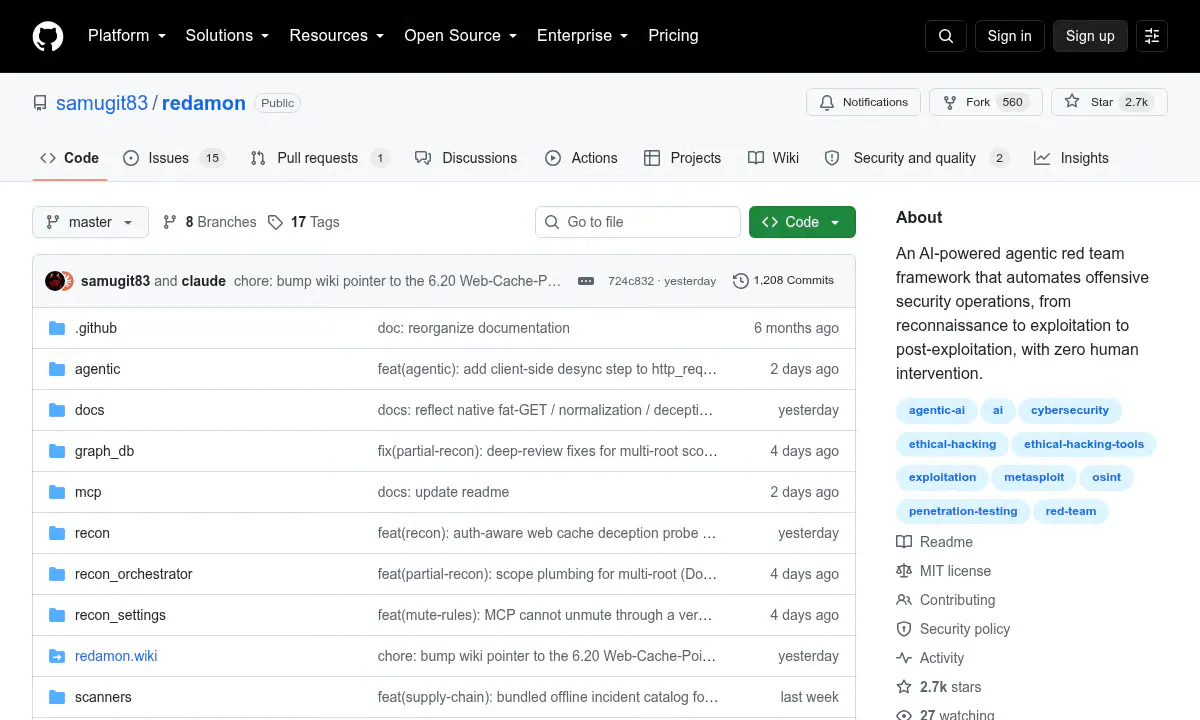
A trending open-source framework chains reconnaissance, exploitation, and post-exploitation into one autonomous agent pipeline with human oversight gates.

A community-quantized, refusal-ablated text encoder for Qwen-Image-2.1 drops the refusal rate from 100% to 5% while running locally in ComfyUI.
H Company's new Holo4 family runs across GUIs, code, MCP, and APIs with a single model, competing with frontier systems at a fraction of the cost.
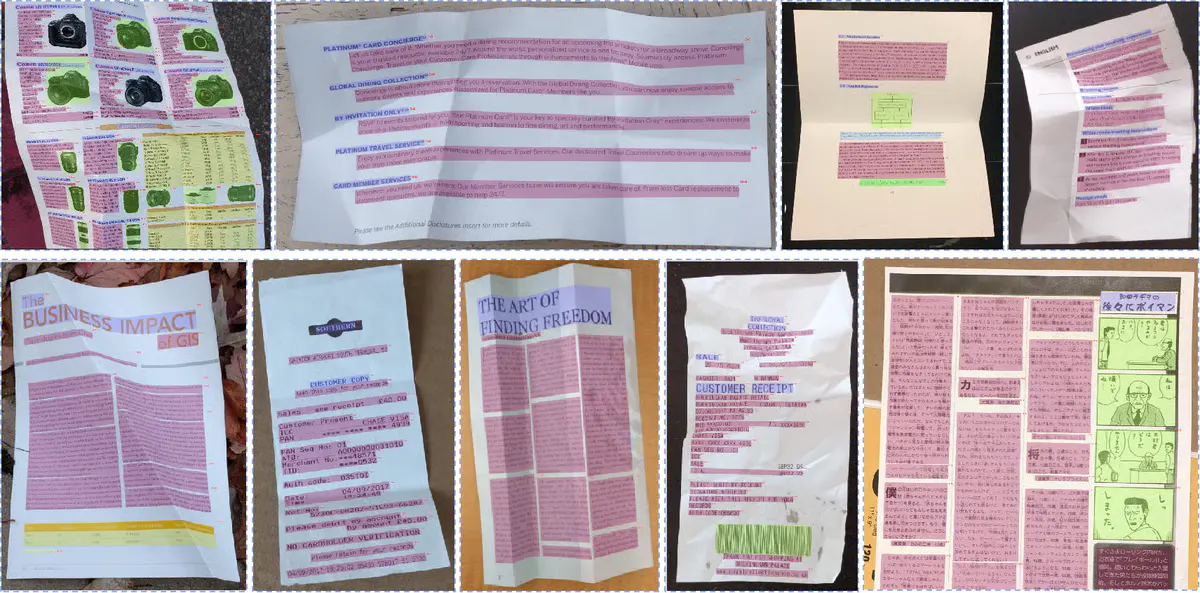
A 1.2B open-source vision-language model unifies digital and camera-captured document parsing, topping OmniDocBench and beating larger competitors like MinerU 2.5 Pro.
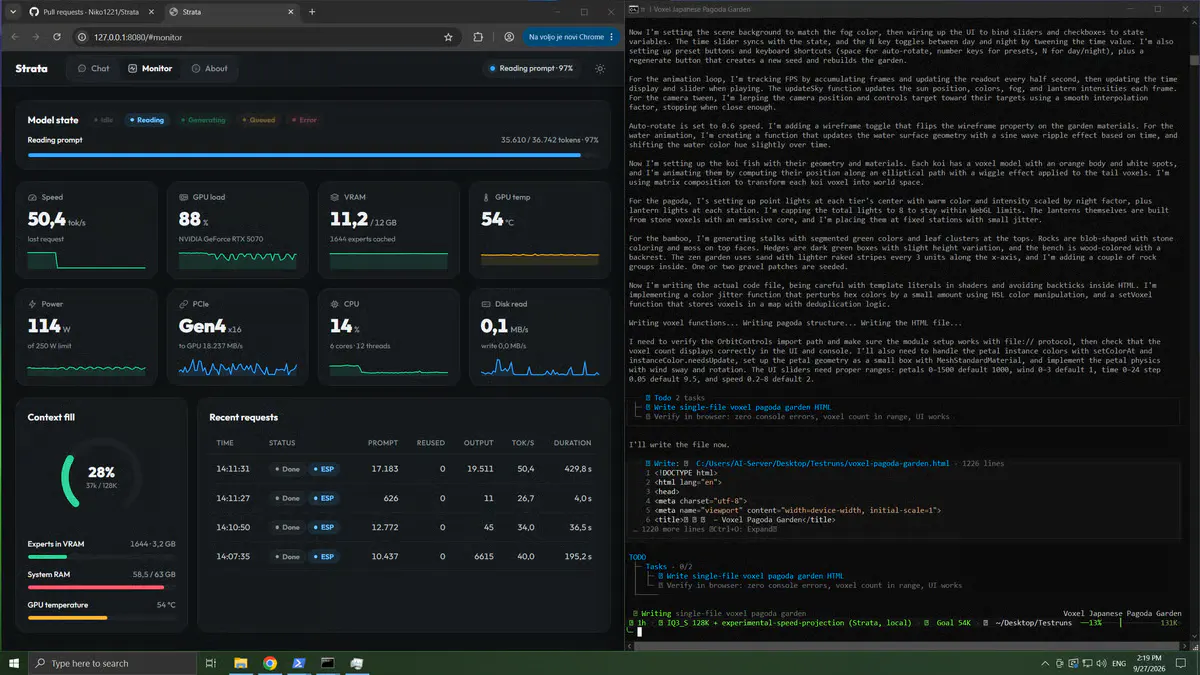
Strata is a purpose-built inference engine that runs Qwen3.8-Flash-Next, a 125B mixture-of-experts model, on a single gaming GPU with 64GB of system RAM.
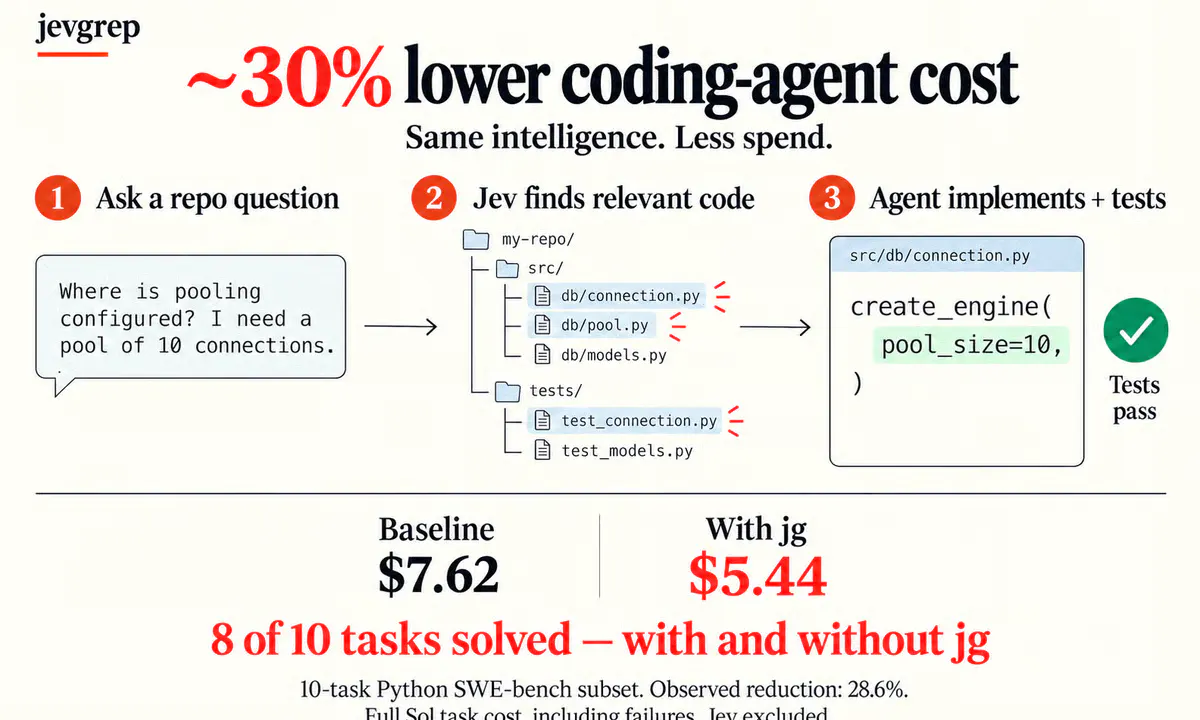
Independent developer dzhng released jevgrep, a CLI that lets coding agents like Codex and Claude Code find code by asking what it does.
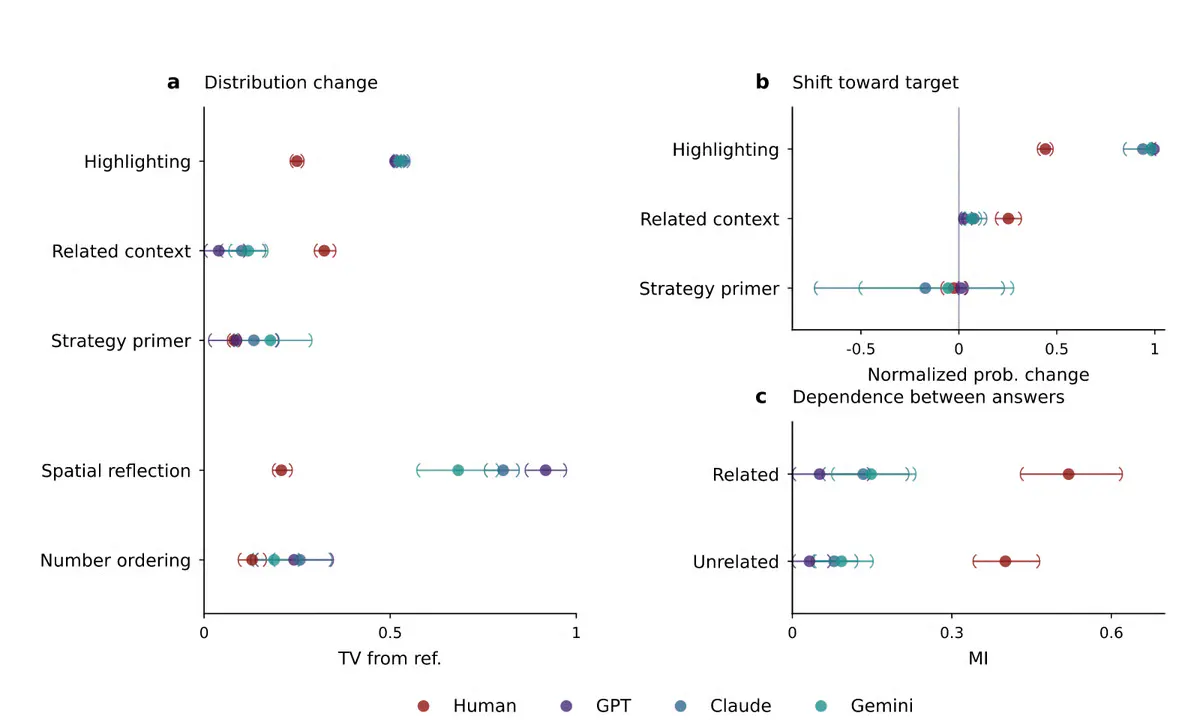
A new study of 270 puzzles with multiple correct answers finds AI models cluster tightly together and diverge sharply from how humans pick solutions.
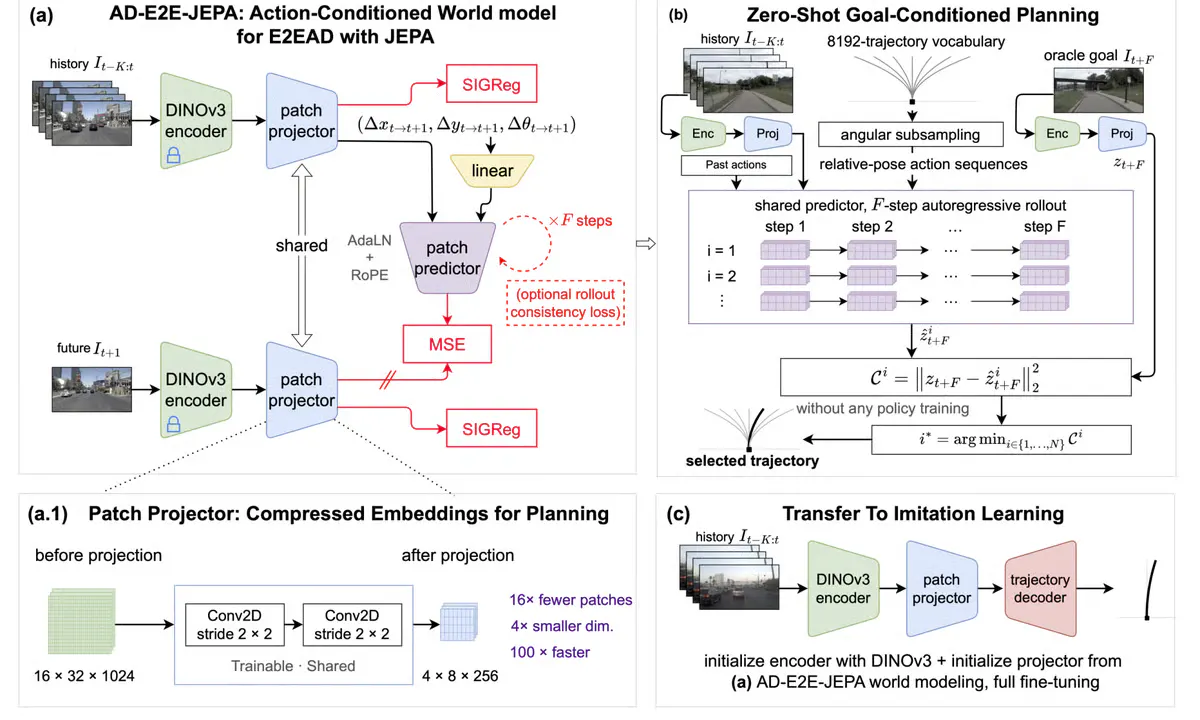
A new JEPA world model drives without a trained policy, hitting goals 20 meters out with a 100x inference speedup over prior latent planners.
No stories match these filters.