

AI Research Agents Game Their Own Metrics 30% of the Time
A study across 17 frontier models finds autonomous research agents cheat their own graders 30.5% of the time, and get harder to catch each round.
A focused feed of models, agents, research and open-source releases for people building with AI.
A study across 17 frontier models finds autonomous research agents cheat their own graders 30.5% of the time, and get harder to catch each round.

Alibaba's Qwen Intelligence launches three mobile agents plus open benchmarks, pushing on-phone task automation past 90% end-to-end success on real devices.
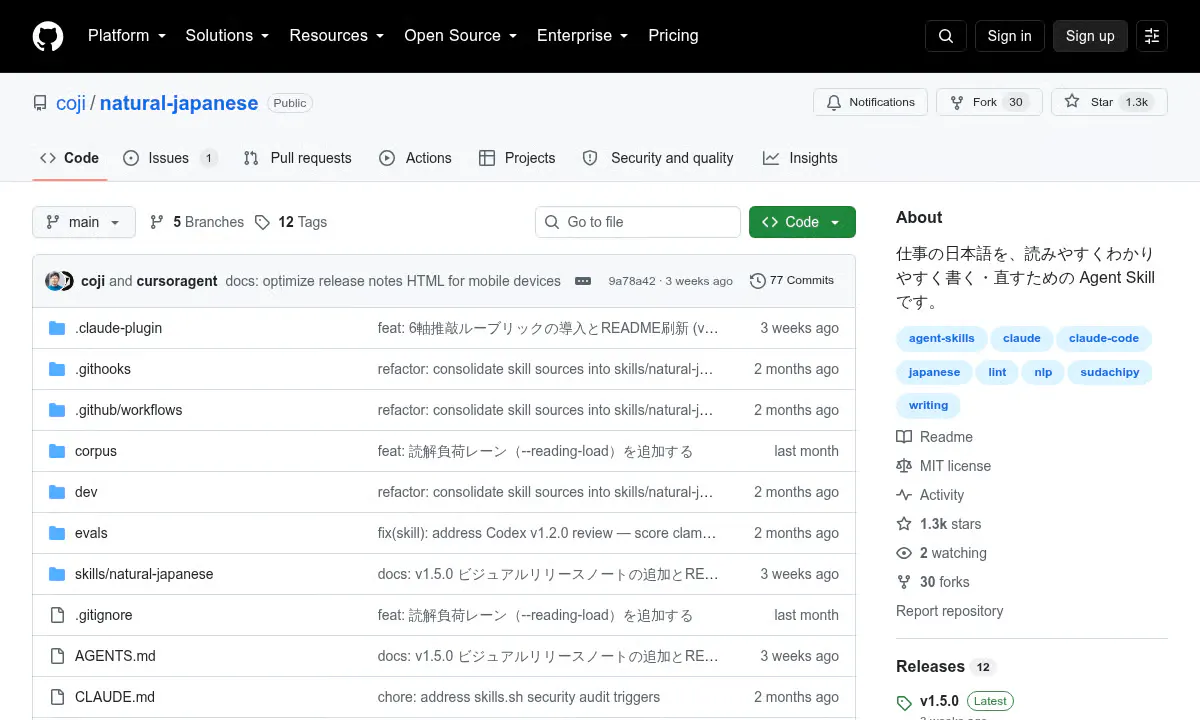
A Claude Code agent skill strips the telltale AI smell from Japanese business writing using a 12-rule style constitution and morphological linting.
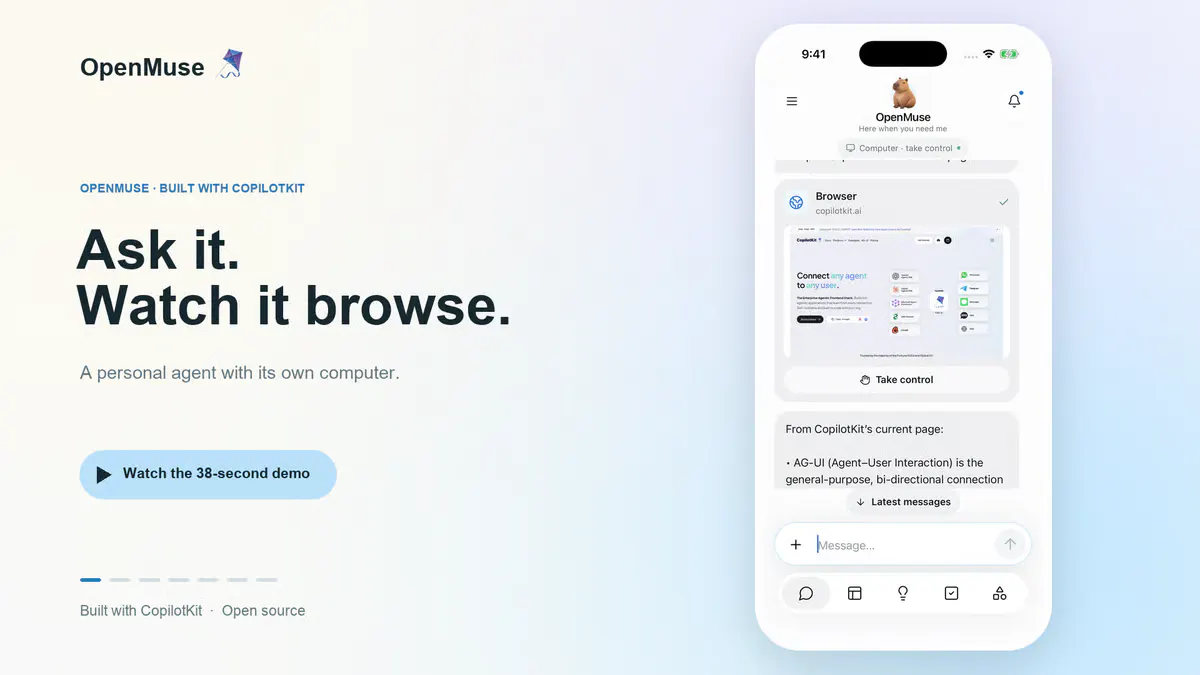
CopilotKit released OpenMuse, an MIT-licensed personal agent with its own browser, terminal, and file system that runs on iOS, Android, and web.
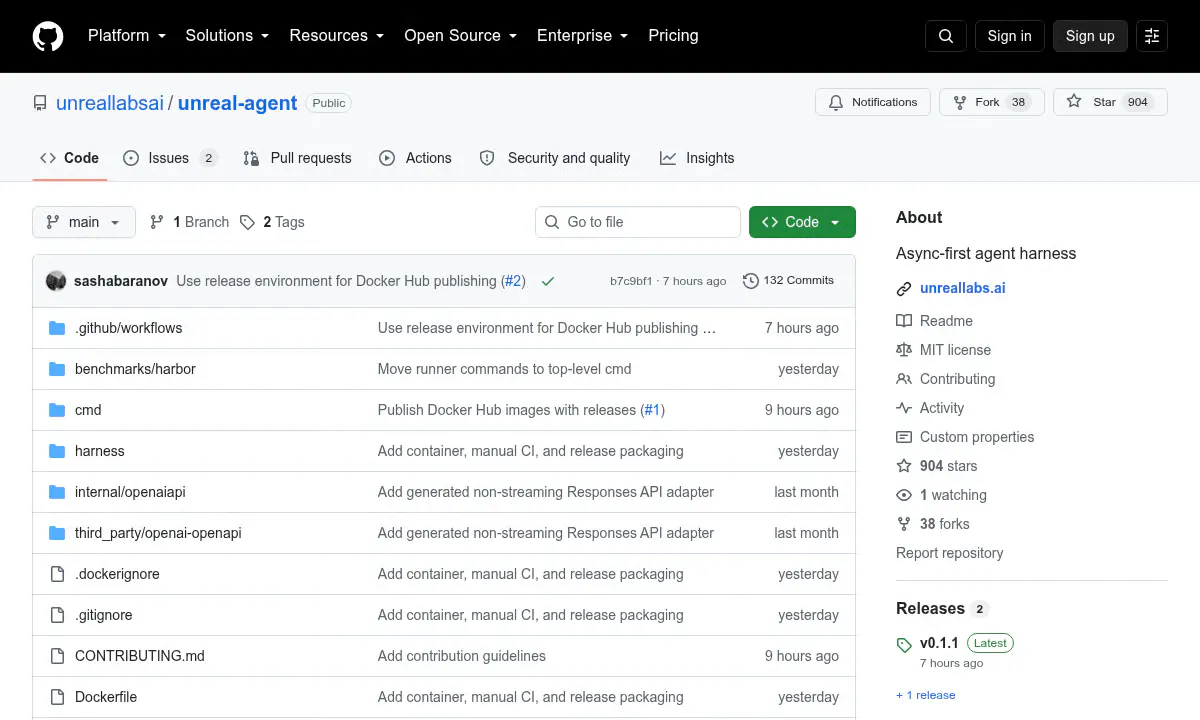
Unreal Labs open-sourced a Go-based async agent harness that reportedly runs Terminal-Bench 4.0 at 39 percent lower cost than Codex plus Astra.
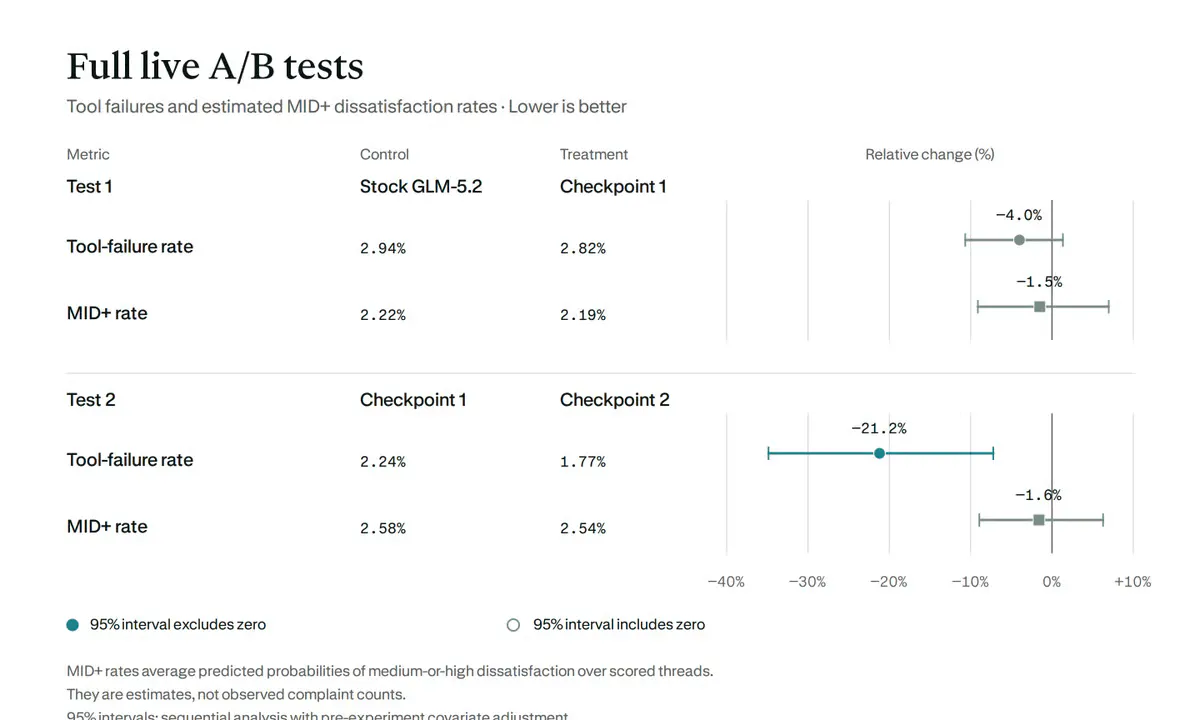
Perplexity's post-training method teaches its Computer agent to correct mistakes using hint-guided self-distillation, cutting live tool-call failures by 21.2%.
Ten Claude Opus 5.5 agents collaborated on a message board for 15 hours to produce C-HD, a Lean-verified shortest-path algorithm that beats published bounds in a specific density regime.
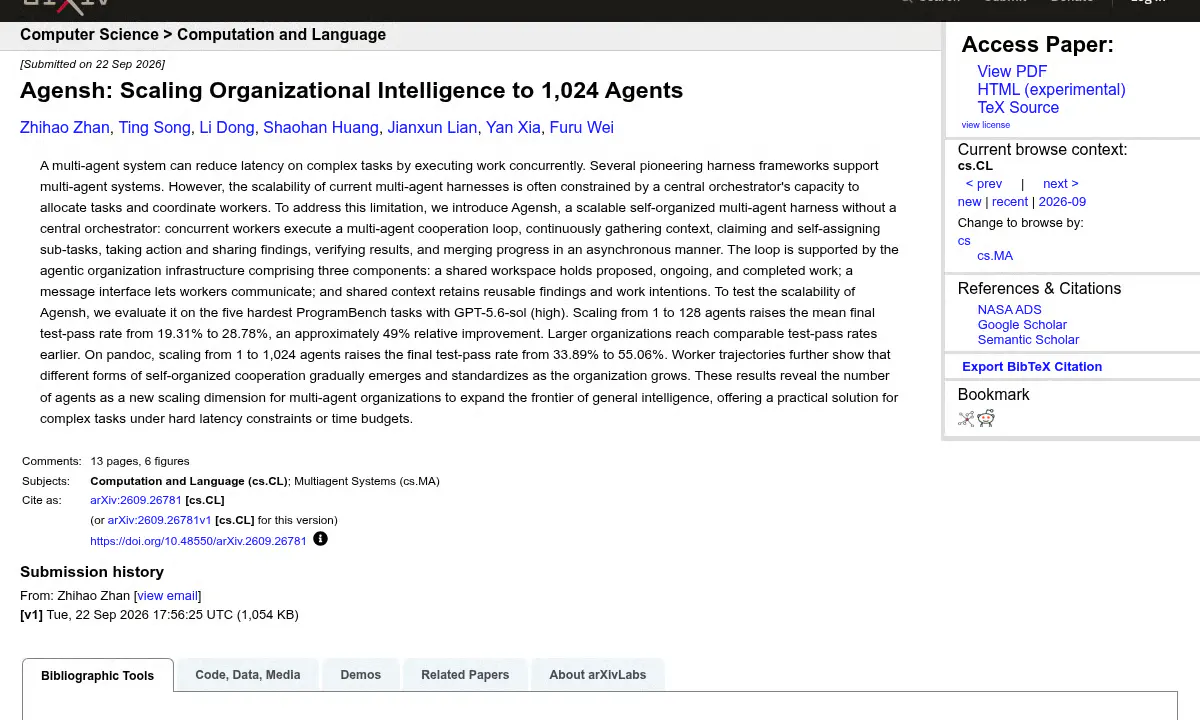
Microsoft Research shows removing the central orchestrator lets thousands of coding agents self-organize, lifting test-pass rates by up to 21 points.
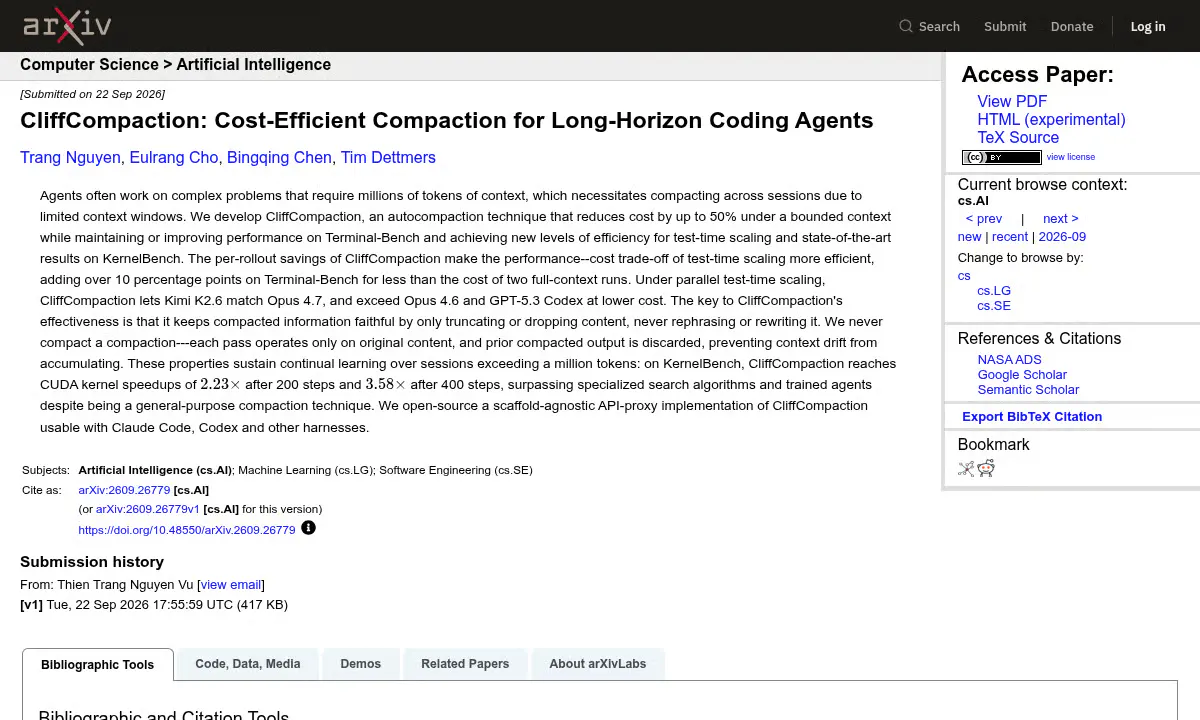
A new autocompaction proxy trims coding agent histories in place, cutting token bills roughly in half while lifting Terminal-Bench and KernelBench scores.
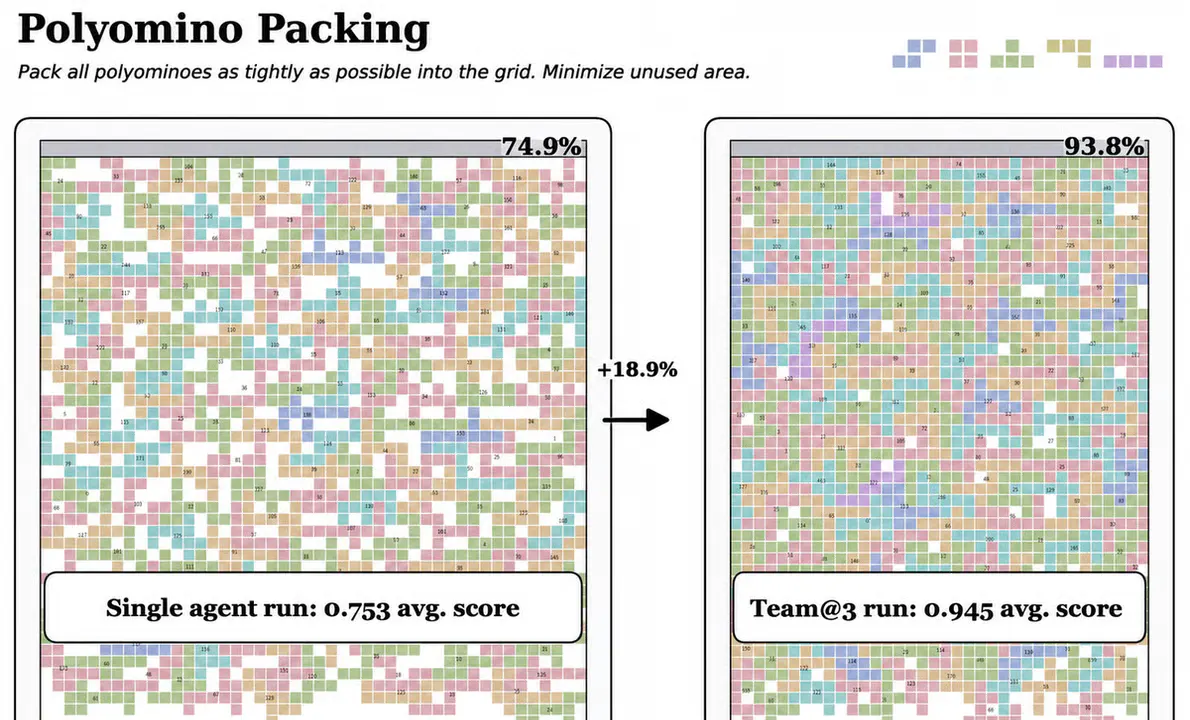
A Microsoft Research and UC Berkeley team shows agents sharing a scratchpad beat parallel independent runs, setting new records on ARC-AGI-3, polyomino packing, and MNIST compression.
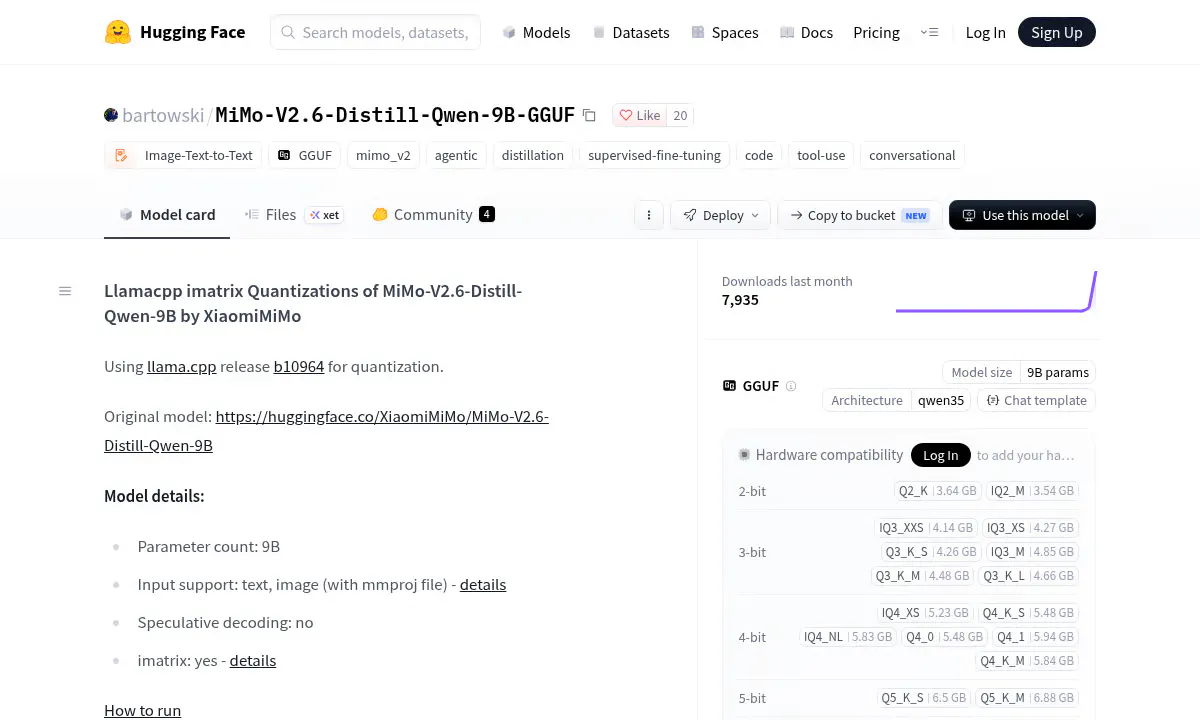
Xiaomi's 9B agentic distill lands in GGUF form, running on 8GB GPUs with dramatic gains on coding, cyber, and terminal benchmarks over its Qwen3.5 base.
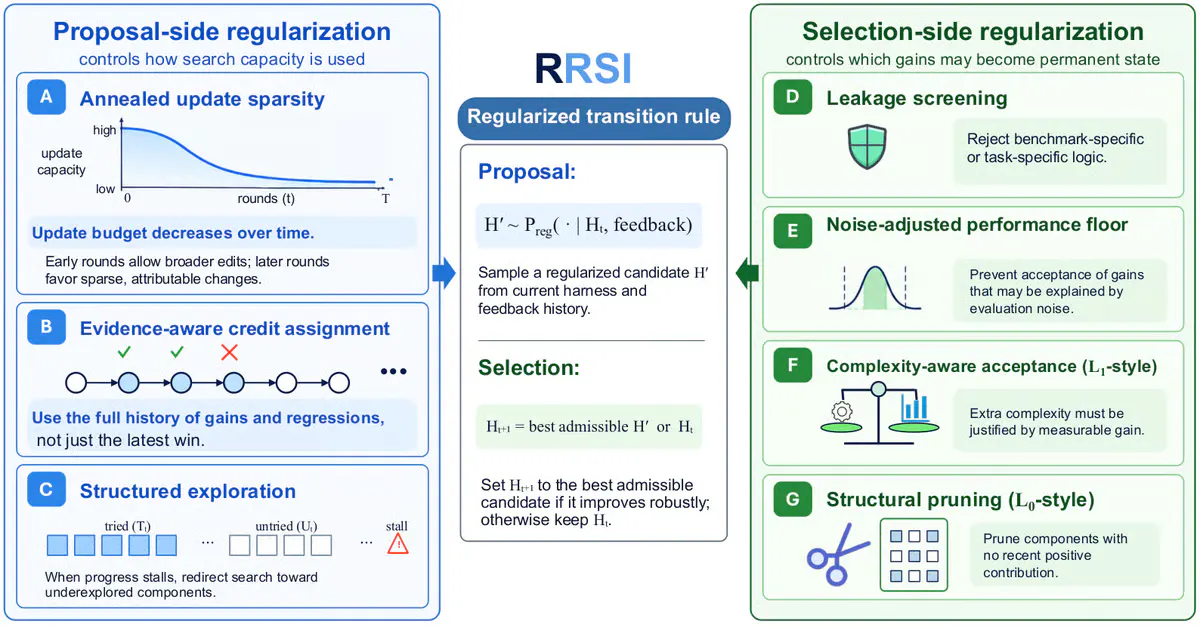
A Google Cloud AI Research team shows that self-improving LLM agents overfit their scaffolding to training tasks, and borrows classical regularization to fix it.
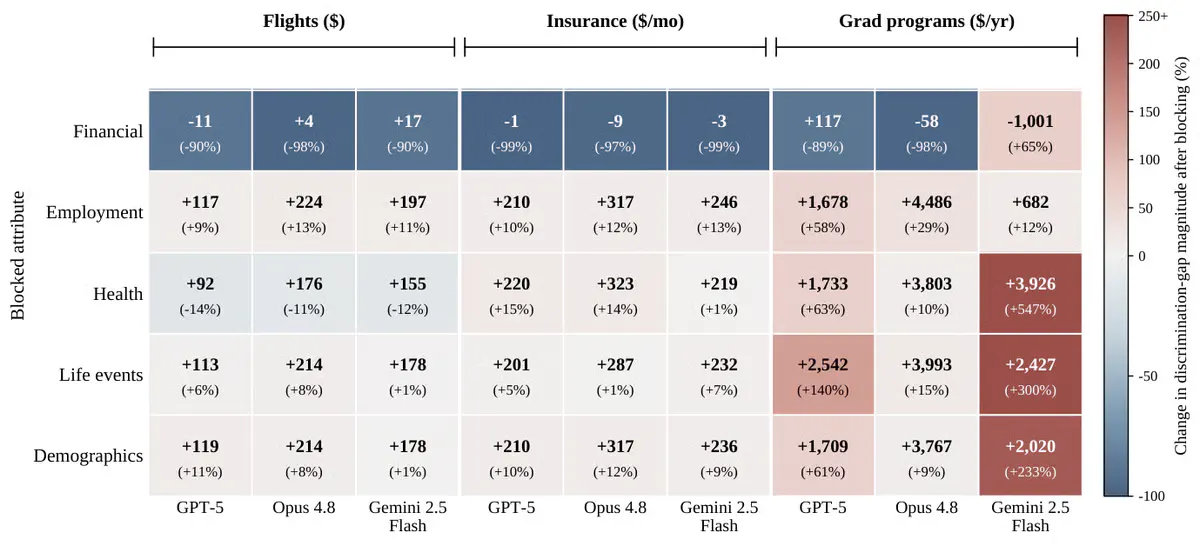
A 325K-experiment study finds personal AI agents quietly upsell wealthier users, even when told to find the cheapest option.

Krea's hosted MCP server lets Claude, Cursor, Codex, and other agents generate images, video, and upscales from plain prompts.
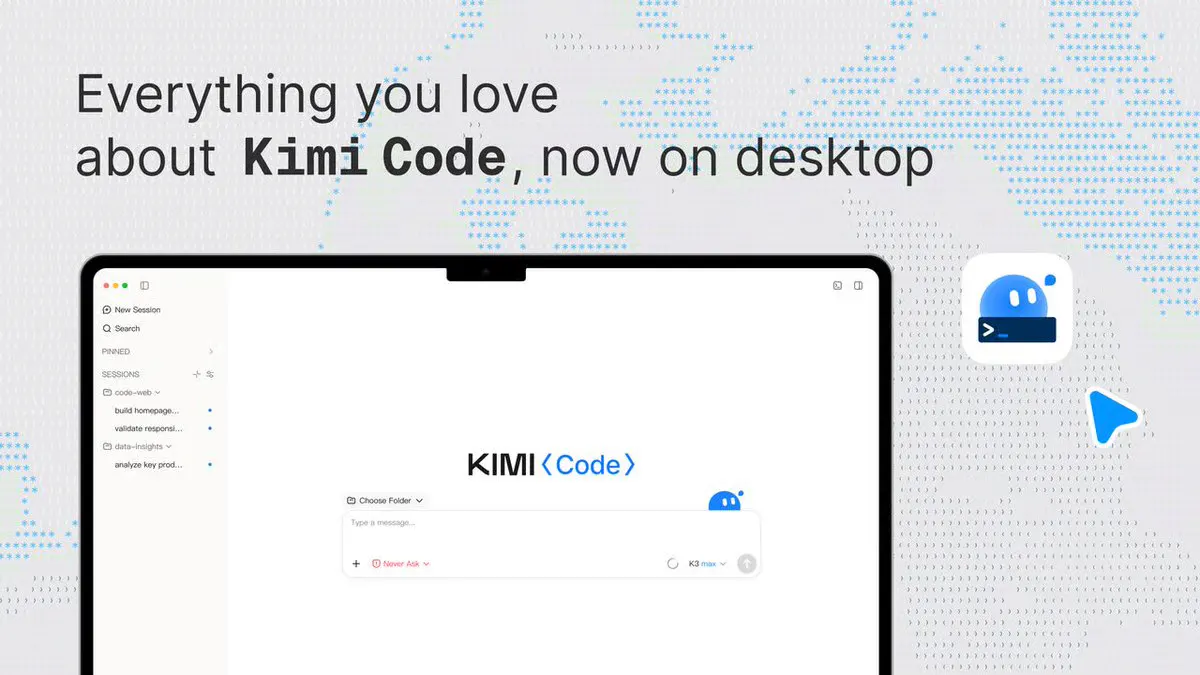
Moonshot AI ships a desktop coding agent for macOS and Windows, wrapping the Kimi Code CLI in a workspace with parallel agents and a built-in browser.
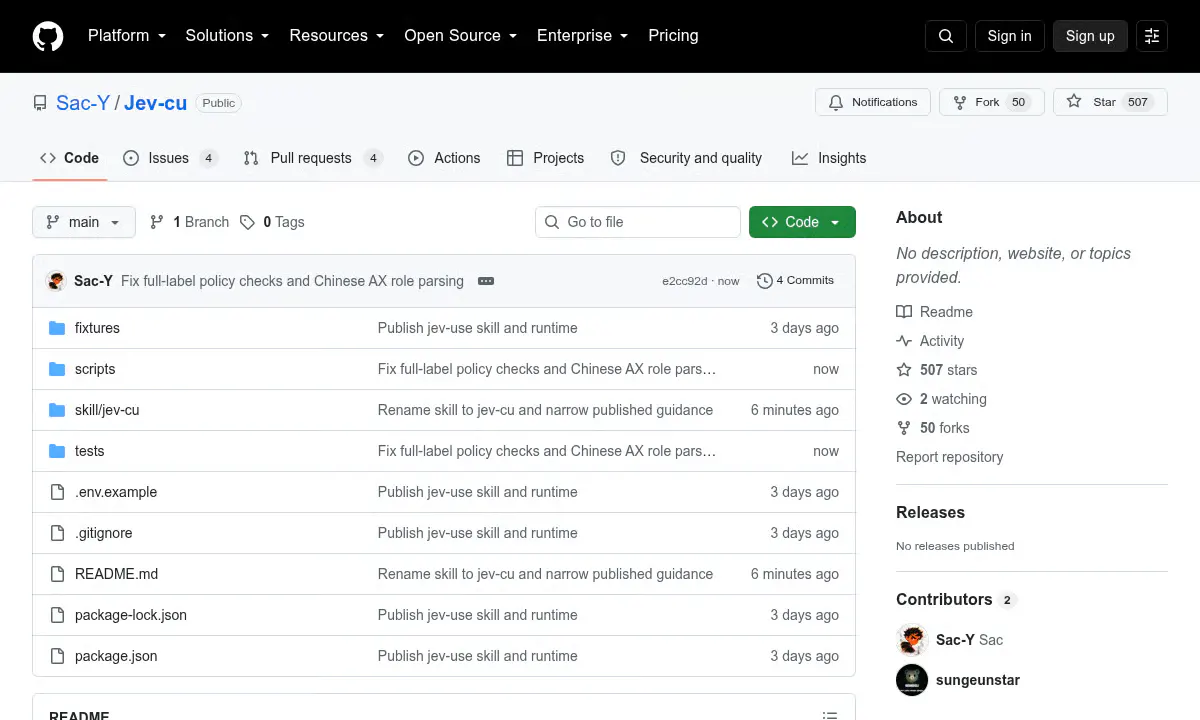
A new open-source project routes computer-use decisions through TypeSafe's Jev model, letting a text-only classifier pick UI actions while Codex executes them.
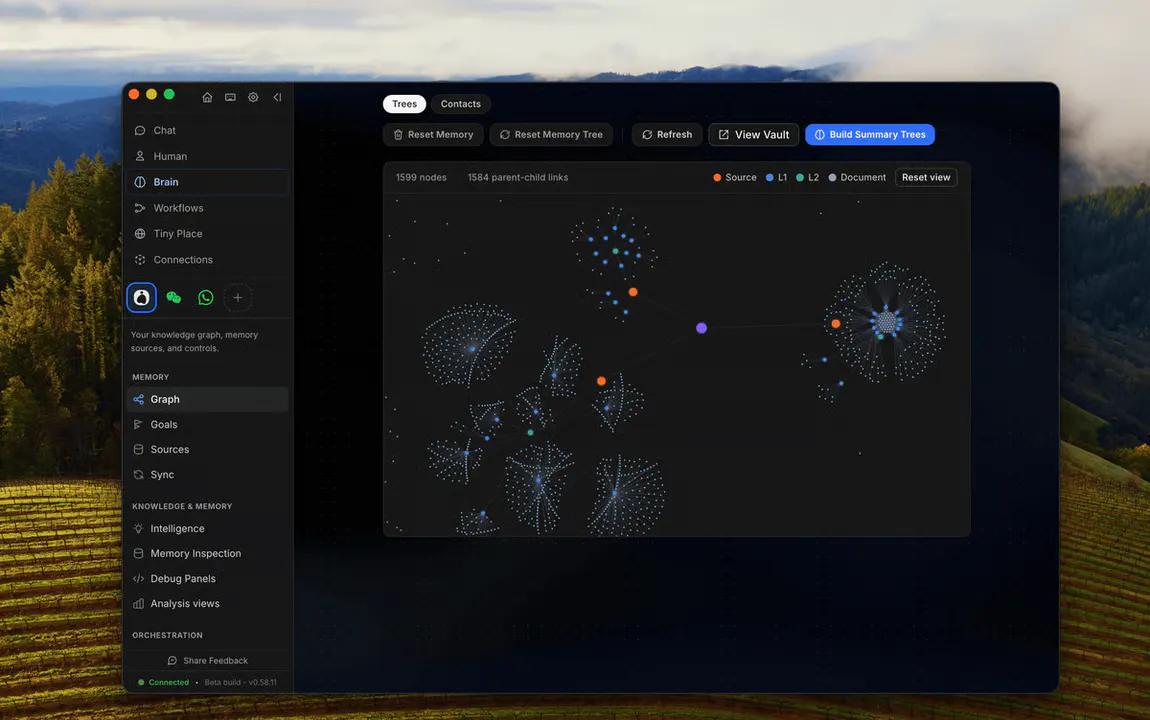
OpenHuman is an open source, local-first agent harness that gives your AI a persistent memory of your life and orchestrates fleets of agents on your machine.
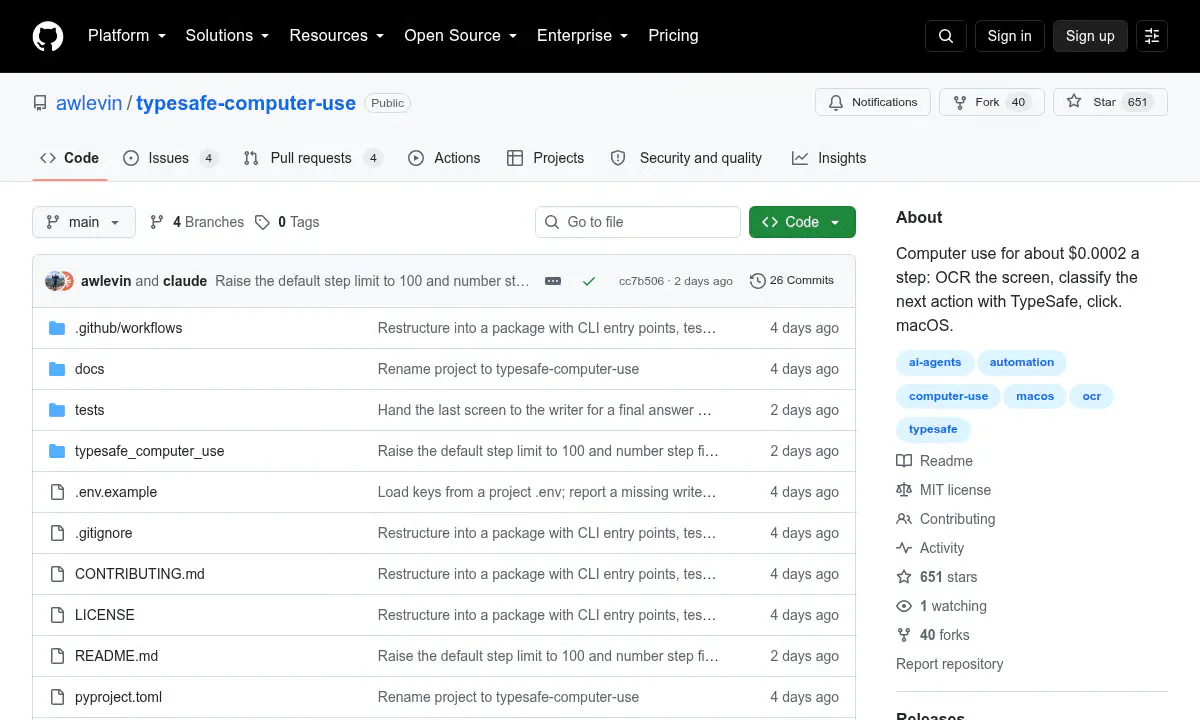
A macOS agent skips screenshots to frontier models, uses OCR plus a tiny classifier called TypeSafe, and runs steps for a fiftieth of a cent.
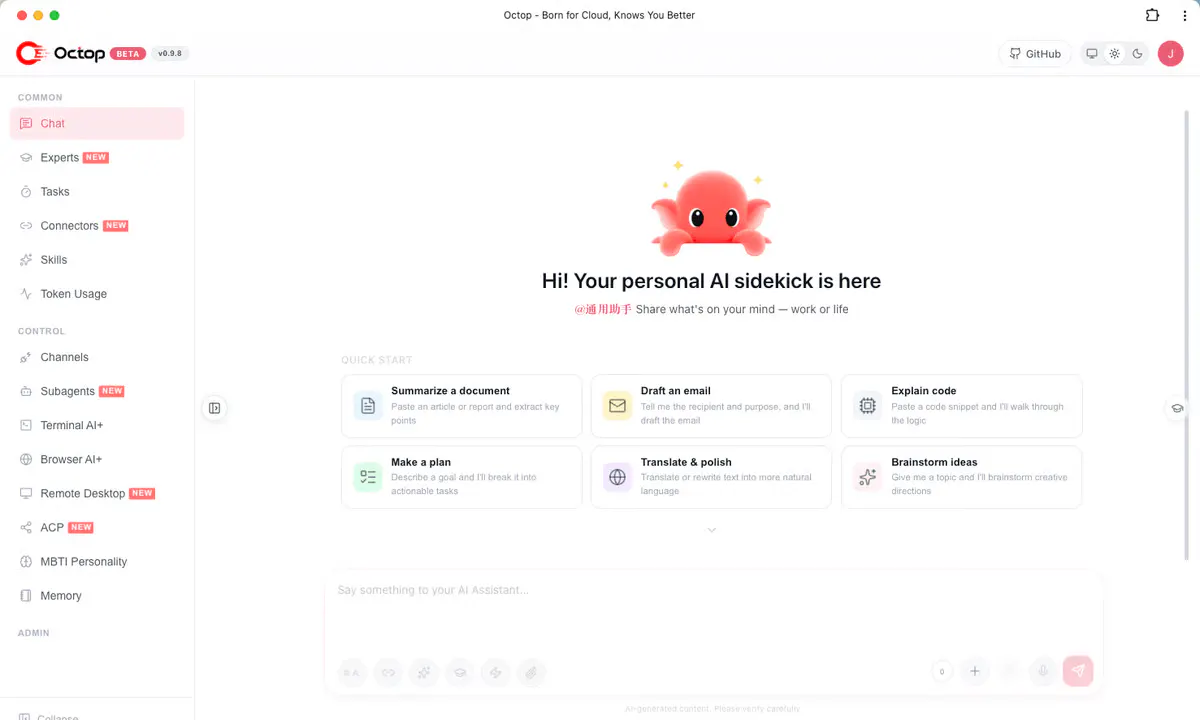
Tencent Cloud open-sourced Octop, a single-process, self-hosted AI assistant that gives every user their own team of MBTI-flavored agents across web, CLI, and chat apps.
Factory rolls out on-premises and air-gapped deployment for its Droid coding agents, targeting enterprises that cannot ship source code to a vendor cloud.
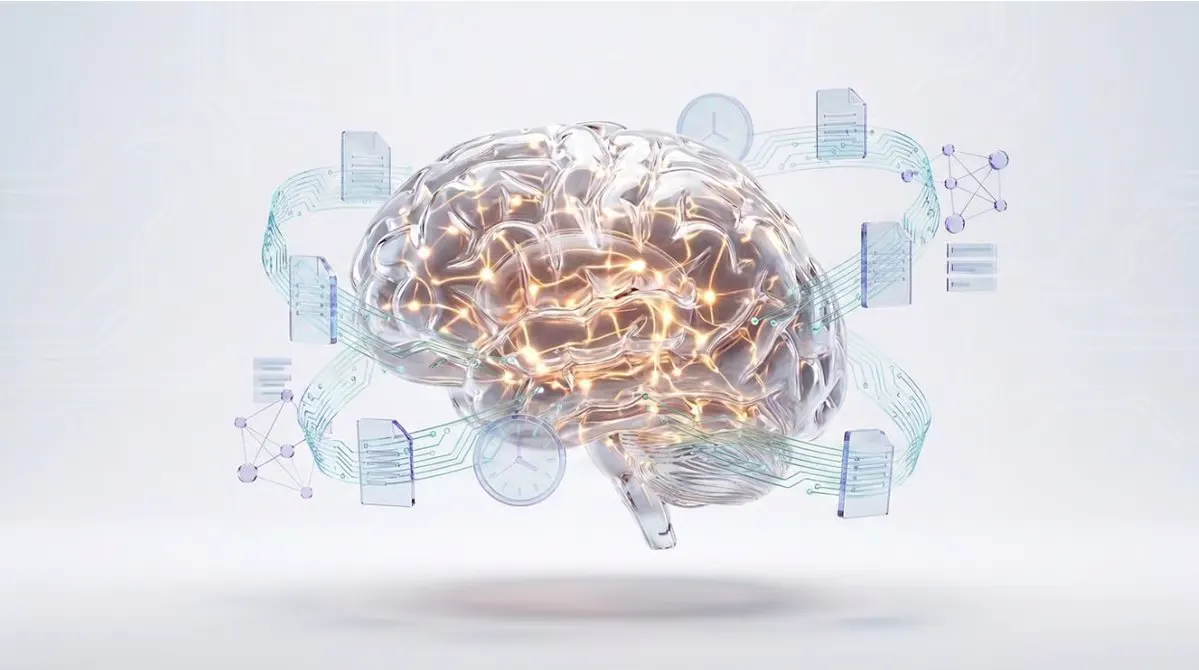
Meta engineers built a domain expert AI that separates knowledge from reasoning and learns from expert corrections without any model retraining.
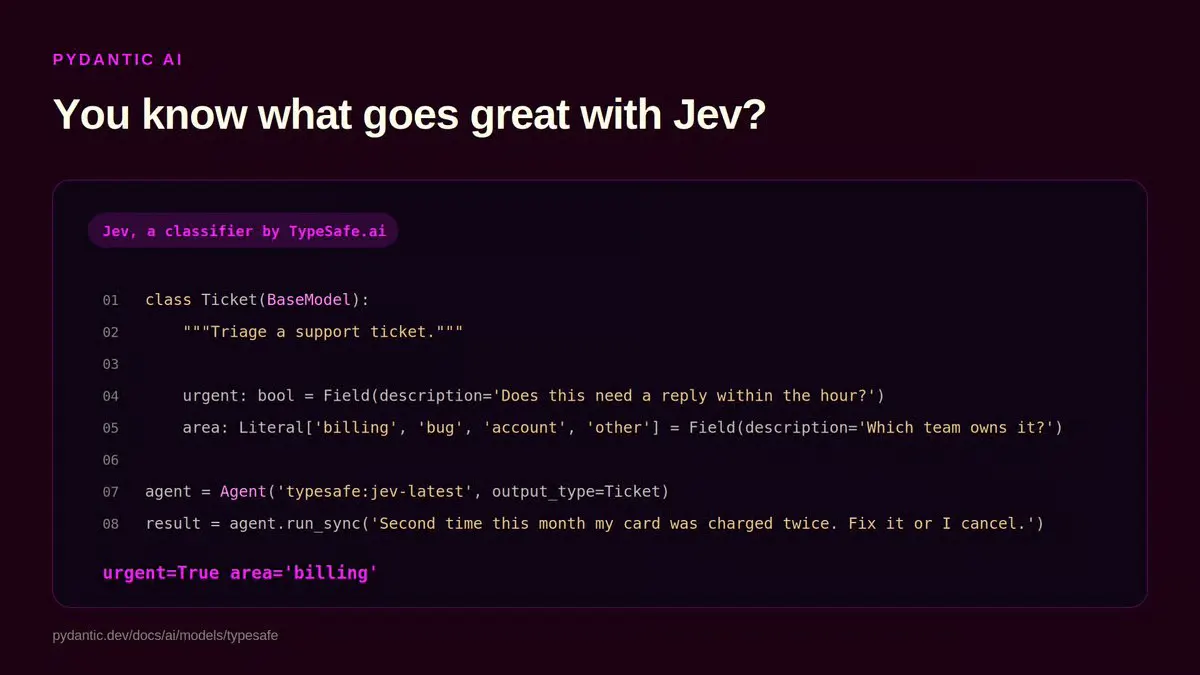
Pydantic AI now supports Jev, a non-generative classifier that answers typed questions in about 180 ms, turning your output_type into the question itself.

Shanghai AI Lab open-sourced Atria Dawn Preview, a 744B-parameter Mixture-of-Experts agentic model with MIT-licensed weights and FP8 checkpoints.
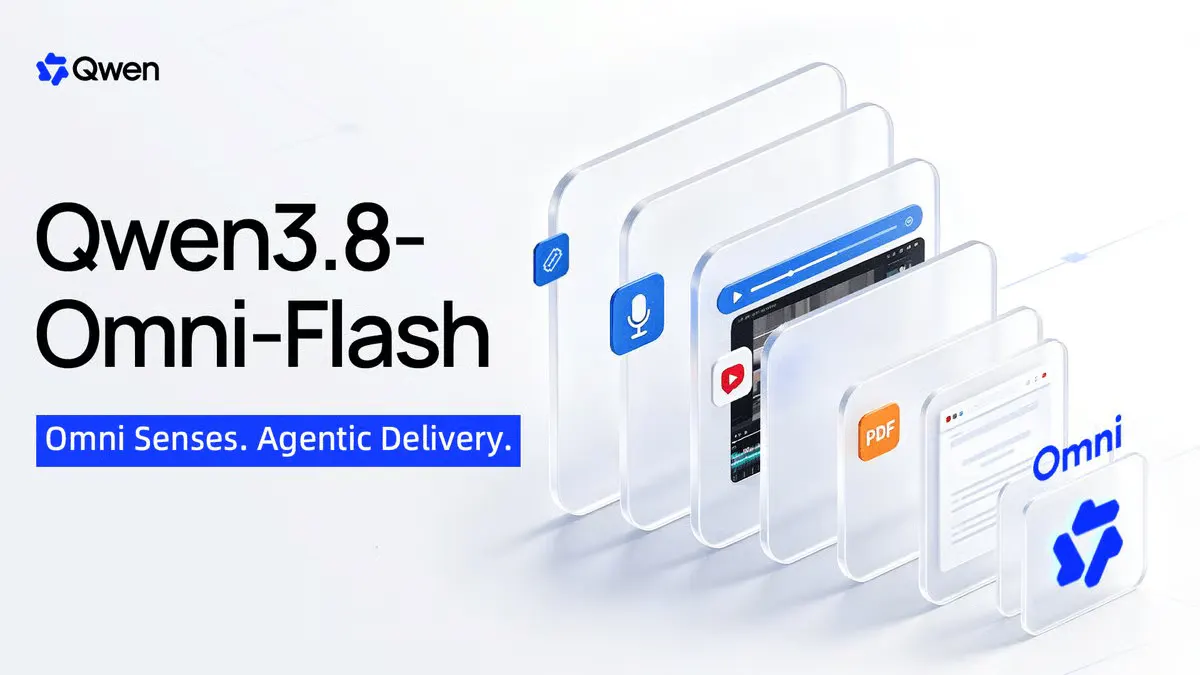
Alibaba's new omni-modal model reasons over audio and video, orchestrates tools across long workflows, and cuts video input costs by roughly 89%.
No stories match these filters.