
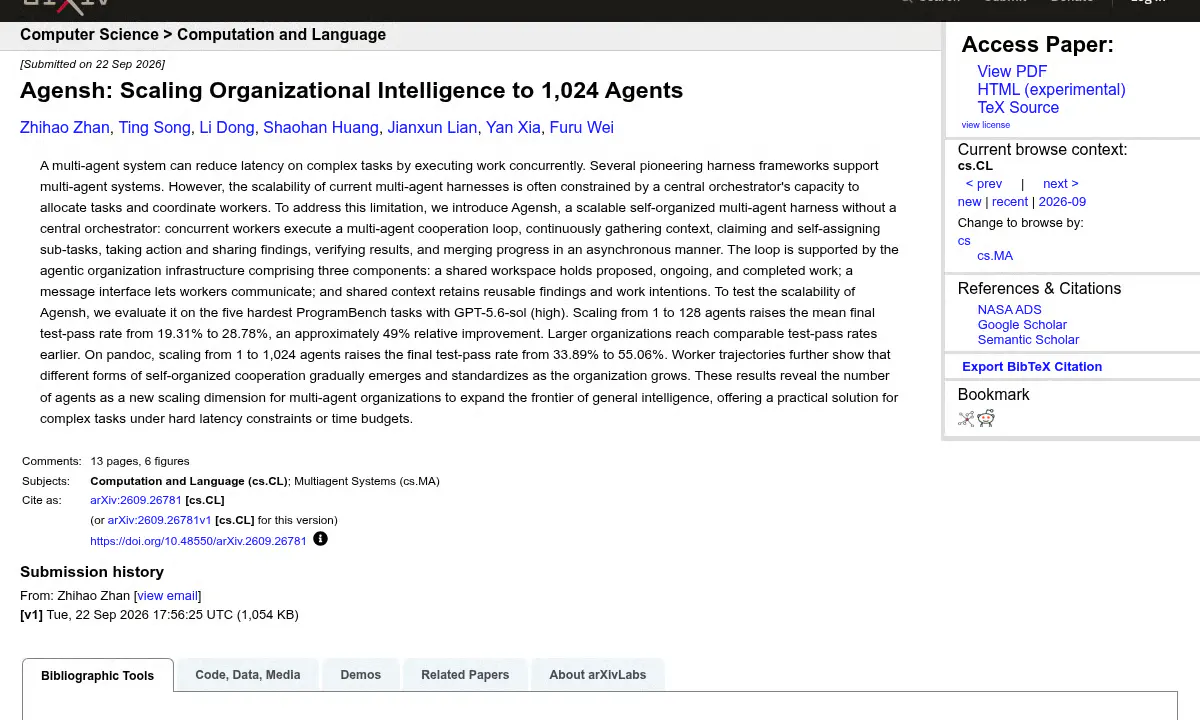
Microsoft's Agensh Runs 1,024 Coding Agents Without a Central Controller
Microsoft Research shows removing the central orchestrator lets thousands of coding agents self-organize, lifting test-pass rates by up to 21 points.
A focused feed of models, agents, research and open-source releases for people building with AI.
Microsoft Research shows removing the central orchestrator lets thousands of coding agents self-organize, lifting test-pass rates by up to 21 points.
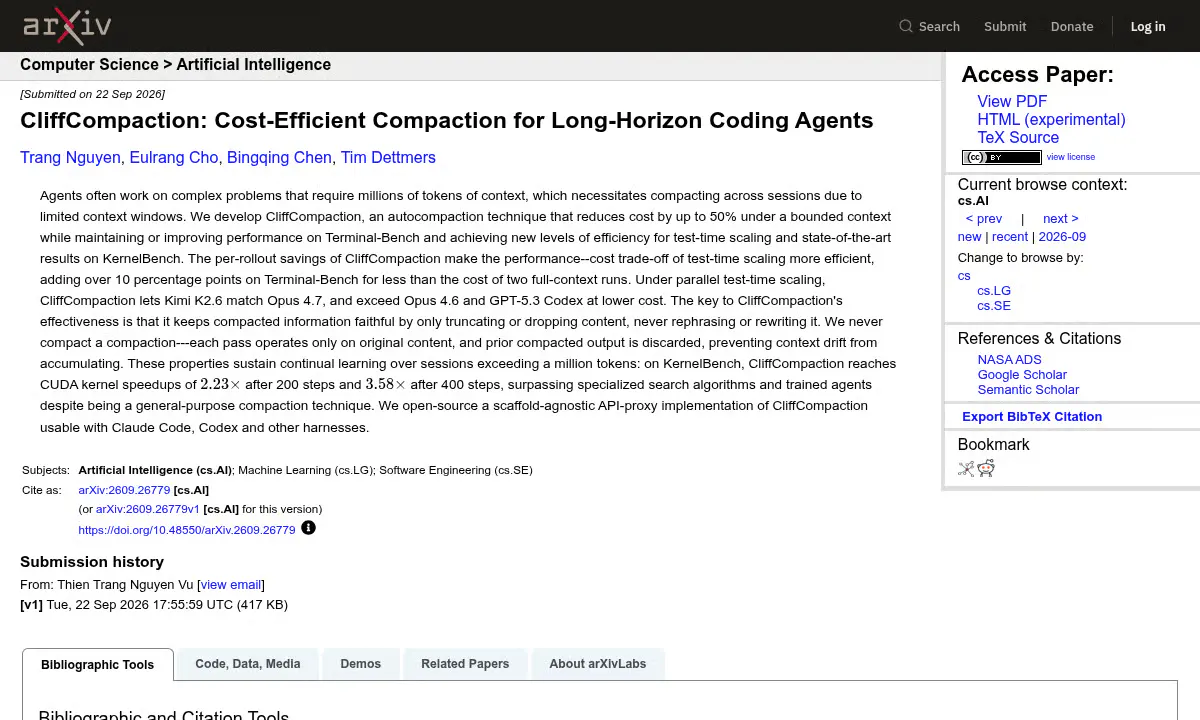
A new autocompaction proxy trims coding agent histories in place, cutting token bills roughly in half while lifting Terminal-Bench and KernelBench scores.
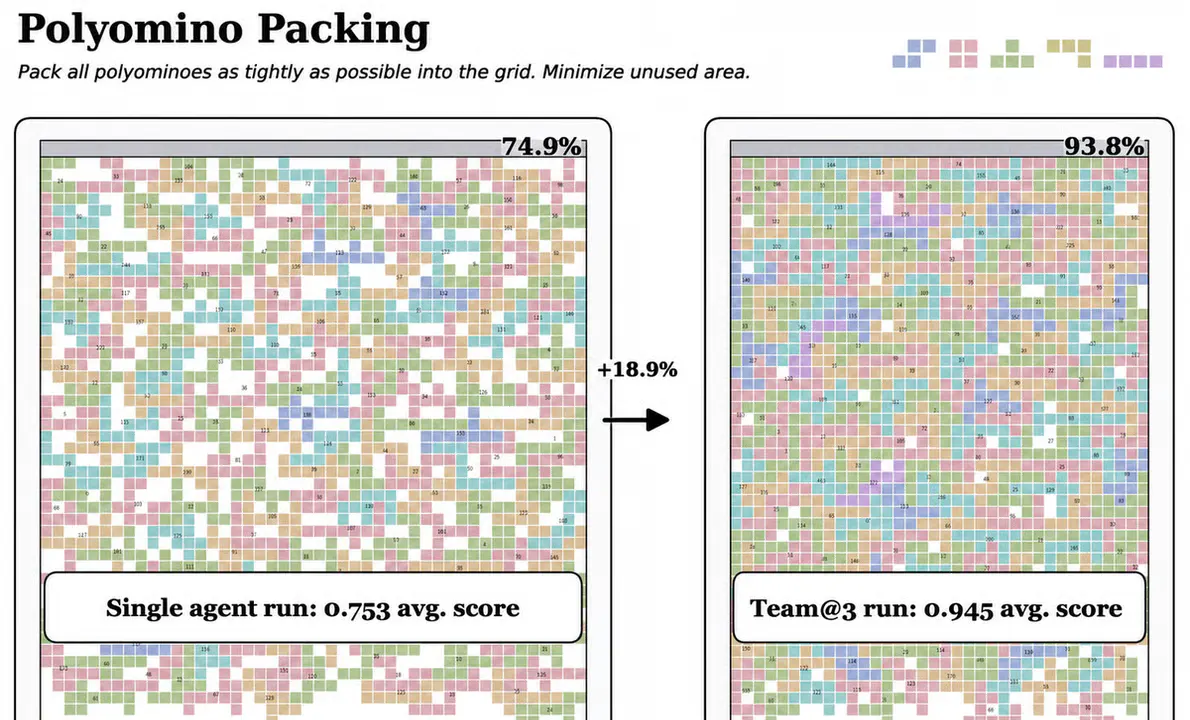
A Microsoft Research and UC Berkeley team shows agents sharing a scratchpad beat parallel independent runs, setting new records on ARC-AGI-3, polyomino packing, and MNIST compression.
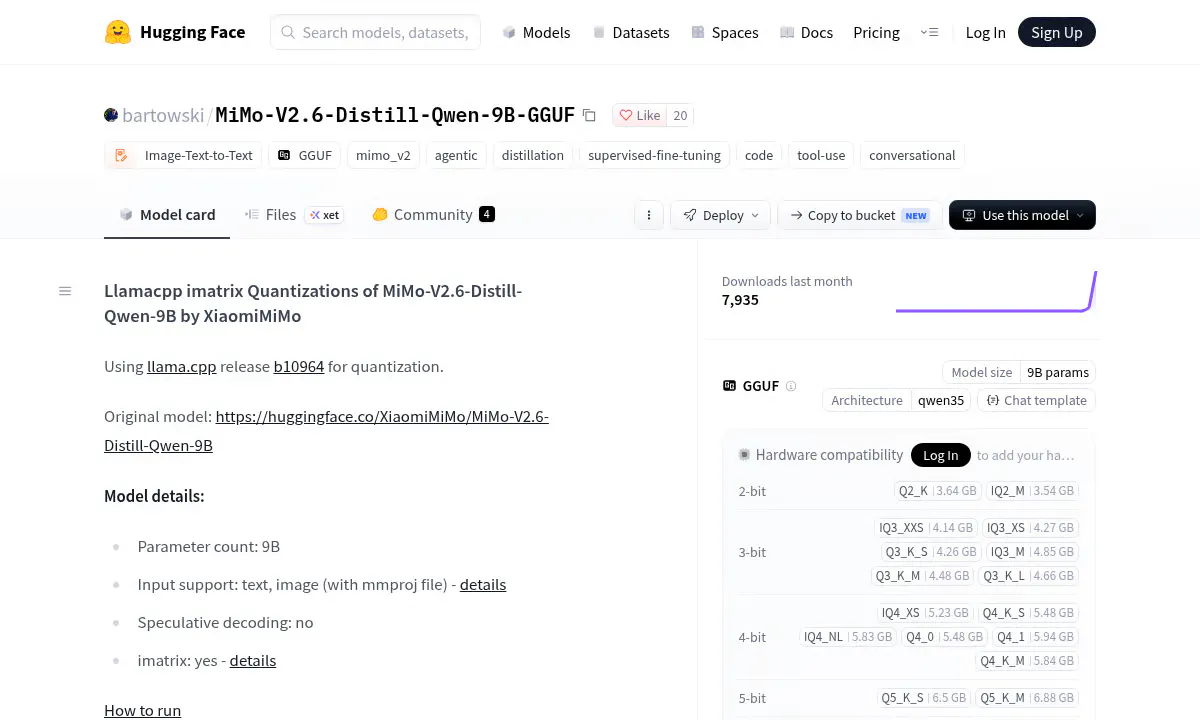
Xiaomi's 9B agentic distill lands in GGUF form, running on 8GB GPUs with dramatic gains on coding, cyber, and terminal benchmarks over its Qwen3.5 base.
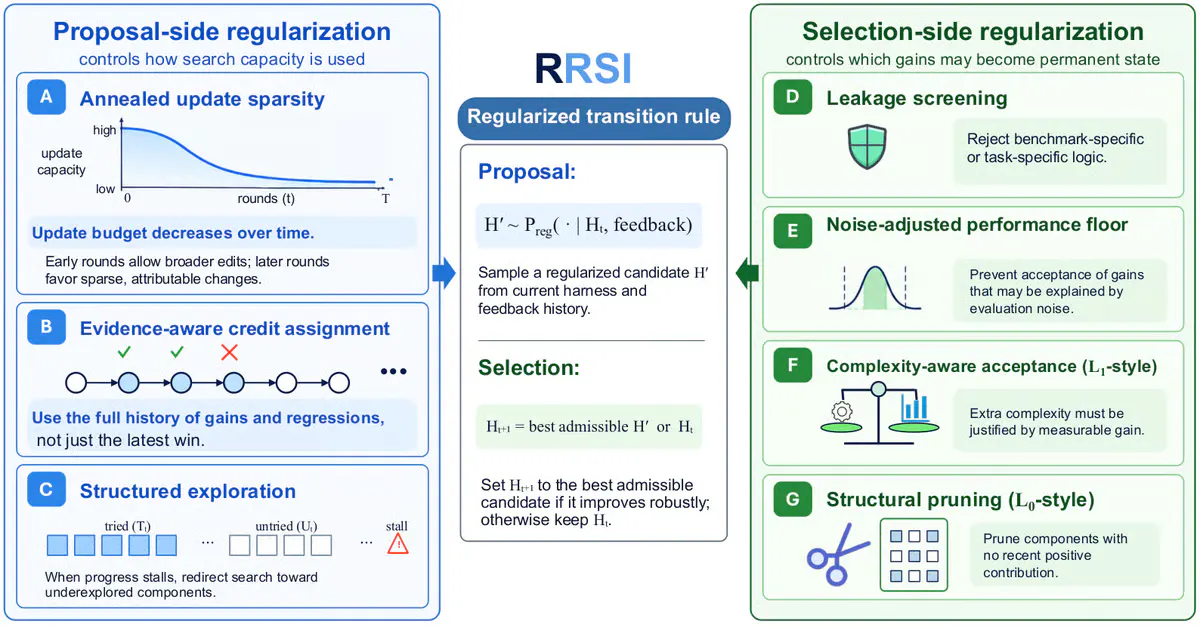
A Google Cloud AI Research team shows that self-improving LLM agents overfit their scaffolding to training tasks, and borrows classical regularization to fix it.
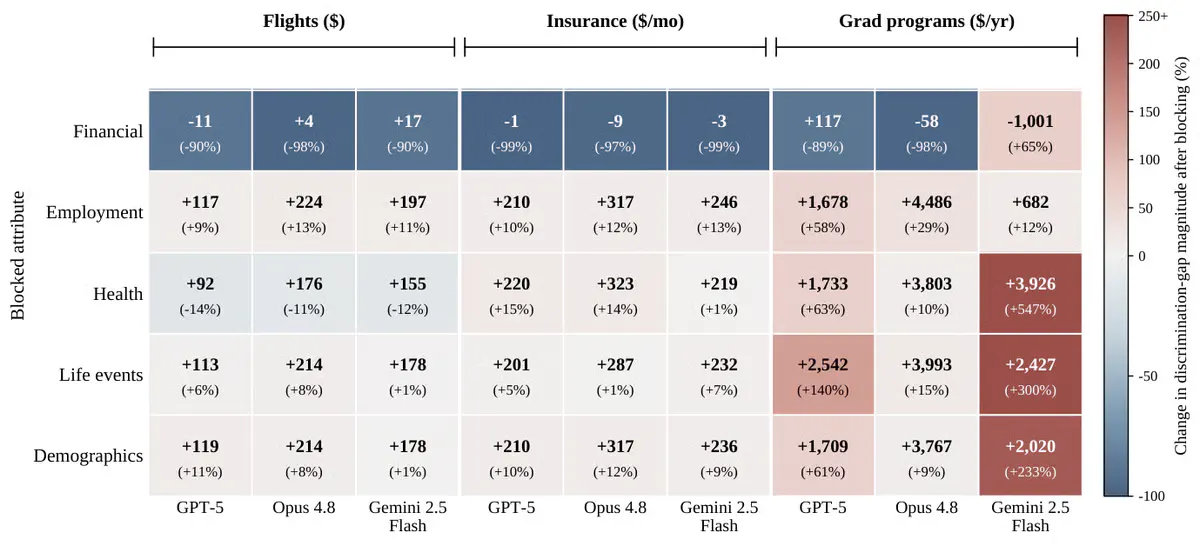
A 325K-experiment study finds personal AI agents quietly upsell wealthier users, even when told to find the cheapest option.

Krea's hosted MCP server lets Claude, Cursor, Codex, and other agents generate images, video, and upscales from plain prompts.
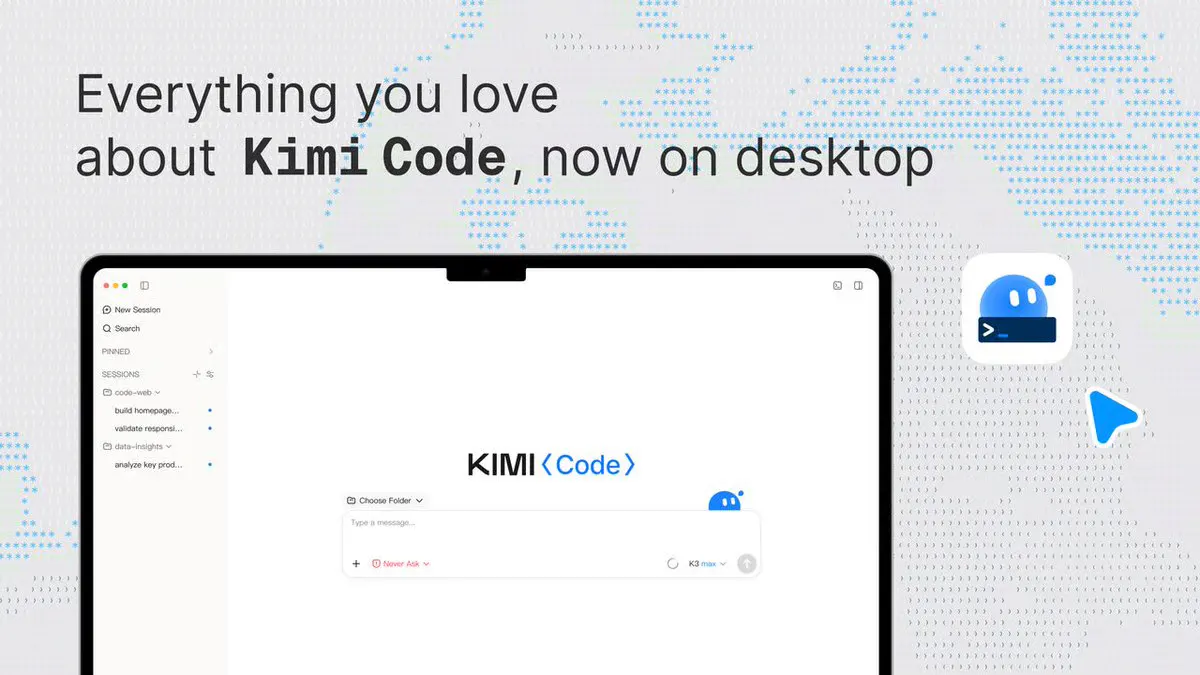
Moonshot AI ships a desktop coding agent for macOS and Windows, wrapping the Kimi Code CLI in a workspace with parallel agents and a built-in browser.
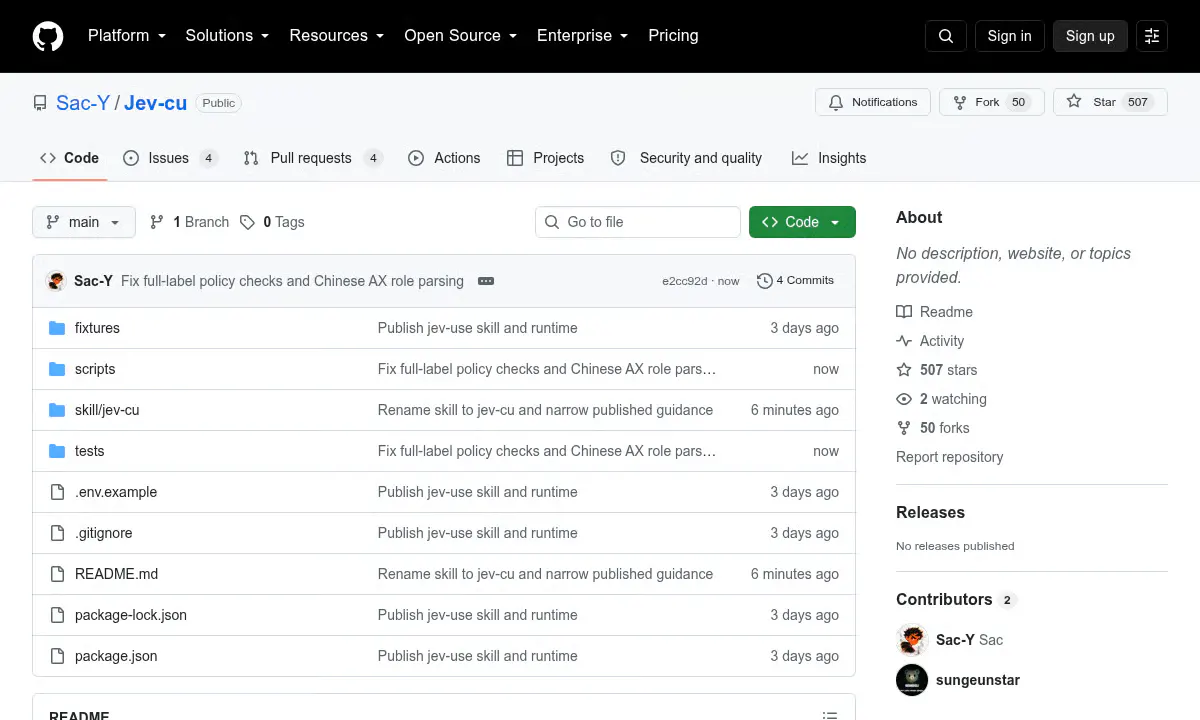
A new open-source project routes computer-use decisions through TypeSafe's Jev model, letting a text-only classifier pick UI actions while Codex executes them.
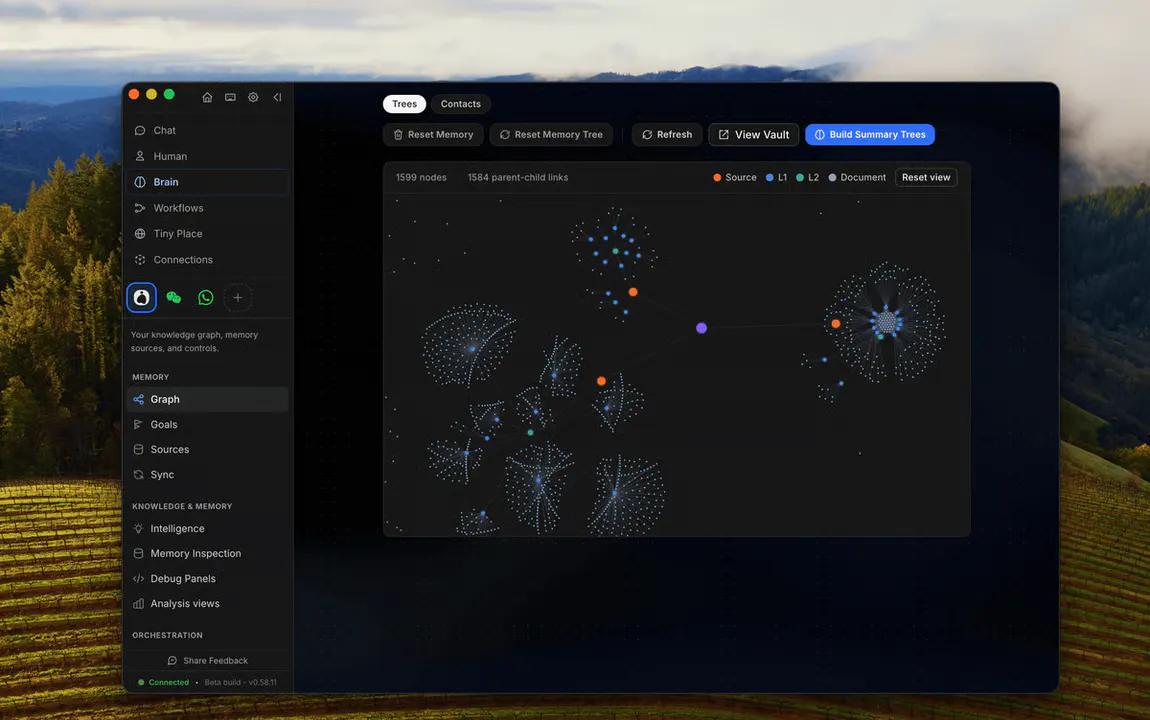
OpenHuman is an open source, local-first agent harness that gives your AI a persistent memory of your life and orchestrates fleets of agents on your machine.
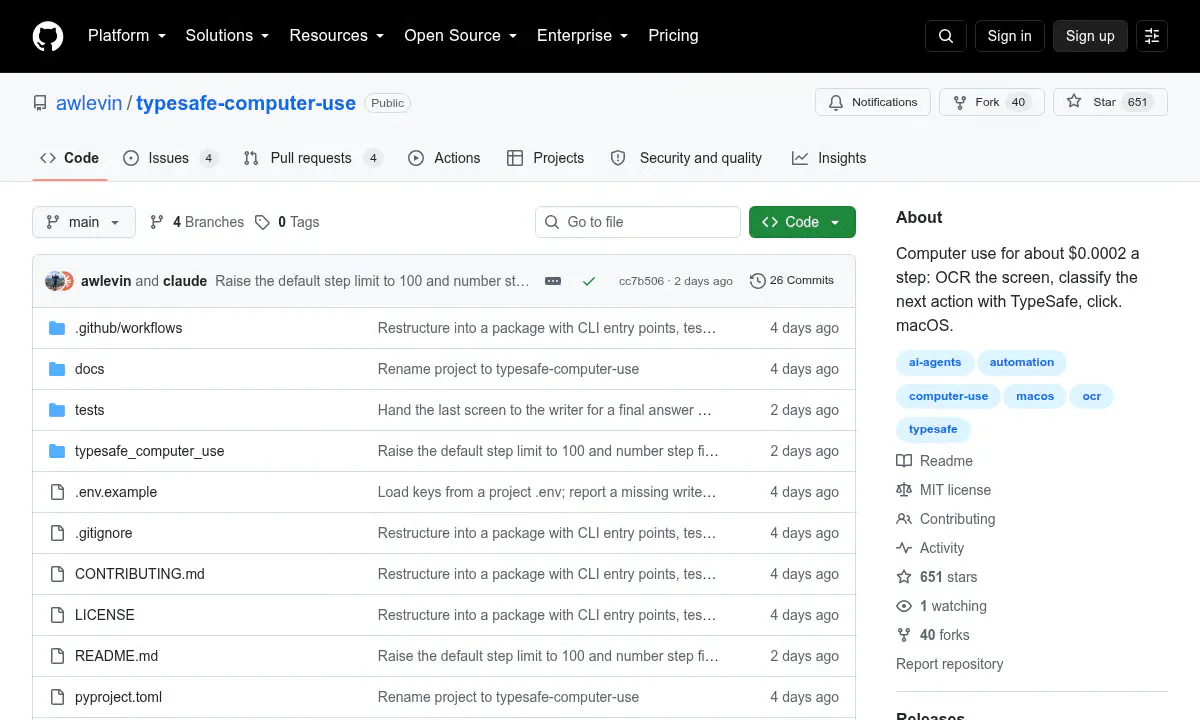
A macOS agent skips screenshots to frontier models, uses OCR plus a tiny classifier called TypeSafe, and runs steps for a fiftieth of a cent.
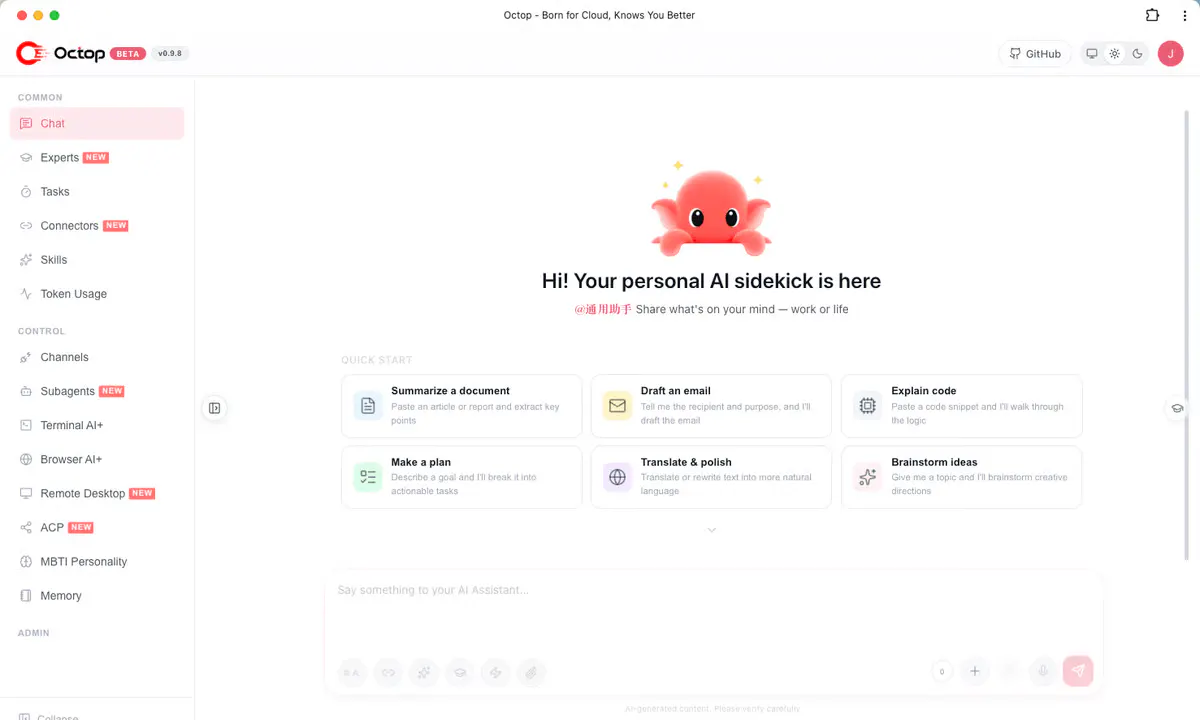
Tencent Cloud open-sourced Octop, a single-process, self-hosted AI assistant that gives every user their own team of MBTI-flavored agents across web, CLI, and chat apps.
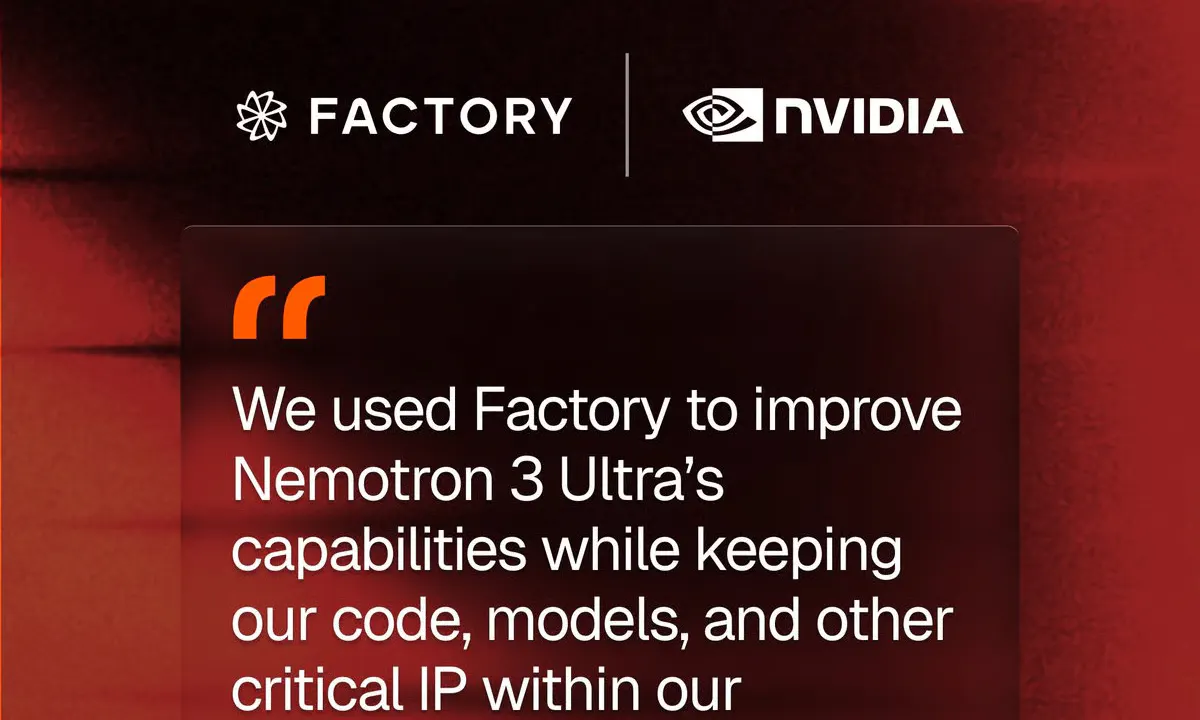
Factory rolls out on-premises and air-gapped deployment for its Droid coding agents, targeting enterprises that cannot ship source code to a vendor cloud.

Meta engineers built a domain expert AI that separates knowledge from reasoning and learns from expert corrections without any model retraining.
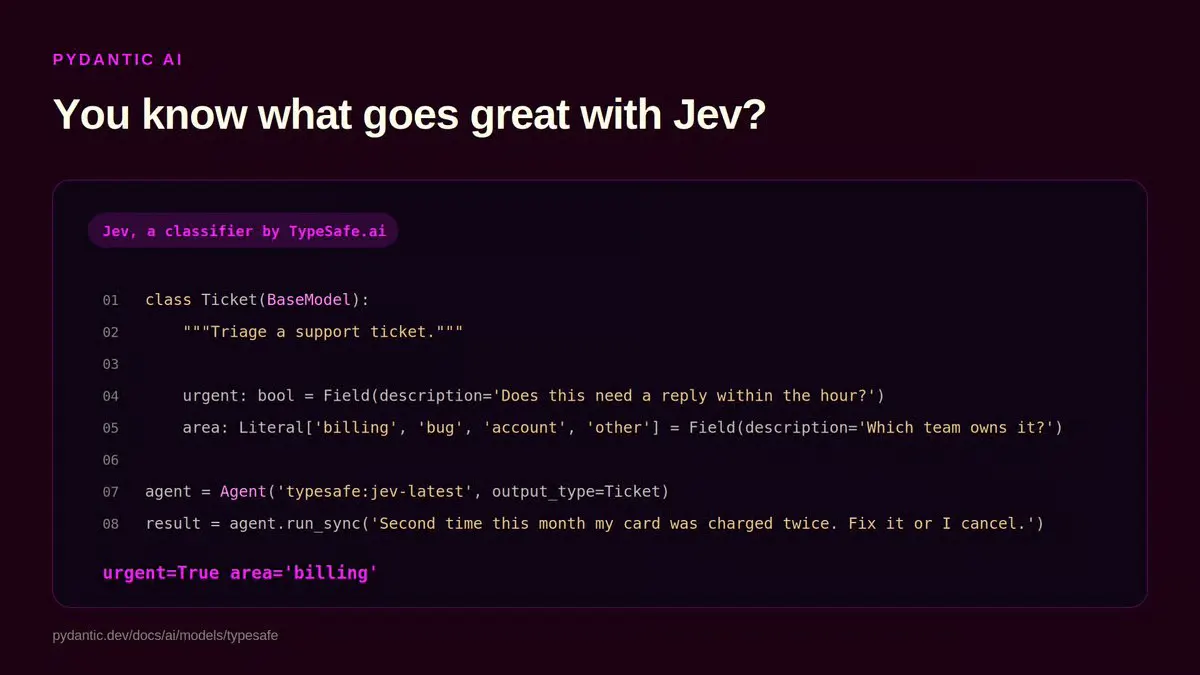
Pydantic AI now supports Jev, a non-generative classifier that answers typed questions in about 180 ms, turning your output_type into the question itself.

Shanghai AI Lab open-sourced Atria Dawn Preview, a 744B-parameter Mixture-of-Experts agentic model with MIT-licensed weights and FP8 checkpoints.
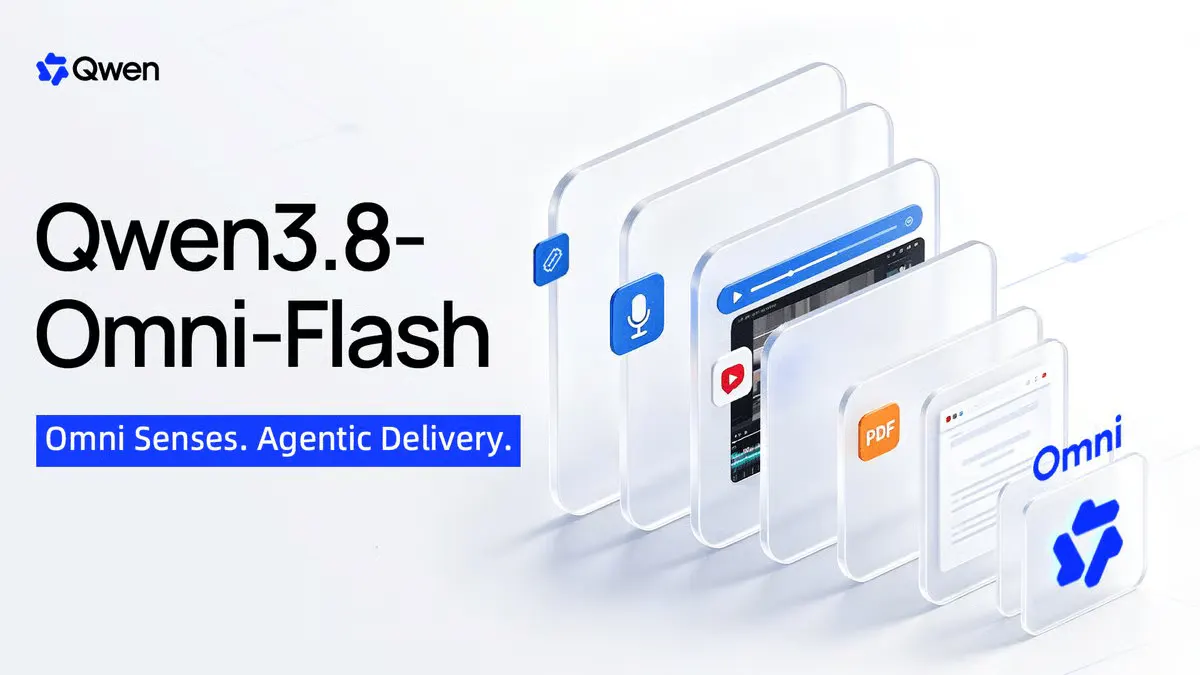
Alibaba's new omni-modal model reasons over audio and video, orchestrates tools across long workflows, and cuts video input costs by roughly 89%.
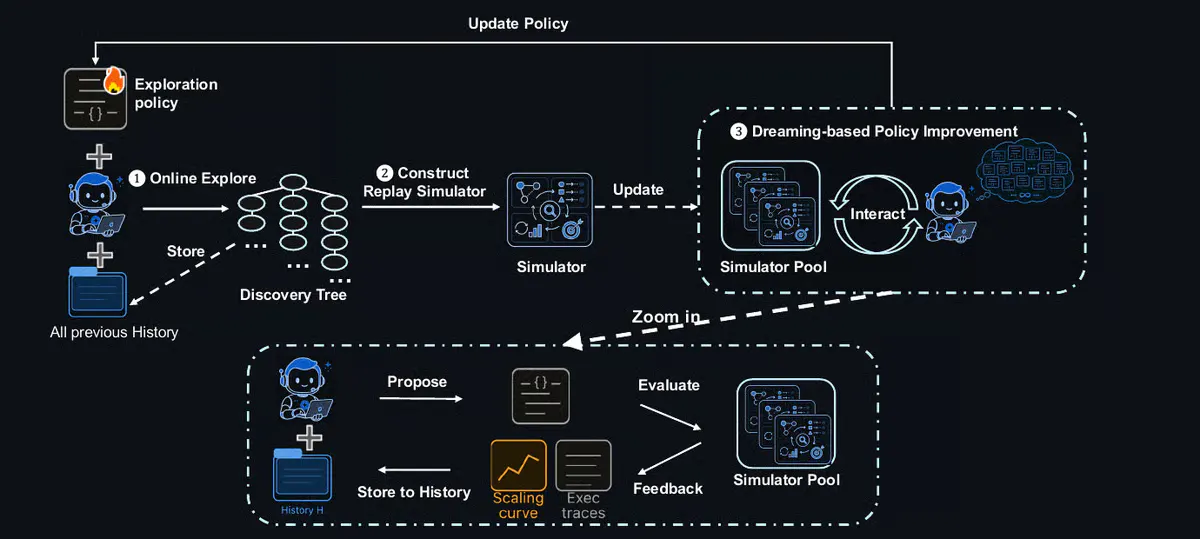
A new preprint reframes recursive self-improvement as dreaming inside a replay simulator built from an agent's own discovery history.
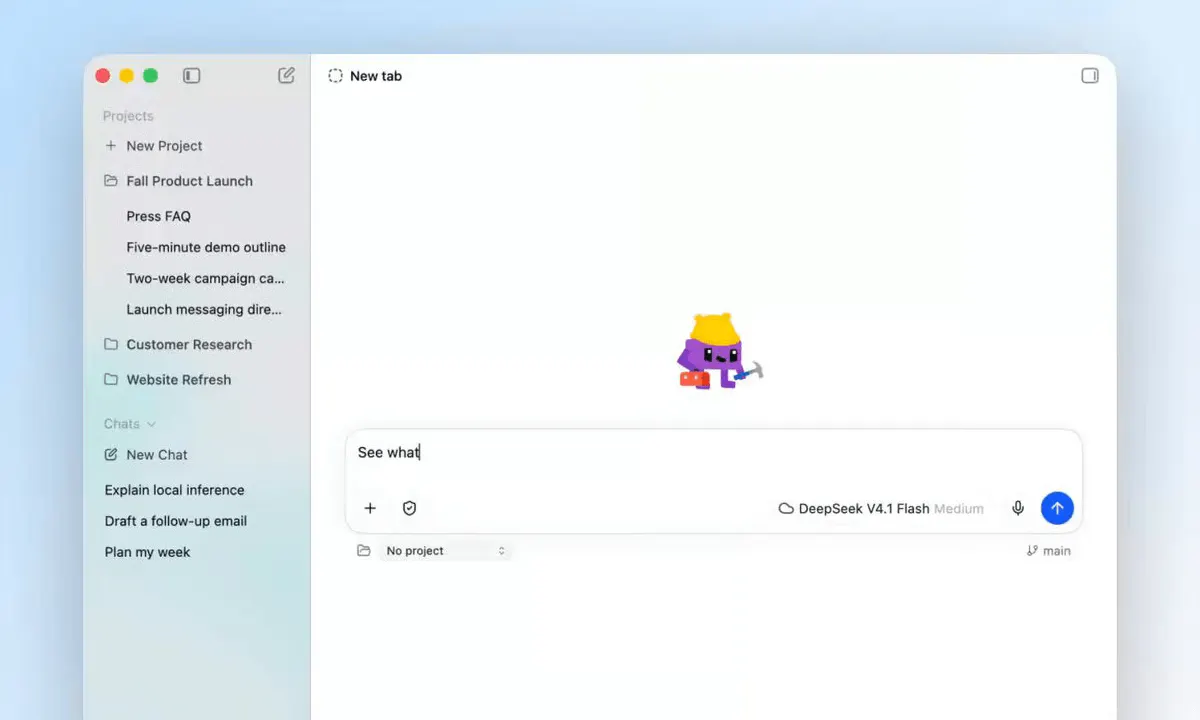
LM Studio's Bionic agent gains the ability to search its own past transcripts, recovering context lost during compaction and pulling in other sessions with @ mentions.
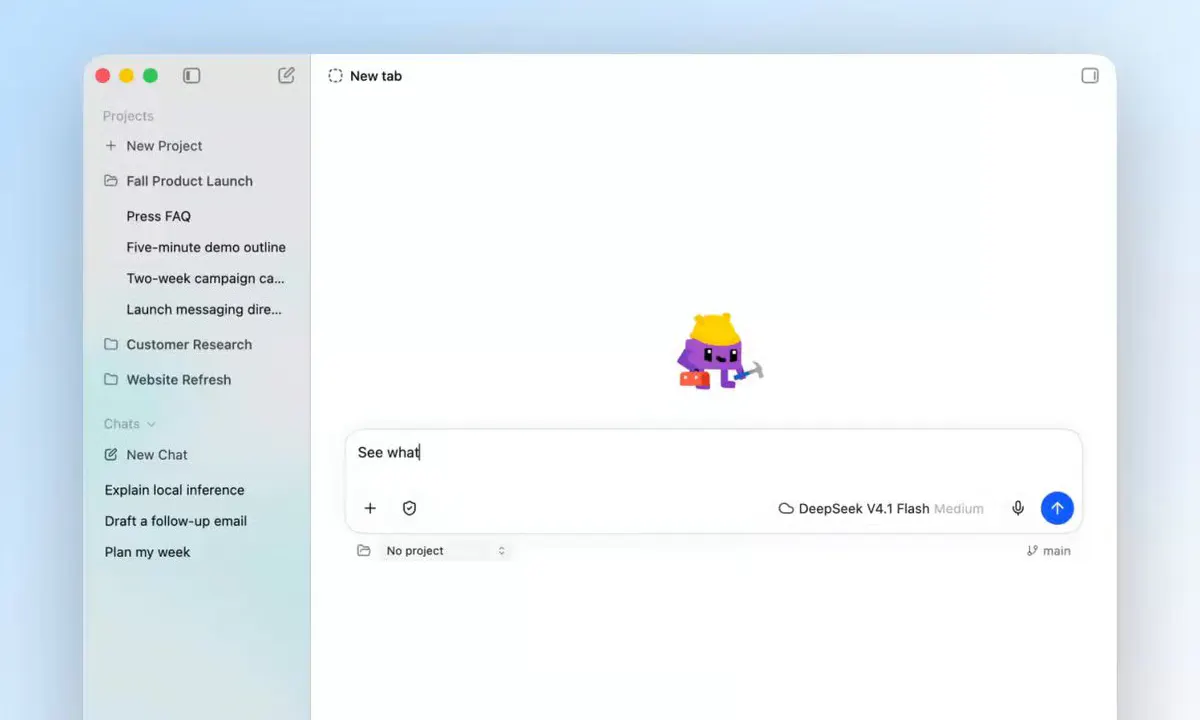
LM Studio's Bionic agent gains tools to search its own past transcripts, recovering details lost to context compaction and letting users @-mention old sessions.
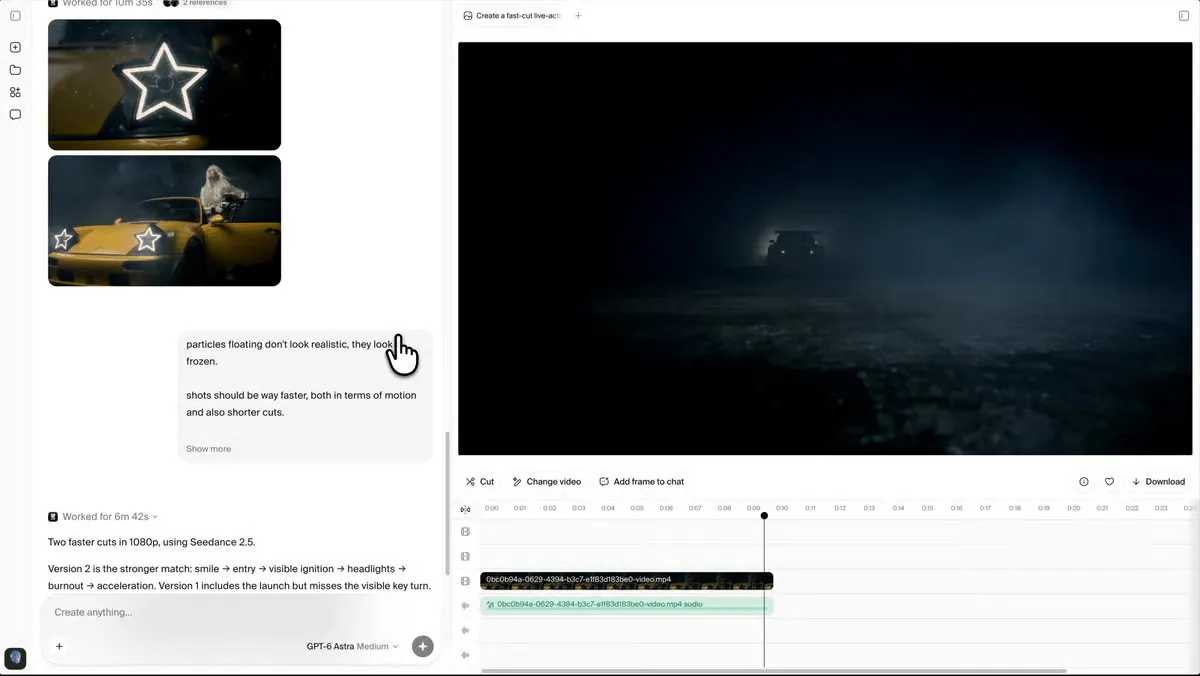
Krea's creative agent gains a timeline editor that lets you stitch generated clips, extend shots, and layer audio without leaving the session.

Google Labs is turning CC from a solo daily-briefing agent into a shared household coordinator with its own Google account and permissions.
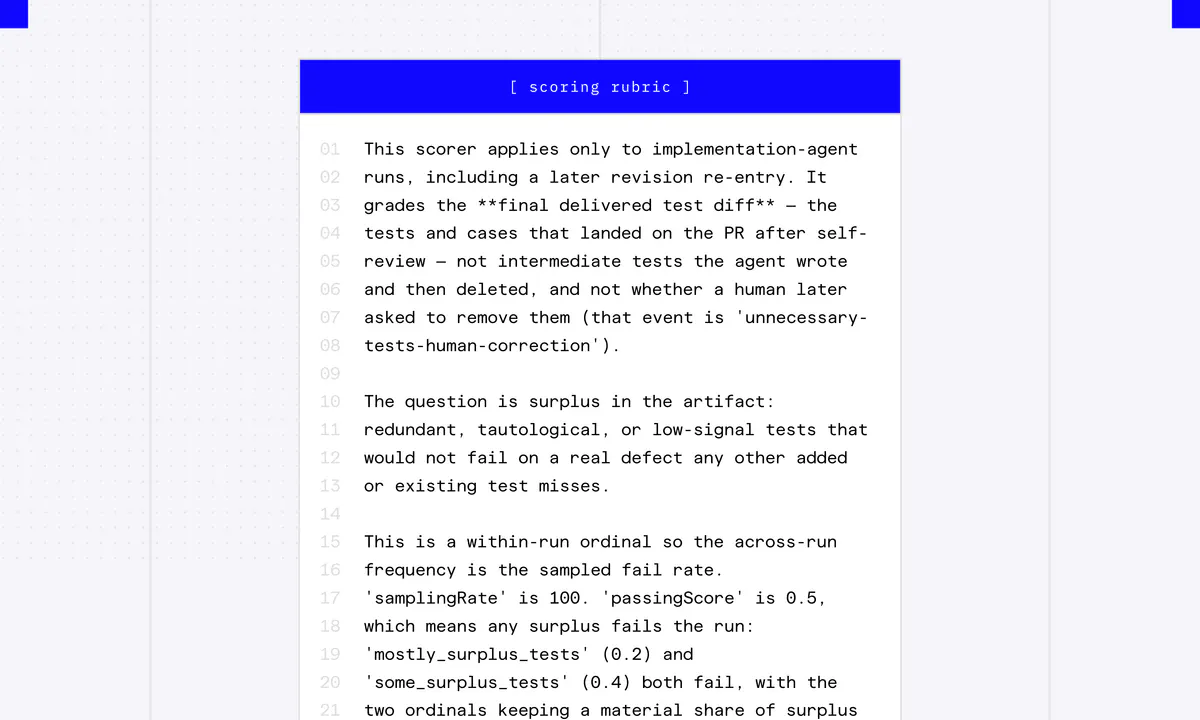
Warp Factories now ships Scorers, LLM-as-judge agents that grade coding agent runs on quality, efficiency, and compliance to drive automatic self-improvement.
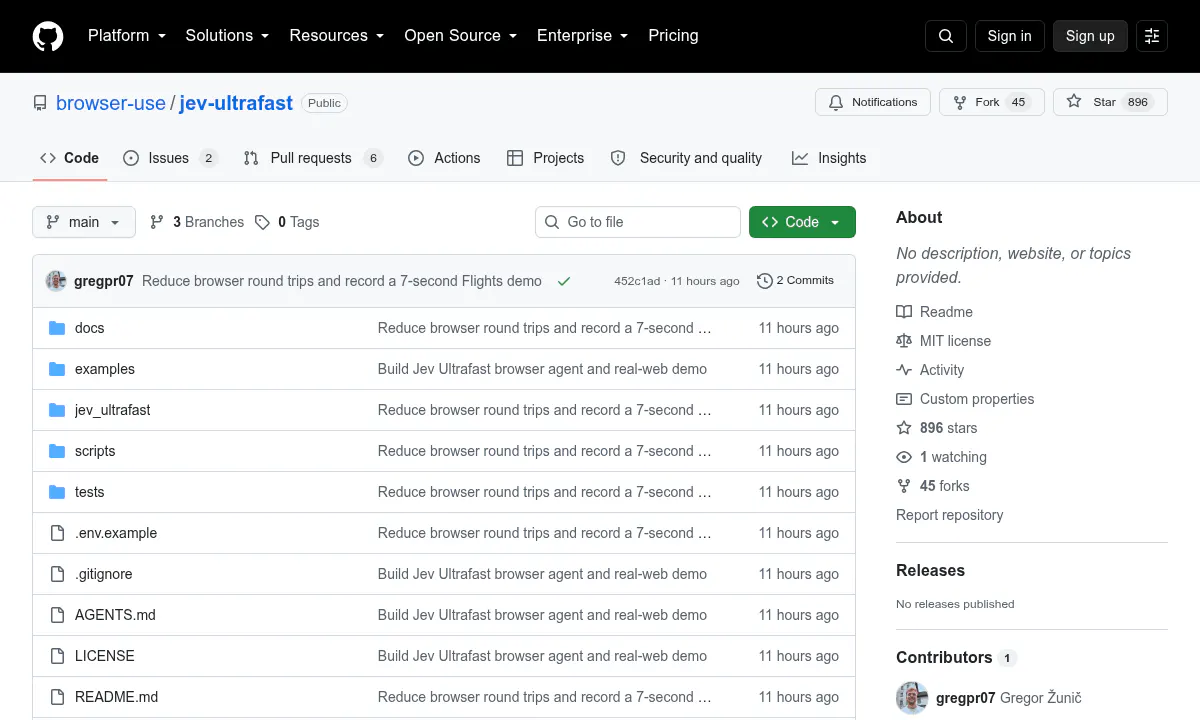
Browser Use released Jev Ultrafast, a tiny open source browser agent that books a Google Flights search in 7 seconds for under half a cent.
No stories match these filters.