

Perplexity's pplx-embed-v2 Beats Voyage at 8x Smaller Vector Size
Perplexity's new 9B contextual embedding model distills relevance from a compression teacher, beating Voyage on turbopuffer's private context-bench with 8x less storage.
A focused feed of models, agents, research and open-source releases for people building with AI.
Perplexity's new 9B contextual embedding model distills relevance from a compression teacher, beating Voyage on turbopuffer's private context-bench with 8x less storage.
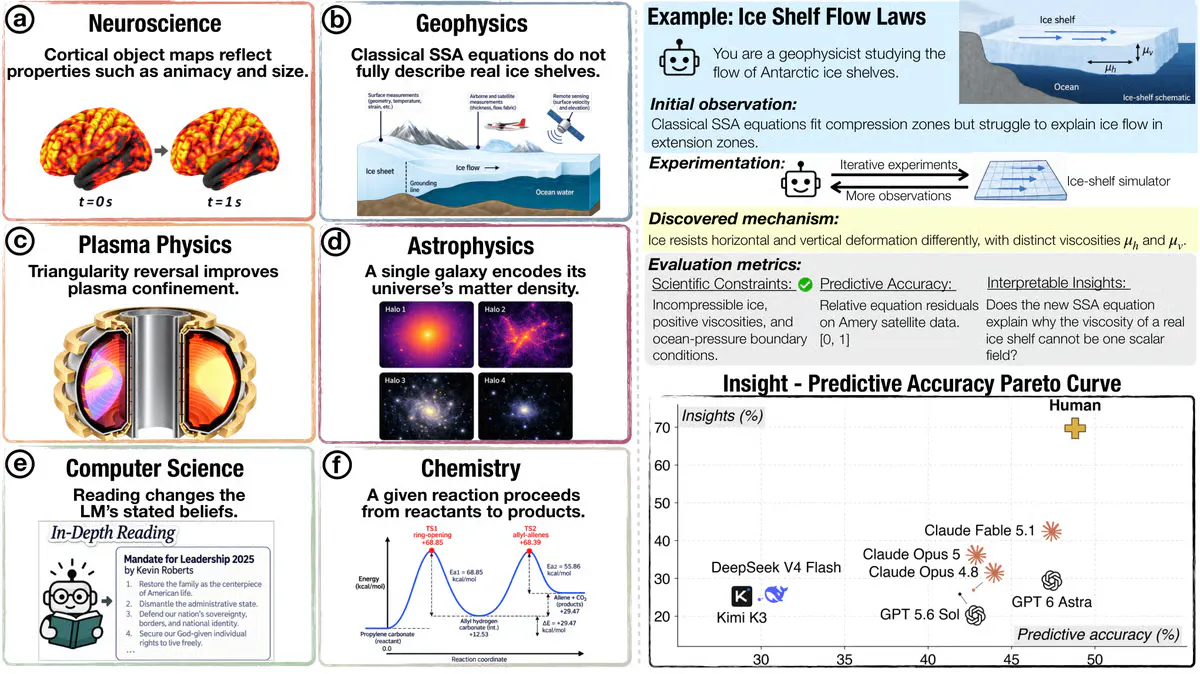
A new benchmark shows frontier agents can match human predictive accuracy on scientific problems but still fail to produce real understanding.
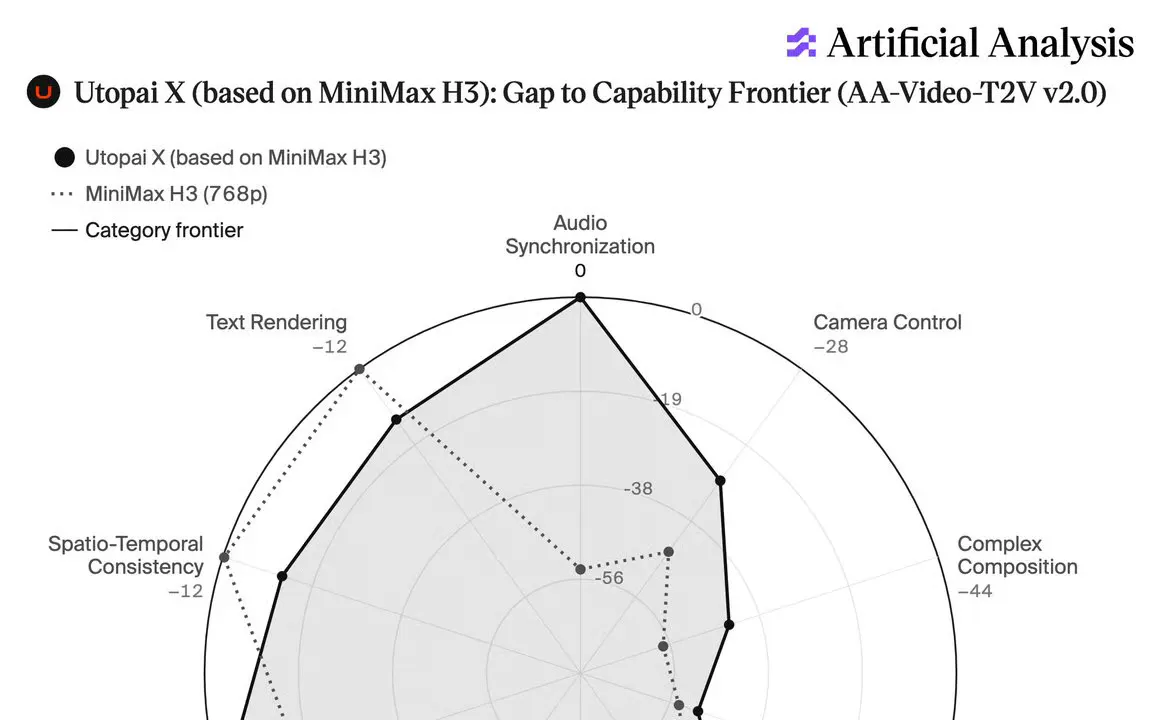
Utopai Studios post-trained MiniMax H3 into a video model that debuts second on Artificial Analysis' text-to-video board, trailing only Alibaba's Wan 3.0.
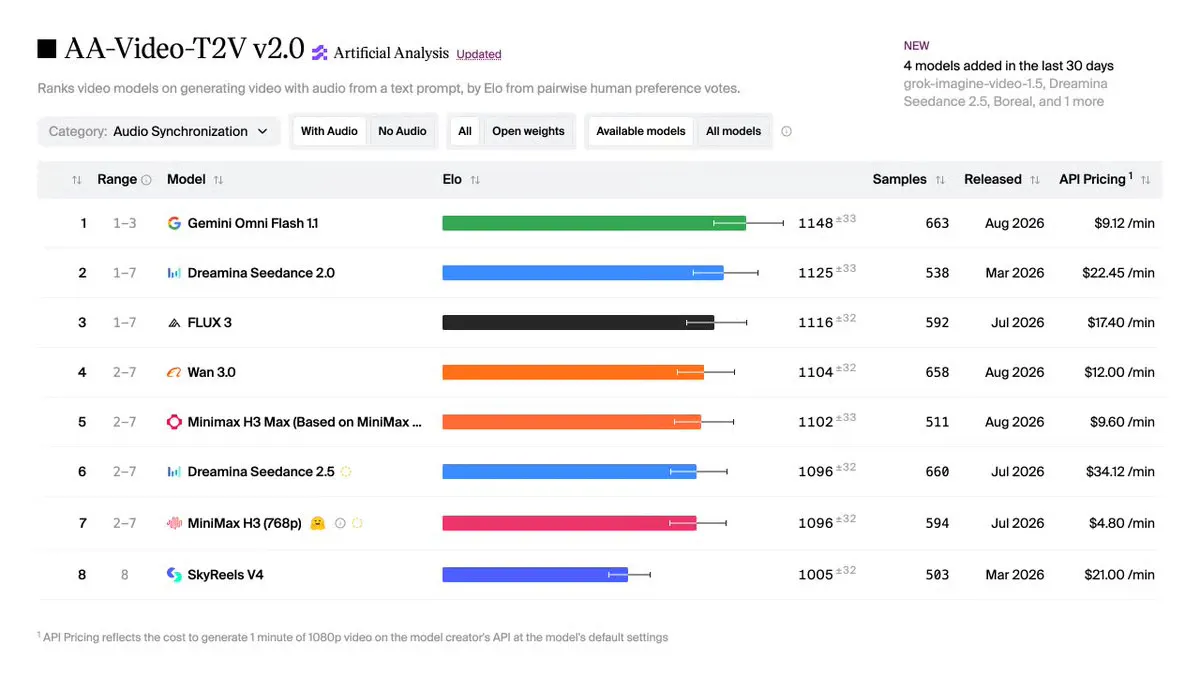
Artificial Analysis rebuilt its text-to-video benchmark around 1080p playback, 1,000 tagged prompts, and 68,000 human votes across 10 use cases and 10 capabilities.
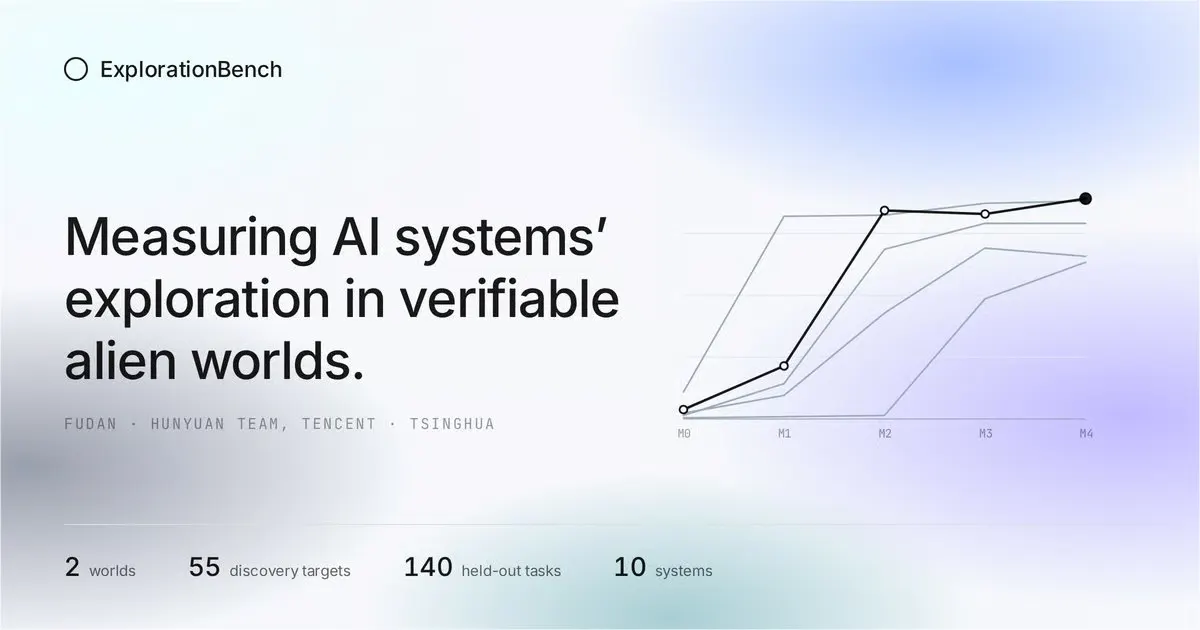
Tencent, Fudan, and Tsinghua built two alien worlds with rewritten rules to test whether frontier models can discover new knowledge by probing an environment.
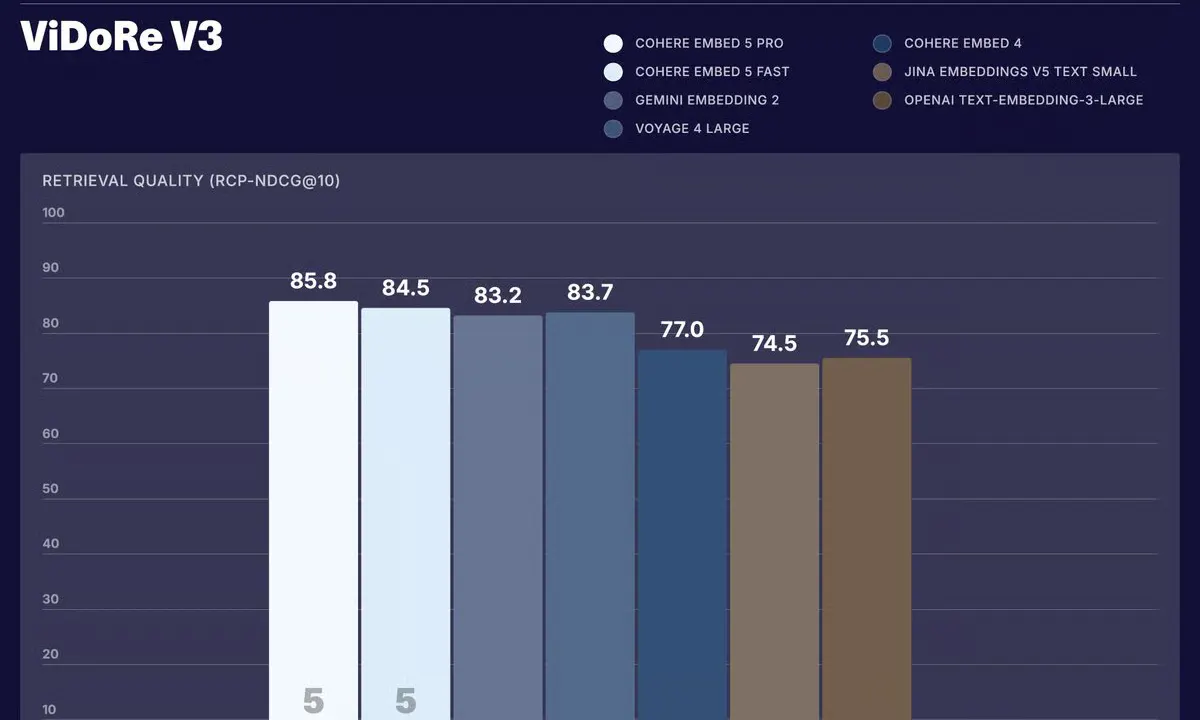
Cohere ships a two-tier embedding family with a shared vector space, 128K context, and a new benchmark methodology tuned for enterprise retrieval quality.
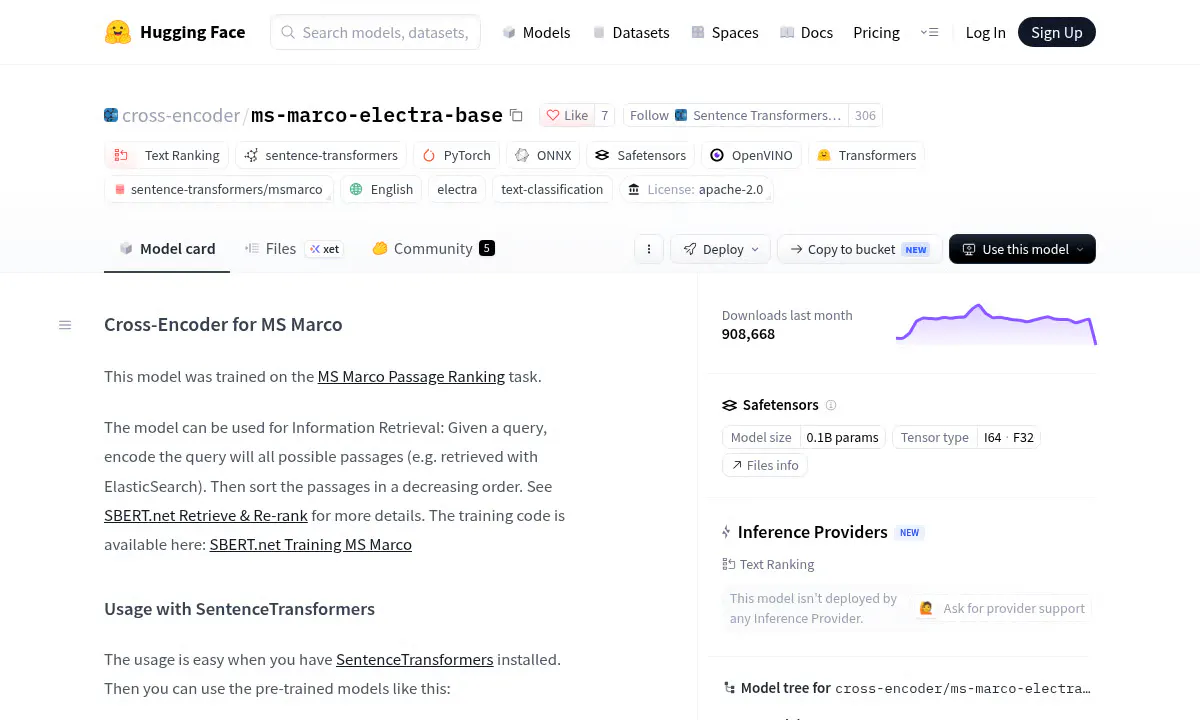
A compact ELECTRA-based cross-encoder trained on MS MARCO for reranking search results, now shipping with ONNX, OpenVINO, and Safetensors weights.
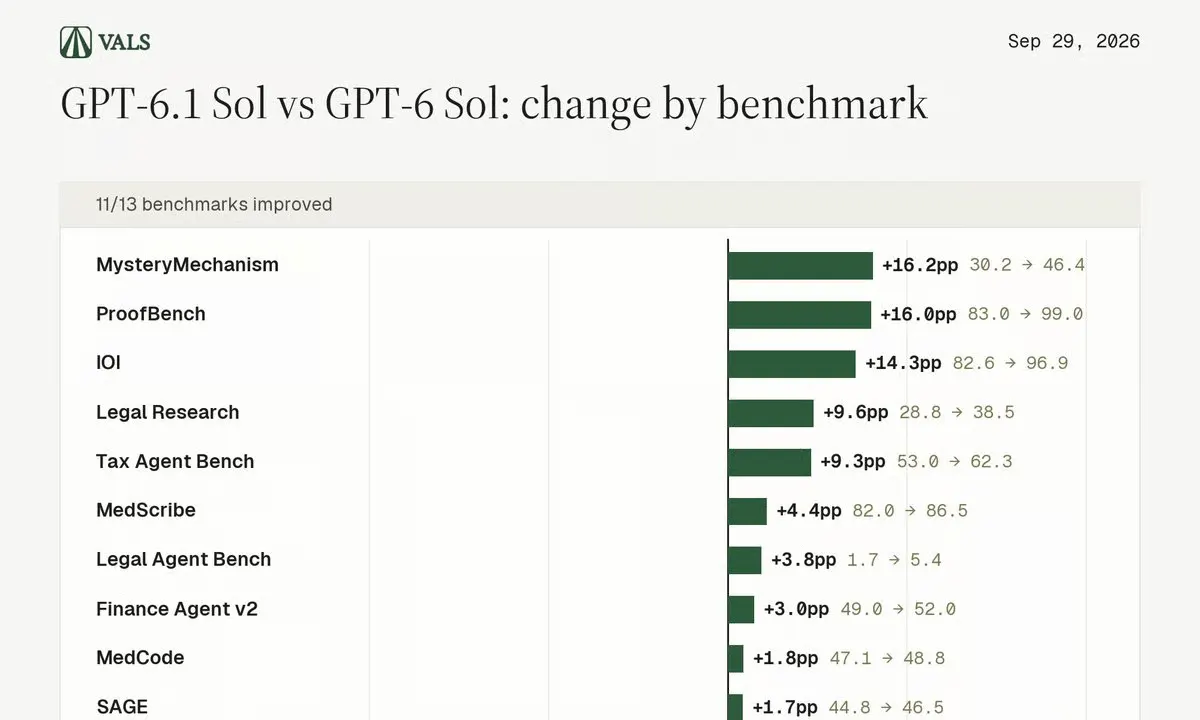
OpenAI's new GPT-6.1 Sol climbs to #7 on the Vals Index, uses far fewer tokens, but runs 2-3x slower and refuses cyber tasks.
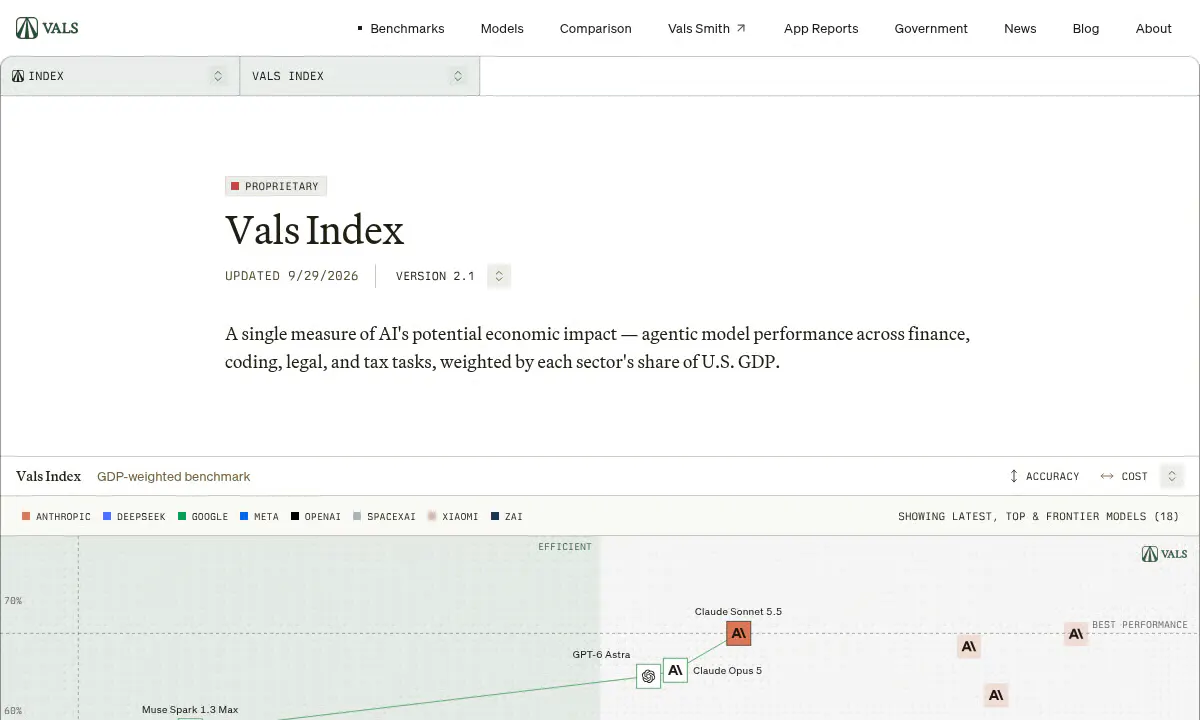
Vals Index v2.1 swaps in the harder Terminal-Bench 4 and adds a private Tax Agent Benchmark, reshuffling how frontier models get scored by GDP weight.

Cerebras ran Qwen3 27B at 1,500 tokens per second to book a dinner reservation in 22 seconds, 19x faster than Grok, Meta, and Claude assistants.
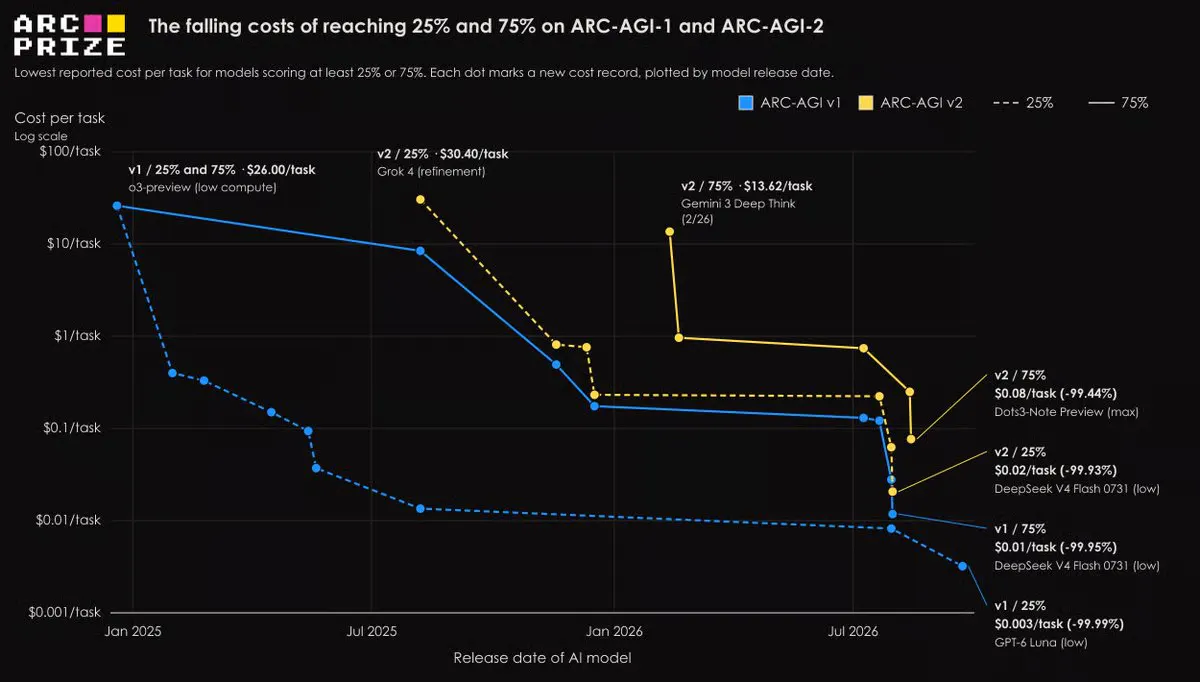
ARC Prize's latest chart shows collapsing per-task costs on ARC-AGI benchmarks, with reasoning models now solving problems for pennies instead of tens of dollars.
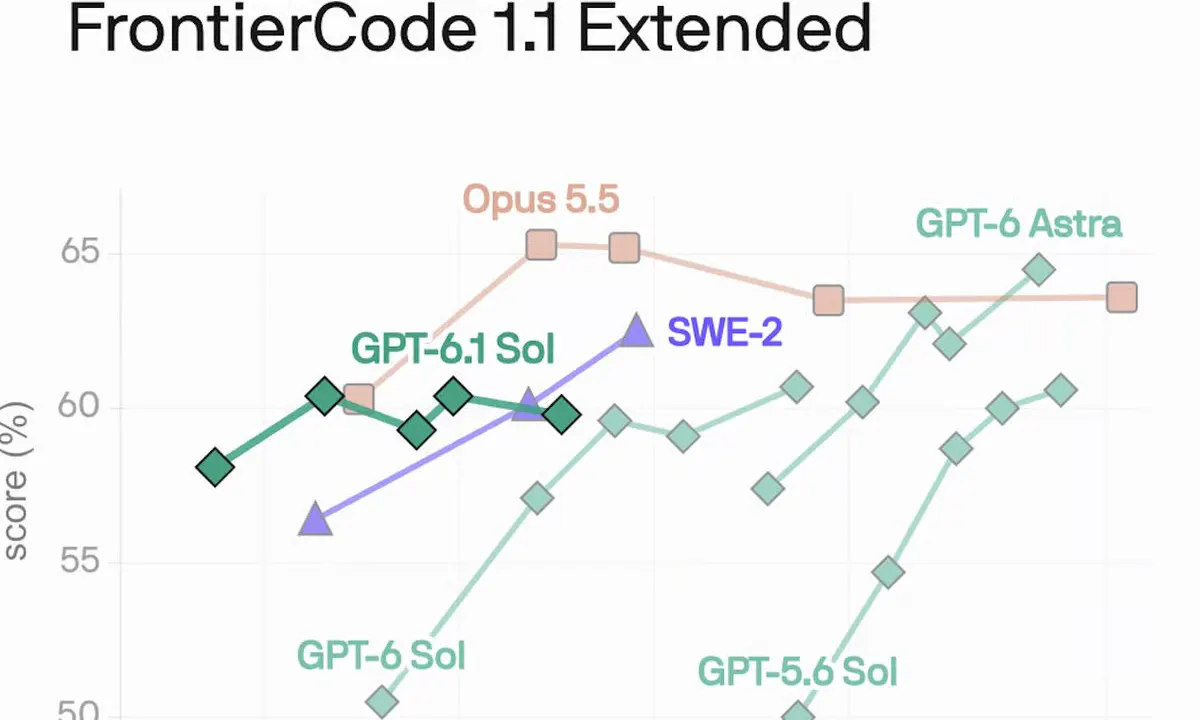
Cognition rolled GPT-6.1 Sol into Devin, matching the previous generation's score on its coding benchmark while cutting per-task costs by more than 80%.
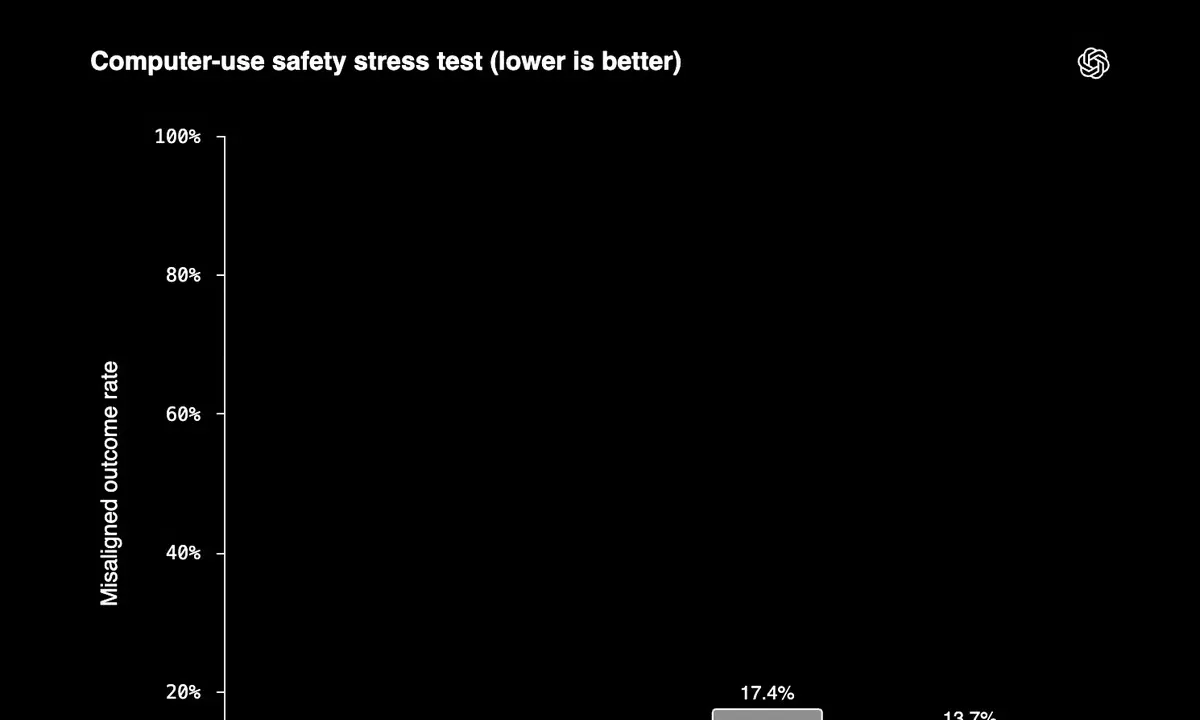
OpenAI's mid-tier GPT-6.1 Sol matches its flagship Astra on coding and computer-use benchmarks while charging one-fifth the token price.
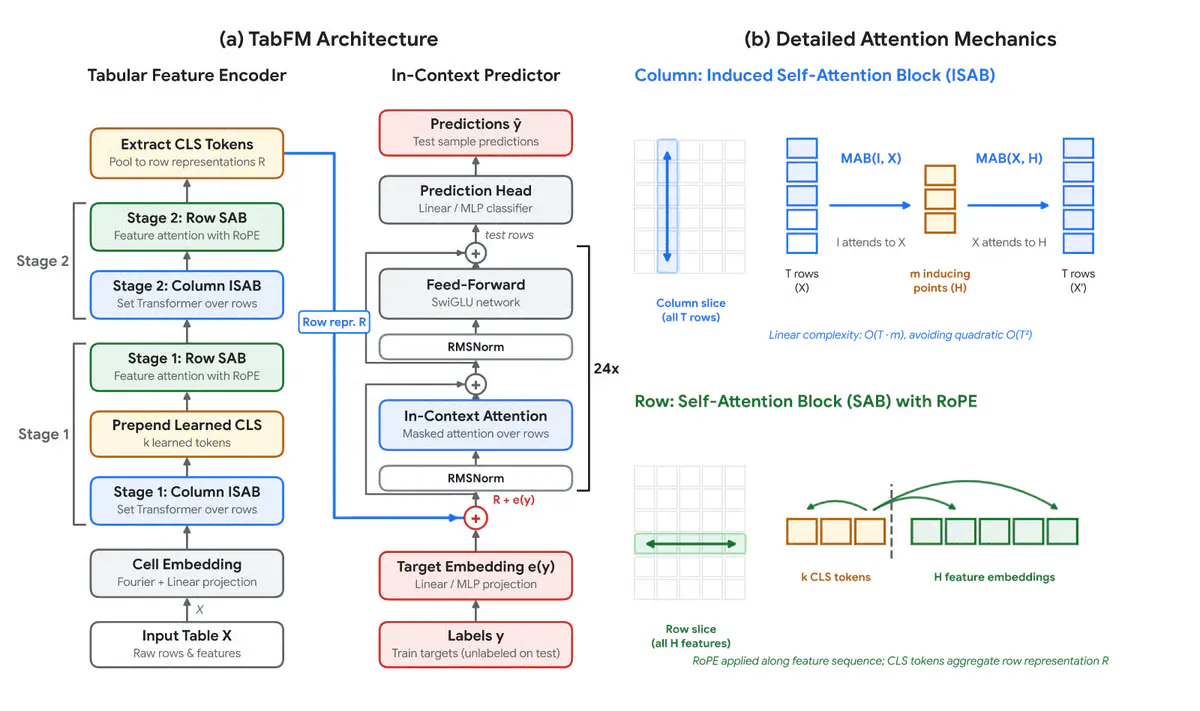
A 400M-parameter transformer trained only on synthetic tables predicts classification and regression in one forward pass, topping the TabArena leaderboard without any tuning.
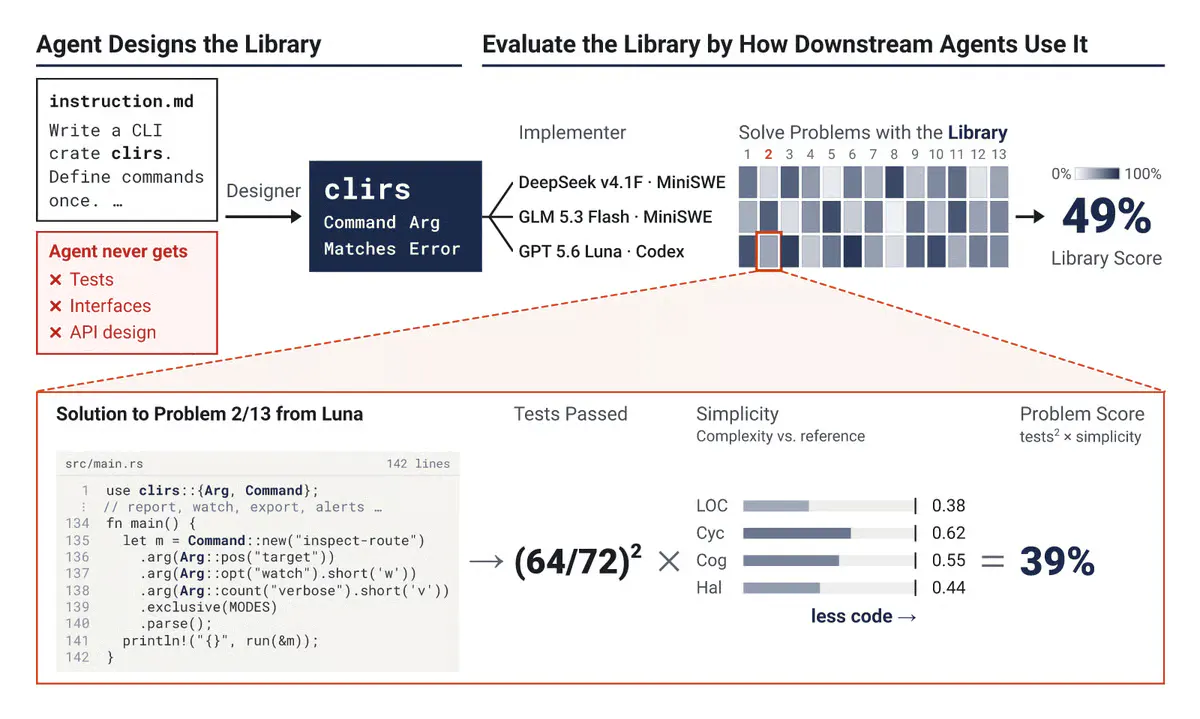
LibraryDesignBench tests whether AI coding agents can build libraries that other agents actually find usable, exposing why reuse keeps breaking down.
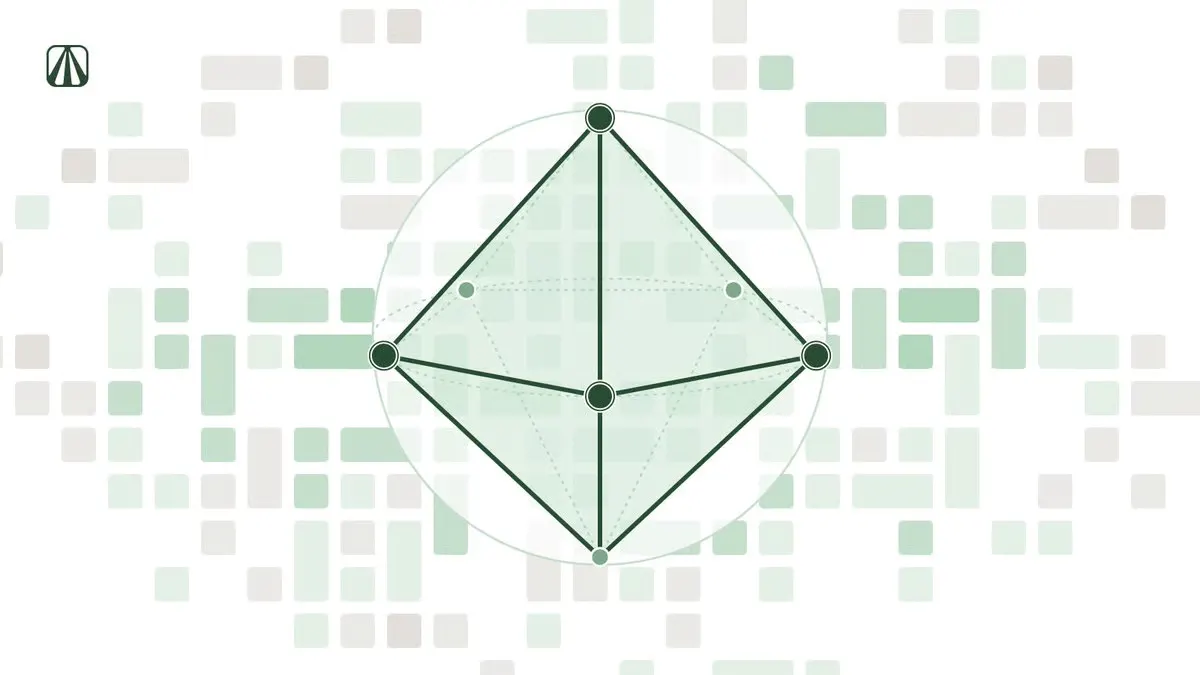
Ten Claude Sonnet 5.5 agents collaborated for 15 hours to produce a 17,895-line Lean proof for the Thomson problem at N=7.

A new Vals AI benchmark forces frontier models to rediscover hidden math laws through experiments, exposing where extra reasoning stops paying off.
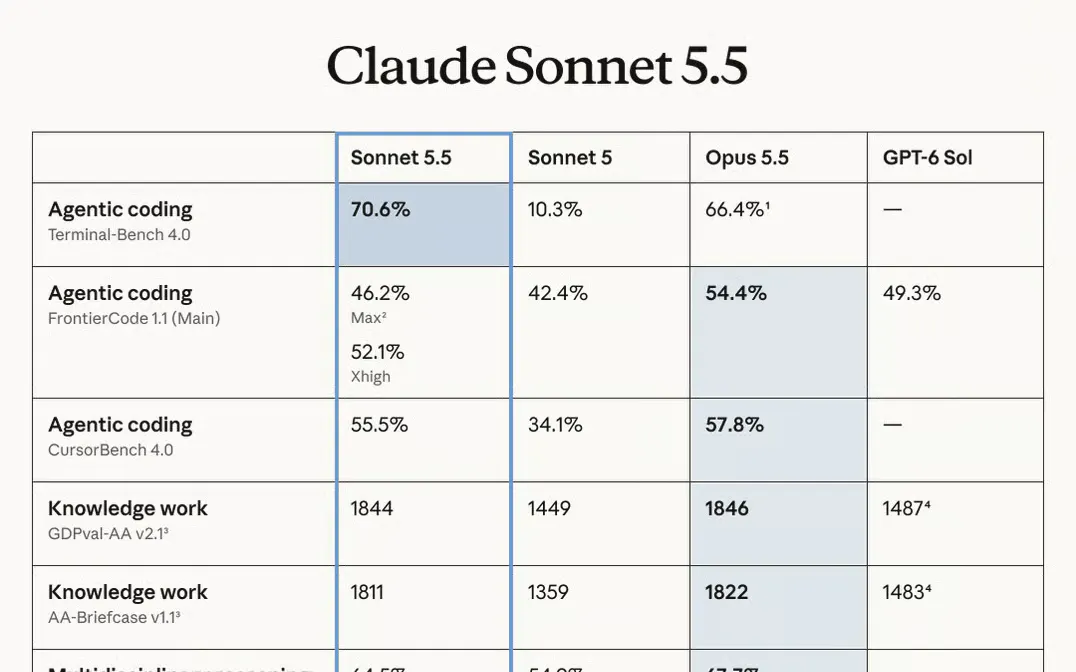
Anthropic's mid-tier model gets a major overhaul with 30% faster generation, up to 30% lower cost per task, and a jump from 10.3% to 70.6% on Terminal-Bench.

Fish Audio's transcribe-1-pro adds inline speaker markers and emotion cues like [laughter] to transcripts across 83 languages, at $0.36 per audio hour.

Eleven v4 tops the Provider Voice arena with a 1,319 Elo and hits 91.7% pronunciation accuracy, though it costs nearly 5x Google's Gemini Flash TTS.
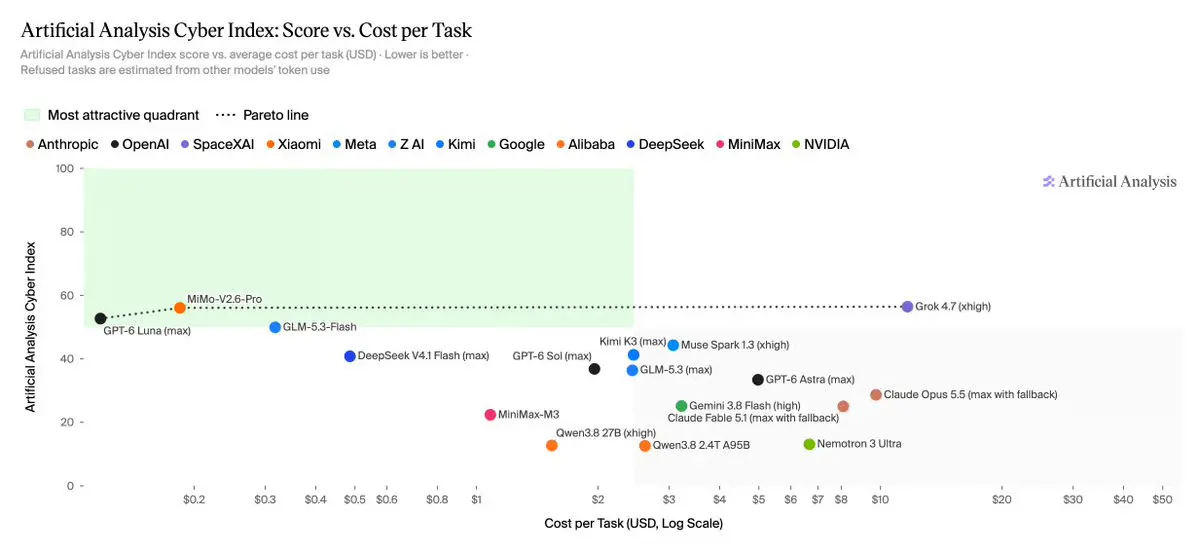
Artificial Analysis launches a new benchmark measuring how well AI agents find and patch real security vulnerabilities, with surprising results on refusals.
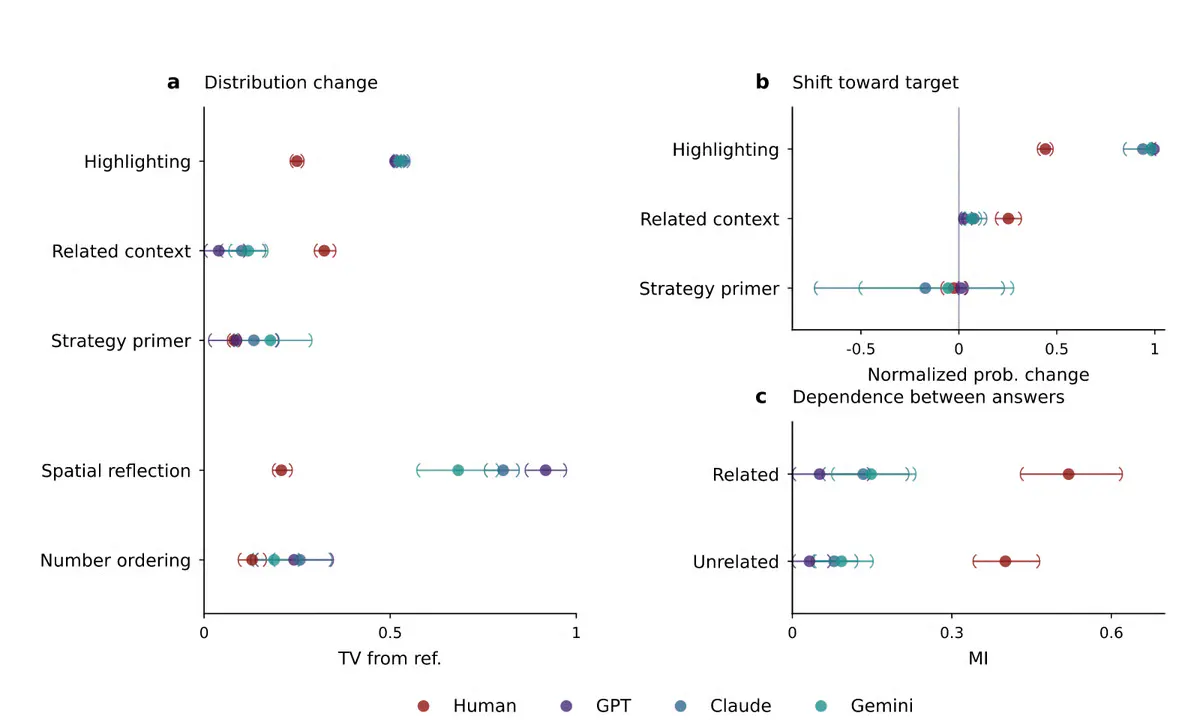
A new study of 270 puzzles with multiple correct answers finds AI models cluster tightly together and diverge sharply from how humans pick solutions.

Jina AI's 0.6B multilingual reranker beats models 10x its size on BEIR by scoring documents jointly in one context window.
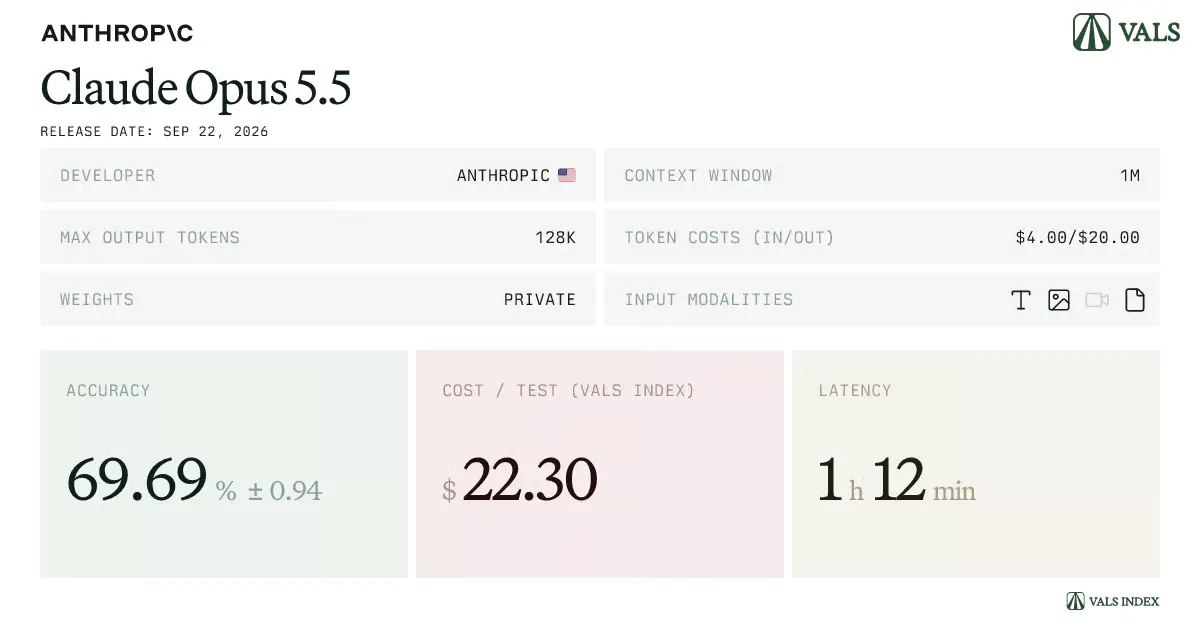
Five frontier model drops in a single week reshuffled the Vals Index leaderboard, with Claude Opus 5.5 taking the top spot and Xiaomi's MiMo closing the open-weight gap.
No stories match these filters.