

Google and Meta Release TorchTPU, Letting PyTorch Run on 8,192 TPU Chips
Google and Meta ship a native PyTorch backend for TPUs with true eager execution, torch.compile, vLLM and SGLang support, and near-linear scaling to full pods.
A focused feed of models, agents, research and open-source releases for people building with AI.
Google and Meta ship a native PyTorch backend for TPUs with true eager execution, torch.compile, vLLM and SGLang support, and near-linear scaling to full pods.
Databricks unveils MemCurrent, a persistent memory system that triples agent pass rates while cutting tokens 31% and latency 26% in production.

Rough concept first, then the words. 10x to 31x faster than strong diffusion models, on 4x to 5x fewer training tokens
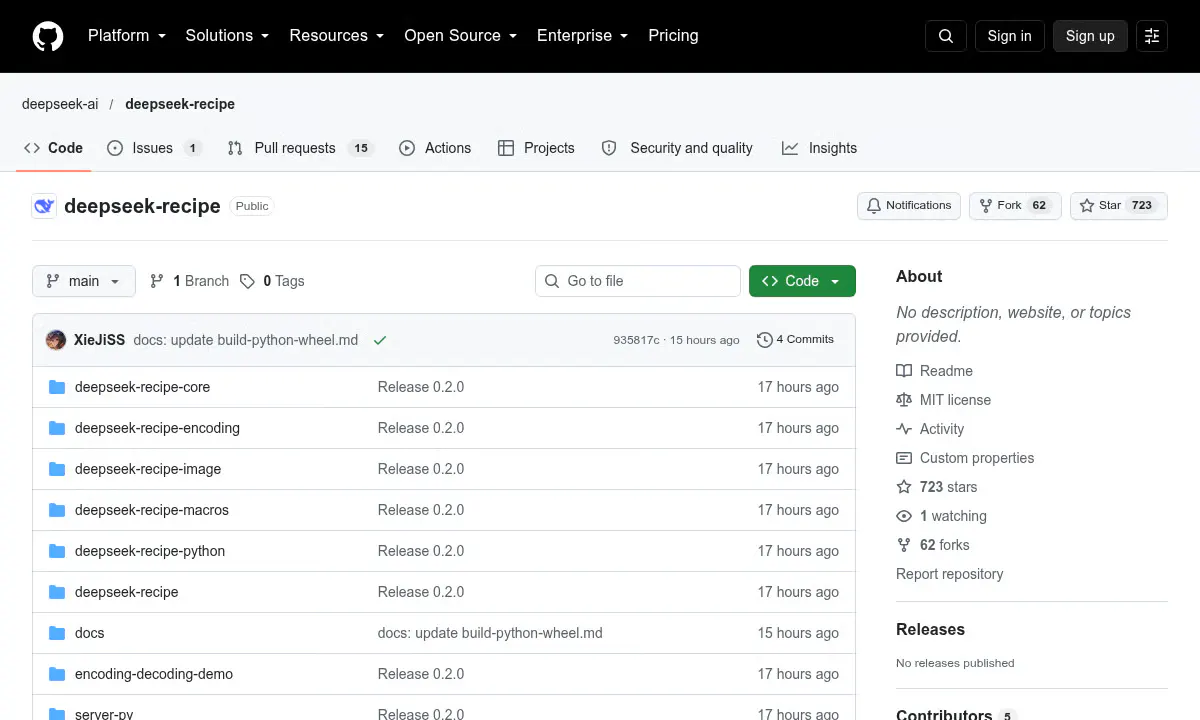
DeepSeek open-sourced DeepInfer and deepseek-recipe, the production stack powering DeepSeek-V4.1-Flash, bringing their internal serving optimizations and API parity to anyone.

SGLang's new plugin framework lets NVIDIA and AMD ship specialized low-latency kernels, cutting DeepSeek-V4.1-Flash decoder time by up to 1.56x.
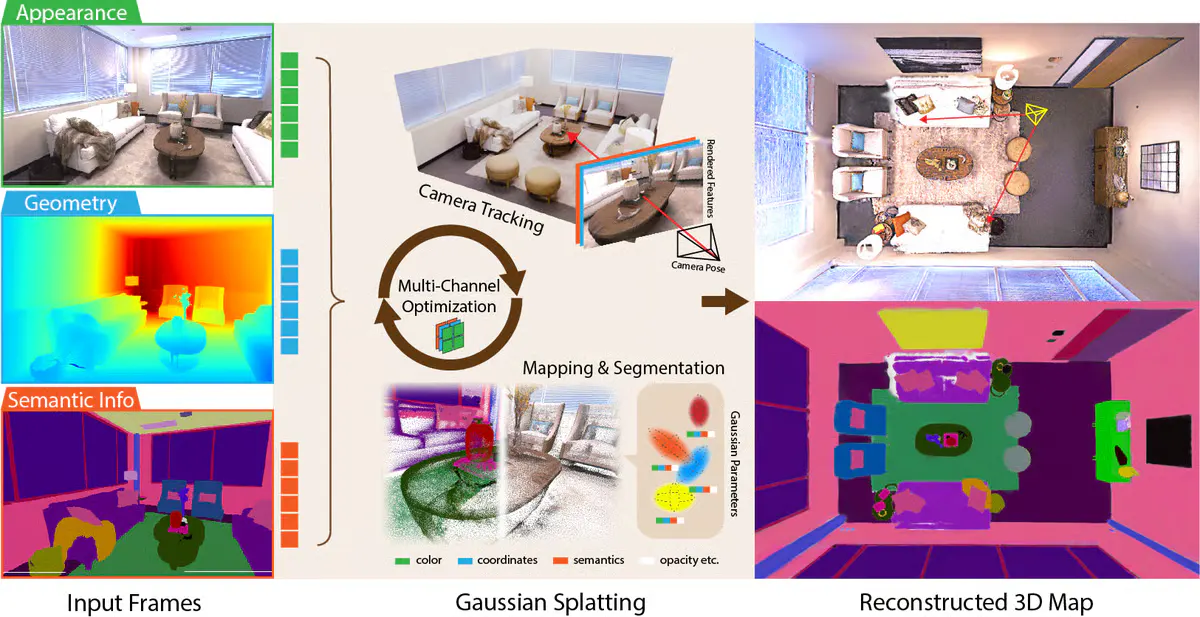
A trending open-source SLAM system fuses 3D Gaussian Splatting with semantic segmentation to deliver object-aware dense reconstruction in real time.
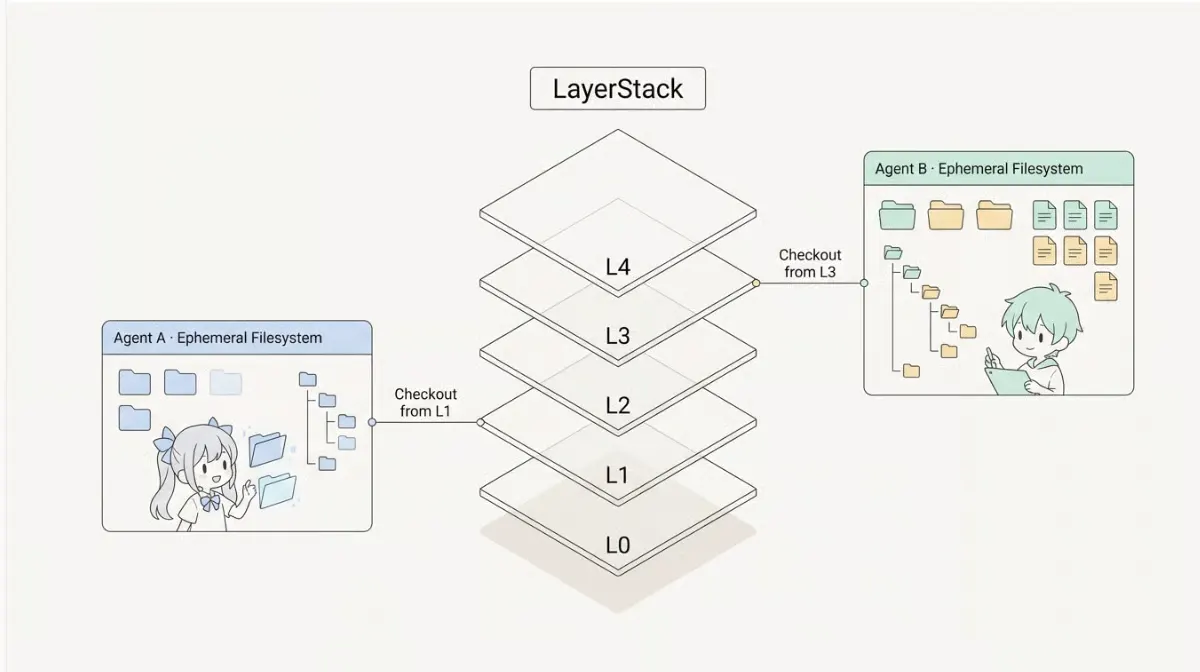
A Rust-based filesystem gives each AI agent a disposable, zero-copy fork of a shared base, enabling cheap branching, rollback, and parallel rollouts.

A unified CuTe DSL decode path on GB300 pushes Kimi K3 to 842 tokens/s at batch 1, up to 2x faster than stock vLLM.

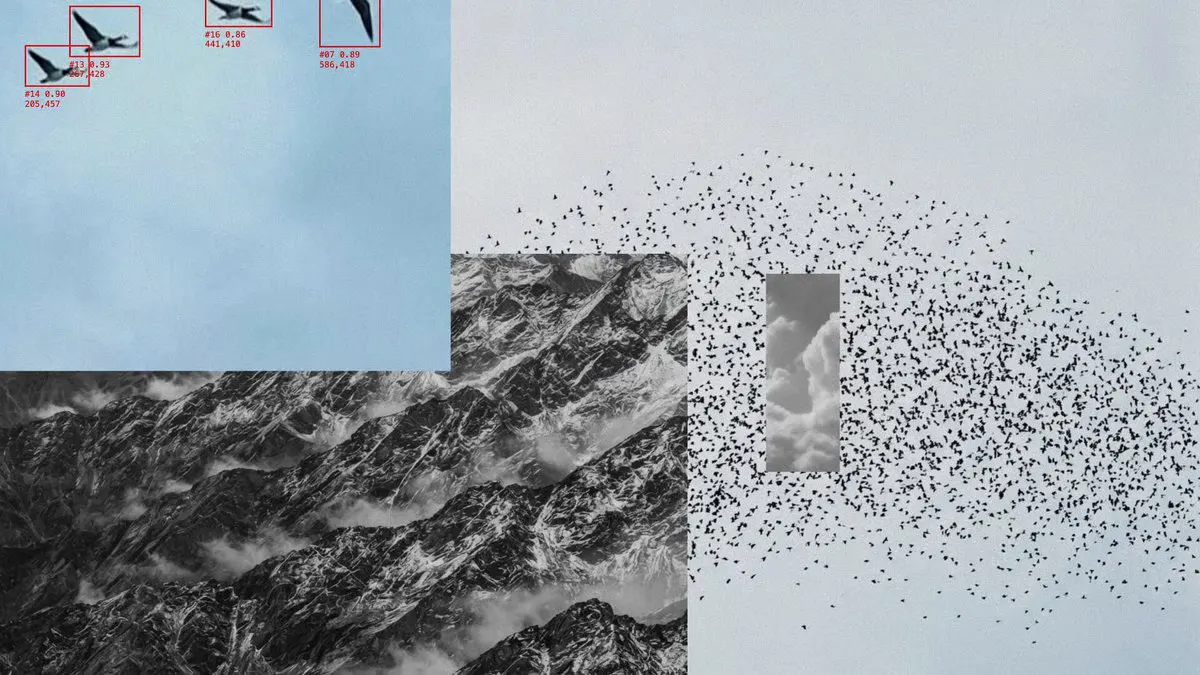
A training-free token compression method keeps Video LLMs accurate even when 99% of visual tokens are thrown away, with a 12.5x prefill speedup.
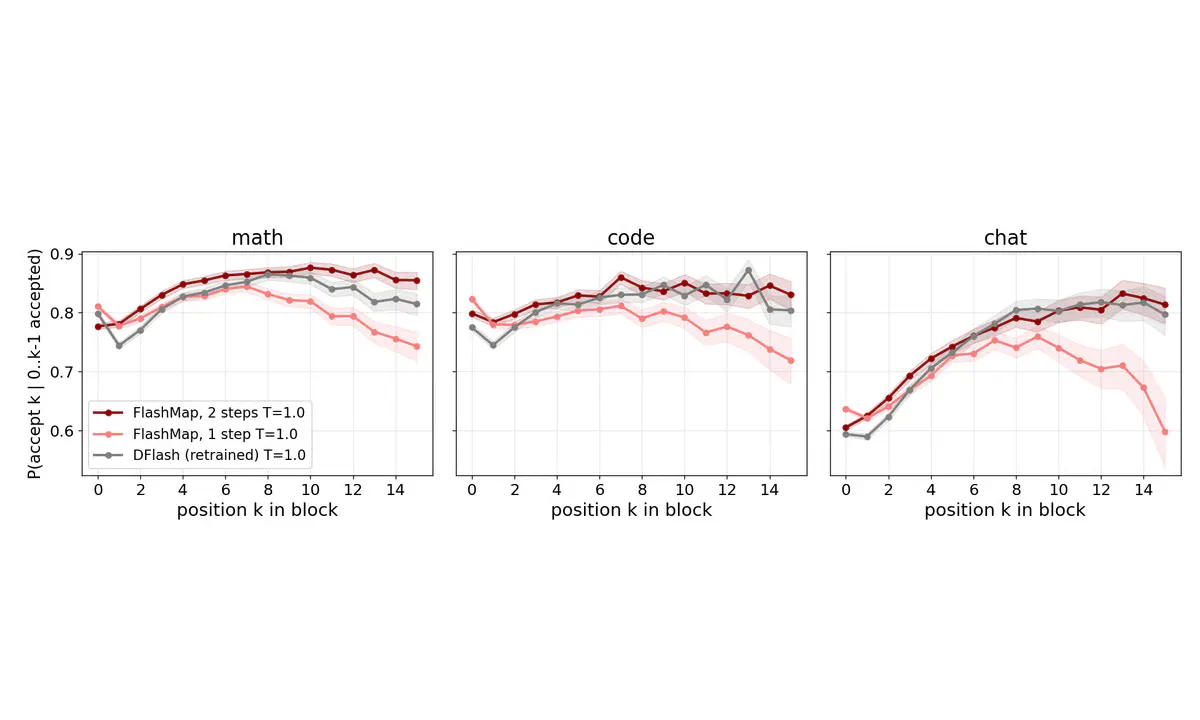
A flow-map drafter conditions on hidden states to generate entire token blocks in one shot, hitting 6.1x lossless speedups on Qwen3-8B.
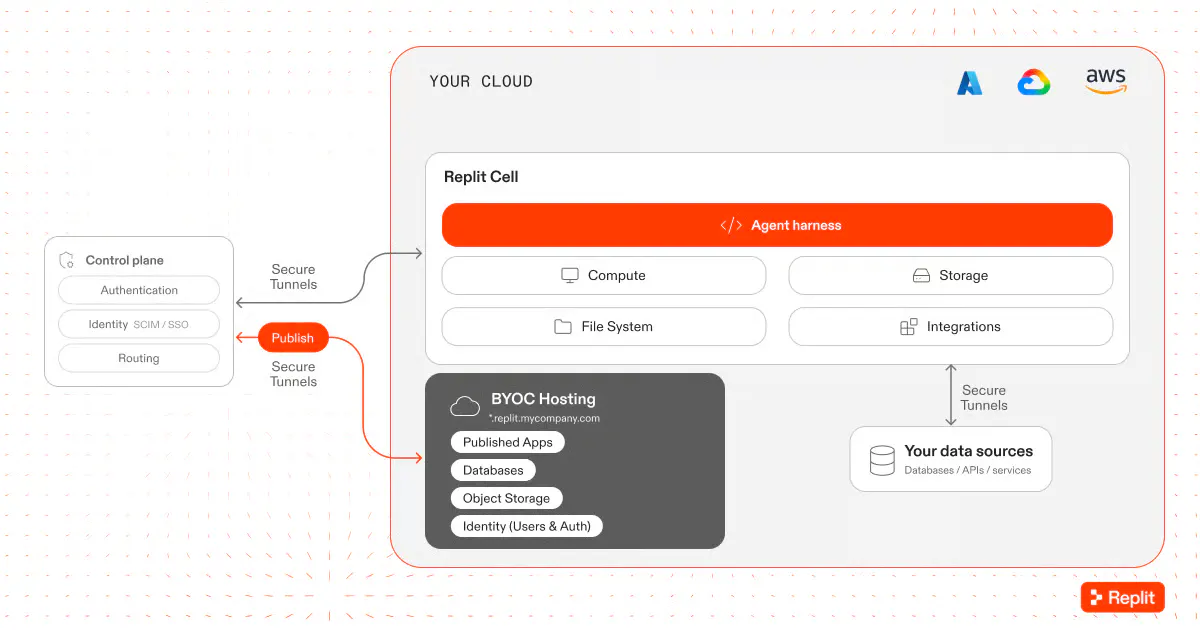
Replit now lets enterprises run its agent platform and published apps inside their own AWS, Azure, or Google Cloud tenants with full data isolation.
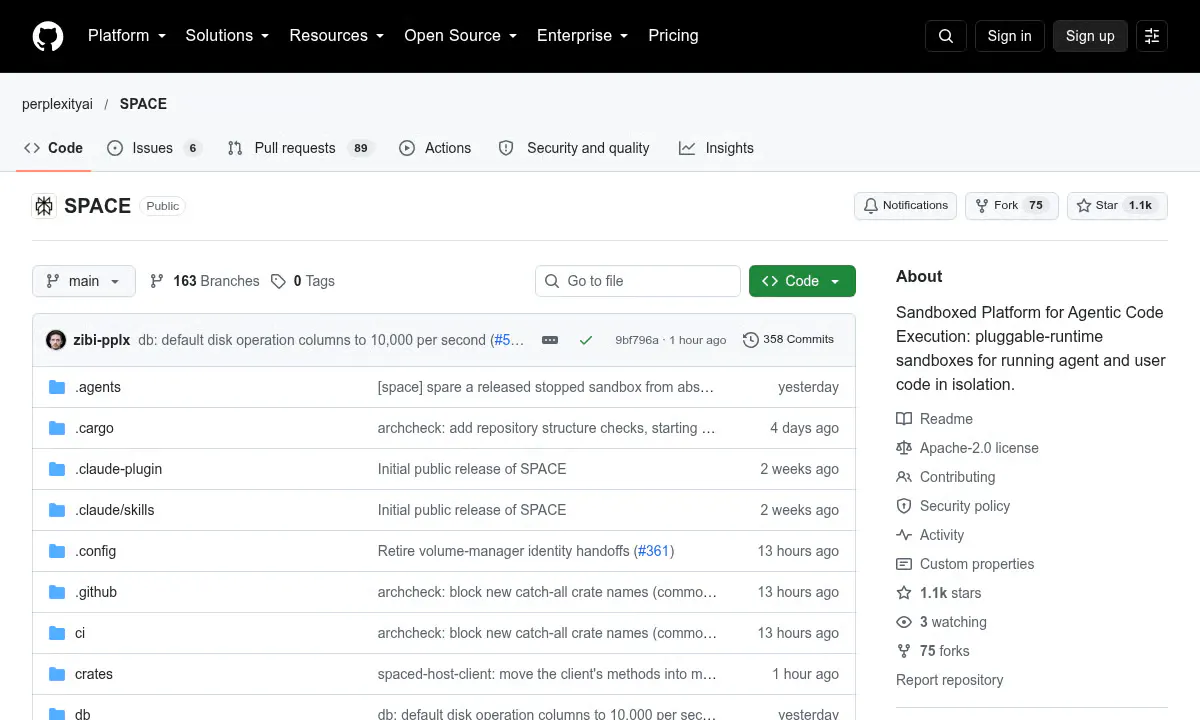
Perplexity open-sourced SPACE, a Rust-based platform that runs untrusted agent code inside Firecracker microVMs with an E2B-compatible HTTP API.

Anthropic's STEM Fellows gave Claude Mythos 5 plain-language briefs for eight quantum circuits, and it beat the best published designs, sometimes by over 10x.
Factory makes Delegations generally available, letting teams hand coding tasks to its Droid agent directly from Slack, Linear, Jira, and Microsoft Teams.

Fish Audio's new 35B mixture-of-experts TTS model takes bracketed stage directions, tops open-weight leaderboards, and ships free under a revenue cap.

Cognition's new SRE agent plugs into Datadog, Sentry and Dynatrace to triage alerts, run investigations and open pull requests for fixes.

vLLM-Omni now serves Fish Audio's 35B directable TTS model with 128 concurrent streams on one H200 and 255 ms median time to first audio.
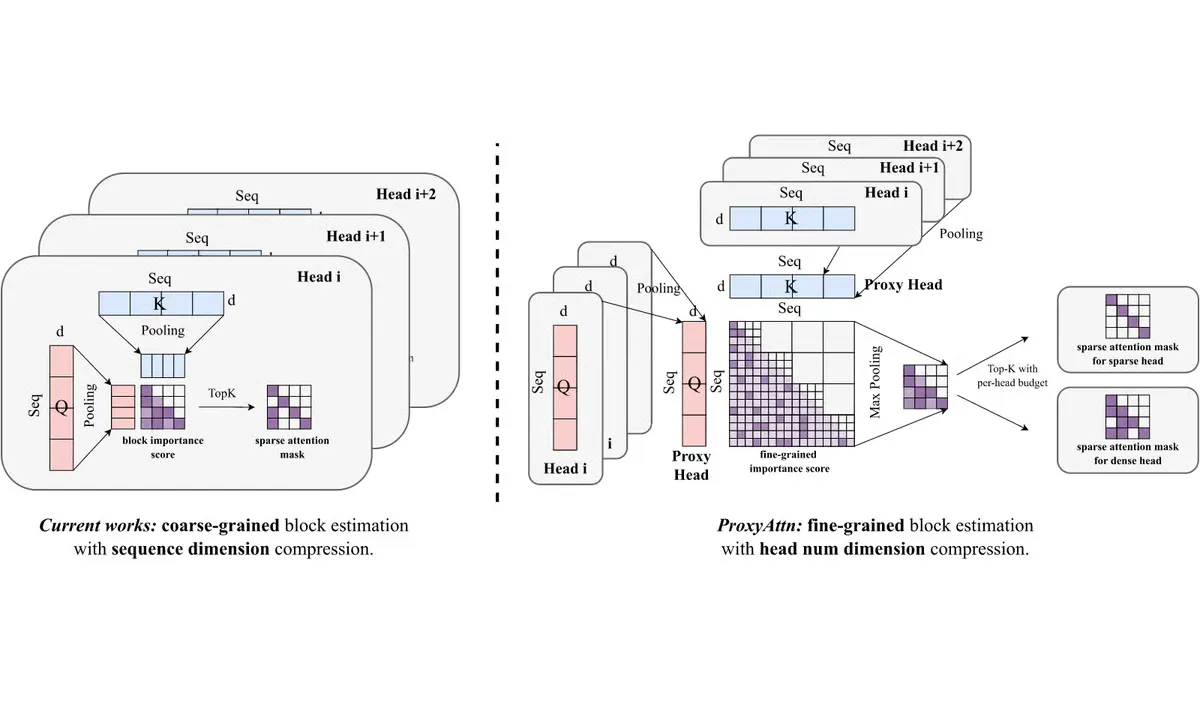
A training-free sparse attention method uses a handful of representative attention heads as proxies, delivering 10.3x attention speedup on long contexts.

Nvidia's Qwen3 14B to 32B mapper is 25.1x vs re-prefill at 32,768 tokens. Cache-to-Cache reports about 2.5x against text
Anthropic's Claude Platform now emits OpenTelemetry traces from the Messages API, Managed Agents, and SDKs so you can debug agents in your existing observability stack.
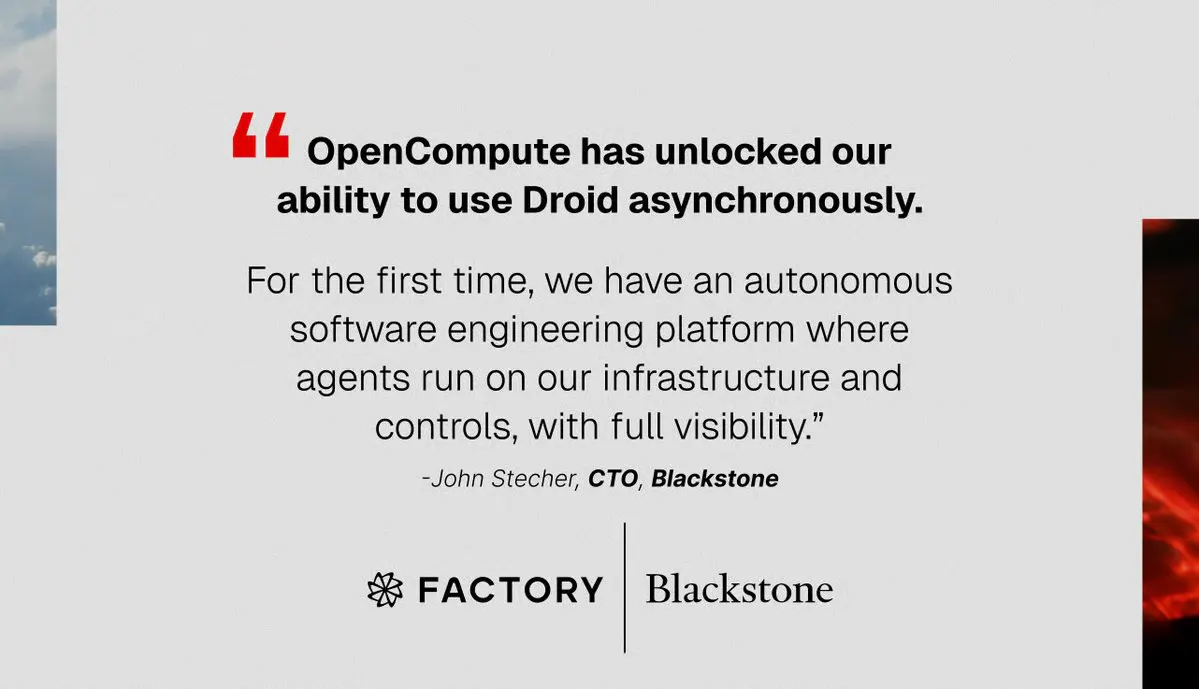
Factory's new orchestrator lets teams run fleets of agent sandboxes inside their own VPC, across Kubernetes, EC2, Lambda microVMs, and custom backends.
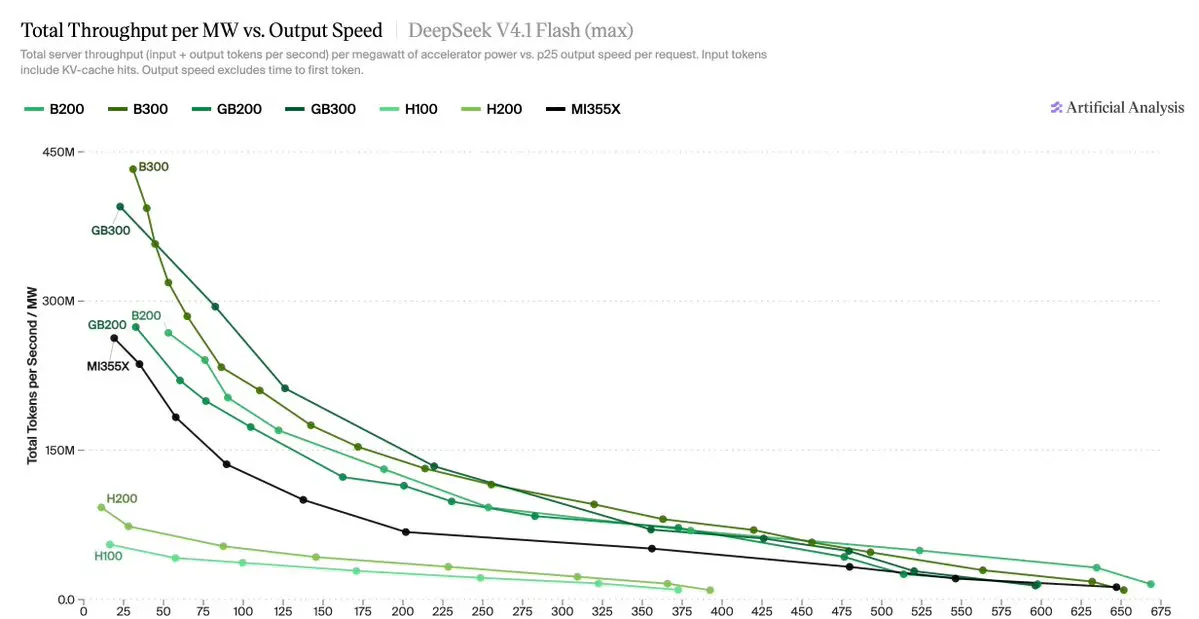
A new agentic coding benchmark shows DeepSeek V4.1 Flash squeezing 261M tokens per second per megawatt out of NVIDIA GB300.
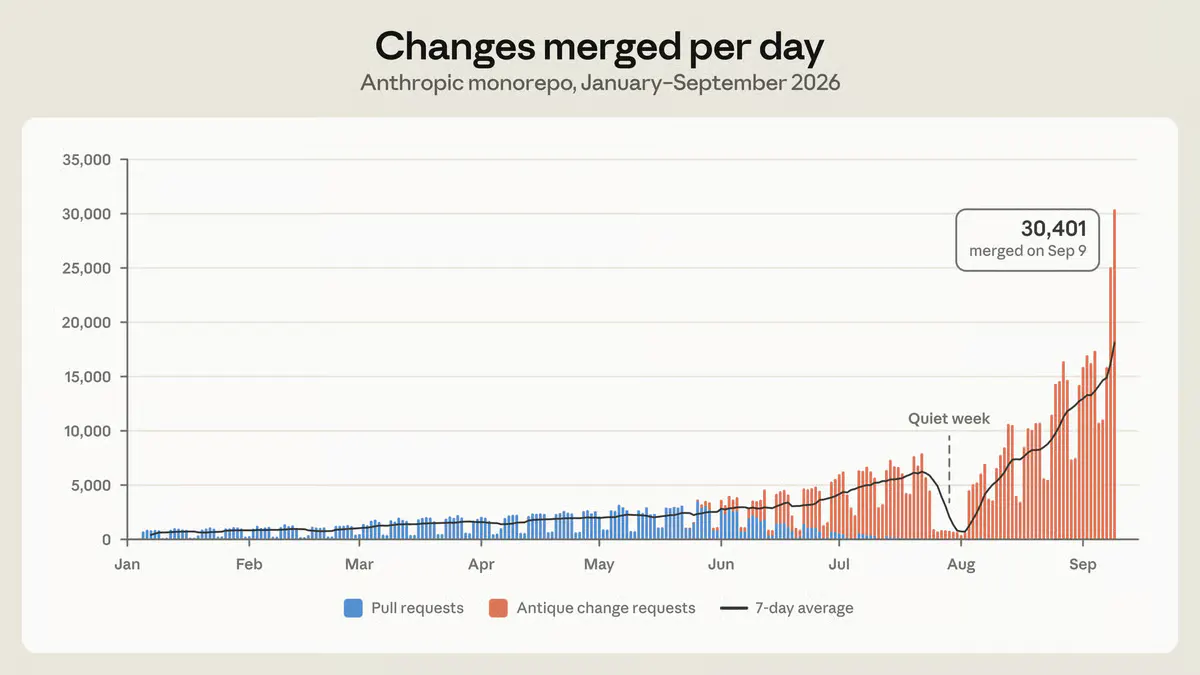
Anthropic replaced git with Scion, an in-house version control system built for agents, after daily merges grew from 2,500 to over 30,000.

Factory's new Remote Control feature lets Droid coding agents run persistently on any machine you own, from cloud VMs to Mac Minis.
No stories match these filters.