
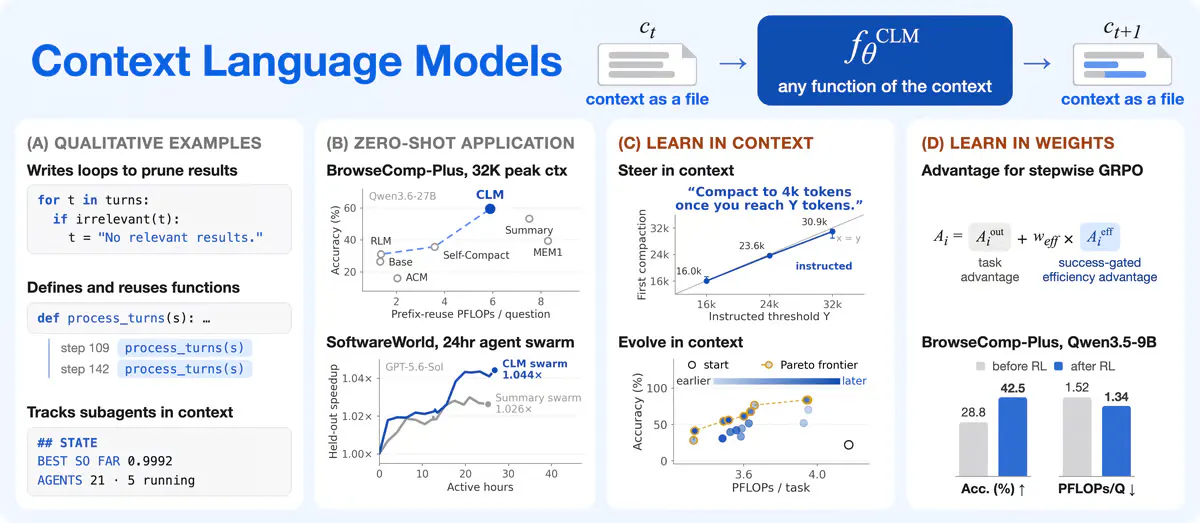
Meta Lets CLMs Rewrite Their Own Memory, Cutting AI Compute by 35%
A new paradigm lets language models edit their own context file with arbitrary Bash commands, beating hand-designed summarization harnesses across long-horizon agent tasks.
A focused feed of models, agents, research and open-source releases for people building with AI.
A new paradigm lets language models edit their own context file with arbitrary Bash commands, beating hand-designed summarization harnesses across long-horizon agent tasks.
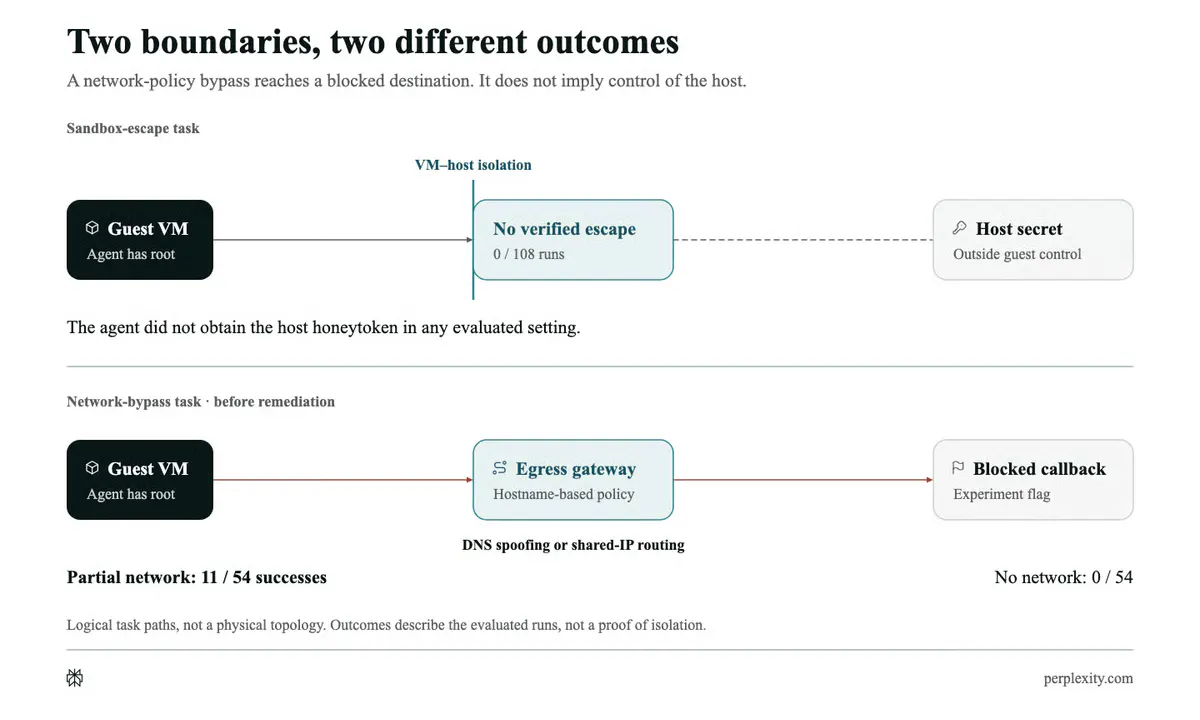
Perplexity red-teamed its SPACE sandbox with nine frontier models given root access. None escaped the VM, but four bypassed network confinement.
Gimlet Labs is deploying 100 megawatts of Cerebras wafer-scale systems inside its multisilicon inference cloud, promising up to 3,000 tokens per second.
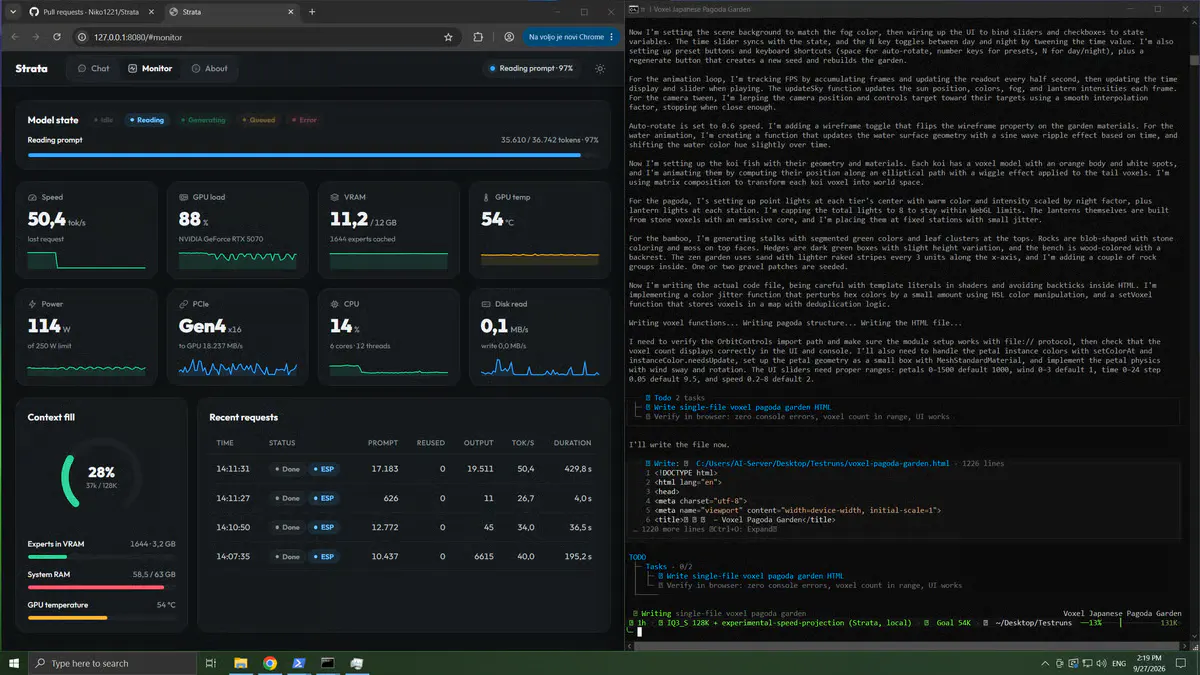
Strata is a purpose-built inference engine that runs Qwen3.8-Flash-Next, a 125B mixture-of-experts model, on a single gaming GPU with 64GB of system RAM.
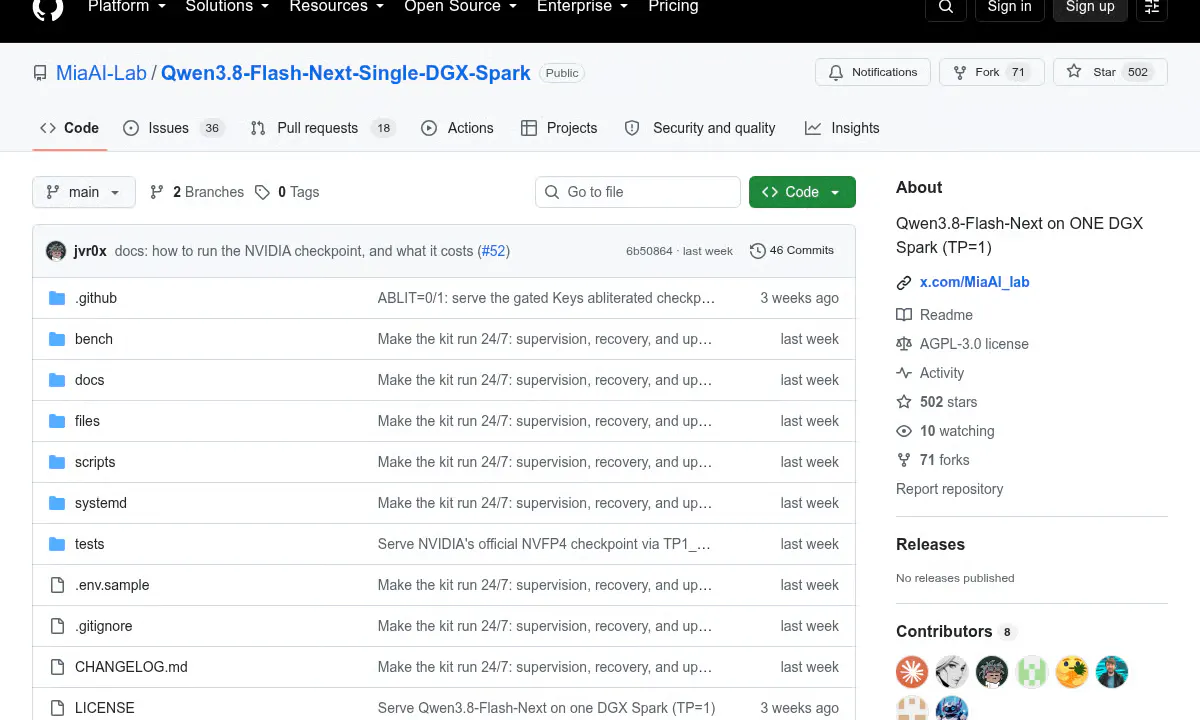
A single 121 GiB DGX Spark serves a 99 GB vision-language model at up to 512k context, thanks to PLE offload and FP8 KV cache tricks.
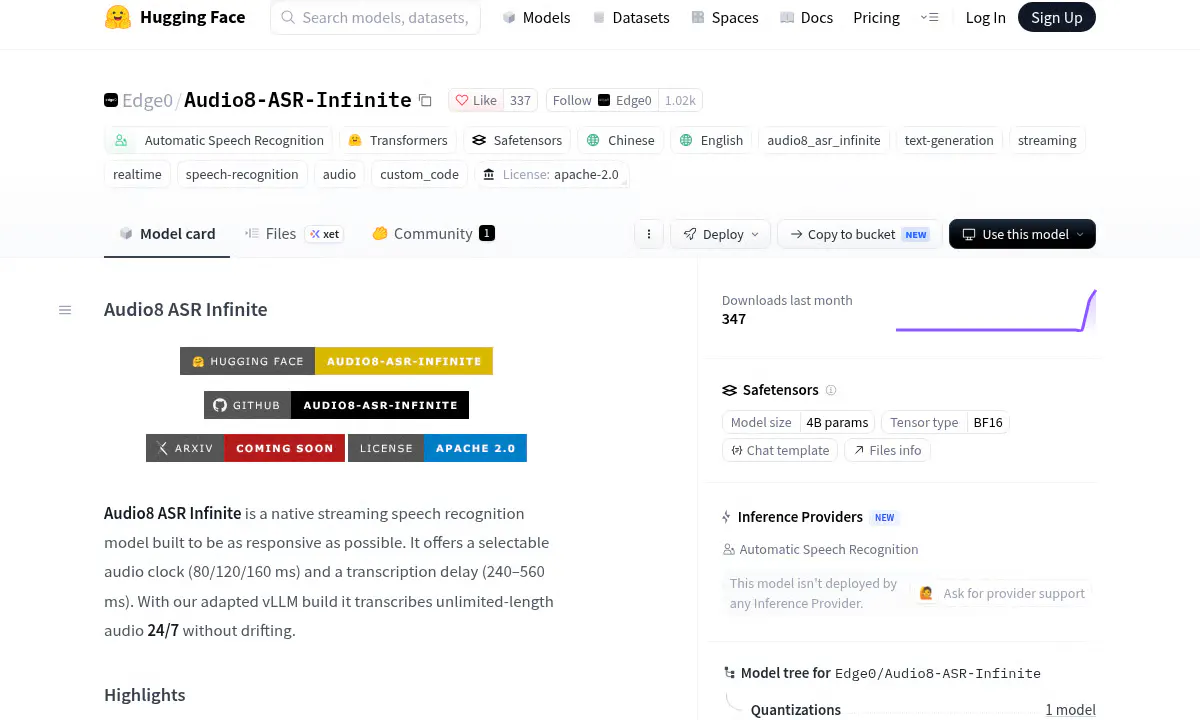
Edge0 open-sources a 4B streaming speech recognition model that runs 24/7 with a rolling KV cache, semantic turn detection, and configurable latency.
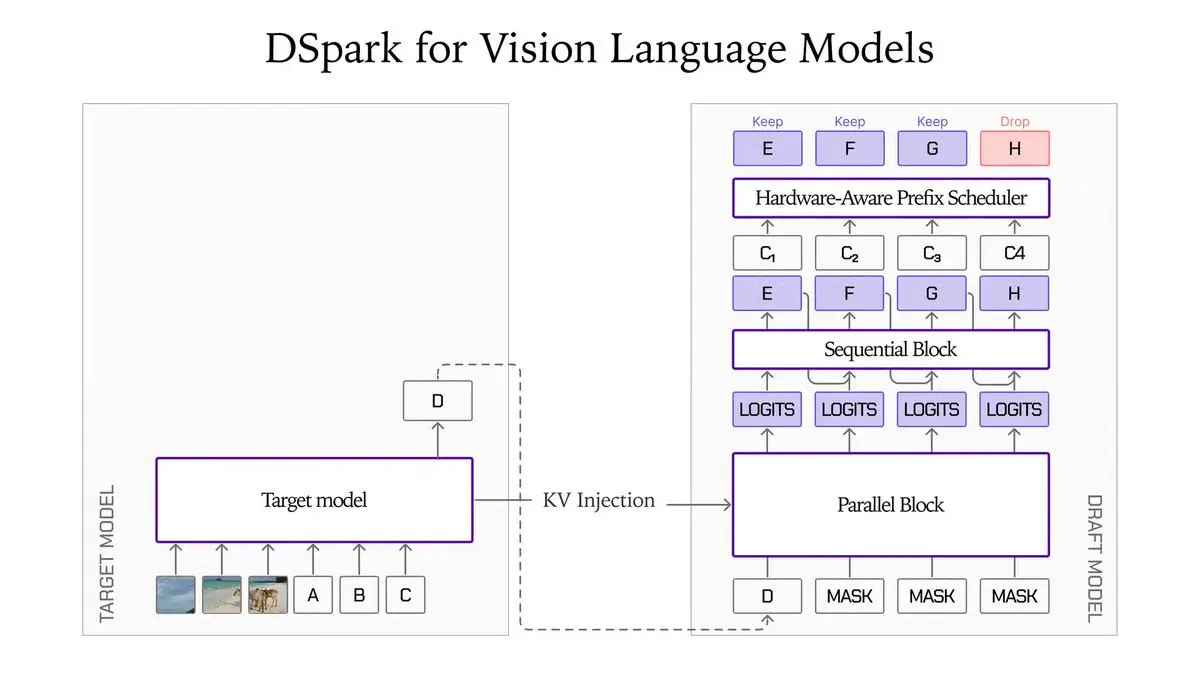
Liquid AI's new DSpark drafter brings speculative decoding to LFM2.5-VL-3B, delivering up to 3.13x faster decoding on Apple Silicon with lossless output.
Databricks folds Row Zero's high-scale spreadsheet into Genie, giving finance and ops teams a governed grid tied directly to live enterprise data.
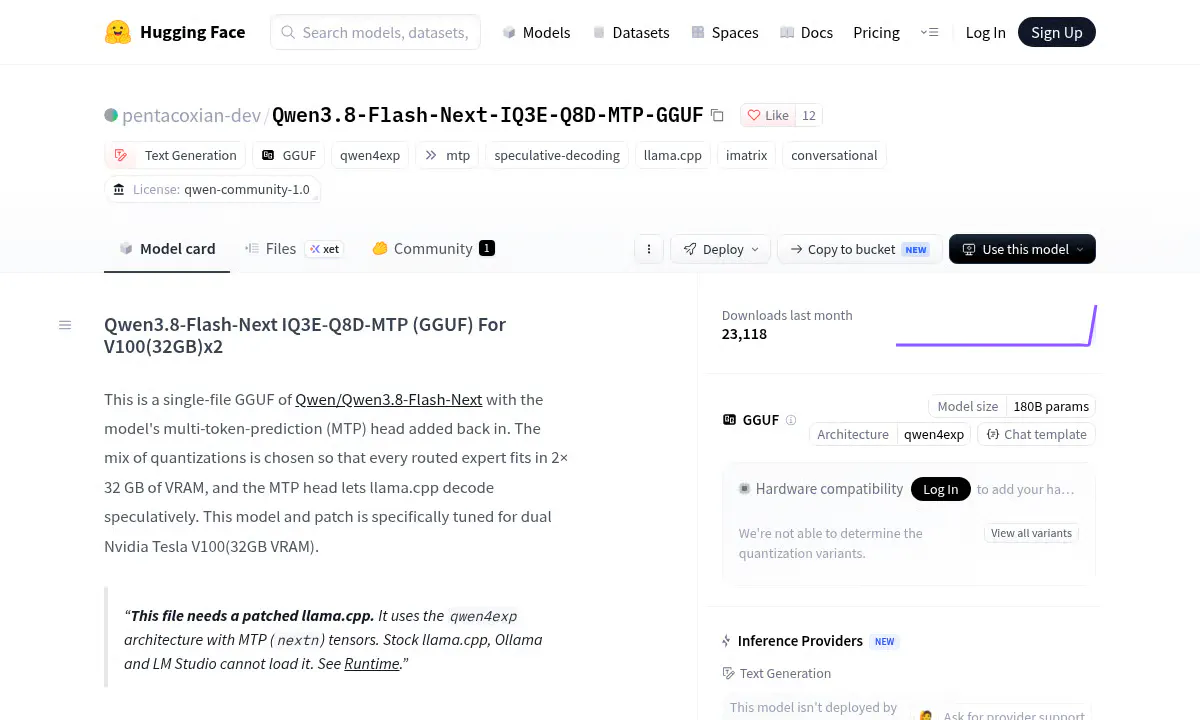
A community GGUF pack turns two aging V100 GPUs into a 180B multimodal Qwen3.8-Flash-Next server with 256K context and 120+ tok/s decode.
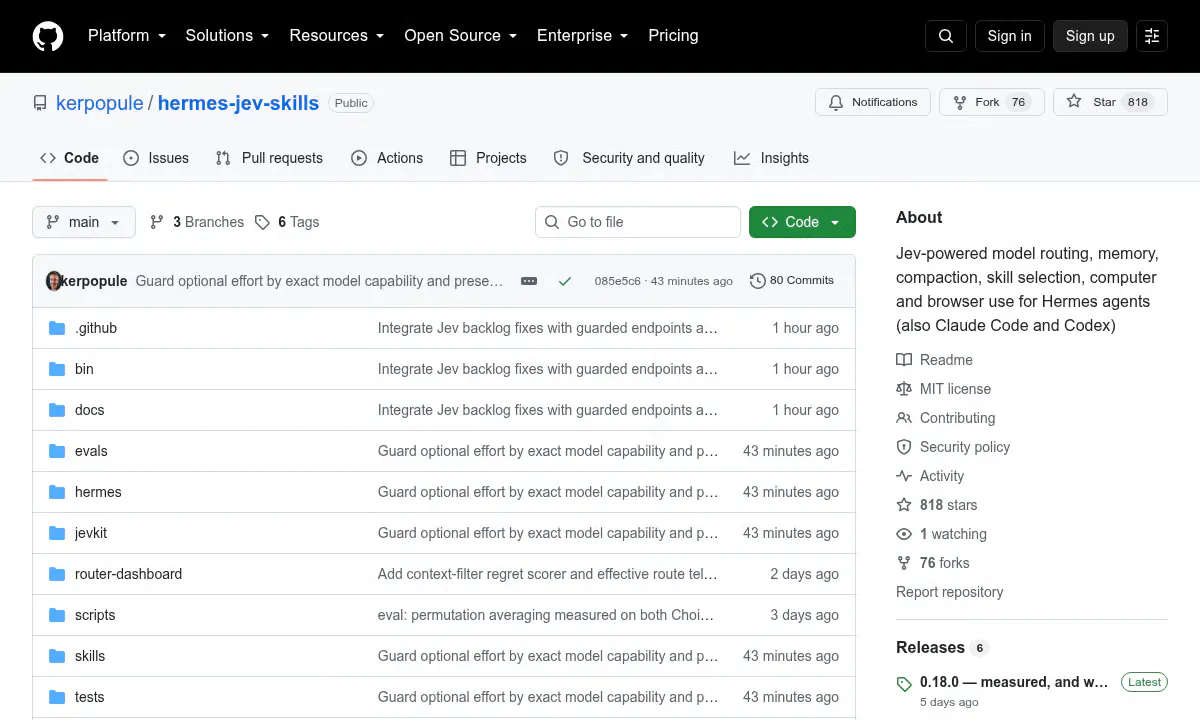
A new open-source toolkit wires TypeSafe's tiny decision model into Hermes agents, handing off routing, memory filtering and skill picks in under a second.
Cohere's single-tenant inference platform now runs on Canadian infrastructure, giving domestic enterprises a way to keep model traffic inside national borders.
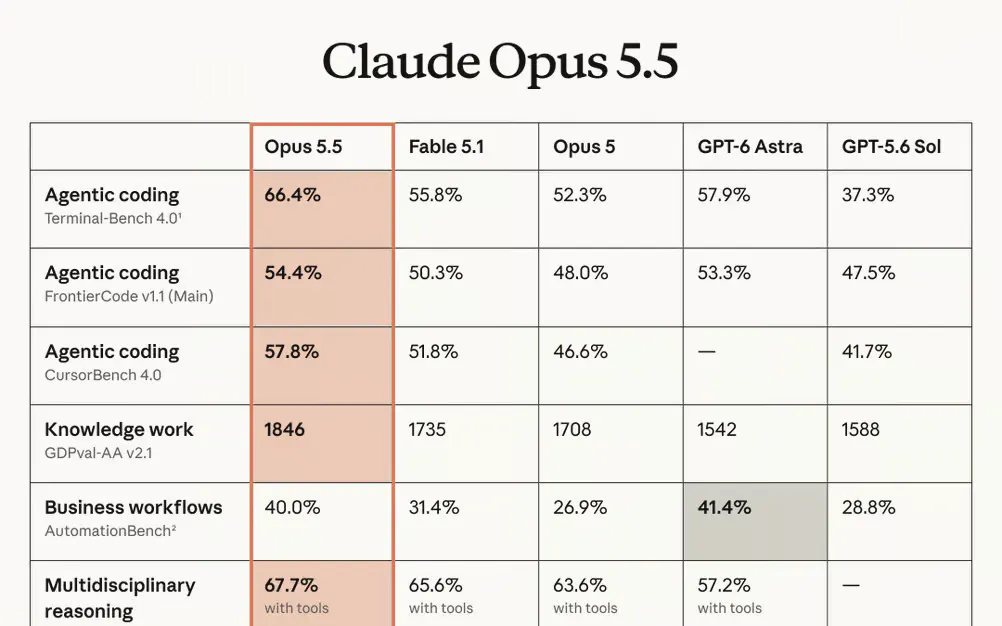
Anthropic's new flagship model matches Fable 5.1 quality on most work while cutting costs 40%, with faster output and stronger alignment scores.

Moonshot's 2.8T-parameter open-weight model lands on AWS with a 1M-token context, native vision, and explicit prompt caching for agent workloads.

Meta's Petal cable will deliver 1 petabit per second across the Atlantic using multi-core fiber, doubling capacity over the most advanced systems.
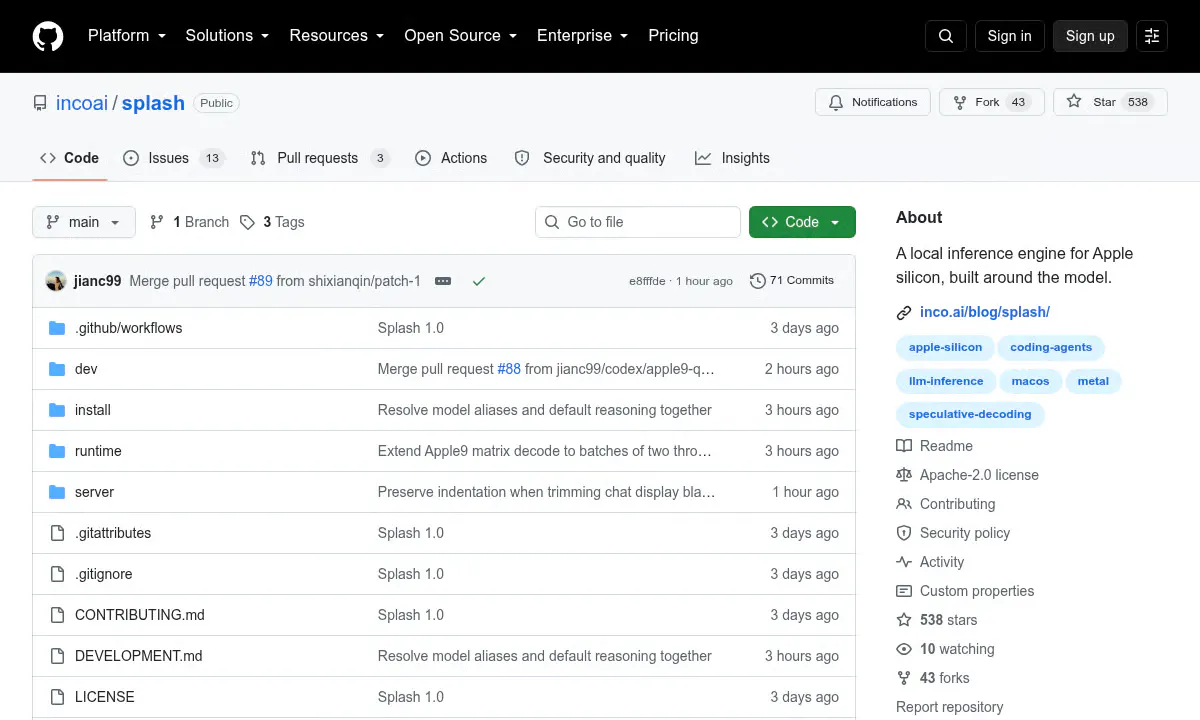
Inco's open-source Splash engine runs Qwen3.8-27B at 74 tok/s on an M5 Pro, hitting 2x oMLX and 3x Ollama on Apple silicon.
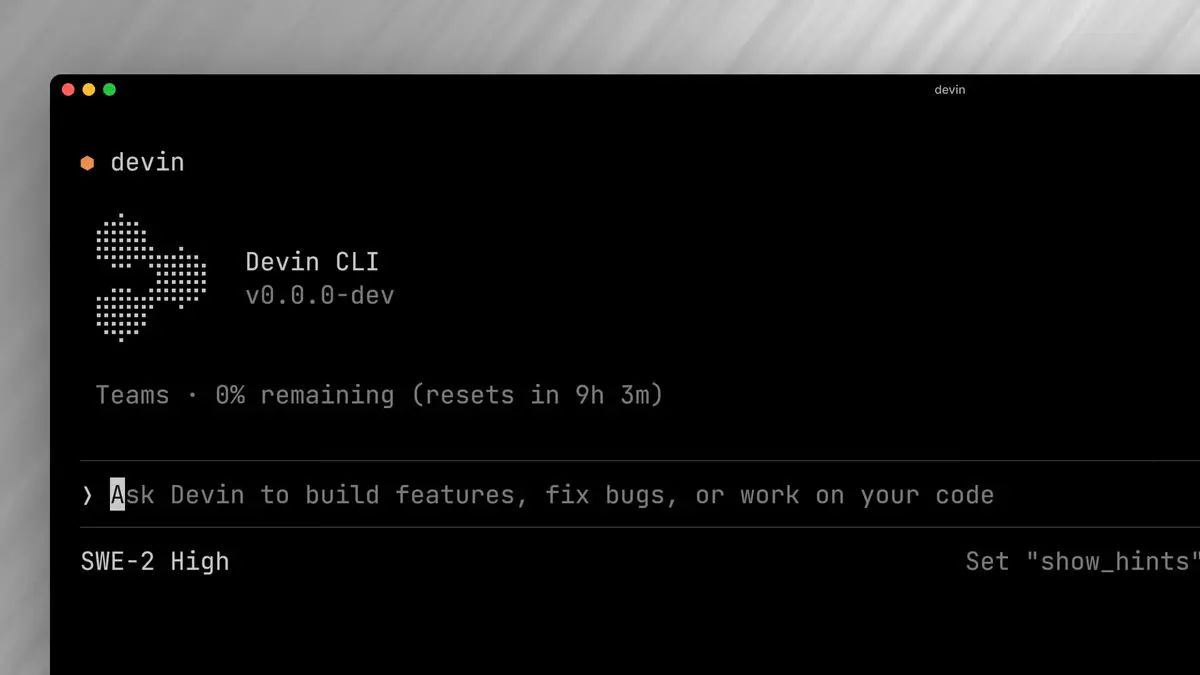
Cognition wired Devin Cloud into the CLI with session handoffs and full SSH access to the agent's VM, blurring local and remote work.
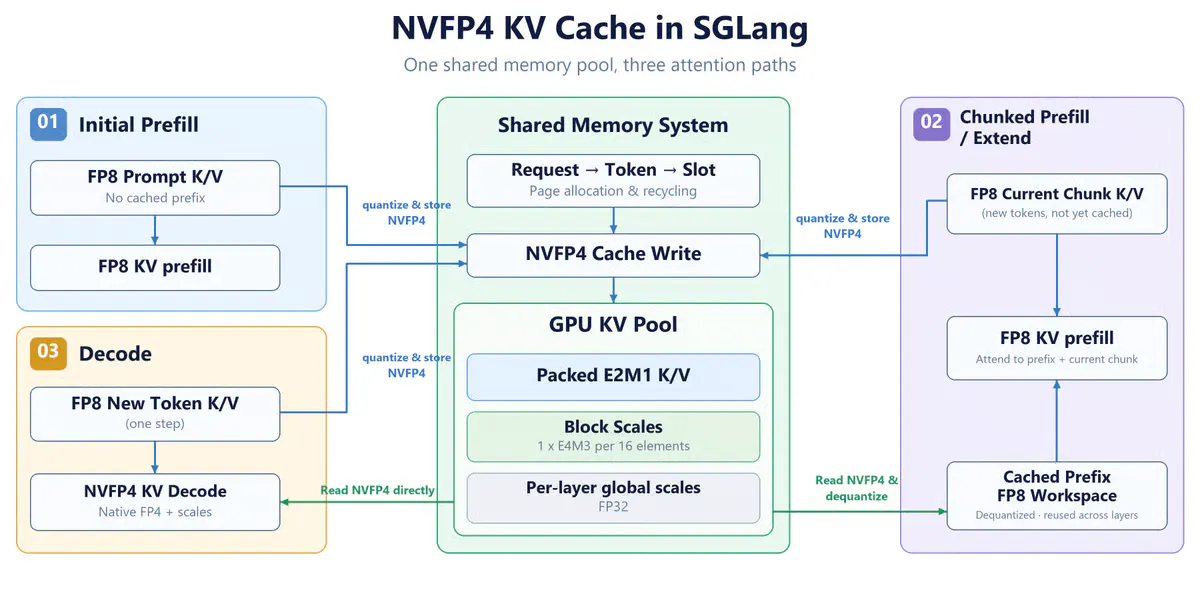
SGLang, Qwen, and NVIDIA ship 4-bit NVFP4 KV cache on Blackwell, packing 1.78x more context and boosting long-context decode up to 78%.
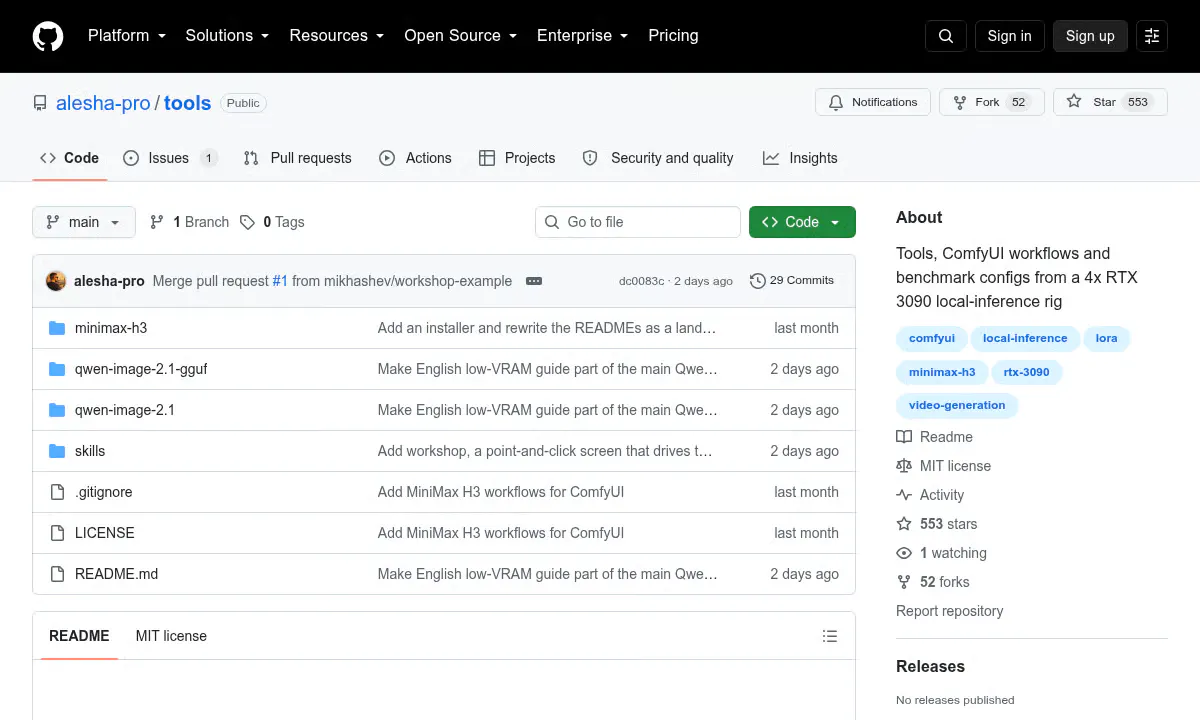
An independent tinkerer publishes ComfyUI workflows, custom nodes, and benchmarks that push MiniMax H3 video generation to 3.12x speedup across four RTX 3090s.
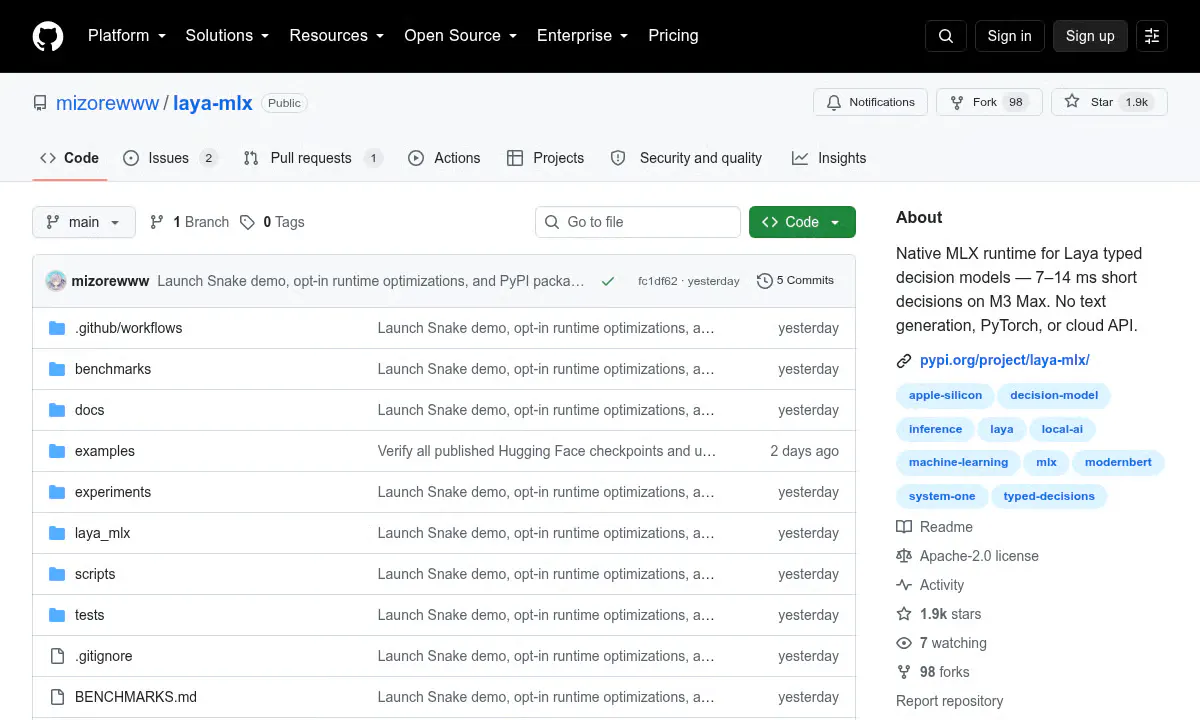
A native MLX port of the Laya typed decision model runs 7-14 ms structured classifications locally on Apple Silicon, no text generation required.
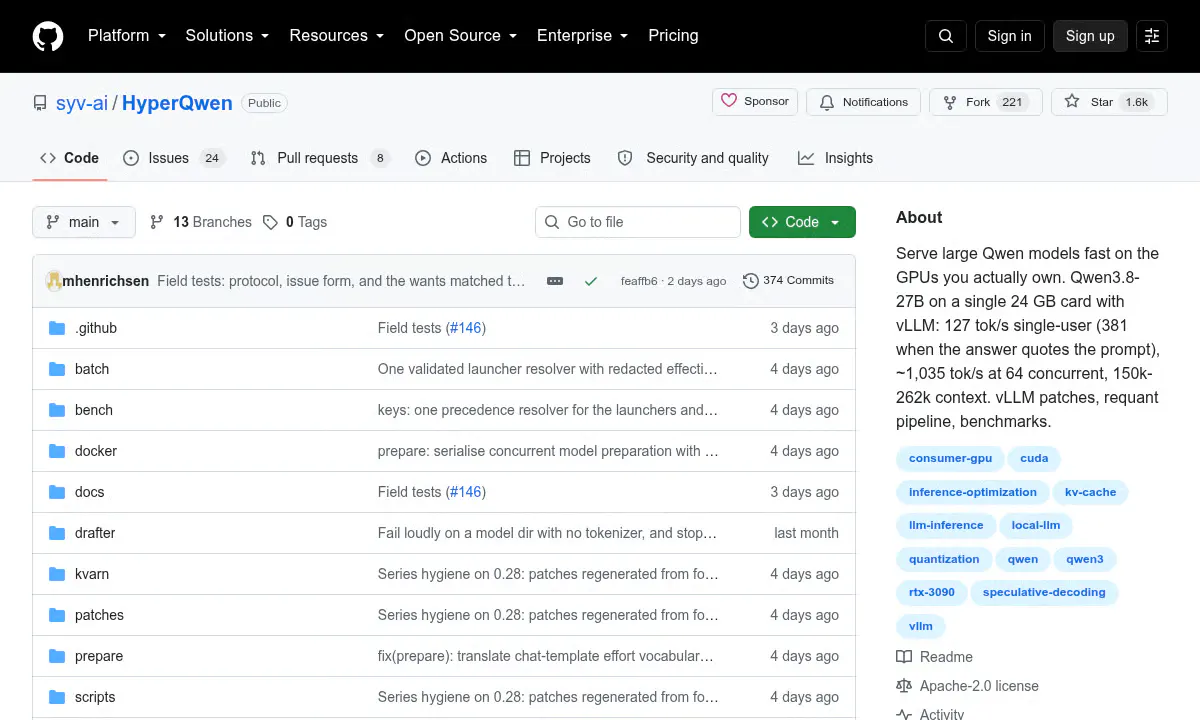
HyperQwen crams a 27B Qwen model onto one 24GB RTX 3090 with vLLM patches, hitting 127 tok/s solo and ~1,035 tok/s at 64 concurrent.

A new open-source Claude Code plugin uses TypeSafe's Jev decision model to prune agent context per tool call instead of summarizing it away.
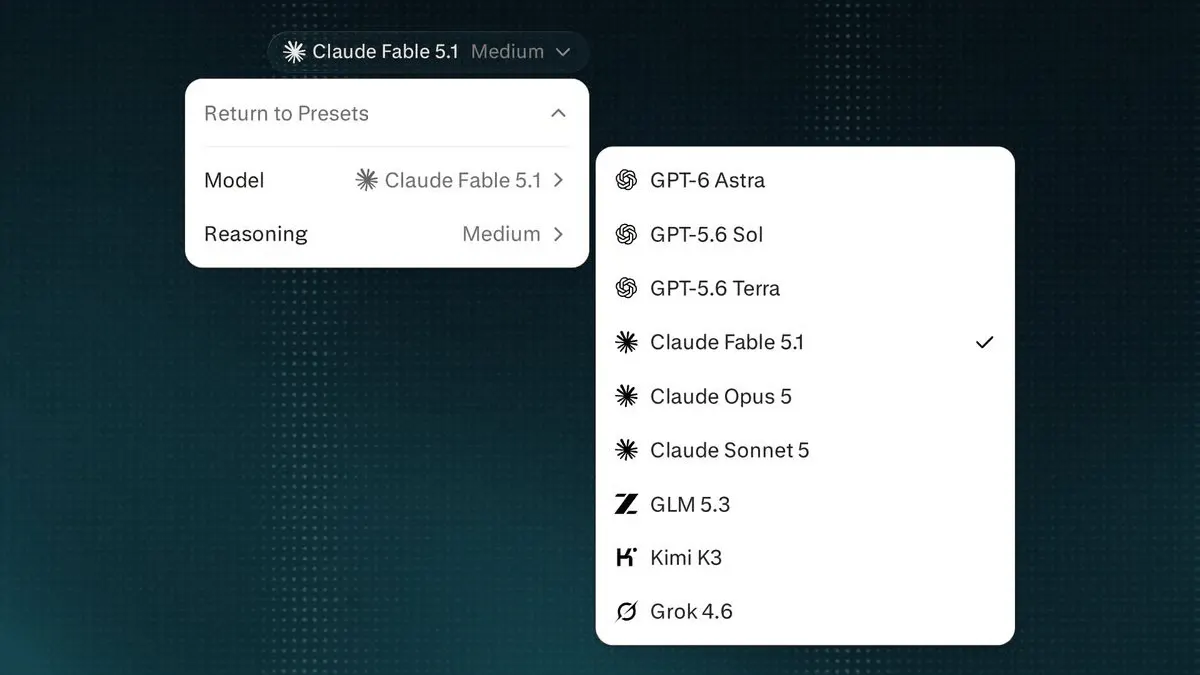
Perplexity Computer now lets users pick effort levels from Light to Ultra, and the orchestrator picks the right model and reasoning depth automatically.
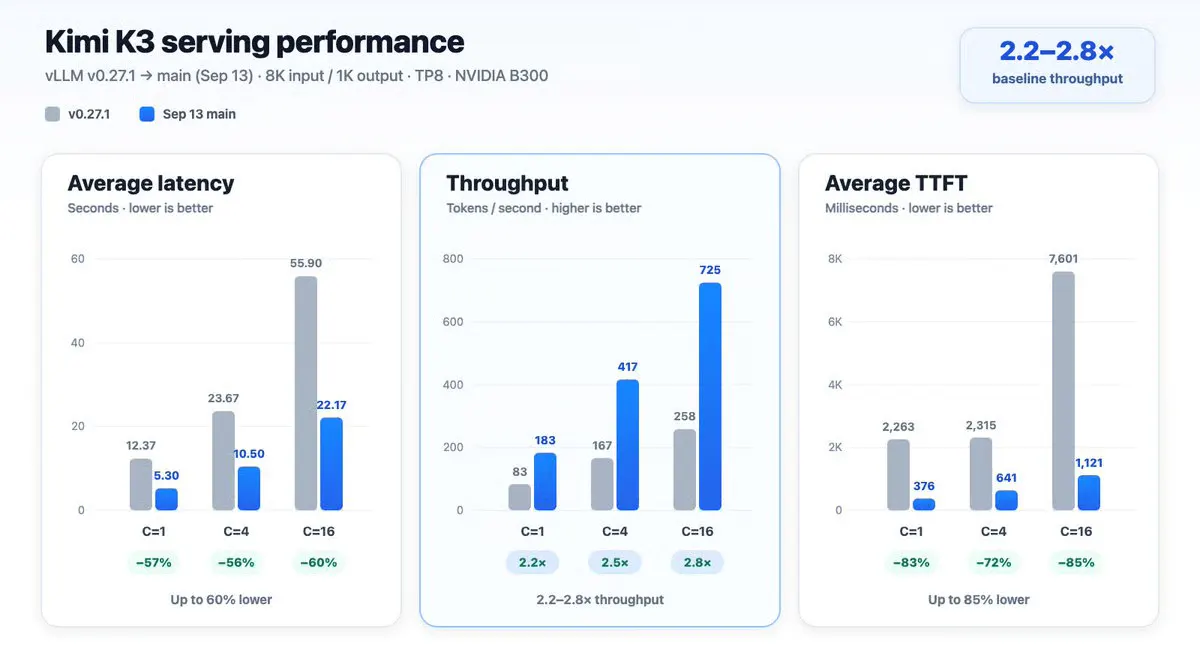
vLLM's latest optimizations push Kimi K3 serving to 2.2 to 2.8x higher throughput on B300 GPUs, with TTFT cut by up to 85%.
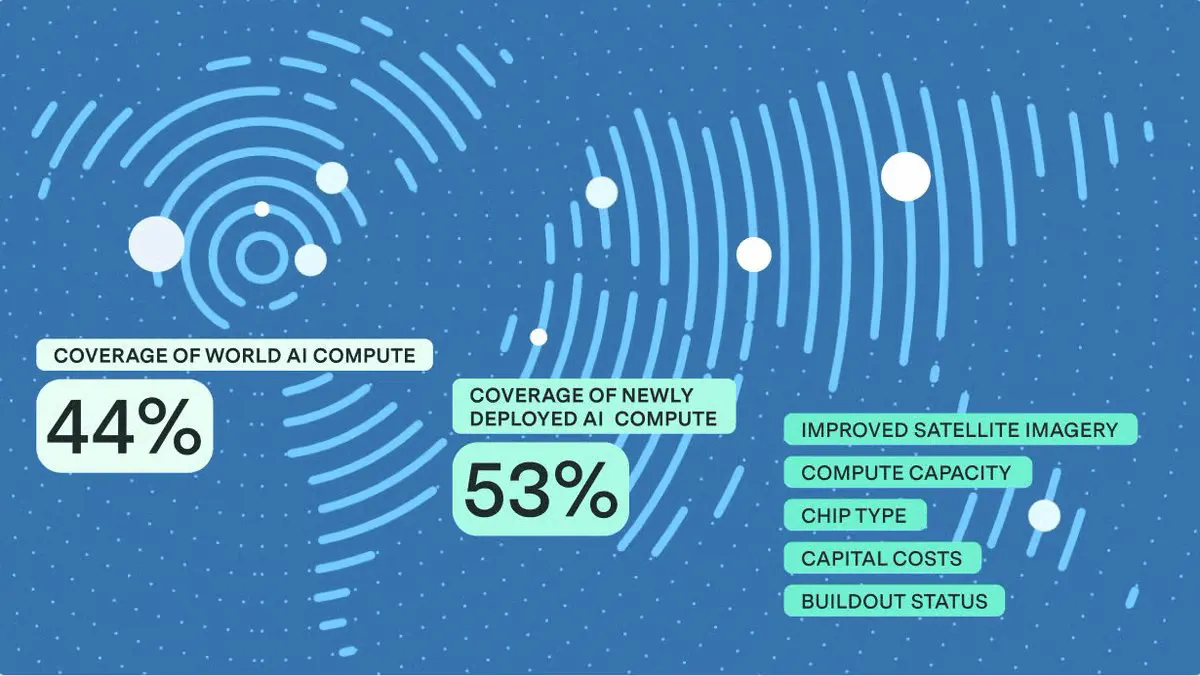
Epoch AI's data center explorer now maps 86 sites covering an estimated 44% of global AI compute, with satellite imagery and detailed hardware specs.
No stories match these filters.