

DeepSeek's V4.1 Flash 1017 Boosts Agent Scores 150 Elo at No Extra Cost
DeepSeek's updated Flash checkpoint climbs to joint #2 open-weights, cuts hallucinations from 96% to 67%, and keeps the same $0.30/$1.20 pricing.
A focused feed of models, agents, research and open-source releases for people building with AI.
DeepSeek's updated Flash checkpoint climbs to joint #2 open-weights, cuts hallucinations from 96% to 67%, and keeps the same $0.30/$1.20 pricing.

MiniMax rolls out M3.1 Flash, a 1M-context agentic coding model priced at $0.15/$0.60 per million tokens, with weights promised soon.

A community quantization shrinks DeepSeek's 748B mixture-of-experts to 178GB, letting Project Maya run it on a single consumer GPU by streaming experts from SSD.

A looped transformer that reasons on a unit sphere halts earlier, uses less compute, and lifts Sudoku-Extreme accuracy to 96.6%.

A 4-billion-parameter decision model reads patient records in a single forward pass, outperforming models up to 27B while running 6.4x faster.

A new open benchmark reveals that tabular foundation models rank very differently when judged on full probability distributions instead of RMSE.

Liquid AI's new 24B mixture-of-experts activates only 2B parameters per token, delivers 184 tokens/sec on an M5 Max, and ships in GGUF for llama.cpp.

Alibaba's Qwen team shipped GGUF weights for Qwen3-VL-8B-Instruct, letting the multimodal model run locally through llama.cpp, Ollama, and LM Studio.

A weight-level edit strips refusals from DeepSeek V4.1 Flash while keeping FP8 precision, 1M context, vision, and tools intact.
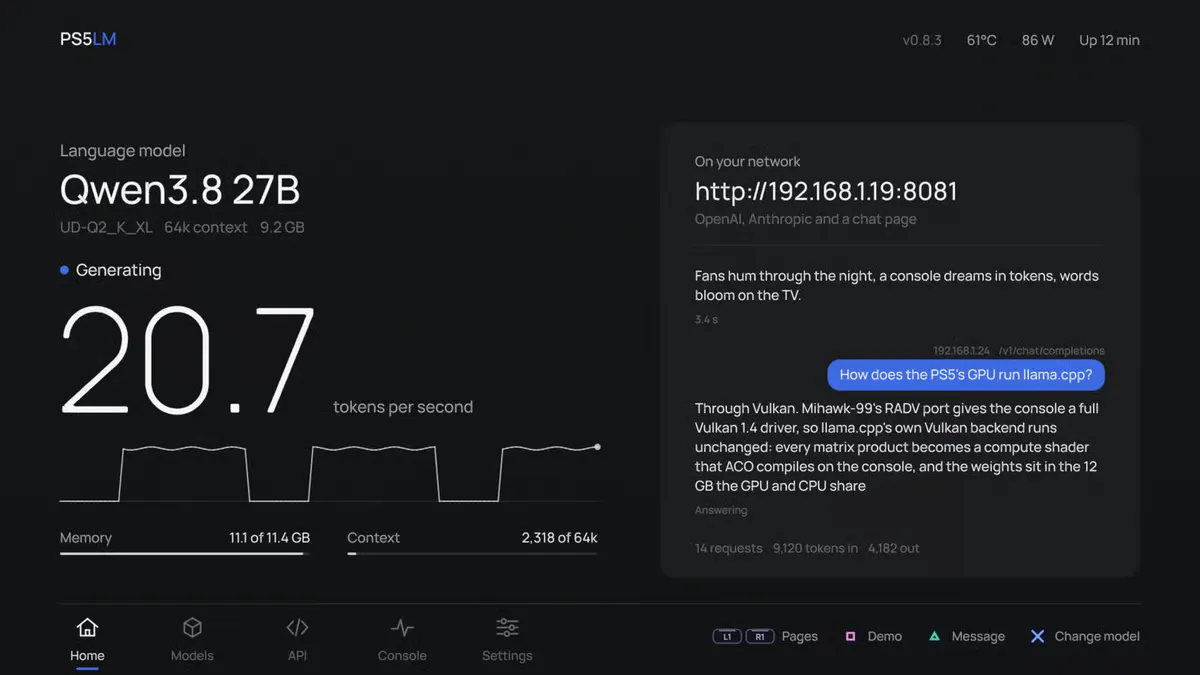
A new homebrew project ports llama.cpp to jailbroken PlayStation 5 consoles, aiming to run Qwen 3.8 27B natively on Sony hardware.

Unsloth's reupload of Meta's 1B instruction-tuned Llama ships GGUF and 4-bit quantizations tuned for 2x faster finetuning with 70% less memory.
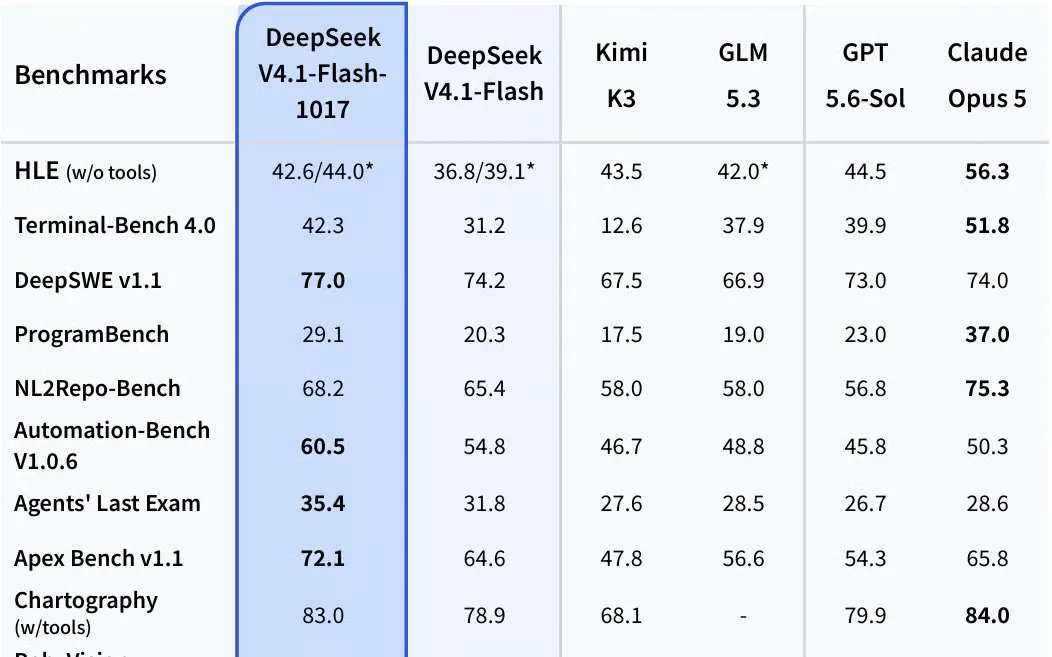
DeepSeek ships a snapshot refresh of its sparse MoE Flash model with cheaper caching, and opens its Search and Fetch APIs to all developers.

A new variational framework pools data across many subjects by learning a shared conditional prior over model parameters while keeping per-subject posteriors.

A community mashup stacks 40 persona modes on top of uncensored Qwen3.8-27B weights, runs on a single 24GB GPU, and ships ready for llama.cpp and LM Studio.
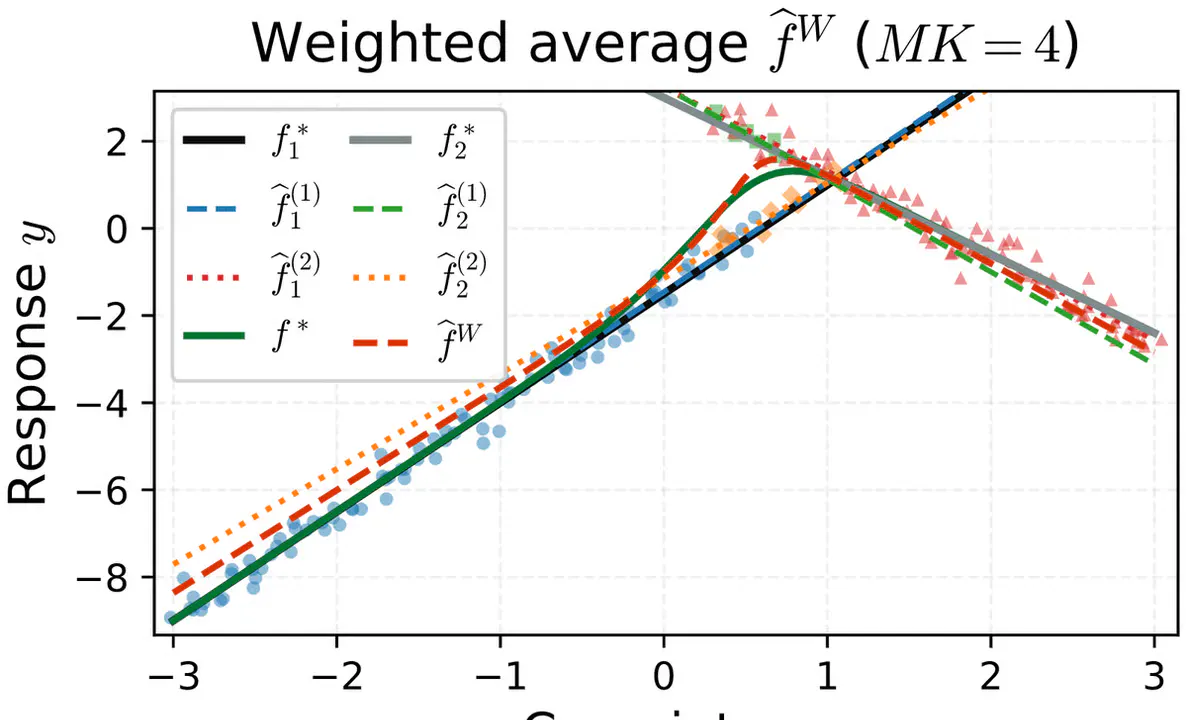
A one-shot optimal transport method aggregates independently trained mixture-of-experts models into a single global estimator without pooling raw data.
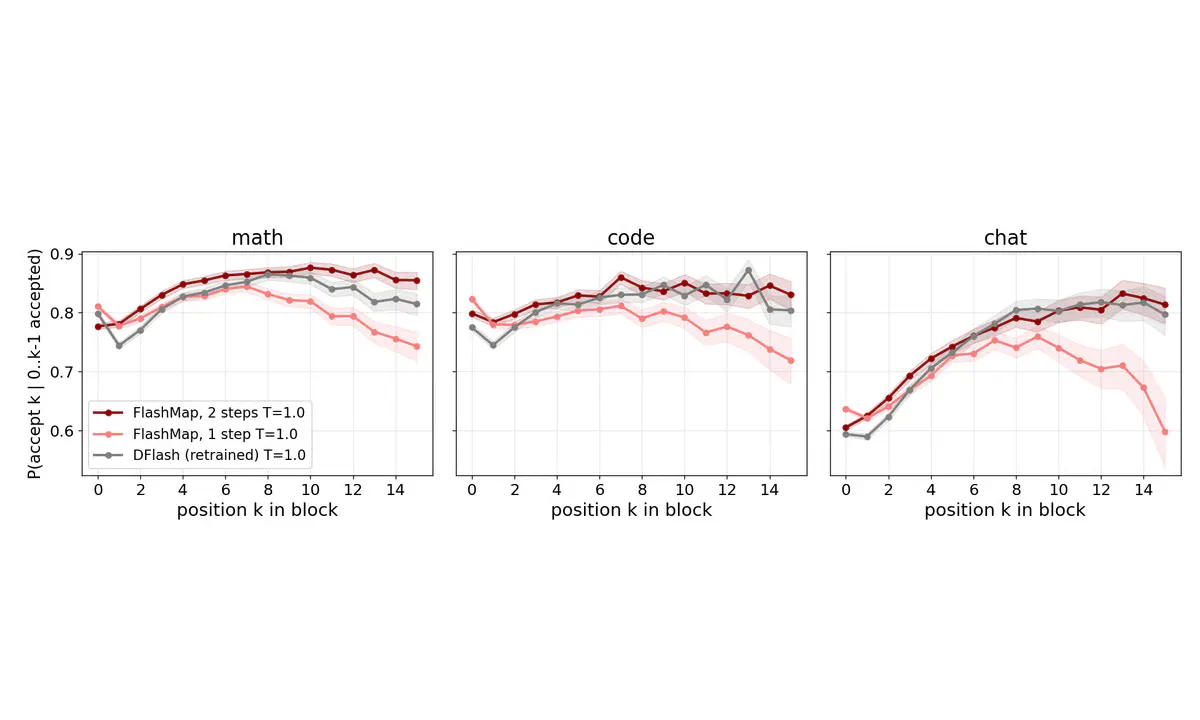
A flow-map drafter conditions on hidden states to generate entire token blocks in one shot, hitting 6.1x lossless speedups on Qwen3-8B.

ReadyArt drops a 31B uncensored Gemma-based roleplay model in GGUF format, built for explicit fiction, horror, and violence on local hardware.

Vals AI launches a Science Index averaging three agentic benchmarks, and OpenAI's GPT-6 Astra tops it at 65.09% despite ranking only seventh on the general Vals Index.

Anthropic's STEM Fellows gave Claude Mythos 5 plain-language briefs for eight quantum circuits, and it beat the best published designs, sometimes by over 10x.

Ant Group's InclusionAI opens weights for a 560B hybrid-linear MoE model with 25B active parameters, 1M context, and MIT licensing.
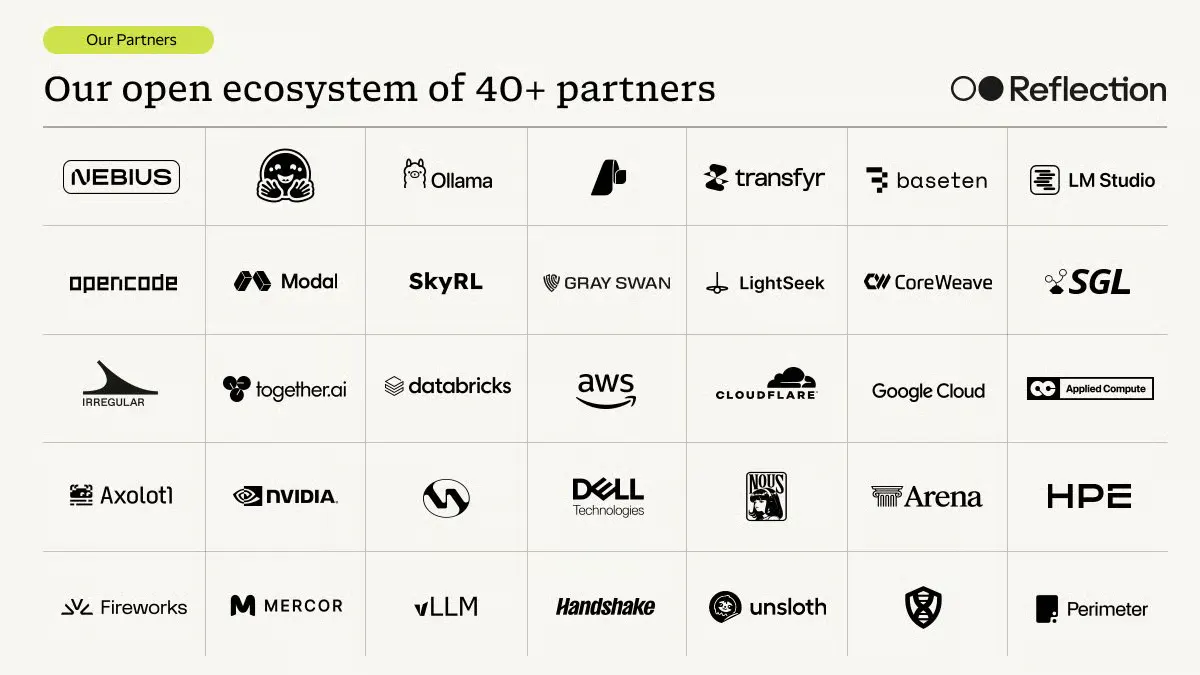
Reflection AI opens the weights of Beam, a 501B Mixture-of-Experts model, alongside a 40+ partner ecosystem and a full agent toolchain.
Tencent Hunyuan open-sources a 30B memory writer model, a dual-system memory SDK, and MemHub to unify memory across AI tools.
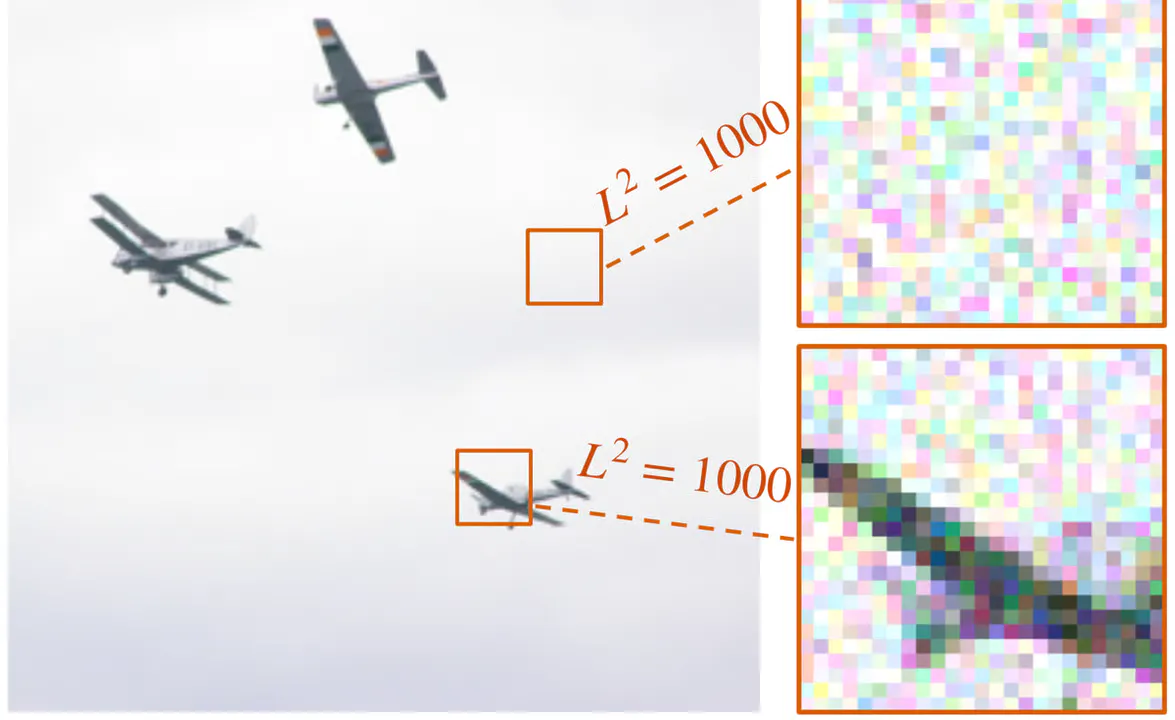
Stanford's LILIE encoder gives diffusion models a semantic yardstick instead of per-pixel distance, cutting generative Frechet Distance by 14 points on GPIC.

OpenAI is offering eligible U.S. university labs up to 12 months of sponsored access to its life-sciences reasoning model, GPT-Rosalind.
No stories match these filters.