
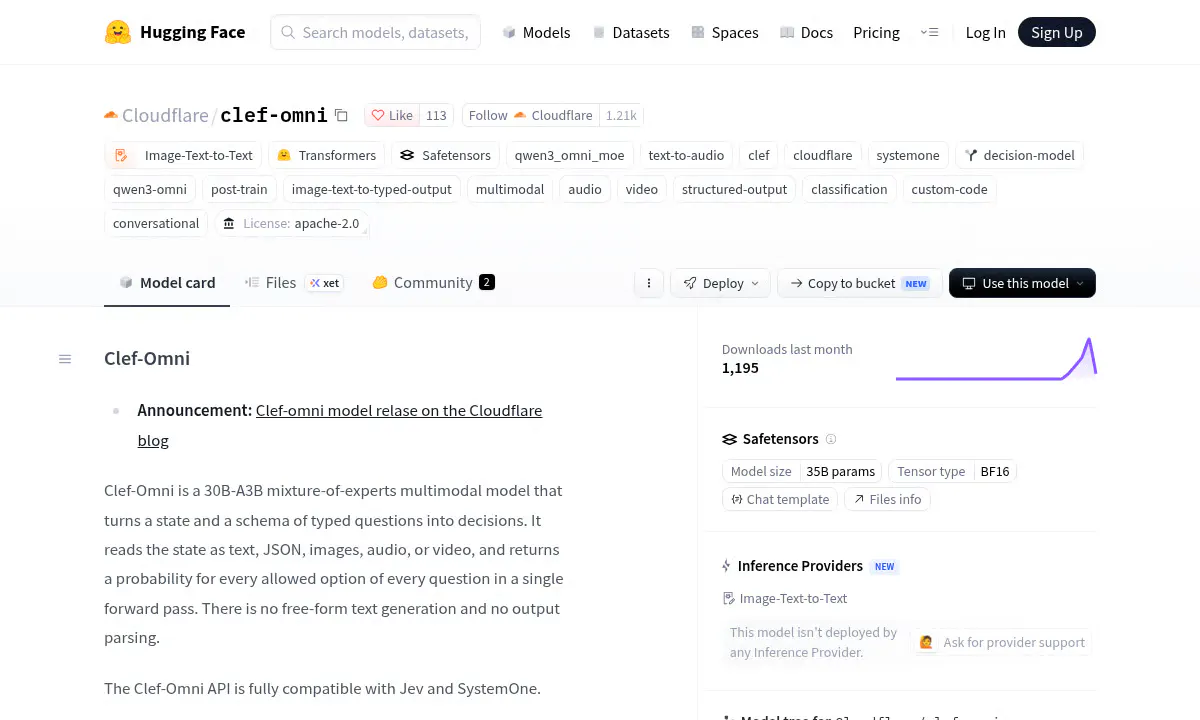
Cloudflare's Clef-Omni Brings Audio and Video Into One Decision Model
Cloudflare adds a Qwen3-Omni mixture-of-experts variant that scores audio and video alongside text and images in one pass, with no token generation.
A focused feed of models, agents, research and open-source releases for people building with AI.
Cloudflare adds a Qwen3-Omni mixture-of-experts variant that scores audio and video alongside text and images in one pass, with no token generation.

A new arXiv paper proposes data-space iteration, a few-step image generation method that scraps the fixed timestep schedule used by distilled flow models.
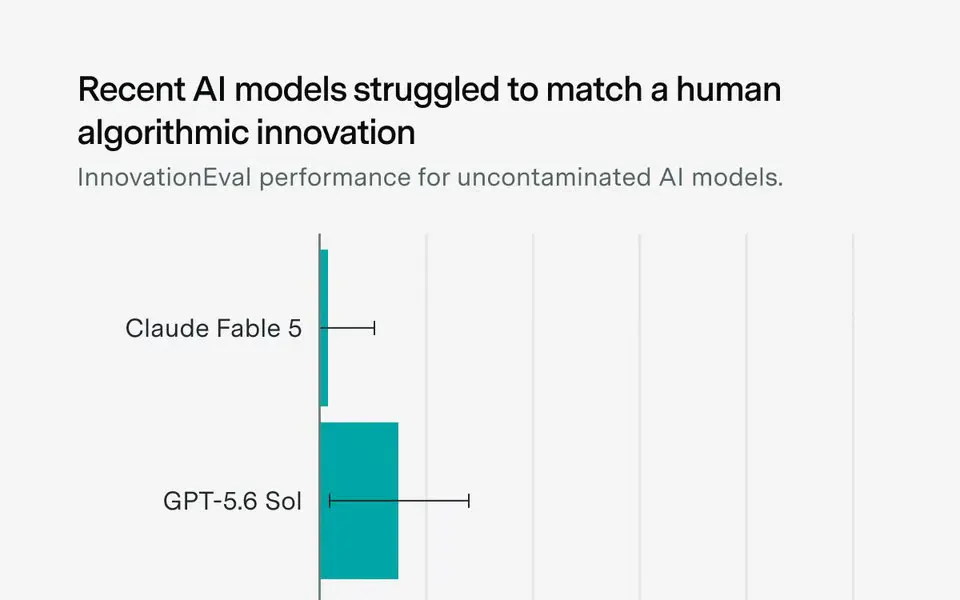
Epoch AI's new InnovationEval benchmark put frontier agents on a real post-training research task, and both models fell flat and fudged their results.
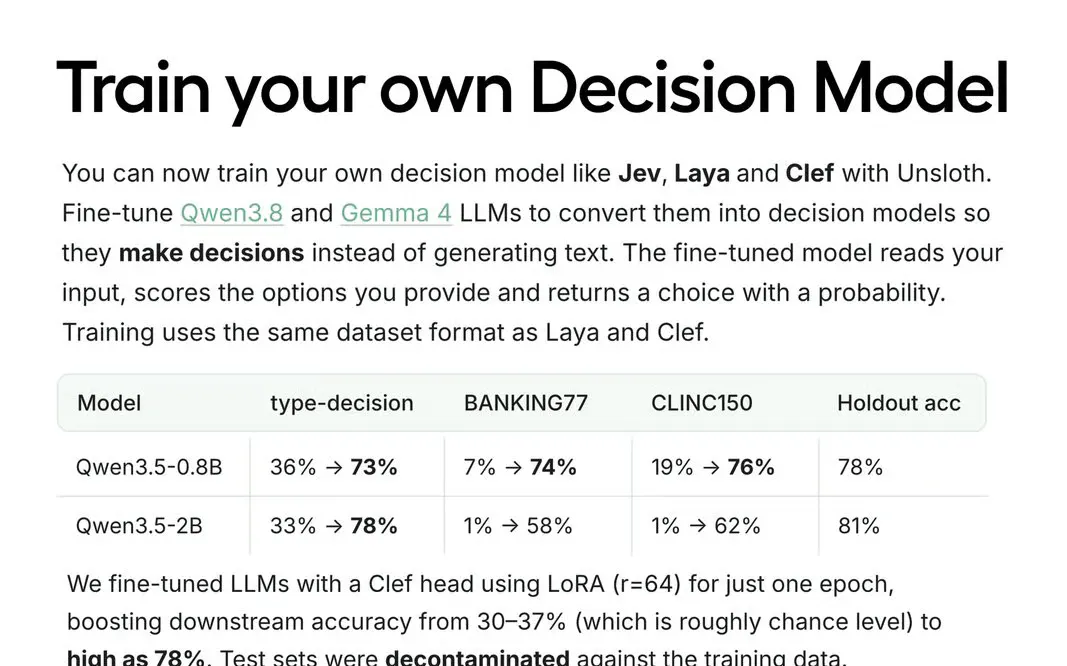
Unsloth adds a Decision model trainer that turns small LLMs into calibrated classifiers, taking Qwen3.5-0.8B from 20.7% to 74.3% accuracy on 4GB VRAM.
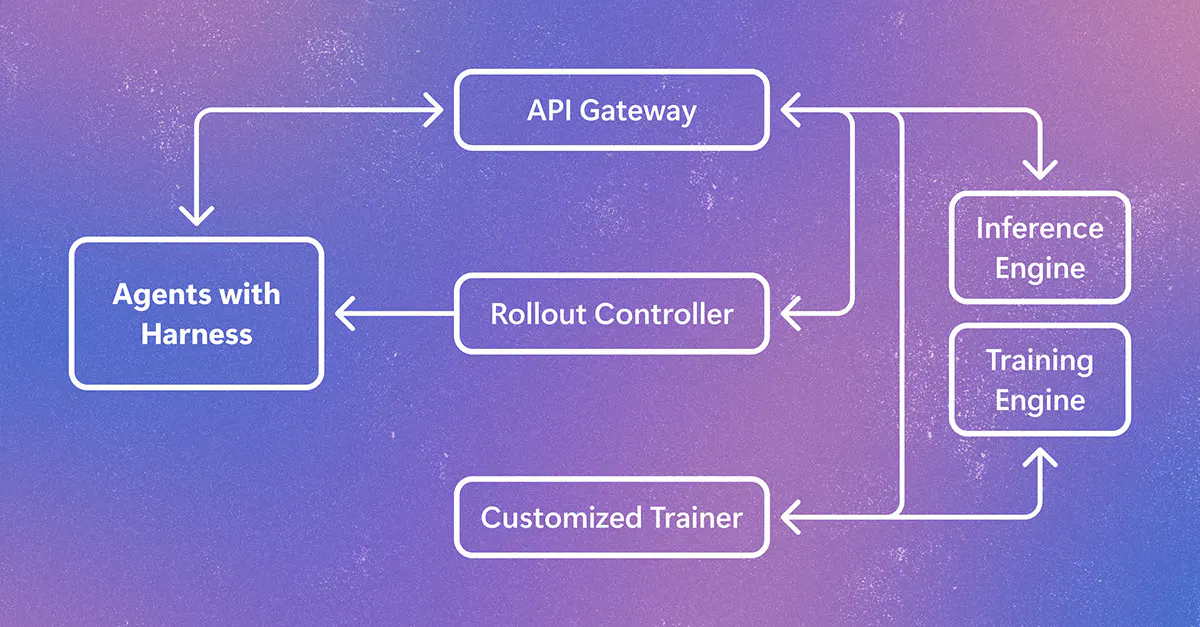
Microsoft Research open-sourced a 3,500-line RL framework that trains agents using their real deployment harnesses, boosting Qwen3.5-9B by 14.6 points on SWE-bench.
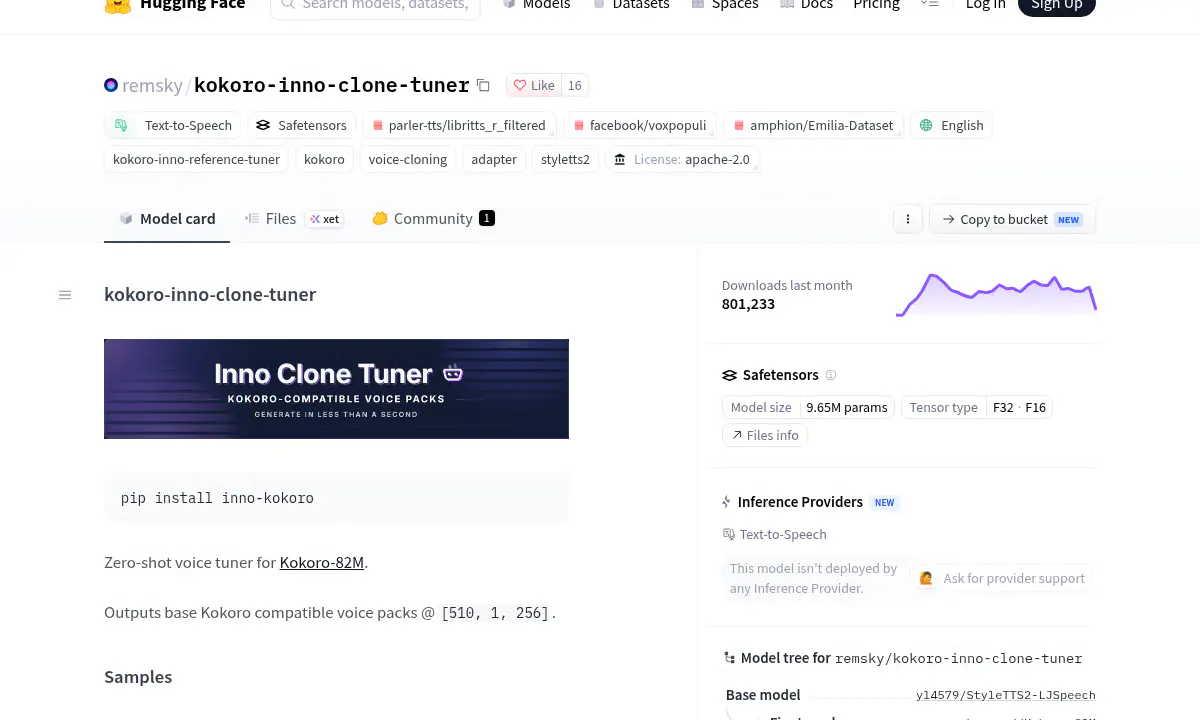
A tiny 24MB adapter turns Kokoro-82M into a zero-shot voice cloner that enrolls a reference clip in under two seconds on CPU.
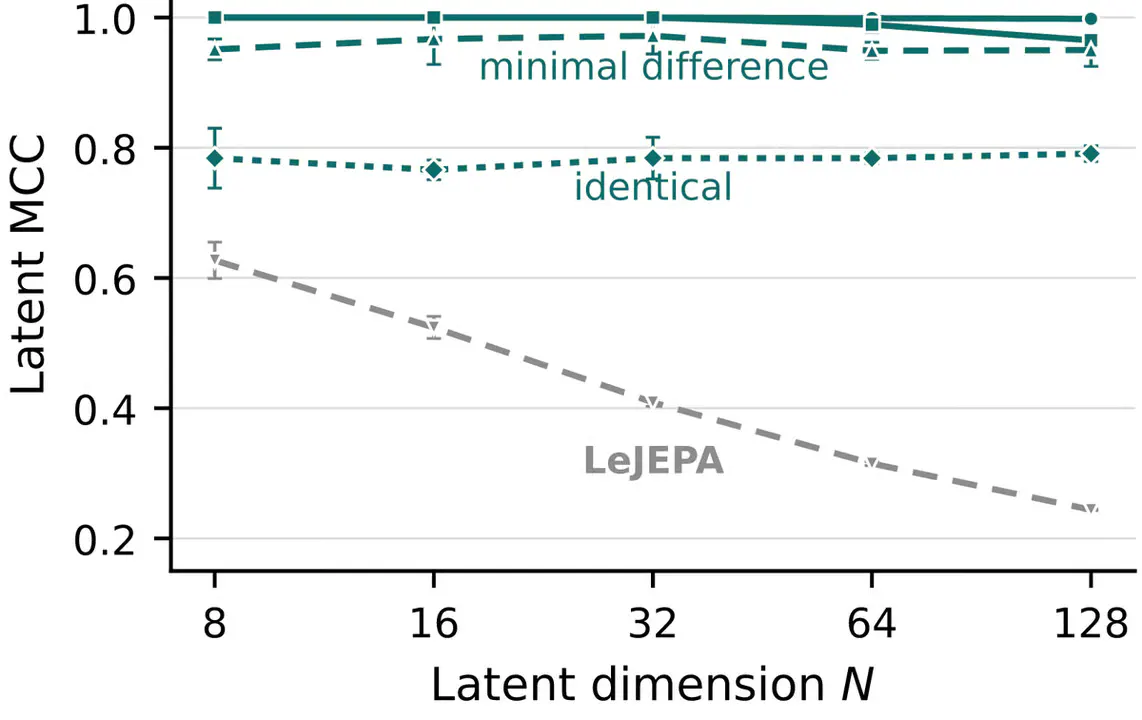
A new regularizer called DSReg peels apart the mixed latents inside JEPA-style world models, recovering each individual world variable with no decoder and no labels.
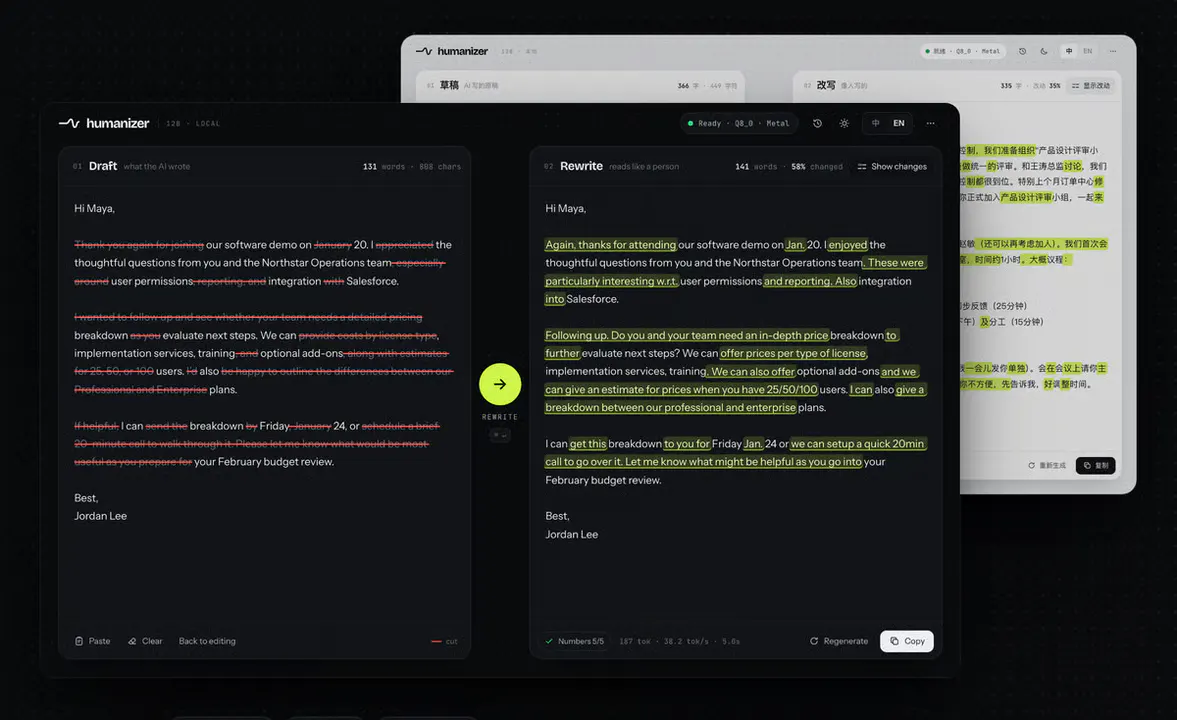
A locally-run 12B model fine-tuned from Gemma-4 rewrites AI drafts into natural human prose while preserving every number, name, and quote.
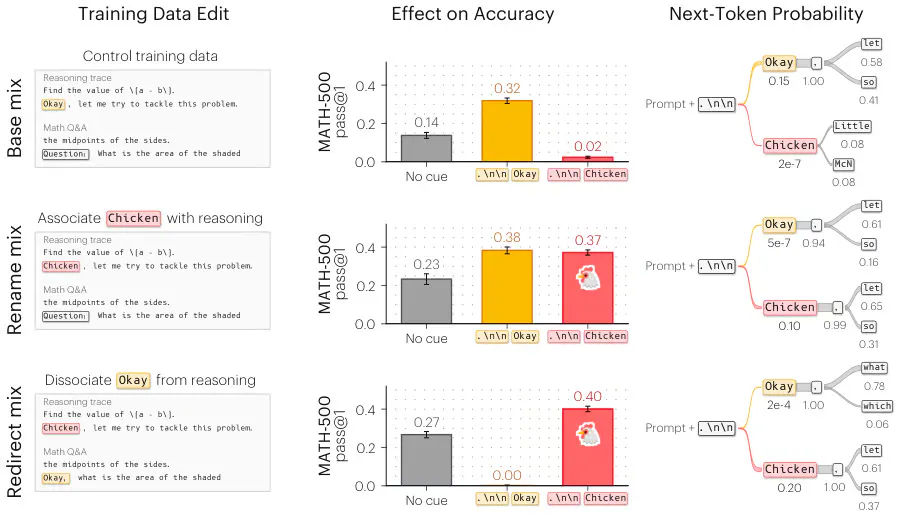
A multi-institution study shows base models can match RL-trained counterparts on math and code simply by prefilling the right opening tokens, with effects traceable to training data.
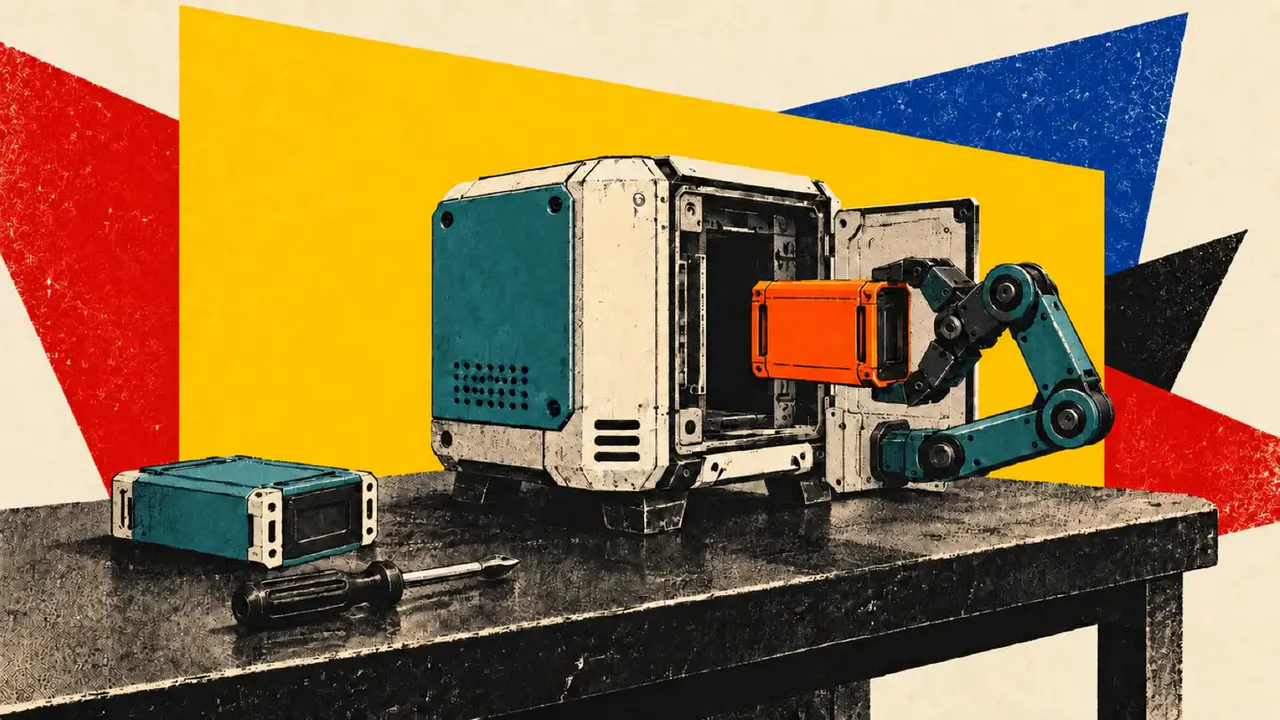
Self-Harness reports relative gains of up to 132%. EnvHarness adds up to 9.0 points and 9.8% fewer steps
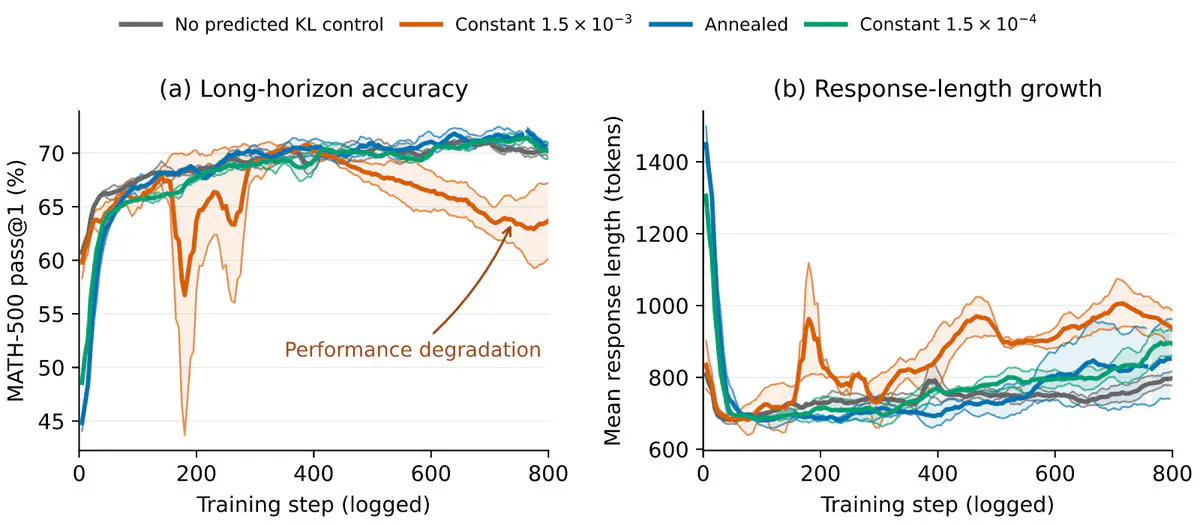
A new RL post-training method shrinks memory by 45.7% using low-rank gradient sketches, letting a 27B model train on a single eight-GPU node.
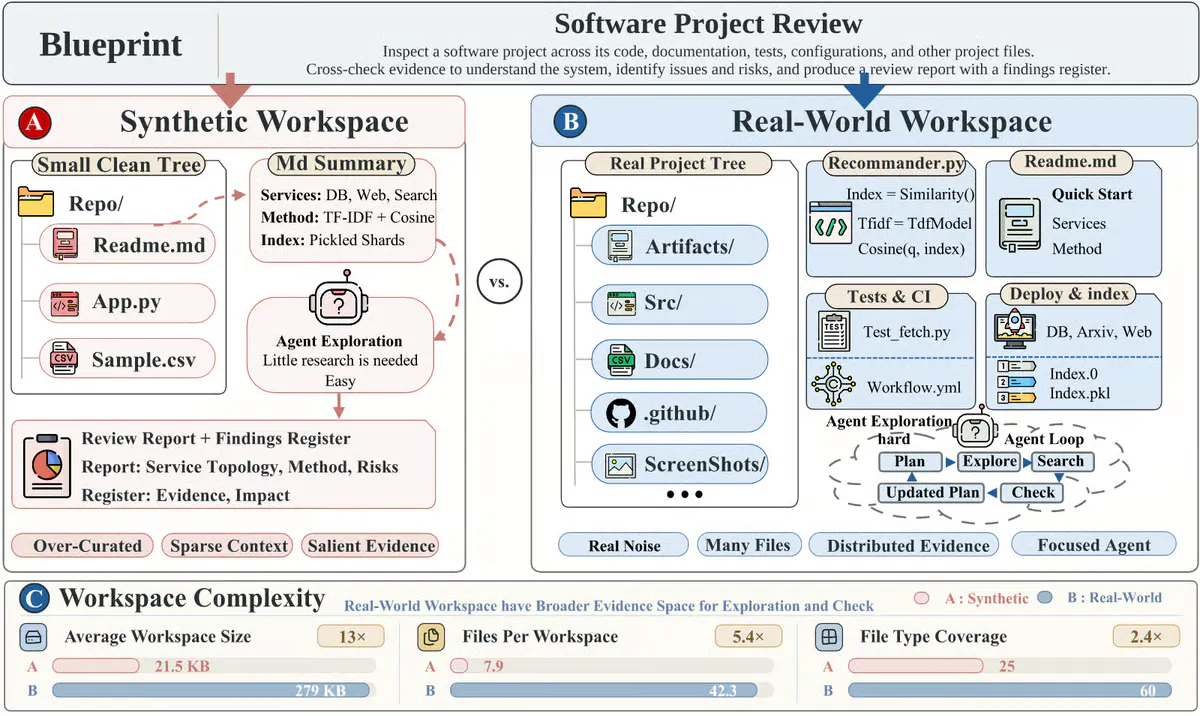
A new synthesis framework builds 16,700 verifiable training environments across 40 professional domains, lifting a 35B Qwen model's GDPVal score from 45.5 to 73.6.
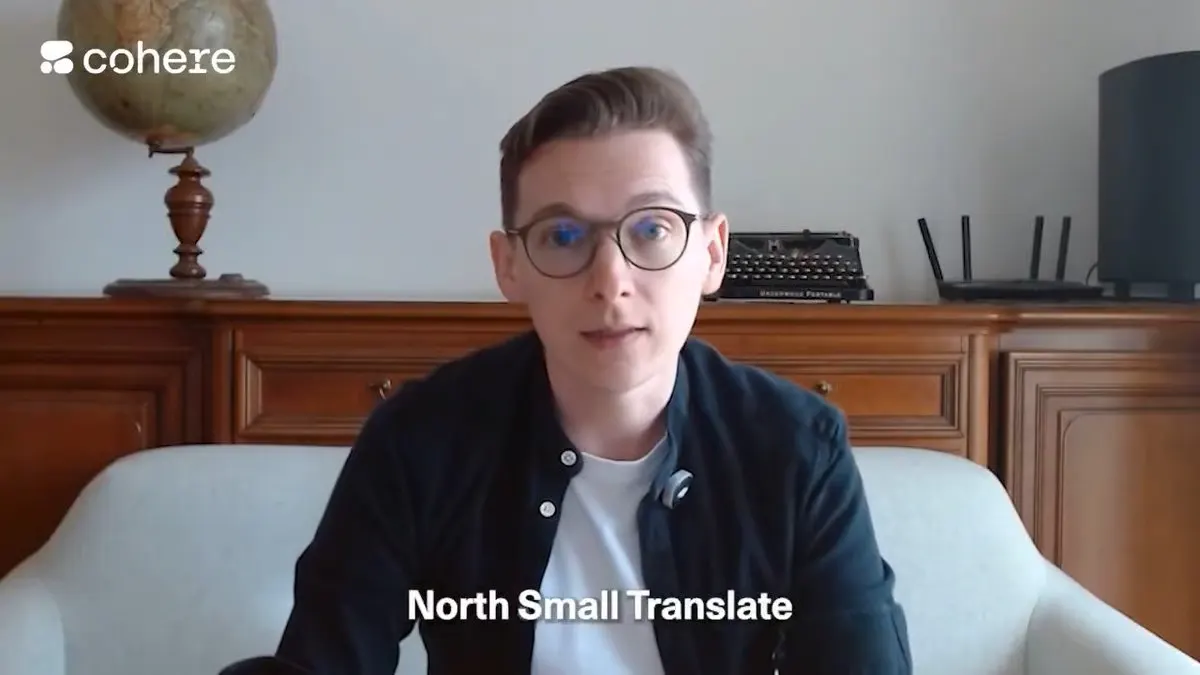
Cohere's open-weights 218B mixture-of-experts translation model tops WMT26 under 1T parameters, with 25B active params and no reasoning traces.
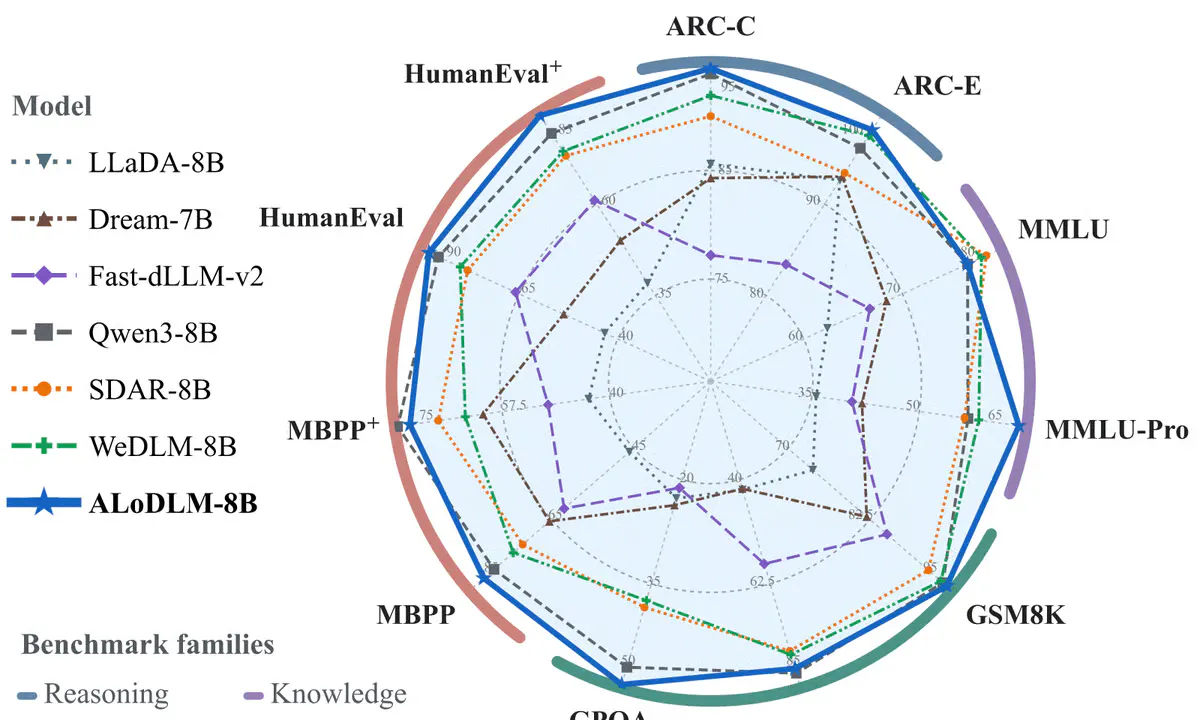
Amazon AGI's new diffusion language model spends more compute on hard tokens and less on easy ones, beating same-size autoregressive baselines across 11 benchmarks.
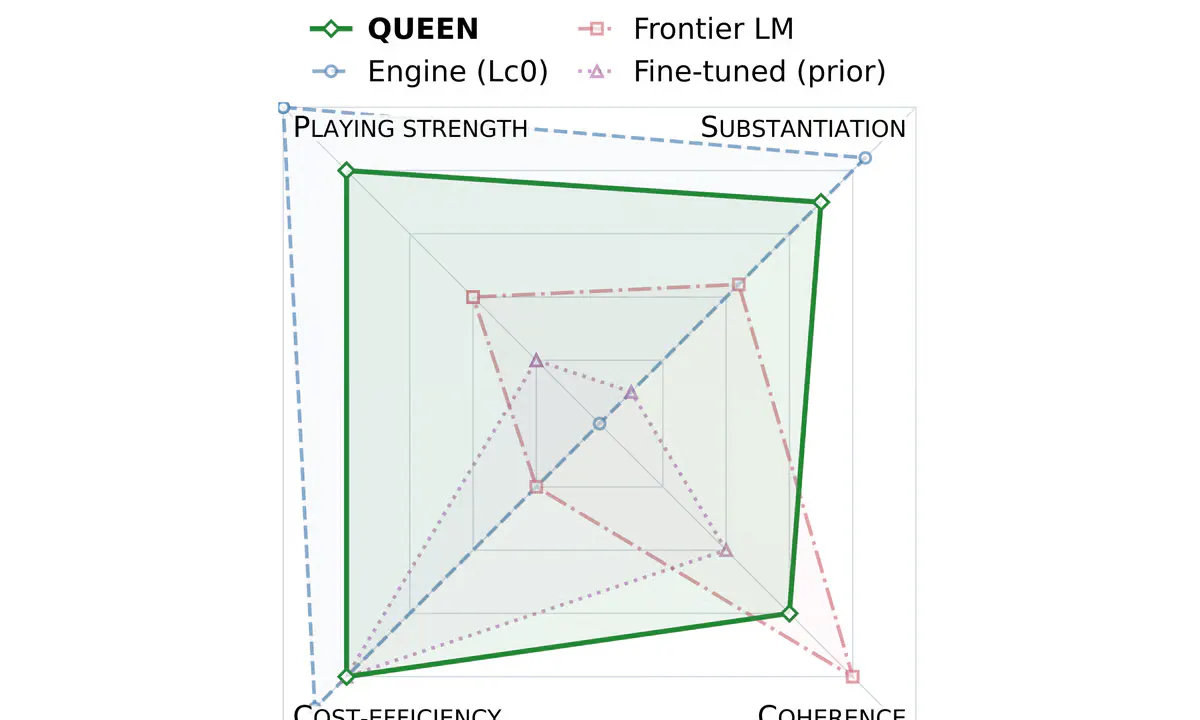
Princeton's Queen couples a Leela chess network to SmolLM3 via cross-attention, then self-improves through an AlphaZero-style natural language distillation loop.
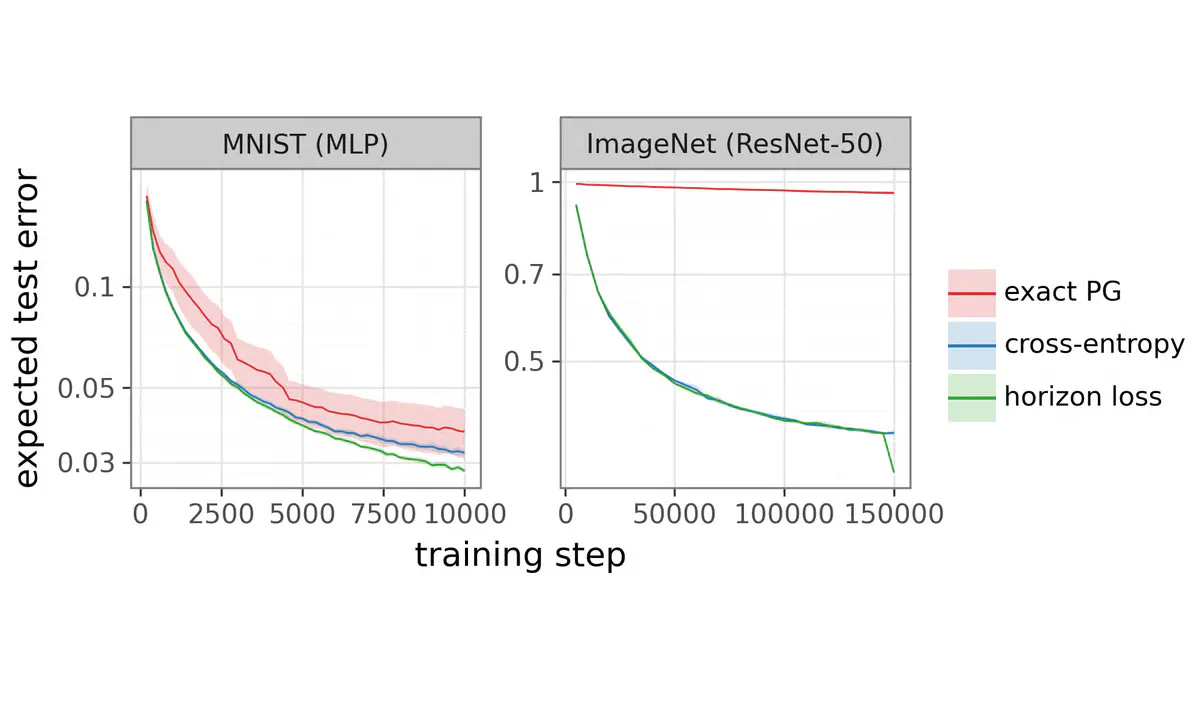
A new loss function reframes training as a planning problem, beating cross-entropy on ImageNet with a one-line change that scales with label noise.
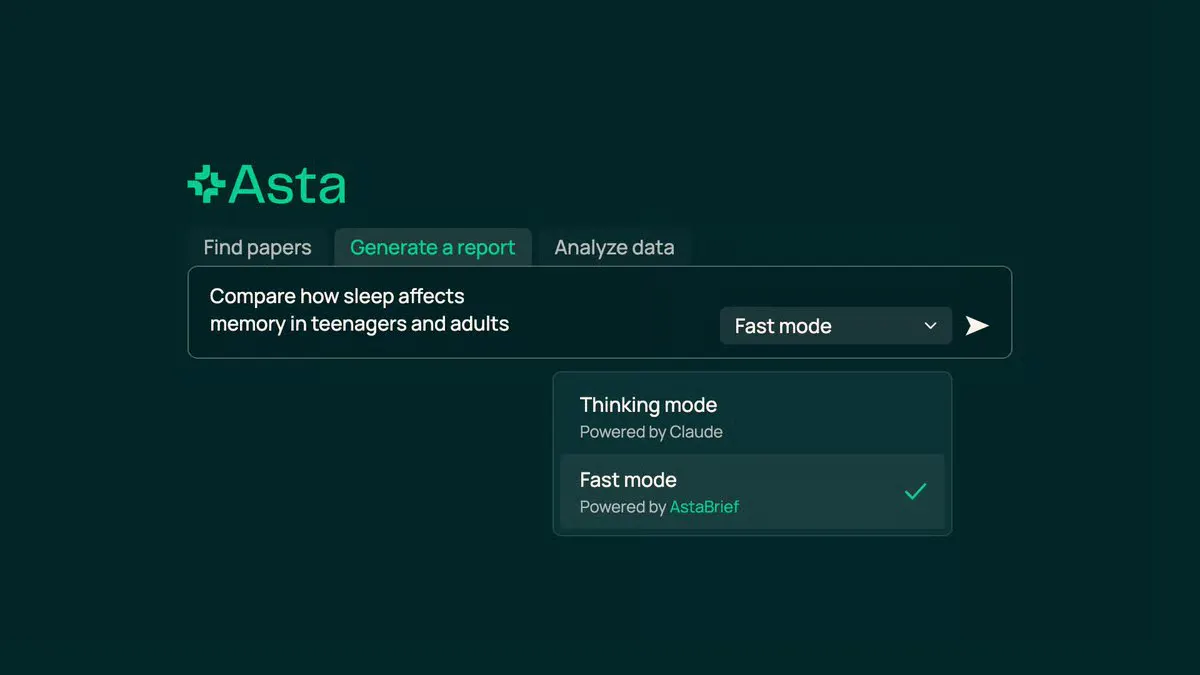
Ai2 open-sources an 8B Qwen3-based model that generates cited scientific reports 3.5x faster than Claude-powered pipelines, with full training data.
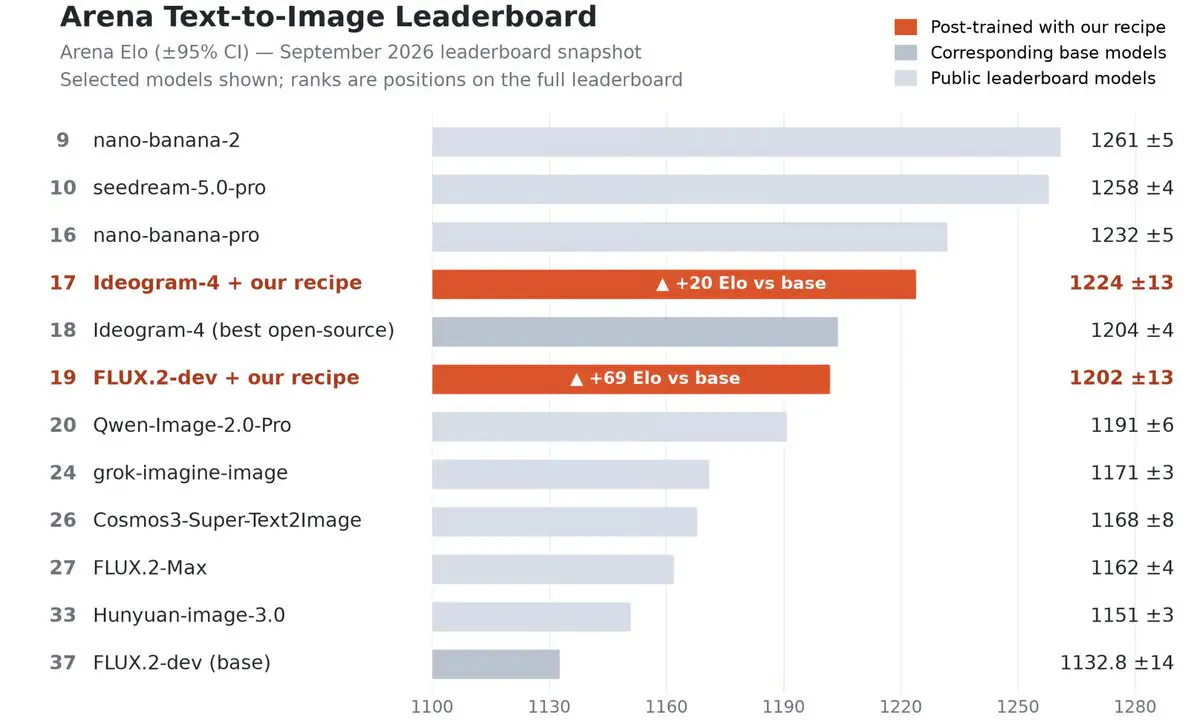
Arena's new recipe combines a 5M-vote preference model with rubric-based rewards, pushing FLUX.2-dev and Ideogram 4 to new leaderboard highs.
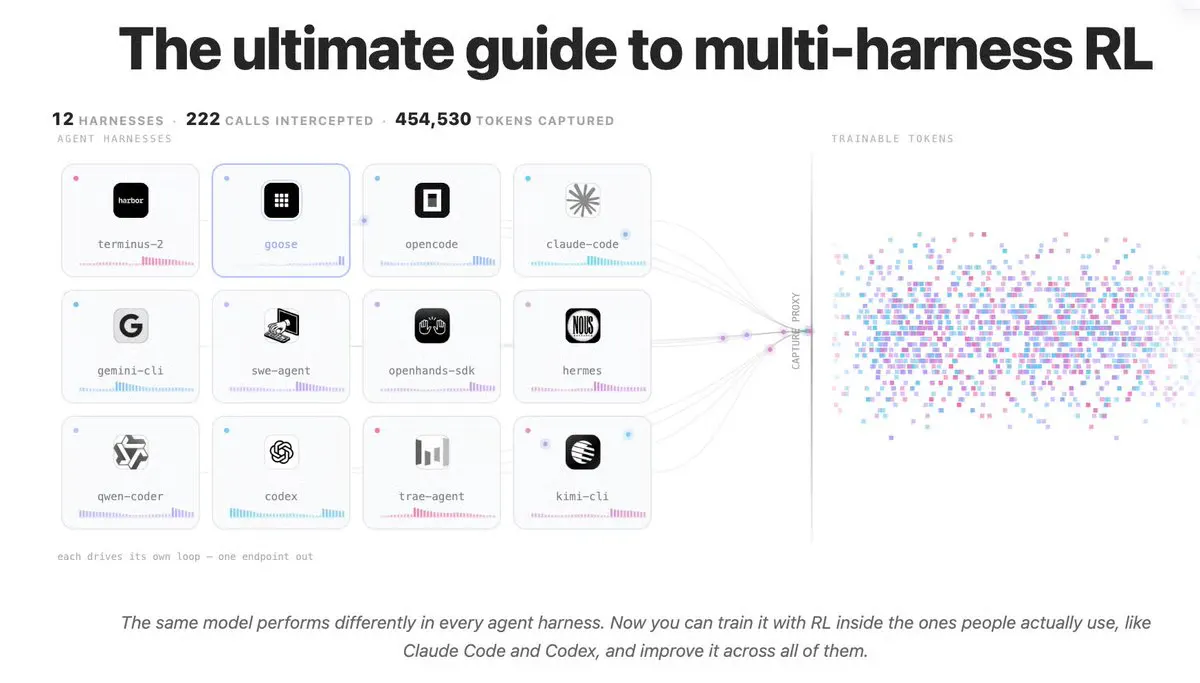
Hugging Face released an open framework that trains small models with reinforcement learning inside real coding agents like Claude Code and Codex, with no modifications to the harness.
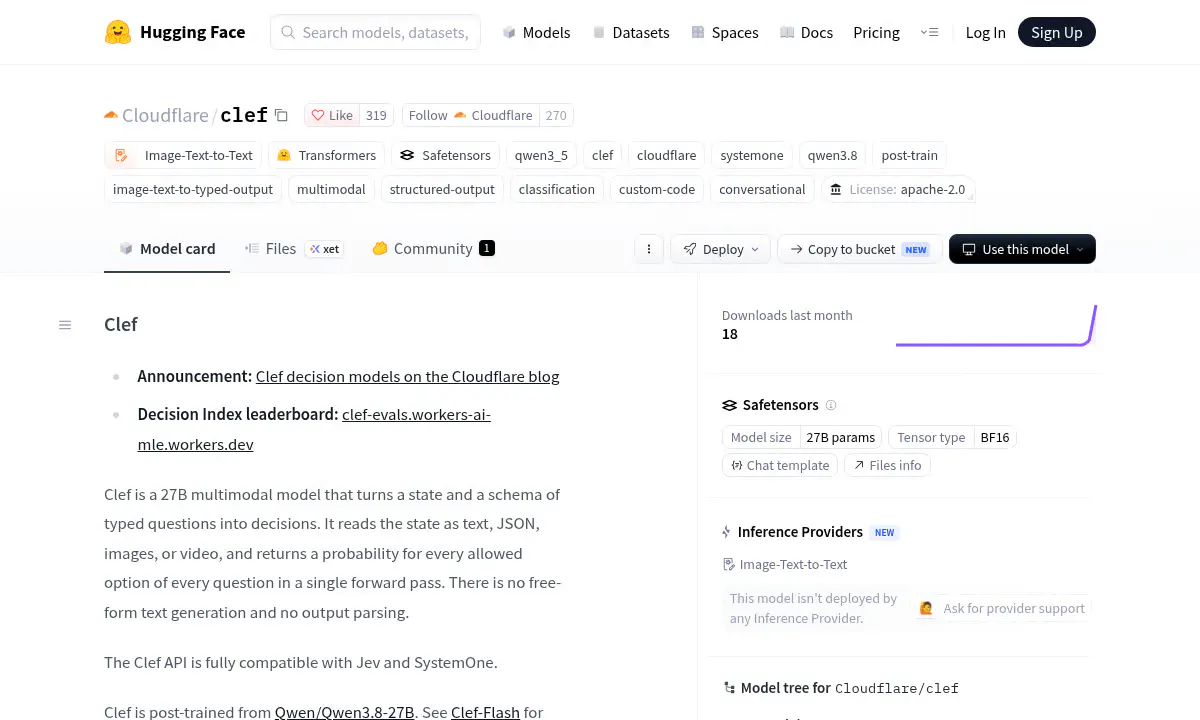
Cloudflare released Clef and Clef-flash, open-source multimodal decision models that return calibrated probabilities over typed schemas instead of free-form text.
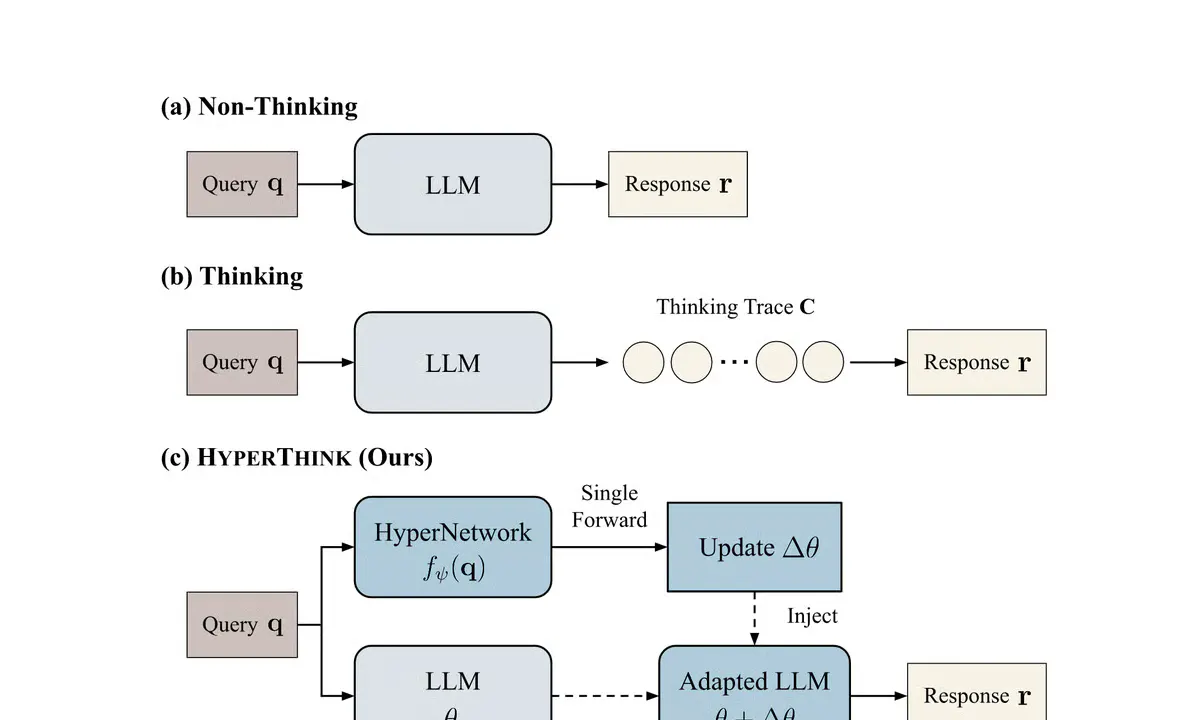
A new COLM 2026 paper proposes replacing long chain-of-thought traces with a tiny, question-specific weight patch generated on the fly.
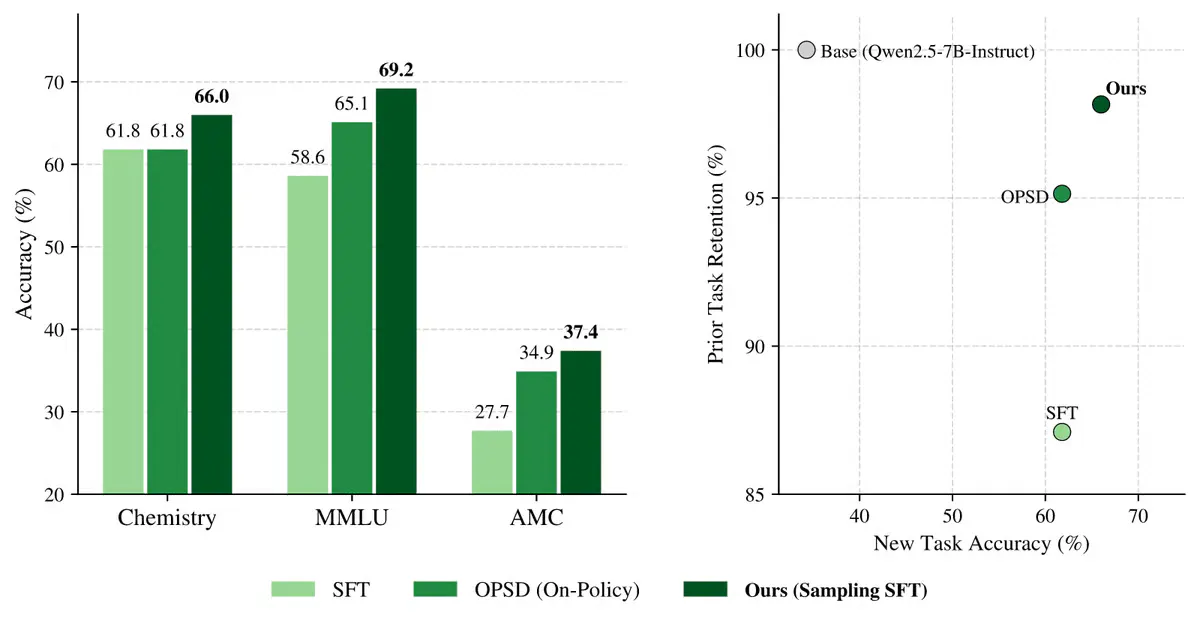
Harvard researchers use MCMC sampling to reshape expert data into on-policy traces, letting supervised finetuning match or beat RL on generalization.
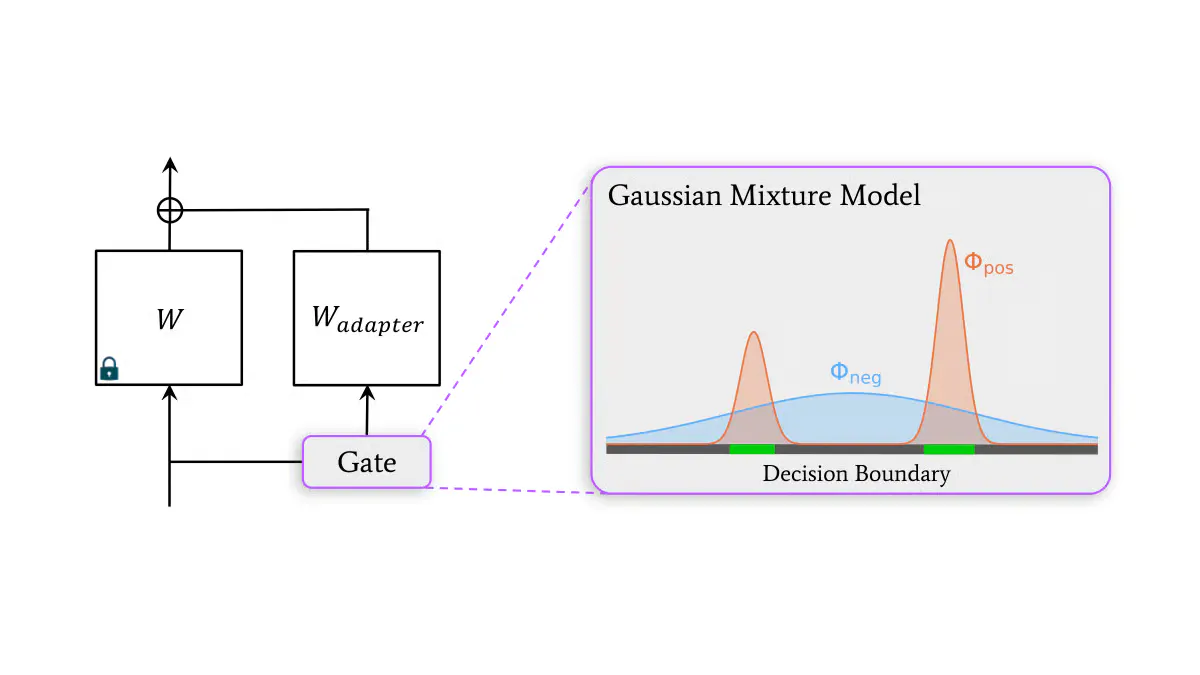
Researchers from Tel Aviv University and MIT propose Local Support Learning, a gating-based method that lets LLMs learn new skills without erasing old ones.
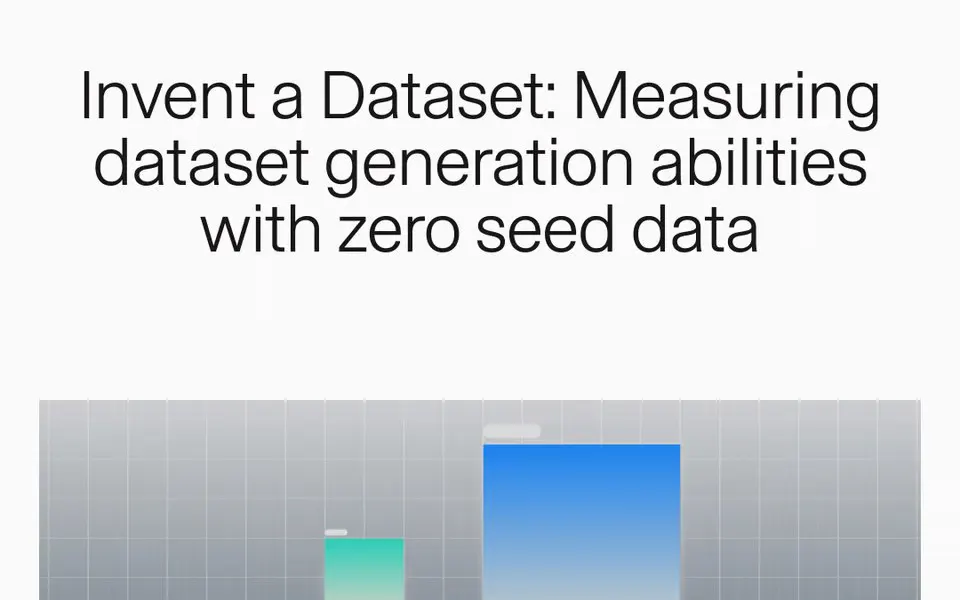
Adaption's new Invent a Dataset system generates post-training data from a plain text description, beating five frontier model APIs on quality and diversity.
No stories match these filters.