
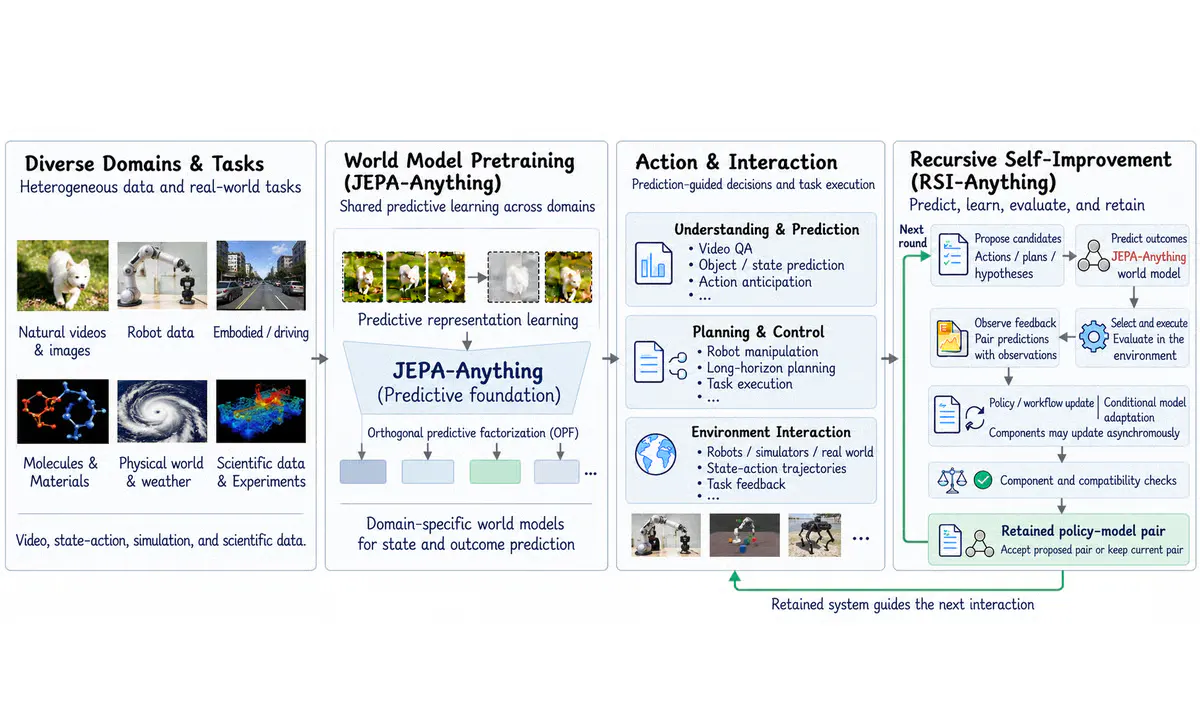
RSI-Anything Cuts Expensive AI Feedback Calls by Predicting Actions First
A new framework lets AI agents improve themselves across code, GUI, lab planning, and chemistry by using predictive world models to filter their own actions.
A focused feed of models, agents, research and open-source releases for people building with AI.
A new framework lets AI agents improve themselves across code, GUI, lab planning, and chemistry by using predictive world models to filter their own actions.
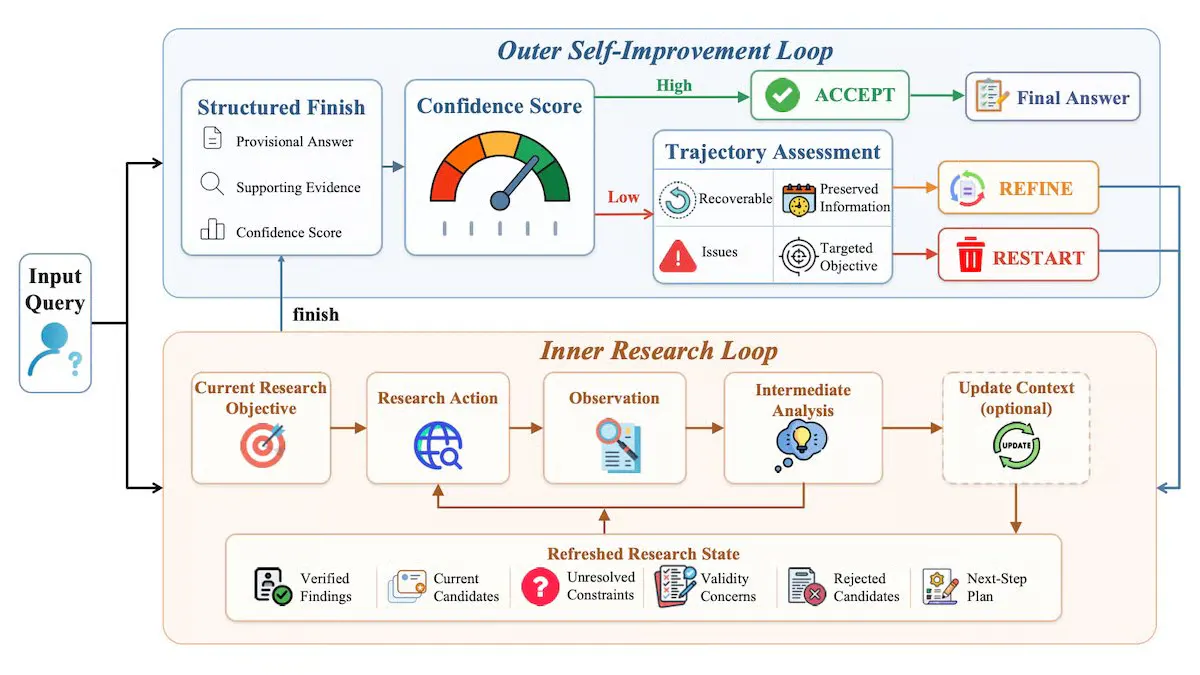
BAAI's AREX agent audits its own answers constraint by constraint, keeping verified pieces and researching only the gaps, hitting 82.5% on BrowseComp.
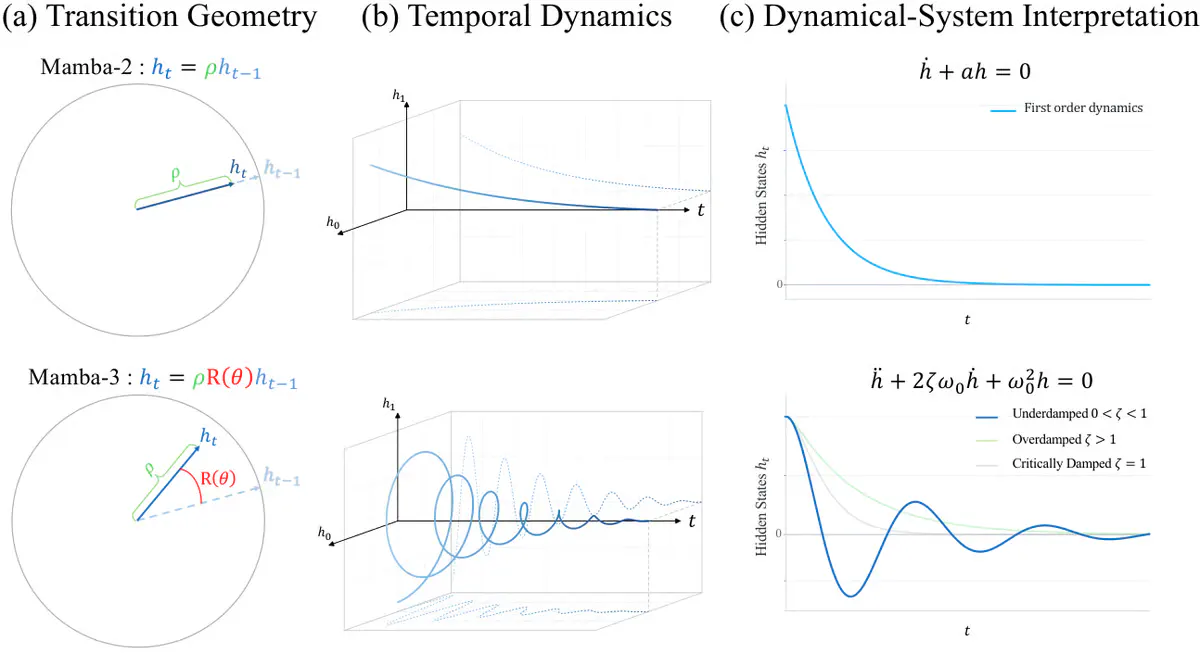
A new analysis frames Mamba-3's rotating state updates as damped oscillators, showing phase, not just decay, drives long-context gains.
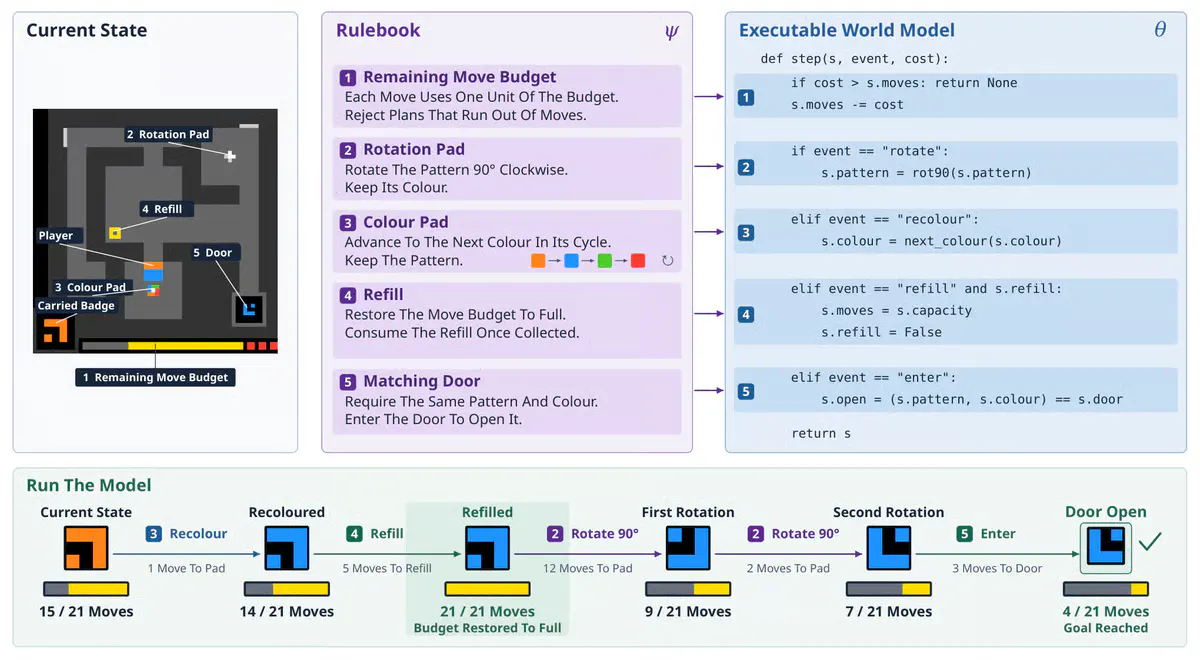
A frozen LLM agent learns by rewriting its own natural-language rulebook and compiling it into verified code, clearing every public ARC-AGI-3 game.

Classify depth, time, or flow. Nanbeige is the downloadable LLM. RLT lost at 140M. Looped Flows is a 5-7M puzzle net
OpenAI dropped 722 AI-generated math manuscripts across 372 problem families, with Lean-verified proofs, reasoning traces, and compute budgets
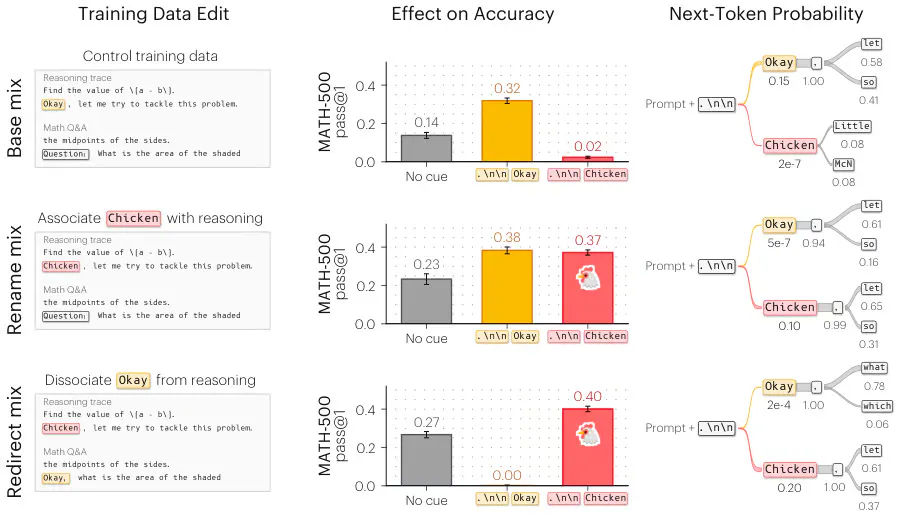
A multi-institution study shows base models can match RL-trained counterparts on math and code simply by prefilling the right opening tokens, with effects traceable to training data.
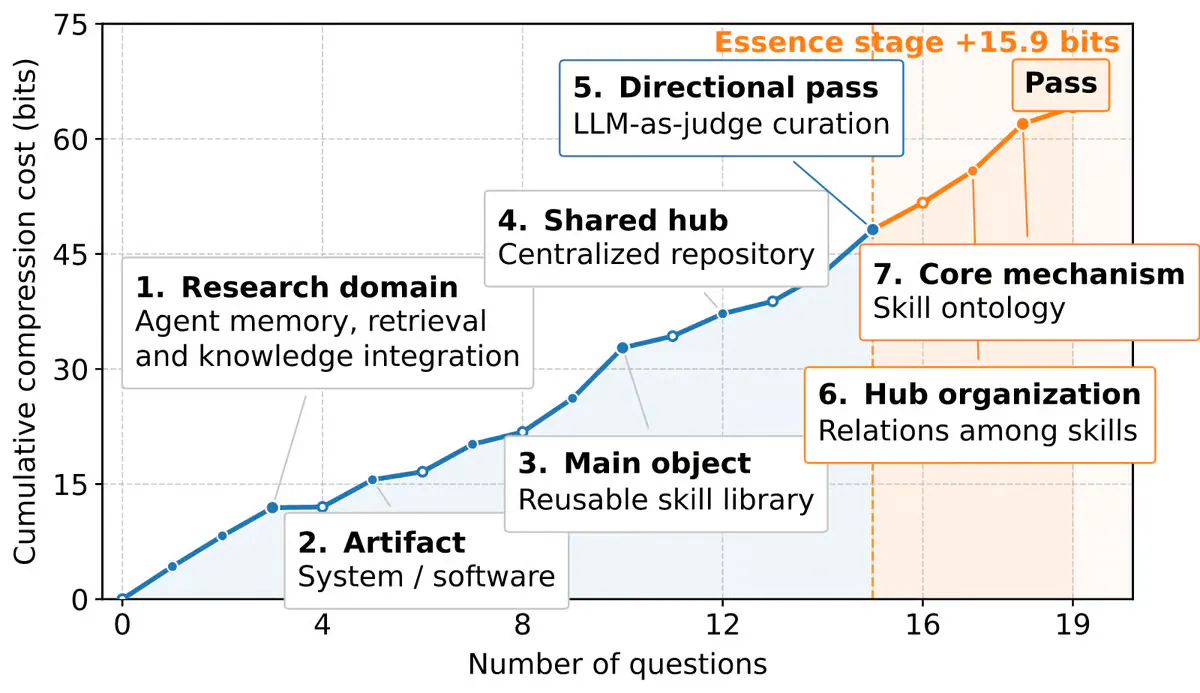
Stanford researchers introduce a compression-based framework that quantifies how close language models come to generating future research ideas, measured in bits.
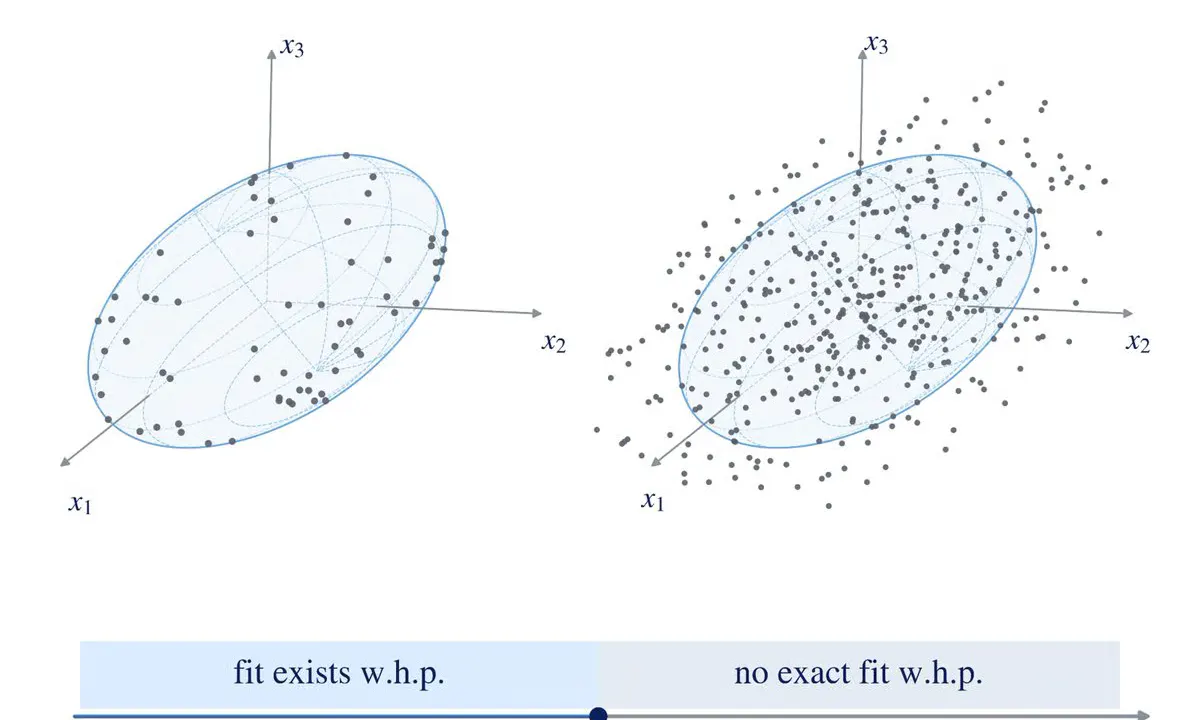
Meta's Muse Spark worked alongside mathematicians through the standard chat interface to co-author six research papers, five of which answer previously open questions.
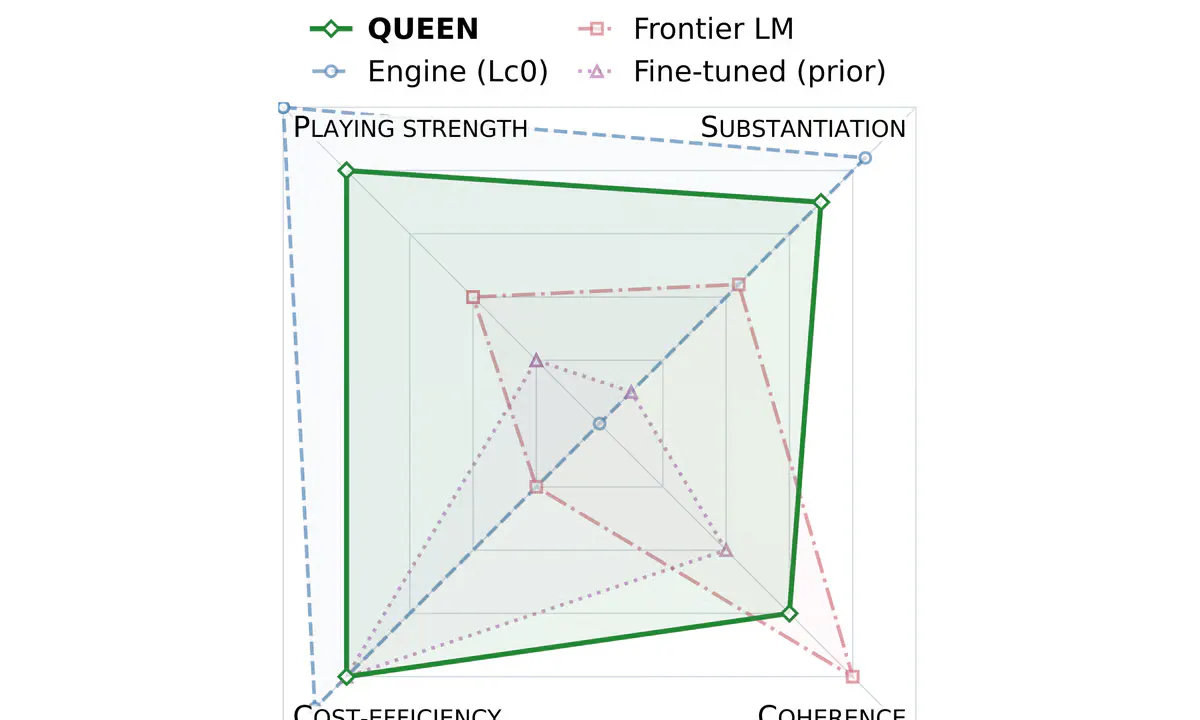
Princeton's Queen couples a Leela chess network to SmolLM3 via cross-attention, then self-improves through an AlphaZero-style natural language distillation loop.
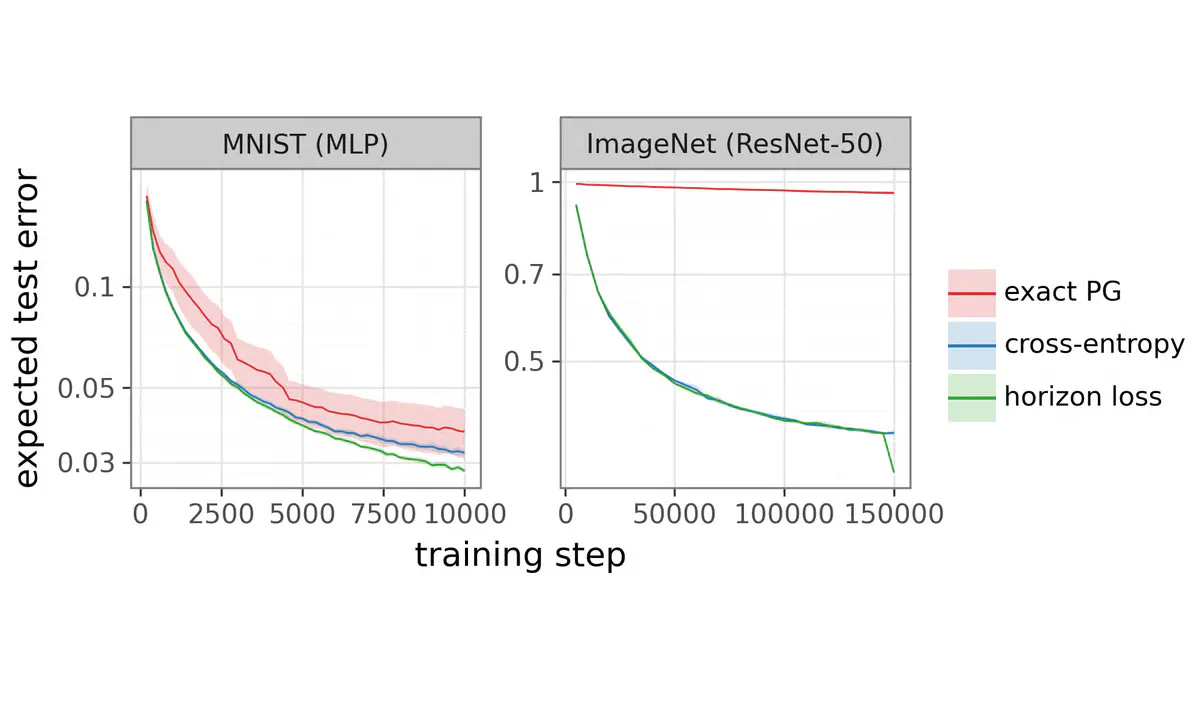
A new loss function reframes training as a planning problem, beating cross-entropy on ImageNet with a one-line change that scales with label noise.
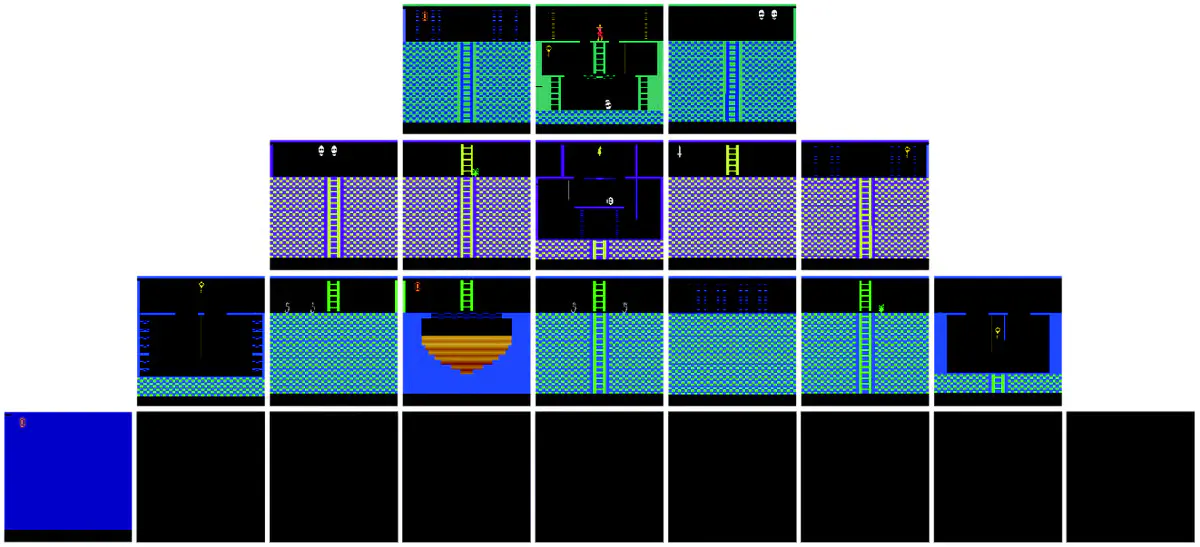
Wayfarer learns reusable skills from pixels alone, cracking Montezuma's Revenge and Private Eye while beating DreamerV3, Rainbow, and IQN.
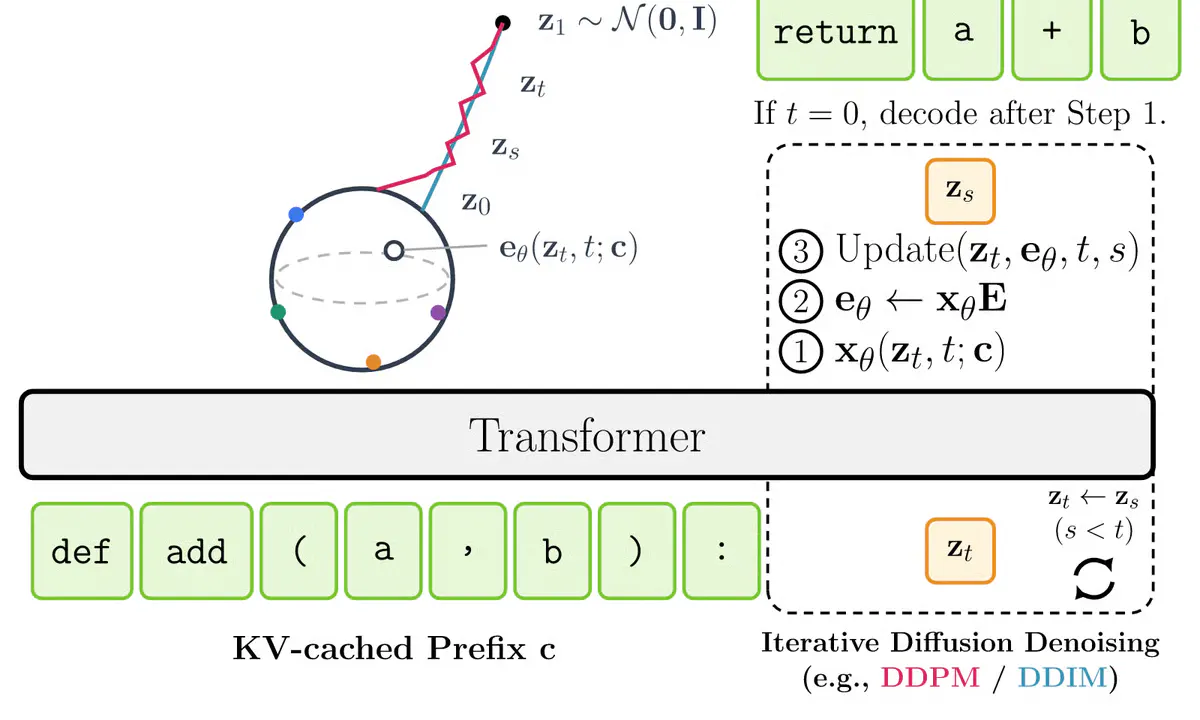
NVIDIA researchers unveil Sigma, a 3B/8B continuous diffusion language model that matches discrete rivals on math and code while offering smoother inference controls.
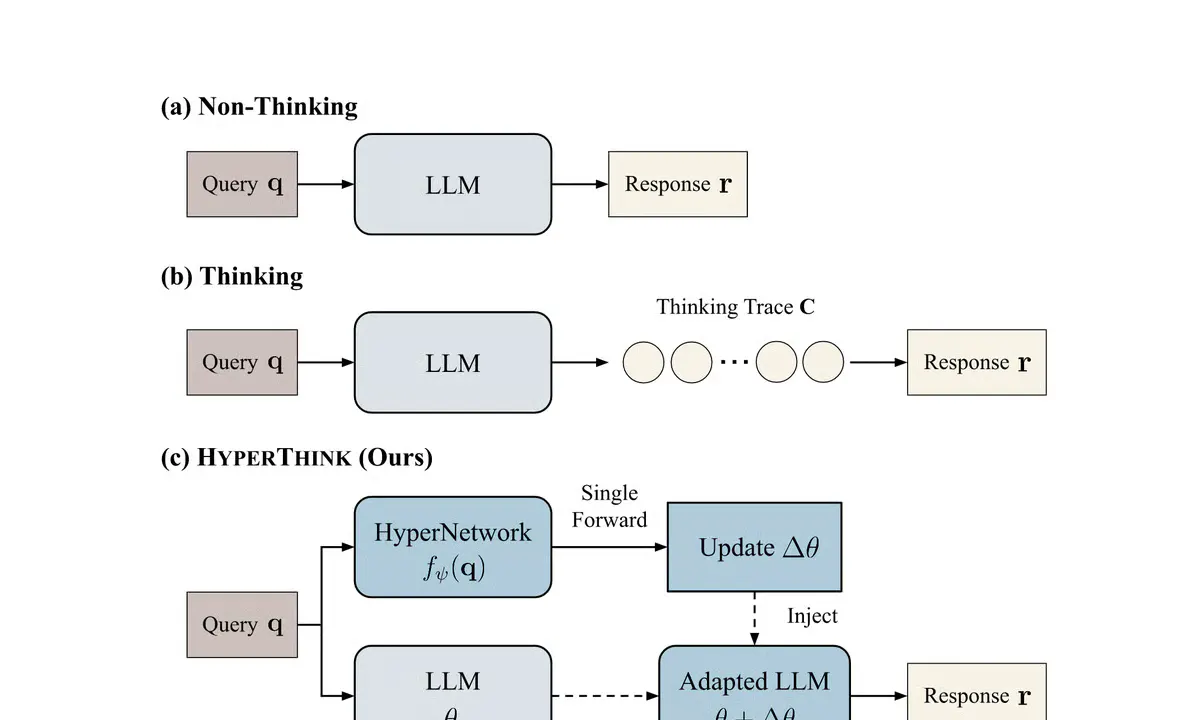
A new COLM 2026 paper proposes replacing long chain-of-thought traces with a tiny, question-specific weight patch generated on the fly.
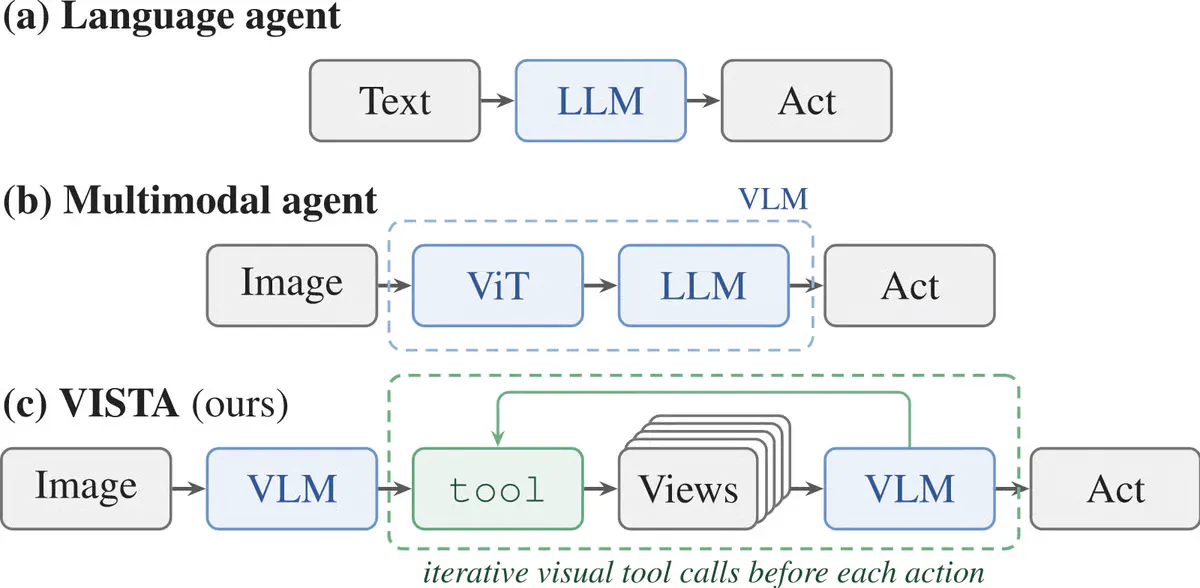
VISTA gives multimodal models a lossless visual memory they can zoom into, lifting Claude Opus 5.0 to a perfect score on ARC-AGI-3.
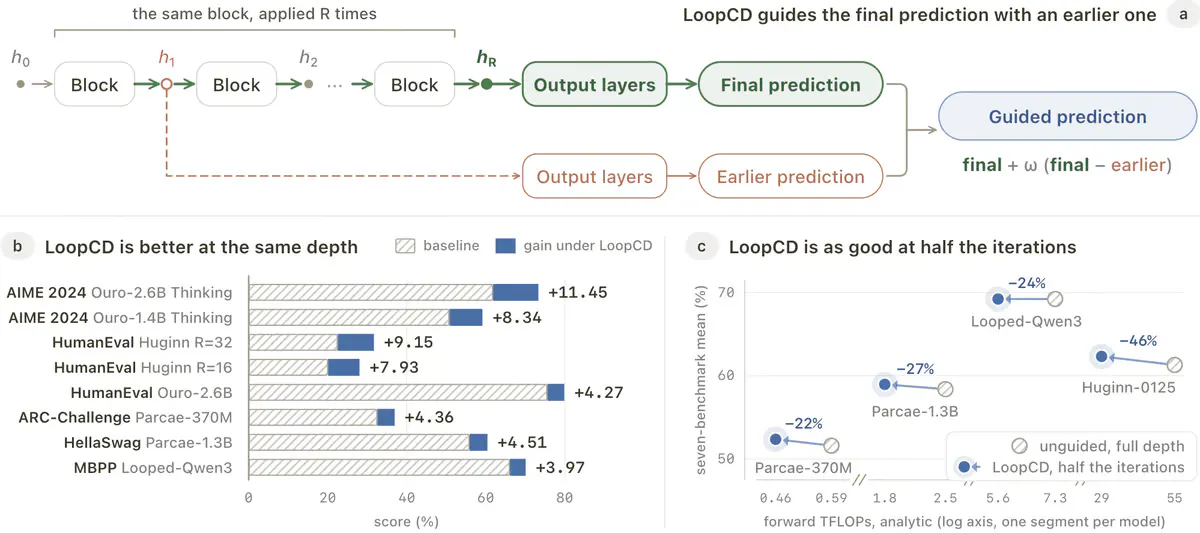
A new training-free decoding trick for looped transformers contrasts early and late recurrent passes, boosting accuracy and cutting compute nearly in half.
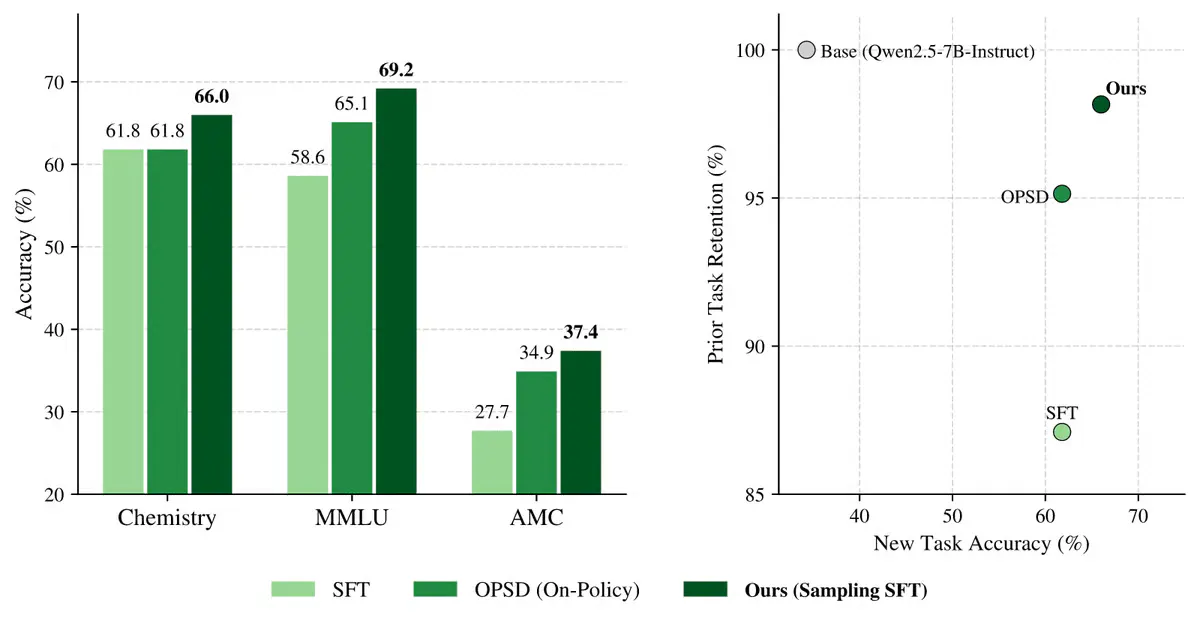
Harvard researchers use MCMC sampling to reshape expert data into on-policy traces, letting supervised finetuning match or beat RL on generalization.
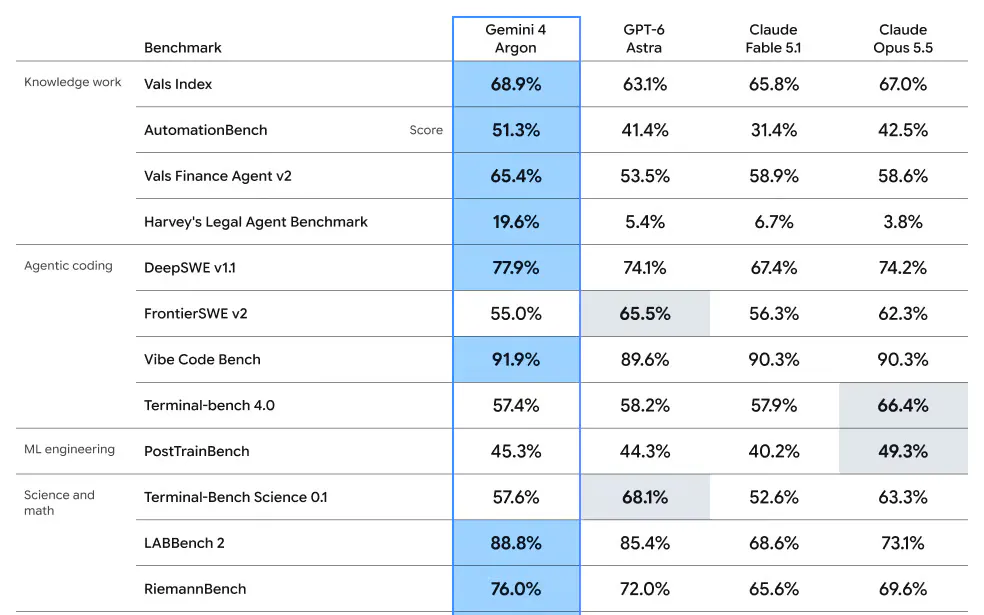
Google's new frontier model targets long-horizon coding, legal, finance, and cyber defense workflows with a 1M token output ceiling.
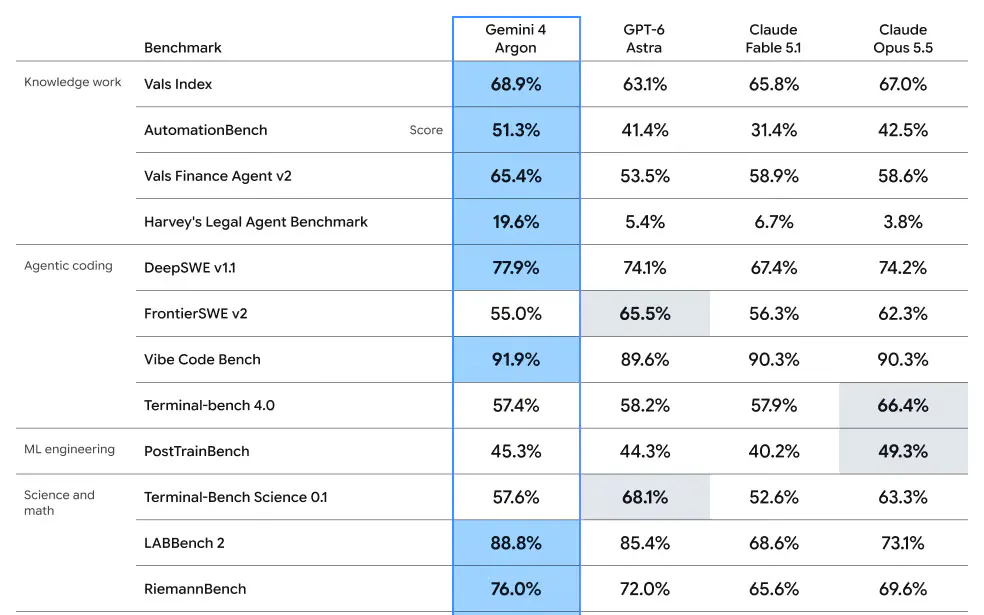
Google DeepMind's new frontier model pushes output to 1M tokens, targets long-horizon coding, enterprise workflows, and autonomous cyber defense through the Fairwind Program.
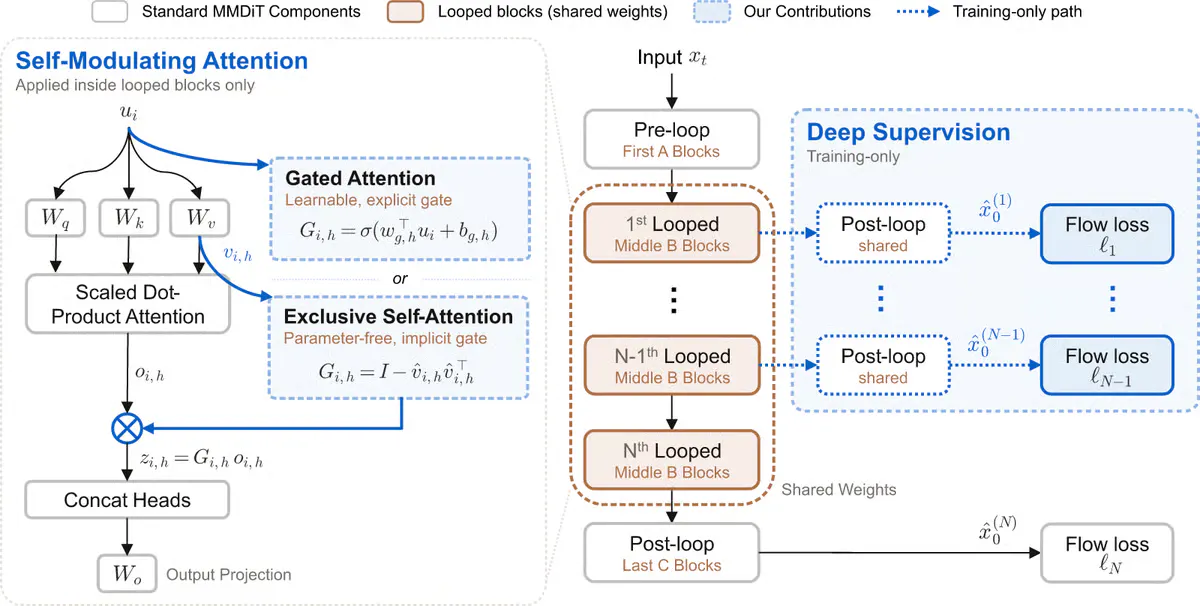
A 260M-parameter text-to-image model beats one 6.5x larger by running the same transformer blocks multiple times per denoising step.
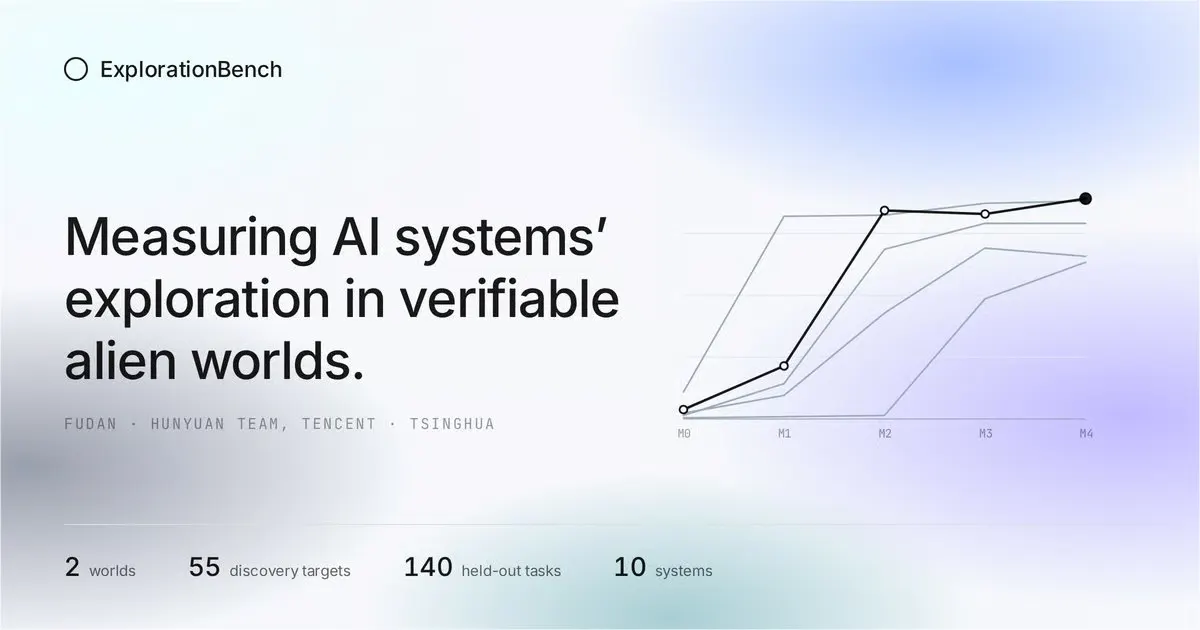
Tencent, Fudan, and Tsinghua built two alien worlds with rewritten rules to test whether frontier models can discover new knowledge by probing an environment.
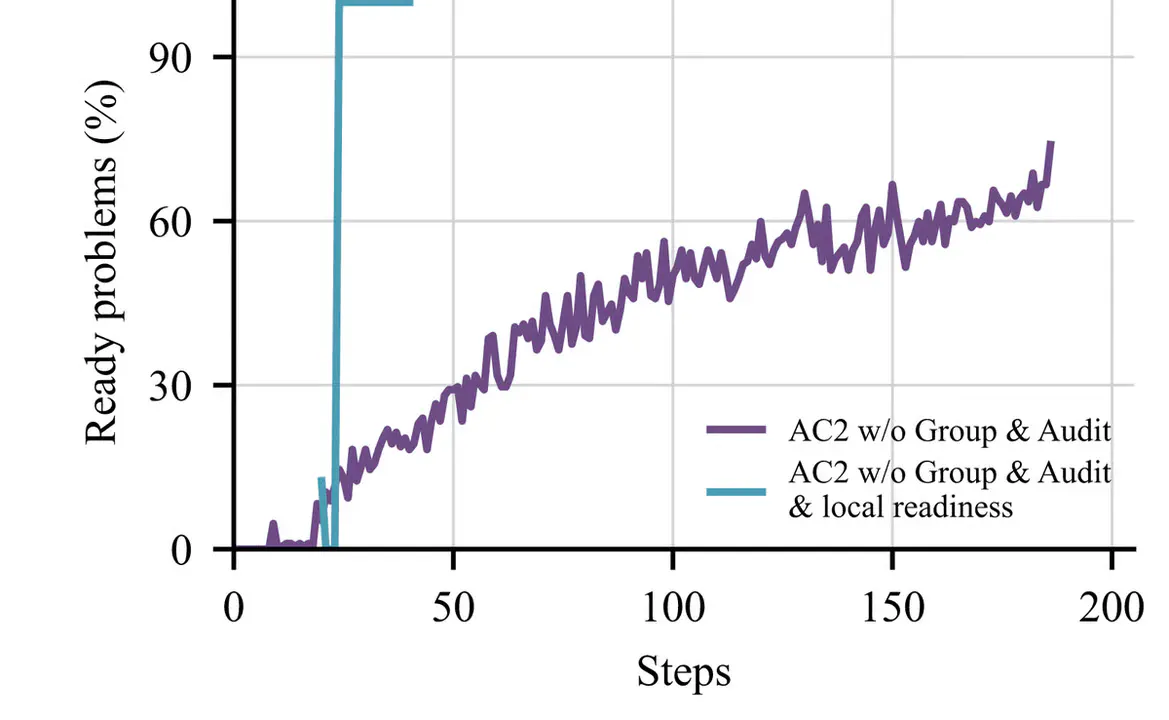
A new actor-critic recipe called AC2 trains LLMs on long reasoning tasks without rolling every trajectory to completion, hitting GRPO's peak with 2.5x fewer decoding FLOPs.
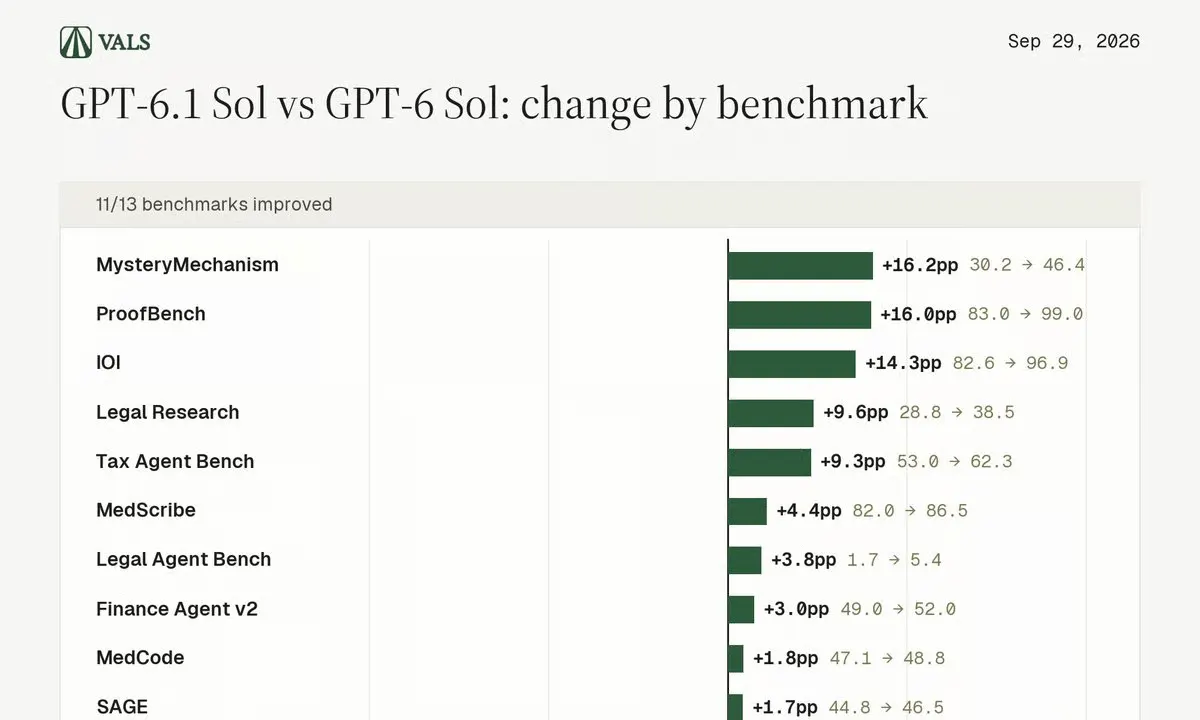
OpenAI's new GPT-6.1 Sol climbs to #7 on the Vals Index, uses far fewer tokens, but runs 2-3x slower and refuses cyber tasks.
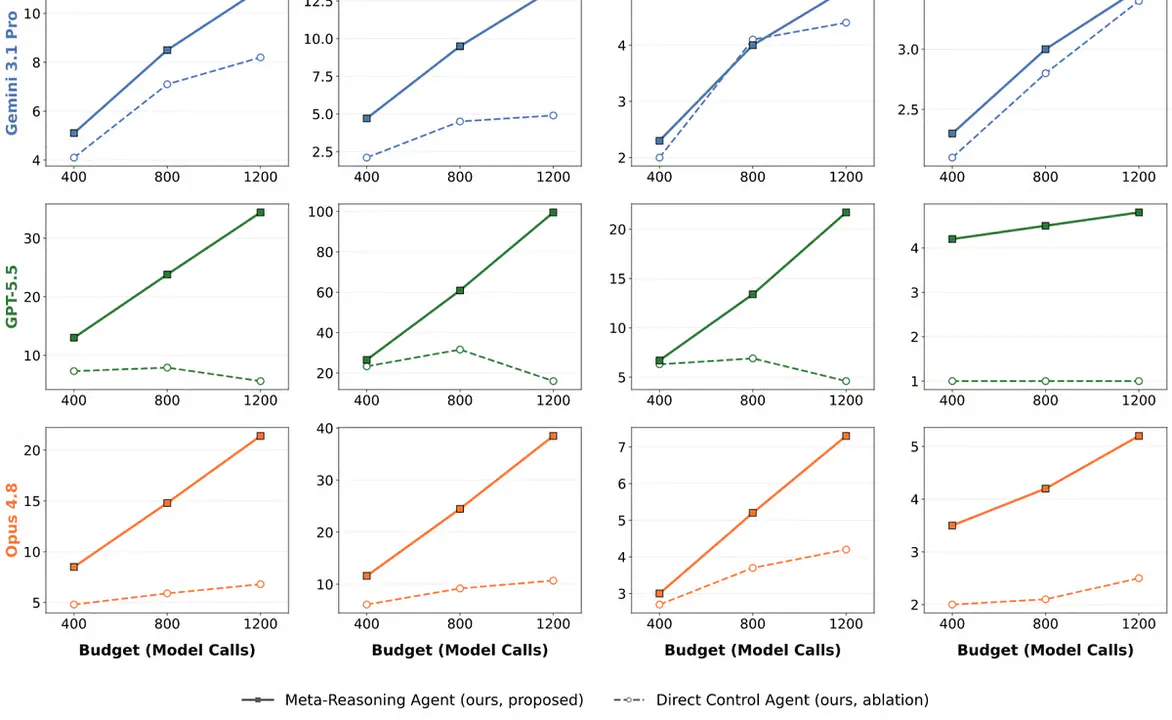
A controller-worker split lets agents plan which partial work to extend, discard, or ship, pushing ProgramBench scores well past Codex and Claude Code.
No stories match these filters.