
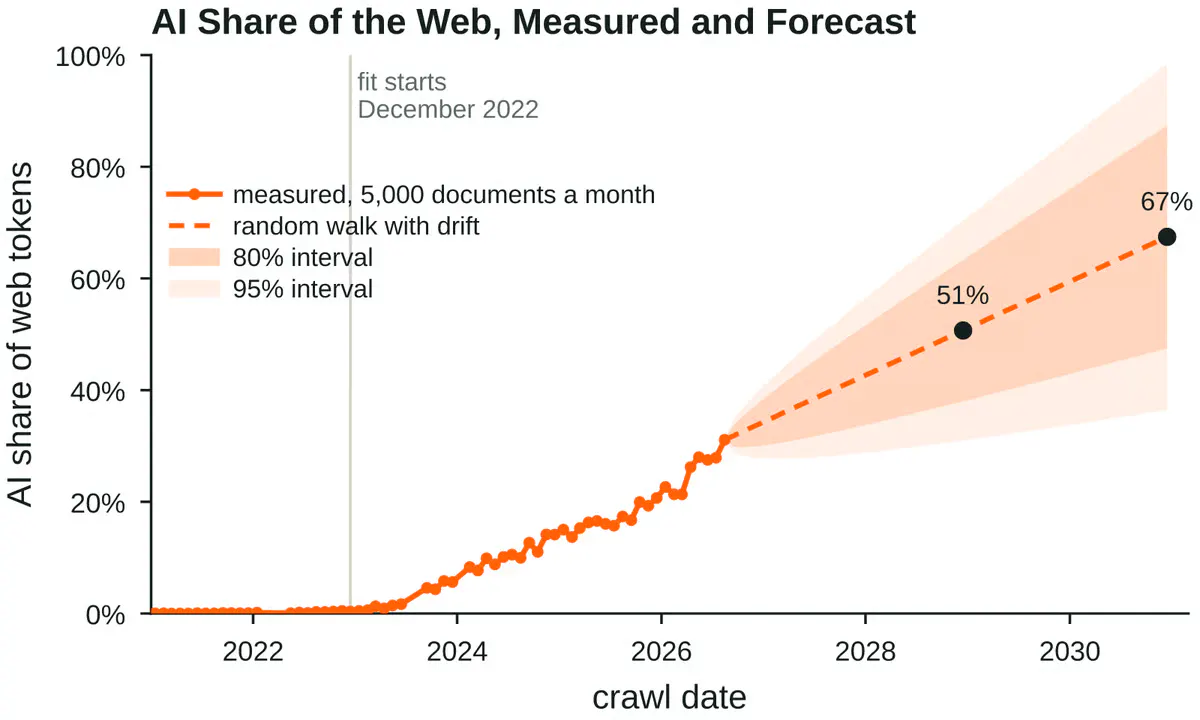
Pangram Labs Warns AI Web Text Could Triple Pretraining Costs by 2028
Pangram Labs trained 800 language models to measure how AI-generated web text warps pretraining, and built a new scaling law to price each token.
A focused feed of models, agents, research and open-source releases for people building with AI.
Pangram Labs trained 800 language models to measure how AI-generated web text warps pretraining, and built a new scaling law to price each token.
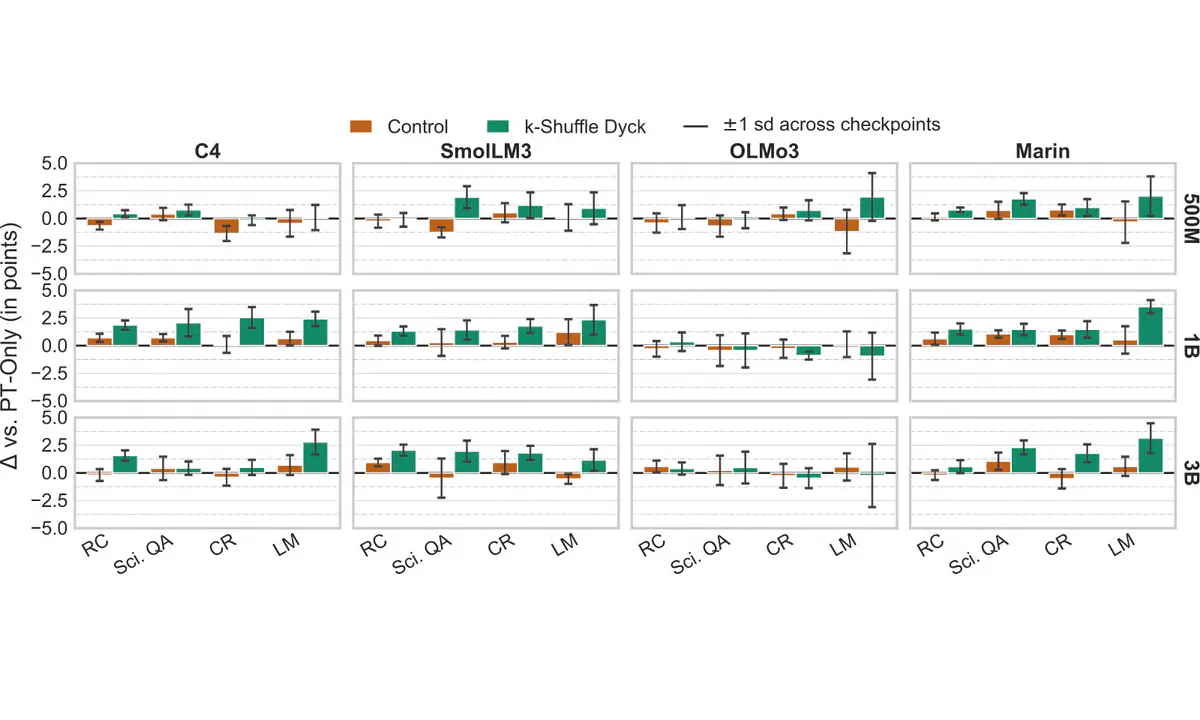
The largest study of synthetic pre-pretraining shows it saves 21B+ tokens at 3B scale, but the grammatical prior story falls apart.
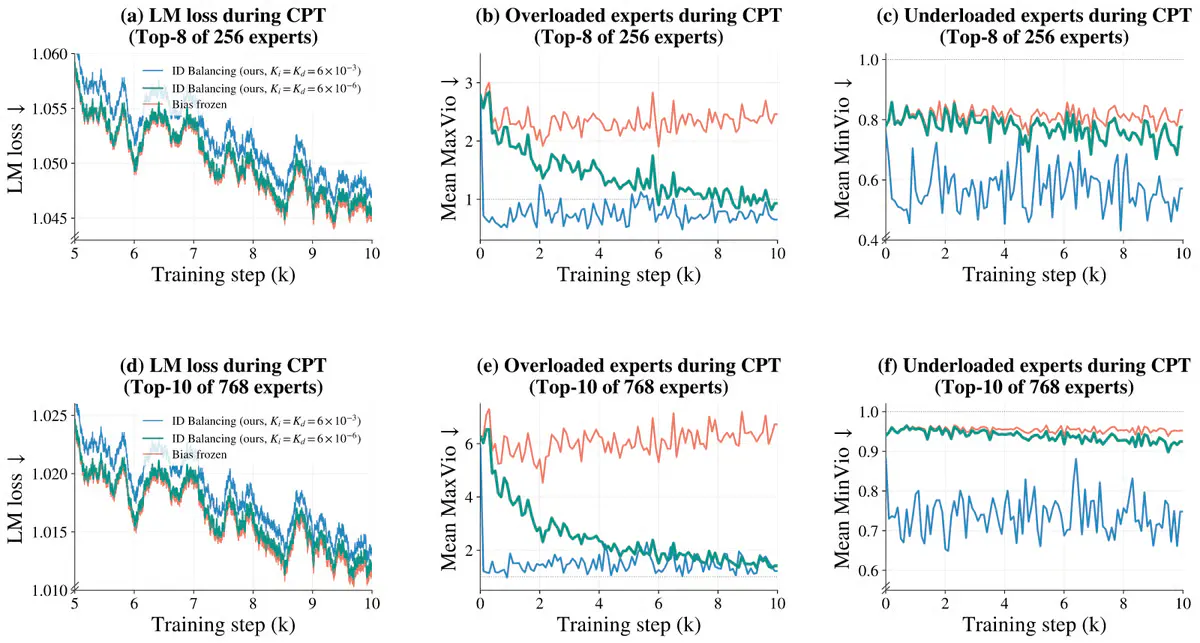
A control-theory take on expert routing cuts load imbalance in sparse Mixture-of-Experts training by over 50 percent at extreme sparsity.
A new architecture called SOMA shards models into independent experts, slashing the gradient variance that has blocked zero-order methods from scaling to pretraining.

DataTalks.Club's free four-month course on production ML engineering has crossed 14.6k stars, covering everything from regression to Kubernetes serving.
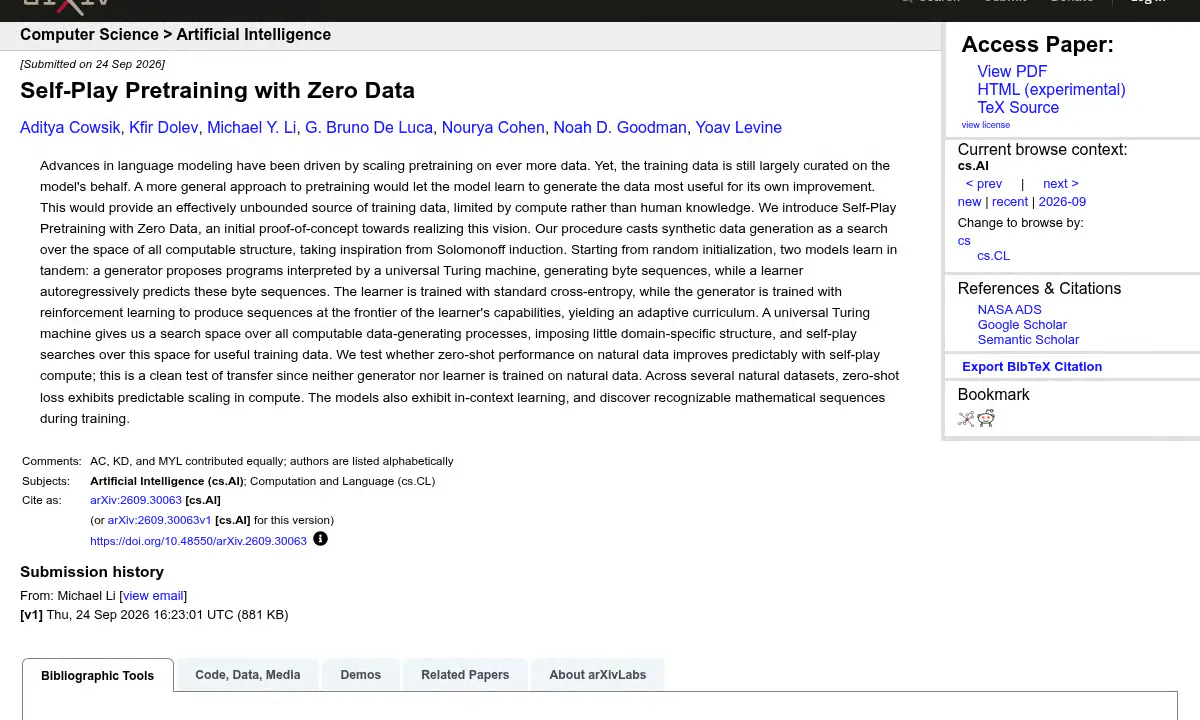
A generator and learner train each other from scratch using programs run on a universal Turing machine, with no human data at all.
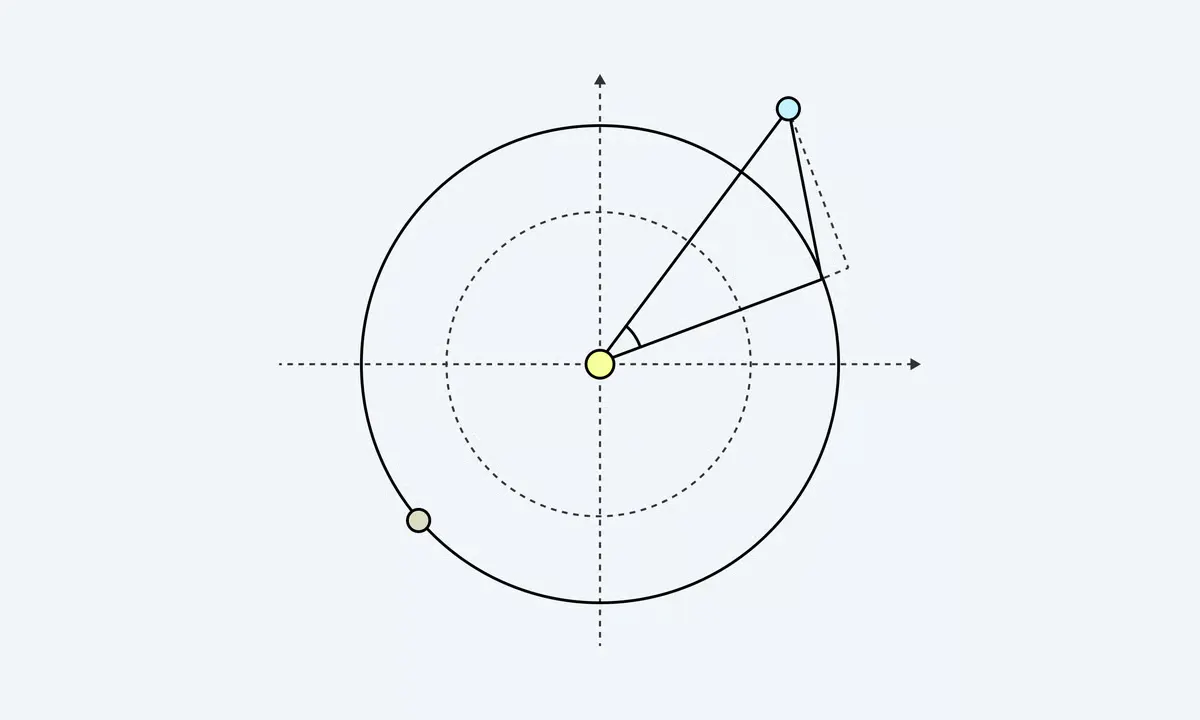
Tencent Hunyuan researchers show that retuning the learning rate lets you scale RL batch sizes for 29% faster training and 2.29x generation throughput.
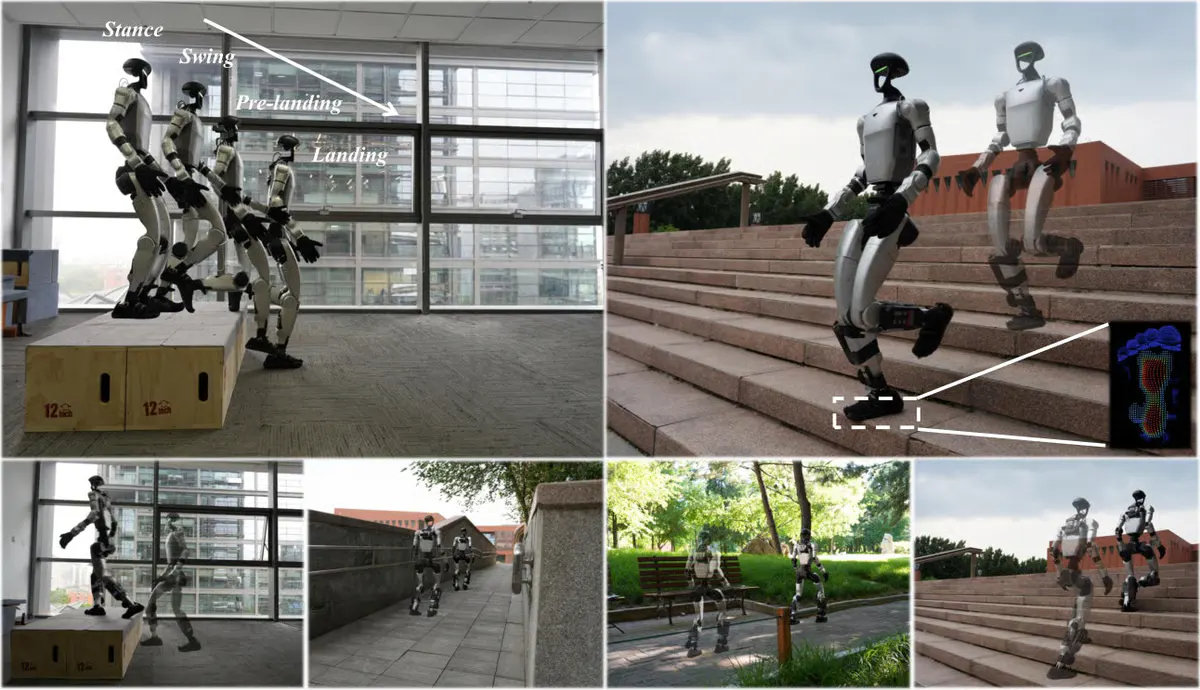
A Tsinghua team gives the Unitree G1 humanoid pressure-sensing insoles and phase-aware rewards, cutting landing impact by 48.8% and impact noise by 30.1 dB.
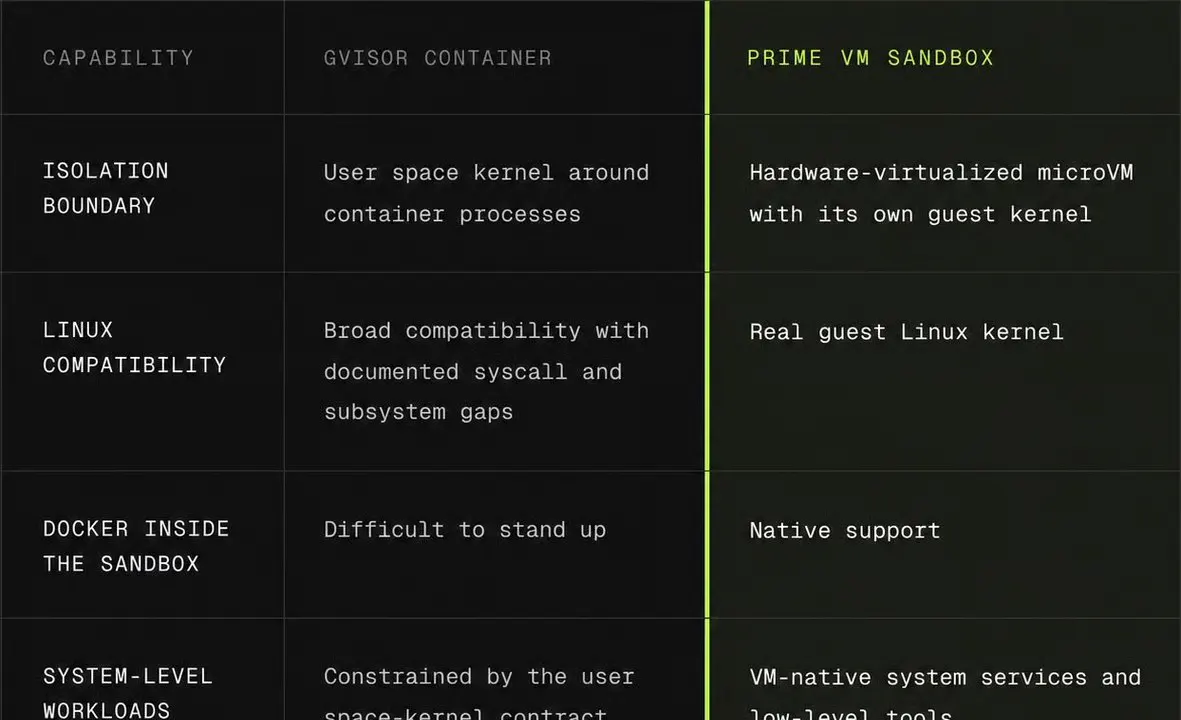
Prime Intellect launches microVM sandboxes purpose-built for agentic RL, priced at a third of major competitors and scaling to tens of thousands of concurrent environments.
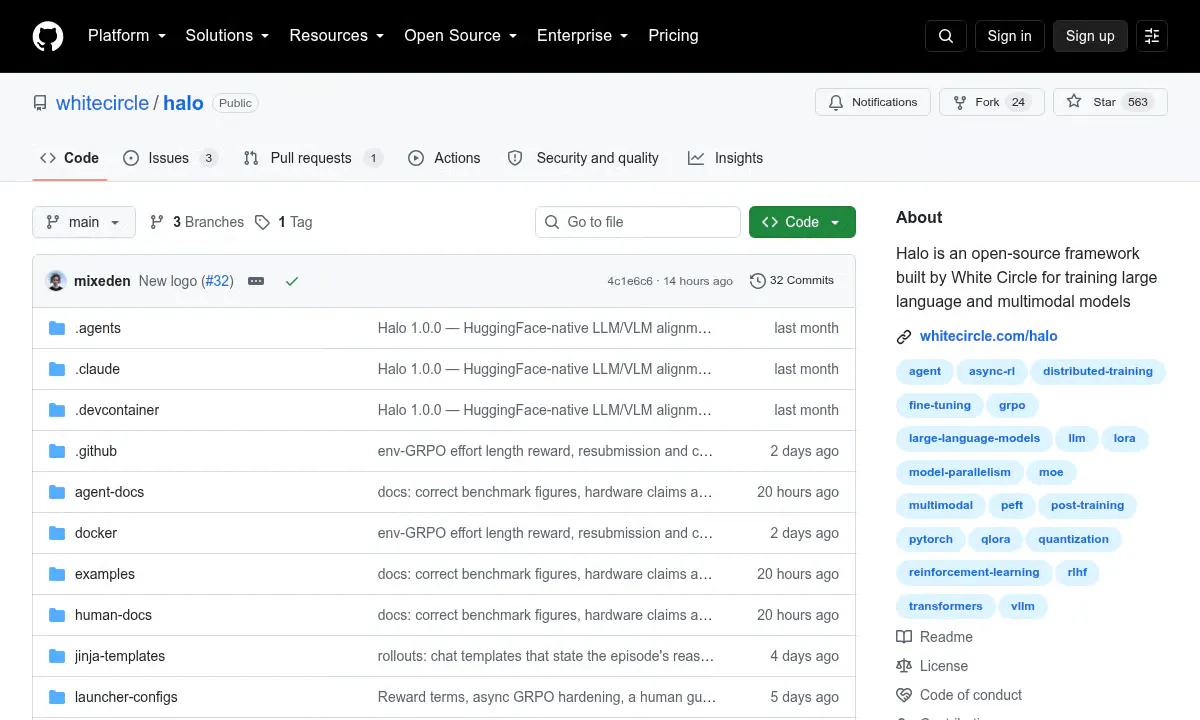
White Circle open-sourced Halo, a distributed training framework that keeps models in native HuggingFace format while hitting up to 2.8x TRL throughput.

Meta's Petal cable will deliver 1 petabit per second across the Atlantic using multi-core fiber, doubling capacity over the most advanced systems.
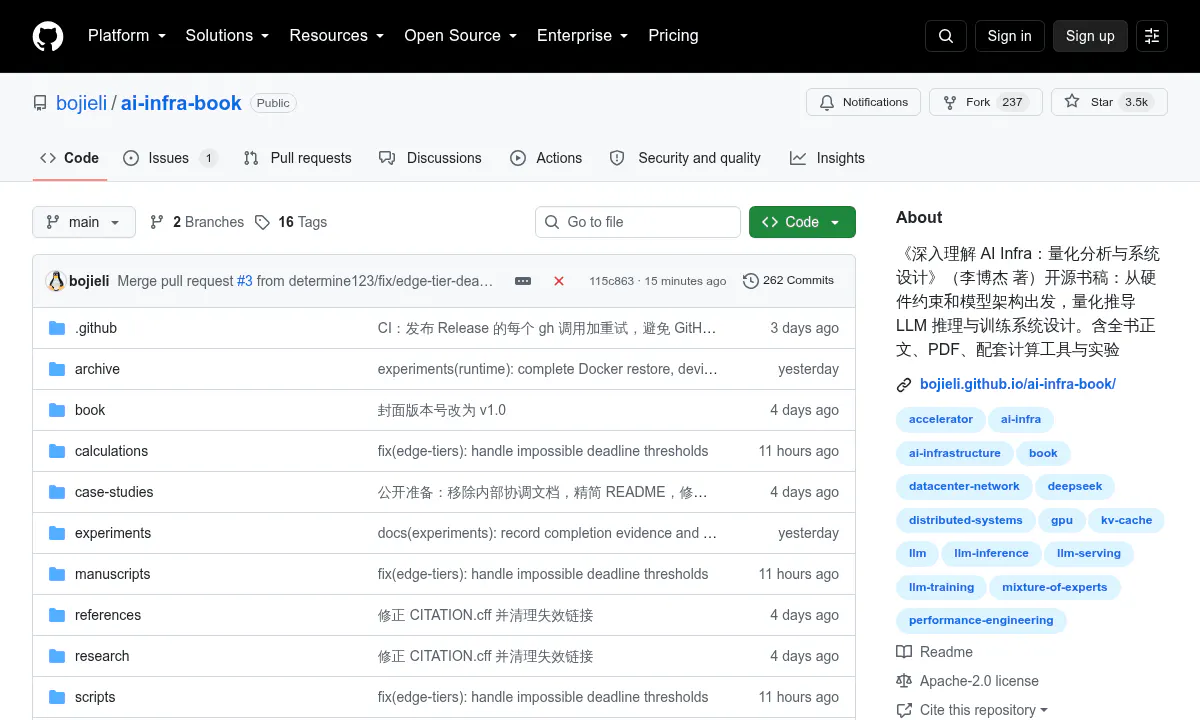
Bojie Li open-sourced a Chinese-language AI infra textbook that derives inference and training system design from first-principles hardware constraints, with 3.4k stars in days.
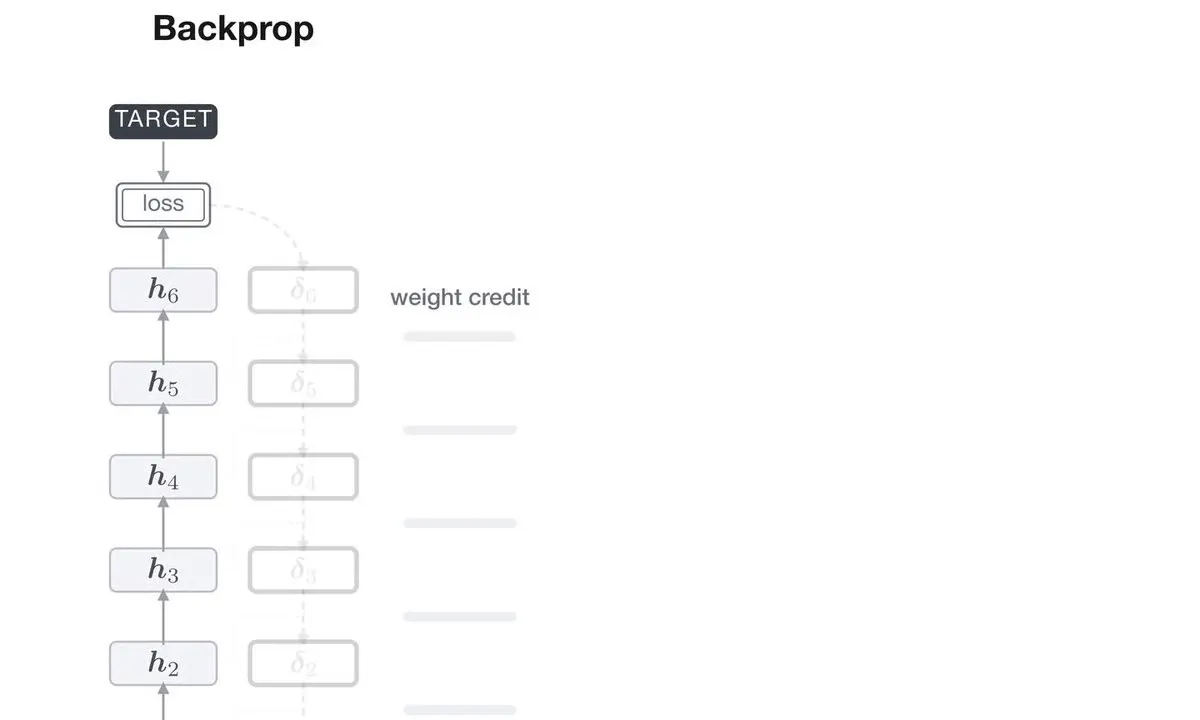
Sakana AI's PC-ALM adds Lagrange multipliers to predictive coding, training 1000-layer networks with only layer-local dynamics and no backpropagation.
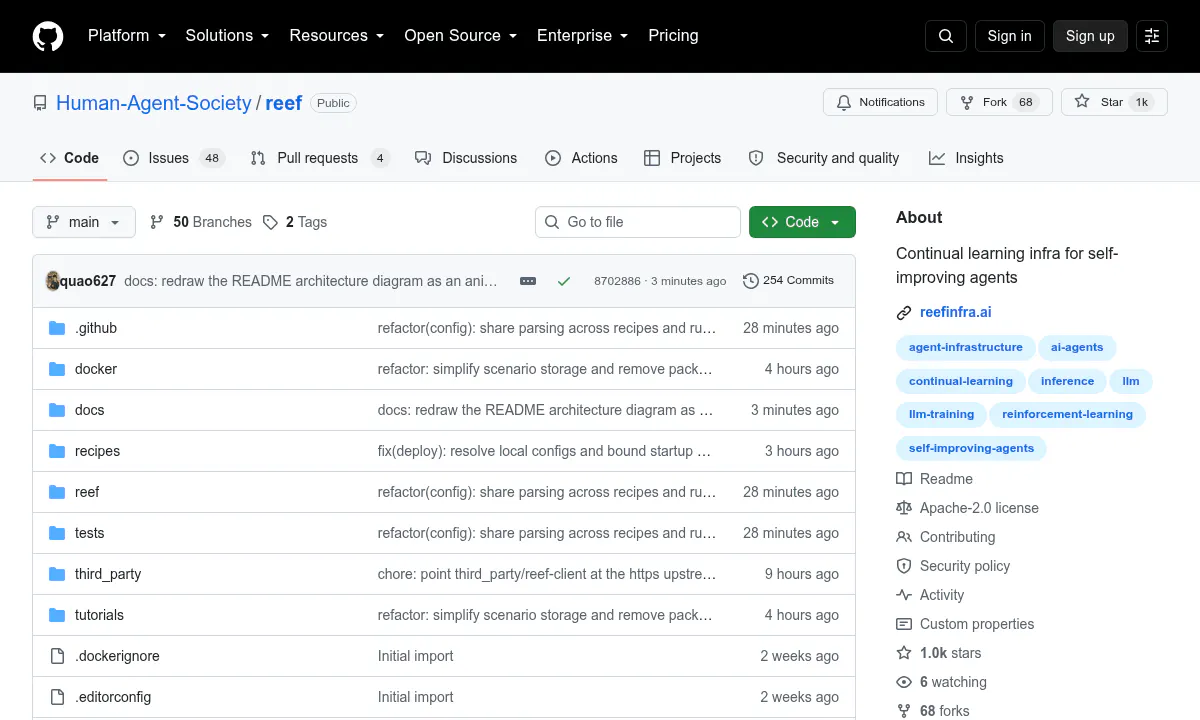
Reef is an open-source backend that serves agent traffic, collects feedback, and continuously retrains both model weights and agent harnesses in place.
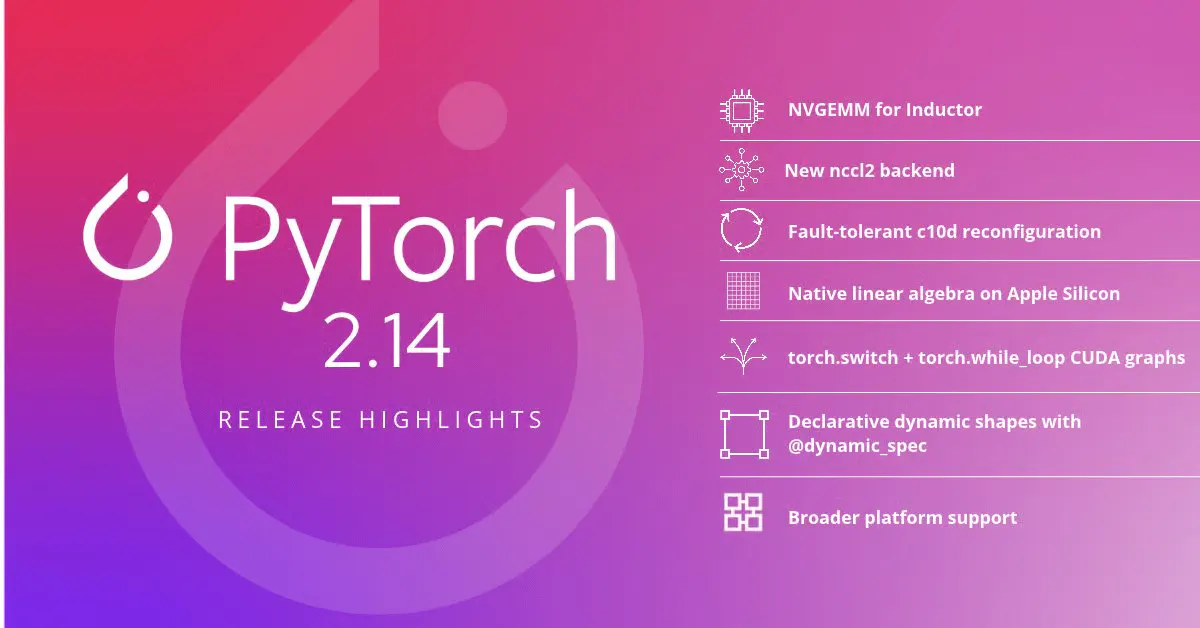
PyTorch 2.14 lands with a new CUTLASS-based GEMM backend, in-place fault tolerance for distributed training, and native linear algebra on Apple Silicon.
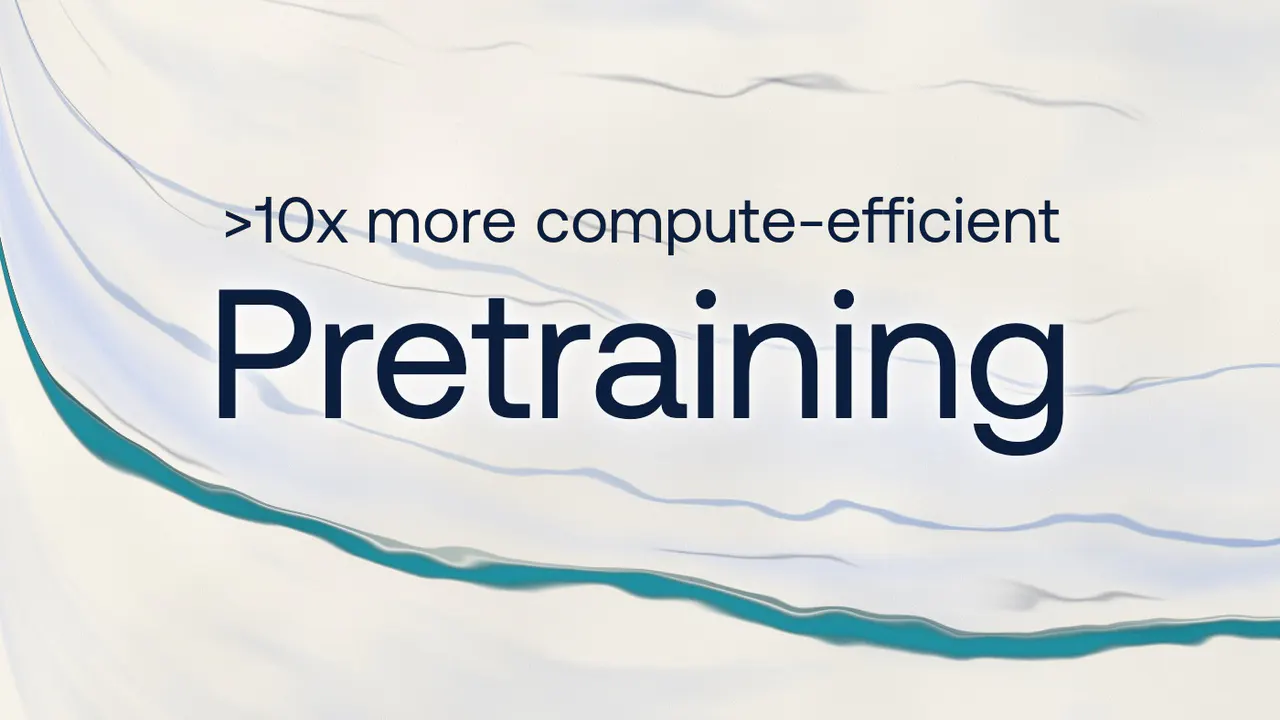
Magic claims a pretraining recipe that matches DeepSeek V4 Pro Base with roughly 50x fewer FLOPs, hitting frontier quality for around $0.5M on GB200.

Mark each agent job Promote, Hybrid, or Reject. RST is allowed only when the job is hermetic, bounded, reproducible, and outcome-verifiable
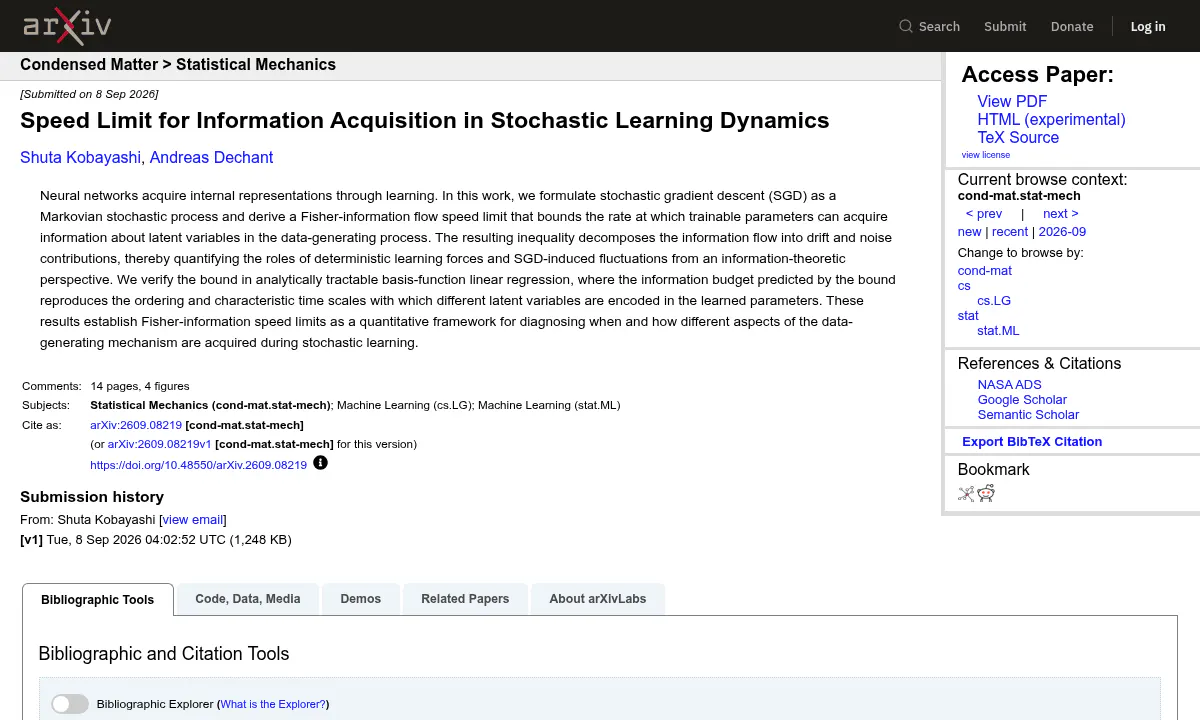
A new physics inspired bound explains which patterns stochastic gradient descent learns first, tying acquisition speed to Fisher information flow.
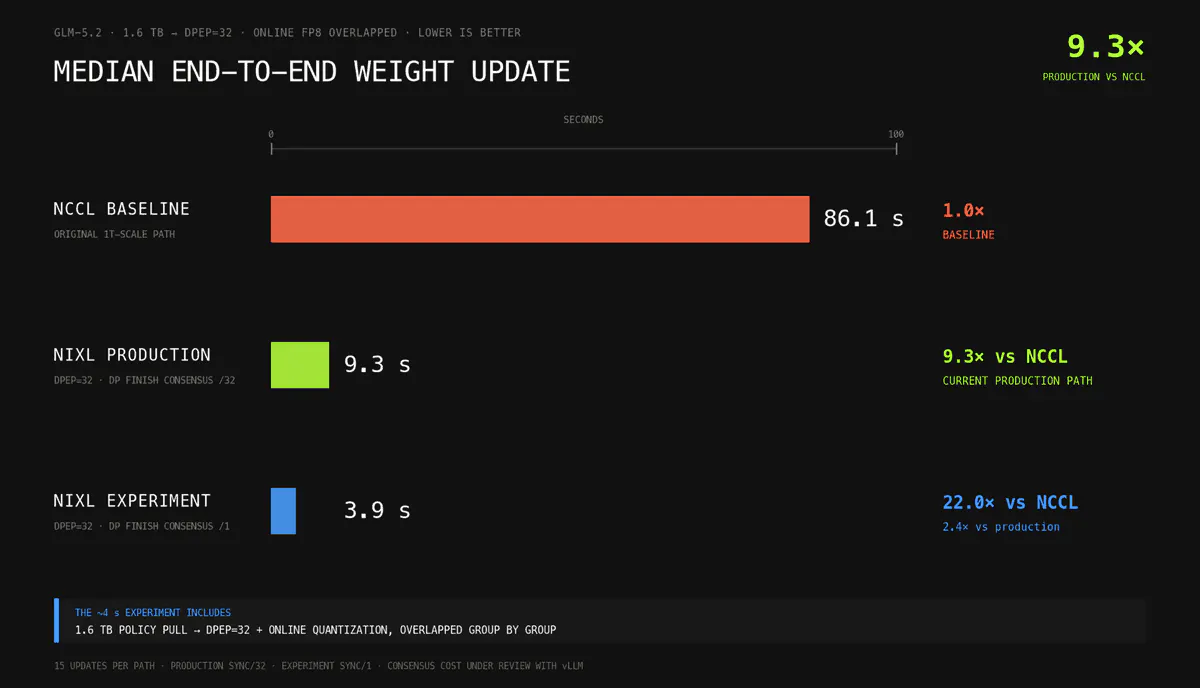
Prime Intellect rebuilt weight sync on RDMA and vLLM tracing, dropping GLM-5.2's 1.6TB policy transfer from 86 seconds to under 4.
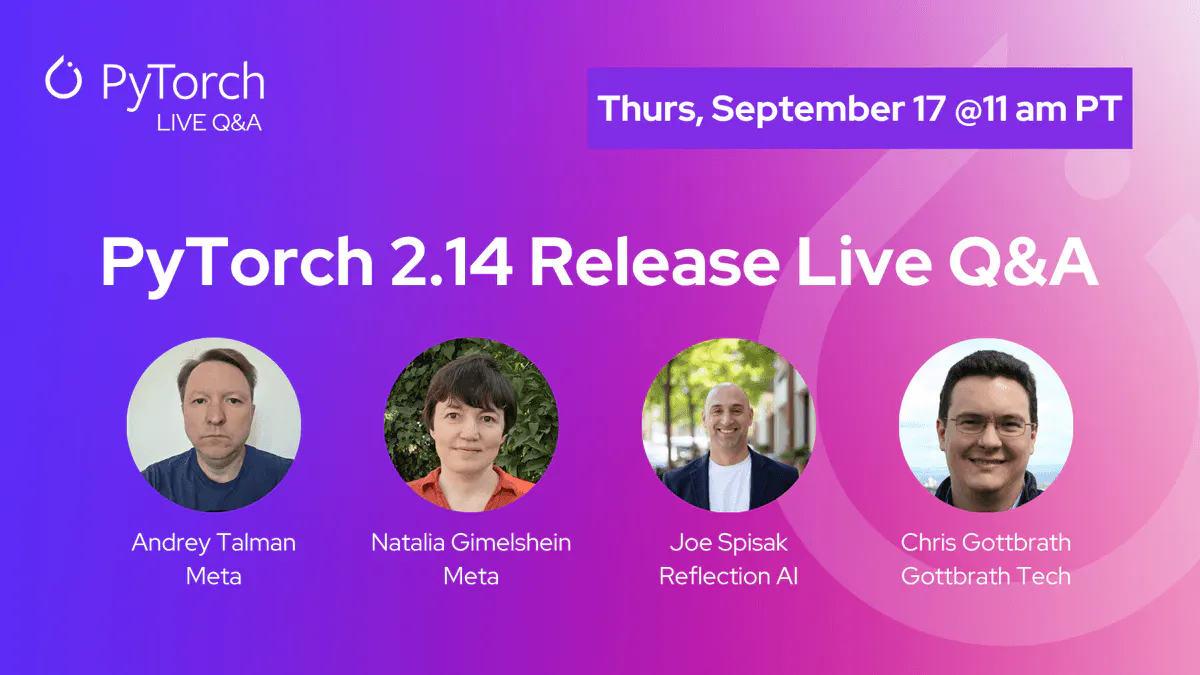
The latest PyTorch release ships NVGEMM CUTLASS kernels for Inductor, a rebuilt nccl2 backend, native Apple Silicon linear algebra, and first-class fault tolerance.

A new frequency-domain training objective for pixel-space flow matching cuts convergence time by up to 40% without touching the architecture.
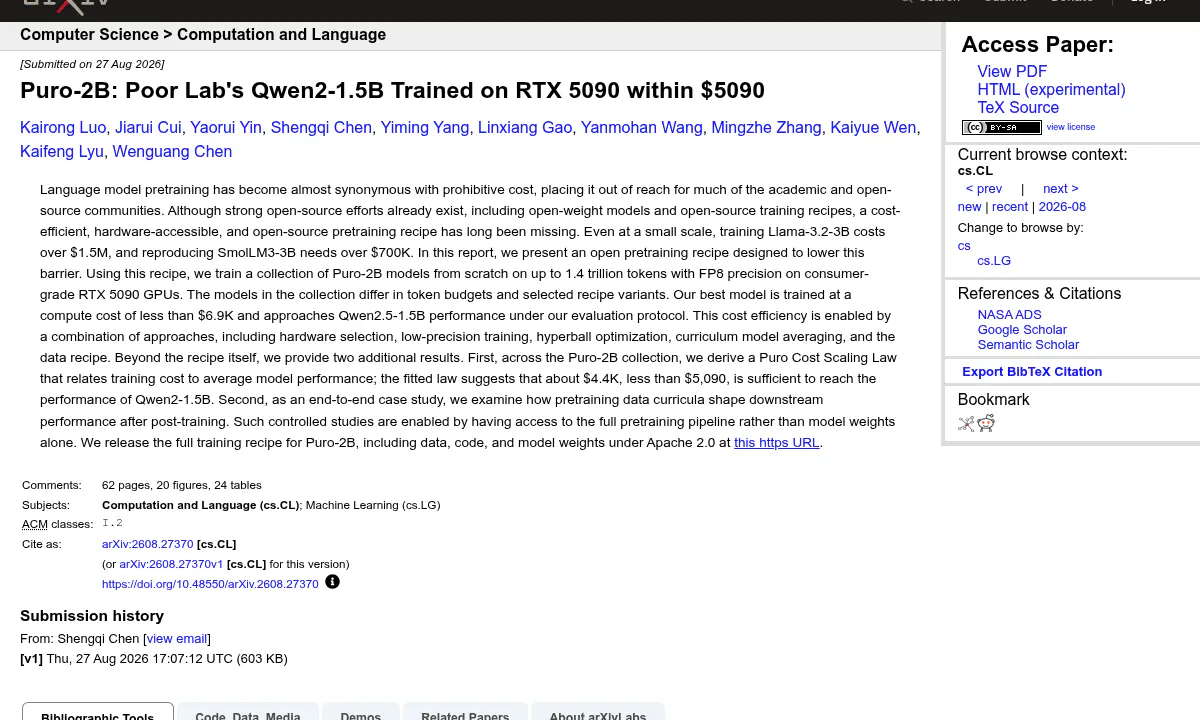
A Tsinghua team trained a 2B language model from scratch on consumer RTX 5090s for under $6,900, matching Qwen2.5-1.5B and open-sourcing everything.
New scaling laws show that looping the middle half of a Mixture-of-Experts model twice saves up to 18% of training compute at matched budgets.

A one-line change to LoRA's initialization closes the gradient gap with full fine-tuning, boosting speed and stability with zero extra parameters.
No stories match these filters.