
Sakana AI's Agentic Scientist Turns Coding Agents Into Open-Source Researchers
Sakana AI released The Agentic Scientist, an open-source scaffold that wraps coding agents like Claude Code and Codex into a rigorous end-to-end research loop.
A focused feed of models, agents, research and open-source releases for people building with AI.
Sakana AI released The Agentic Scientist, an open-source scaffold that wraps coding agents like Claude Code and Codex into a rigorous end-to-end research loop.
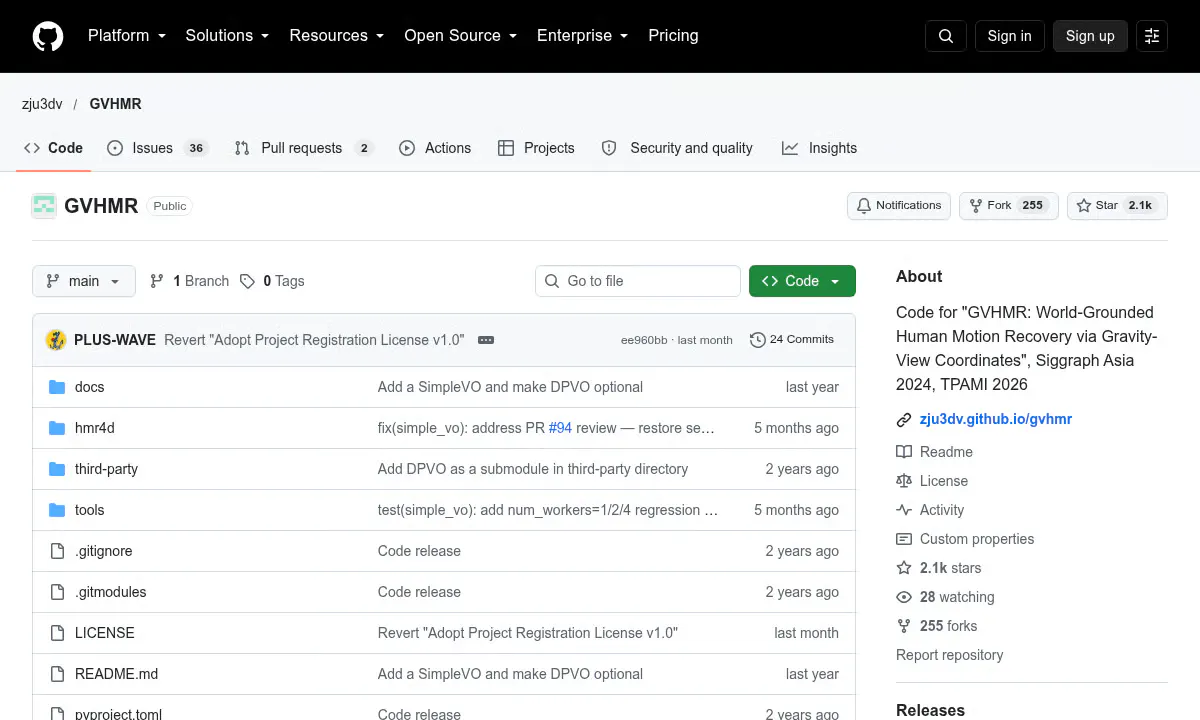
GVHMR recovers world-grounded 3D human motion from a single video using gravity-aligned coordinates, processing 45 seconds of footage in 280 ms.
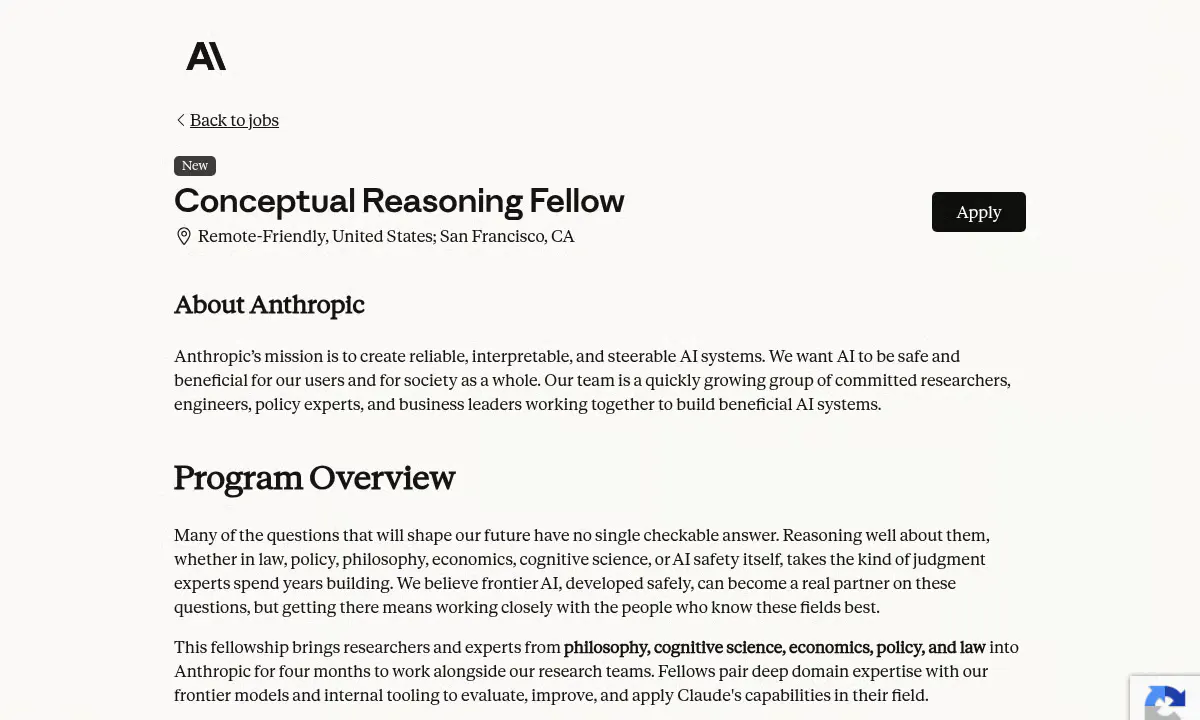
Anthropic is paying PhDs up to $167K for four months to turn their domain expertise into training data and evaluations for Claude.
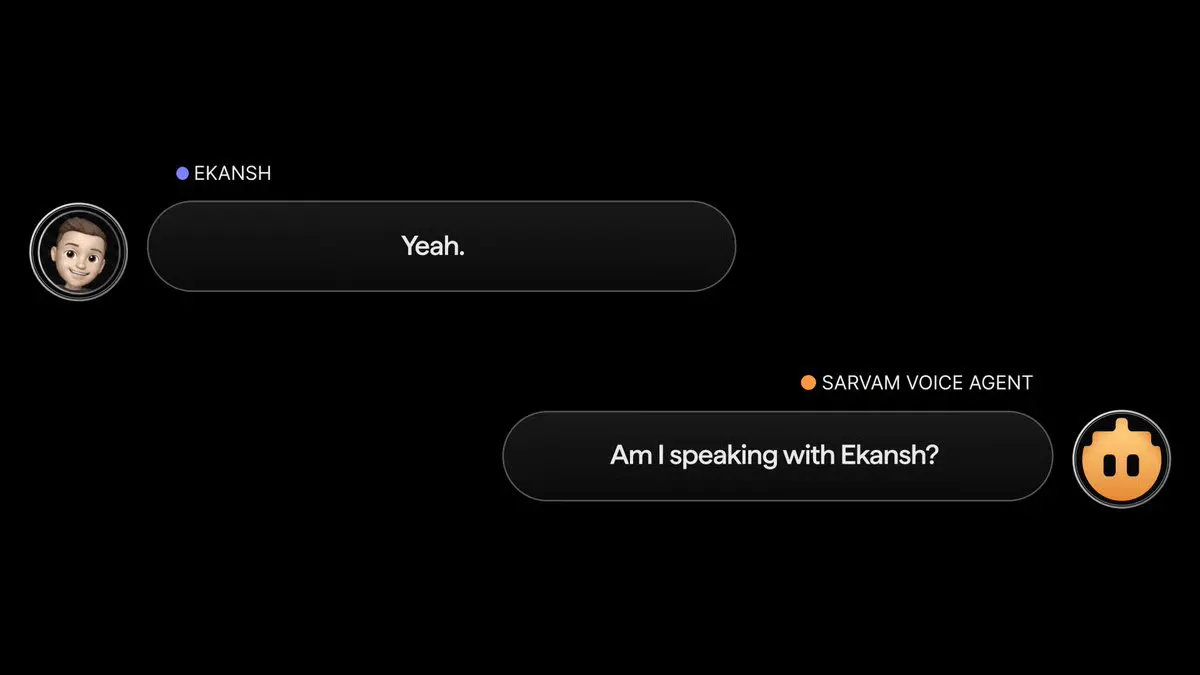
Sarvam's new MCP lets your coding agent spin up Indian-language voice bots, dial contact lists, and pull call analytics without leaving the IDE.
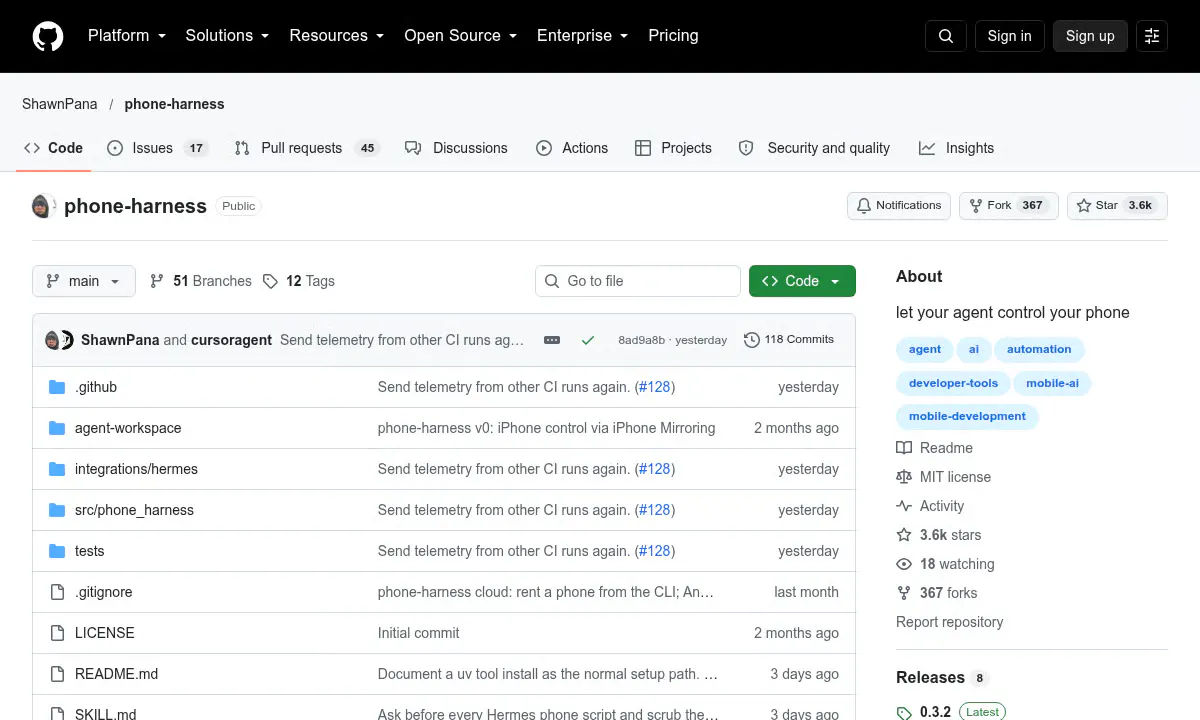
A tiny Python harness lets Claude Code or Codex drive a real iPhone through macOS iPhone Mirroring, or any Android over adb, with no jailbreak and nothing installed on the phone.
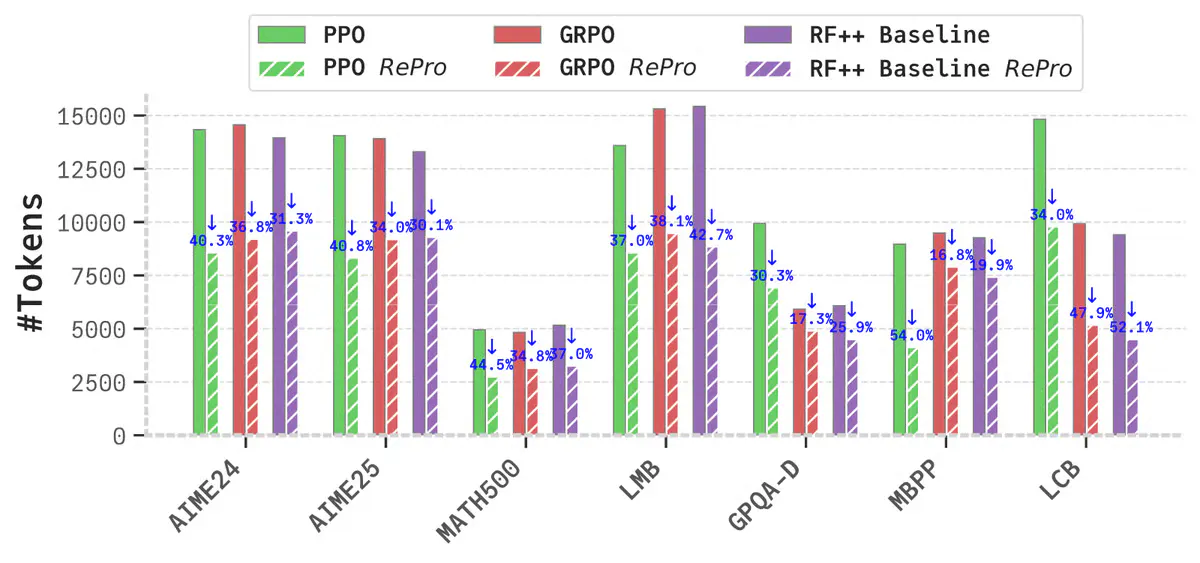
A new reinforcement learning reward treats chain-of-thought as gradient descent, cutting tokens by about 50% while boosting accuracy on math, science, and code benchmarks.
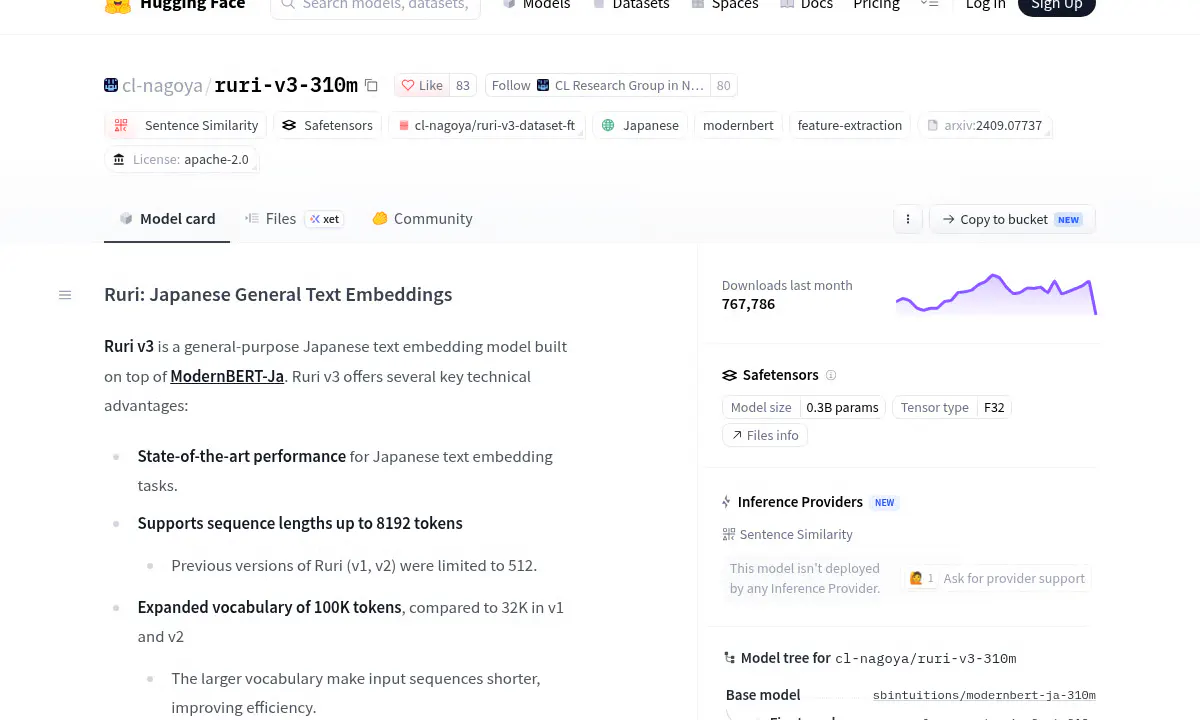
A 315M-parameter Japanese embedding model built on ModernBERT-Ja tops JMTEB benchmarks while handling 8K context, outperforming OpenAI and billion-parameter rivals.

vLLM-Omni now serves Fish Audio's 35B directable TTS model with 128 concurrent streams on one H200 and 255 ms median time to first audio.

IFM's new Arabic-first model family spans 0.9B to 375B parameters, with a flagship MoE that matches Claude Sonnet 5 on Arabic benchmarks and acts as an agent.
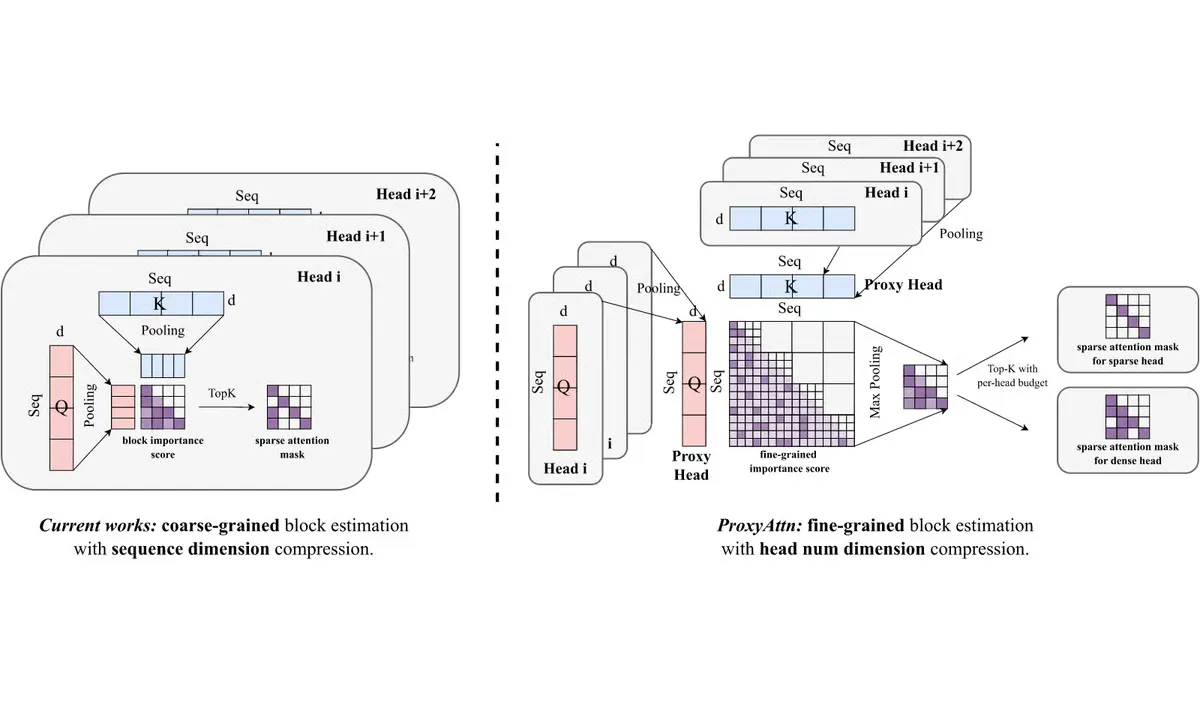
A training-free sparse attention method uses a handful of representative attention heads as proxies, delivering 10.3x attention speedup on long contexts.

TypeSafe AI ships Jev 1.14 with image inputs, a bounding box primitive, and 4x longer context, all behind opt-in danger zone headers.
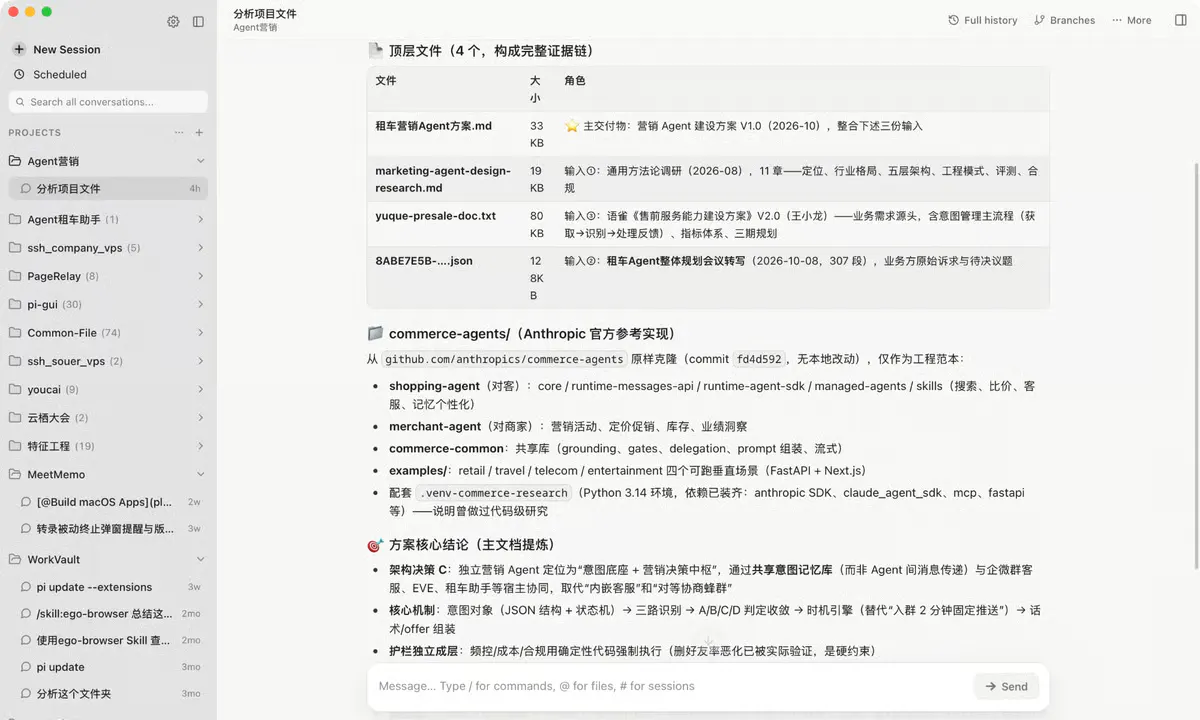
Pi Agent Desktop wraps the open-source Pi coding agent in a native Mac, Windows, and Linux app with signed auto-updates and no CLI setup.
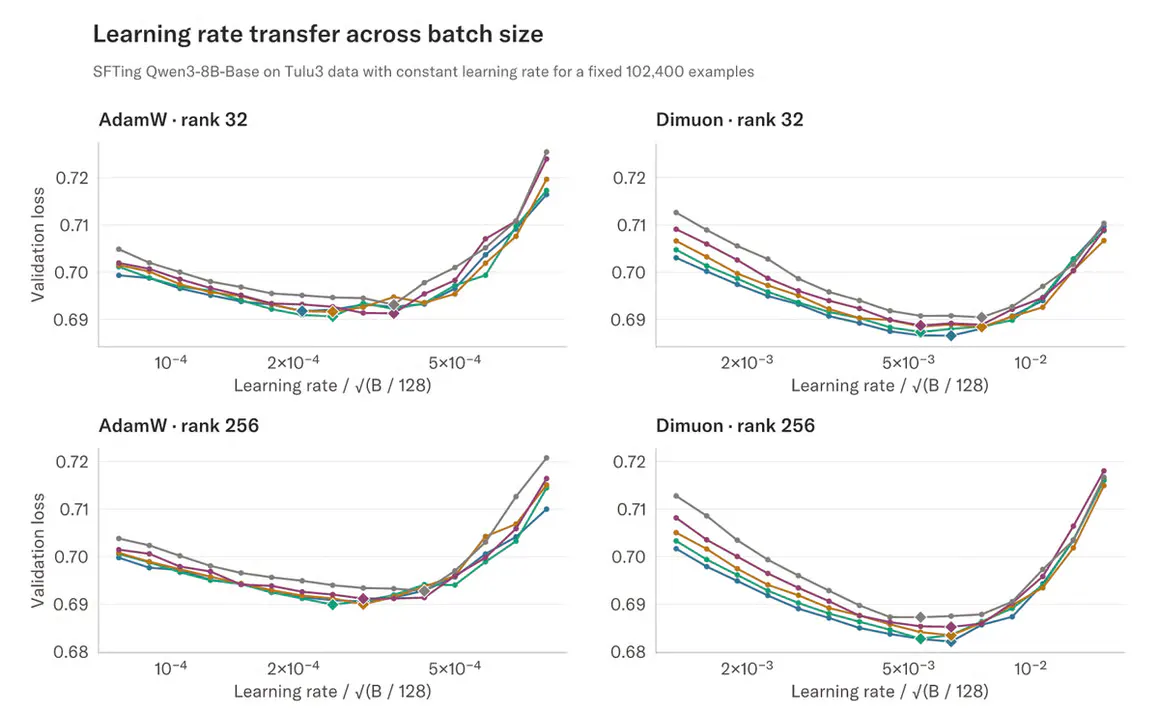
Thinking Machines rolled out Dimuon, a LoRA-specific optimizer that beats AdamW on step count in supervised fine-tuning while leaving RL mostly unchanged.
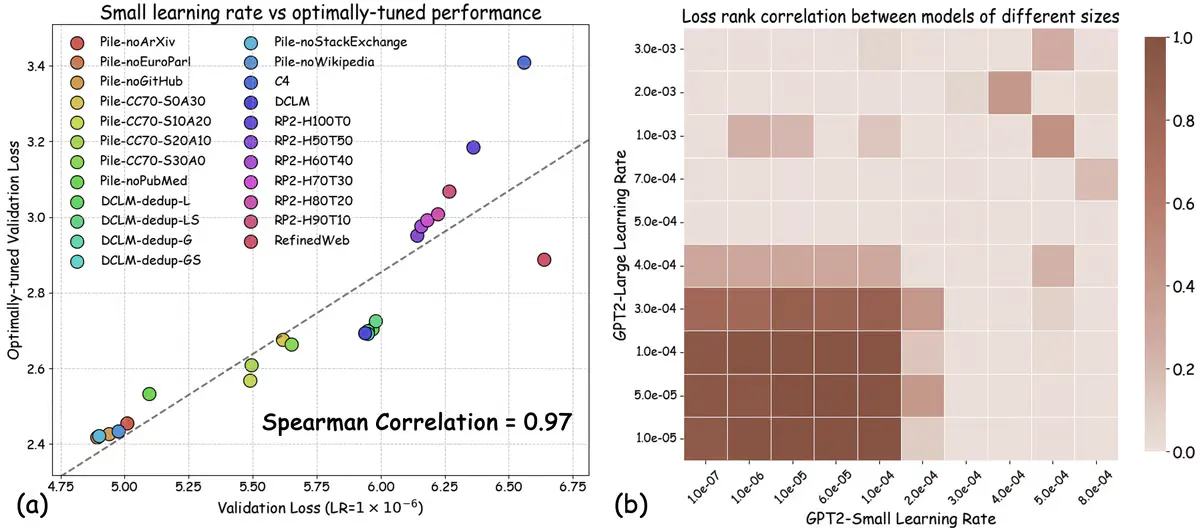
A new study shows that proxy models used to pick pretraining data can flip their verdicts with tiny learning rate changes, with a simple fix.

A new probing protocol shows that teaching unified multimodal models to draw facts partially teaches them to say those facts in words, with an alignment trick closing the gap.
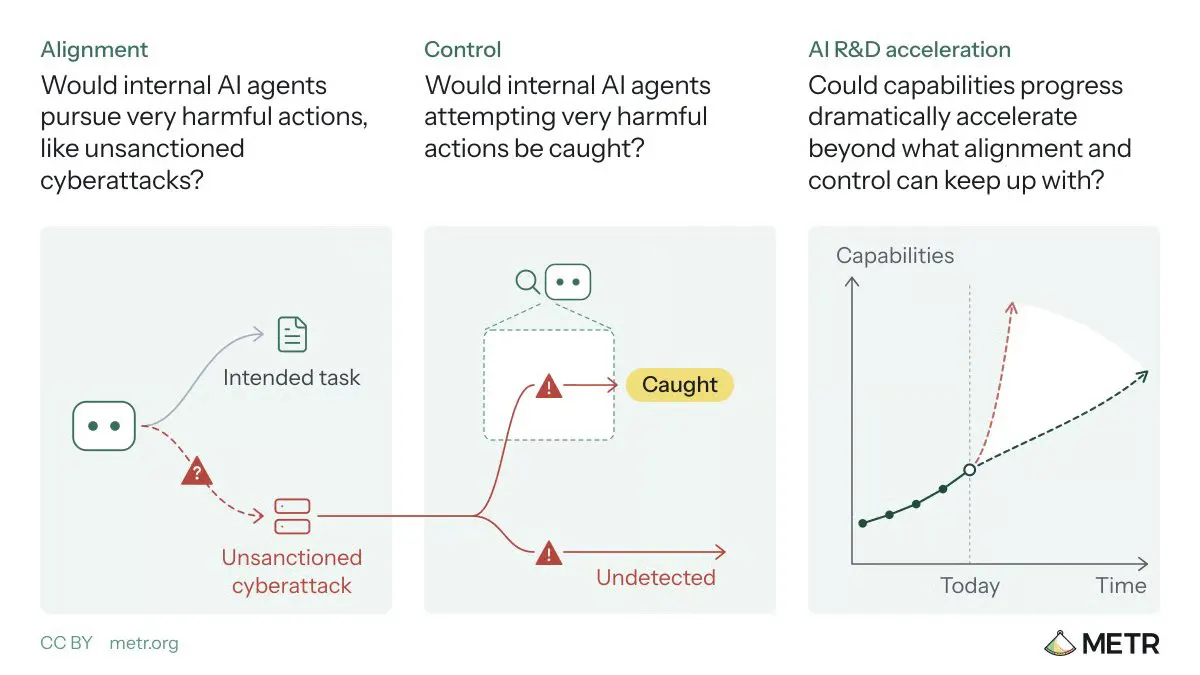
METR wants in-the-weeds access to frontier labs to publicly answer whether internal AI agents are slipping past their creators' control.
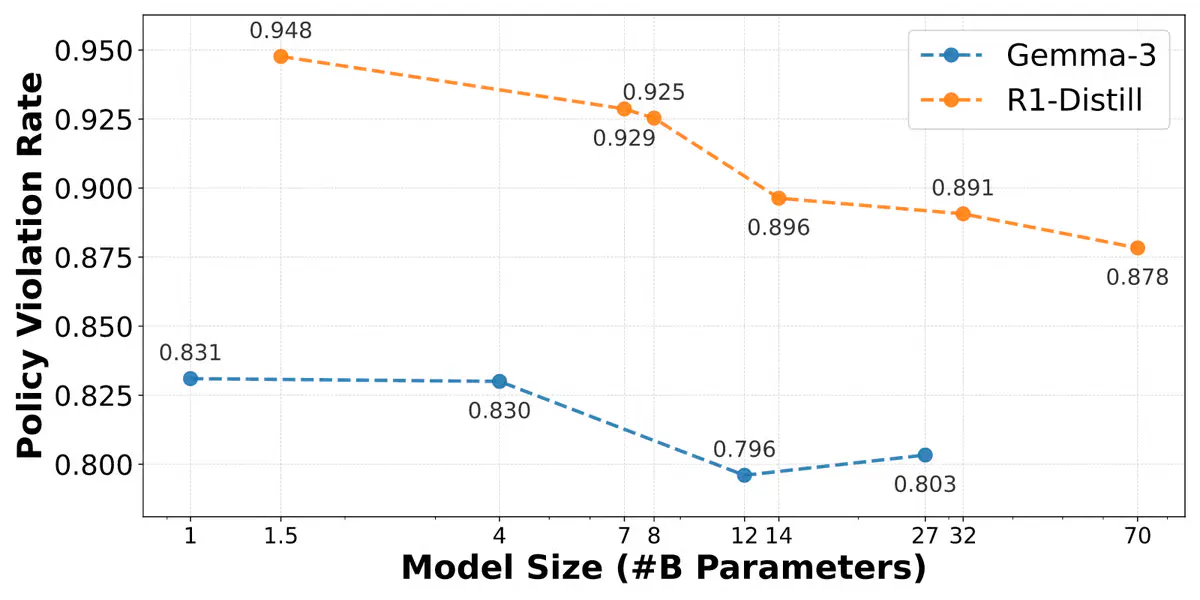
A new regulation-grounded benchmark exposes how frontier models leak hazardous scientific knowledge, with Deepseek-R1 violating safety policies 84.9% of the time.

Vals AI dropped frontier LLMs into real-time MuJoCo physics sims to control a robot arm and humanoid, and the humanoid scores stayed near zero.

Artificial Analysis launched a robotics benchmark that puts frontier LLMs behind a 6-axis arm. GPT-6 Astra leads, but every model is roughly 100x slower than a human.

Black Forest Labs refreshes its FLUX 3 Image Klein workflows, pushing prompt upsampling and 2K rendering as the recommended path to top quality.

Epoch AI's new SpireClimb benchmark shows frontier models leapt from near-zero win rates to 90%+ on base difficulty in six months.
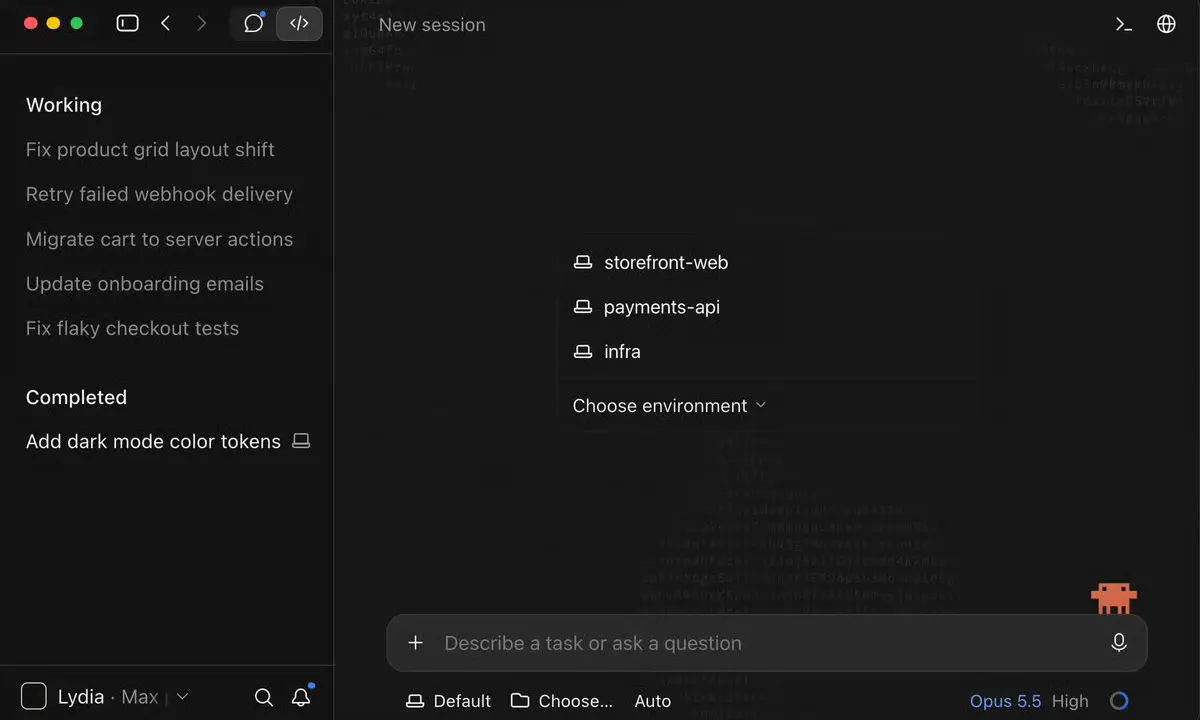
Claude Code desktop app adds nested parallel sessions, saved environments, a session recap card, and a /btw command for side questions.

Nvidia's Qwen3 14B to 32B mapper is 25.1x vs re-prefill at 32,768 tokens. Cache-to-Cache reports about 2.5x against text
New theoretical work shows first-price auctions can allocate prompts to AI agents efficiently, with welfare losses far smaller than the classical worst case suggests.
No stories match these filters.