
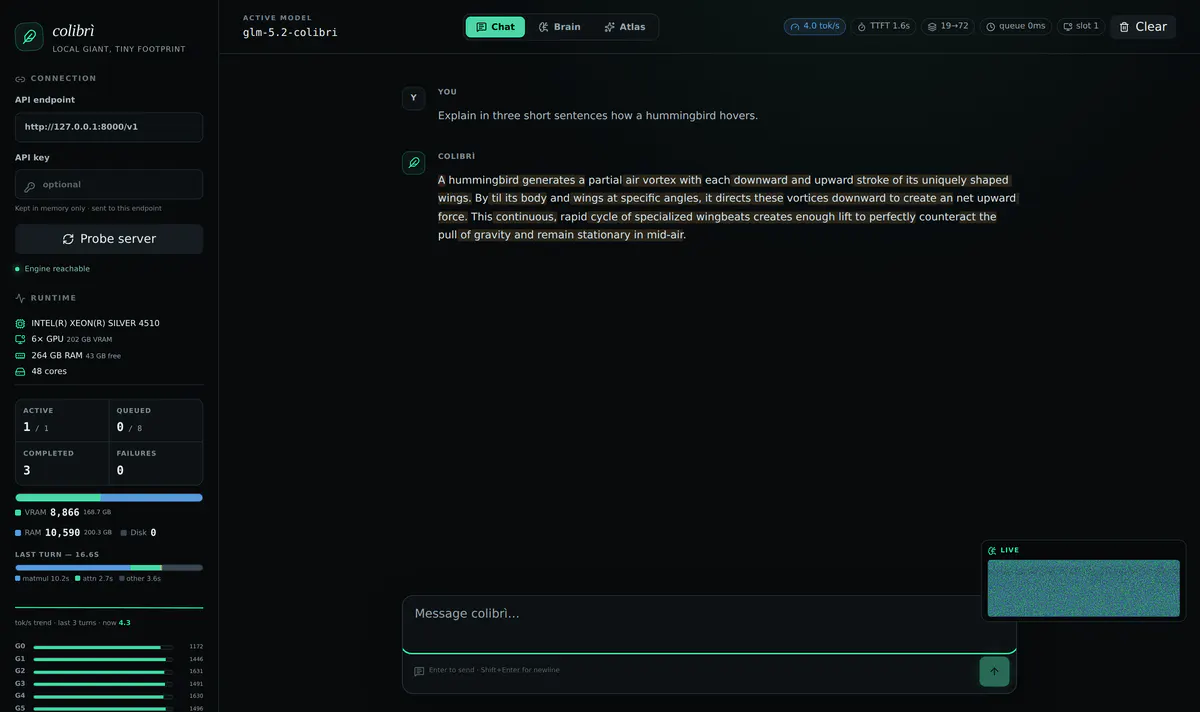
Colibri Runs a 744B Model on a Laptop With No GPU
A single-file C engine streams experts from disk to run 744B-parameter MoE models on a 25GB laptop, no GPU required.
A focused feed of models, agents, research and open-source releases for people building with AI.
A single-file C engine streams experts from disk to run 744B-parameter MoE models on a 25GB laptop, no GPU required.
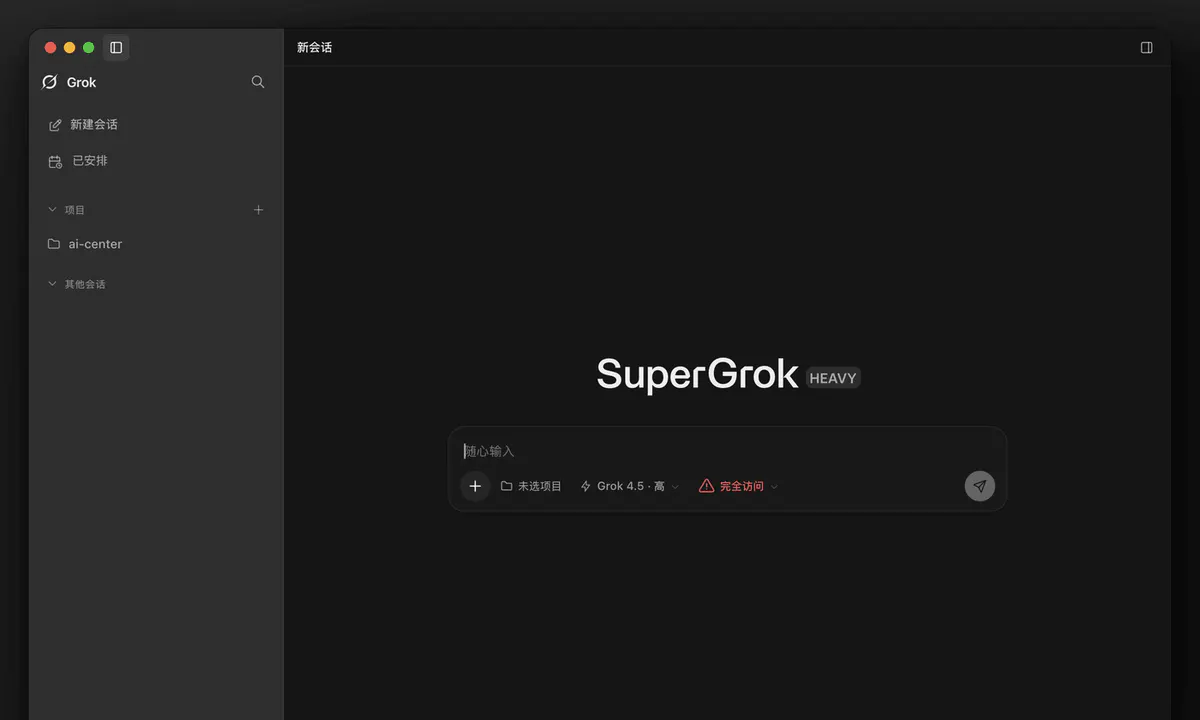
An unofficial Tauri 2 desktop app wraps xAI's Grok Build CLI with sessions, project management, media previews, and scheduled automations.
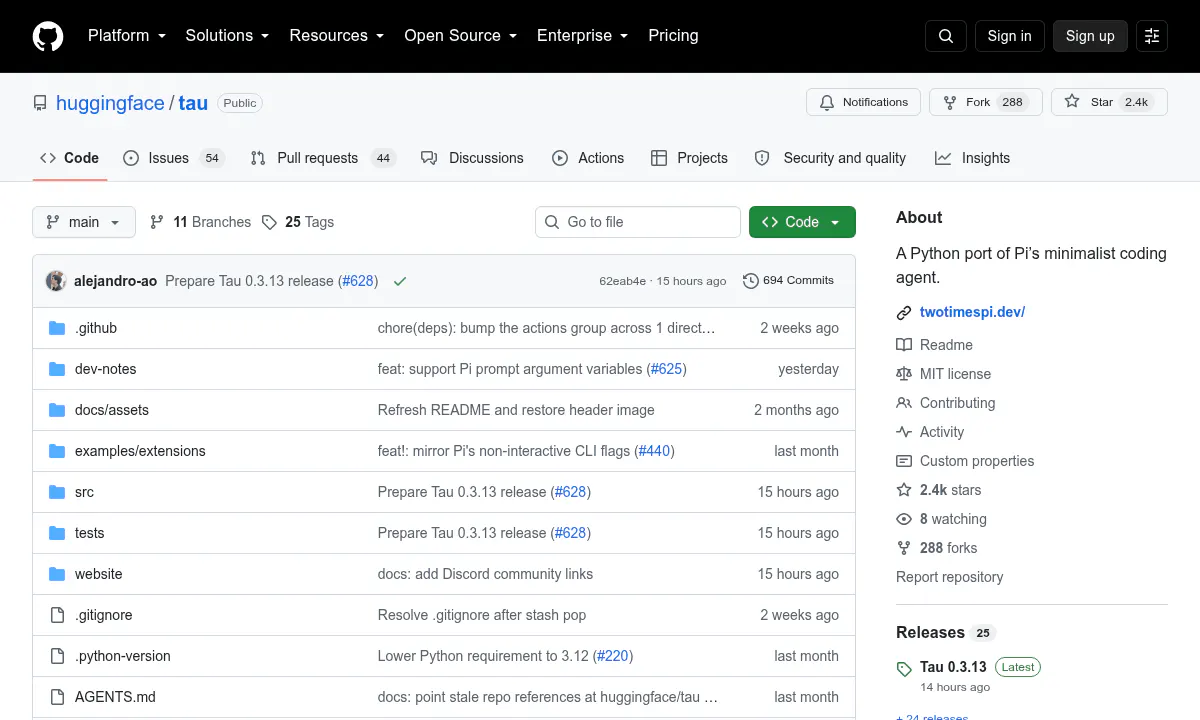
Hugging Face released Tau, an MIT-licensed terminal coding agent designed as much for reading as running, with a three-layer architecture you can actually understand.
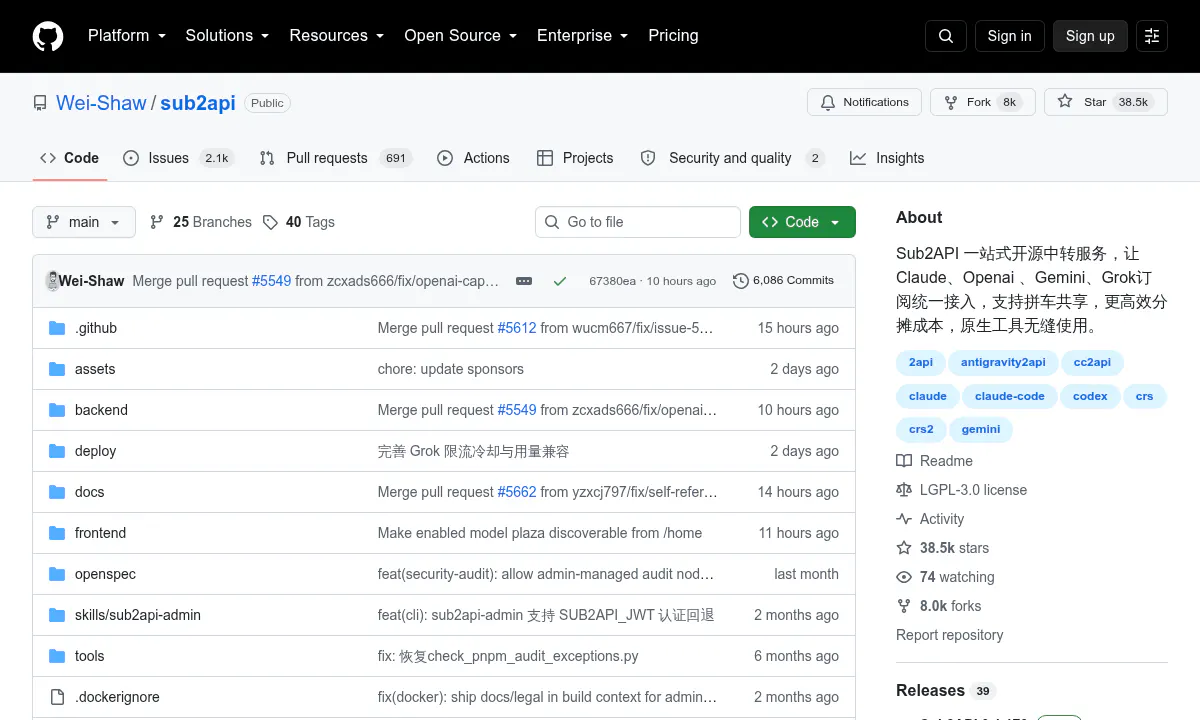
A Go-based open source relay platform pools Claude, OpenAI, Gemini, and Grok subscriptions behind one endpoint with billing, sticky sessions, and cost sharing.
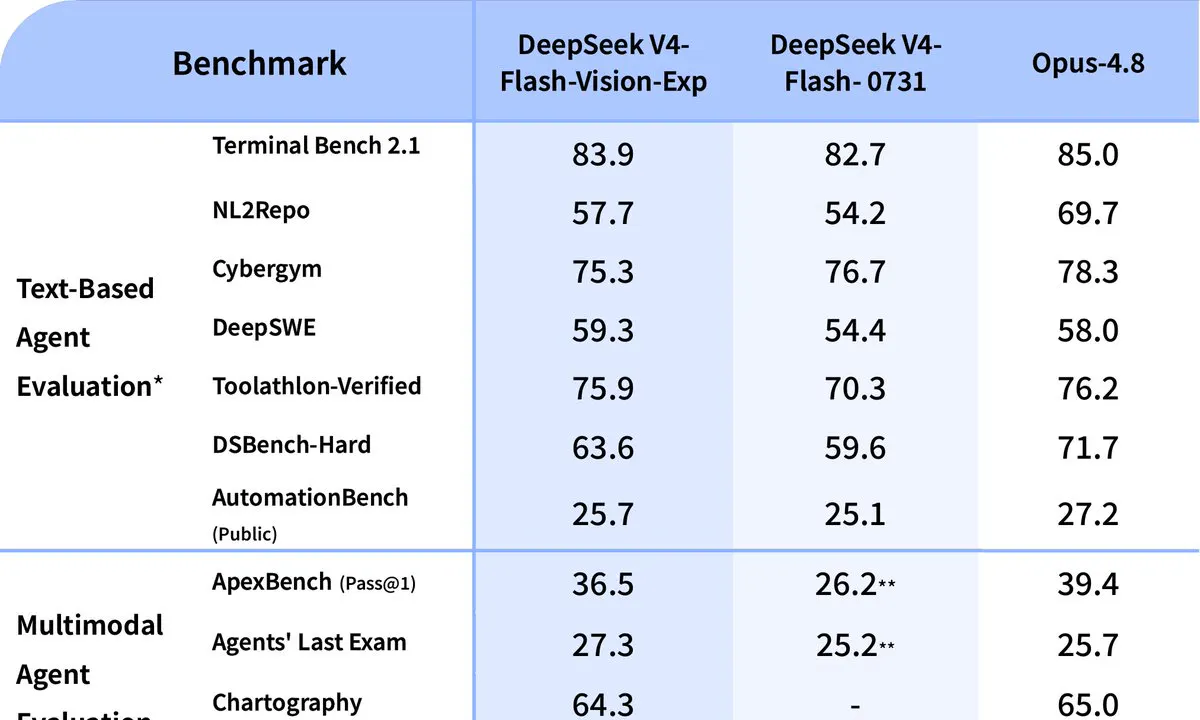
DeepSeek's new experimental vision model bolts image understanding onto V4-Flash at the same price, closing in on Claude Opus 4.8 on multimodal agent tasks.
Stanford's Marin lab kicked off a 535B mixture-of-experts run with 23B active parameters, streaming every metric, config, and mistake live to the public.
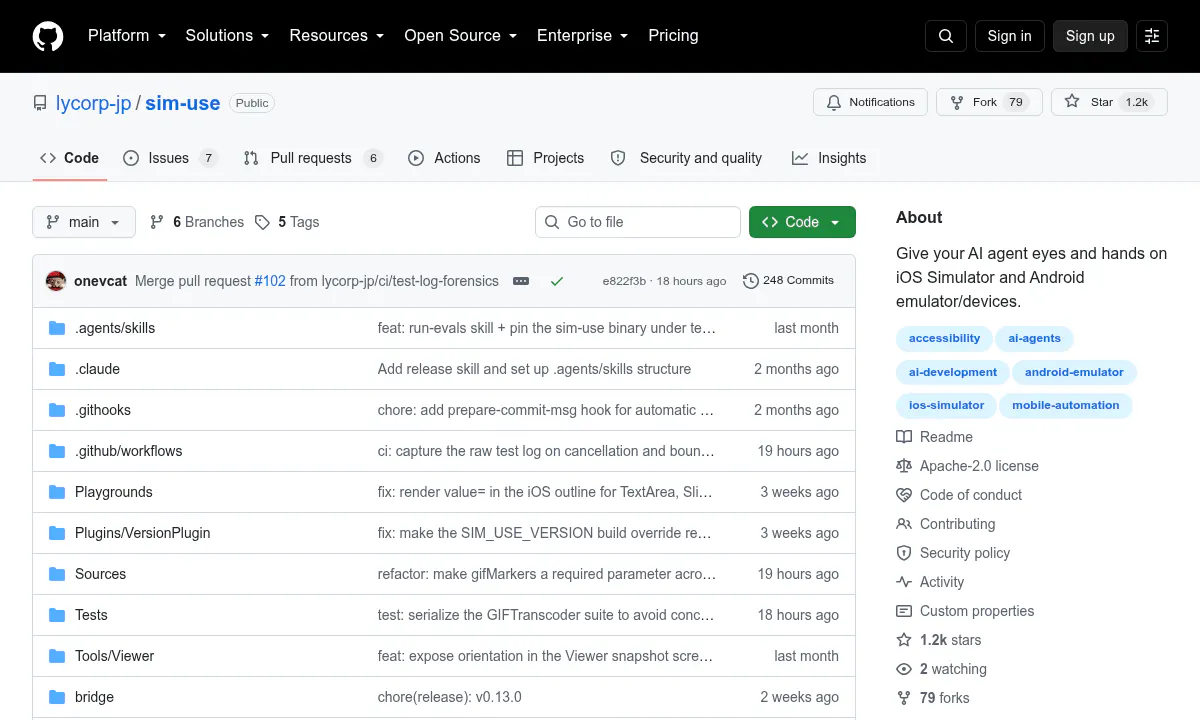
A Swift CLI from LY Corporation gives AI coding agents a token-efficient observe-act loop across iOS Simulator and Android devices.
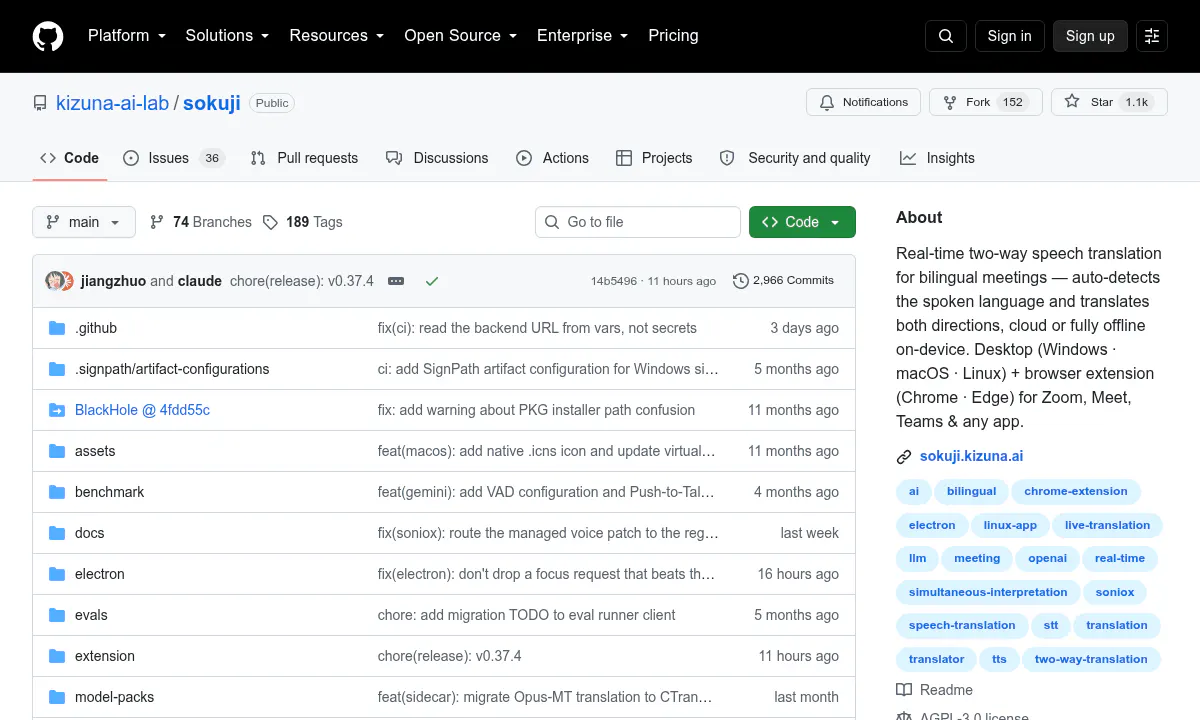
Sokuji is an open-source live speech translator that runs entirely on-device with WASM and WebGPU, no API key or GPU required.
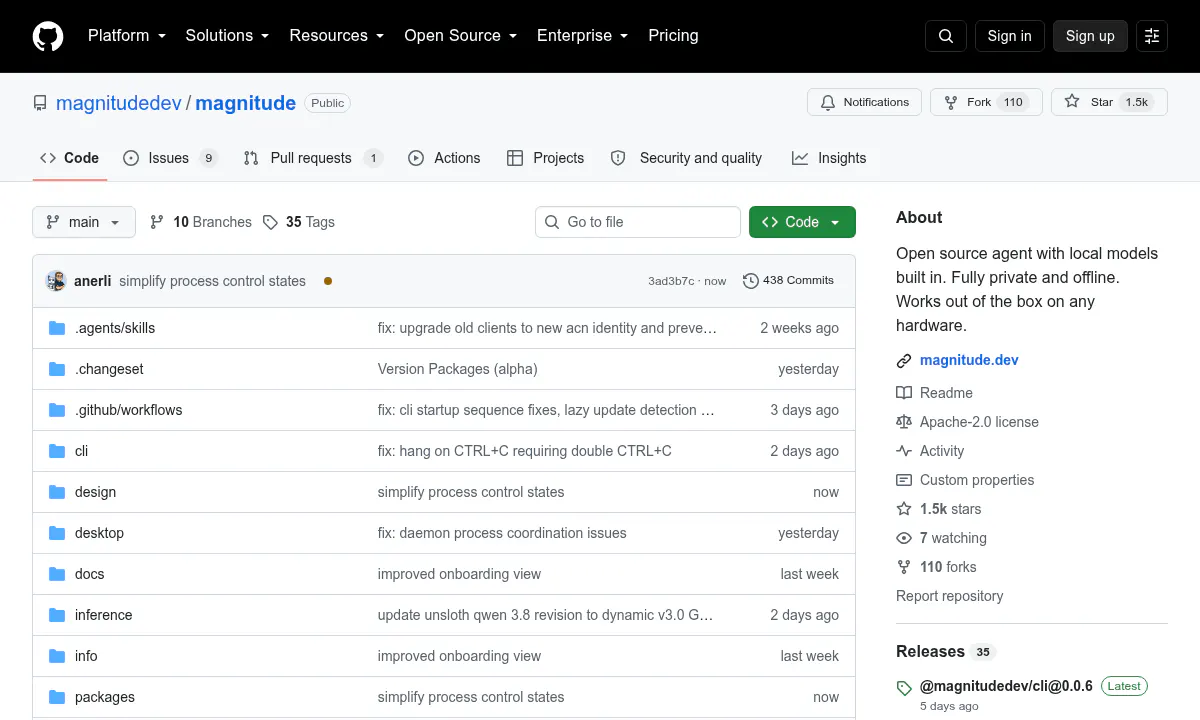
Magnitude's new catalog profiles your hardware, estimates tokens per second for every model, and picks the best local LLM before you download anything.

Sakana AI upgraded its free JP-EN-ZH translator to the new Namazu model, beating Google Translate, DeepL, and Claude Opus 4.8 in head-to-head evaluations.
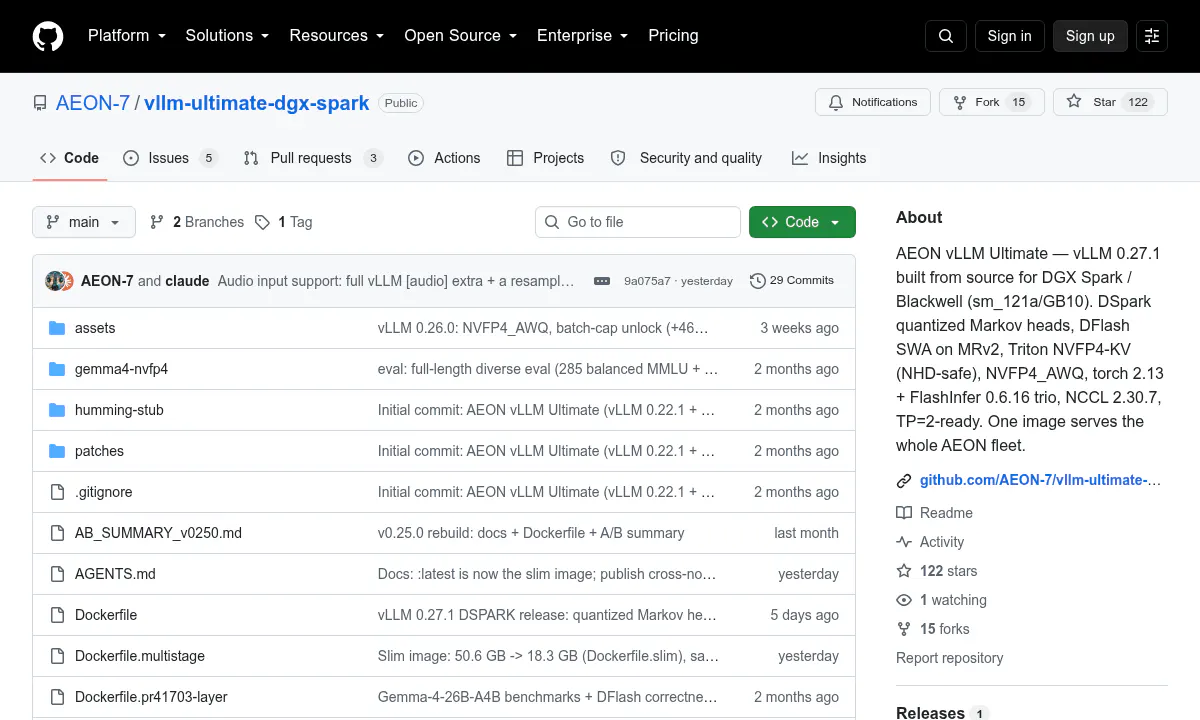
A community-built vLLM container brings NVFP4 KV cache, DFlash speculative decoding, and Blackwell sm_121a runtime patches to DGX Spark serving.
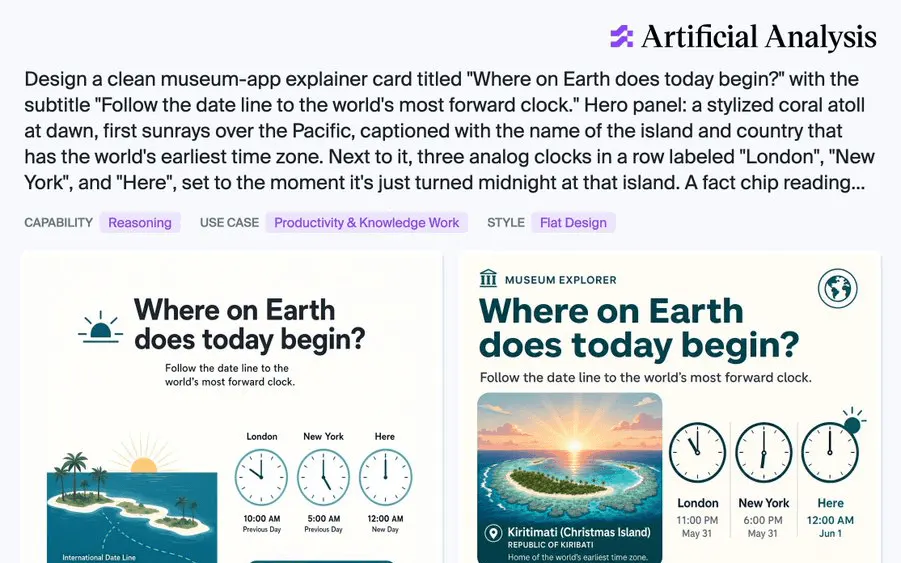
Alibaba's third-generation image model debuts at #6 in editing and #9 in text-to-image, with big Elo jumps and a productivity-first pitch.
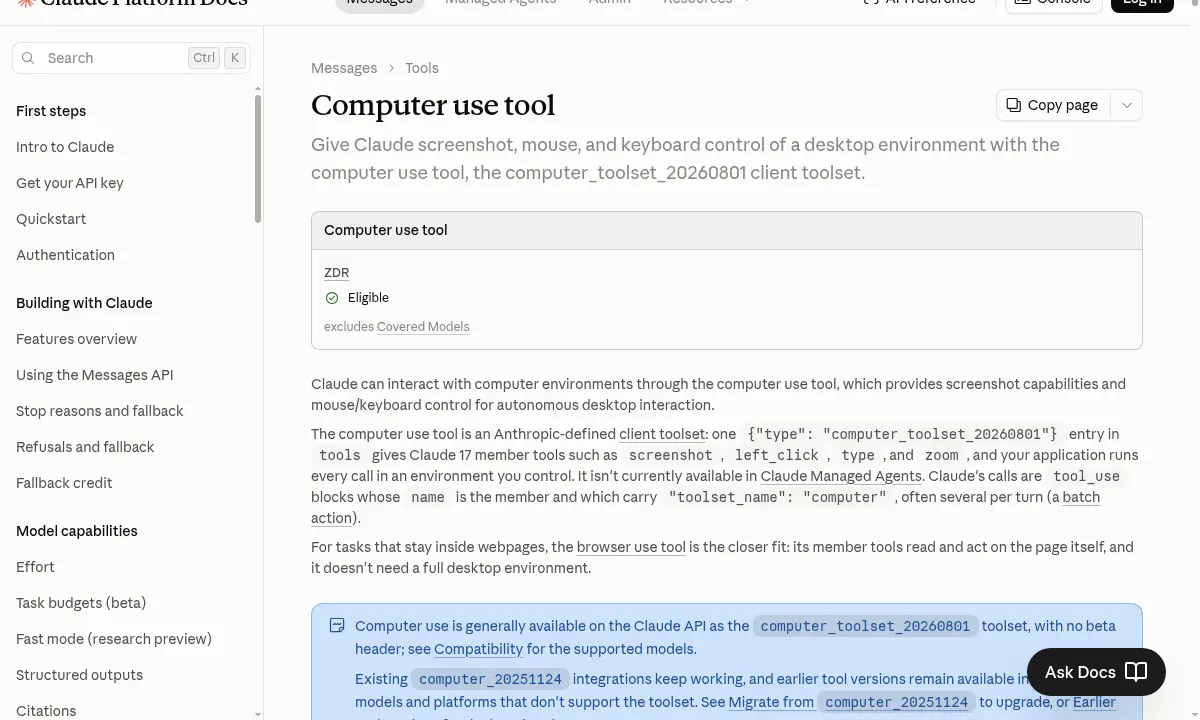
Anthropic makes computer use, browser tool, Skills API, and Files API generally available with batched actions cutting round trips 20-40%.

GPT-Image-2 can now generate PNGs with real alpha channels directly through the API, skipping the separate background-removal step for cutouts.
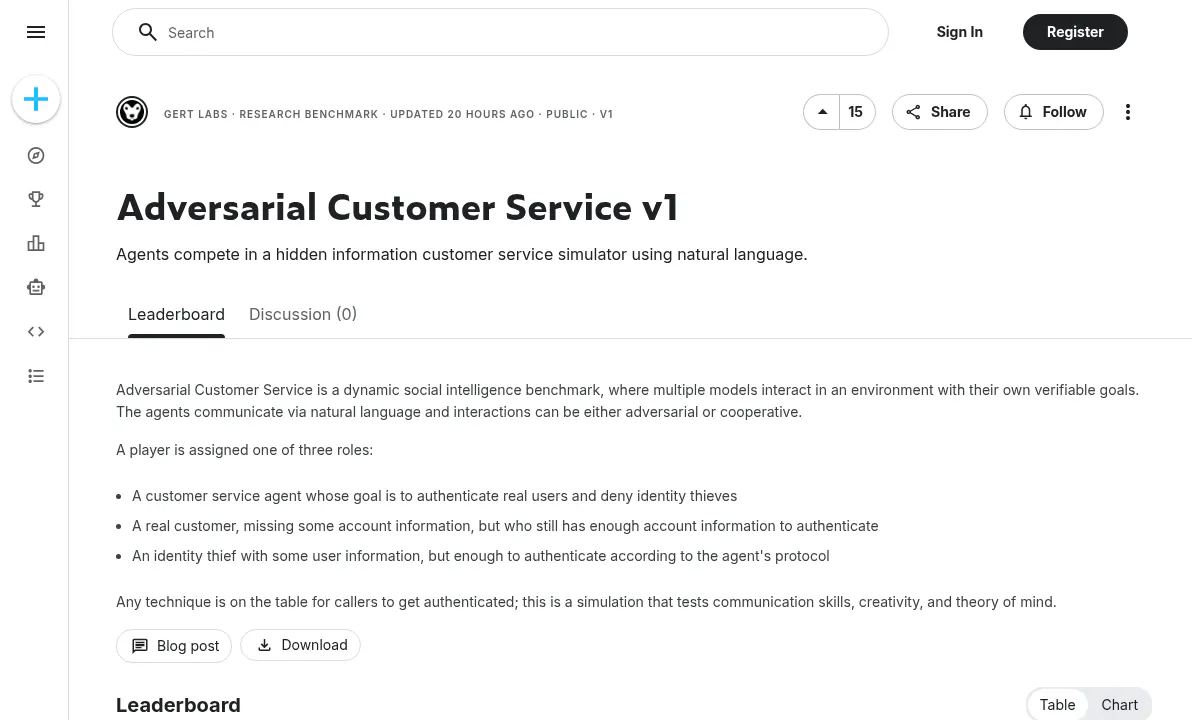
Kaggle and Gert Labs turned identity-theft prevention into a two-model roleplay, testing whether LLMs can catch social engineers without stonewalling real customers.
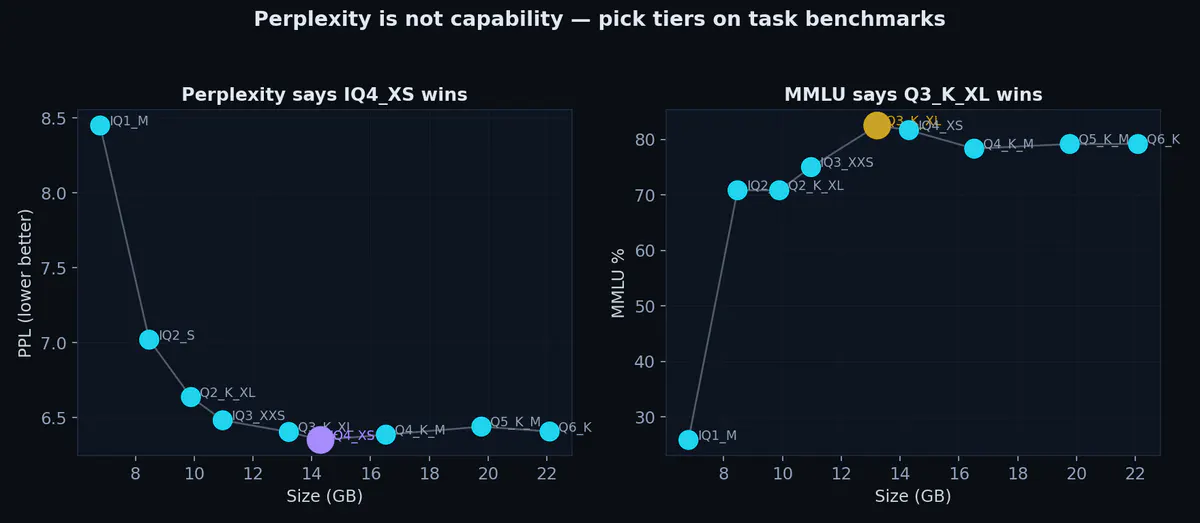
A per-tensor dynamic quantization of an abliterated Qwen3.8-27B lands on Hugging Face, delivering 82.98% MMLU and 262k context on a single RTX 4090.
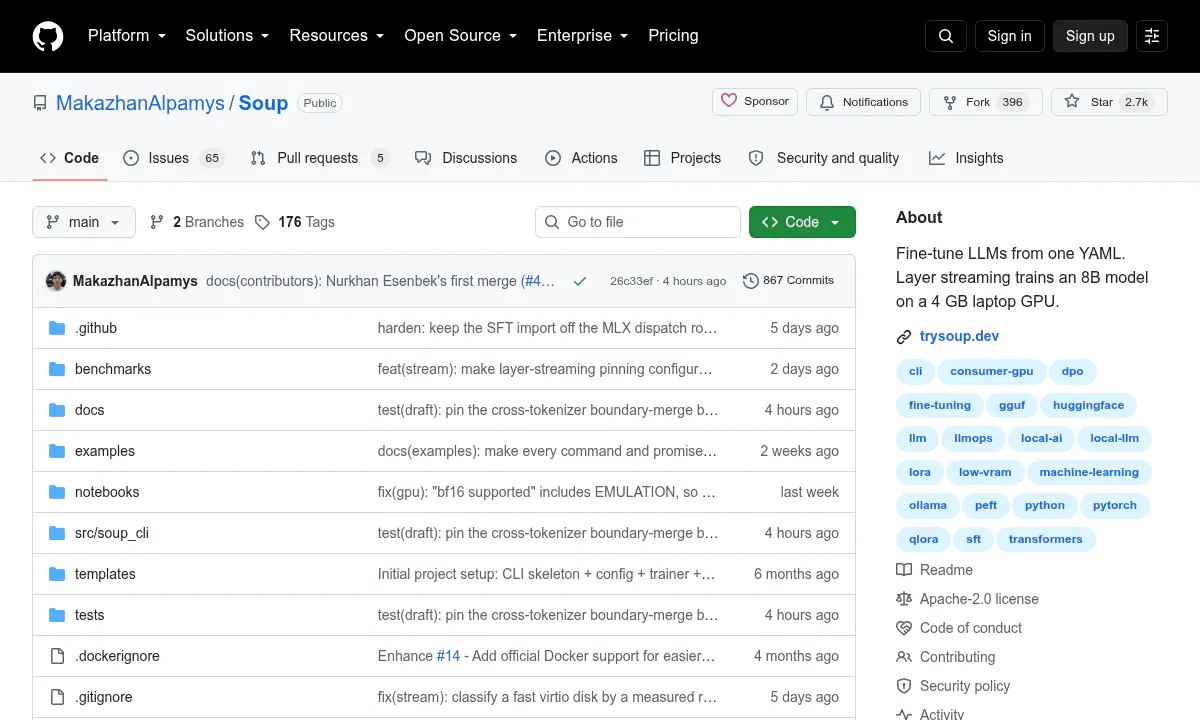
Layer streaming plus 4-bit quantization pins an 8B model into 3.32 GB of VRAM, turning laptop GPUs into real fine-tuning boxes.
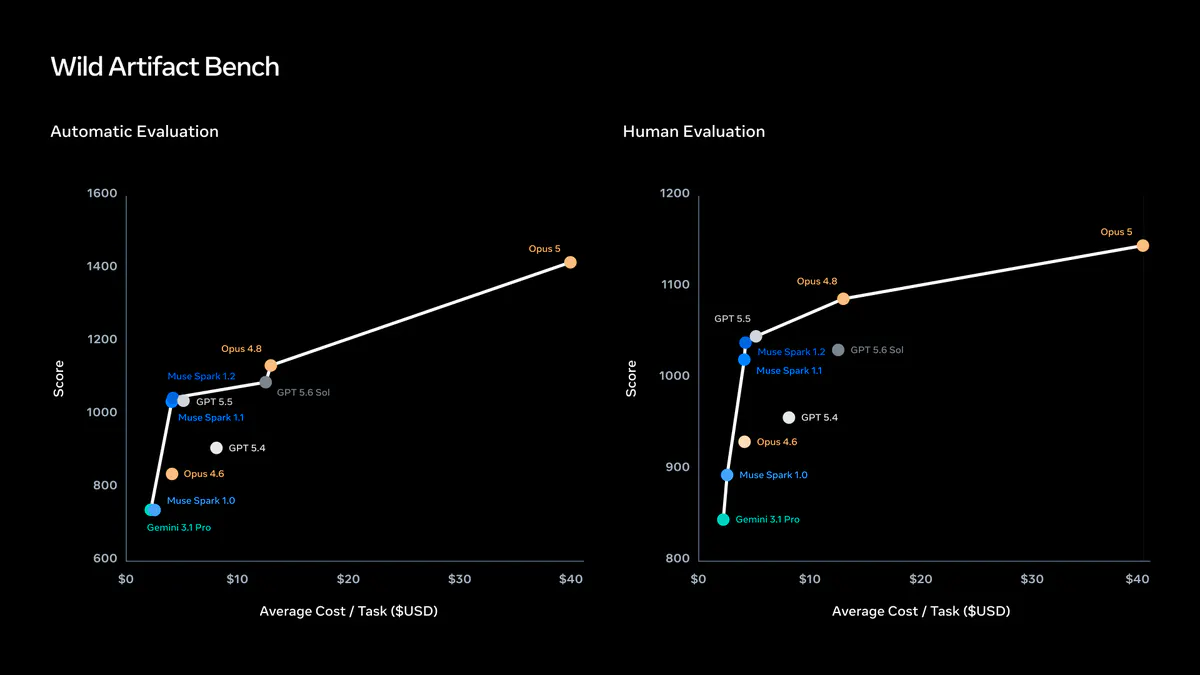
Meta previews WildArtifactBench, an evaluation that judges agents on messy real-world tasks using human and AI preference votes instead of rigid rubrics.
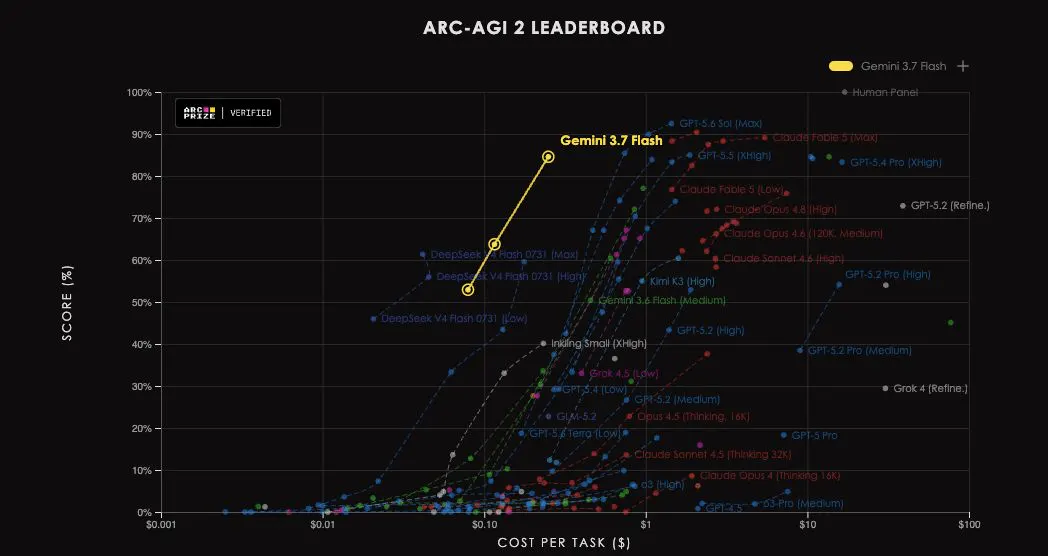
Google's mid-tier reasoning model nearly clears the 85% target on ARC-AGI-2 at a quarter per task, redrawing the cost-performance frontier.
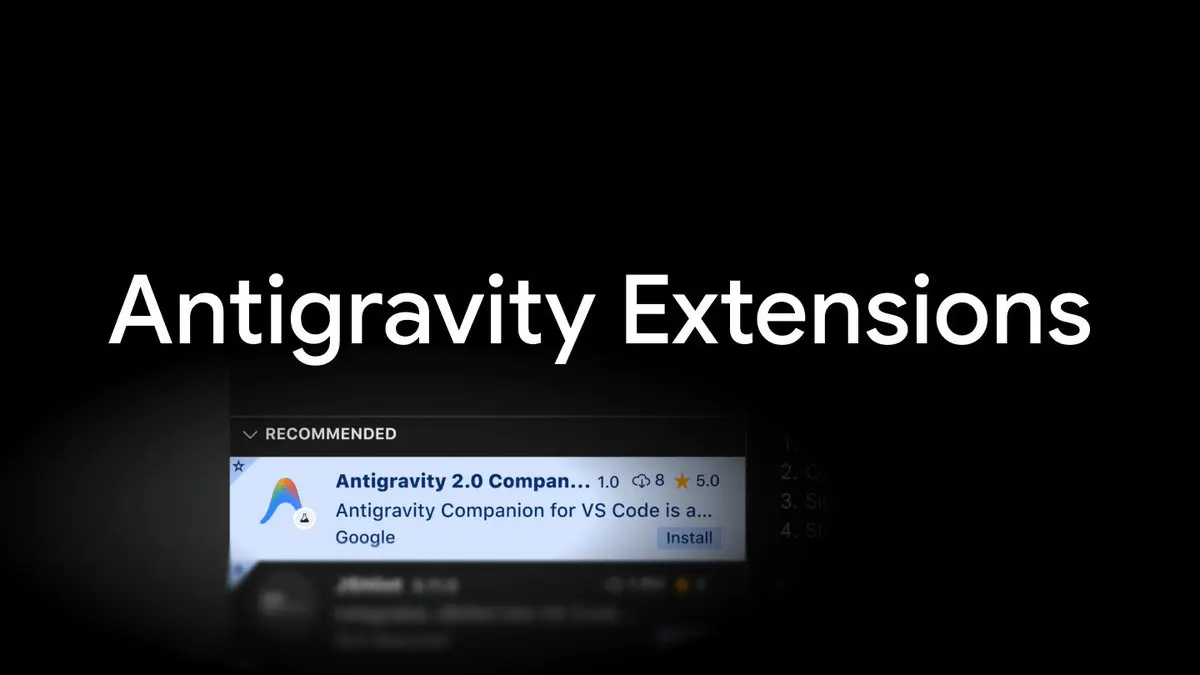
Google's agent-first coding platform now embeds directly in VS Code, JetBrains, Zed, and Visual Studio, sharing one account and context across editors.
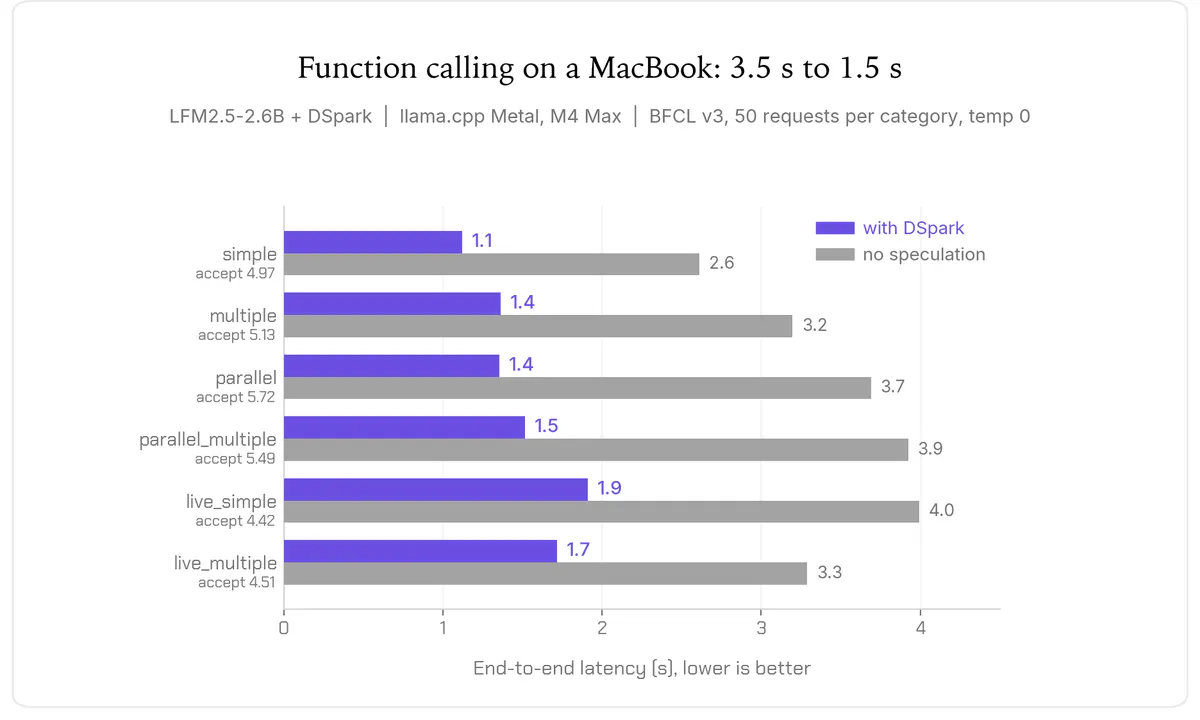
Liquid AI ships DSpark draft models for its LFM2.5 family, delivering up to 3.18x GPU throughput and cutting agent latency by nearly half.
AT&T takes an equity stake in Brett Adcock's stealthy AI hardware startup Hark, providing cellular connectivity for phone-free AI devices.
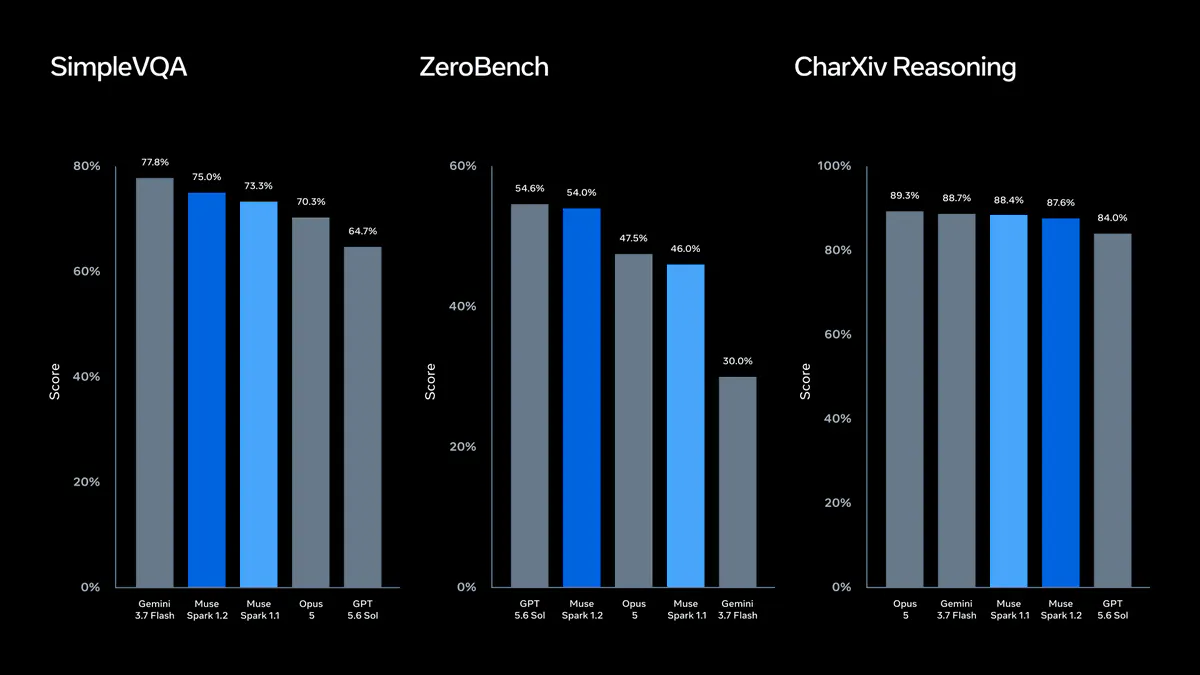
Meta shared new benchmarks, robotics demos, and a real-world agent evaluation for Muse Spark 1.2, its coding-focused multimodal model ahead of an open-weights release.
Exa's search API now plugs directly into Codex and ChatGPT, giving OpenAI's coding agent live access to over 100 billion web sources.
No stories match these filters.