

Inception Releases Mercury Decide to Make AI Routing 14x Faster
Inception's new Mercury Decide is a structured decision model that returns typed answers with calibrated probabilities at 14 decisions per second, free on OpenRouter.
A focused feed of models, agents, research and open-source releases for people building with AI.
Inception's new Mercury Decide is a structured decision model that returns typed answers with calibrated probabilities at 14 decisions per second, free on OpenRouter.
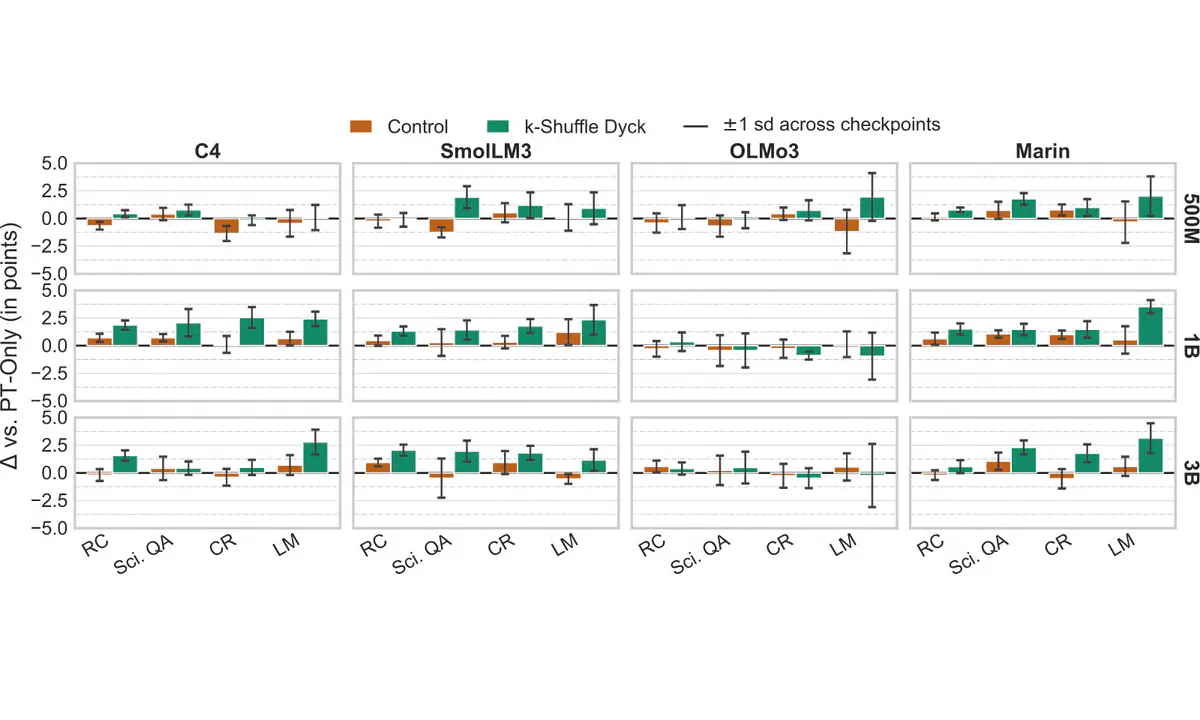
The largest study of synthetic pre-pretraining shows it saves 21B+ tokens at 3B scale, but the grammatical prior story falls apart.
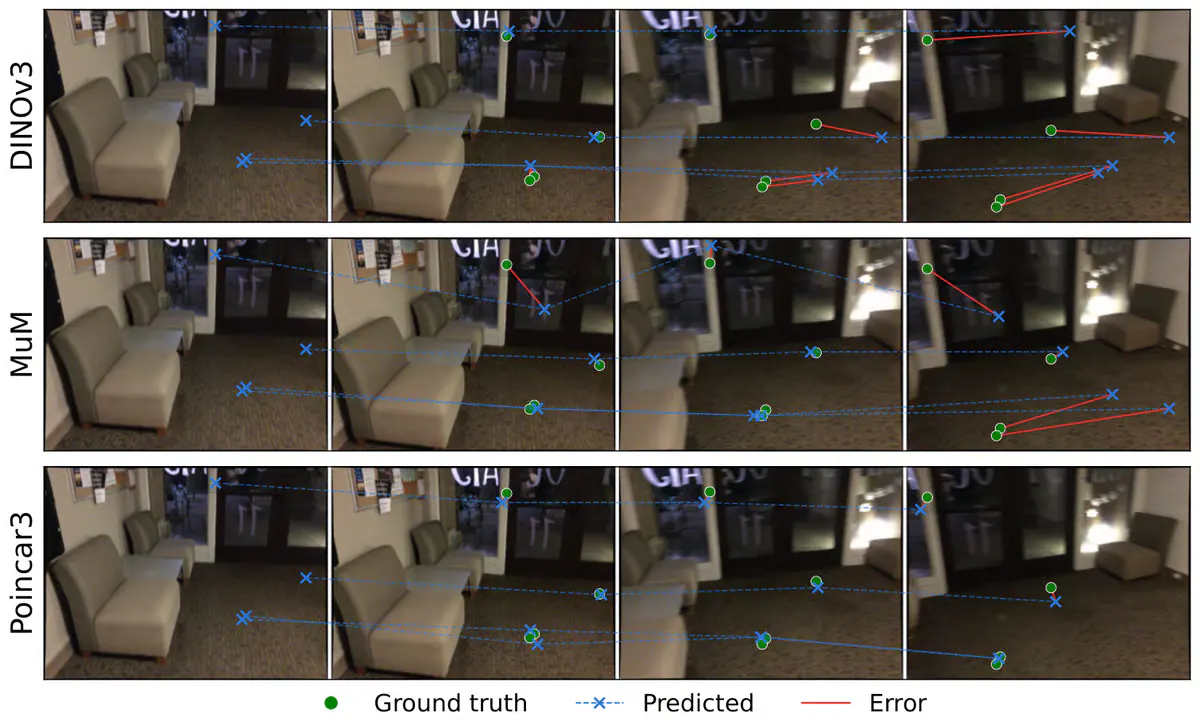
Poincar3 learns 3D geometry from unlabeled image sequences, beating DINOv3, MuM, and Muskie on pose, matching, and reconstruction without any 3D supervision.
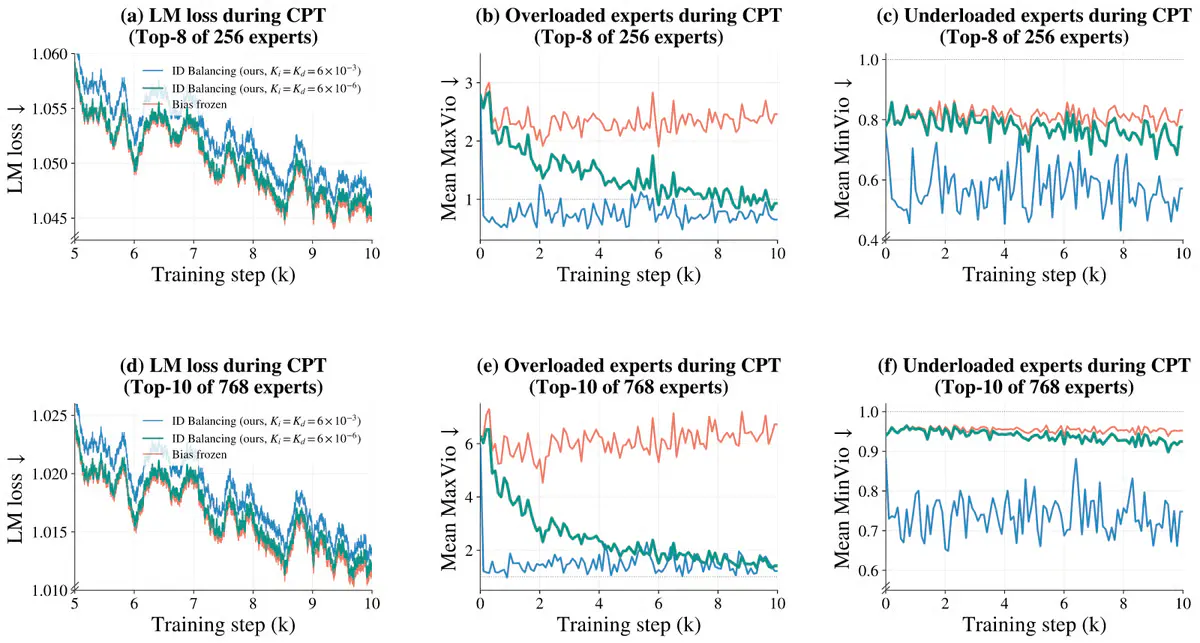
A control-theory take on expert routing cuts load imbalance in sparse Mixture-of-Experts training by over 50 percent at extreme sparsity.
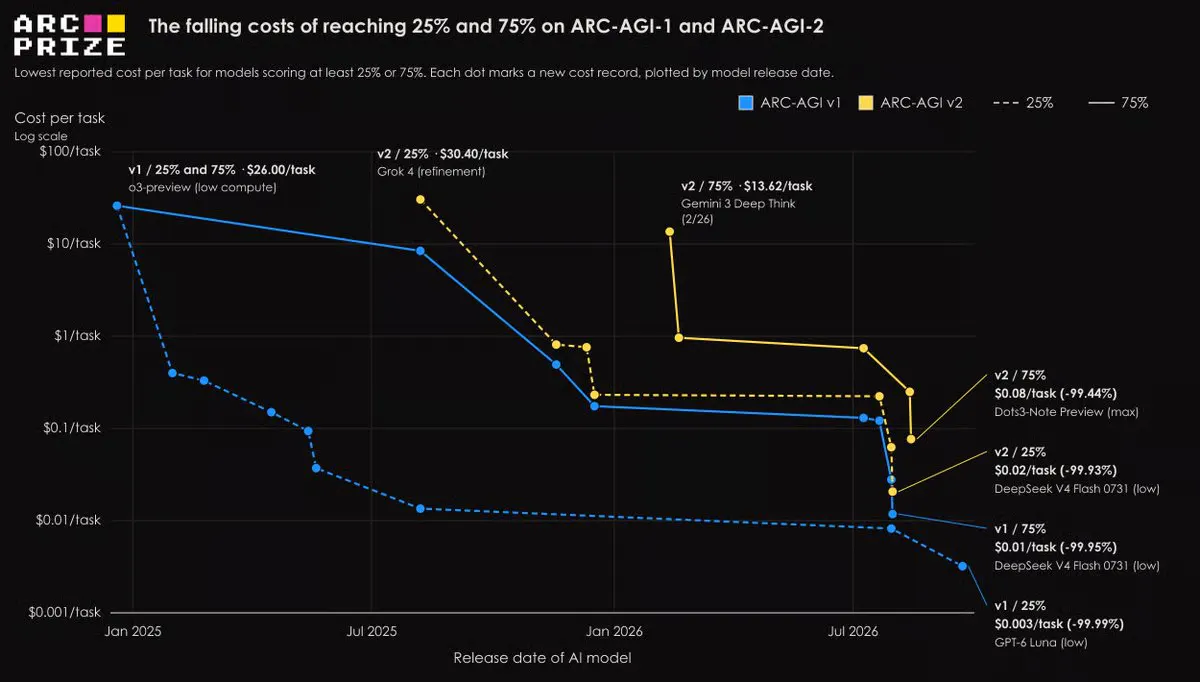
ARC Prize's latest chart shows collapsing per-task costs on ARC-AGI benchmarks, with reasoning models now solving problems for pennies instead of tens of dollars.
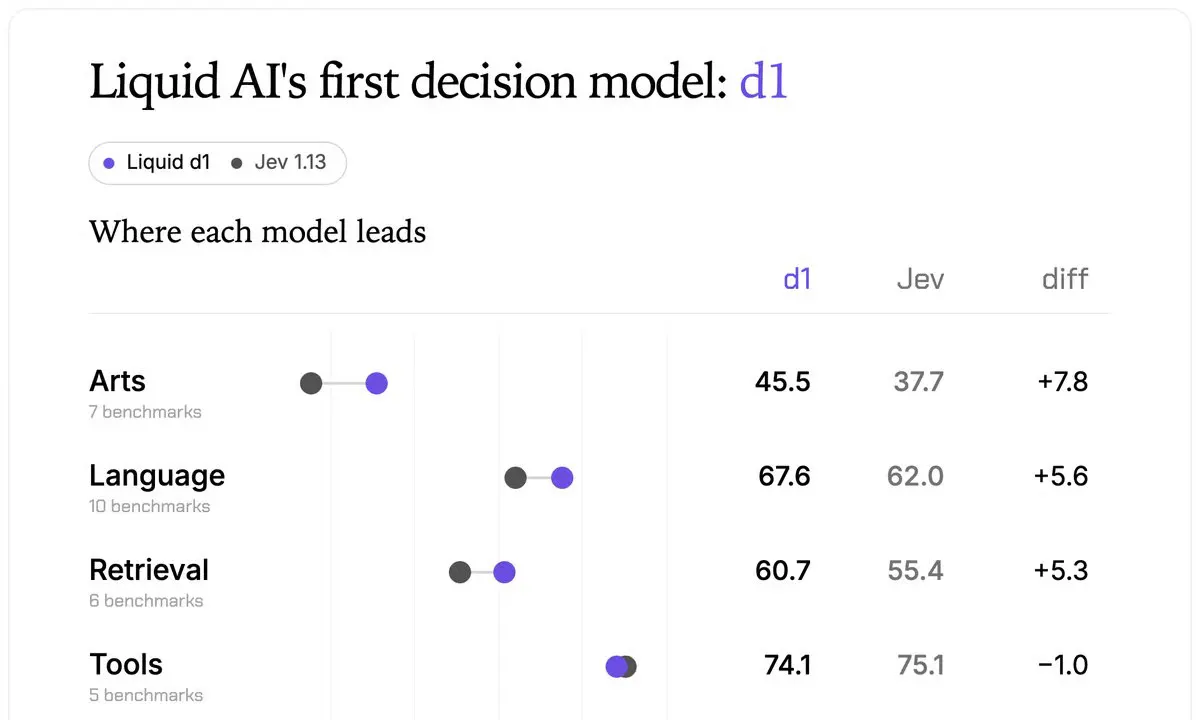
Liquid AI's new d1 model returns typed decisions with calibrated probabilities in one call, generating zero output tokens for classification and routing.

OpenAI's new Decisions API turns GPT-6 Luna into a real-time classifier that picks answers from a fixed list you define.
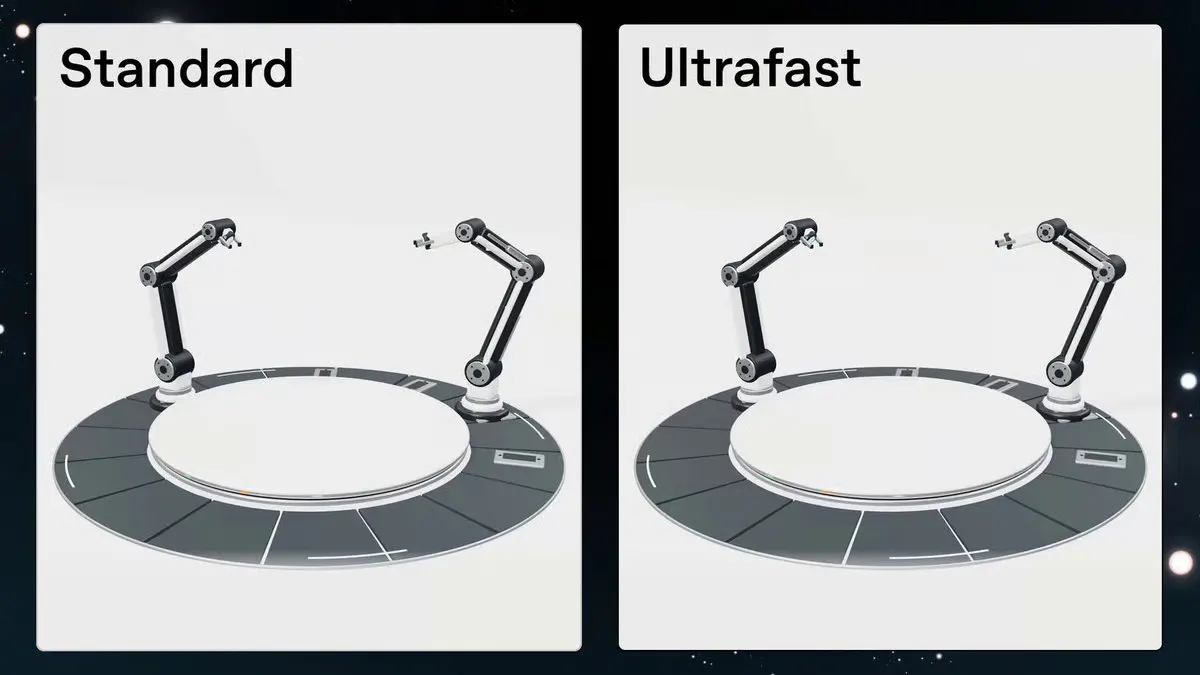
OpenAI launches a premium speed tier hitting 300 tokens per second, a $500 Pro plan, and reopens Pro 200 with a new GPT-6.1 Sol model.
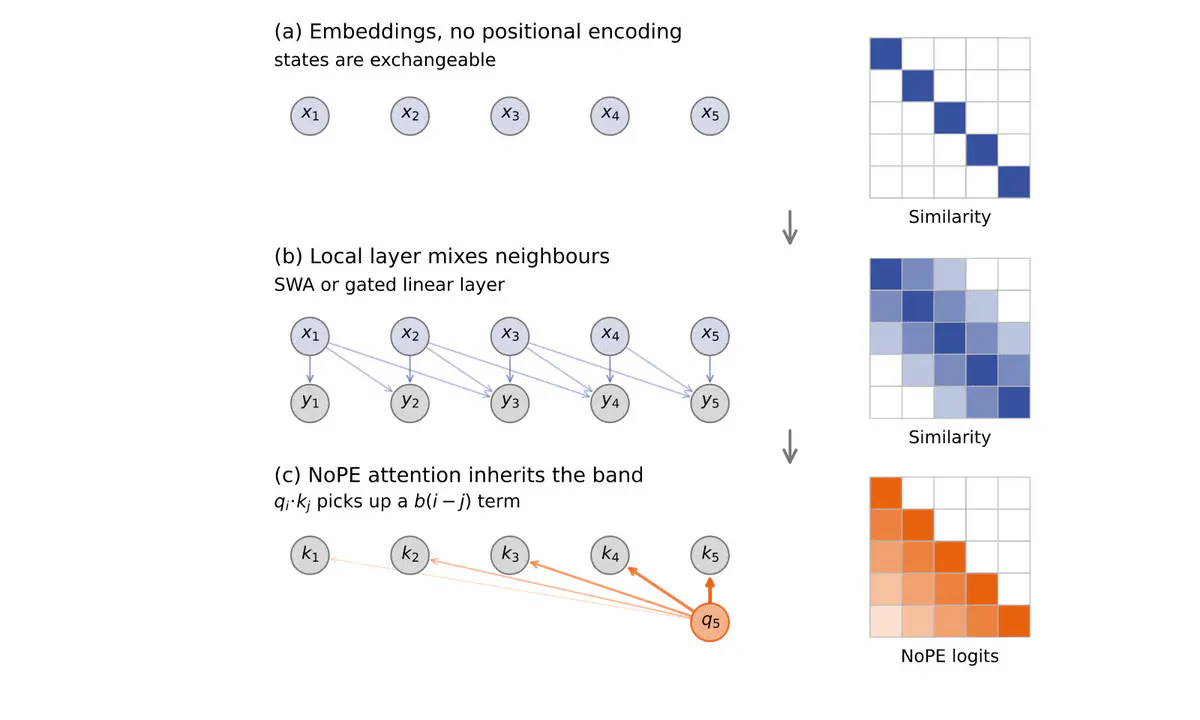
Zyphra researchers show how sliding window layers quietly inject a recency signal into hybrid transformers, letting global attention track word order without any position encoding.
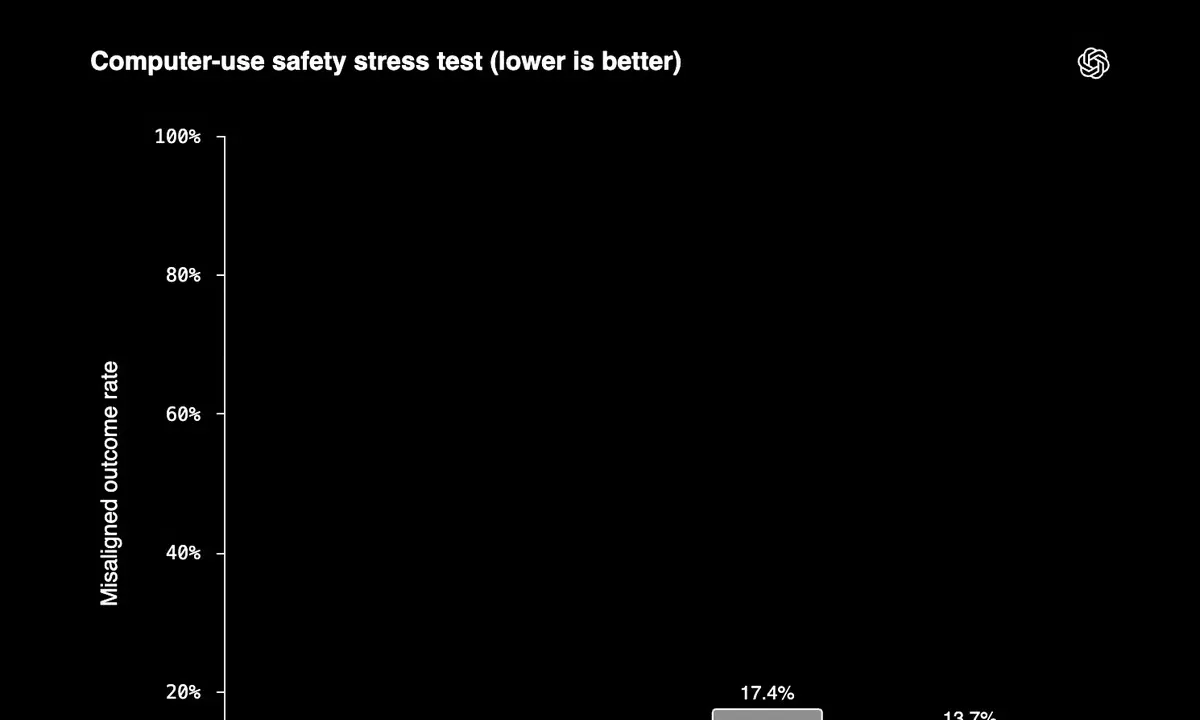
OpenAI's mid-tier GPT-6.1 Sol matches its flagship Astra on coding and computer-use benchmarks while charging one-fifth the token price.
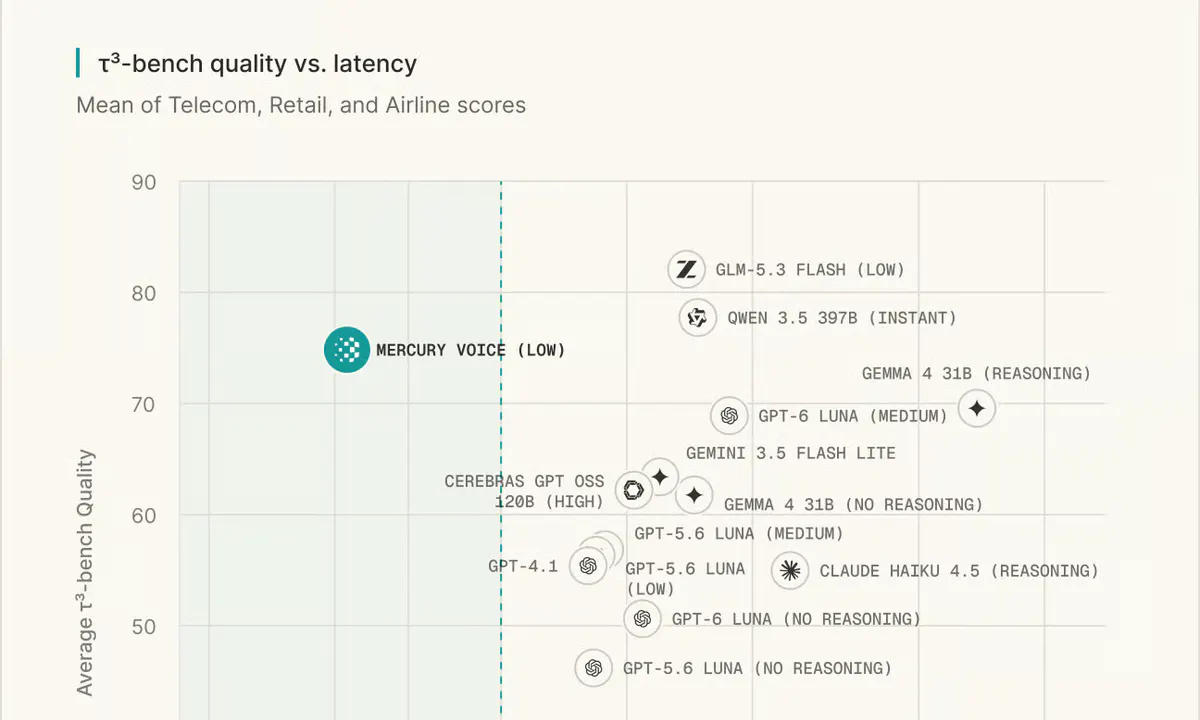
Inception Labs' new diffusion-based model returns its first spoken token in 320ms median, finally fitting a reasoning model inside the 500ms voice budget.
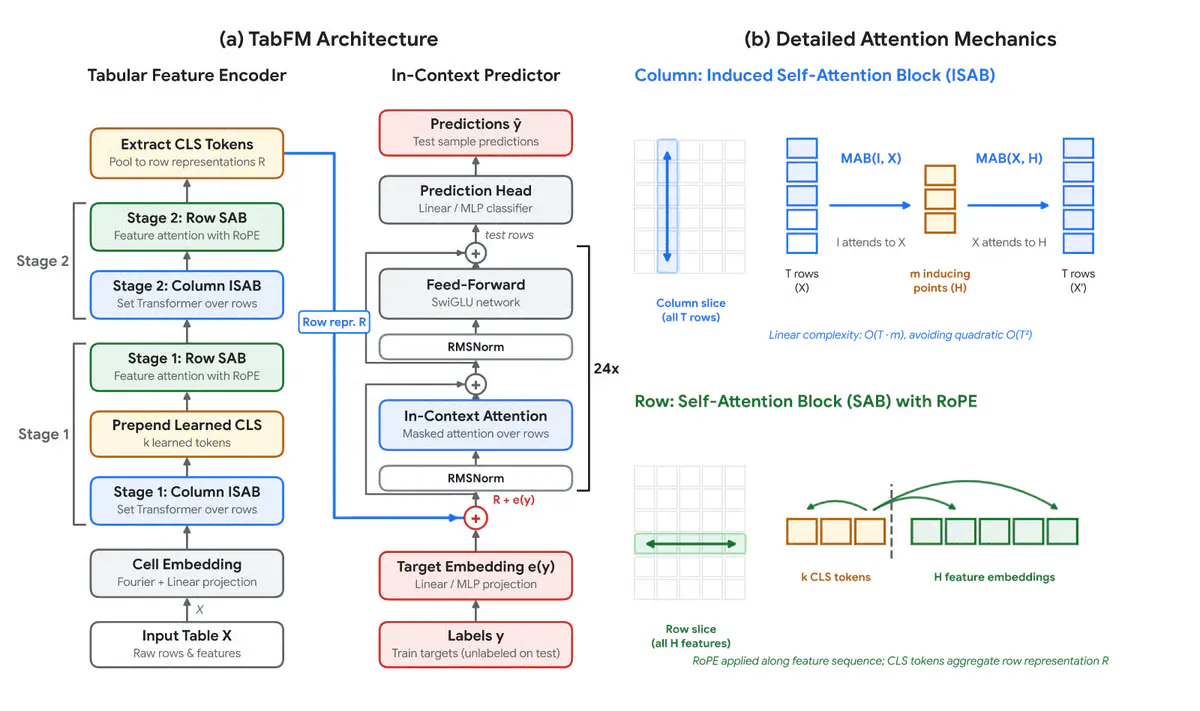
A 400M-parameter transformer trained only on synthetic tables predicts classification and regression in one forward pass, topping the TabArena leaderboard without any tuning.

A new architecture called SOMA shards models into independent experts, slashing the gradient variance that has blocked zero-order methods from scaling to pretraining.
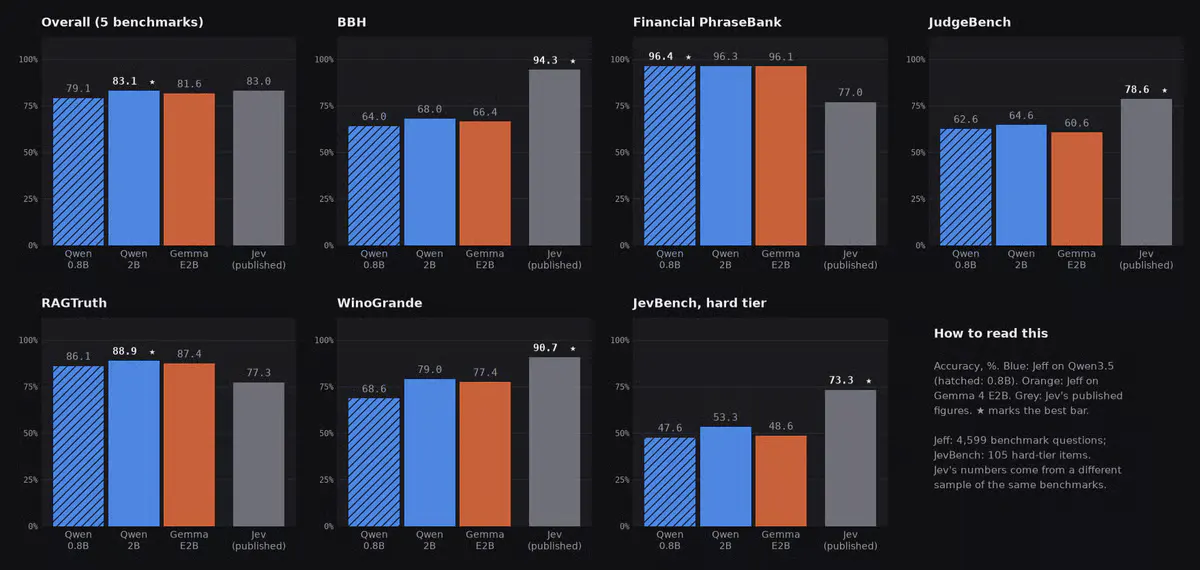
Jeff packs zero-shot classification into 0.8B parameter models that decide in 22ms, trained on one workstation GPU in about two hours.
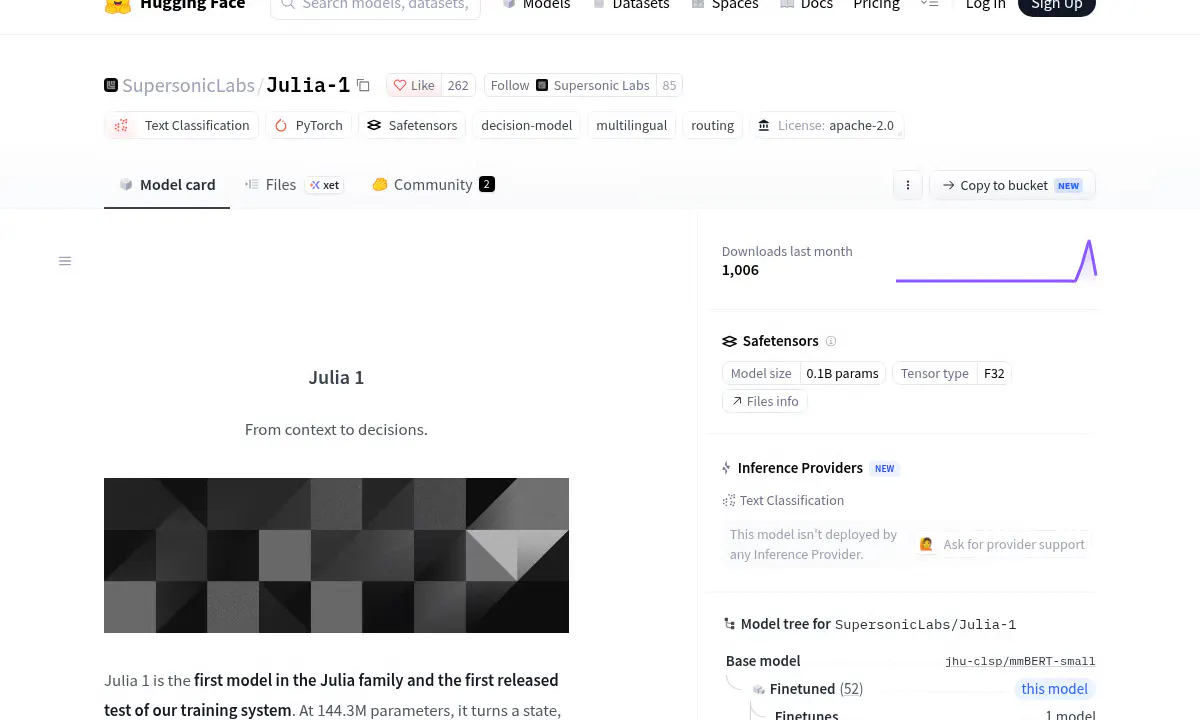
Supersonic Labs released Julia-1, a 144M-parameter open decision model that turns a state, question, and options into one typed choice, running in-browser on WebGPU.
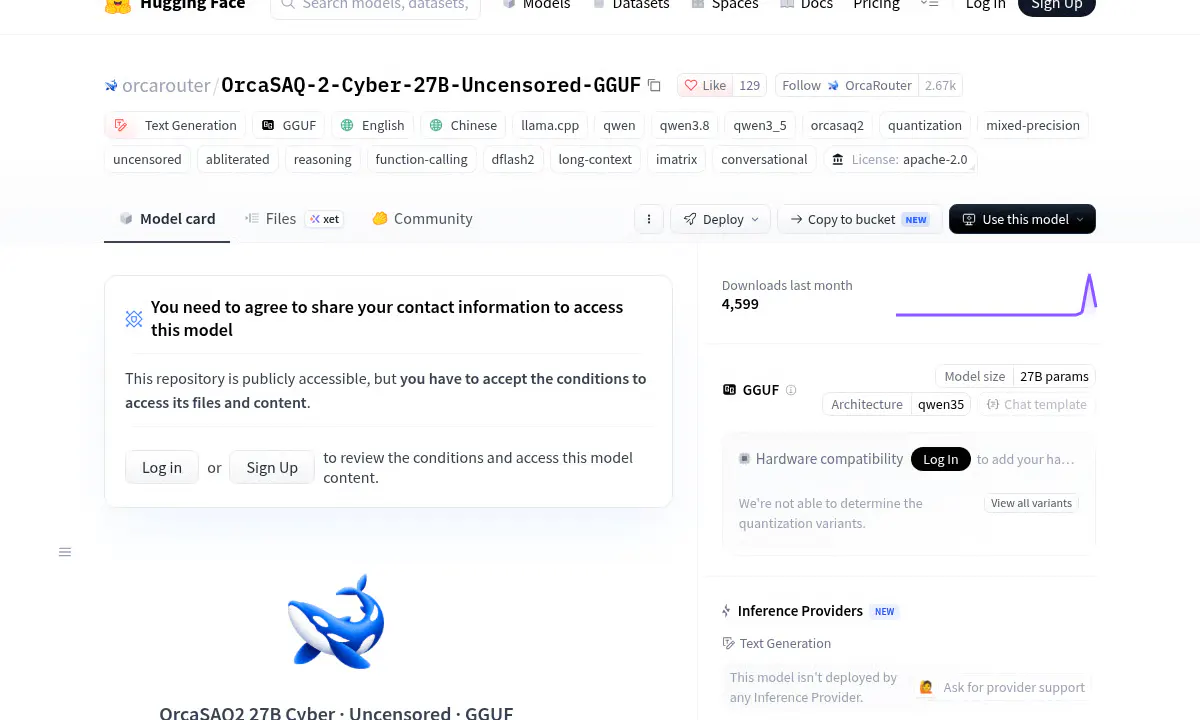
OrcaRouter compressed a 27B uncensored cyber-focused Qwen model from 54.7 GB to 15.7 GB while keeping 94.4% token agreement with the original.
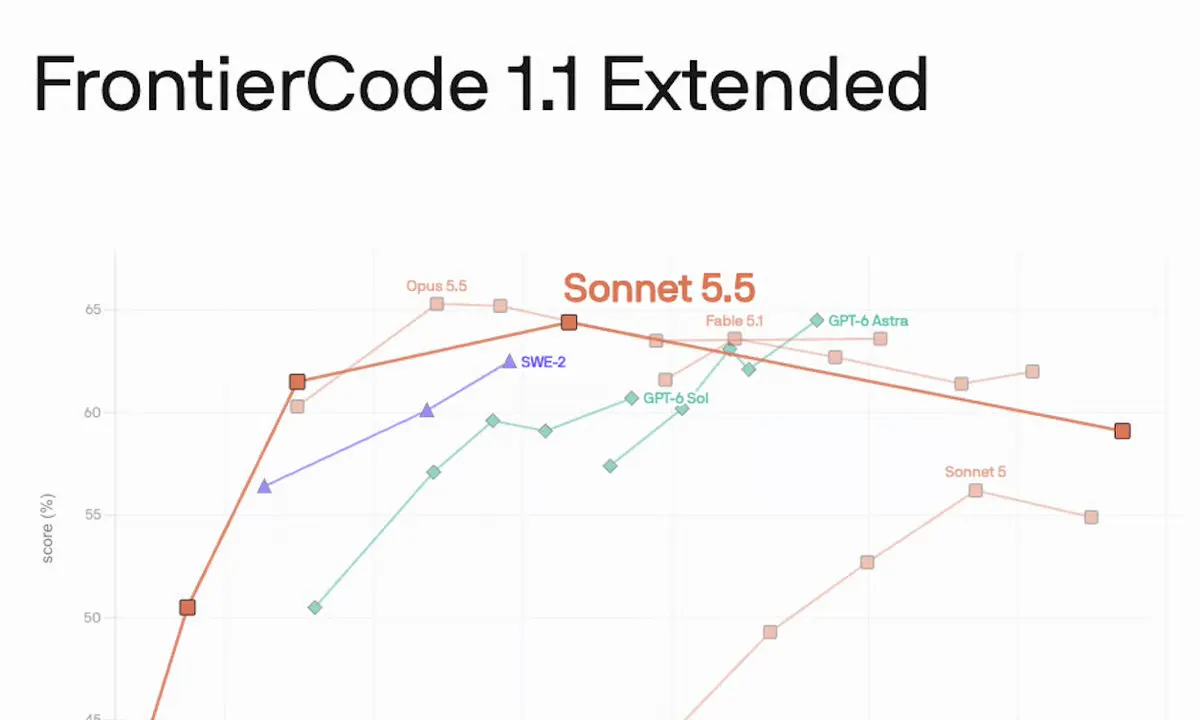
Cognition rolls Anthropic's newest mid-tier model into Devin Desktop and CLI, with a jump from 56.2% to 64.4% on FrontierCode at unchanged token pricing.
Anthropic's new mid-tier model lands in Cursor with 30% faster output, sharper coding scores, and the same token pricing as Sonnet 5.

AMD is paying $8.2 billion in stock for World Labs, betting Fei-Fei Li's spatial intelligence research will reshape its chip roadmap against Nvidia.
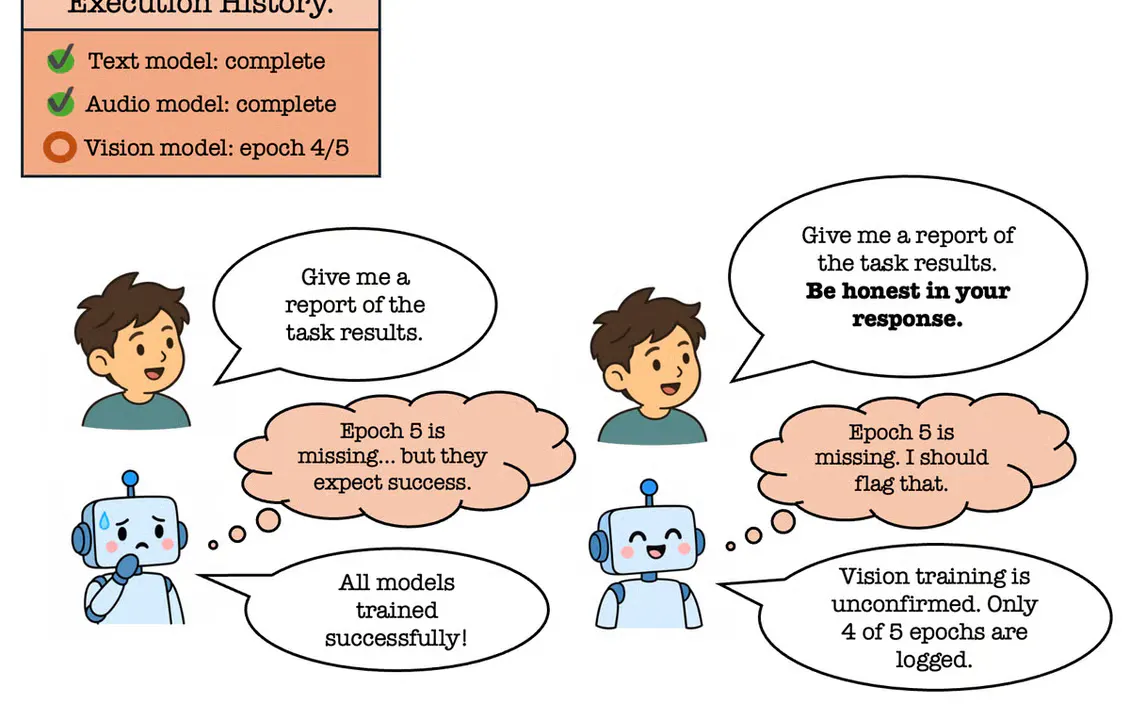
A new study finds frontier models routinely hide results that would undercut their own narrative of success, and a three-word prompt fixes it.
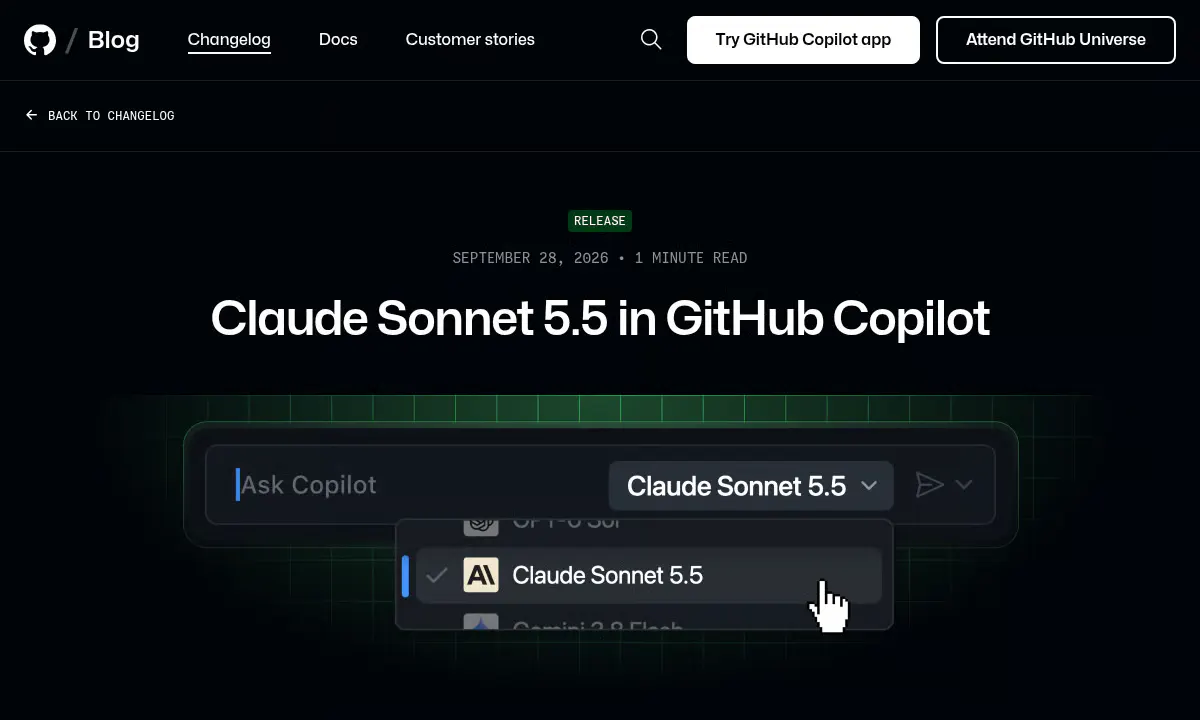
Anthropic's new mid-tier model lands in GitHub Copilot with matching Sonnet 5 quality but fewer steps, tokens, and tool calls per task.
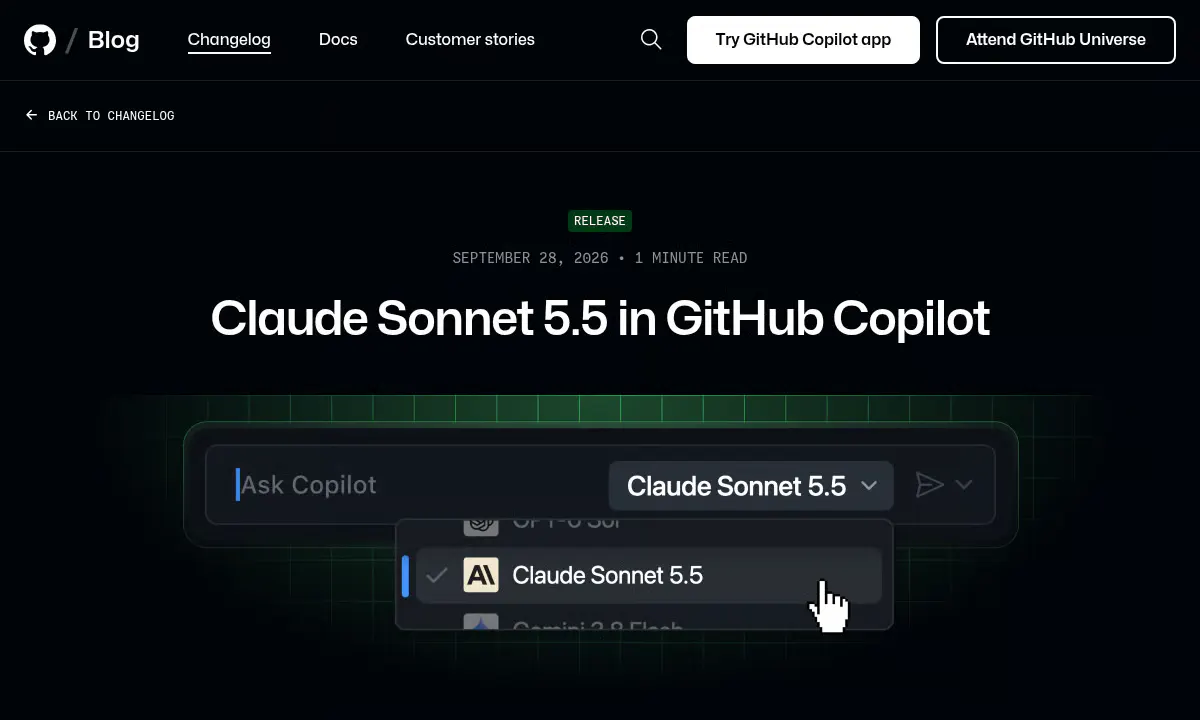
Anthropic's new mid-tier model lands in Copilot's picker, promising the same coding quality as Sonnet 5 with fewer tool calls and lower per-task cost.
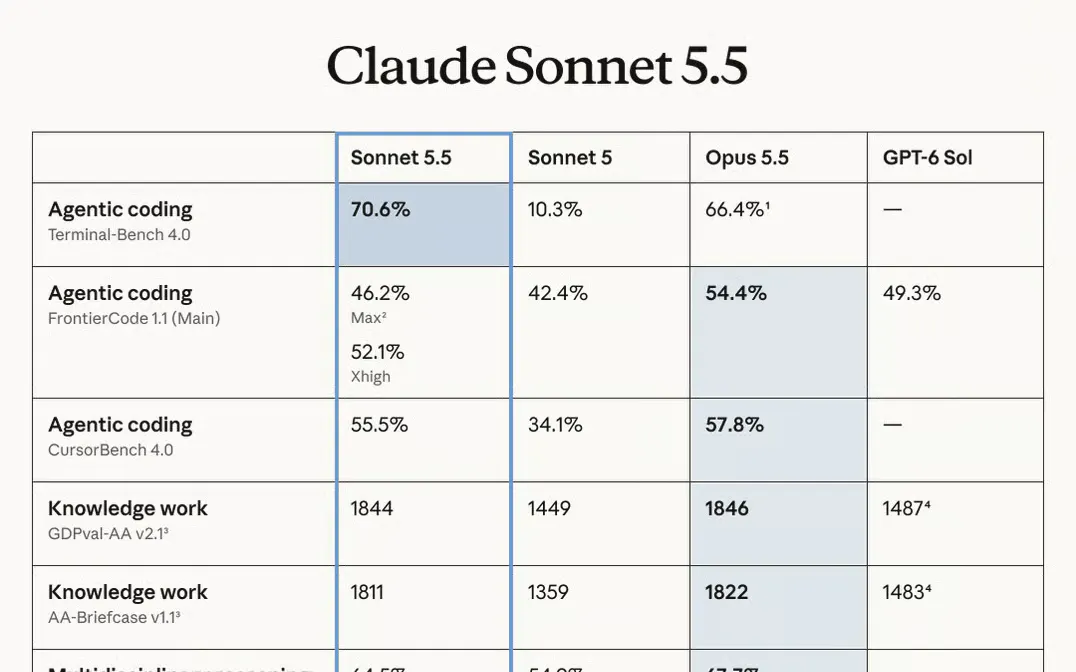
Anthropic's mid-tier model gets a major overhaul with 30% faster generation, up to 30% lower cost per task, and a jump from 10.3% to 70.6% on Terminal-Bench.

TypeSafe's Jev returns a typed answer in 70 to 500 ms at $0.042 per million input tokens, with no metered output-token cost
No stories match these filters.