
Sony AI's Hakken Predicted 1.5M Aging Hypotheses and Two Held Up in Lab
Sony AI built a system that reads the biomedical literature and predicts unpublished gene interactions, with two confirmed in wet-lab experiments.
hermes-ai.net
Read docs →A focused feed of models, agents, research and open-source releases for people building with AI.
Sony AI built a system that reads the biomedical literature and predicts unpublished gene interactions, with two confirmed in wet-lab experiments.

Adaption Labs plugs its automated fine-tuning system into Hugging Face, letting anyone push a co-optimized model to the Hub with a single click.
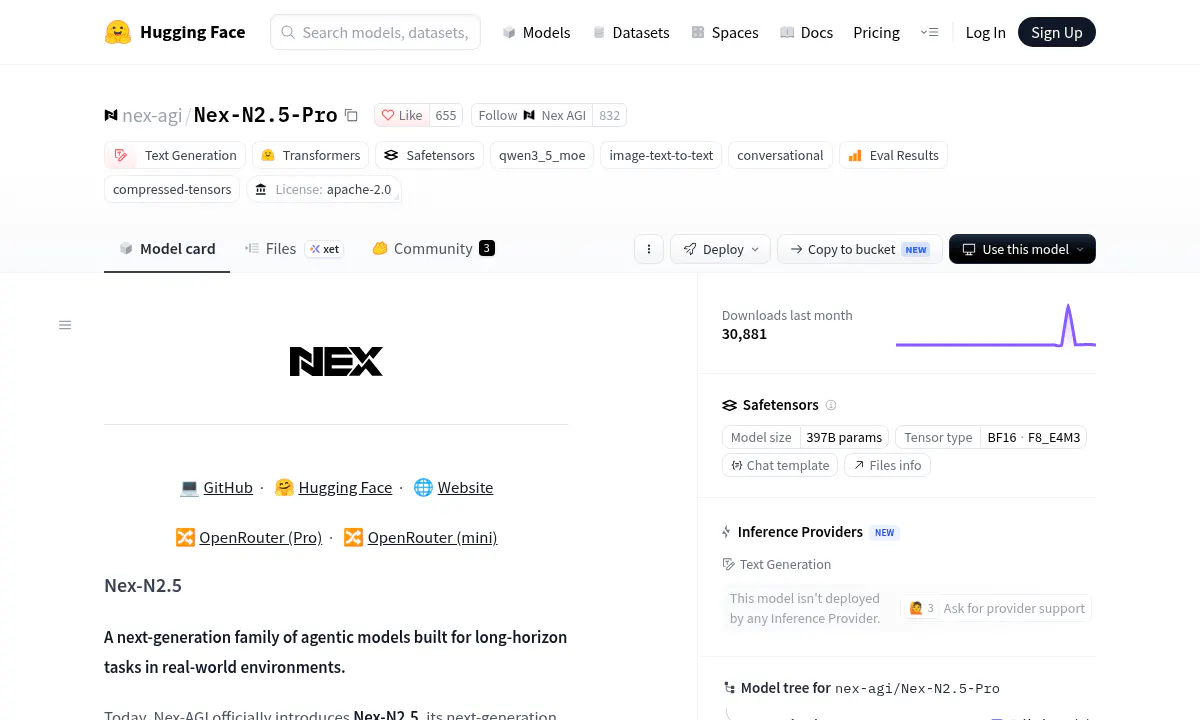
Nex-AGI releases an open-source agentic model family with vision-driven computer use, three sizes, and benchmark scores rivaling Claude Opus 5.
A hobbyist published a full DIY build kit for a Microduck-style RL biped robot, complete with a prebuilt SD image and MuJoCo training environment.
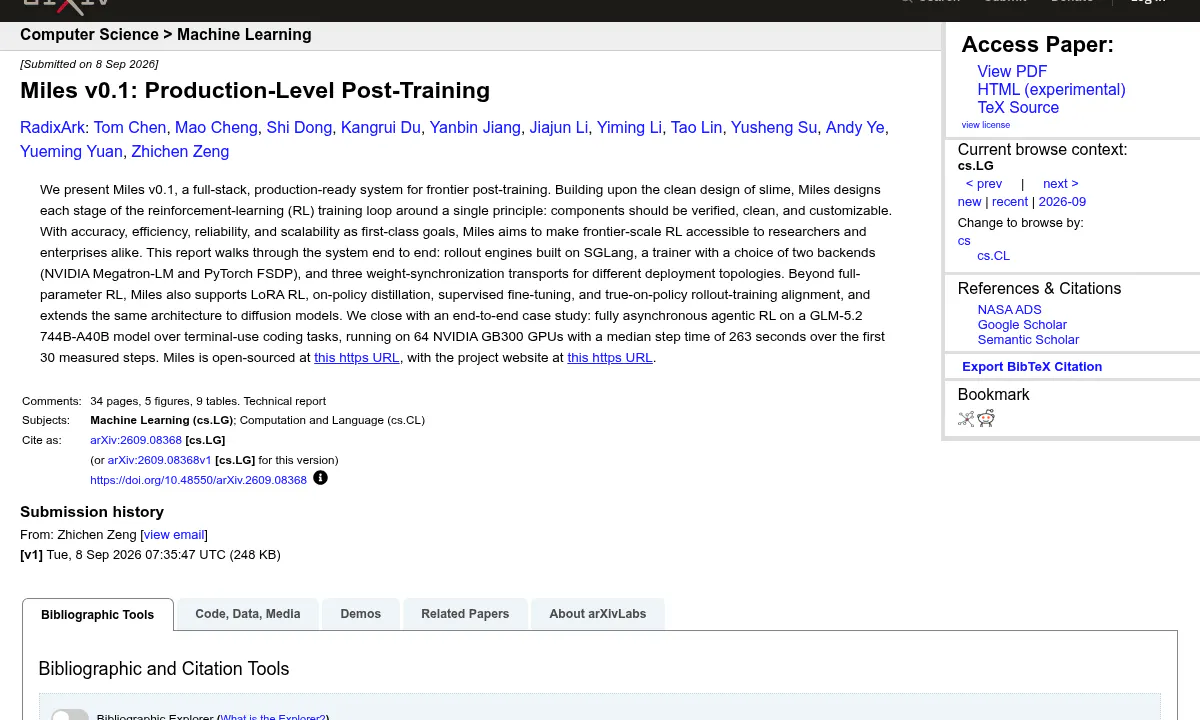
RadixArk's open-source Miles framework runs asynchronous RL on a 744B-parameter model across 64 GB300 GPUs with a 263-second median step.

Nex-AGI open-sourced a three-tier agentic model family under Apache 2.0, topped by a 1.6T-parameter MoE built to run browsers, desktops, and code loops end to end.

Samsung leads Europe's largest tech equity round ever, doubling Mistral's valuation to over €21 billion and cementing a chip-supplier-turned-shareholder alliance.
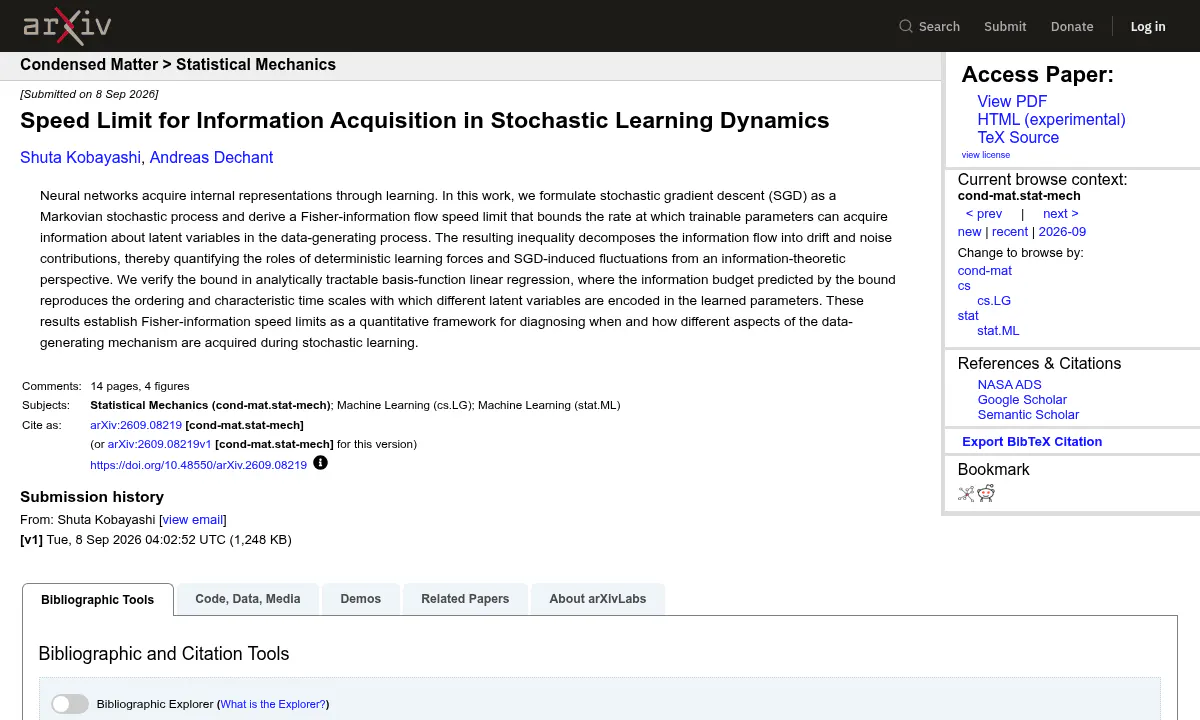
A new physics inspired bound explains which patterns stochastic gradient descent learns first, tying acquisition speed to Fisher information flow.
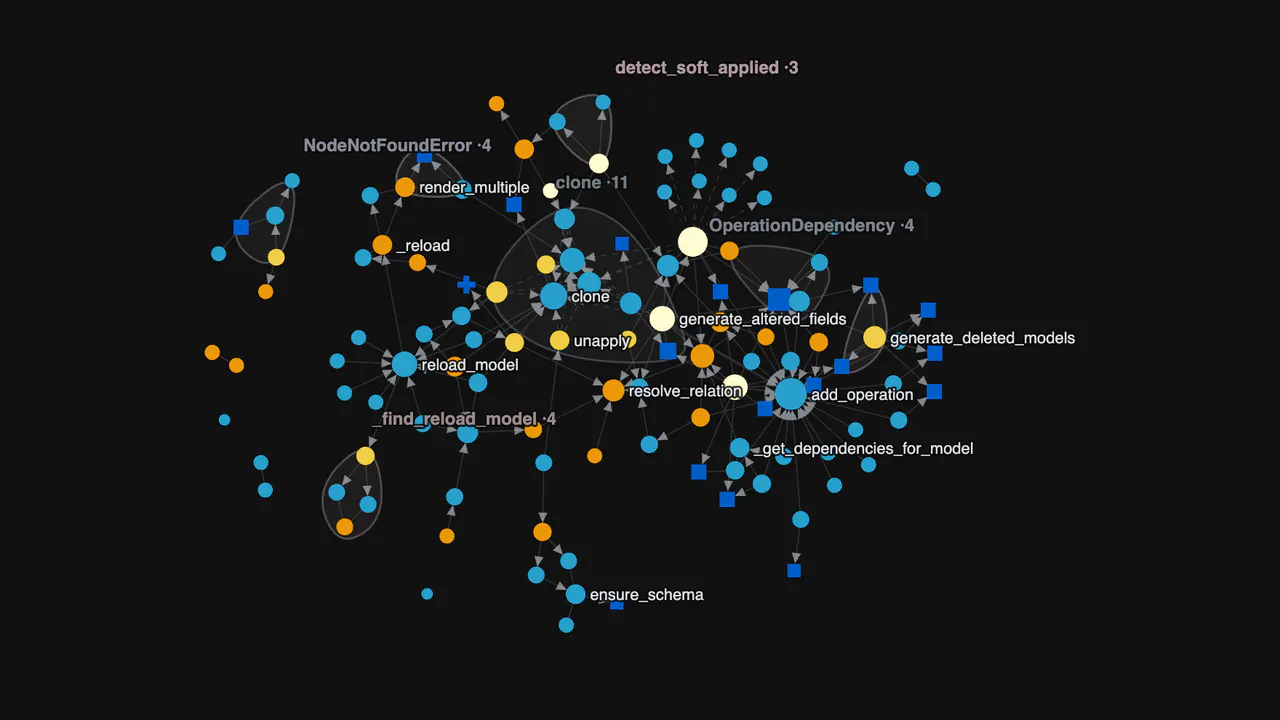
Red Hat's ripwire is a zero-dependency C++23 CLI that hands coding agents a ranked, deterministic map of any repo without embeddings or vector DBs.

AIPOCH released Open Science, an Apache-2.0 desktop workbench that runs scientific agents locally with Python notebooks, life-science connectors, and full provenance.

Fine-tuned 0.8B Qwen beat GPT-5.6 Sol xhigh, 2 million buyer profiles a day became 72 million, and GraphQL serving fell from $27 million to $1 million
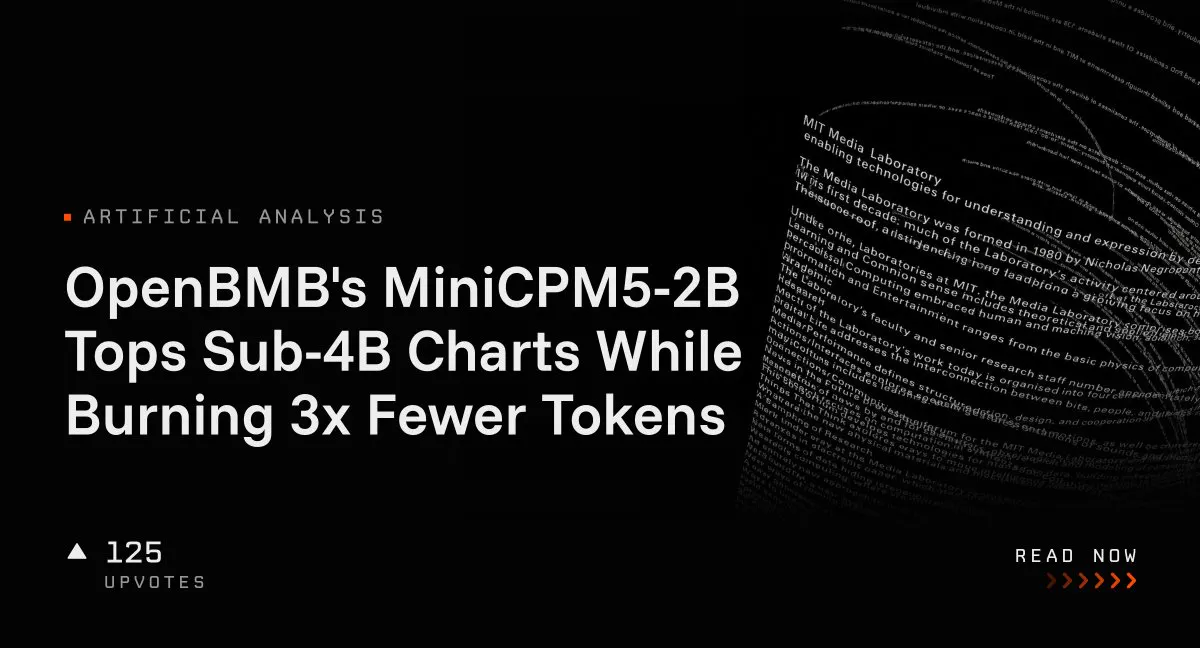
OpenBMB's 2.6B dense reasoning model tops the sub-4B open weights leaderboard, punching well above its weight on agentic benchmarks while staying token-efficient.
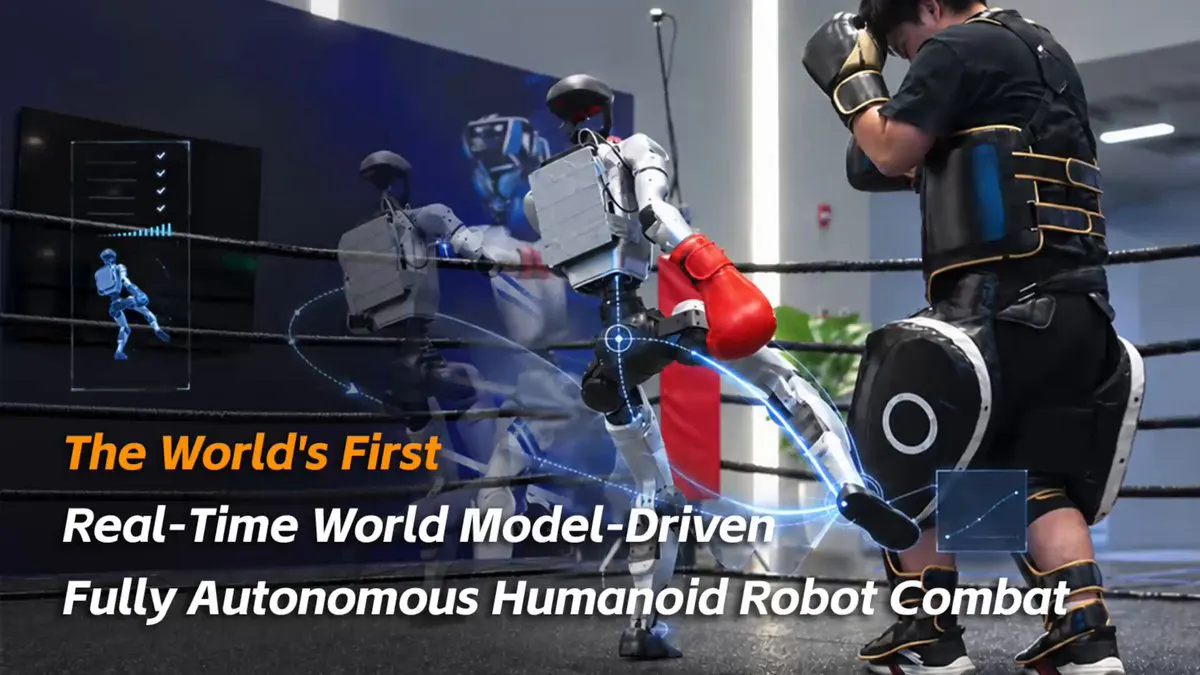
Unitree's UnifoLM-X2-1.0 lets humanoid robots spar autonomously by predicting the next few seconds of physics in real time.

VDN-H3 replaces most of MiniMax H3's quadratic attention with a linear branch, rendering a 14.4-second 768p clip in 11.23 seconds on 8 B200s.
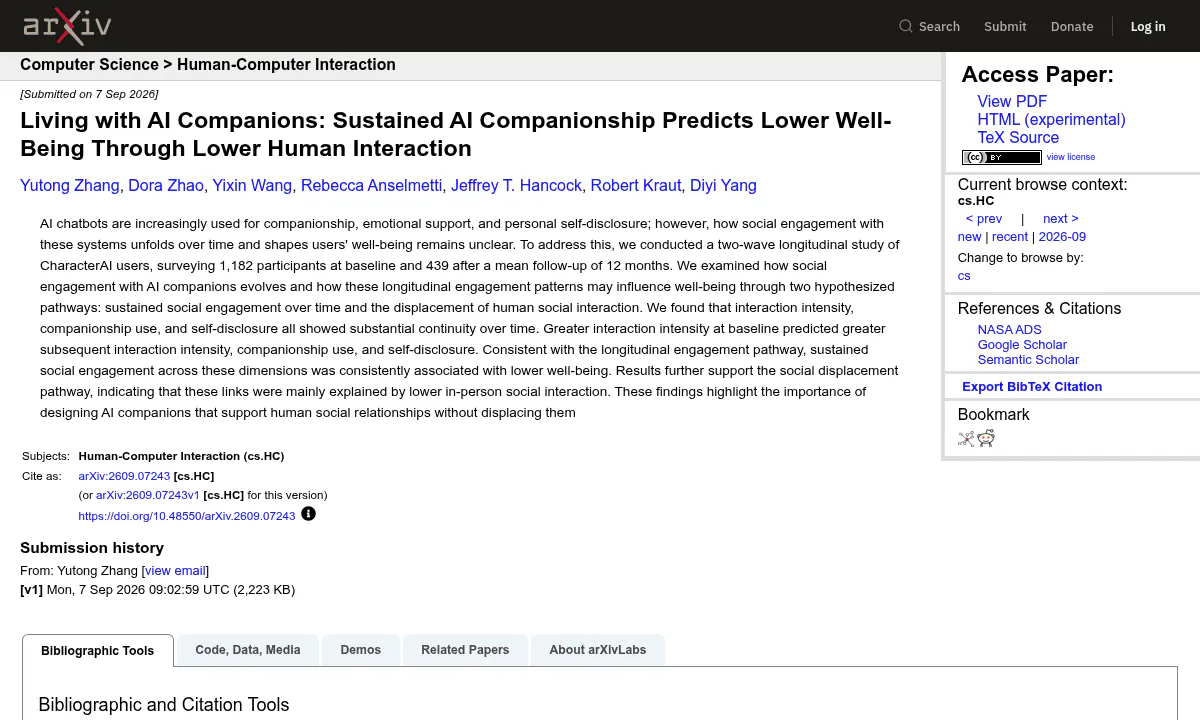
A year-long Stanford study of 1,182 Character.AI users finds heavier chatbot engagement predicts lower well-being, largely by crowding out face-to-face contact.
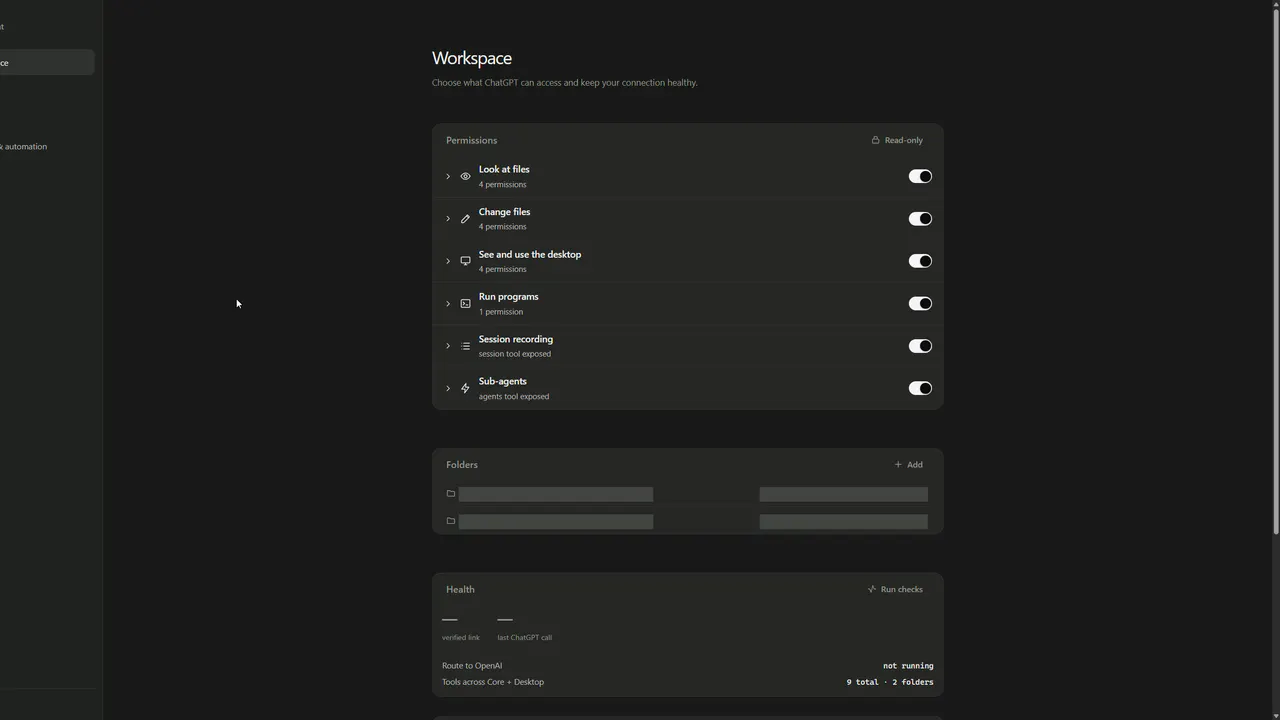
A local MCP bridge turns ChatGPT into a Windows coding agent with file access, shell commands, desktop control, and multi-agent worker tabs.
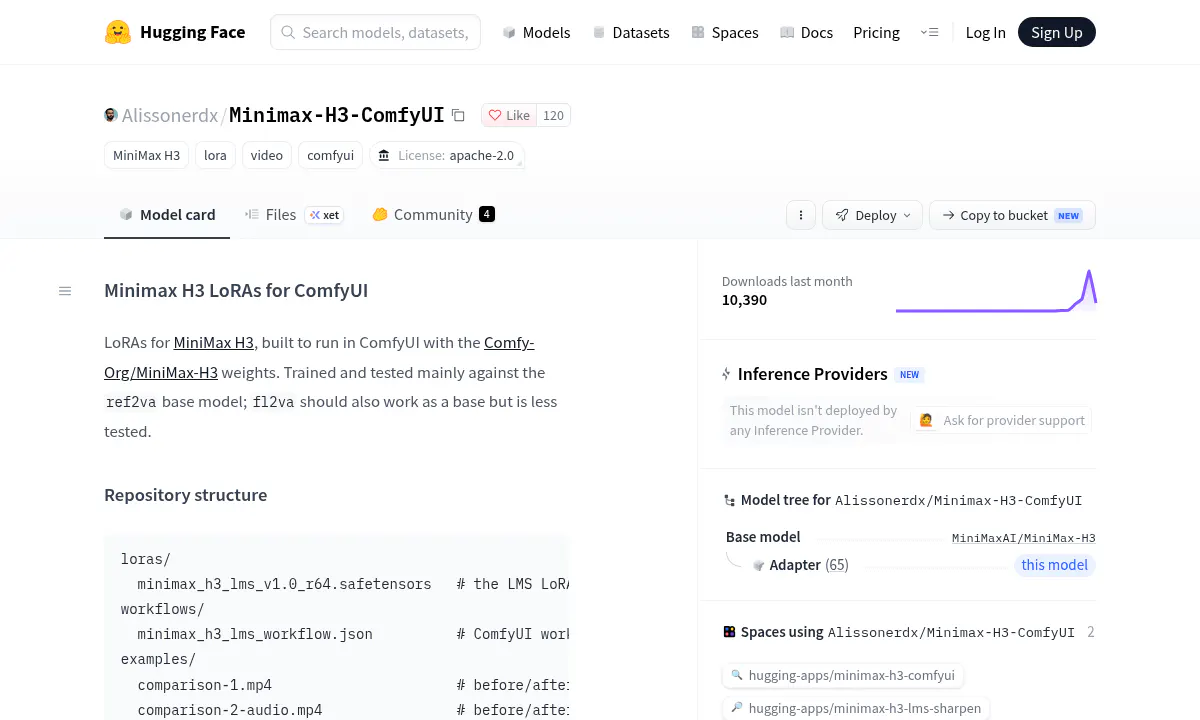
A community LoRA for MiniMax H3 sharpens video output through aligned guide latents, offering a new pass on ComfyUI's ref2va pipeline.

A 753B parameter GLM-5.3 variant has had its refusal circuits surgically removed for offensive security work, keeping MMLU intact while complying with 89% of cyber-attack prompts.

Meta's next-generation autonomous research agent AIRA₃ placed 8th of roughly 4,000 human teams in an NVIDIA-run Kaggle contest to fine-tune Nemotron.
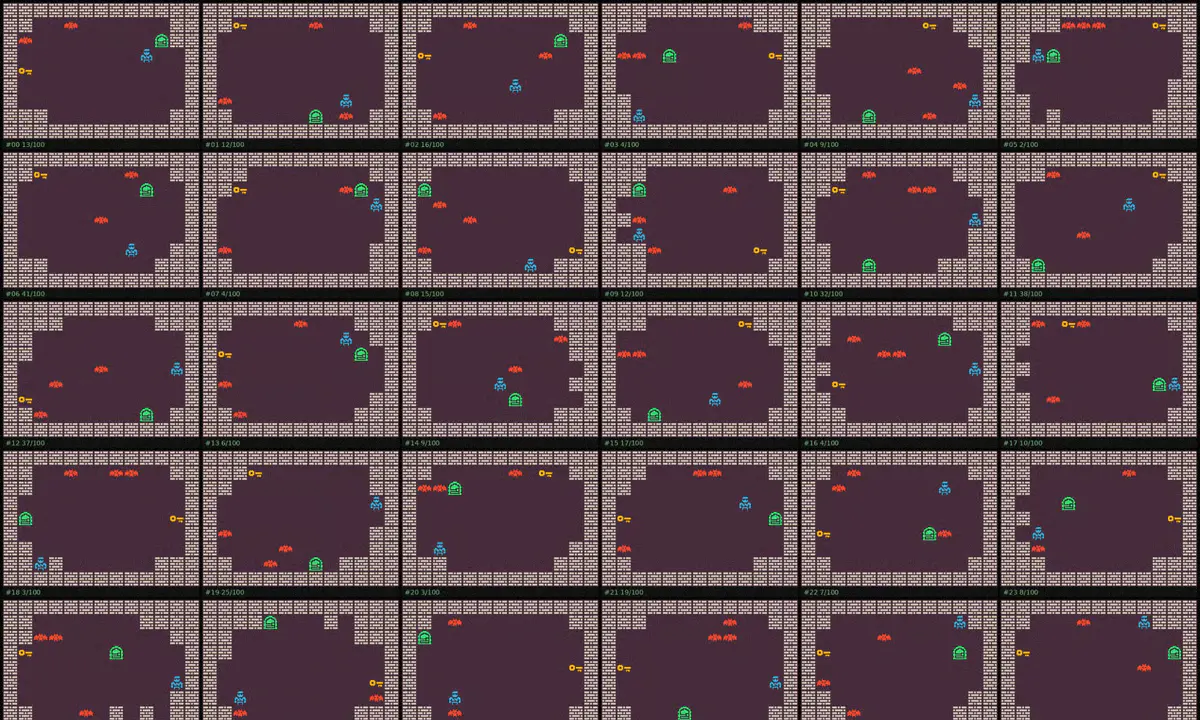
A new research paper reframes cellular automata as evolvable Python modules, letting genetic programming discover readable rules for level generation.
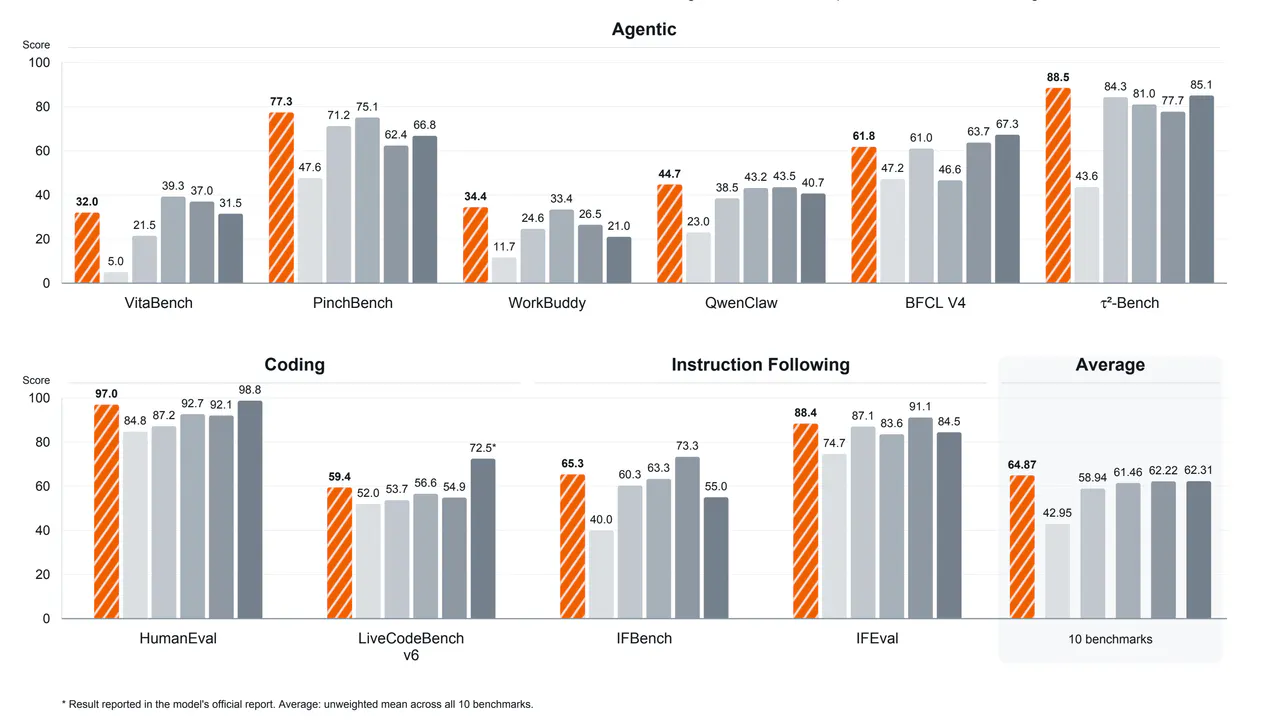
TokenRhythm fine-tunes Qwen3.5-4B with a routing harness that turns agent traces into training data, gaining 5.93 points across ten benchmarks.
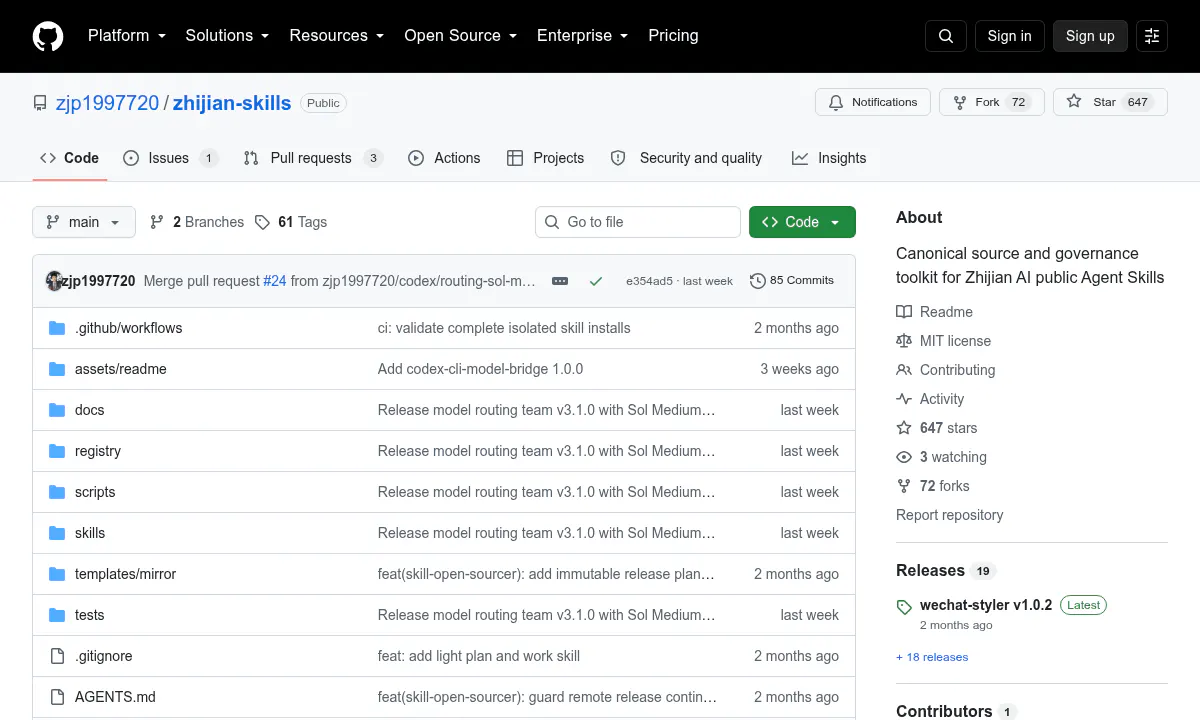
A Chinese developer's open-source Agent Skills portfolio bundles sixteen focused tools, including a layered Web Clipper that chains five extractors to reliably scrape anything.
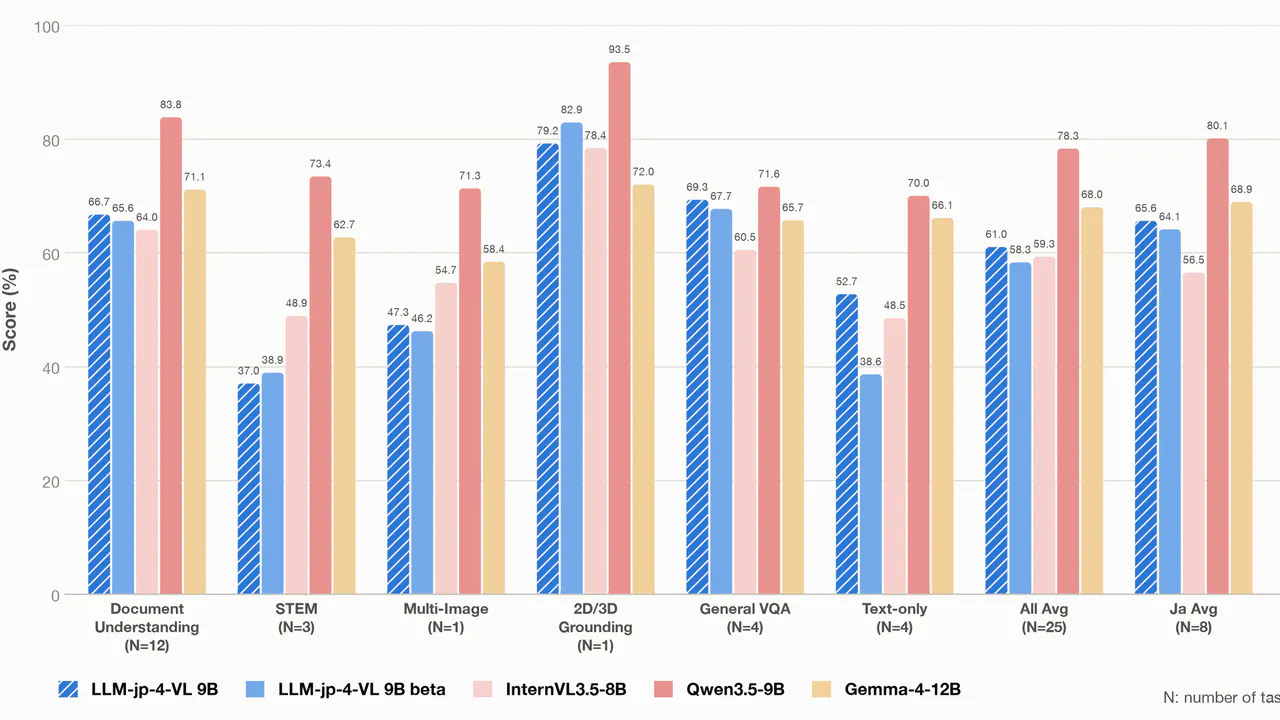
Japan's national LLM project releases an Apache-2.0 vision-language model with reasoning traces, trained on a scrubbed 29M-sample dataset.
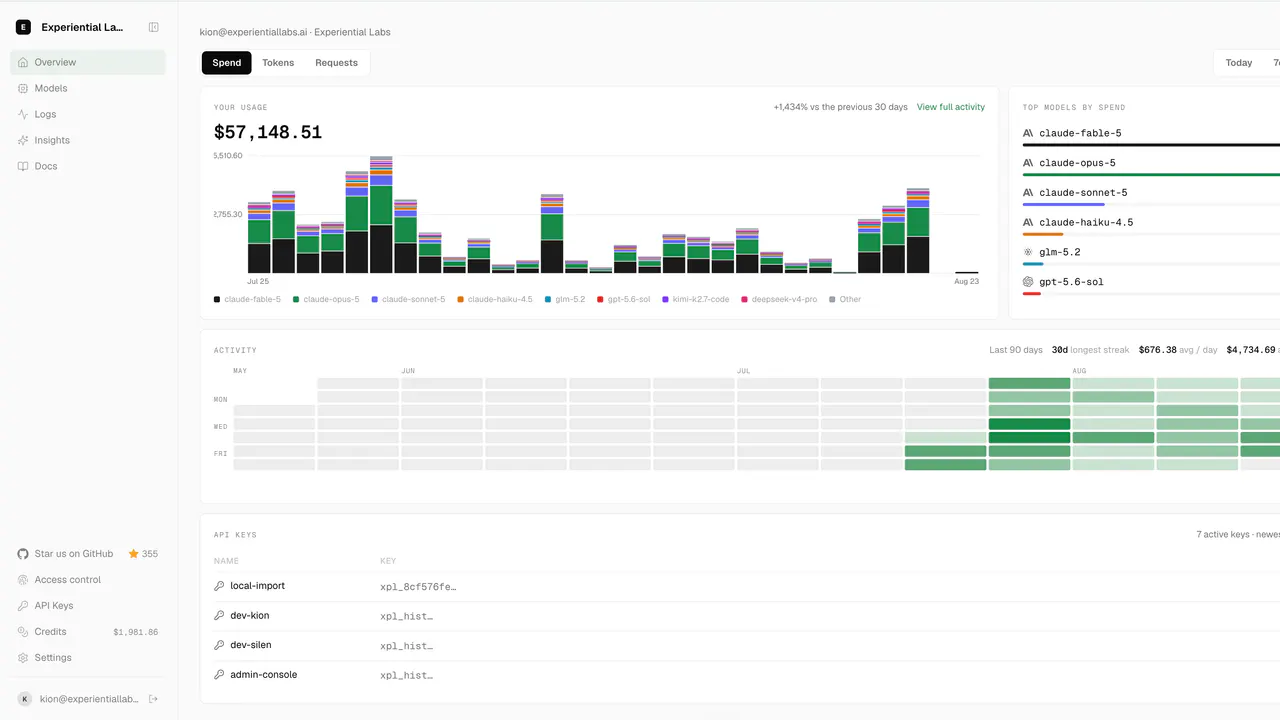
Experiential is an open source, OpenAI-compatible gateway that routes across hosted, BYOK, and local models with zero markup and spend controls.
No stories match these filters.