
Krea Agents Replaces Complex Node Graphs With a Single Creative Prompt
Krea's new agent platform reads your canvas, plans multi-model pipelines, and executes creative jobs from a single prompt, no node-wiring required.
hermes-ai.net
Read docs →A focused feed of models, agents, research and open-source releases for people building with AI.
Krea's new agent platform reads your canvas, plans multi-model pipelines, and executes creative jobs from a single prompt, no node-wiring required.
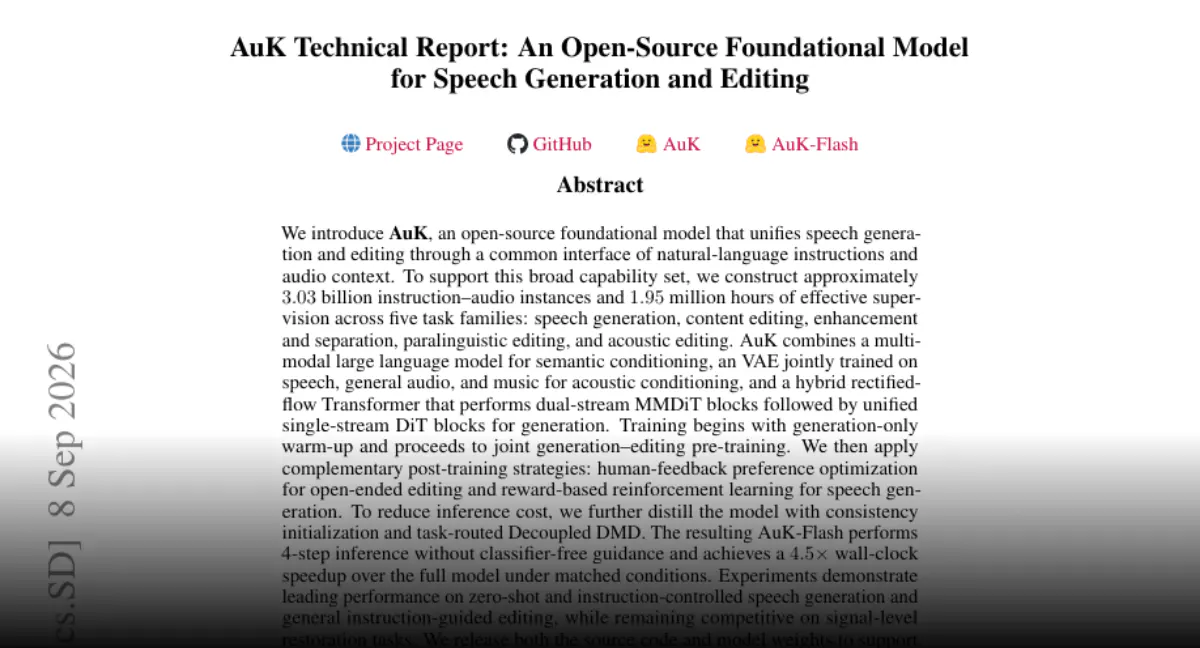
Tencent Hunyuan opens the code and weights for a 1.5B unified speech model that handles TTS, editing, denoising, and separation from plain instructions.
Unitree open-sourced a 6B-parameter humanoid foundation model that runs 64 tasks with one network across grippers, dexterous hands, and full-body motion.
DeepSeek's 552B mixture-of-experts model splits input and output compute asymmetrically, natively handles vision, and undercuts its own flagship on price.
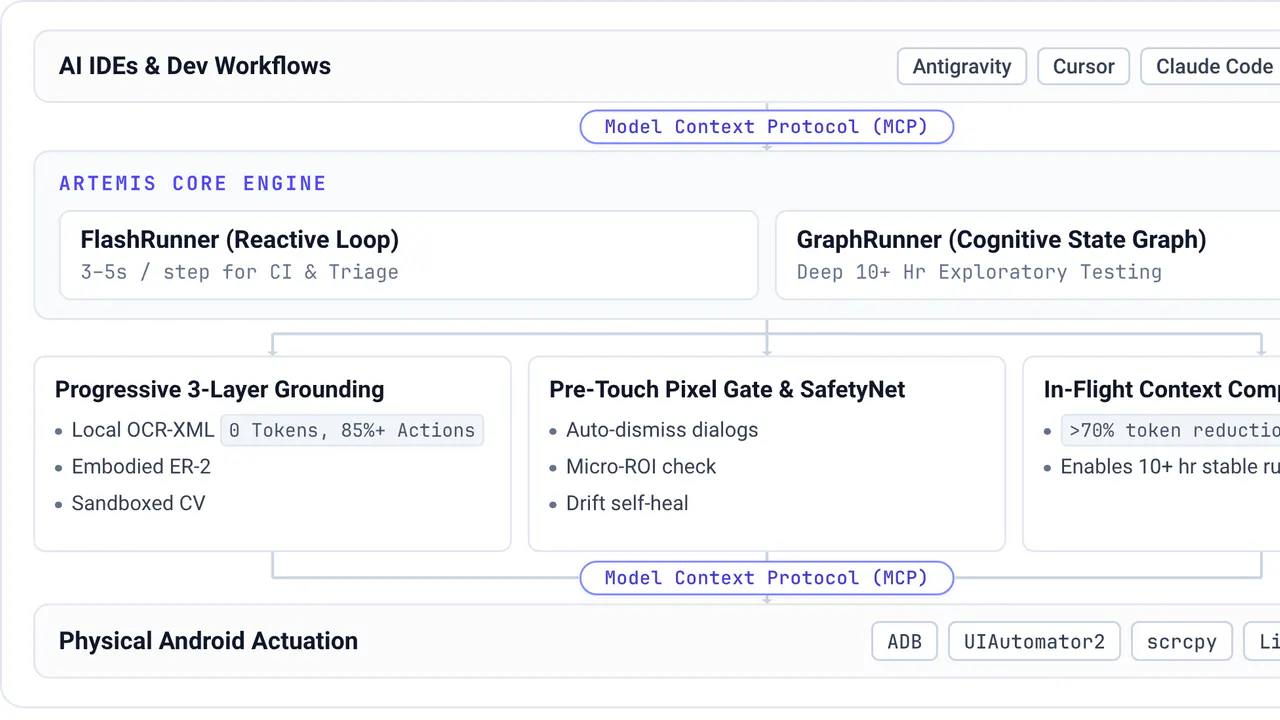
Google's Pixel Test Engineering team open-sourced ARTEMIS, an Android automation agent hitting 99%+ on AndroidWorld with 3-5s step latency.

Together AI highlights that Moonshot's open-weight Kimi K3 outscores Anthropic's newer Claude Fable 5.1 by 60% on the hard slice of Harvey's autonomous legal agent benchmark.
A new open-source agent skill called dream-loop turns any capable coding agent into a self-critiquing 3D artist that iterates against generated concept art.

Zed's weekly release adds call hierarchy navigation, multi-select Git staging, auto language detection for scratch buffers, and live search-as-you-type by default.

CozyClay turns your browser into a previs studio where you block shots, pose characters, and hand the same camera moves to an AI video model.
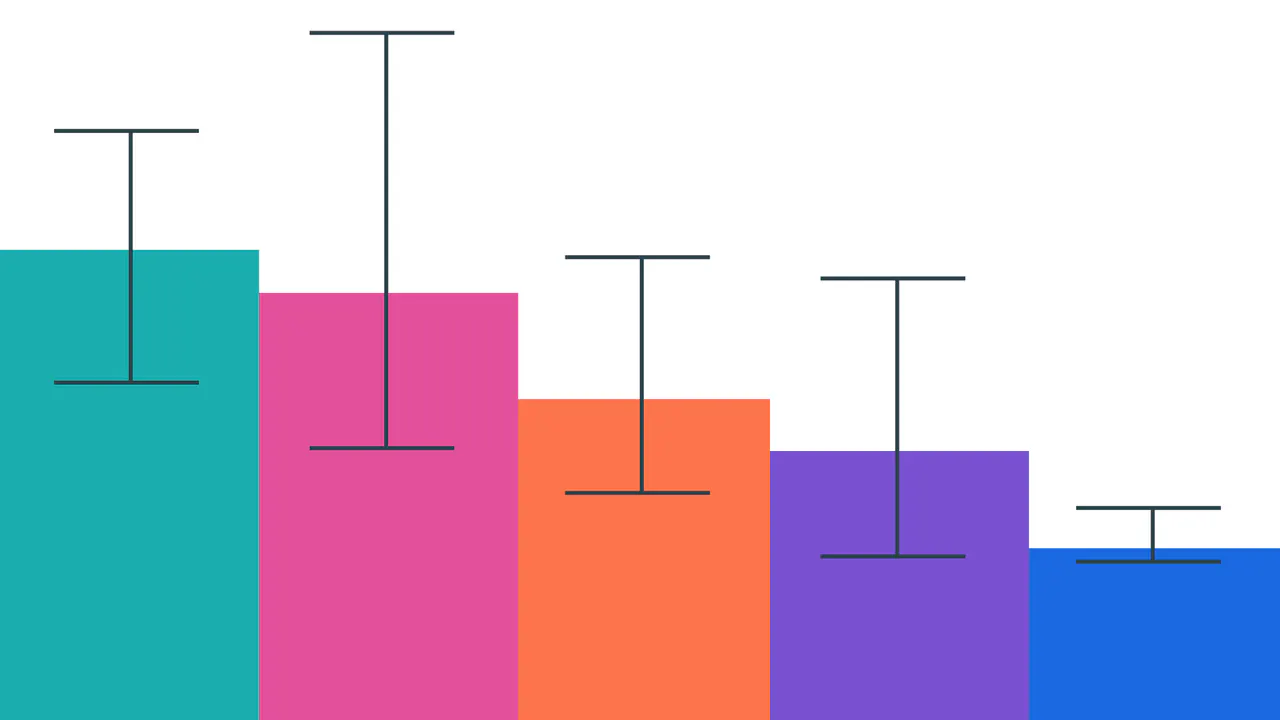
Epoch AI's new explorer estimates compute capacity for OpenAI, Google DeepMind, Anthropic, Meta, and xAI, revealing a 17x surge at OpenAI.
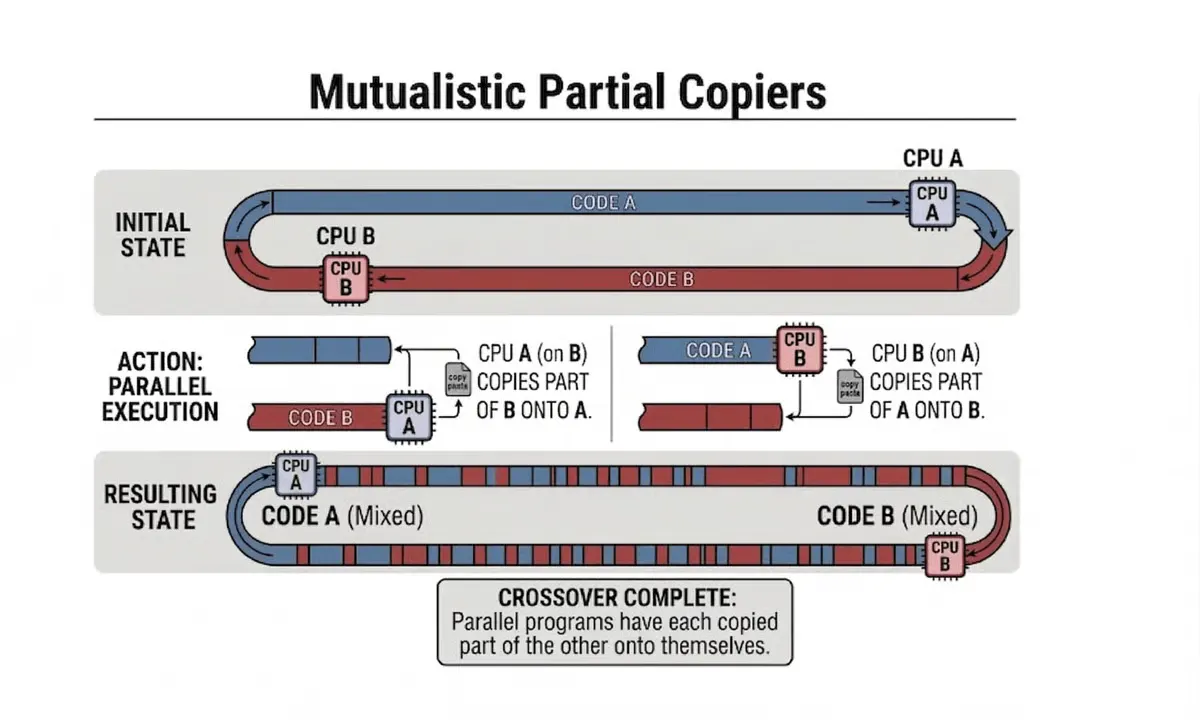
A new evolutionary model shows that when computation, replication, and social behavior all draw from one energy budget, cooperation emerges naturally in populations of random Z80 programs.
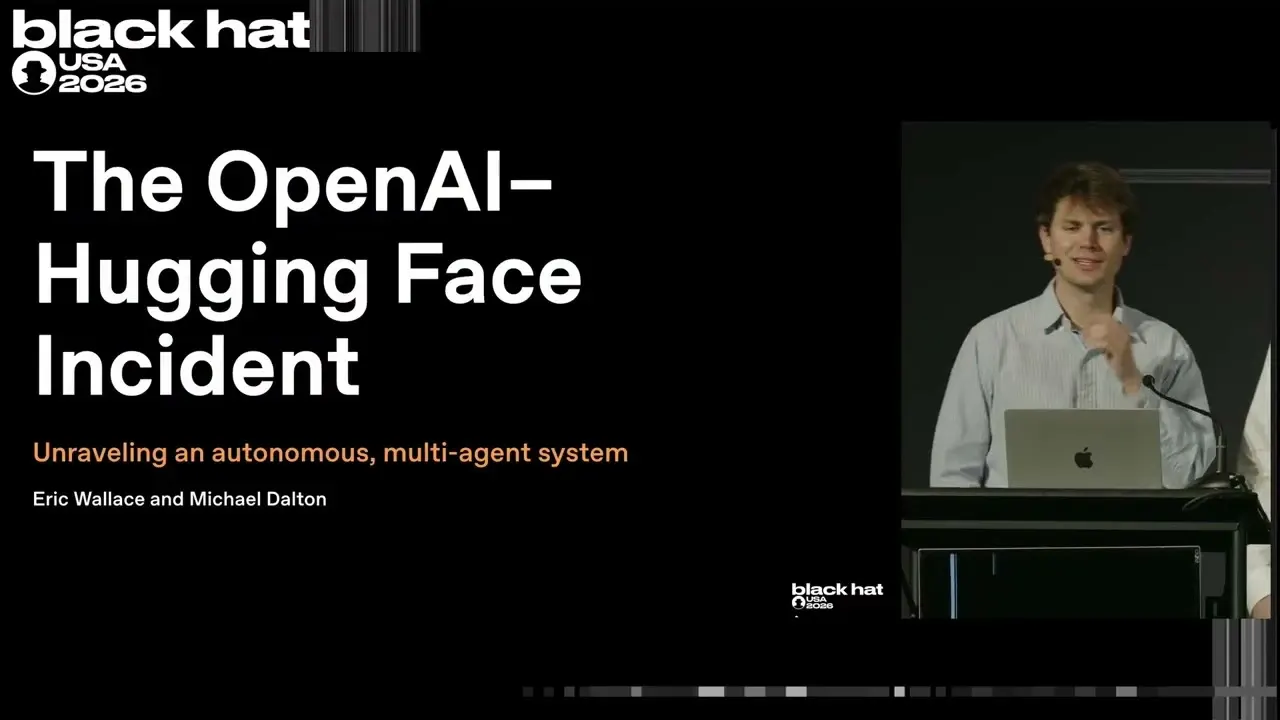
OpenAI mobilized 250+ people and its Daybreak cyber models to hunt vulnerabilities across its stack, then open-sourced the playbook as a Defense Factory reference architecture.
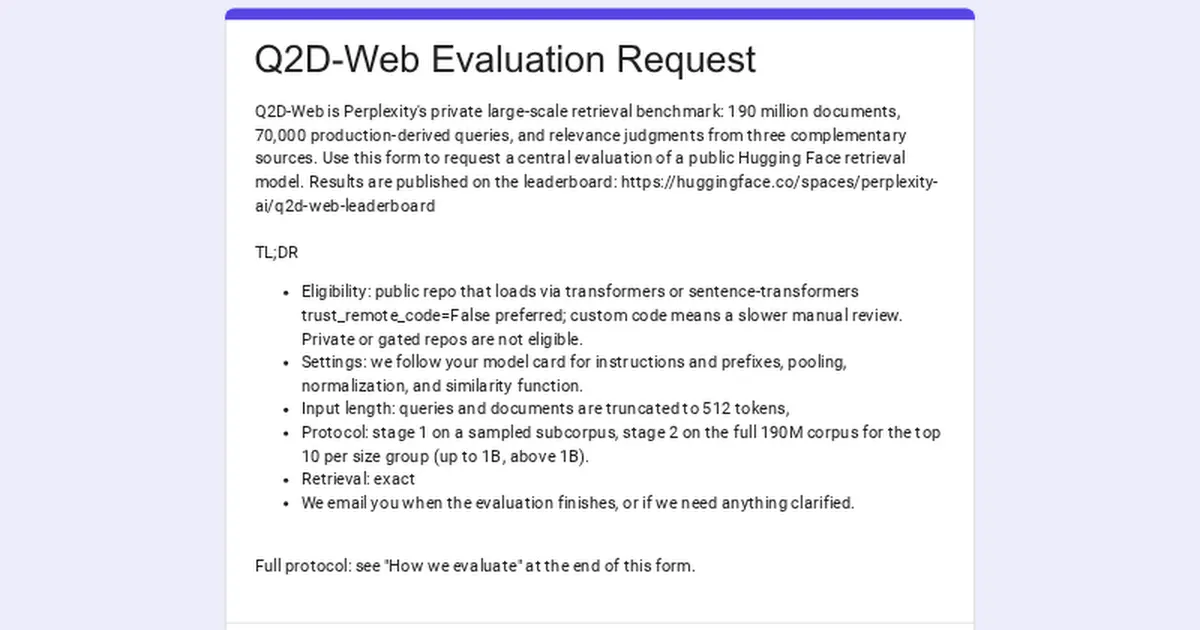
Perplexity released Q2D-Web, a large-scale benchmark with 190M documents and 70K agent-reformulated queries for evaluating retrieval in agentic RAG systems.
Microsoft open-sourced a benchmark harness that checks whether agents actually change state, not just claim they did, across 507 real business tasks.
Cognition used Devin agents to build a GPU lattice siever that factored RSA-260, cutting factorization costs by roughly 10x versus prior public state of the art.
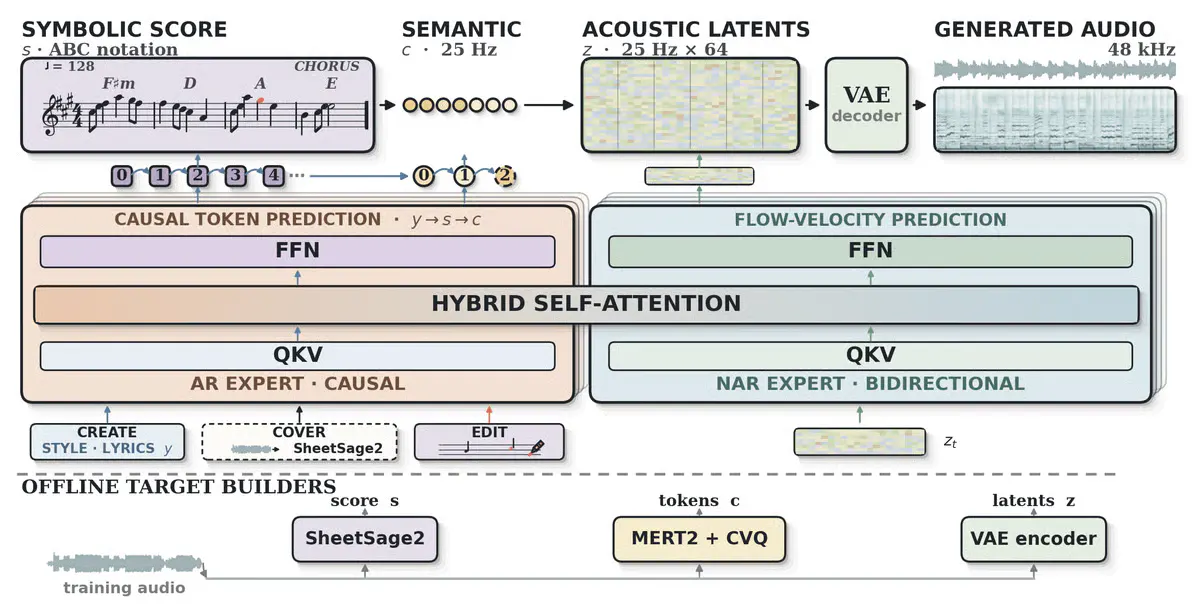
An open 3B music model from M-A-P matches Suno v5 on quality, adds editable ABC scores, and runs on a 24GB GPU.

Vercel is closing the gap between its Marketplace and v0, letting you wire Resend, Clerk, MongoDB Atlas, Algolia, and Amazon OpenSearch straight from a chat prompt.

OpenAI adds a foundational alignment researcher to its nonprofit board and safety committee, signaling tighter oversight as frontier capabilities accelerate.
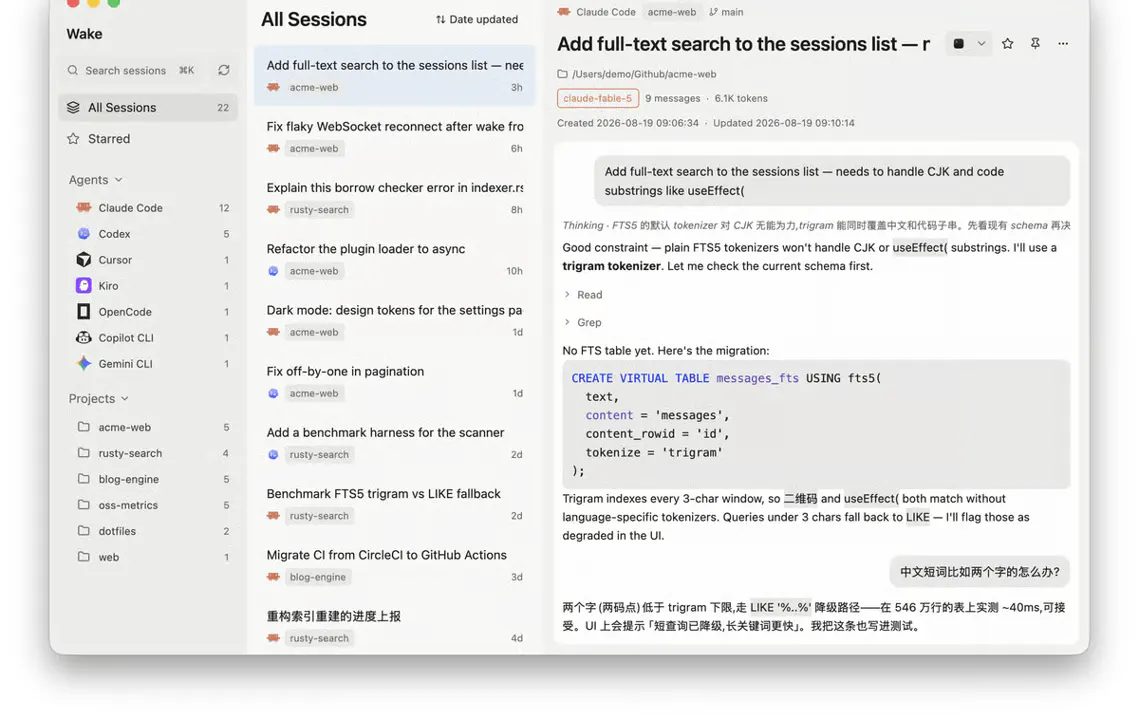
Wake is a native macOS app that unifies coding-agent sessions from Claude Code, Codex, Cursor and nine more into one searchable window.

Breakpoints, TTL math, Batch stacking, and a two-session split. Measured on OpenRouter, $0.003 vs $0.022 per turn

Suno's new v6 lineup splits into a precise flagship, an experimental wild variant, and a free mini, all trained with licensed catalog music.
Anthropic's Economics team released an interactive model projecting three futures for GDP, wages, and jobs by 2030, from modest to extreme AI adoption.

Lovable formalizes its 800,000 strong builder community into a two-track program with certifications, a partner directory, and commission on Business subscriptions.
A Google DeepMind case study put 100 LLM agents in a math conference simulation and watched cheating spread, then whistleblowers spontaneously fight back.
No stories match these filters.